EXHIBITION: MUSEO DEL PRADO AND FUNDACIÓN BBVA
21.05.2024 - 22.09.2024

EXHIBITION: MUSEO DEL PRADO AND FUNDACIÓN BBVA
21.05.2024 - 22.09.2024

Rooms A and B. Jerónimos Building. Ground floor.

Rooms C and D. Jerónimos Building. First floor.
Decisive transformations aimed at modernizing Spain, similar to what had happened in Europe, took place between the liberal governments of 1885 and 1910. Artists no longer focused on historical issues, but began to address present life, thus converting their works into eloquent testimonies of said changes.
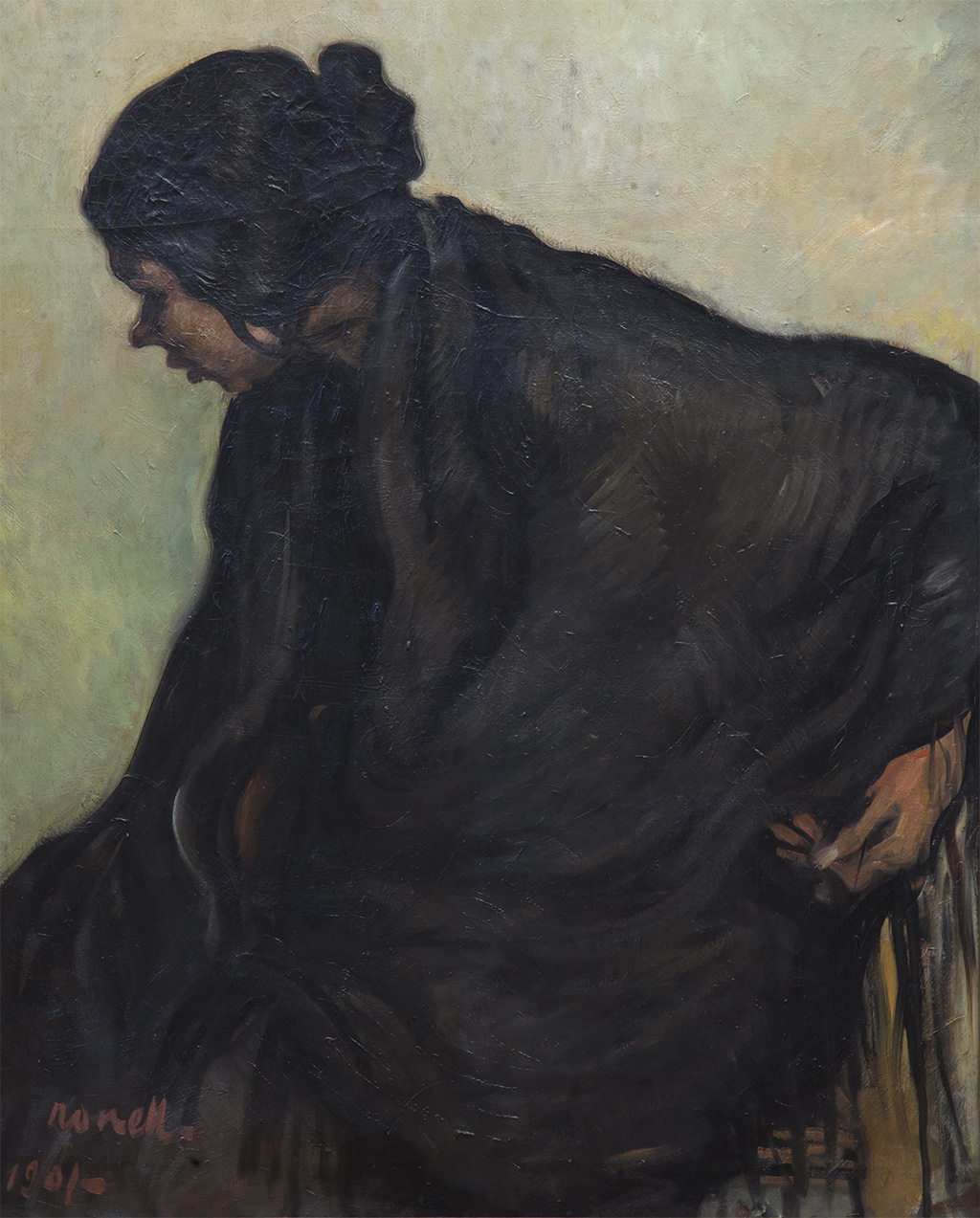
Isidre Nonell. Gipsy, ca. 1901. Oil on canvas. Colección Casacuberta Marsans. Spain (Barcelona).
Influenced by photography, Spanish painters sought objectivity in representation, leading them to adopt a naturalistic style akin to that which had prevailed in France and other countries. Nevertheless, some of their works took on a special identity thanks to the study and vindication of Velázquez as a reputable reference. Many of these artists showed their works at the National Exhibitions of Fine Arts, where a considerable number of them were acquired by the State. For this very reason, the Museo Nacional del Prado conserves the most significant collection of social painting in Spain. Twenty of these paintings, most of them large in size, represent the core of the exhibition. This exhibition is the institution’s first on the topic, one that is highly relevant given its presence in the museum’s collections but barely represented in its permanent exhibition, thus making it insufficiently known. Sculpture and graphic arts are also included along with painting, in addition to photography and cinema, which had the most prominent role in shaping the image of the times.
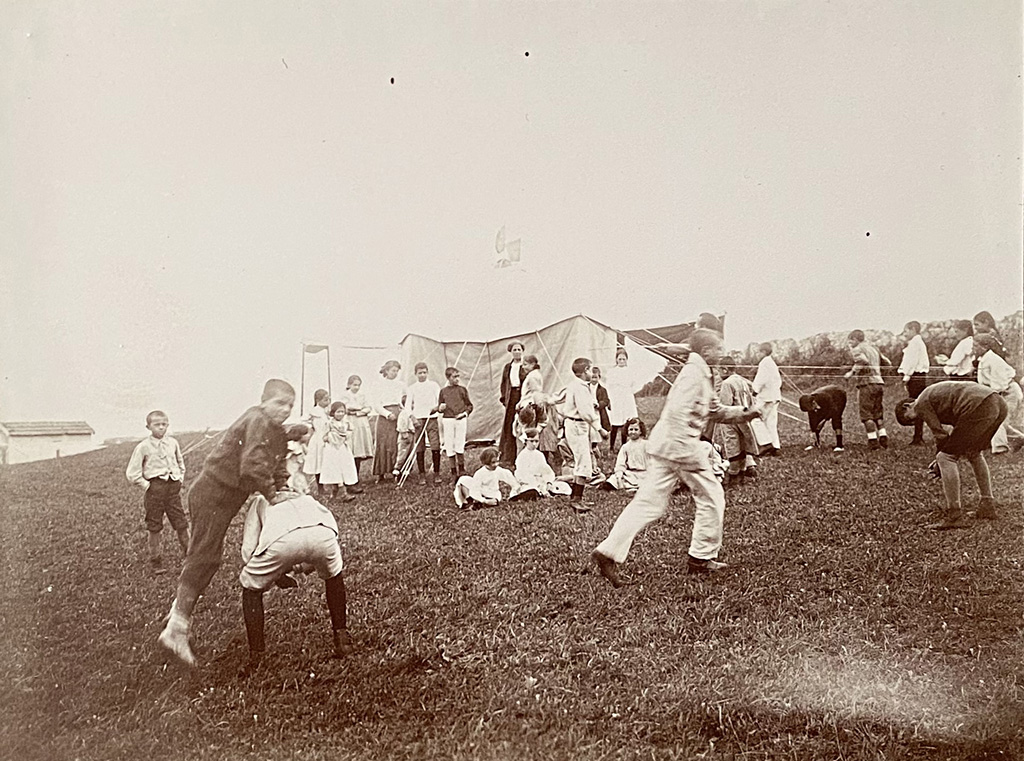
Anonymous. Group of Children in the Settlement of San Vicente de la Barquera (Cantabria) (detail), ca. 1910. Positive paper on a second cardboard backing. Institución Libre de Enseñanza. Residencia de Estudiantes. Spain (Madrid).
The topics chosen to embody the sections of the exhibition cover different aspects of contemporary life, including aspects that have been hardly considered before due to their lack of beauty, supposed lack of decorum, apparent triviality or alleged lack of interest. This includes industrial work and women’s work, education, illness and medicine, work-related accidents, prostitution, emigration, poverty and ethnic and social marginalization, colonialism, strikes, anarchism and workers’ demands. On the contrary, other themes that had a long tradition, such as work in the field and at sea, religion and death, were portrayed under a different light, which is why they also included the selection.
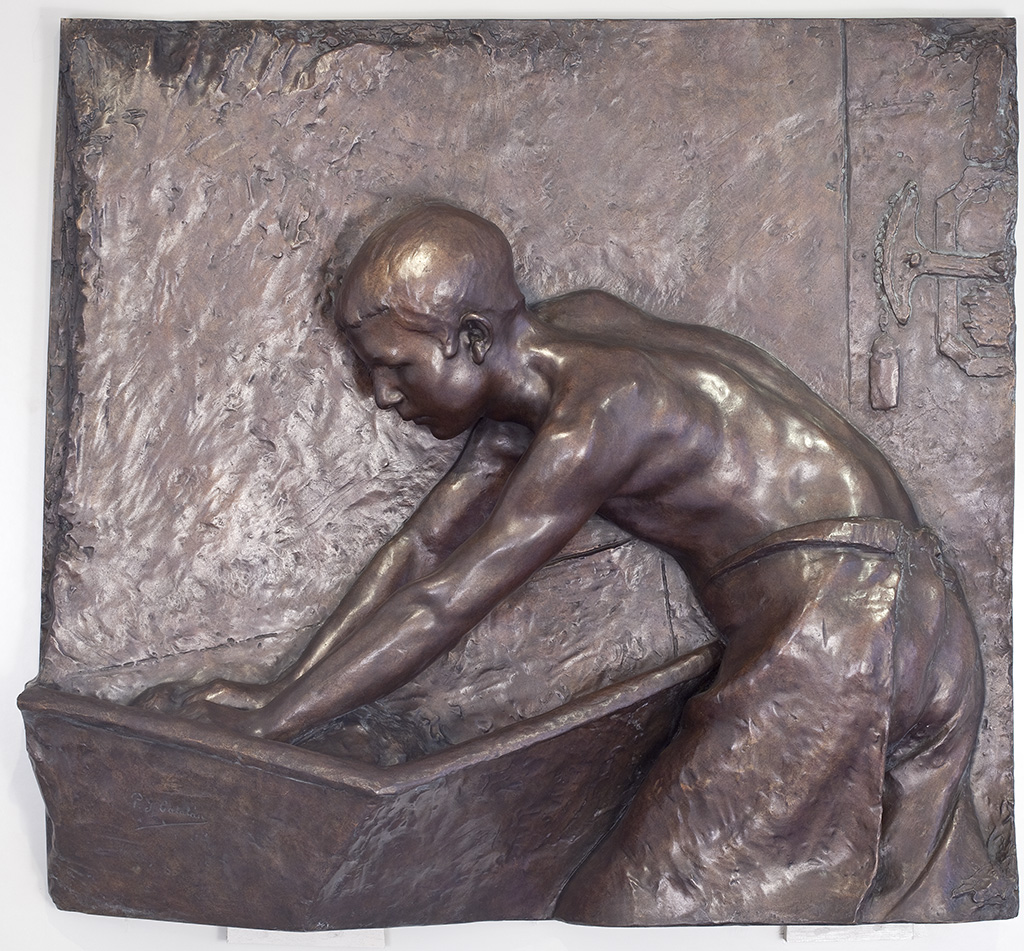
Pablo Gargallo. In the Trough, ca. 1898. Bronze. Museo Pablo Gargallo. Spain (Zaragoza).
The exhibition analyzes the varying interpretations of all these themes, the link between different techniques, such as photography, drawing and painting, and the crisis faced by the naturalistic representation system after the successes of its most notable creators, such as brothers Luis and José Jiménez Aranda, Vicente Cutanda, Joaquín Sorolla, Santiago Rusiñol and Ramon Casas.
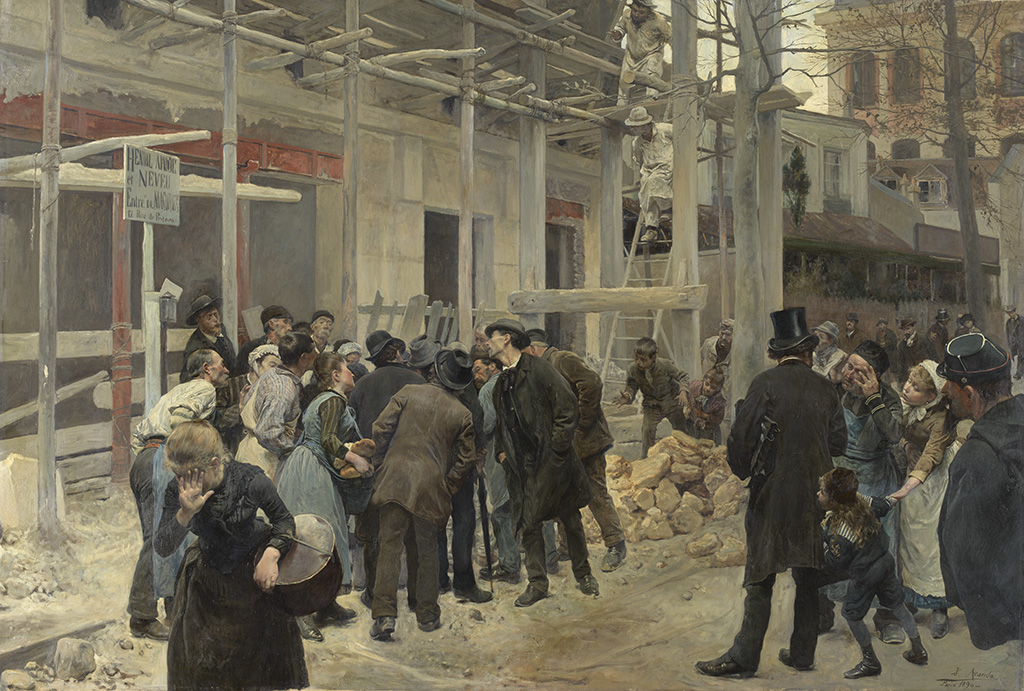
José Jiménez Aranda. A Disaster, ca. 1890. Oil on canvas. Colección Particular V (Zóbel de Ayala). Spain (Sotogrande - Cádiz).
The period of emergence of the first social art took place between the Paris World’s Fairs of 1889 and of 1900, events during which two Spanish painters, Luis Jiménez Aranda and Joaquín Sorolla, respectively, received the medal of honor. Although the proposals of naturalism continued to be shaped by other artists until 1910, they were replaced by works of a more expressive nature. As Velázquez’s influence declined among innovative artists who were also sensitive to the transformations that had changed Europe, these artists progressively looked to El Greco and his approach.
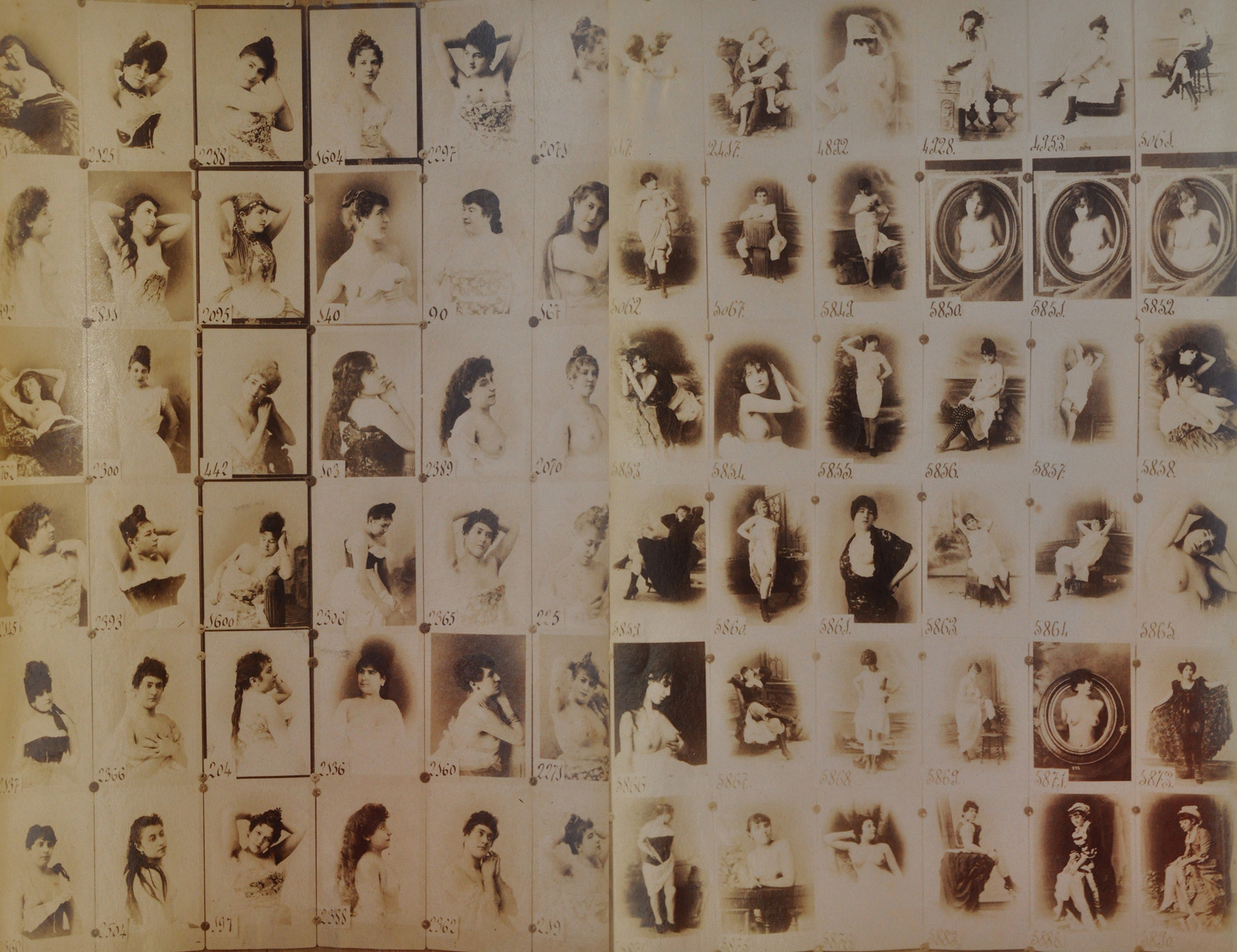
Antoni Esplugas. Samples of Erotic Photographs (2 samples), ca. 1890. Albumin photograph. Colección Domenech-Ballester. Spain (Catalonia).
The first important, and also the earliest, example was Darío de Regoyos and, after 1900, Francisco Iturrino, Ricardo Baroja, Hermen Anglada-Camarasa, Isidre Nonell, Evaristo Valle, Joaquim Sunyer, Pablo Gargallo, Pablo Picasso, Juan Gris and José Gutierrez Solana. Ignacio Zuloaga and Julio Romero de Torres also worked by following very personal approaches that placed a greater focus on certain aspects of art of the past and new directions. Cinema had elevated the possibilities of representing life to the greatest level, such that artists renounced large formats and objectivity and followed a radically modern direction, which took into consideration the revolution spurred by post-impressionism in Paris. There, painters, sculptors and graphic artists, including many Catalan and Basque creators, found a suitable avenue for developing their proposals with greater freedom and away from academia. The fact that they continued to address the same topics as naturalists allows us to highlight throughout the exhibition the richness of approaches to those issues in a short period of time, which is therefore of great interest and relevance.

Darío de Regoyos. The Daughters of Mary, ca. 1891-1892. Pastel on paper affixed to canvas mounted on panel. Colección Particular VII (Juan San Nicolás). Spain (Madrid).
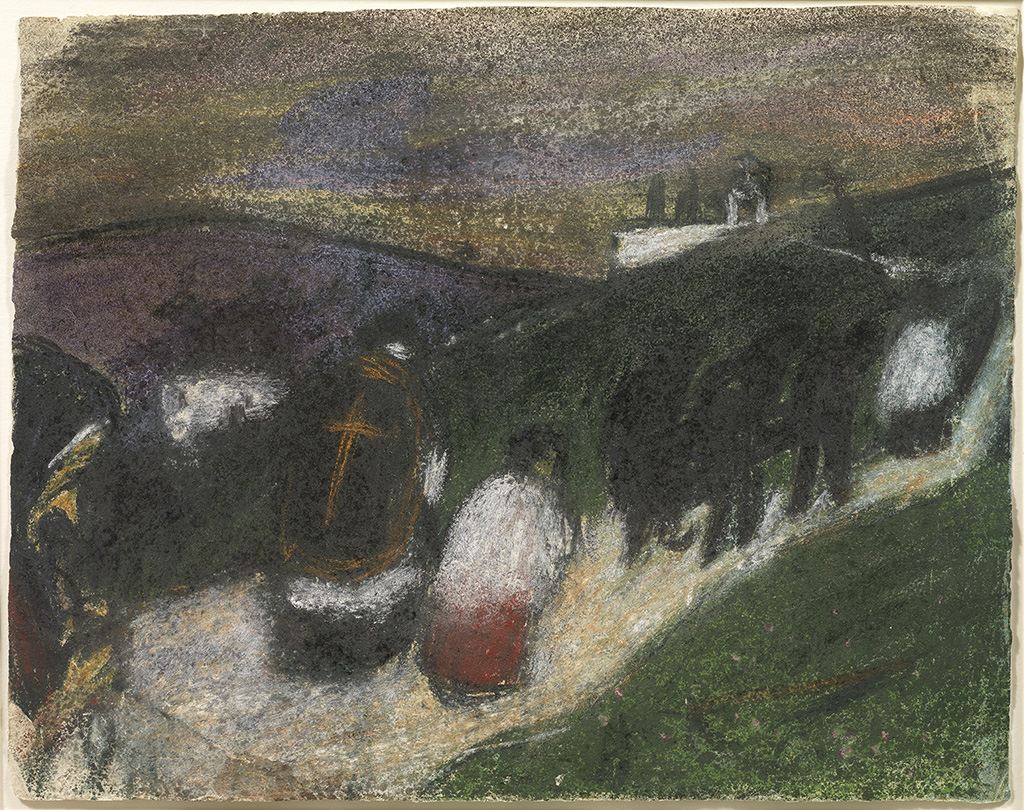
Pablo Picasso. A Burial in the Country, ca. 1900. Pastel on paper. Museu Picasso. Spain (Barcelona).
The catalog, edited by Javier Barón, who is responsible for the initial study on painting, includes other studies on sculpture, by Leticia Azcue, photography, by Beatriz Sánchez Torija, and the Catalan context, by Francesc Fontbona. The nearly three hundred works forming part of the exhibition have undergone detailed and individual analyses that have been carried out by these authors and by almost thirty specialists.
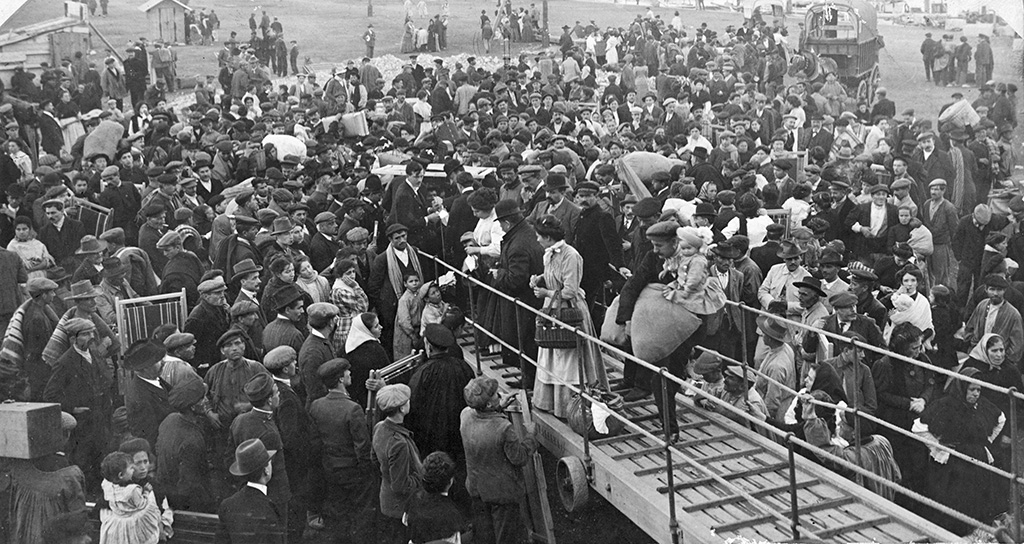
Frederic Ballell. Boarding of Emigrants to South America (detail), ca. 1910. Bromide-gelatin print / positive paper. Arxiu fotogràfic de Barcelona. Spain (Barcelona).
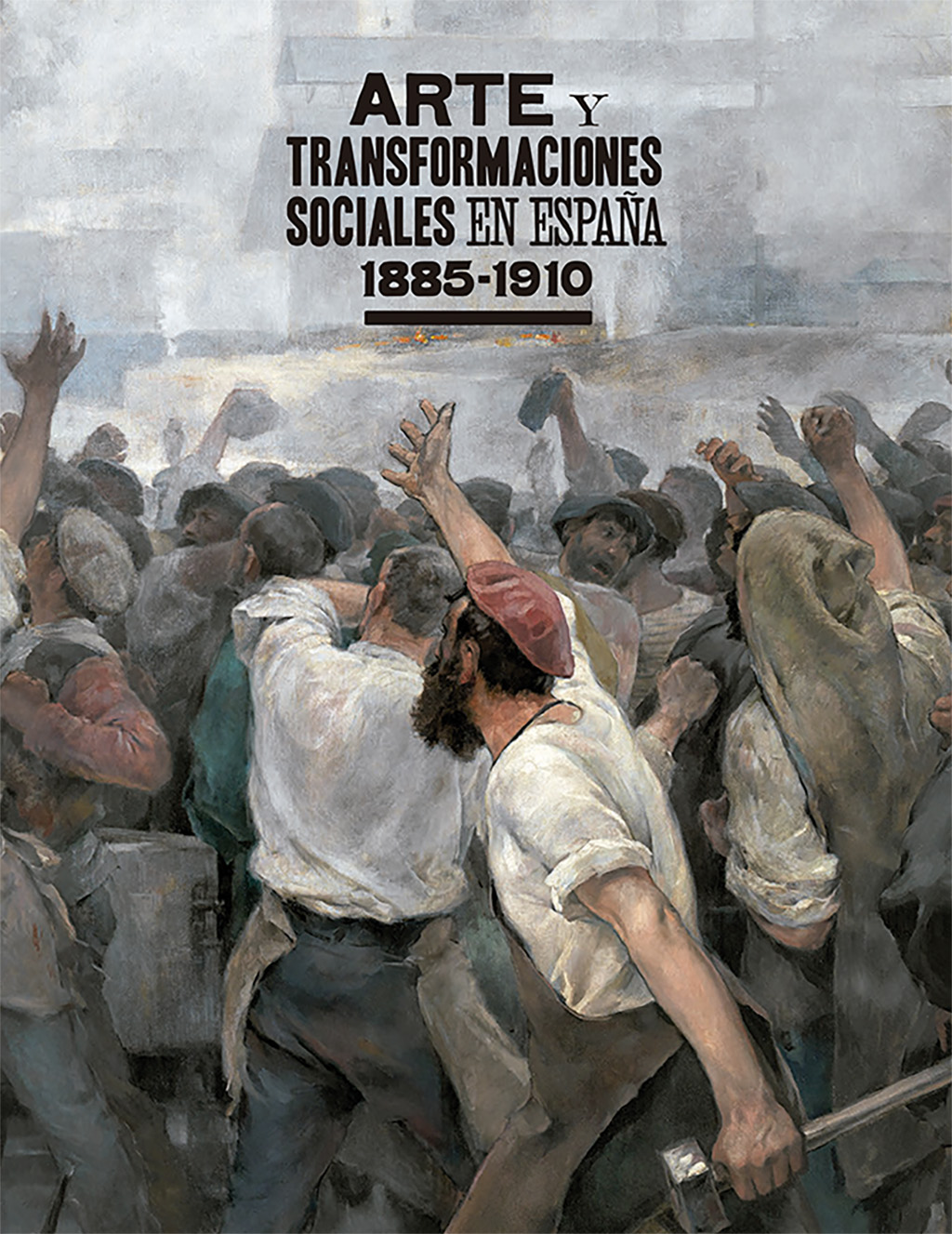
Spanish edition
32€
Compra ahora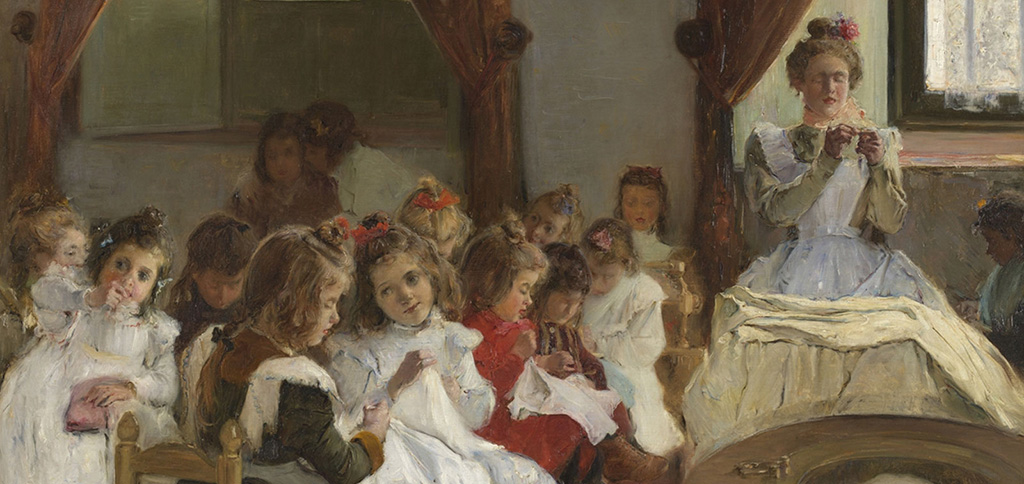
Monday to Saturday at noon and 5 p.m.
Sundays and public holidays at noon
Admission + €10
Can be purchased online or at the ticket office along
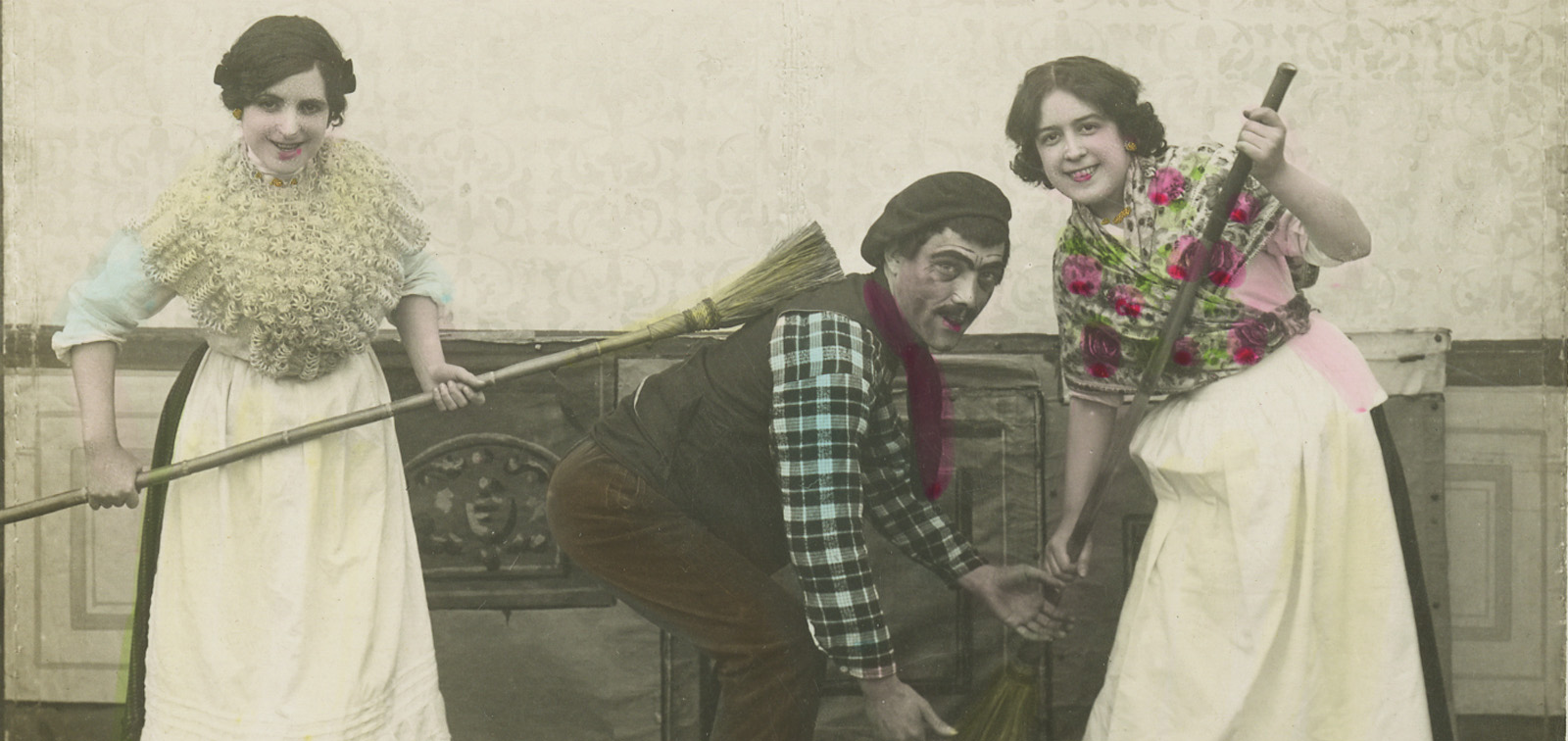
The programme, performed by soprano Carolina Moncada and baritone César San Martín, accompanied by the Ensamble de Madrid under the baton of Fernando Poblete, will feature musical pieces from works premièred between 1885 and 1910 by several generations of composers, from Fernández Caballero through to Luna, without forgetting Chueca, Calleja and Serrano.
21st June at 7 p.m.
Auditorium
Concert organised in collaboration with ICCMU
12 euros
More info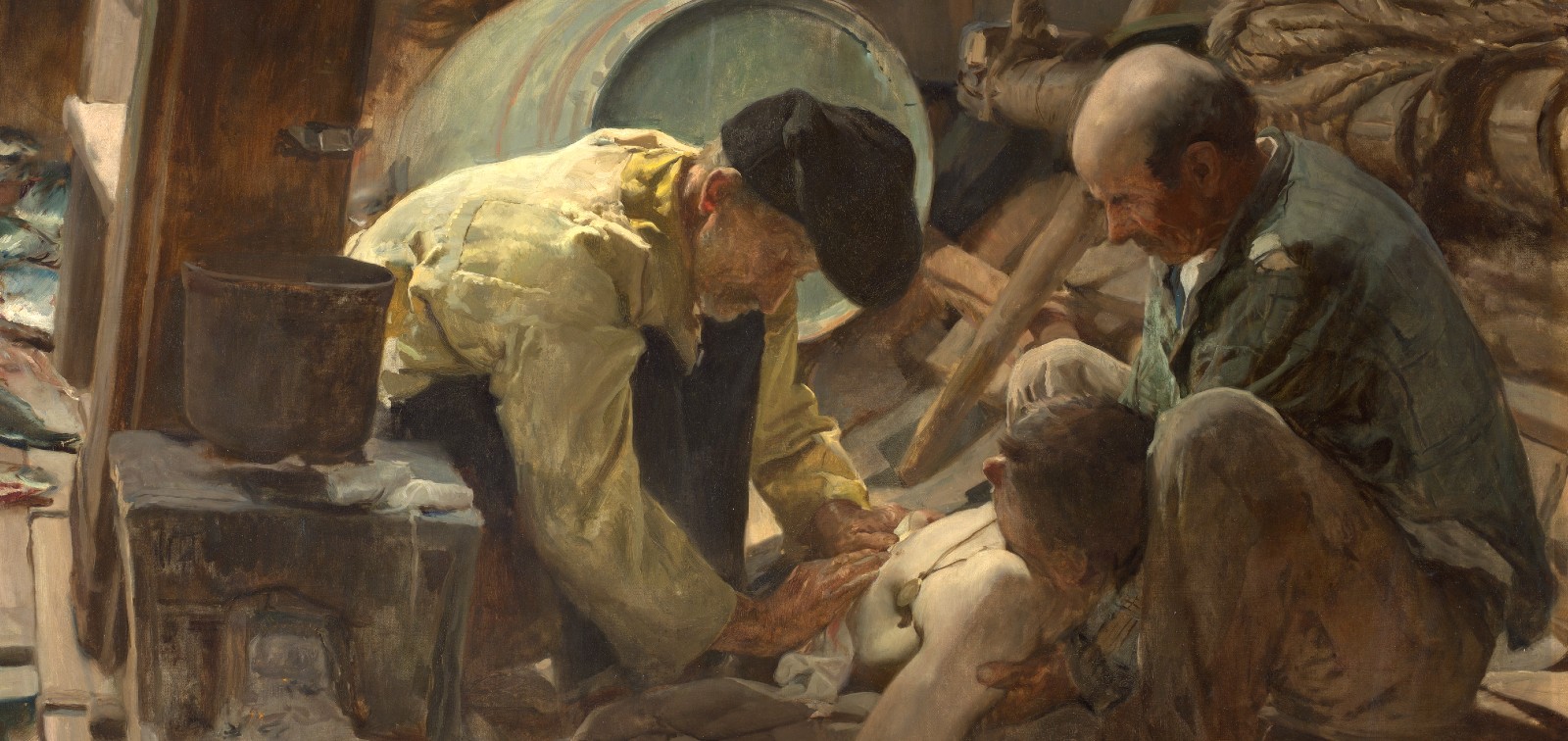
Talk designed to facilitate independent visits to temporary exhibitions by providing key insights to improve appreciation and understanding of the works on display.
Thursdays at 12.30 p.m. and 5 p.m.
Sala de Conferencias
Actividad gratuita para los visitantes con entrada al Museo
More info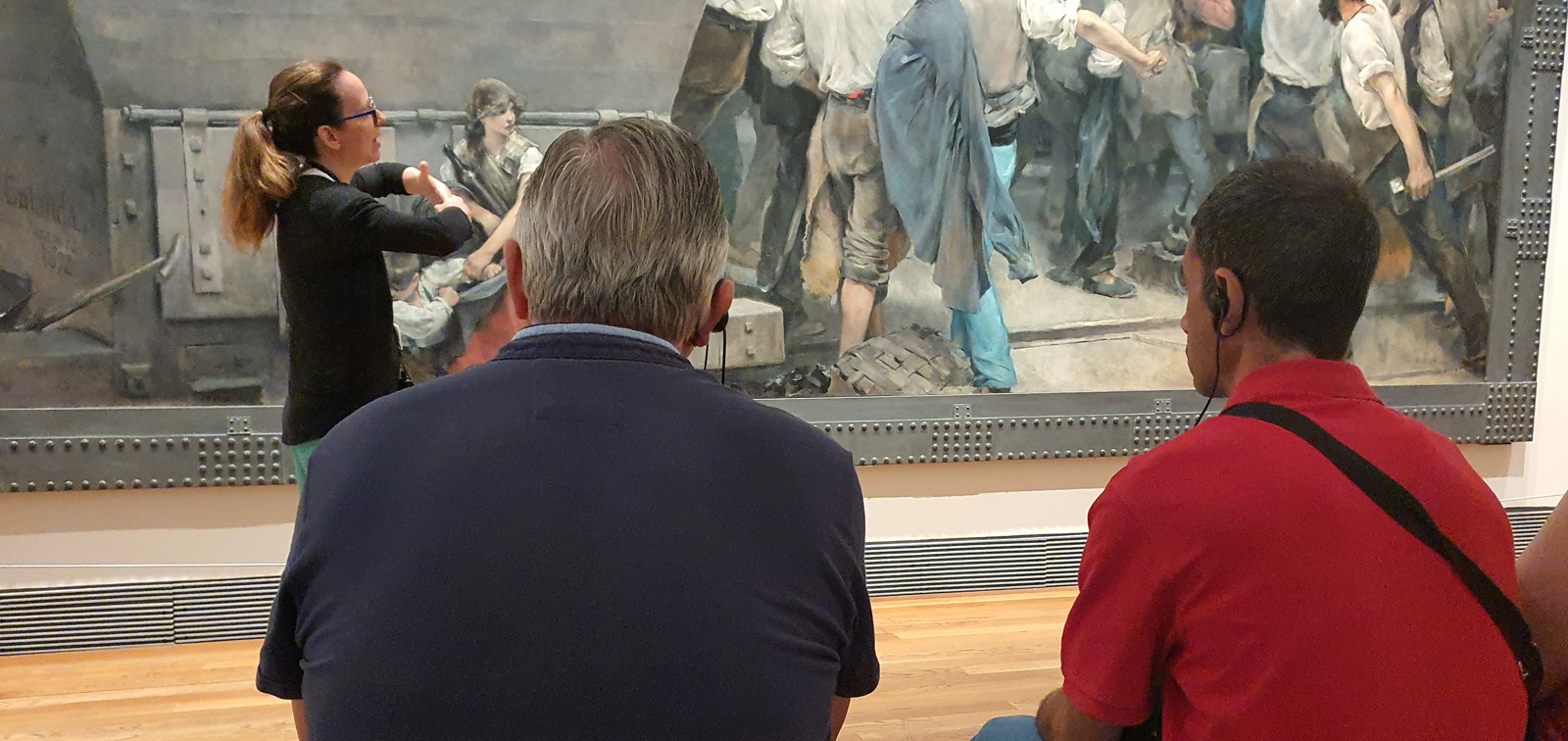
Audio guided tour for blind or visually impaired visitors.
Fridays at 10 a.m. and every other Saturday at 3:30 p.m.
Bookings must be made in advance by email comunidad.pradoeducacion@museodelprado.es
Mostrador de Educación
Gratuito
More info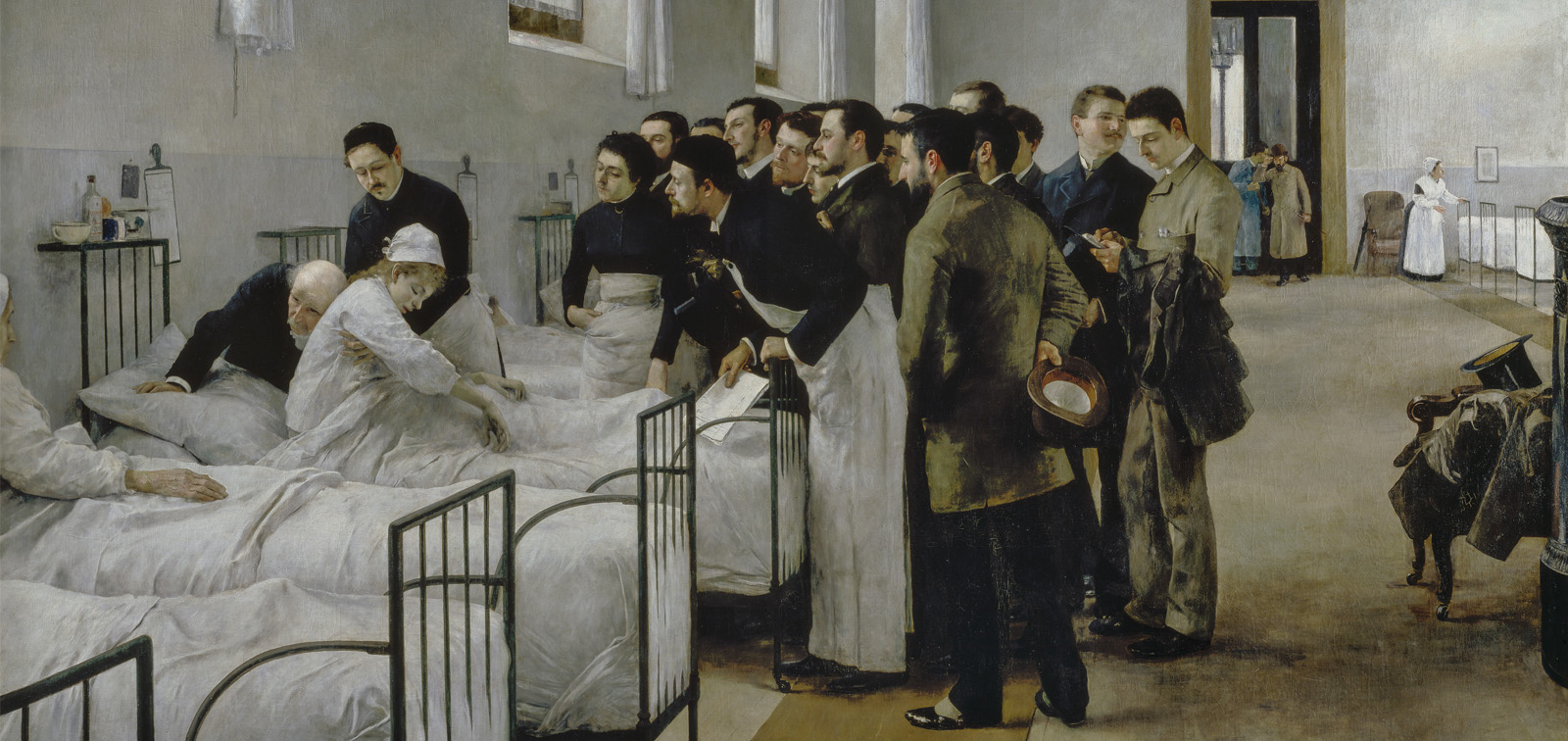
Coinciding with the "Art and Social Changes in Spain (1885-1910)" exhibition at the Prado Museum, a course will explore the significant social changes in Spain during the late nineteenth and early twentieth centuries. The course is intended for teachers of any level and subject.
7th, 8th, 14th and 15th June
Museum conference room and exhibition rooms
Registration at the museum's website is required. Places will be allocated on a first-come, first-served basis (25 places available)
70 €, previa inscripción
More info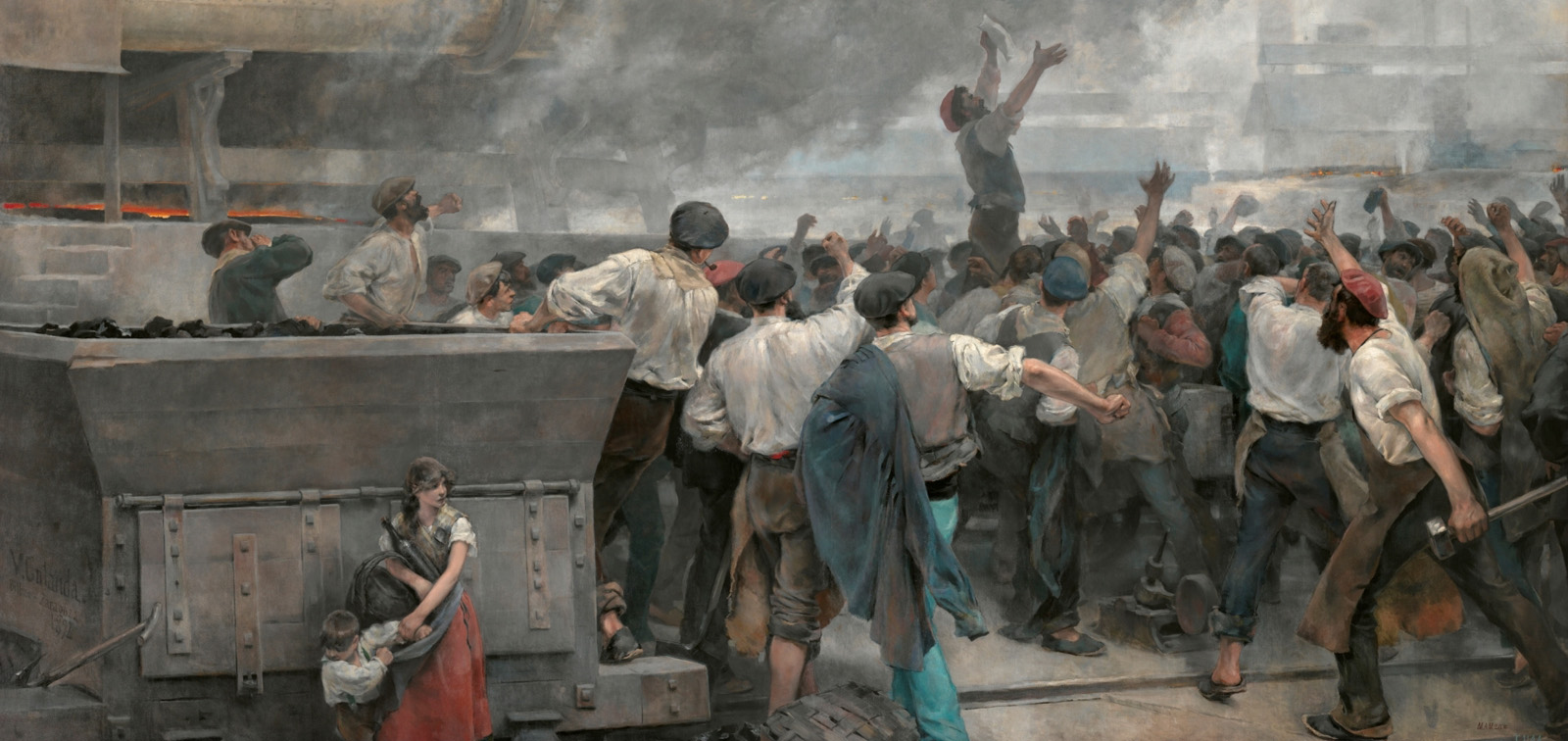
Directed by Javier Barón Thaidigsmann
This series of conferences is based on the exhibition Art and Social Transformations in Spain (1885-1910). It will examine how a naturalistic paradigm defines and portrays social reality's image, and how it is surpassed by new expressive proposals.
Directed by Javier Barón (El Prado National Museum)
22nd, 28th and 29th May; 4th, 5th and 12th June 2024/p>
Auditorium. 6.30 p.m.
Sponsored by Friends of El Prado Museum Foundation
Entrada gratuita hasta completar el aforo
More info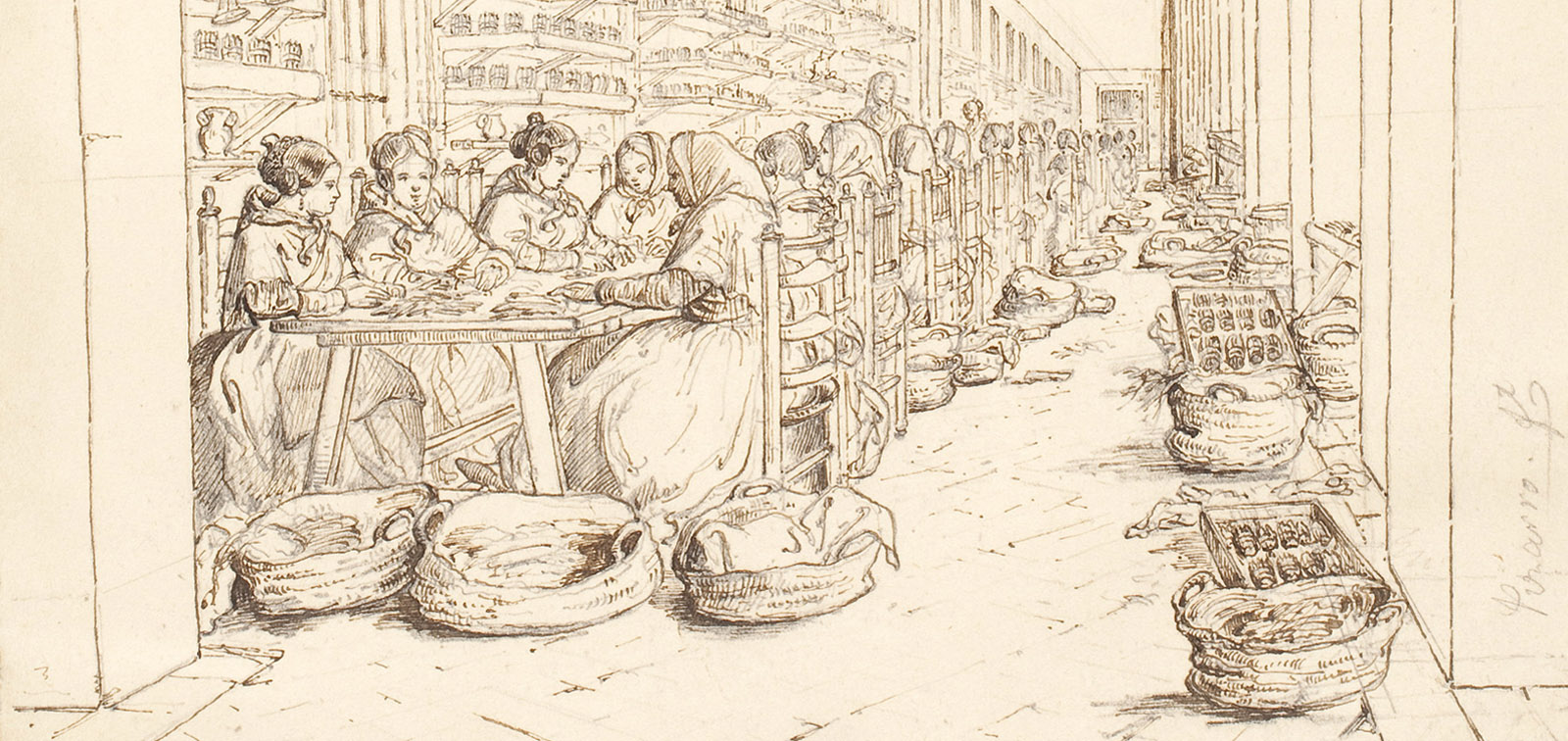
Directed by David García López
Spain experienced significant political and social upheavals in the latter half of the 19th century, stemming from longstanding demands for deep-seated changes.
18th and 25th May; 8th and 15th June 2024
Auditorium. 6.30 p.m.
Sponsored by Friends of El Prado Museum Foundation
Entrada gratuita hasta completar el aforo
More infoJerónimos Building. Ground floor and floor 1
Group visit with advance booking (max. 10 persons + guide)
www.museodelprado.es and ticket office
cav@museodelprado.es / 91 068 30 01
General admission: €15
Concessions: €7.50 (accreditation required)
Discounted admission (50%) for the last two hours before closing
Spanish and English
€5 (includes the temporary exhibition, the Collection, and the itinerary "The Female Perspective II")
Can be purchased online or at the ticket office along with the entrance ticket
Monday to Saturday: 10 a.m. - 8 p.m.
Sundays and public holidays: 10 a.m. - 7 p.m.
Last admission: 45 min before closing
Visitors will be asked to leave the exhibition room 10 minutes before closing time
Jerónimos Foyer
Photography and filming not allowed in the rooms
With the sole sponsorship of: