15.10.2024 - 16.02.2025

15.10.2024 - 16.02.2025
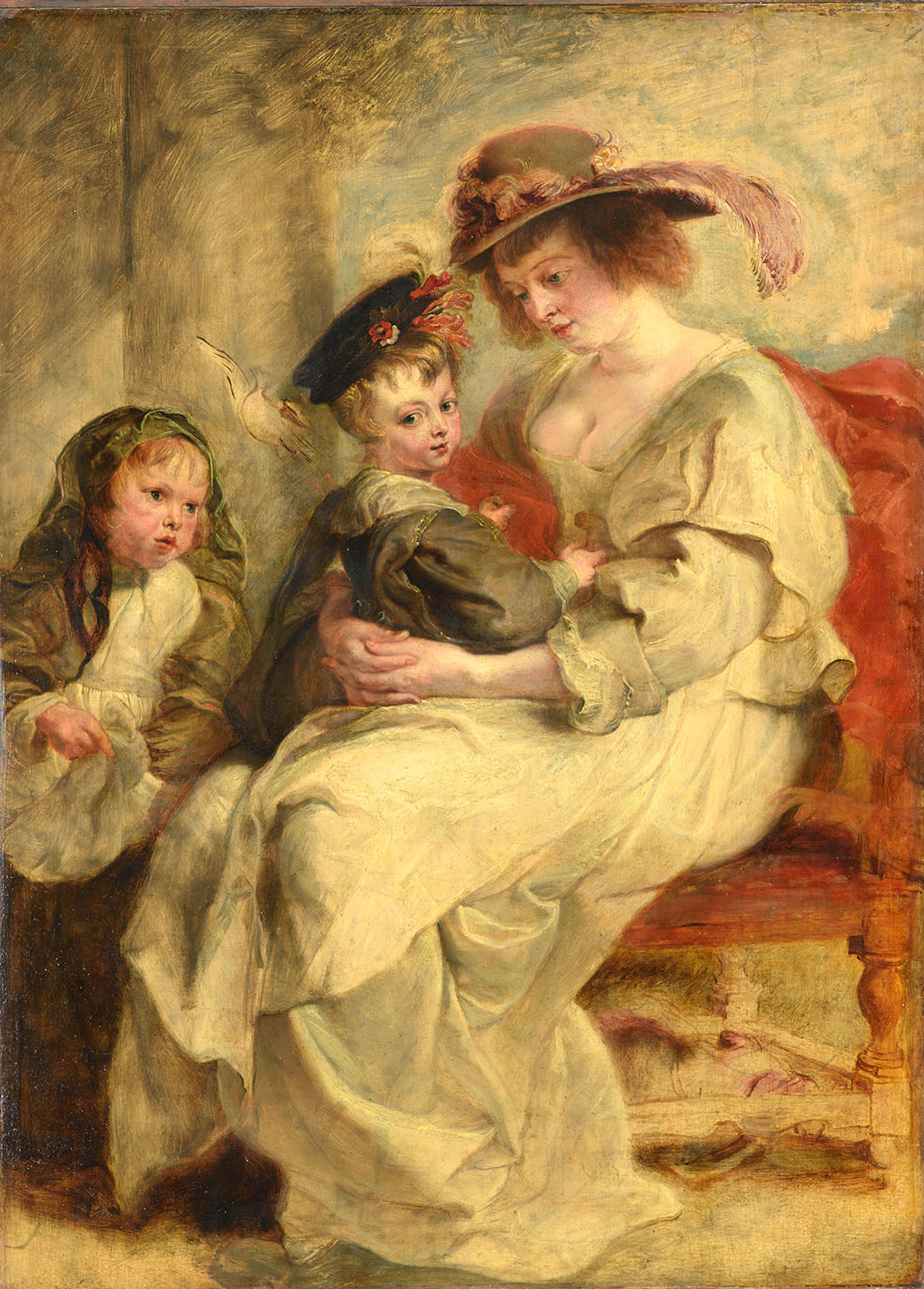
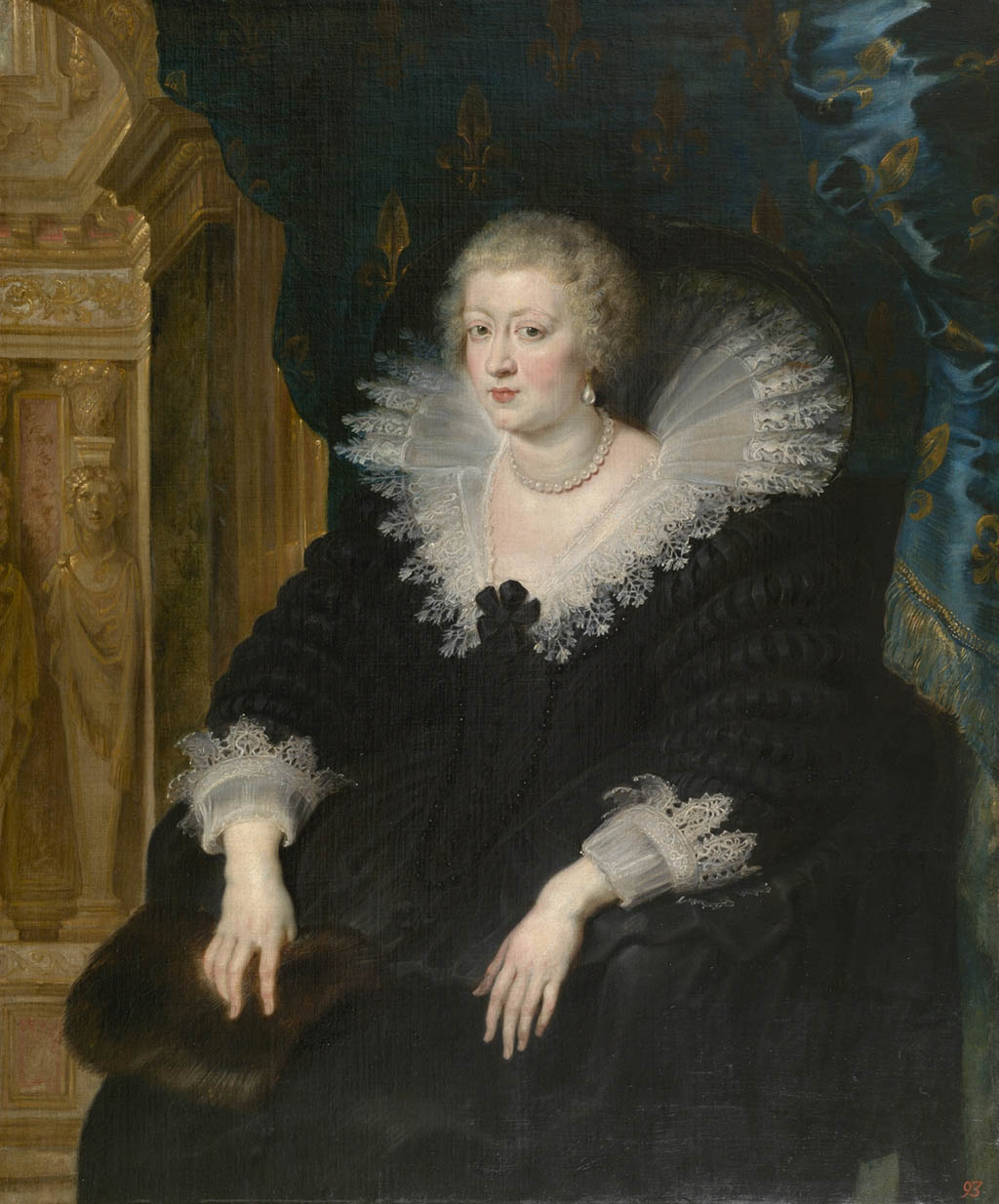
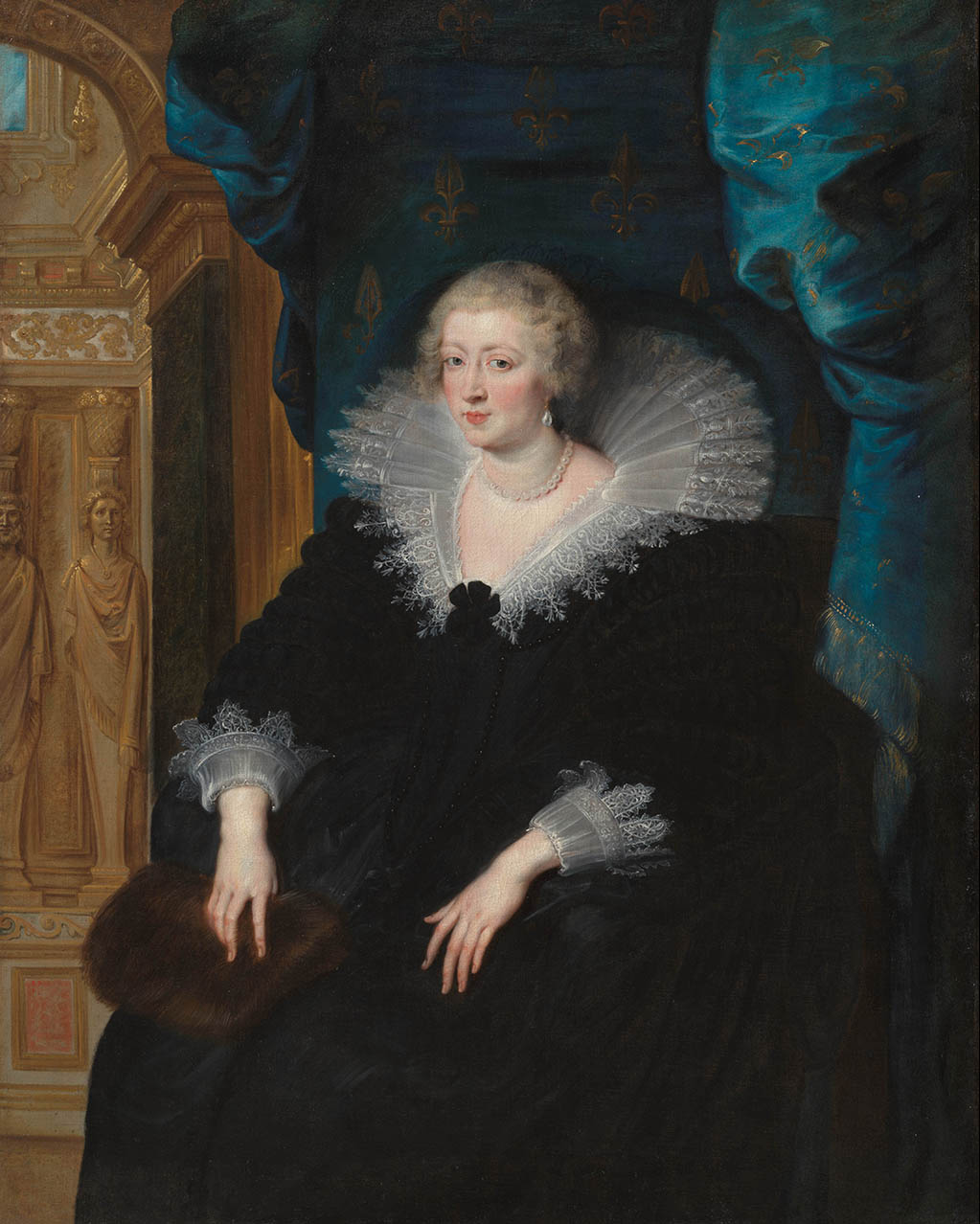
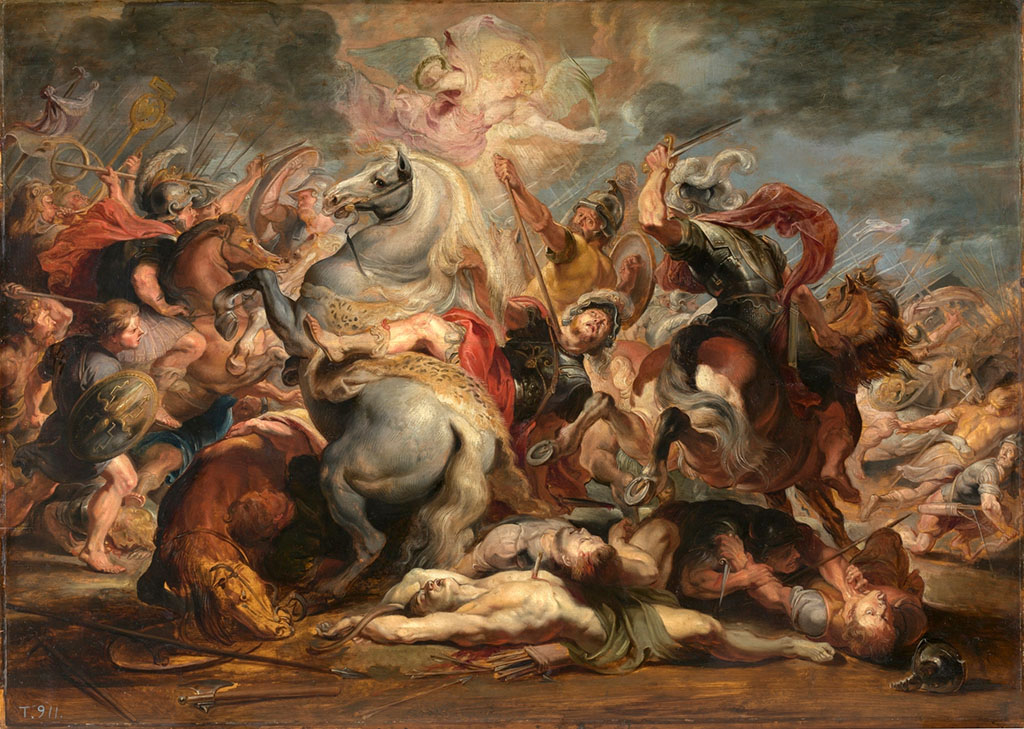
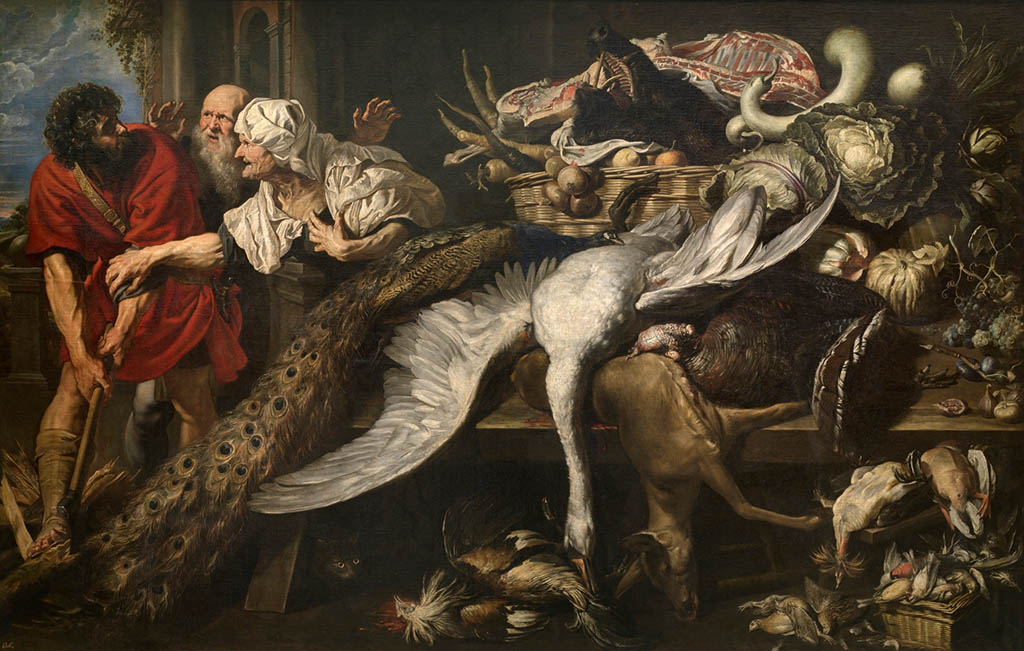
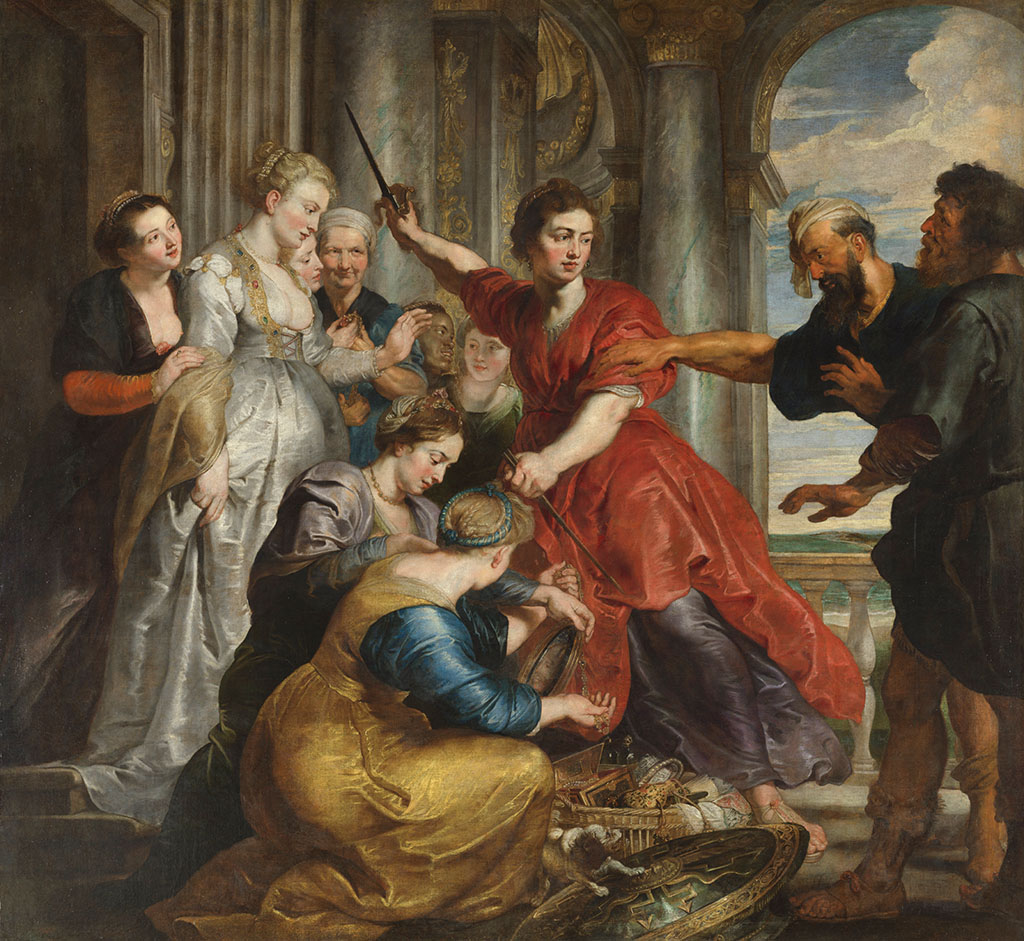
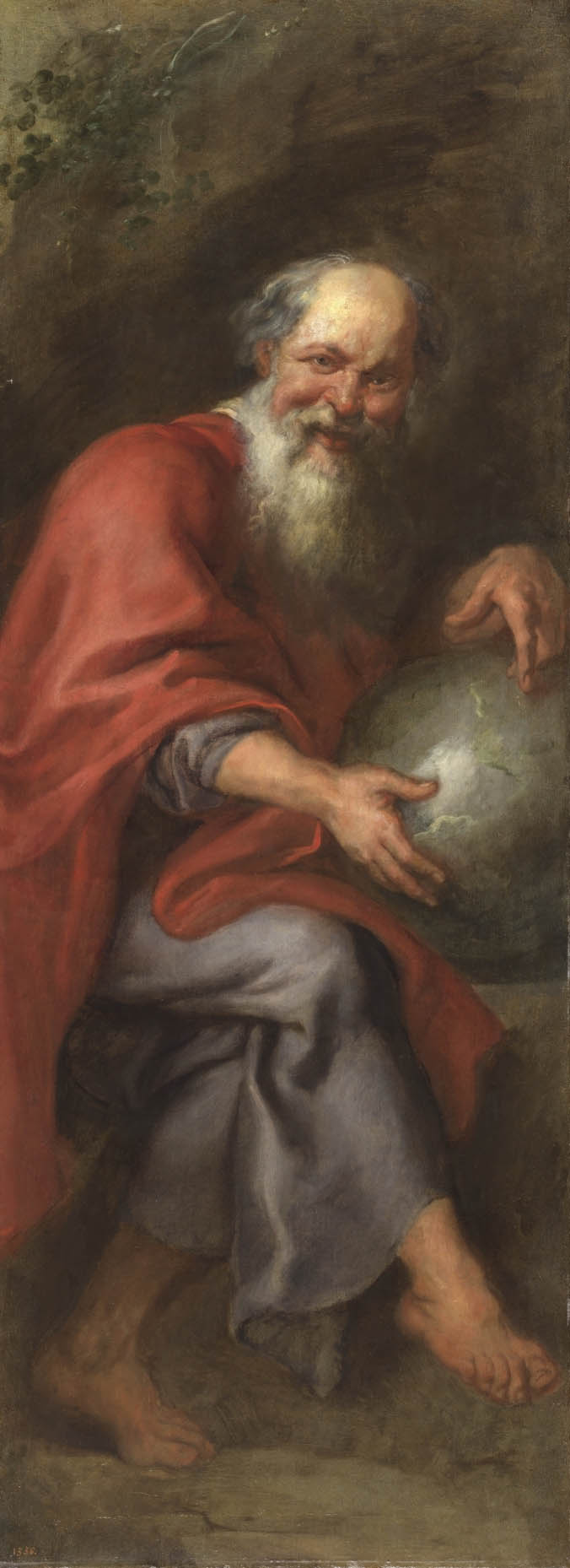
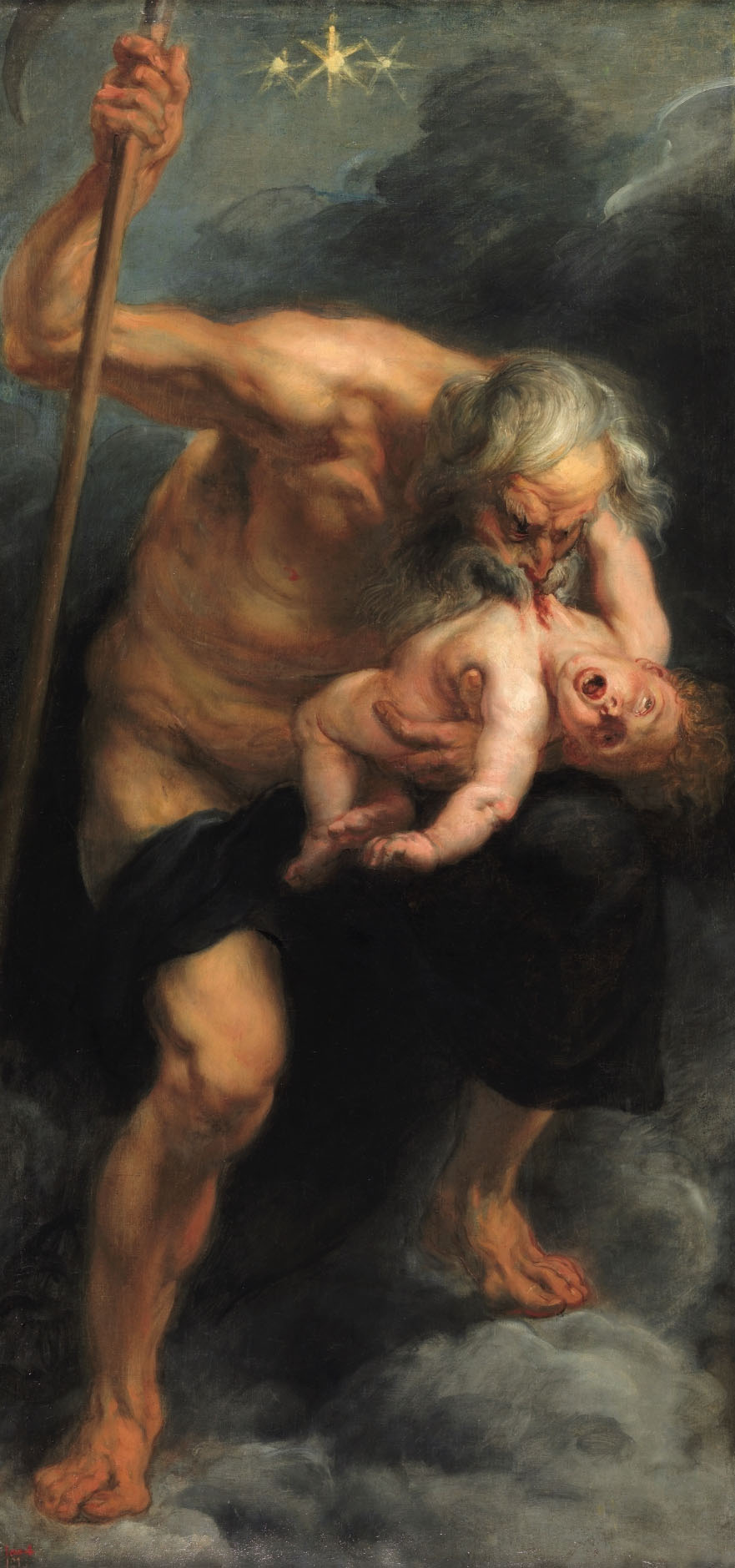
Painters in Early Modern Europe often created their art in workshops, relying on a range of collaborators. This exhibition focuses on one of the most prolific and successful workshops, that of Peter Paul Rubens (1577-1640). The exhibition features paintings by the master, works by his assistants, and pieces resulting from their various levels of collaboration. Viewing these paintings together helps recognise the variations in quality. It is important to remember that all paintings produced in Rubens’ workshop were considered part of his signature style. Even so, his contemporaries (and Rubens himself) valued the works painted entirely by the master more than those produced in the workshop. In this sense, Rubens’ works are akin to the products of certain modern fashion houses or architecture firms.
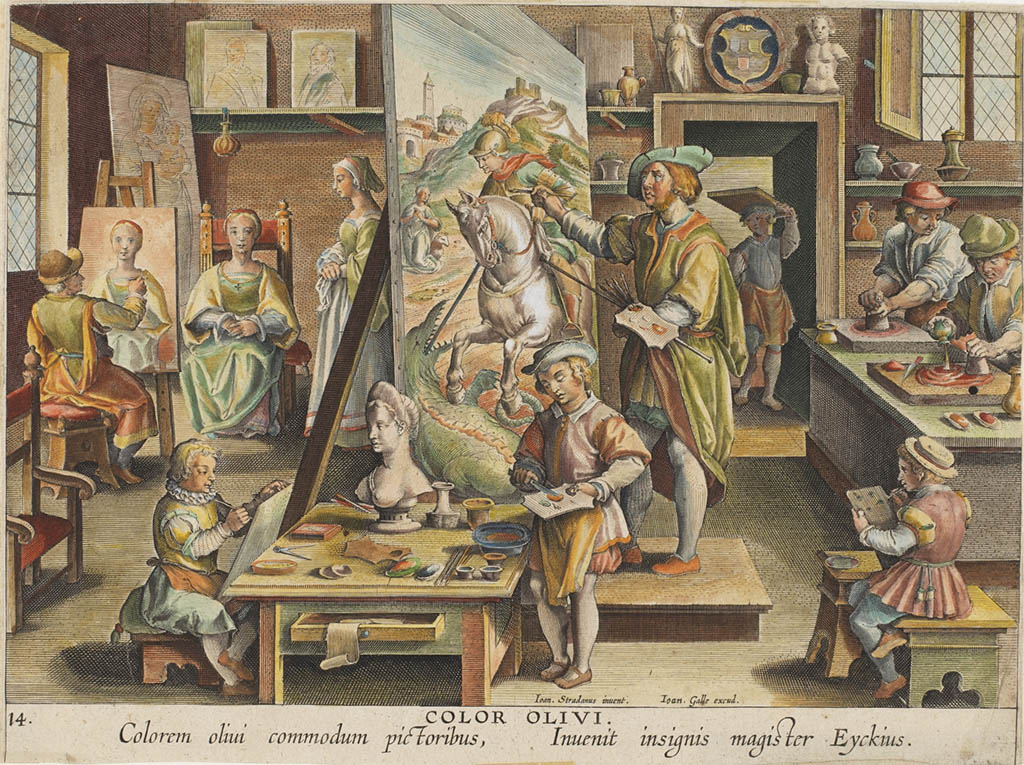
Color Olivi (Invention of Oil Painting), Hans Collaert II after Johannes Stradanus. Burin, illuminated print. c. 1600. Madrid, Museo Nacional del Prado
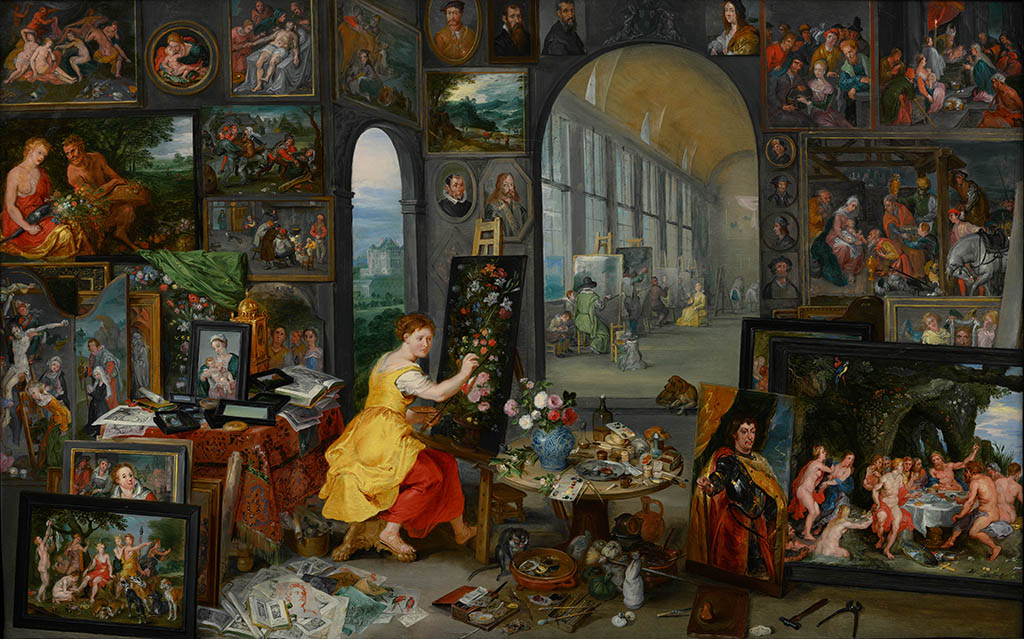
Allegory of Painting, Jan Brueghel the Younger. Oil on copper. c. 1625–30. Courtesy of the JK Art Foundation
To give visitors a sense of the workshop where Rubens produced his art (primarily in Antwerp), we have created a simulation based on contemporary depictions. Although these were less accurate depictions and aimed more to elevate the painter's profession by emphasising its elegance (Rubens portrayed himself several times without any reference to his profession), they still allow us to imagine where the painting took place. In works such as the print Color Olivi by Johannes Stradanus and the Allegory of Painting by Jan Brueghel the Younger, we see teams of artists engaged in various tasks, from preparing canvases, brushes and colours, through to painting the artworks. Workshops were the spaces where painters practised their craft. They were also where the marvellous endeavour of artistic creation unfolded.
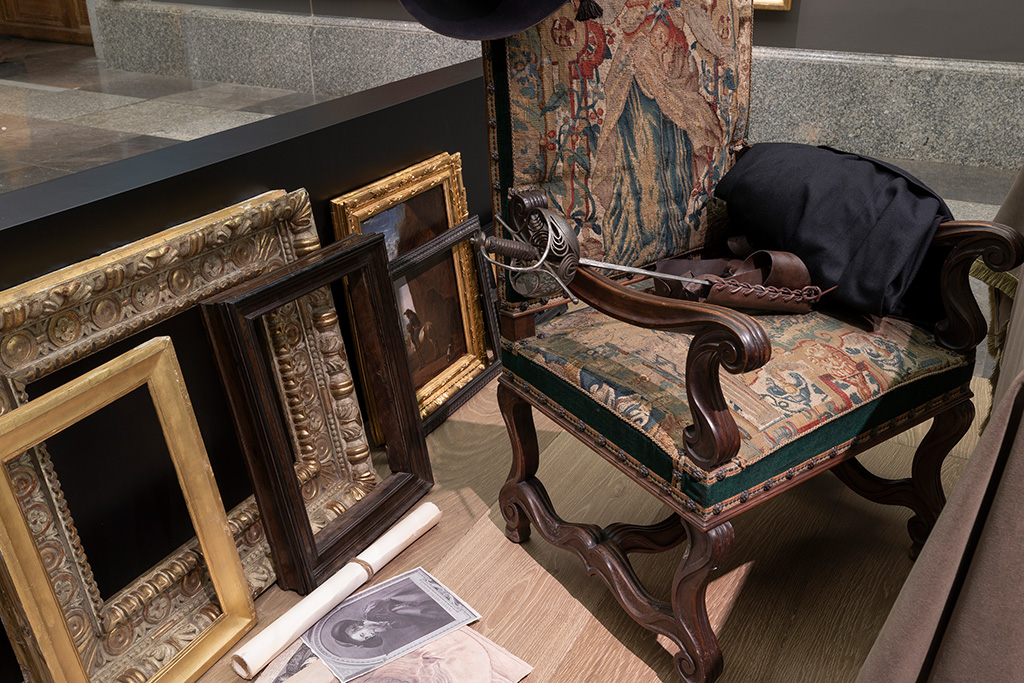
A detail from the recreated setting of the workshop in the exhibition
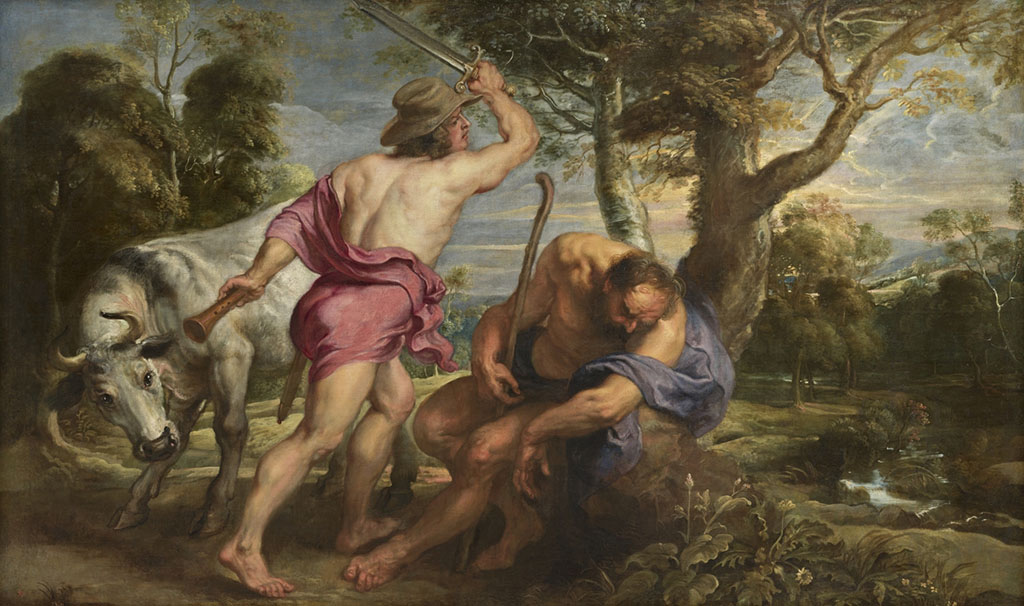
Mercury and Argus, Peter Paul Rubens and workshop. Oil on canvas. 1636–39. Madrid, Museo Nacional del Prado
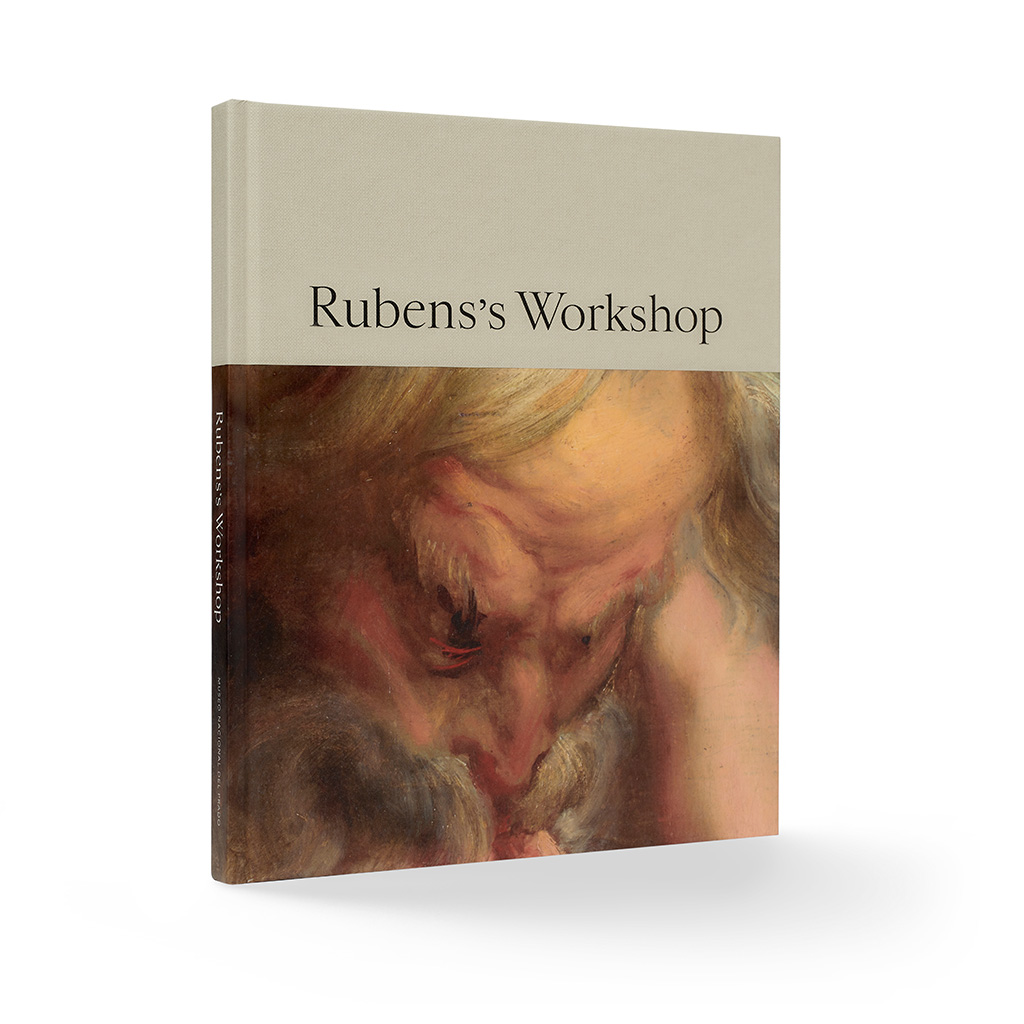
The book Rubens' workshop has been published to complement this exhibition, featuring texts that explain how paintings of the time were created in stages, with layers of paint applied sequentially so that each one influenced the effect of the next. This system enabled the division of labour, with one artist painting certain layers before another took over. The exhibition also includes a video that recreates the creation process of Rubens' painting Mercury and Argus using historical materials and techniques by the painter Jacobo Alcalde Gibert. The video explains how Rubens painted and how he made use of his workshop assistants.
Featured works
Spanish, English
25€
Compra ahora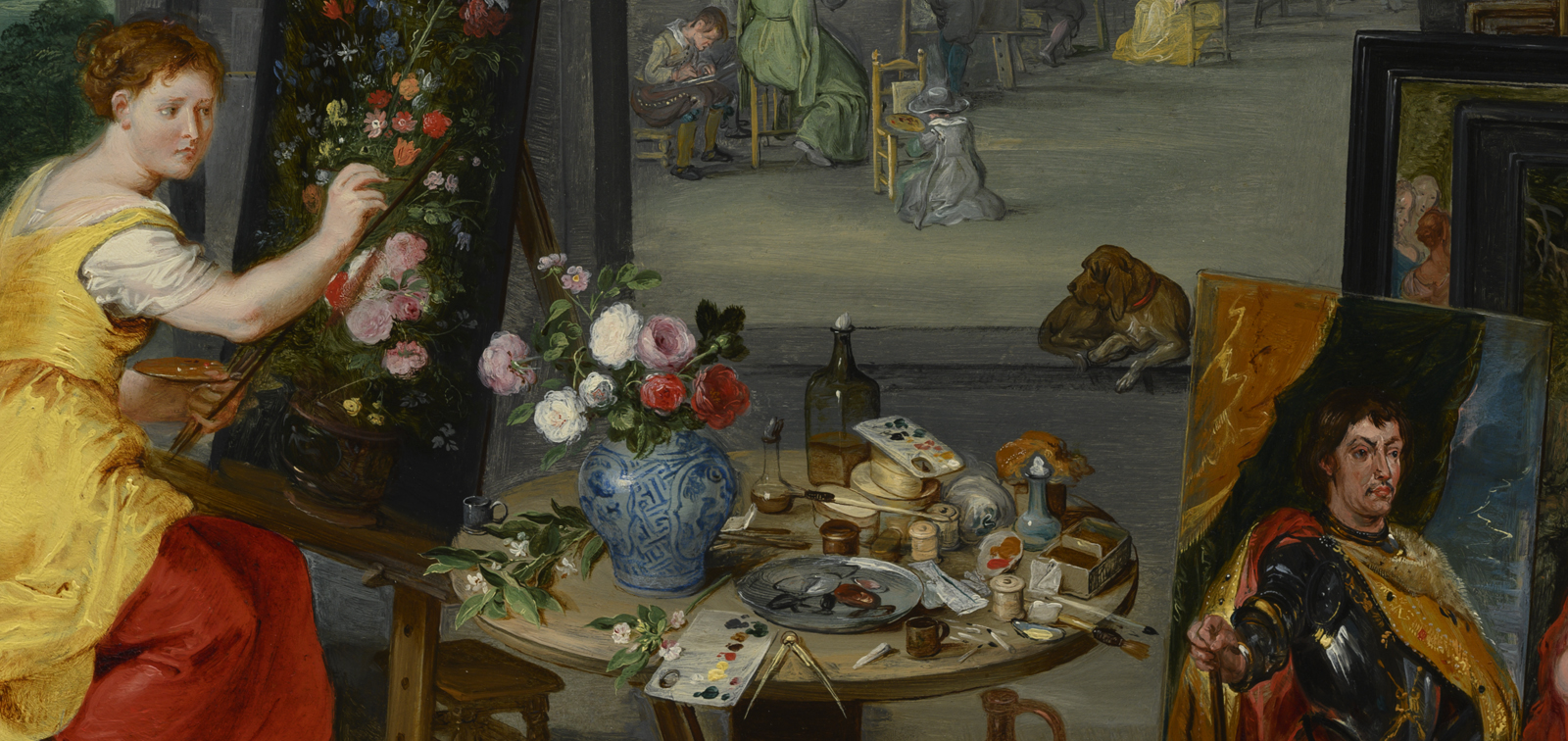
Directed by Alejandro Vergara
Entrada gratuita hasta completar el aforo
More infoMonday to Saturday: 10.00 am - 8.00 pm
Sundays and holidays: 10.00 am - 7.00 pm
6 January and 24, 31 December: 10.00 am - 2.00 pm
Last admission 30 min before closing time.
Visitors must leave the galleries 10 min before they close.
1 January, 1 May and 25 December
Open until 30 min before closing time
www.museodelprado.es and ticket office
cav@museodelprado.es / 91 068 30 01
Standard ticket 15 €
Reduced price ticket 7.50 € (with proof of status)
Spanish and English.
Includes the route, the Collection and current temporary exhibitions.
On sale online and at the ticket office.
With the collaboration of: