Money, Matter, and Spirit: Reni's Last Years and the Non Finito
The exhibition
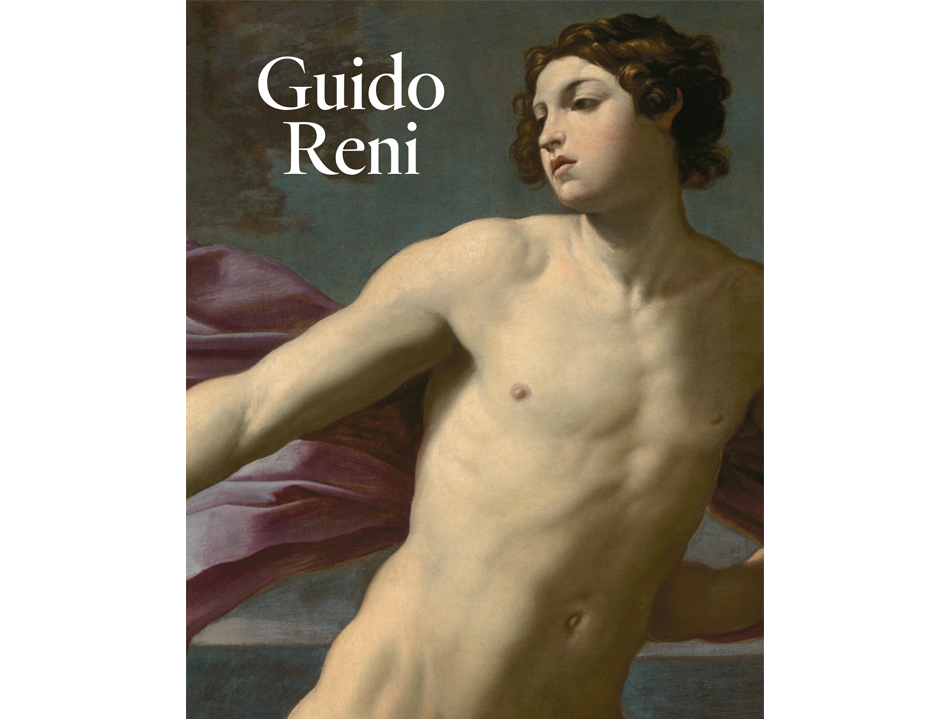
Guido Reni (1575-1642) was one of the most prominent artists in Europe during his time and his fame reached the same heights as figures such as Rubens, Caravaggio and Bernini. In his adolescence, this son of a musician, with a virtuous and reserved personality, became more focused on painting in his native Bologna, where he trained alongside Flemish painter Denys Calvaert, then successively moving on to the academy led by the Carracci family. Reni successfully combined the meticulous study of nature with the search for the highest artistic beauty in his paintings, bringing the viewer closer to a certain knowledge of the supernatural, which would earn him the nickname “divine”. Such merit was never considered the result of an innate gift, but rather the outcome of his massive effort in the search for perfection, a task in which drawing and coloring had to come together in harmonious symbiosis.
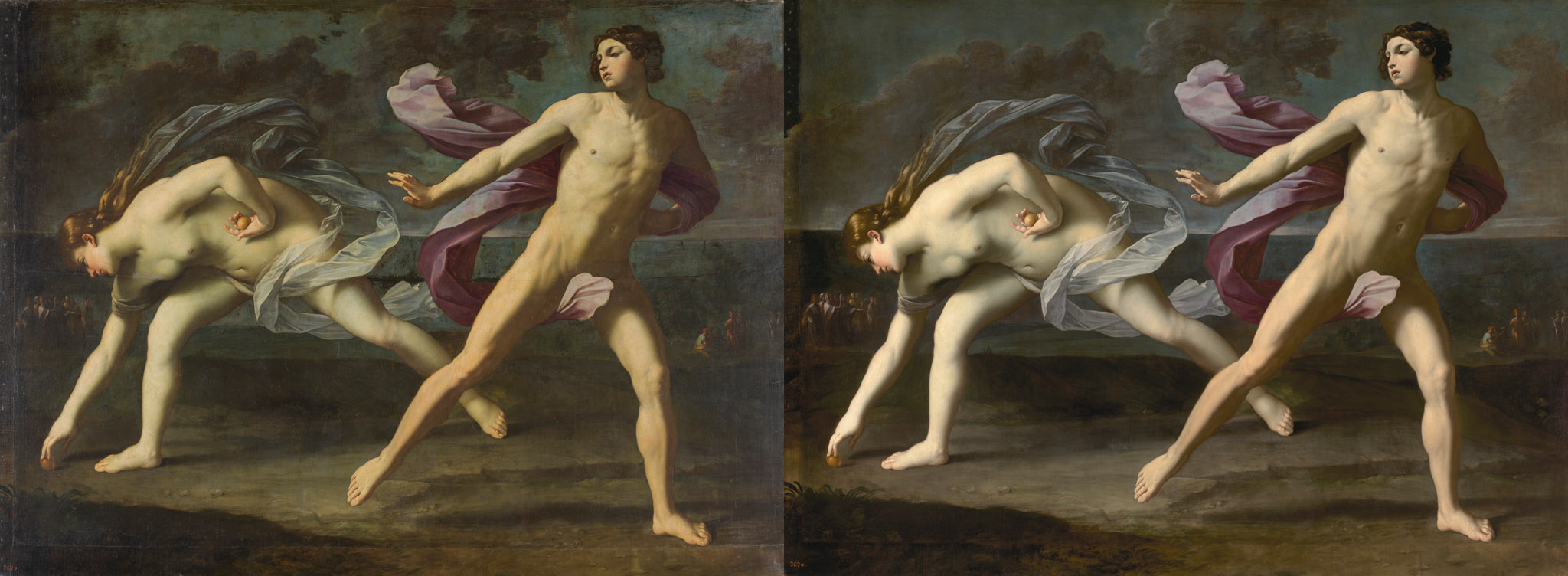
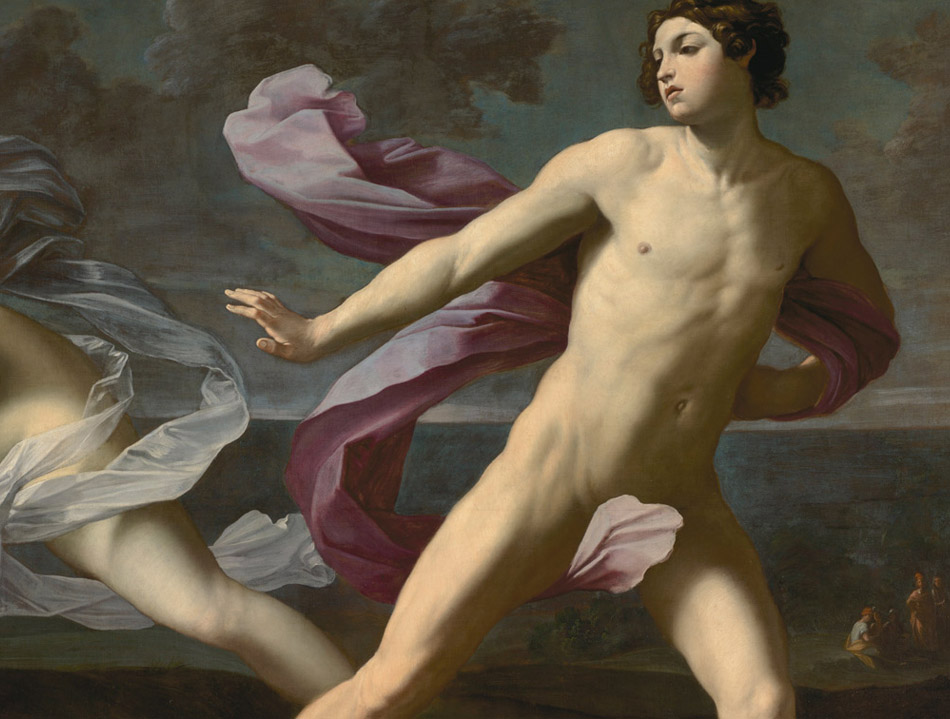
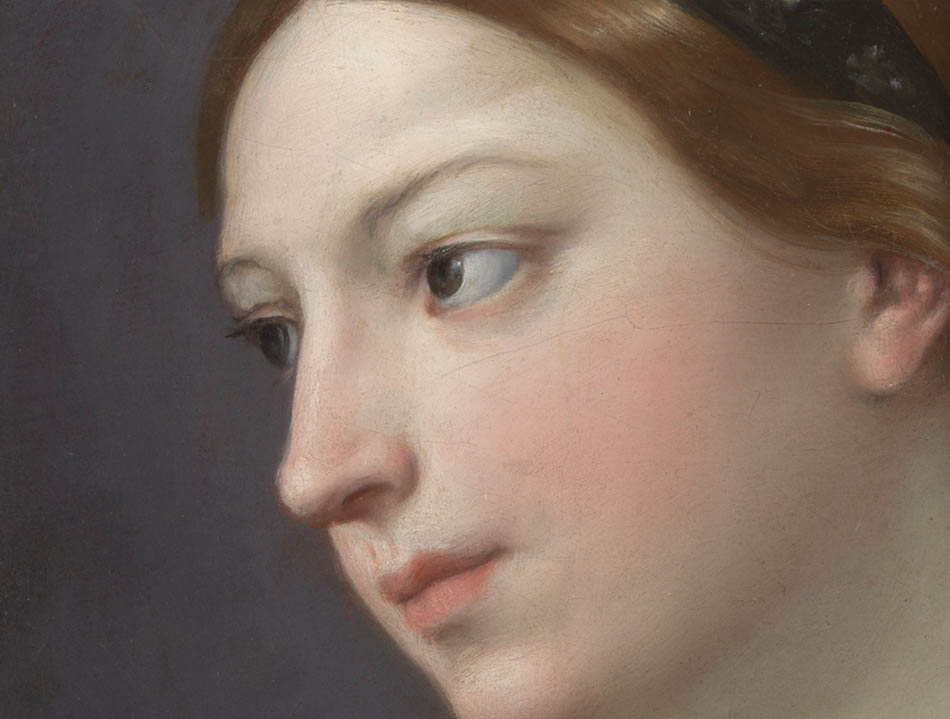
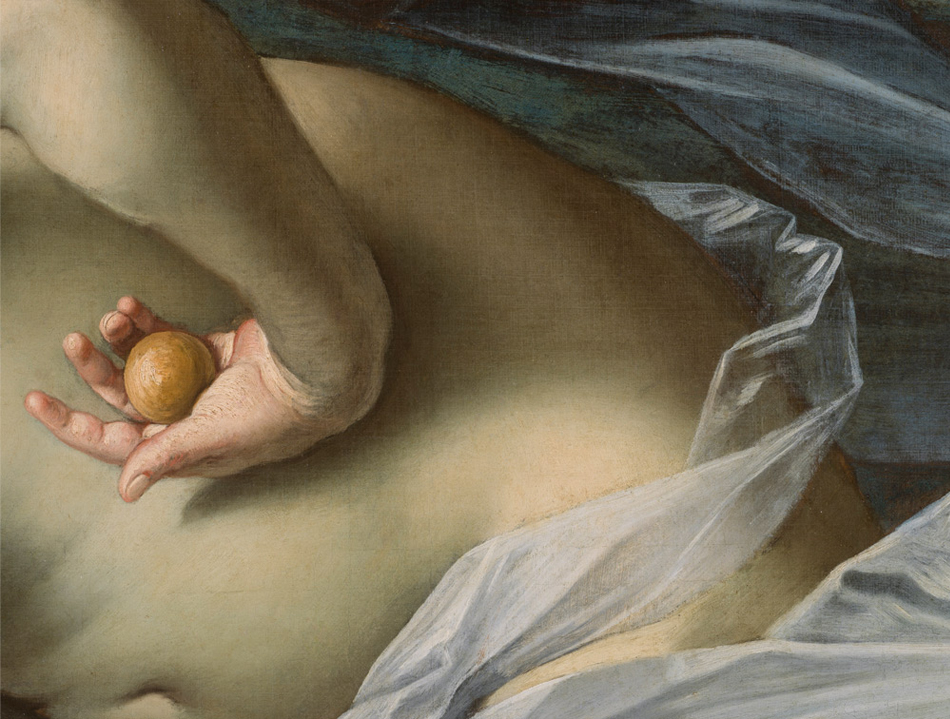
Hippomenes and Atalanta (before and after restoration), ca. 1618-19. Museo Nacional del Prado
From Bologna, his work was disseminated not only throughout much of Italy, but it also reached some of the continent’s main capitals, such as Paris, London and Madrid. Indeed, the Spanish court did not remain unaffected by the interest in the Bolognese master’s creations, which were collected both by the Crown and by some of the aristocracy’s leading members. Some of those works are currently included in the collections at the Museo Nacional del Prado. Moreover, in view of these paintings, some Hispanic artists decided to enrich their own language by evoking Reni’s proposals.
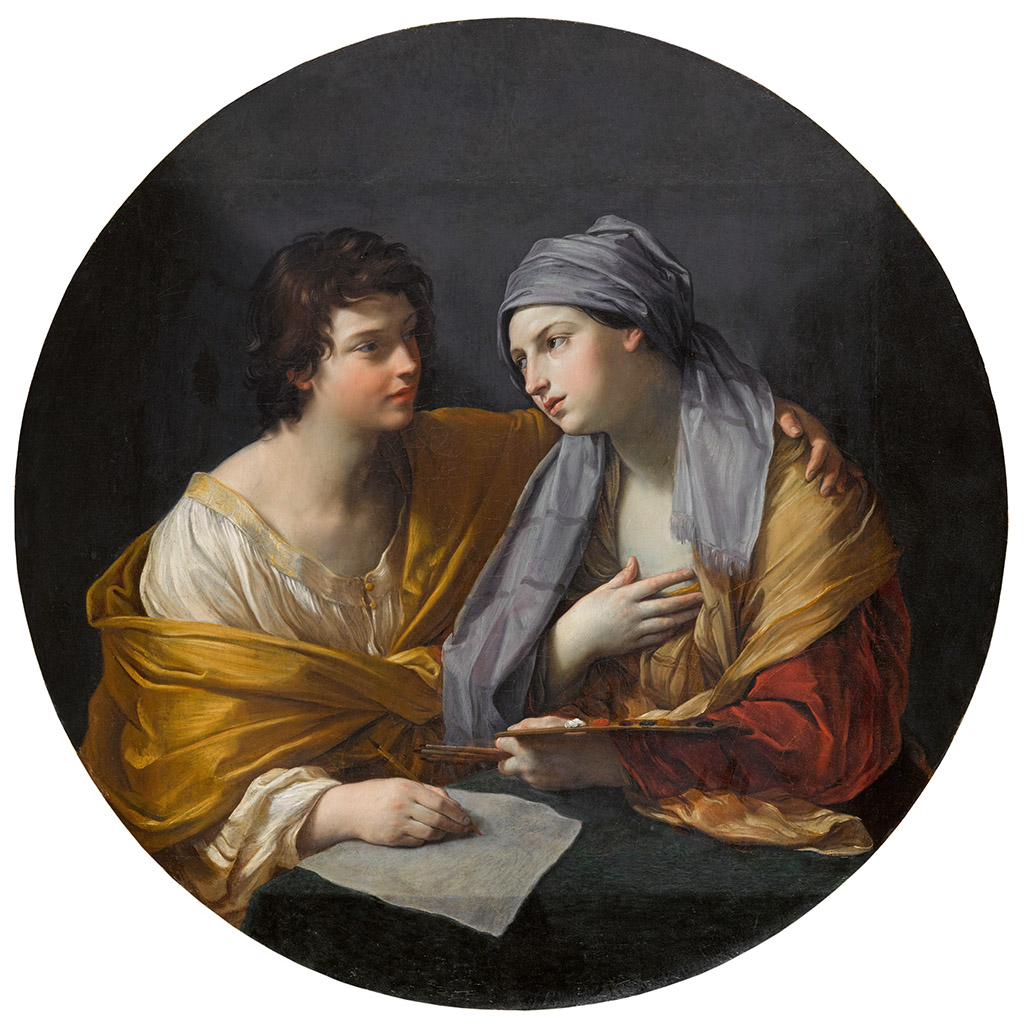
The Union of Drawing and Color, ca. 1624-25. Paris, Musée du Louvre. Département des Peintures
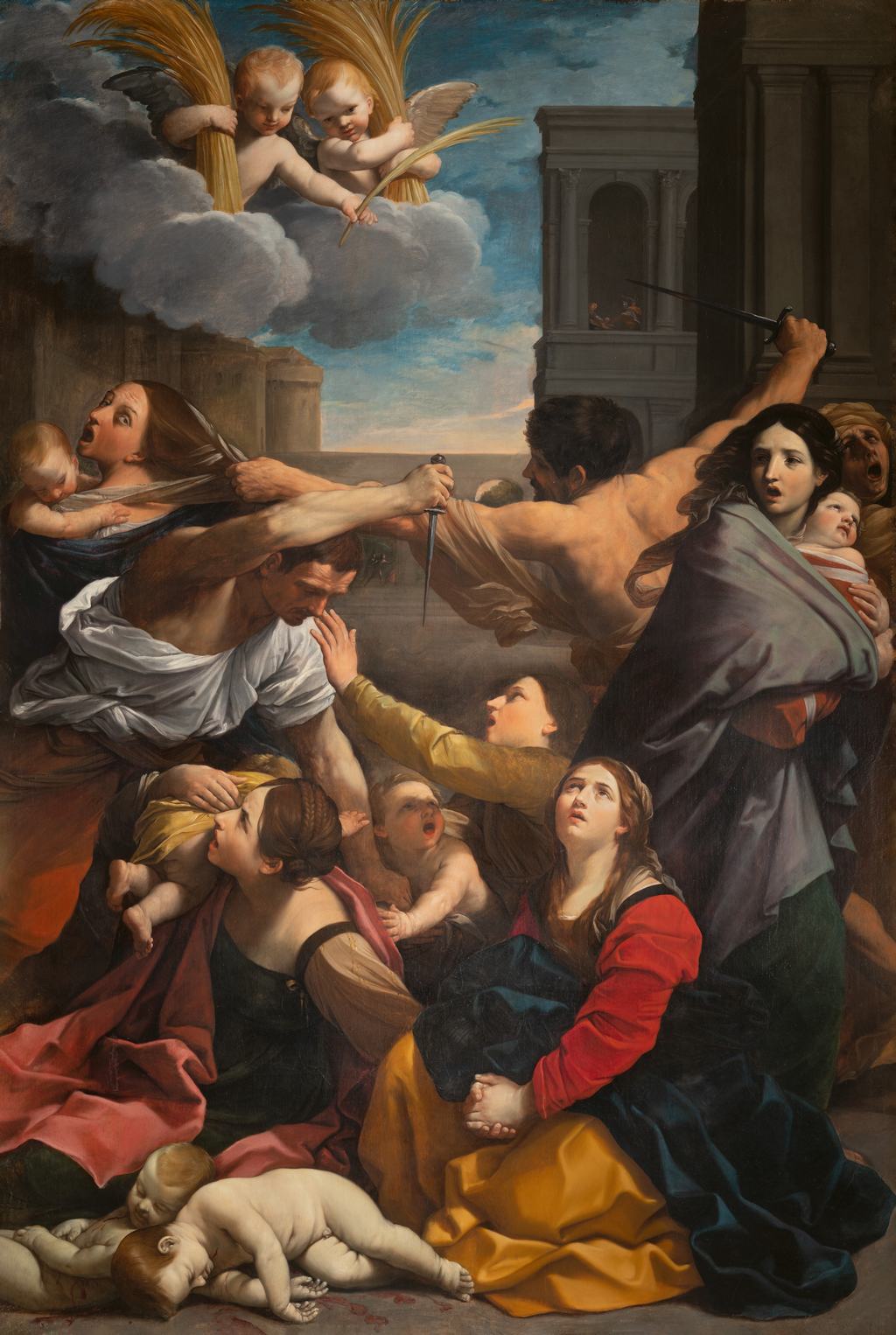
Massacre of the Innocents, 1611. Bolonia, Pinacoteca Nazionale di Bologna
After building his reputation in the 18th century when the academies of Fine Arts considered Reni to be an example to follow, in the following century and especially after Romanticism, his fame began to decline along with that of the Bolognese School of painting, when it was then felt that his creative methods hindered the flourishment of an artist’s genuine personality. It would take until the 1950s for various exhibitions to progressively rediscover his figure by revealing the excellence of his art.
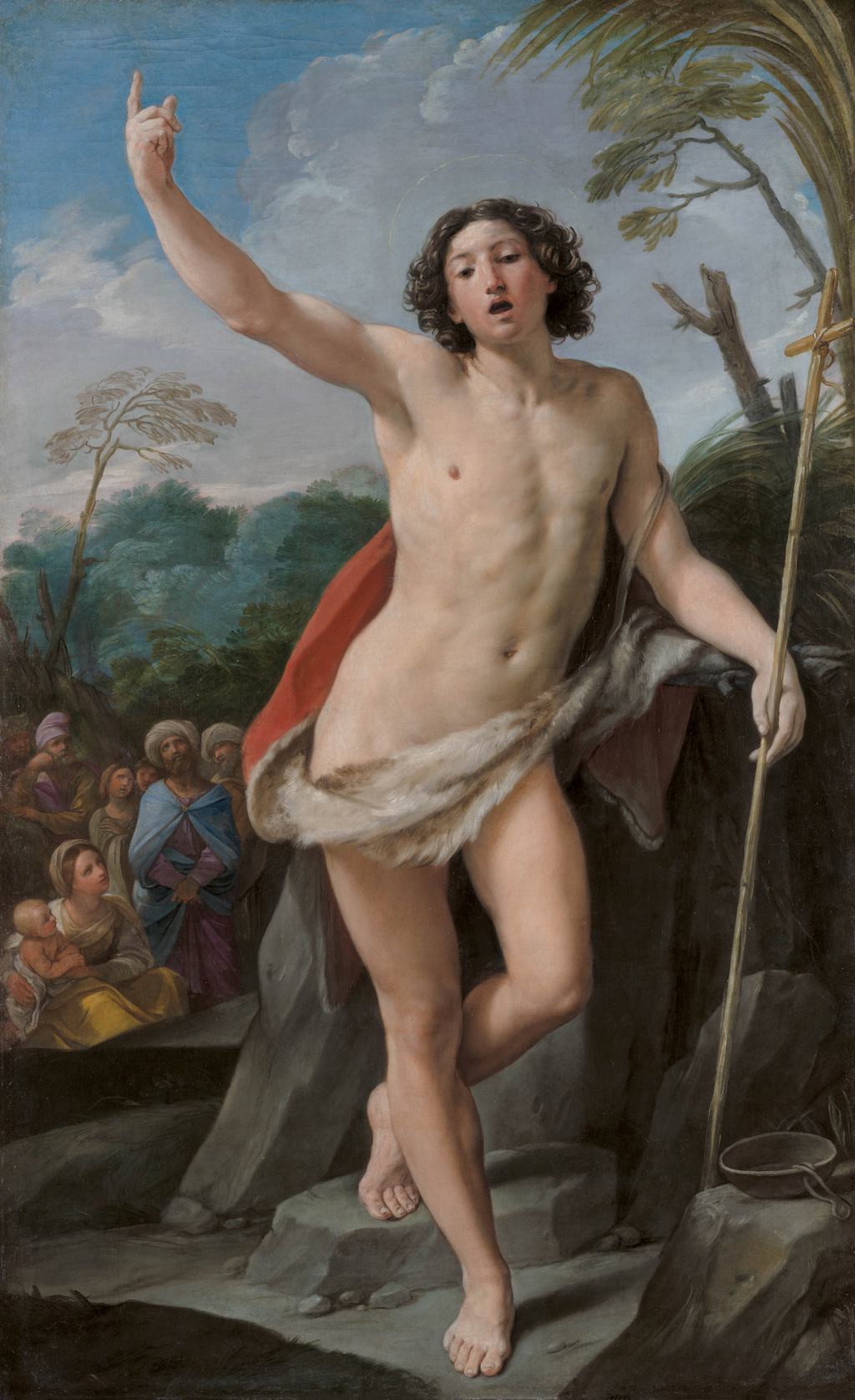
Saint John the Baptist in the Desert, ca. 1636. Salamanca, Madres Agustinas Recoletas. Convento de la Purísima
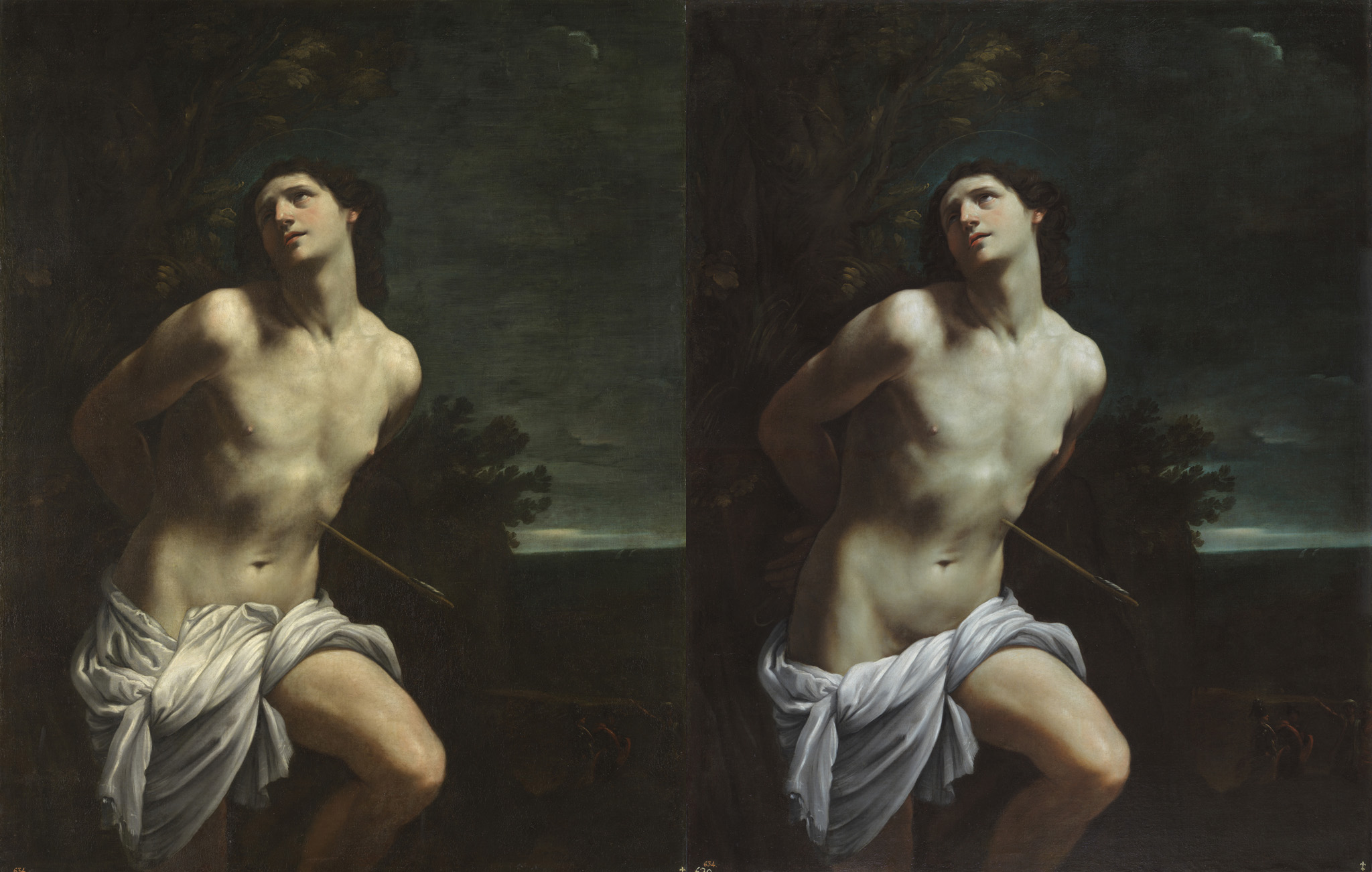
Saint Sebastian (before and after restoration), 1617-19. Museo Nacional del Prado
The Museo Nacional del Prado now joins this series of initiatives with the present exhibition, the first in Spain to be dedicated to this artist. With nearly one hundred works by Reni and his contemporaries, the figure of this artist is represented in its full dimension, demonstrating the relevance of his legacy. The main storyline of the exhibition’s itinerary follows Reni’s own biography: starting with his youth and the referential importance of his teachers, then advancing through his various stages in Rome and Bologna until reaching his final phase, in which his art is radically transformed through a search for the essential. Likewise, several reflections in this regard are presented. One of them is Reni’s interest in capturing the physical beauty of the body, the basis of both his religious and mythological representations. The second would be Reni’s relationship with the art of sculpture: his brief foray into this discipline during his youth led him to model figures on his canvases based on the appreciation of his sculptural sense. His works thus became a benchmark for sculptors who were especially relevant during his time, such as Alessandro Algardi.
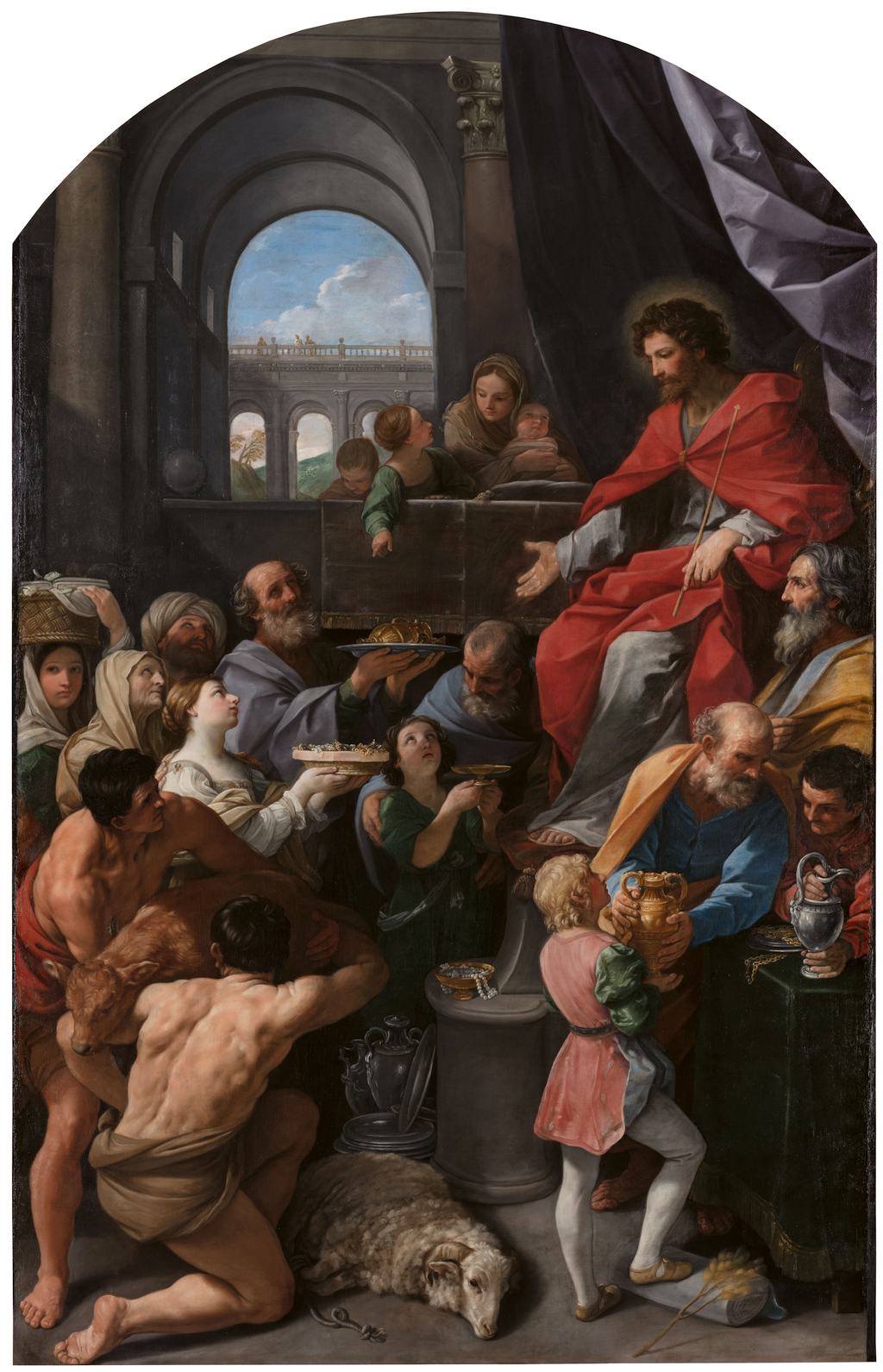
The Triumph of Job, 1636. Paris, Notre Dame Cathedral
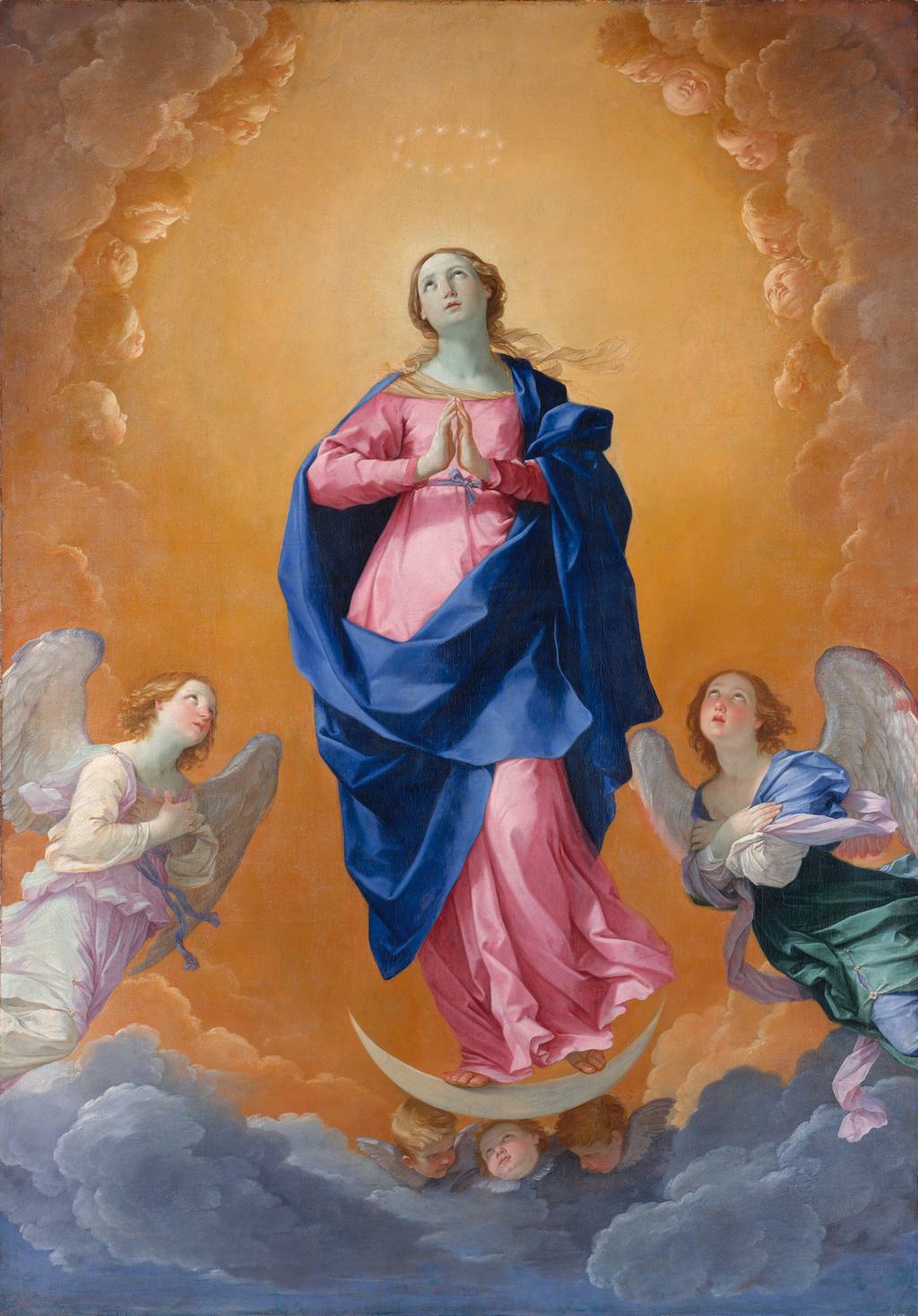
The Immaculate Conception, 1627. New York, The Metropolitan Museum of Art, Victor Wilbour Memorial Fund
Lastly, a third consideration would be the link between Reni and Spain in that same century, both through the aforementioned collection of works and the influence they had on authors such as Zurbarán and Murillo. All of this will allow the visitor to gain a comprehensive view of Guido Reni’s creations in the exhibition, offering new visions of his work and highlighting the importance of his contribution to Spanish culture.
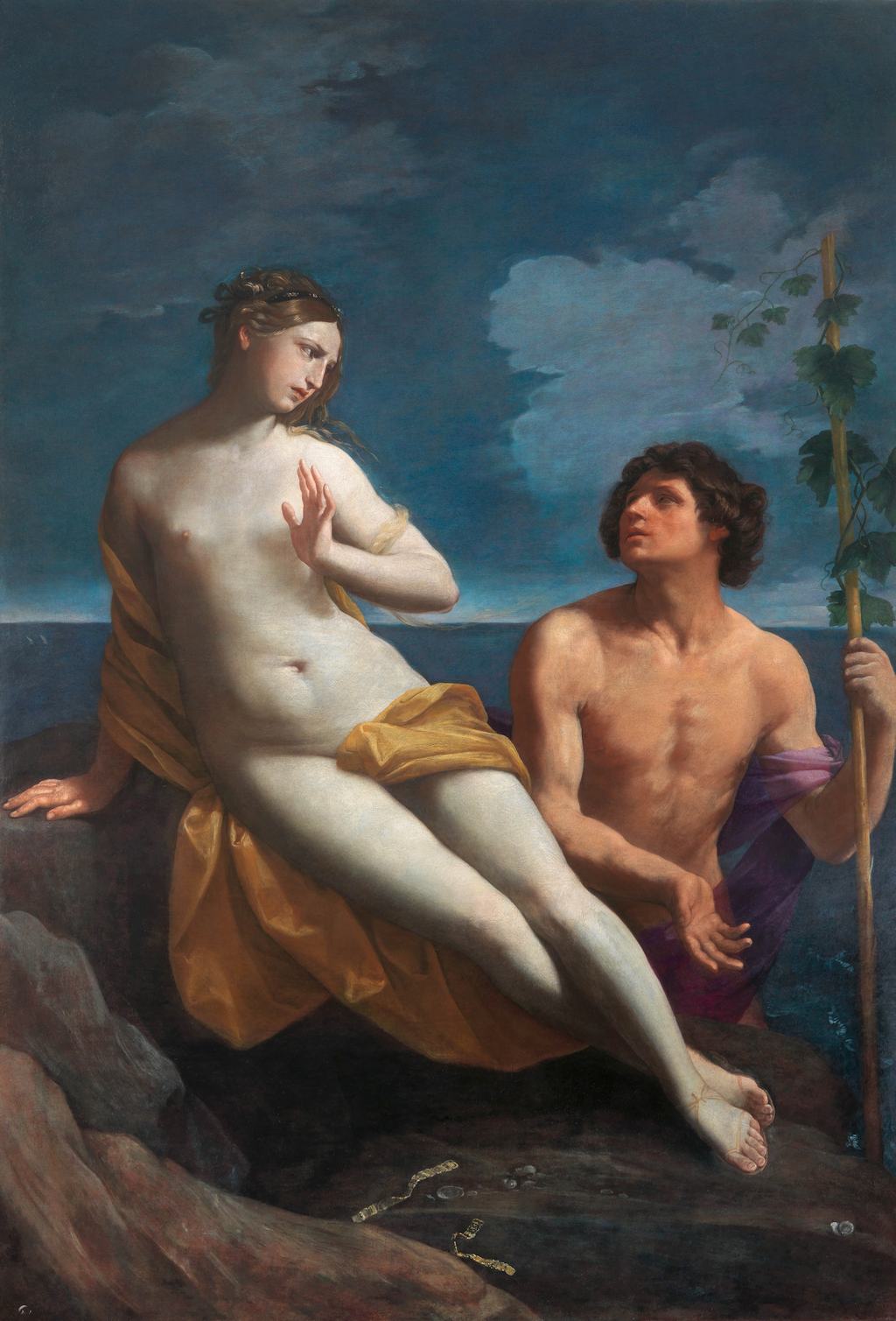
Bacchus and Ariadne, ca. 1617-19. Private collection
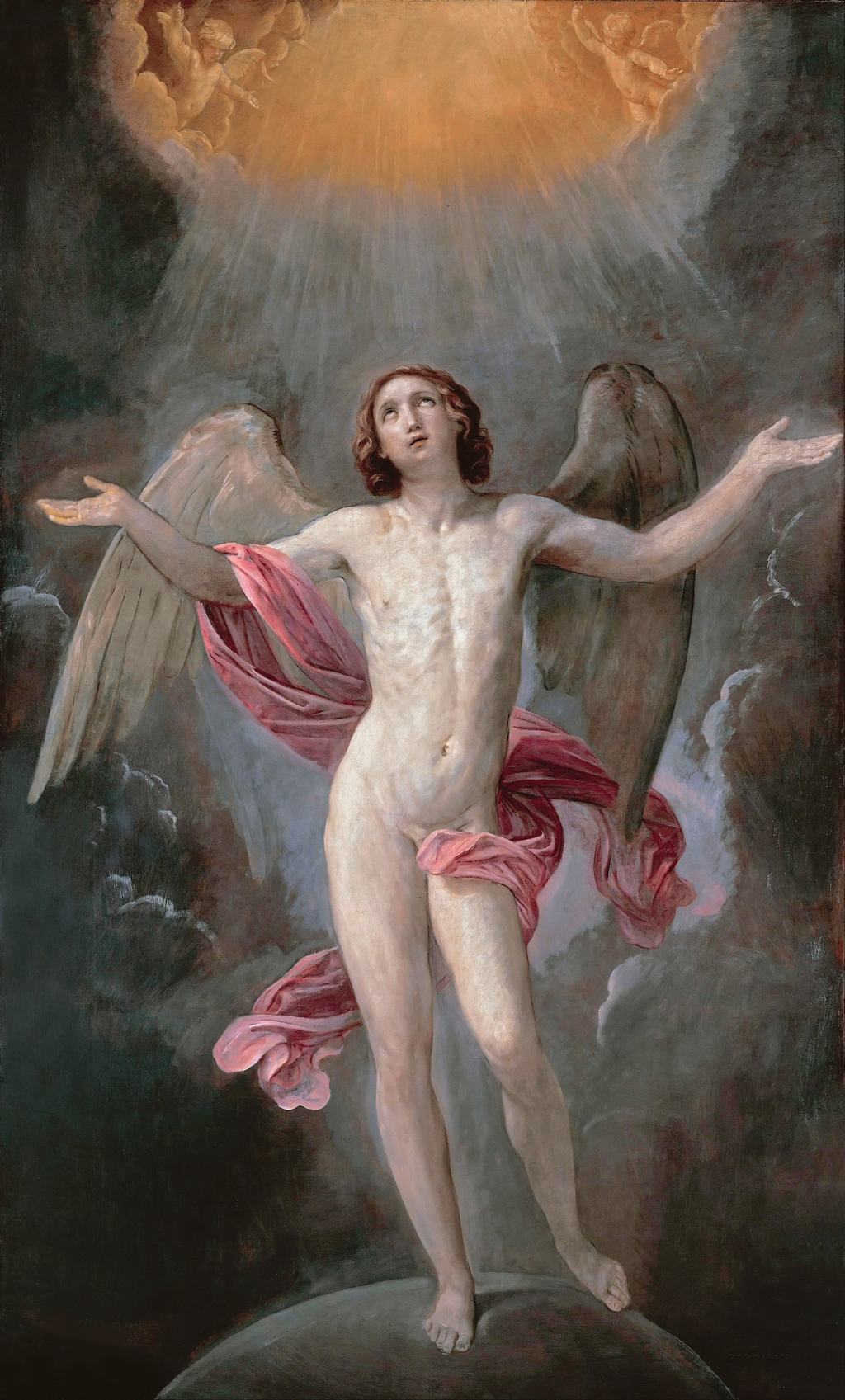
Blessed Soul, ca. 1638-42. Rome, Musei Capitolini, Pinacoteca Capitolina