EXHIBITION: MUSEO DEL PRADO AND FUNDACIÓN BBVA
25.11.2025 - 01.03.2026

EXHIBITION: MUSEO DEL PRADO AND FUNDACIÓN BBVA
25.11.2025 - 01.03.2026
Anton Raphael Mengs (1728–1779) was one of the most influential painters of the 18th century, and was largely responsible for laying the foundations of the art movement that later became known as Neoclassicism; at the time, it was regarded as the ‘re-establishment of the arts’. Mengs first trained as an artist in Dresden and Rome under the stern eye of his father, the court painter Ismael Mengs (1687–1764), who had named his son after two artists he greatly admired, Antonio Allegri, known as Correggio (c. 1489–1534) and Raphael (1483–1520). His earliest commissions came from the electoral court of Saxony; later, at the Papal court in Rome, he became the protégé of several leading figures, among them Cardinal Alessandro Albani, for whom he painted the Parnassus, a veritable manifesto of Neoclassicism. In 1761 he entered the service of King Charles III of Spain, whose patronage he went on to enjoy for the rest of his life, dividing his time between Madrid and Italy.
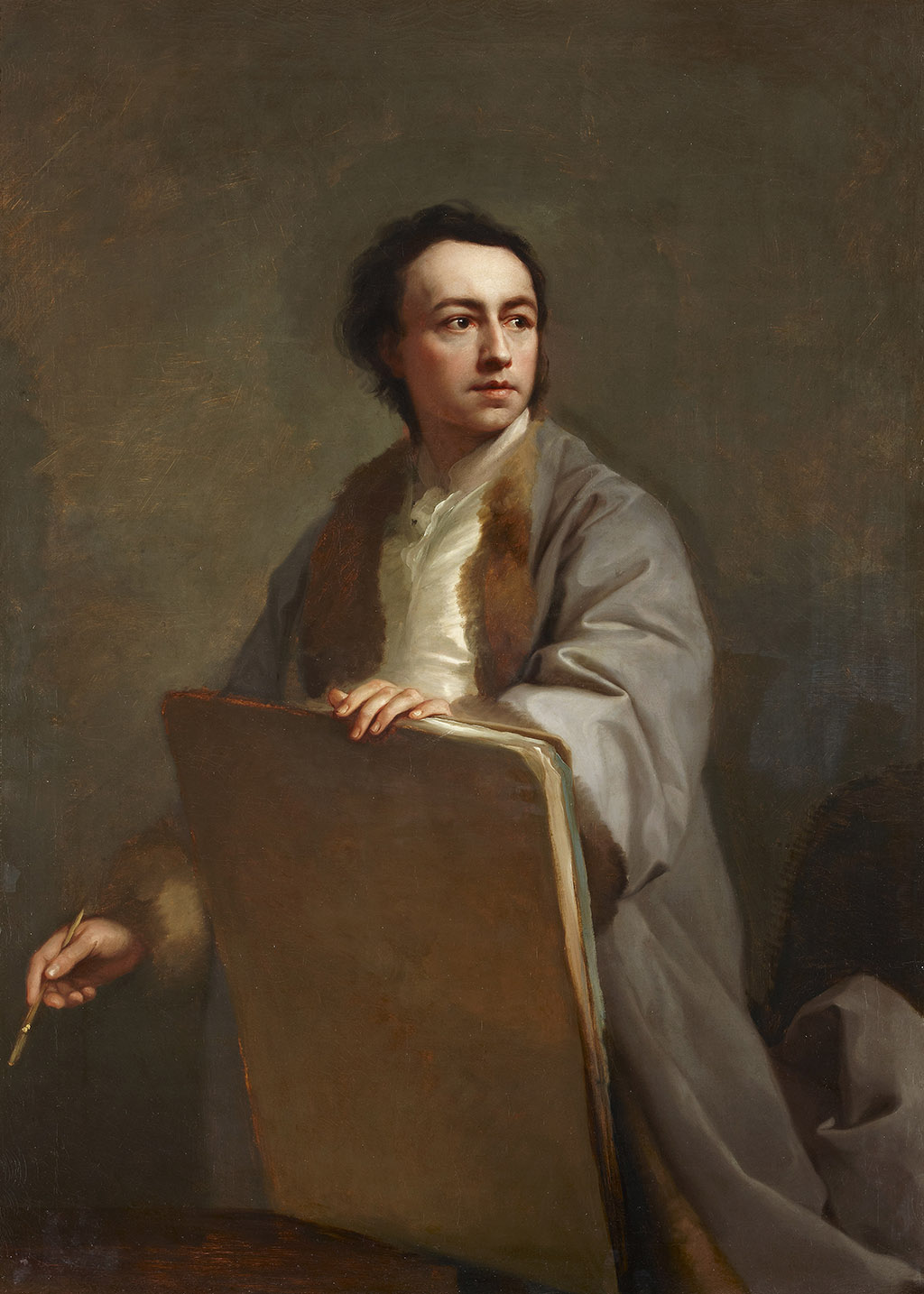
Self-portrait, c. 1760-61. Oil on canvas, 134 x 96 cm. Madrid, Fundación Casa de Alba. Palacio de Liria, P.260
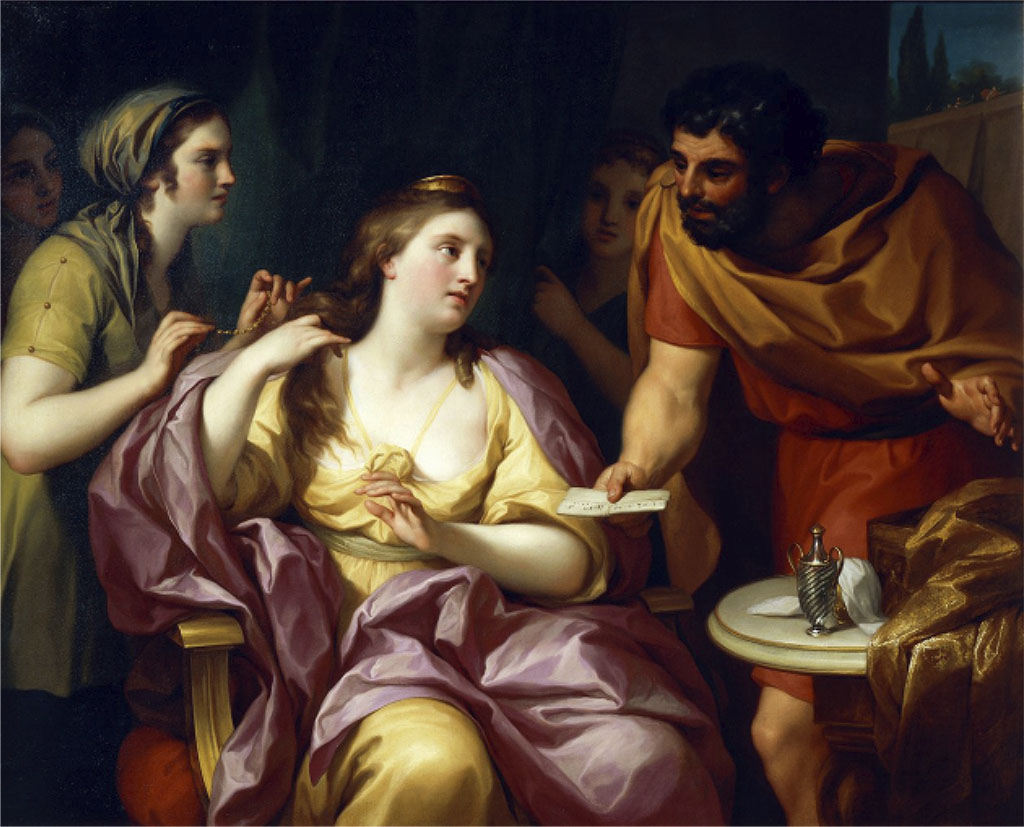
Semiramis receiving News of the Babylonian Revolt, 1755. Oil on canvas, 105,5 x 137 cm. Bayreuth, Bayerische Verwaltung der Staatlichen Schlösser, Gärten und Seen Neues Schloss, Bay NS. G0104
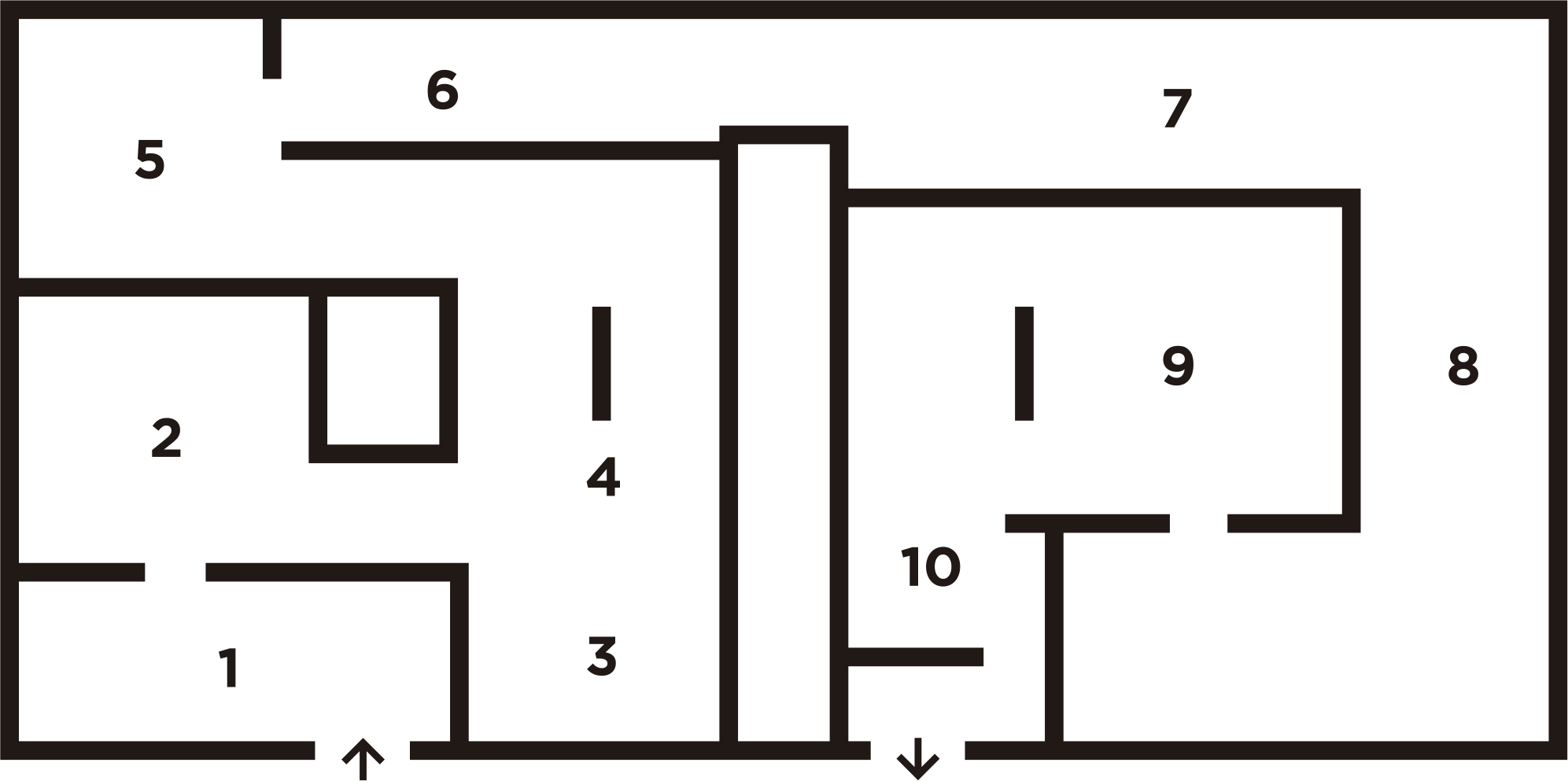
The exhibition offers a comprehensive view of the painter, his work and his ideas on art. It is arranged in ten sections, which together provide a survey of Mengs’s cosmopolitan career, together with areas highlighting specific themes. The first section, entitled Training and Family Milieu, focuses on the dominant figure of his father, and on the early patronage of the Dresden court. The second, The Constant Challenge to Raphael, examines the decisive influence of this Italian master on Mengs’s oeuvre, first as a model for the young artist, and later – at the height of his career – as a rival to be challenged. This emulation is readily apparent when we compare Mengs’s Lamentation over the Dead Christ with Raphael’s Christ falling on the Way to Calvary. The next two sections – Rome, Caput Mundi and Rome: Fascination with the Ancient World – look at the importance of the Eternal City both as the capital of Christendom and as the repository of vestiges of ancient Roman civilization. The first contains a number of portraits, including Pope Clement XIII and Cardinal Zelada, as well as scholars, artists and travellers on the Grand Tour. The second showcases the models provided by classical antiquity, in the form of drawings and plaster casts of some of the treasures in the Vatican collections, acquired by a succession of popes. The section entitled The End of His Relationship with Winckelmann charts a friendship betrayed, when Mengs deceived the scholar and archaeologist Johann Joachim Winckelmann (1717–1768) with a faked ancient fresco of Jupiter and Ganymede. Mengs’s views on art theory and the critical reception of his work after his death are explored in Mengs, Painter-Philosopher. The following sections are largely devoted to the patronage of the king of Spain. Portraits of Charles III and his family, as well as other leading figures in Enlightenment Spain, are on show in Painter to His Catholic Majesty and the Madrid Court. The significance of Mengs’s vast ceiling paintings, with which he sought lasting fame, is examined in Major Works: Ceiling Paintings. Visitors to the Prado can also see his mural paintings at the nearby Royal Palace of Madrid. Mengs as an Exponent of the New Enlightened Devotion focuses largely on religious painting, and on the influence not only of Raphael – to which attention was drawn in the second section – but also of Correggio and other great masters, such as Guido Reni (1575–1642) and Diego Velázquez (1599–1660). The closing section of the exhibition, Mengs’s Legacy, explores the varying impact of Mengs’s work on later generations of artists, including Antonio Canova (1757–1822), Jacques-Louis David (1748–1825) and even Francisco de Goya (1746–1828).
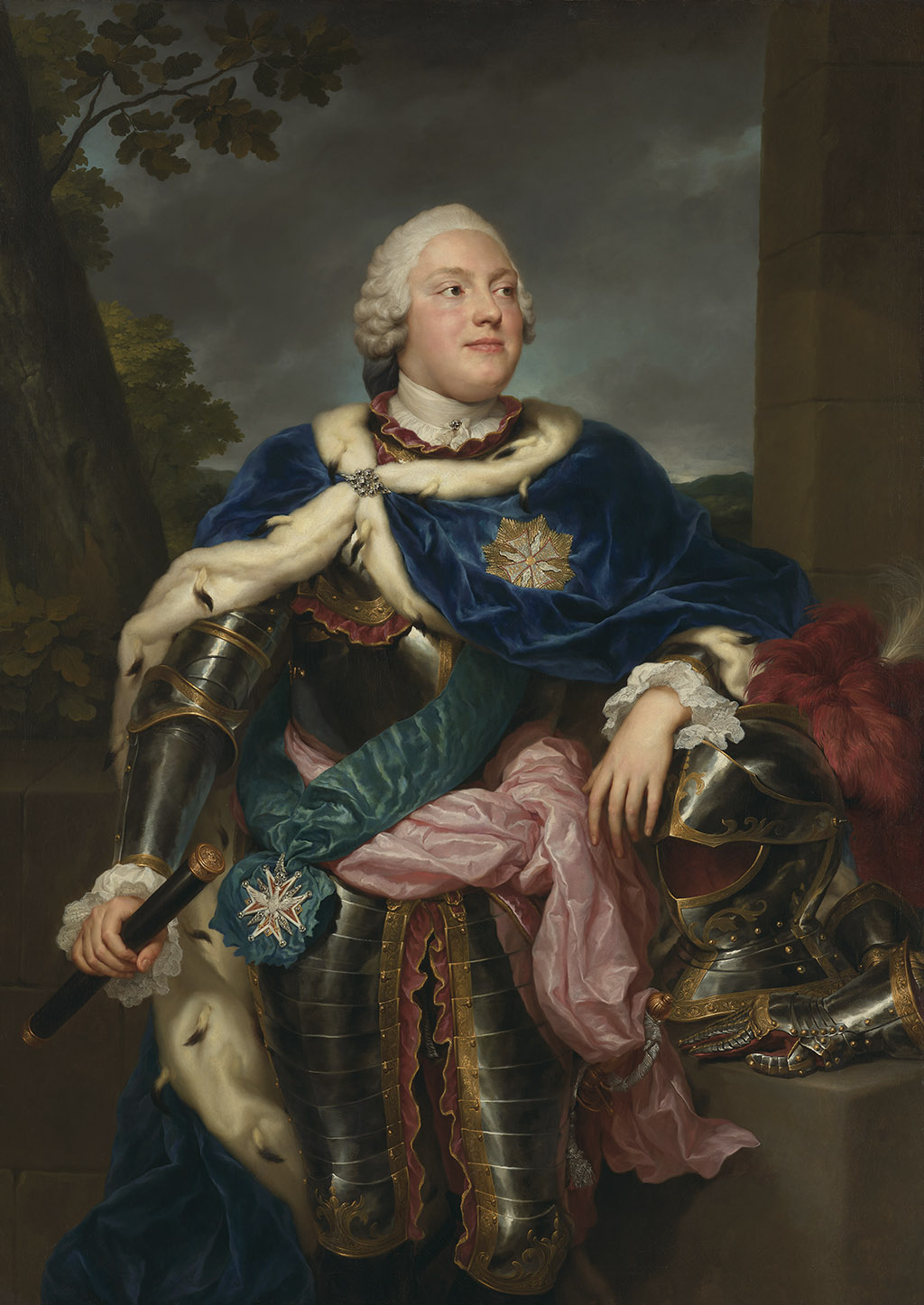
Frederick Christian, Prince of Saxony, 1751. Oil on canvas, 155,7 x 110,8 cm. Los Angeles, The J. Paul Getty Museum. 2.023.100
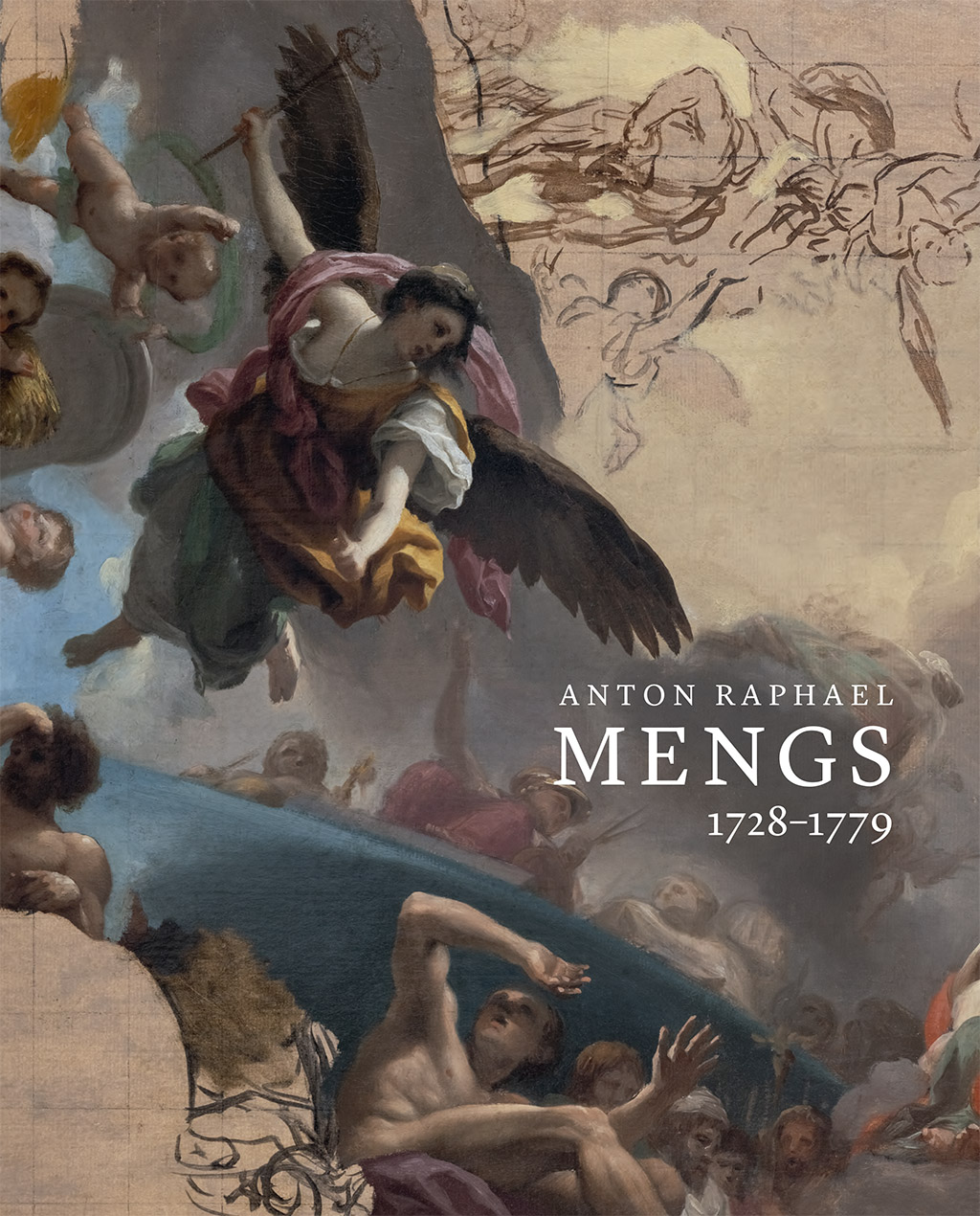
English edition
39€
Compra ahoraMonday to Saturday: 10.00 am - 8.00 pm
Sundays and holidays: 10.00 am - 7.00 pm
6 January and 24, 31 December: 10.00 am - 2.00 pm
Last admission 30 min before closing time
Visitors must leave the galleries 10 min before they close
1 January, 1 May and 25 December
Open until 30 min before closing time
www.museodelprado.es and ticket office
91 068 30 01 / cav@museodelprado.es
Standard ticket: 15 €
Reduced price ticket 7.50 € (with proof of status)
Spanish and English
5 € (includes the Collection, current temporary exhibitions and the route)
On sale at the ticket office and online
Photography and filming not allowed in the rooms

Follow us on

With the sole sponsorship of: