19.11.2024 - 02.03.2025

19.11.2024 - 02.03.2025
As theorist Antonio Palomino (1655–1726) praised the sculpture of Christ of Forgiveness, carved by Manuel Pereira and polychromed by Francisco Camilo, he ended with the following phrase: “And so painting and sculpture, taking each other by the hand, are a wondrous sight”. The uniqueness that the synthesis of volume and colour reached in the Early Modern Age within the context of the Spanish-speaking world, in unbroken continuity with classical tradition, is a riveting phenomenon that is key to understanding the role of artistic creation as a tool of persuasion.
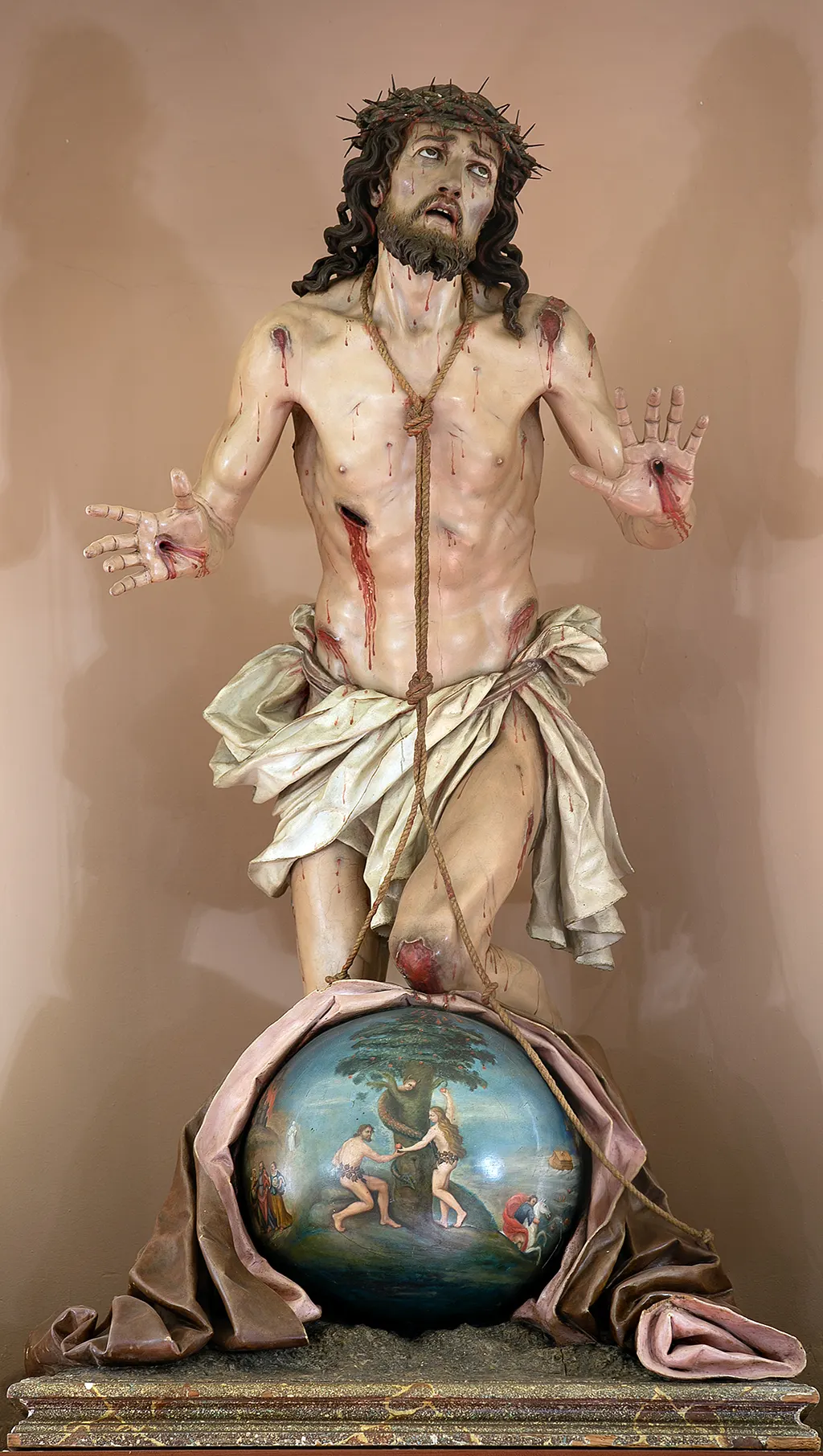
Luis Salvador Carmona. Christ of Forgiveness, 1756. Polychrome wood enhanced by other media. Nava del Rey (Valladolid), Clarisas Capuchinas.
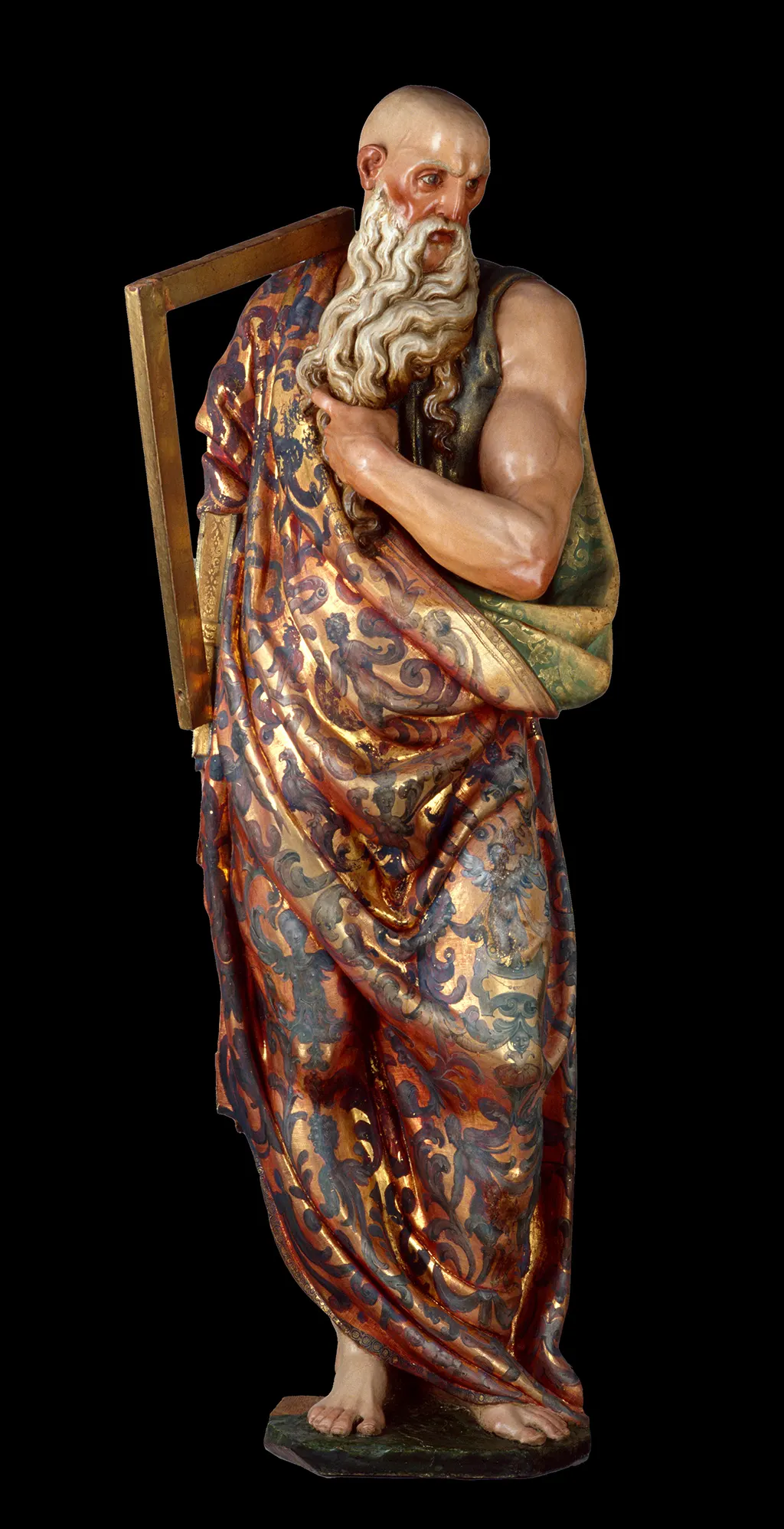
Gaspar Becerra (sculptor) / Gaspar de Hoyos and Gaspar de Palencia (polychrome artists). Saint Thomas, 1558-62 (sculpture) and 1570-79 (polychromy). Catedral de Astorga (León), main altarpiece.
The Greco-Latin sphere interpreted sculptural representation as an essential necessity. Divinity was embodied through its corporeal, protective and healing image, which enhanced its veracity when enveloped in colour, a crucial feature of life compared to the inanimate paleness of death. Benedictine Gregorio de Argaiz articulated it as such in 1677: “Each figure, however perfectly sculpted, is a corpse; it is the brush that gives it life, soul and spirit, and represents the affections of the soul. Sculpture shapes the tangible and palpable man […], but paint gives him life”.
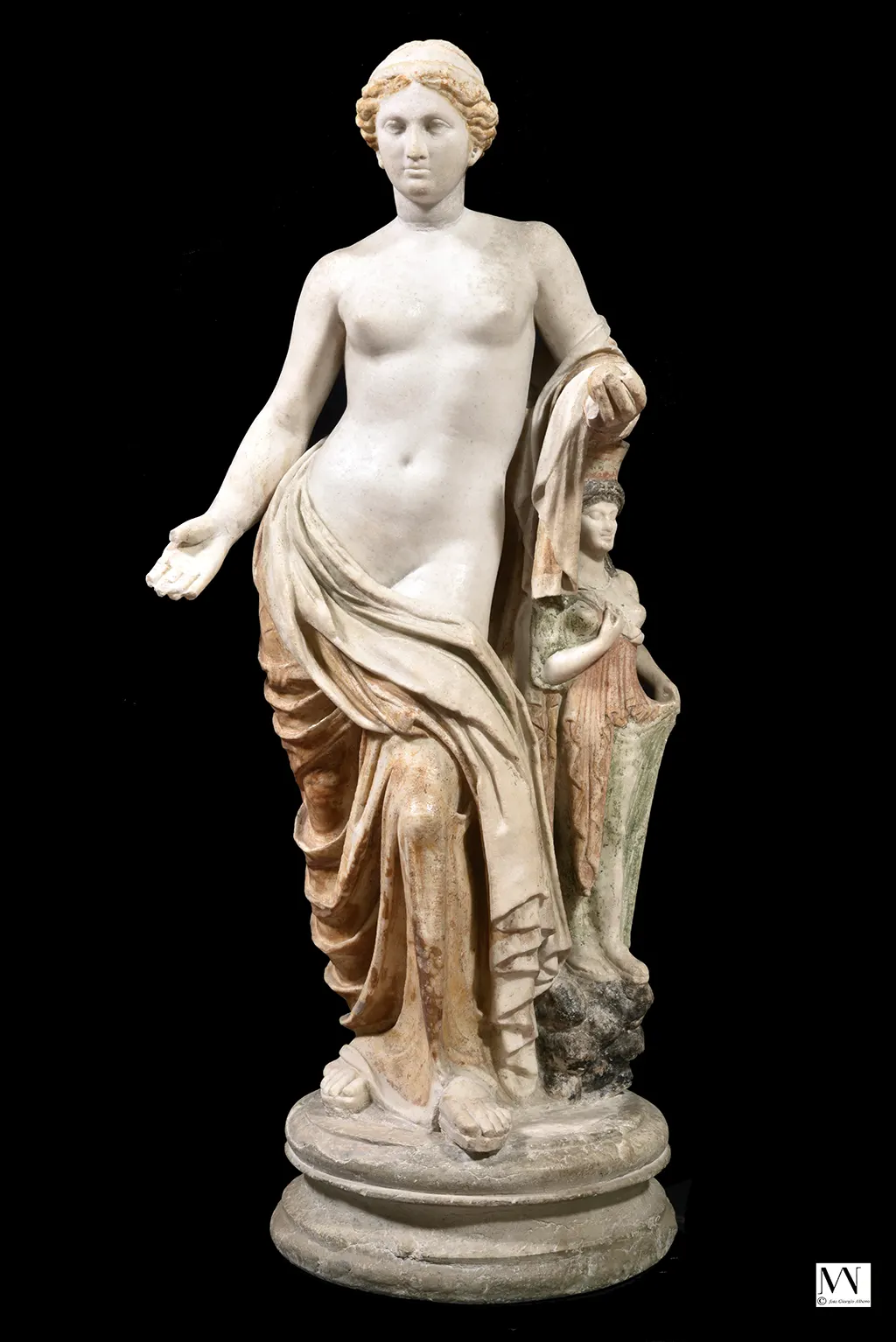
Pompeian workshop. Venus Lovatelli with Small Idol, 1st century AD. Pharos marble and remains of polychromy. Naples, Museo Archeologico Nazionale di Napoli.
Likewise, sacred sculpture was surrounded by supernatural connotations from the very moment of its execution. It was therefore associated with wonders and divine interventions, involving angelic workshops or craftsmen who had to have good moral readiness to perform a task that exceeded mere artistic activity, since what was created was ultimately a reproduction of the divine.
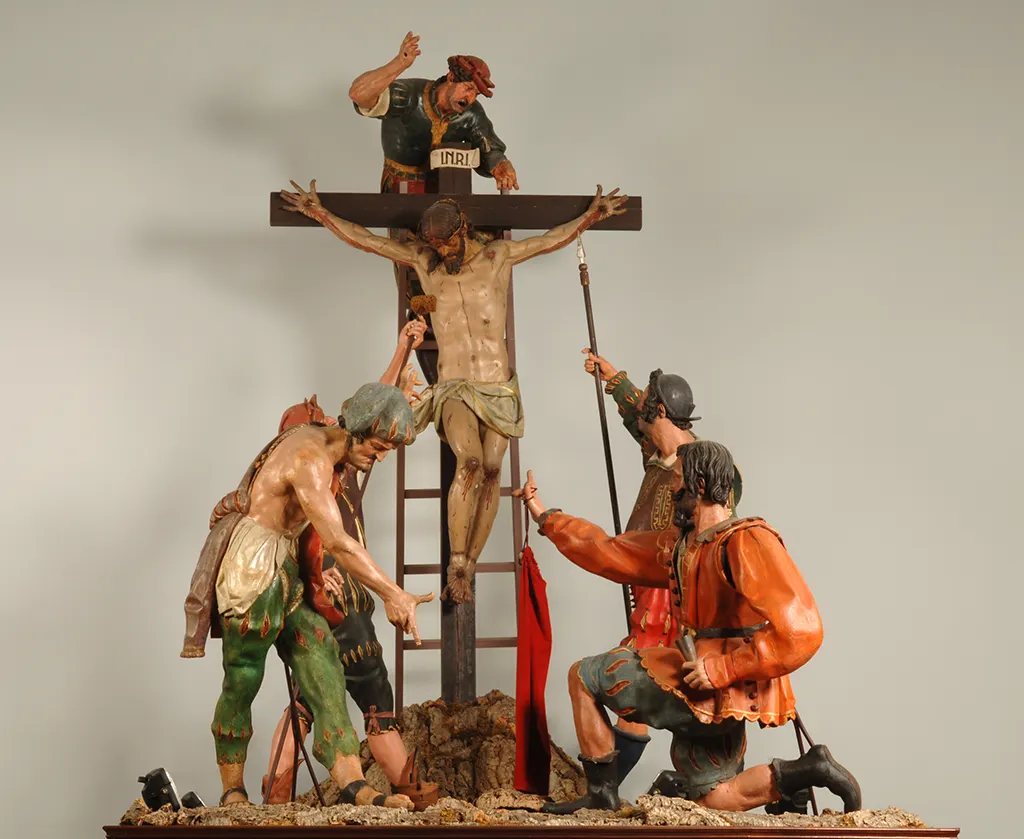
Gregorio Fernández. I thirst, 1612-16. Polychrome wood enhanced by other media. Valladolid, Museo Nacional de Escultura.
This exhibition aims to reflect on the phenomenon and success of coloured sculpture, which became incredibly prevalent in churches during the Spanish Golden Age and was greatly utilized to support preaching. The close, perfect collaboration between sculptors and painters reveals the great value of polychromy, which far from being a mere decoration of the piece, was an essential element of it and without which the work would remain unfinished.
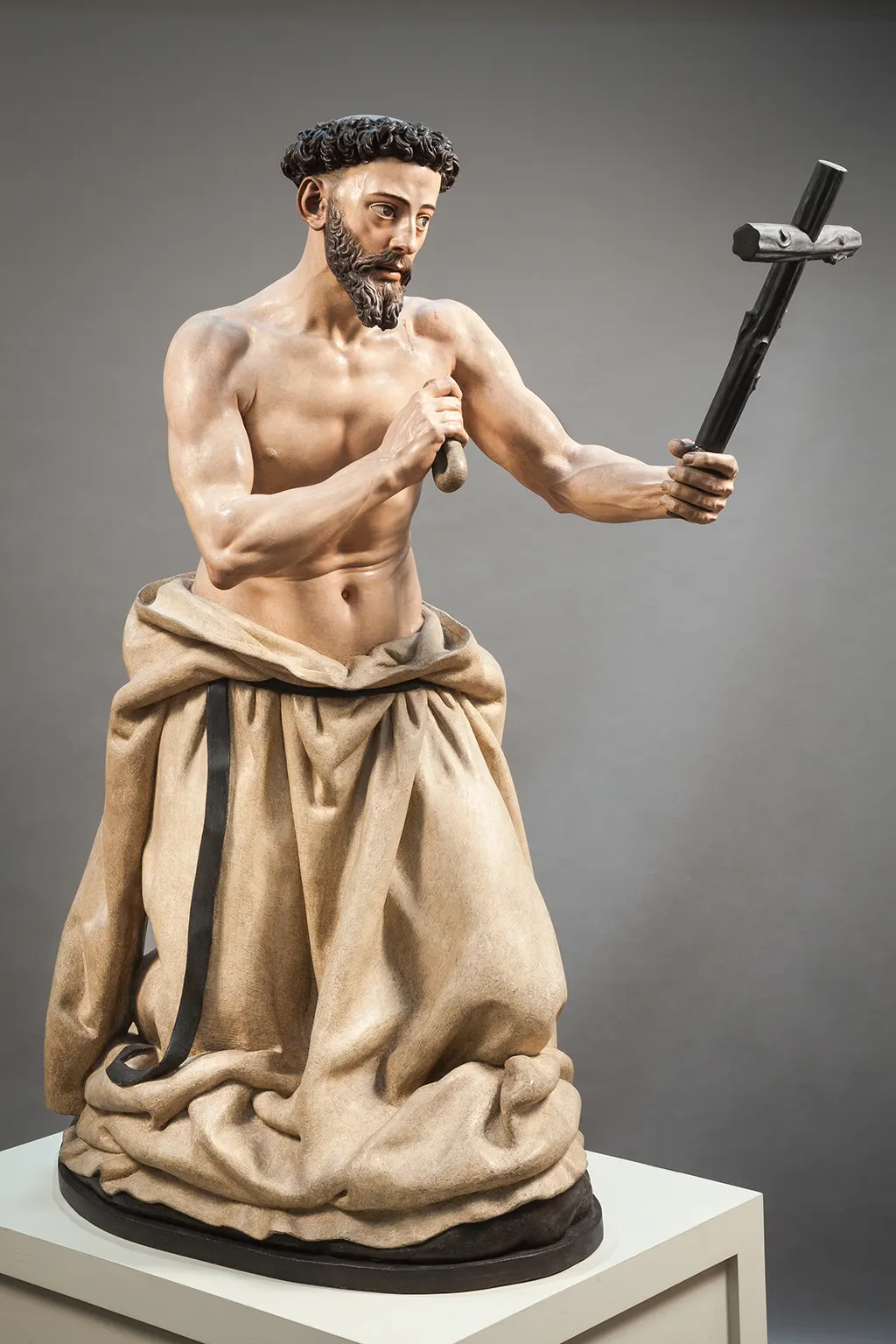
Juan Martínez Montañés (sculptor) / Francisco Pacheco (polychrome artist). Saint Dominic of Guzmán, 1605-9. Polychrome wood. Seville, Museo de Bellas Artes.
Colour also significantly contributed to accentuating the dramatic values of these creations, both those intended for altarpieces and those for processional floats. Theatrical gestures, combined with the showiness of the clothing, whether sculpted, made of glued fabrics or real textiles, turned these ensembles into highly meaningful stage components.
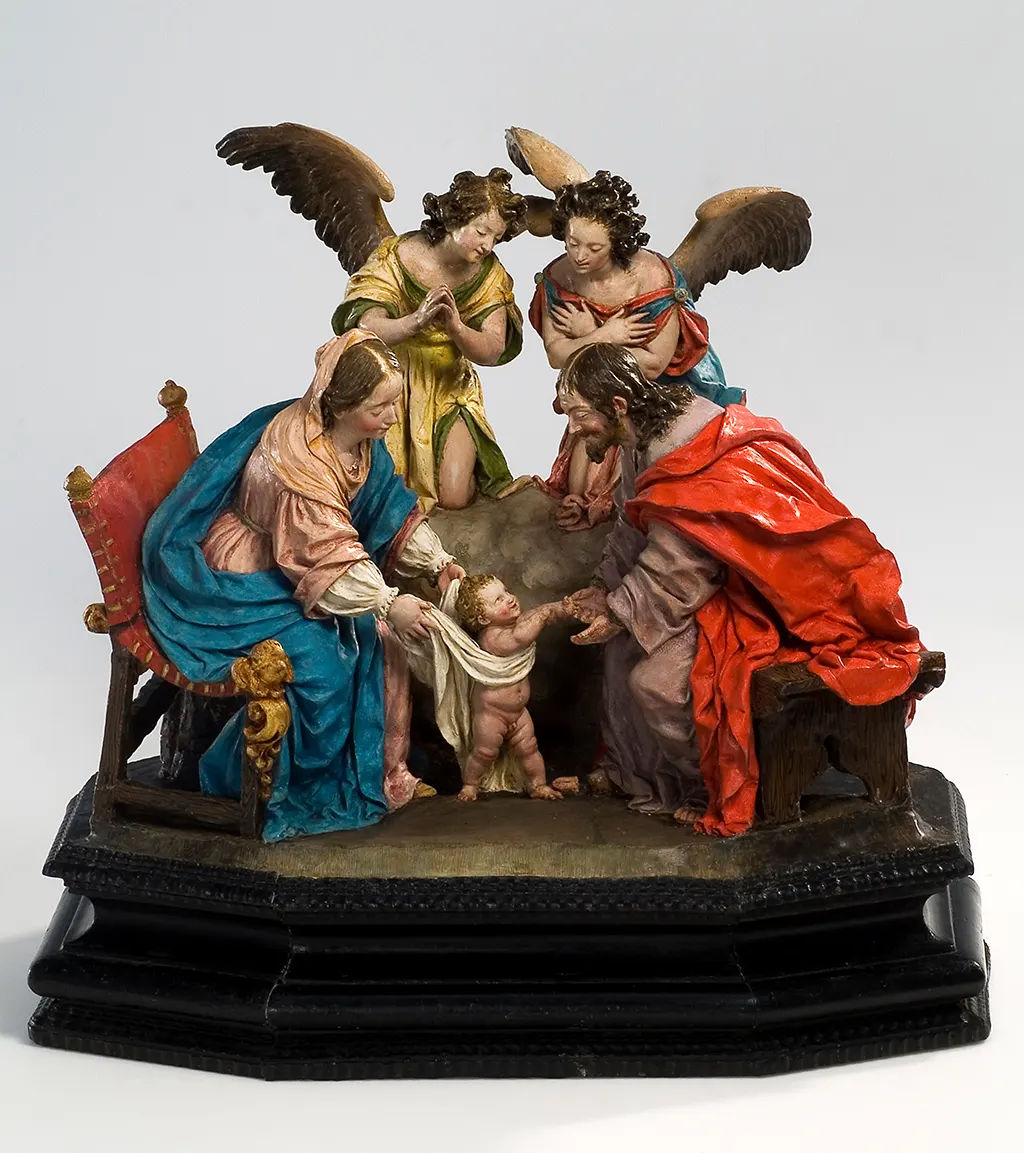
Luisa Roldán, known as La Roldana. The First Steps of Jesus, c. 1692-1706. Polychrome terracota. Museo de Guadalajara.
Lastly, the exhibition also addresses other examples of the intertwining of the arts linked to painted sculpture, ranging from prints that helped disseminate the most popular devotions to the Passion veils that feigned altarpieces or paintings that, in a suggestive illusionist exercise, faithfully reproduced sculptural images on their altars.
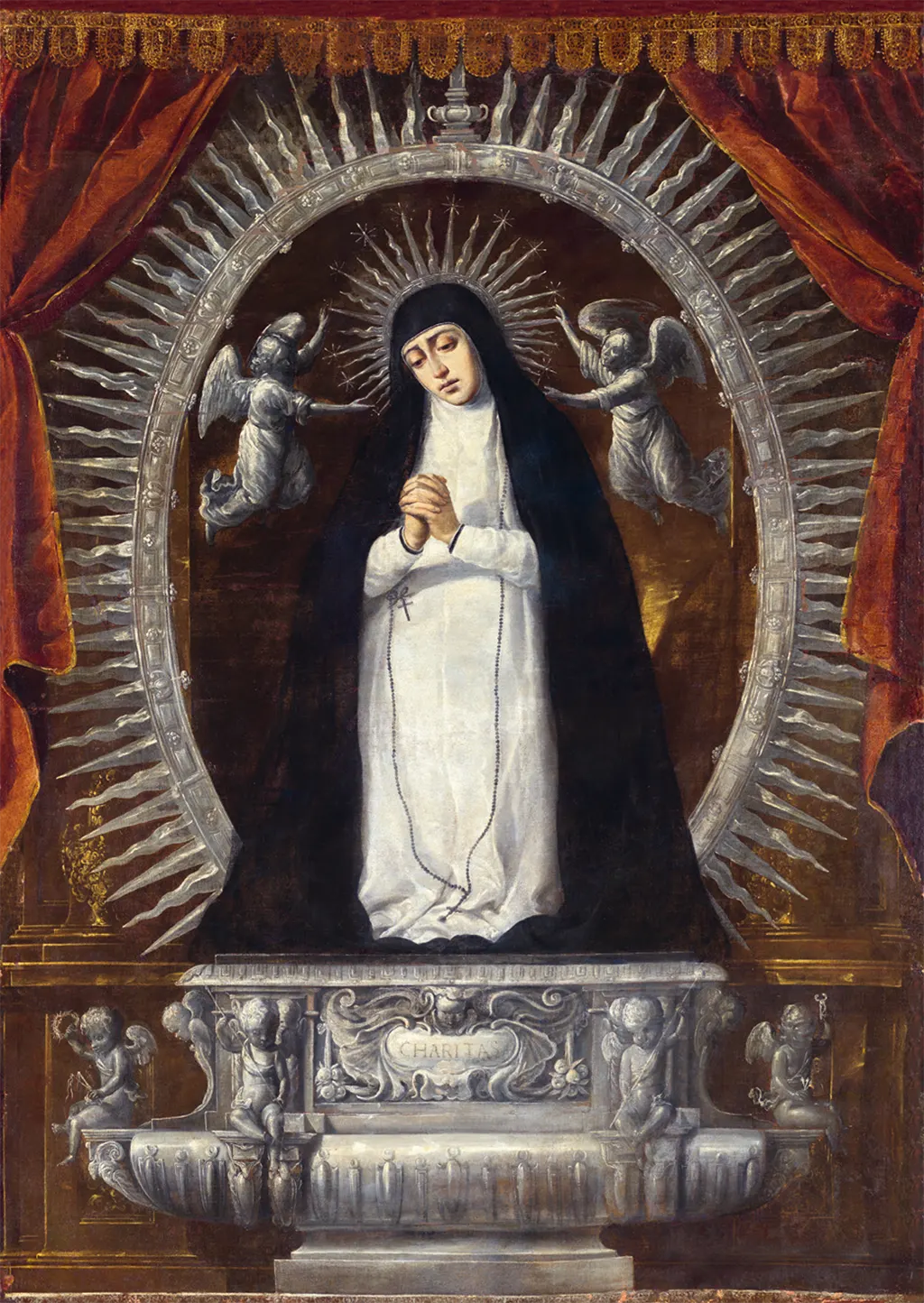
Attributed to Sebastián Herrera Barnuevo. Virgin of Solitude, c. 1665. Oil on canvas. Madrid, Museo Nacional del Prado.
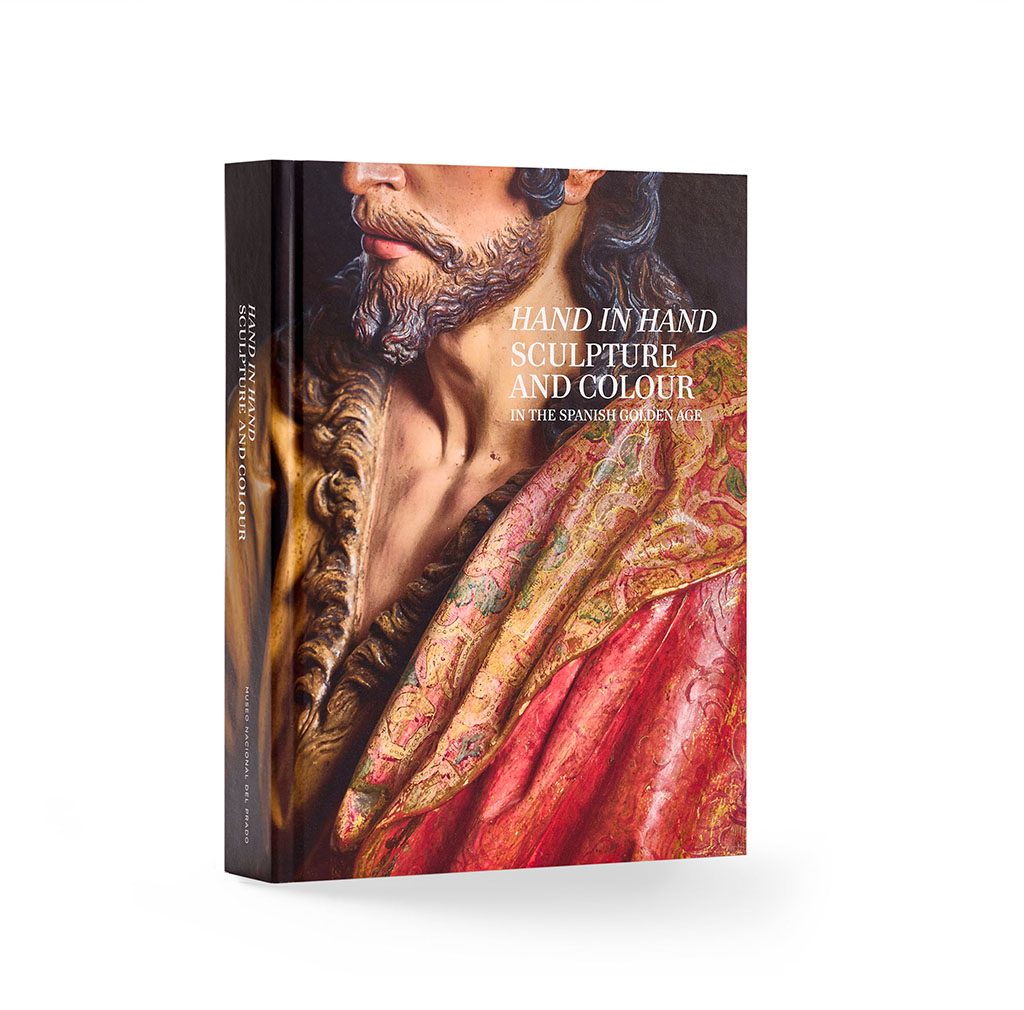
Spanish, English
37€
Compra ahora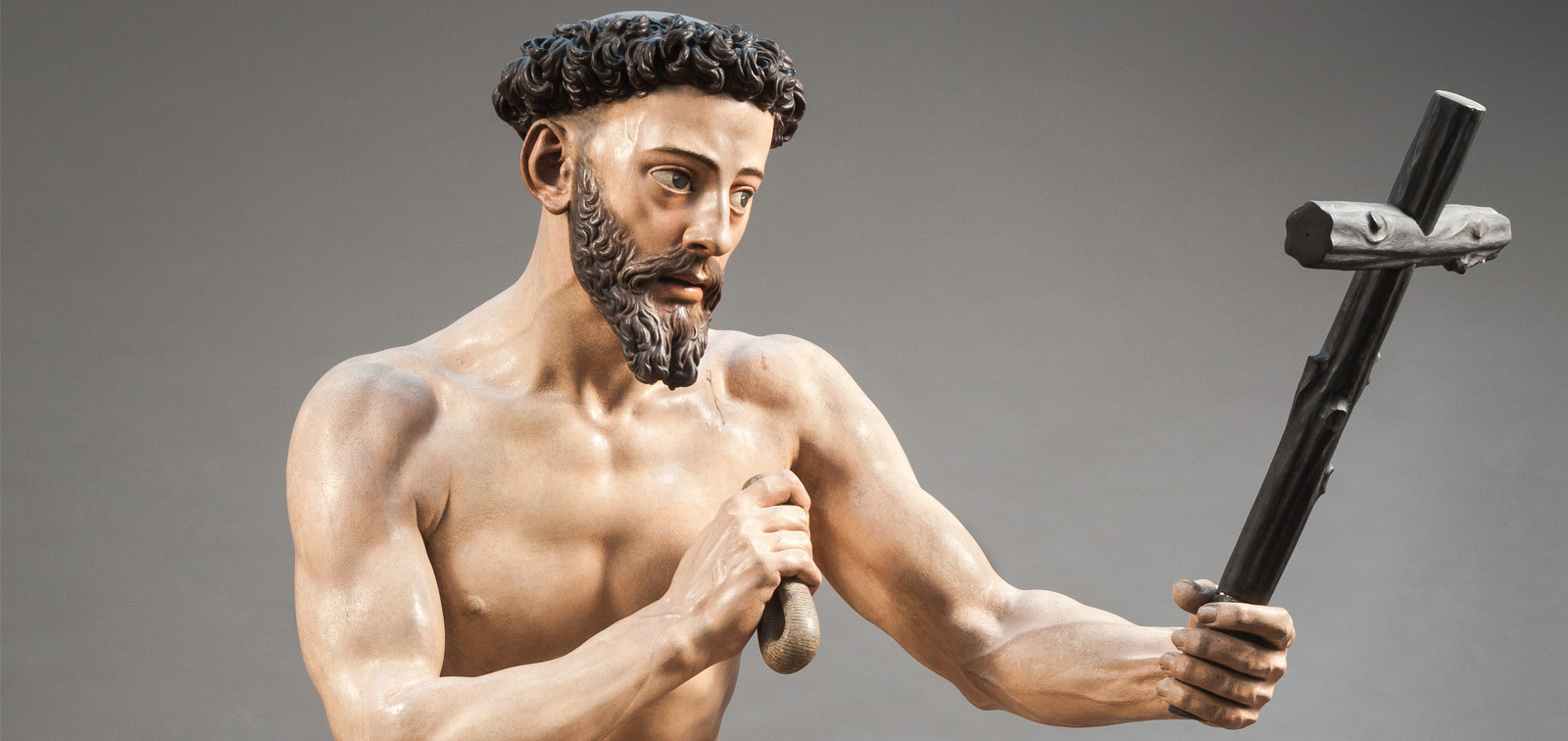
Sala de Conferencias
Actividad gratuita para los visitantes con entrada al Museo
More info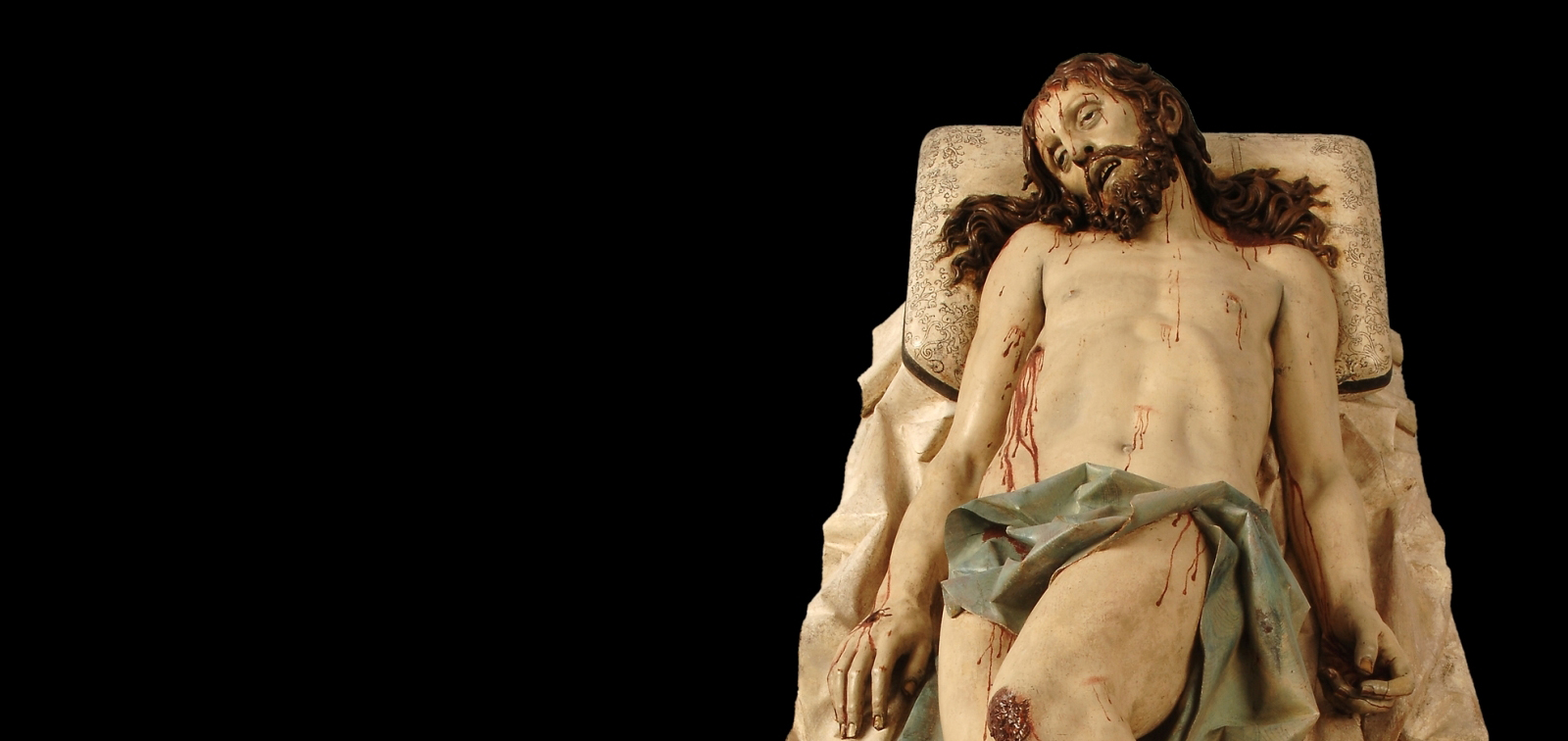
Directed by Manuel Arias, Jefe de Departamento de Escultura del Museo Nacional del Prado
More info
12 €
More infoMonday to Saturday: 10.00 am - 8.00 pm
Sundays and holidays: 10.00 am - 7.00 pm
6 January and 24, 31 December: 10.00 am - 2.00 pm
Last admission 30 min before closing time.
Visitors must leave the galleries 10 min before they close.
1 de enero, 1 de mayo y 25 de diciembre
Open until 30 min before closing time
www.museodelprado.es and ticket office
cav@museodelprado.es / 91 068 30 01
Standard ticket: 15 €
Reduced price ticket: 7,50 € (with proof of status)
Spanish and English
Includes the Collection, current temporary exhibitions and the route
On sale online and at the ticket office
Sponsored by: