Exhibition Museo del Prado - Fundación BBVA
26.05.2026 - 20.09.2026

Exhibition Museo del Prado - Fundación BBVA
26.05.2026 - 20.09.2026
Long before the Renaissance swept across Europe, Italy witnessed an artistic revolution. Spearheaded by masters such as Giotto, Duccio, Simone Martini and the Lorenzetti brothers, it also resonated throughout the continent. It is no coincidence that the Spanish kingdoms were the first Western territories to be receptive to the art of the Italian Trecento, amazed by its innovative aesthetic and technical sophistication. Not only did the existence of thriving Mediterranean hubs (commercial, diplomatic, political…) facilitate the arrival of artists and works but Spanish masters paid special attention to the innovations from the Italian peninsula, displaying a fascinating creative sensitivity.
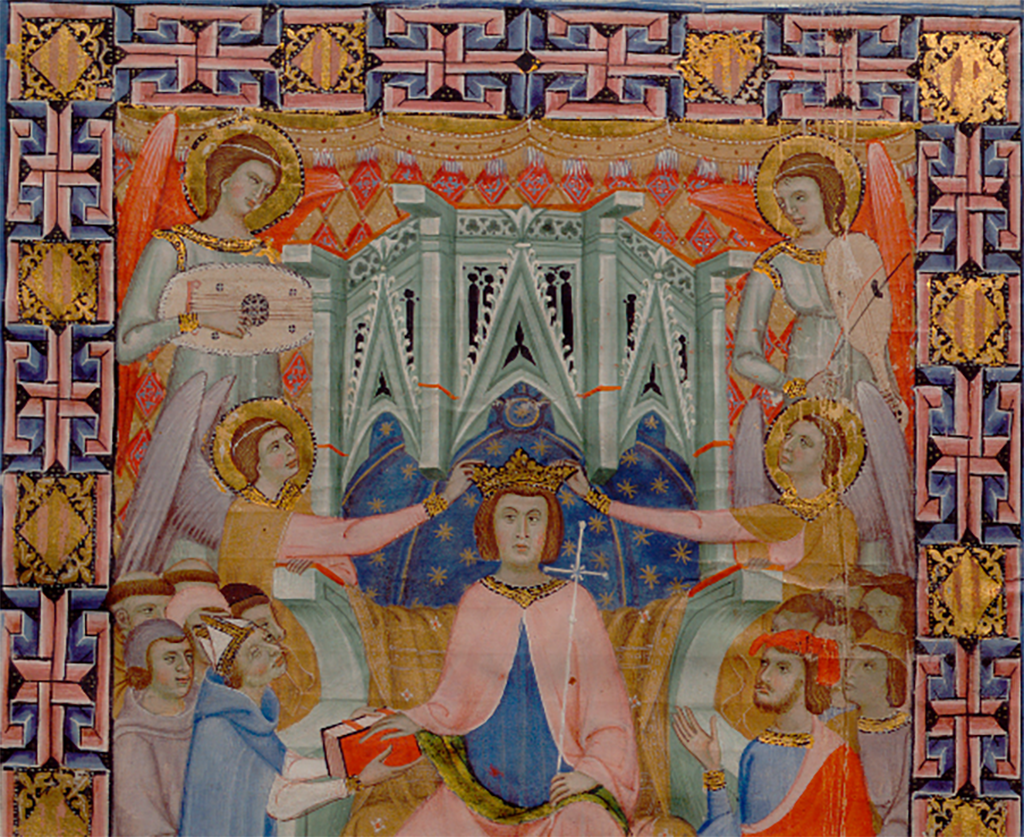
Joan Loert (Maestro de los Privilegios), 'James I of Mallorca enthroned', in Llibre dels Reis, c. 1339-41. Palma, Arxiu del Regne de Mallorca.
If there is one thing that this exhibition demonstrates, it is that in the hands of Spanish masters, the Trecento language became a lingua franca open to all kinds of versions and adaptations, as well as a starting point for refined, hybrid works that defy conventional artistic categories. Ferrer and Arnau Bassa’s creations, for example, combine Italian formulas with French and Neo-Byzantine elements in a synthesis that was unparalleled in the Italian world. Images did not just travel: they were translated, became acclimatised and, in the process, gave rise to blurred and composite identities stemming from the fruitful convergence of different aesthetic approaches.
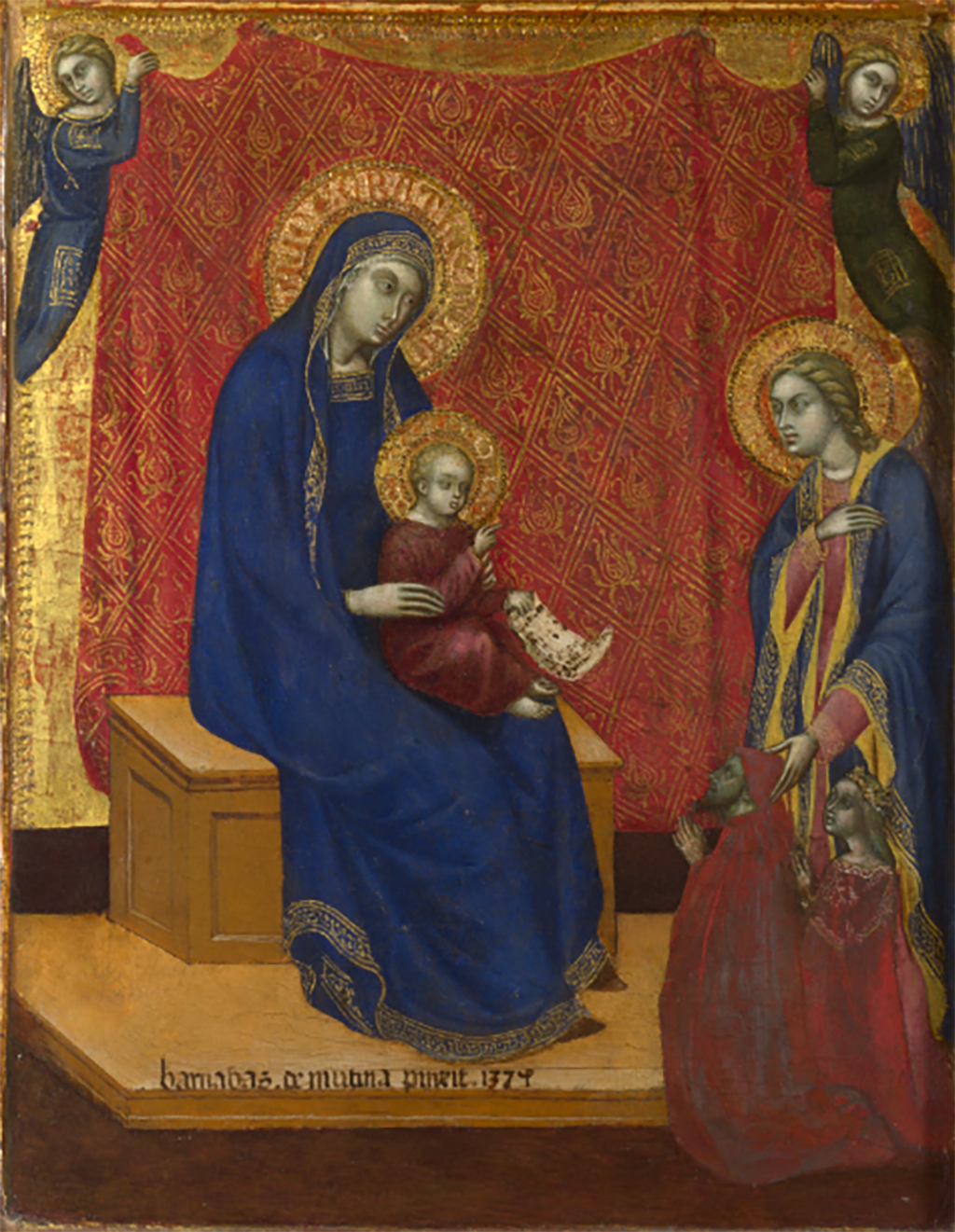
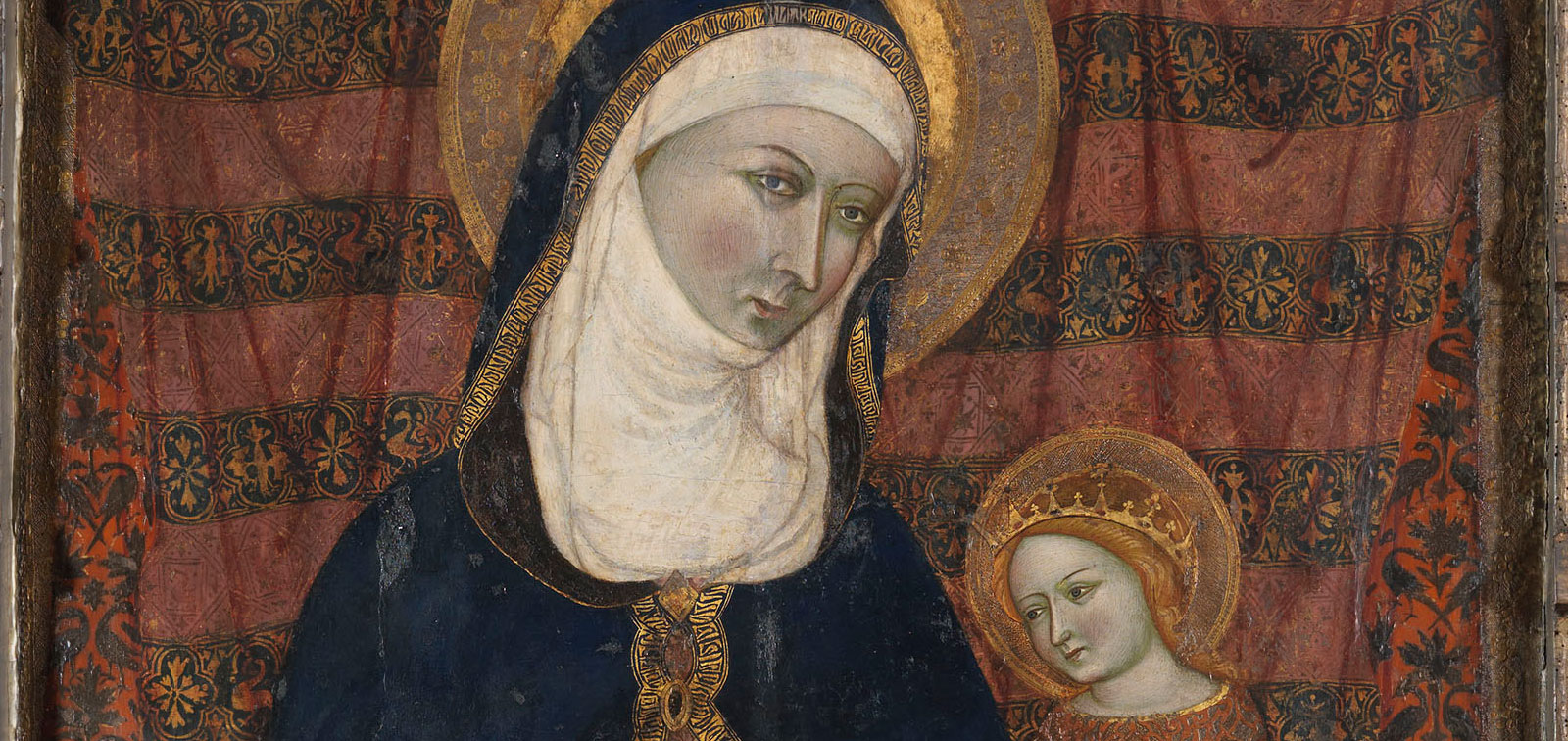
Barnaba da Modena, The Virgin and Child, 1374. London, The National Gallery. Presented by Rosalind, Countess of Carlisle, 1913
Far from being confined to formal concerns, the creativity displayed by local masters extends to other aspects, such as iconography. They introduced interesting variations on a number of Italian themes and compositions ranging from Roman Marian icons to the rich imagery of the new Franciscan saints. In other cases, the change relates to the meanings the imported works acquired in a different visual and mental environment. On the Iberian Peninsula, Italian models and prototypes took on a new life and nature.
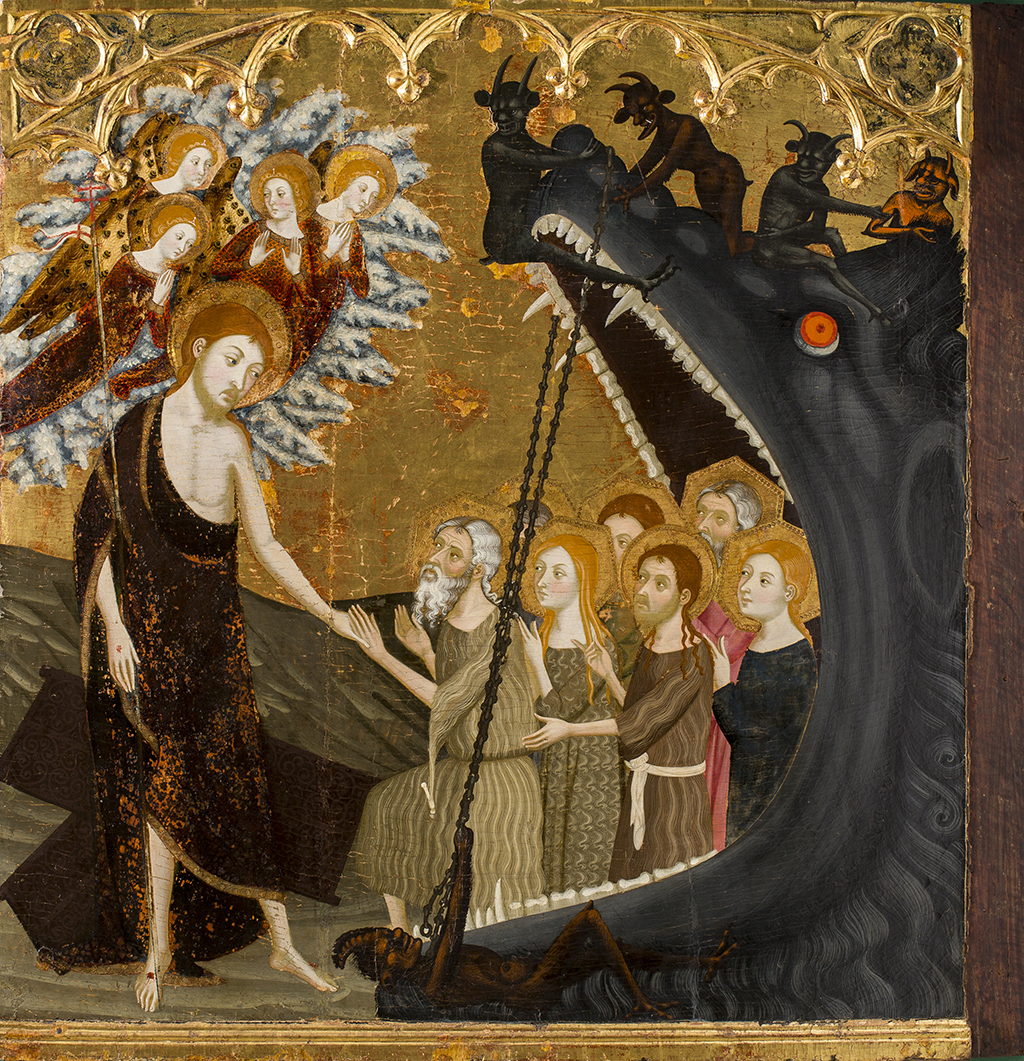
Pere Serra, Jaume Serra, Christ's Descent into Hell, c. 1381-82. Zaragoza, Museo de Zaragoza
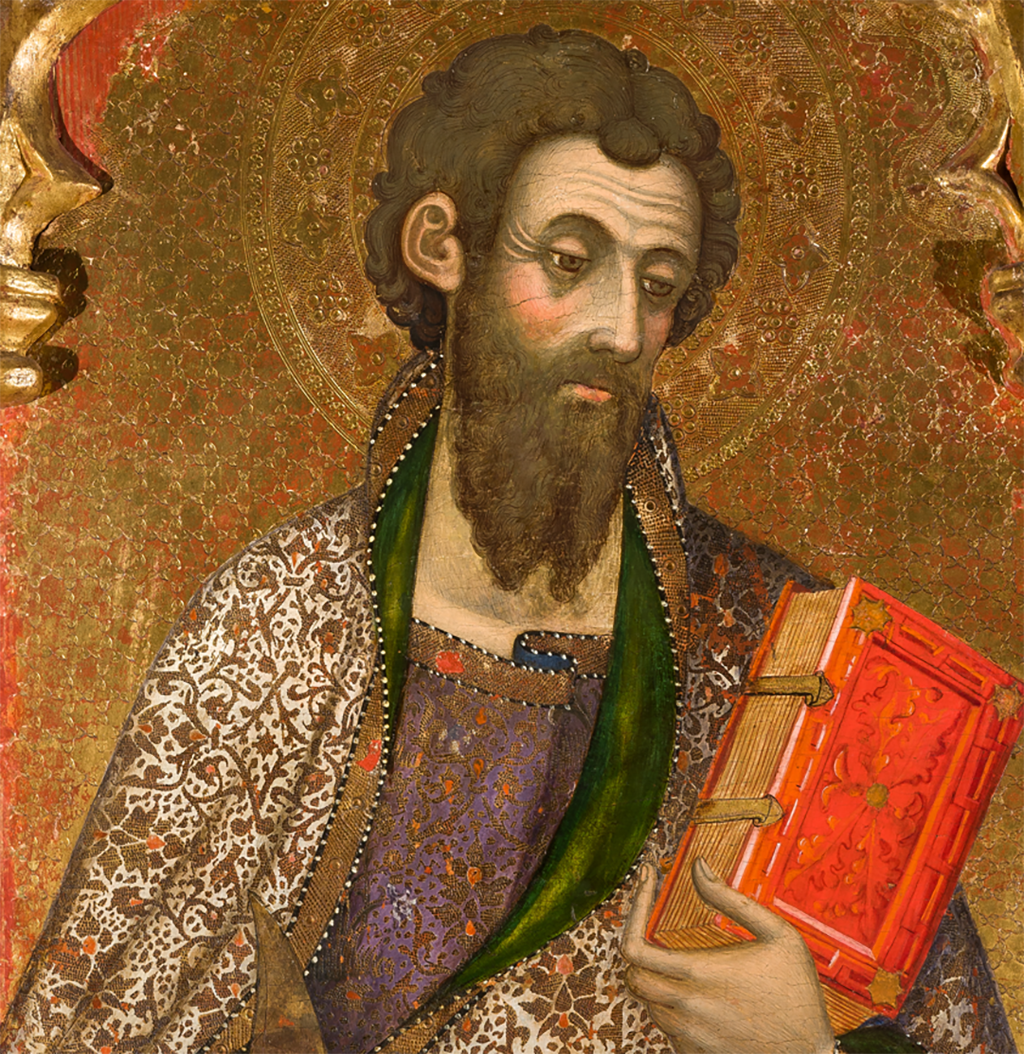
Pere Serra, Saint Bartholomew and Saint Bernard of Clairvaux, c. 1395. Vic, Museu Episcopal de Vic
The Spanish masters’ originality is evident in their use of distinctive formats for panel paintings, such as monumental altarpieces, the preferred scenic devices for dominating places of worship. Altarpieces were also an excellent testing ground for the sophisticated techniques of multi-material painting. As in Italy, the application of gold leaf was not simply an adornment but a full-fledged aesthetic strategy that enabled artists to mimic the textures and opulence of luxury fabrics, brocades and jewellery. Taken even further, it transformed large painted ensembles into active surfaces that absorbed and modulated light depending on its intensity and the viewer’s perspective. The altarpieces produced by Spanish fourteenth-century painters offered optical and symbolic experiences.
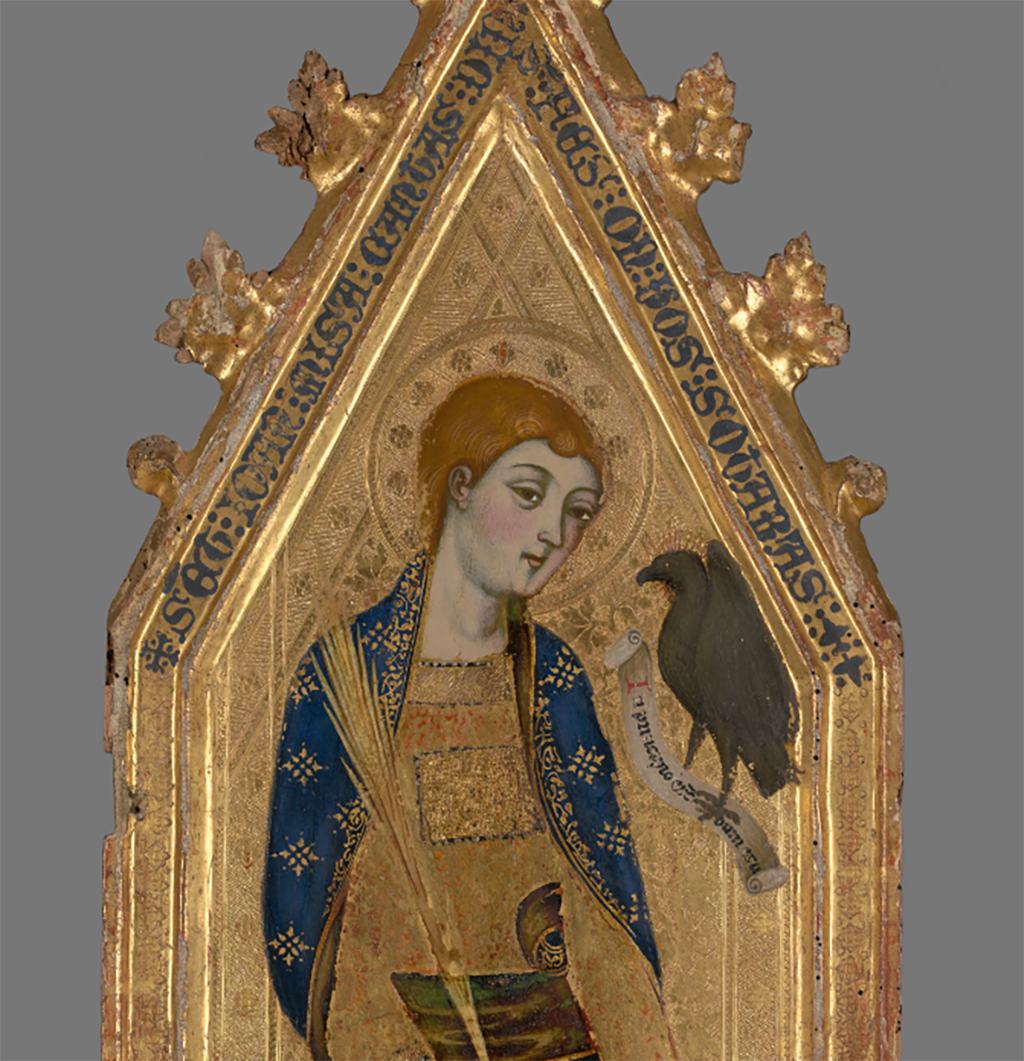
Ramon Destorrents and workshop, Saint John the Evangelist. Tempera and gold leaf on panel, 75.5 × 28.2 cm (each). c. 1355–60. Krakow, The National Museum in Krakow, The Princes Czartoryski Museum. © Laboratory Stock National Museum in Krakow
The exhibition ends with an unexpected twist that illustrates how the vicissitudes of artistic exchanges refute all a priori assumptions or categories established by traditional historical approaches. Whereas throughout the exhibition the narrative is centred on the impact of Italian Trecento models on the artistic landscape of the Spanish kingdoms, the final section examines the situation in reverse. It focuses on Gherardo Starnina, a Tuscan master who, after living in the kingdoms of Castile and Aragon, shook up the art world of early fifteenth-century Florence with the innovative Late Gothic style he had adopted in Valencia. He is an example of how the permeability of art scenes, previously only noted on the Spanish side, also applied to Italy – further proof that the circulation of art and artists in the western Mediterranean gave rise to a plural language with many different accents and alternatives. In the Italian manner thus becomes in the Spanish manner in the last section of the show.
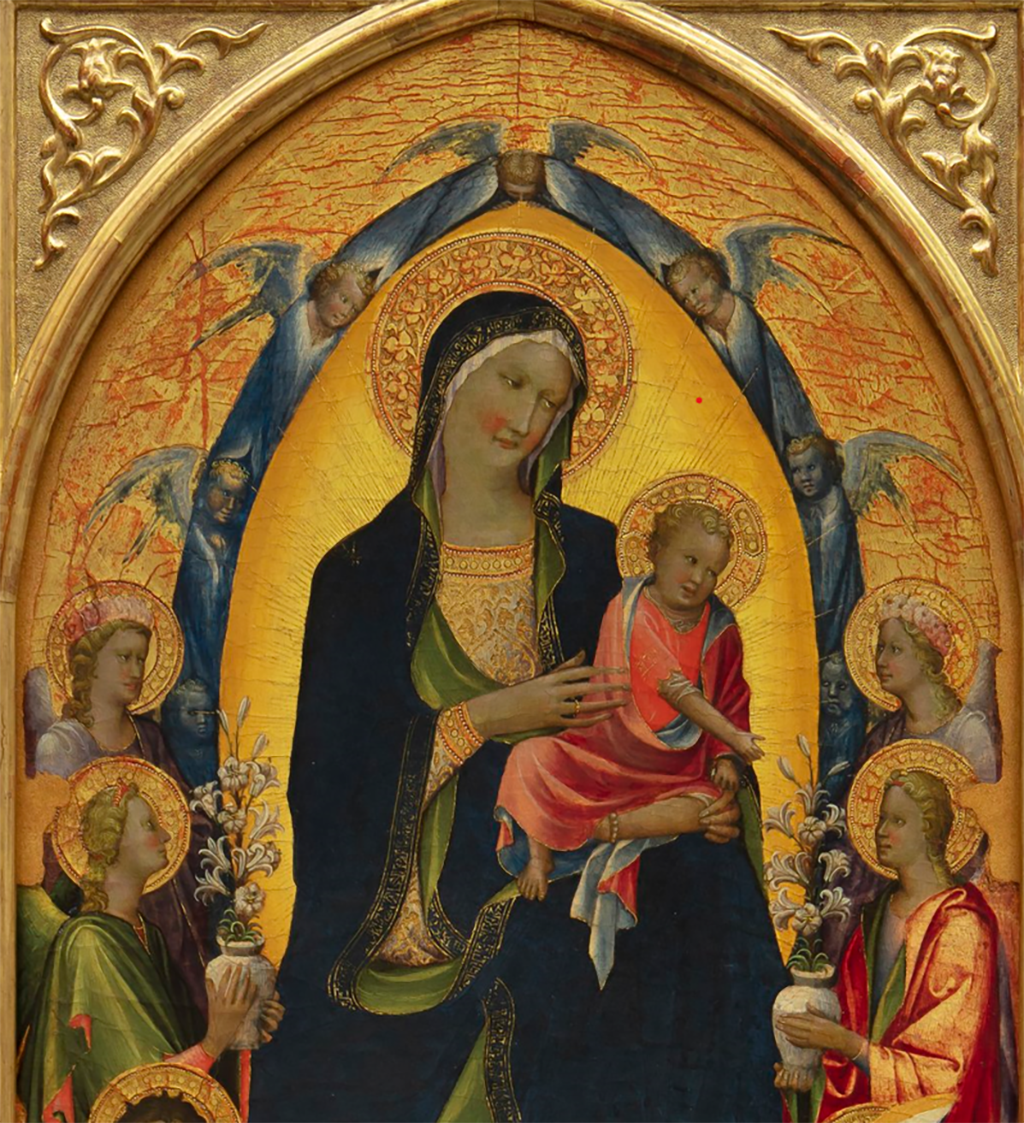
Gherardo di Jacopo, "Starnina" (?), Virgin and Child with Saint John the Baptist, Saint Nicholas and Angels (Madonna del Bambino Vispo), c. 1407-8. Florencia, Galleria dell'Accademia
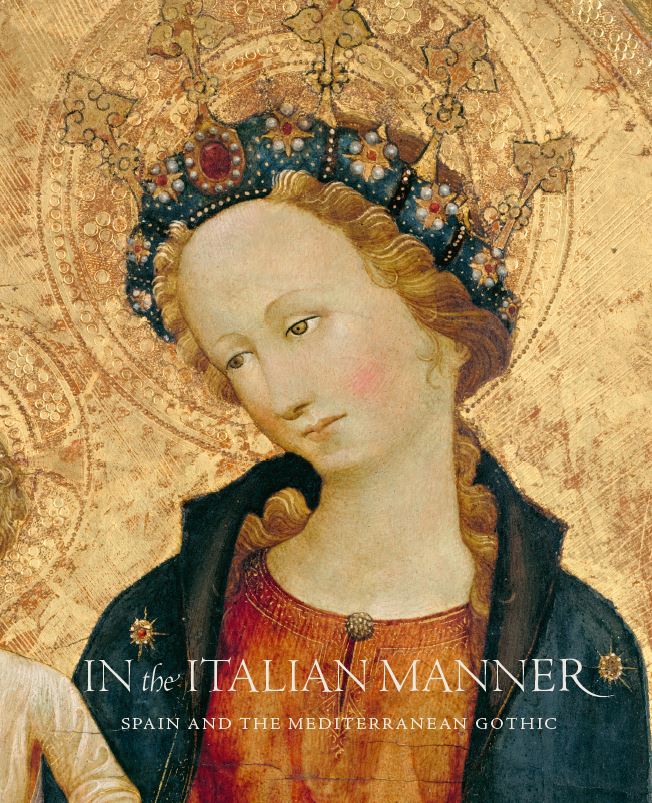
English
37€
Compra ahora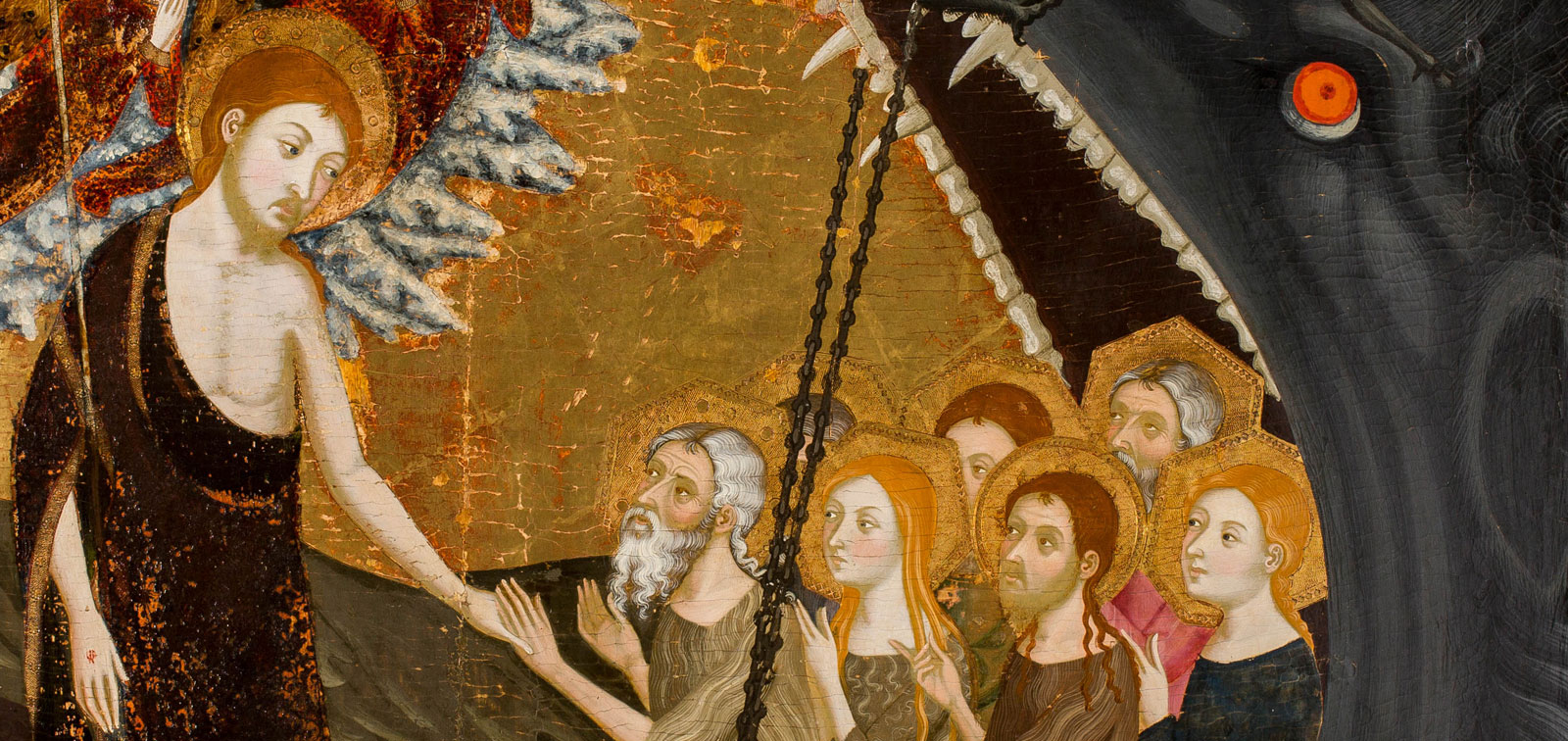
Directed by Joan Molina Figueras (Museo Nacional del Prado)
27, 30 May, 3, 6 June at 6.30 pm
Auditorium
Sponsored by the Friends of the Prado Museum Foundation
More info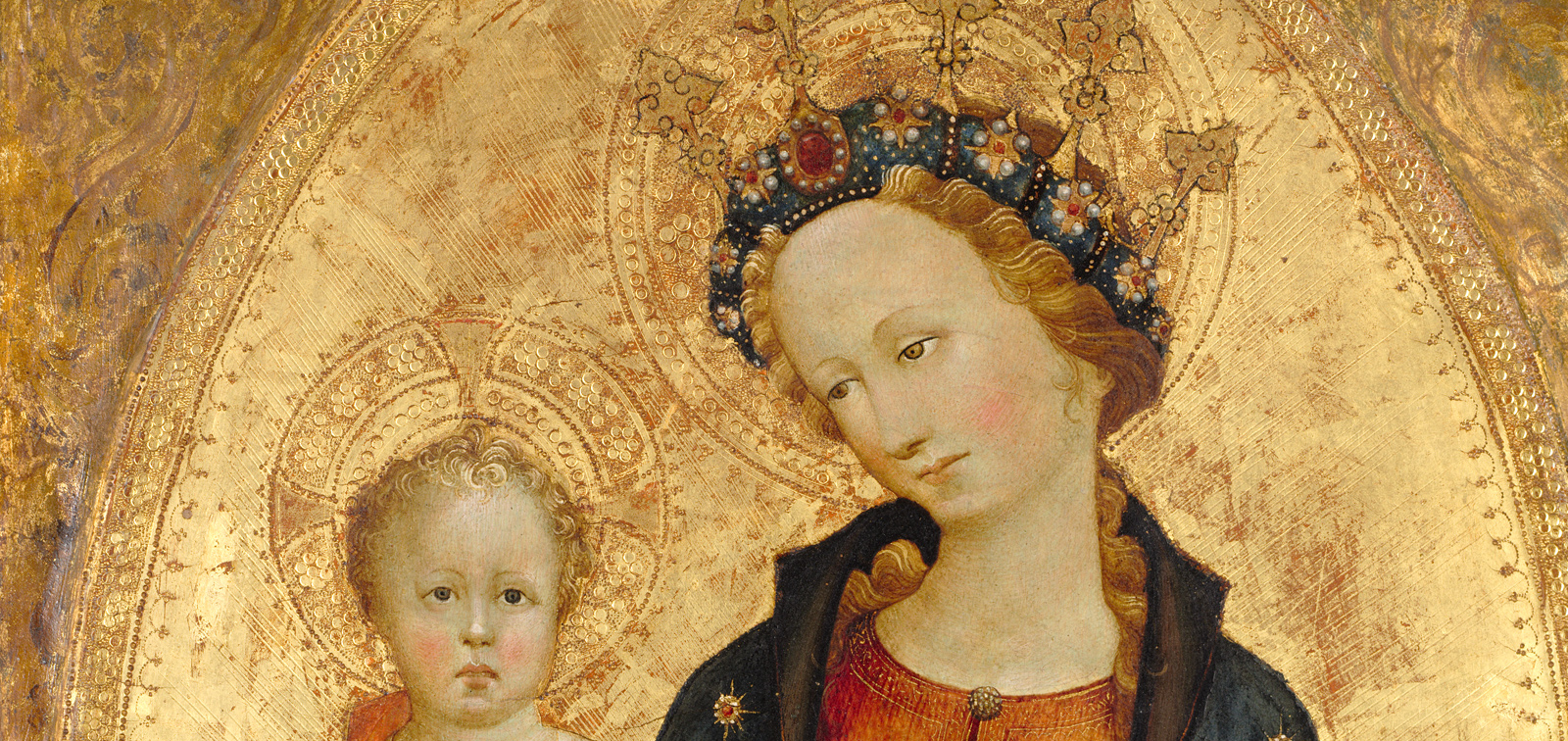
Directed by Joan Molina Figueras
Mariaceleste Di Meo
9, 10 and 11 September
Free admission
Registration open until 4 September
More info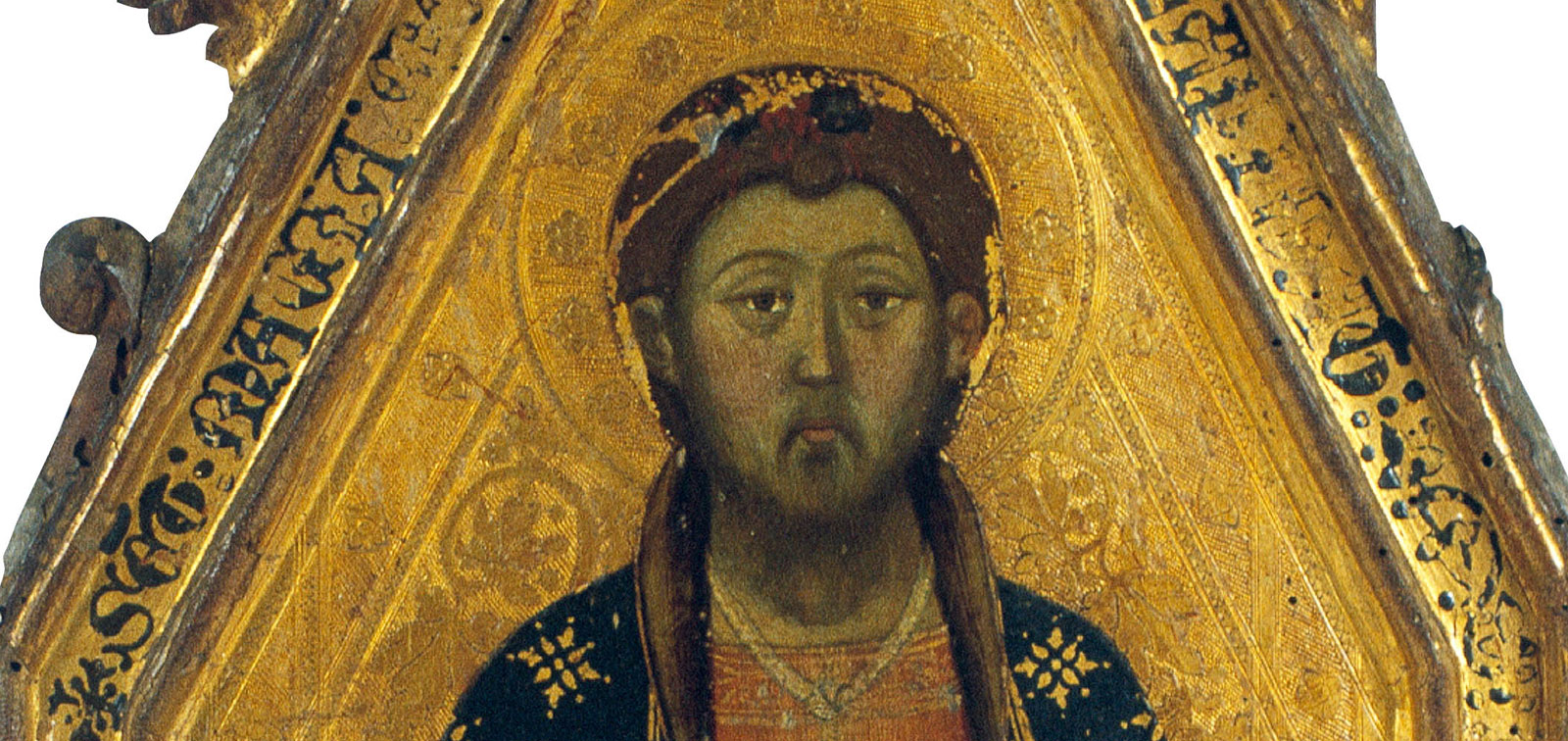
Wednesday to Sunday at 12:00 pm (Starting on 29 May)
Mostrador de Educación
Entrada  10 €
10 €
Mondays at 1 pm and 5:30 pm
Sala de Conferencias
Actividad gratuita para los visitantes con entrada al Museo
More info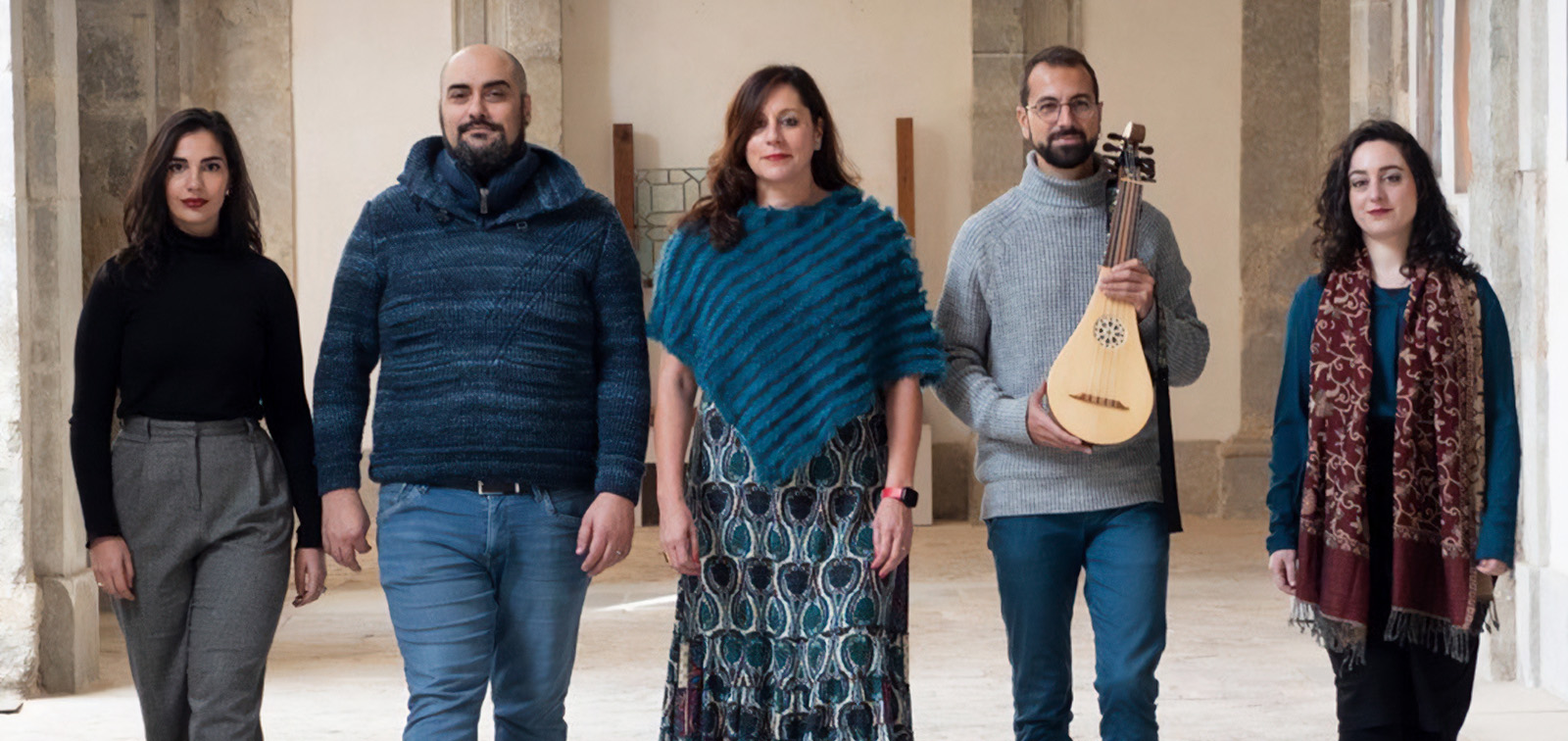
Performed by Ensemble Merveill
5 June at 7 pm
Online and ticket office sales
With the collaboration of ICCMU
12 €
More info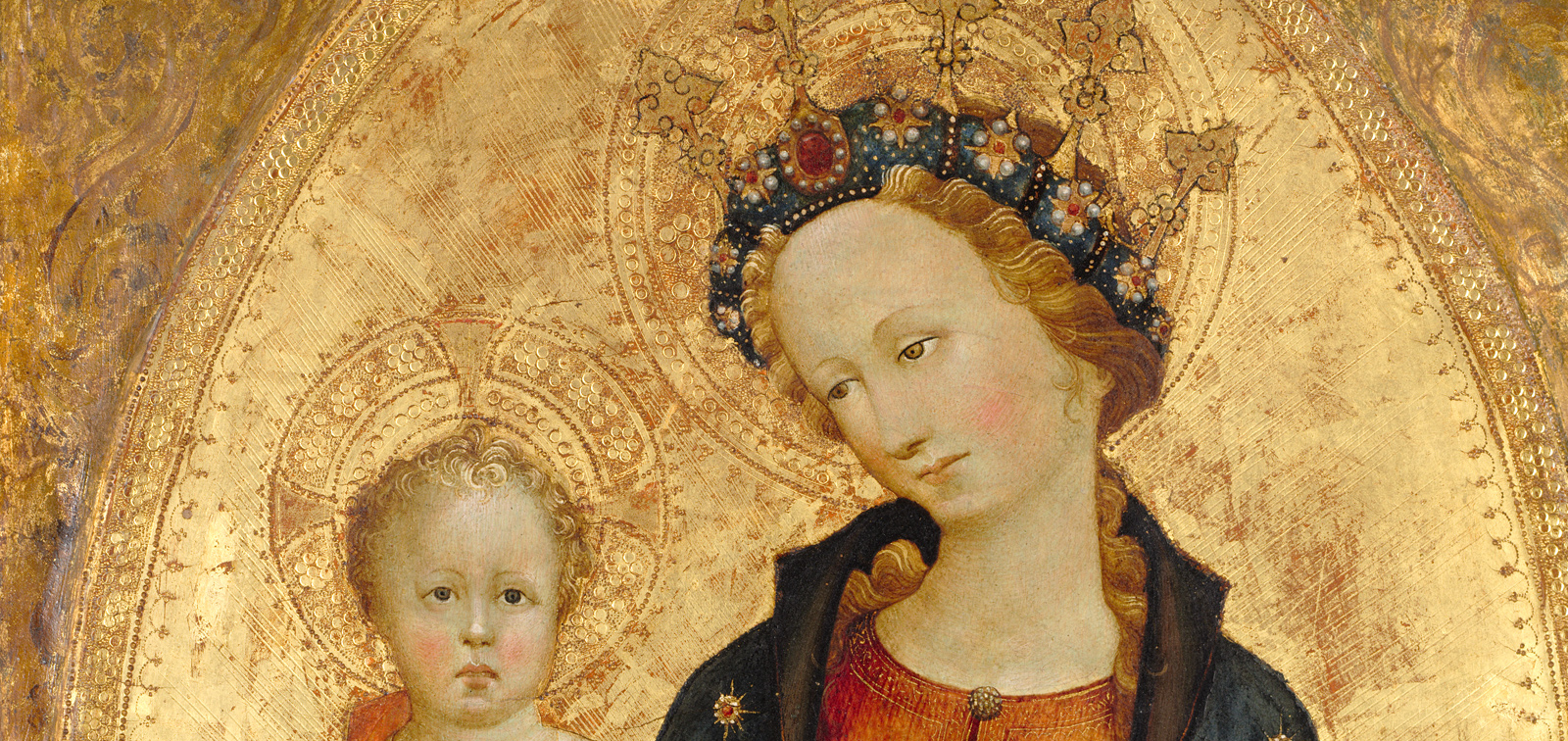
Gratuita previa compra de entrada y haberse inscrito y recibido confirmación de la inscripción
More infoMonday to Saturday: 10.00 am - 8.00 pm
Sundays and holidays: 10.00 am - 7.00 pm
6 January and 24, 31 December: 10.00 am - 2.00 pm
Last admission 30 min before closing time
Visitors must leave the galleries 10 min before they close
1 January, 1 May and 25 December
Open until 30 min before closing time
www.museodelprado.es and ticket office
91 068 30 01 / cav@museodelprado.es
Standard ticket: €15
Reduced price ticket €7.50 (with proof of status)
Spanish and English
Includes the Collection and current temporary exhibitions
On sale at the ticket office and online
Photography and filming not allowed in the rooms


Follow us on

With the sole sponsorship of: