13.04.2026 - 05.07.2026
13.04.2026 - 05.07.2026
Since 2009, Room 60 at the Museo del Prado – relabelled “Open Warehouse” in 2026 – has been designed as a space for displaying the museum’s 19th century holdings as part of the permanent collection.
It has hosted small-scale exhibition projects spanning a range of perspectives: monographic shows highlighting artists such as Aureliano de Beruete, Miguel Blay, Rogelio de Egusquiza, Antonio María Esquivel, Federico de Madrazo, Jenaro Pérez Villaamil, Francisco Pradilla, Eduardo Rosales, Joaquín Sorolla and José de Madrazo (drawings); displays addressing specific techniques, including watercolours and Japanese prints; presentations linked to donations, such as the Rudolf Gerstenmaier bequest; and surveys dealing with particular themes, for example religious painting and child portraits.
Photography, while playing a part in some of these projects and recently taking centre stage in The Prado multiplied: Photography as shared Memory, again provides the core focus for The Artist’s World through the Camera, an exhibition devoted to the artists’ images and their creative spaces.
The advent of the new art of photography in the 19th century paved the way for an unprecedented and extraordinarily effective means of representing reality. Artists were quick to grasp the potential of this transformation: they photographed themselves both alone and in company, documented their workspaces and kept a careful visual record both of the creative process and of the completed oeuvre.
One of the earliest genres favoured by photography was the portrait, regarded not just as a record of identity and an affirmation of one’s own image but also as proof of the sitter’s social status. Through carefully considered poses, and using attributes intended to define the subject, as well as appropriate professional attire, the photographers – and the sitters themselves – constructed a visual language that enabled them to project the desired image.
In the latter half of the 19th century, visiting a photographer’s studio to have one’s portrait taken was a social event. Portrait studios – sometimes referred to as “glass cabins” in contemporary texts – were generally situated on the upper floors of buildings, and featured large windows to ensure plenty of natural light. They soon proliferated in cities, where they prompted growing competition, leading to the emergence of various kinds of specialist studios and a gradual fall in prices.
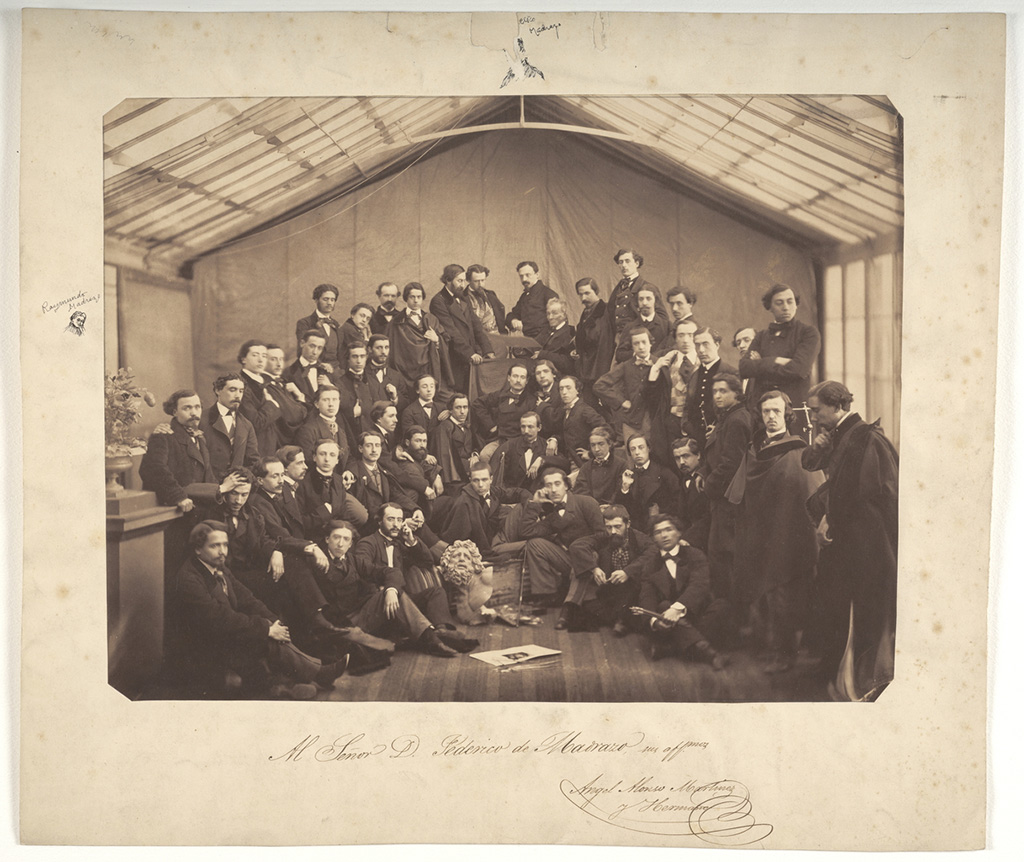
Fig. 1. Studio of Ángel Alonso Martínez and brother (act. 1857-68). Artists in the photographer’s studio. 1857-58.
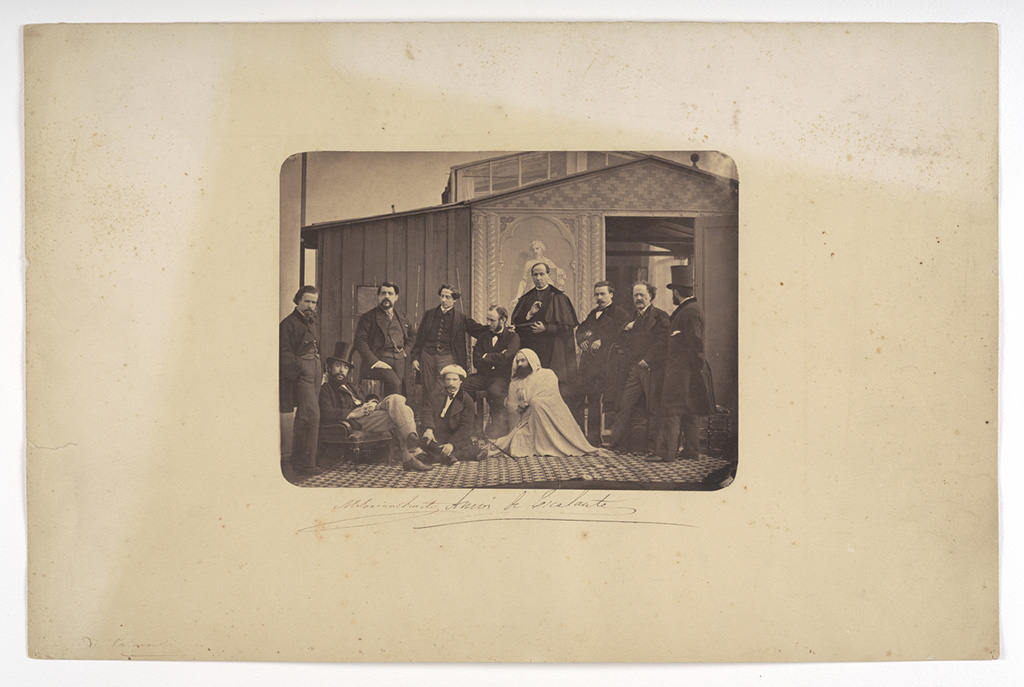
Fig. 2. Studio of Altobelli and Molins (act. 1858-65). Spanish artists in Rome. 1861.
Smaller photograph formats – the carte de visite, the promenade card and the Paris card – were mainly intended for individual portraits, while larger formats provided the ideal solution for group compositions.
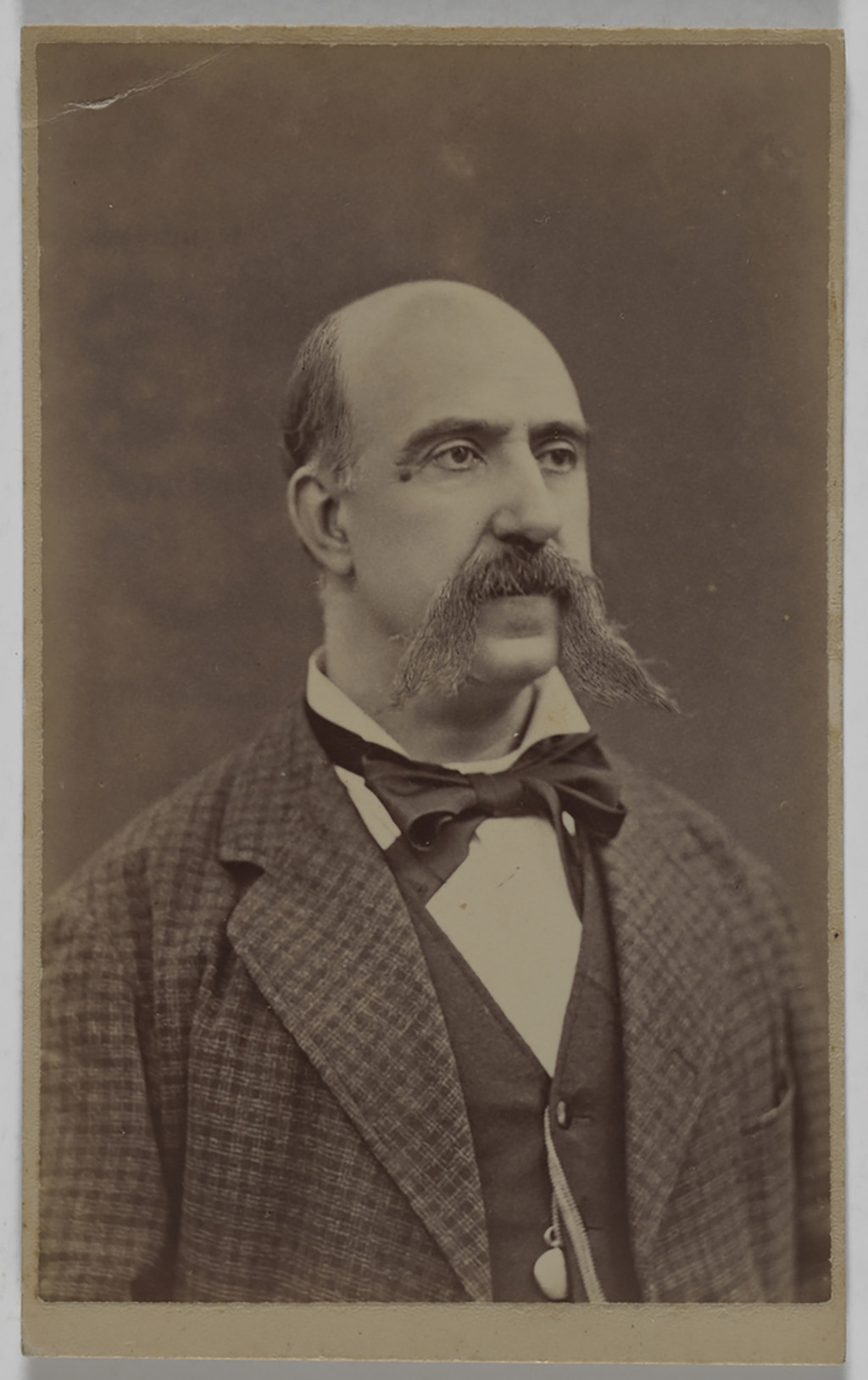
Fig. 3. Rafael Rocafull (1824-1903). The photographer Rafael Rocafull. Carte de visite. 1870.
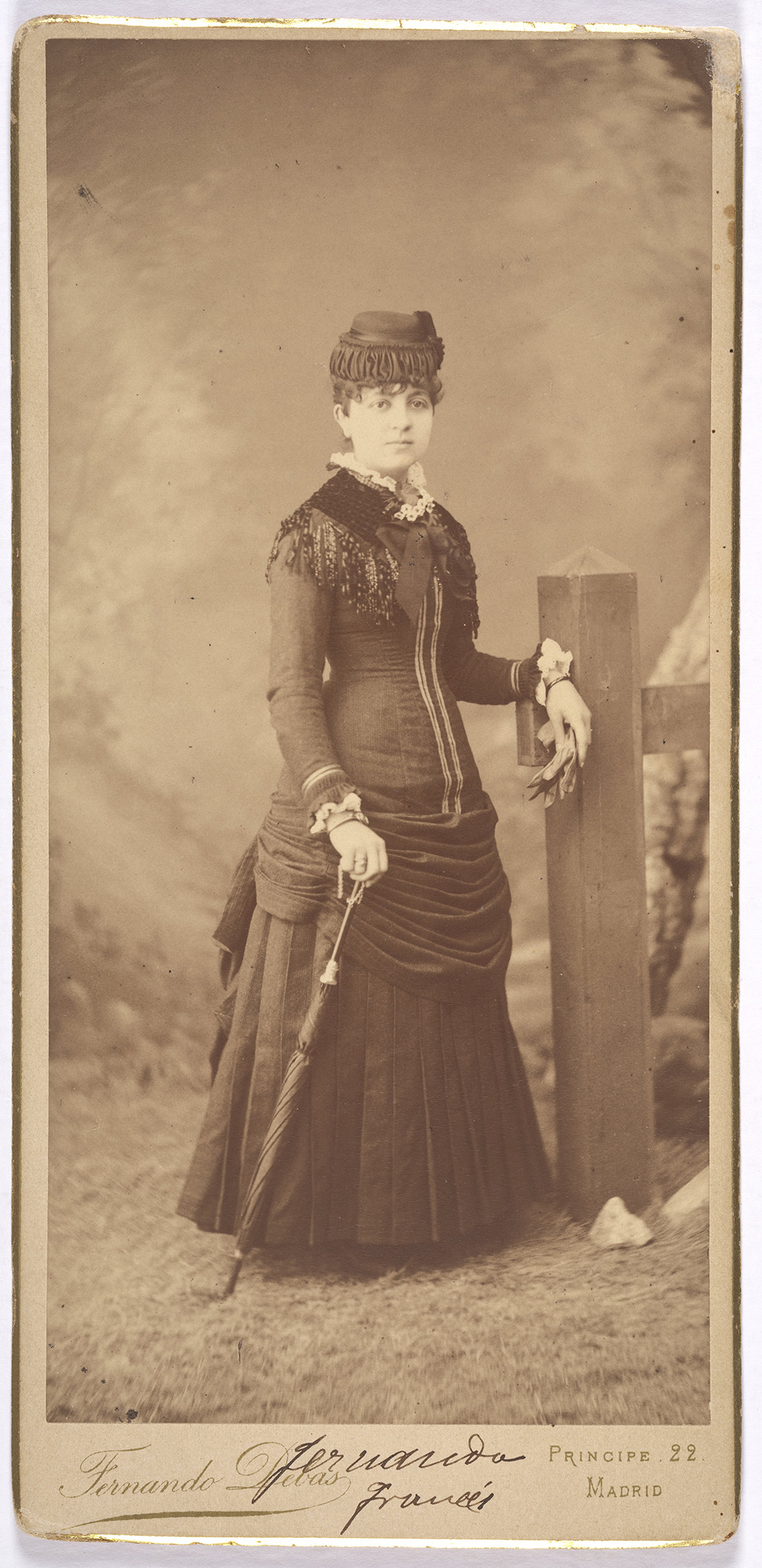
Fig. 4. Fernando Debas (1842-1914). The painter Fernanda Francés. Promenade card. 1875-83.
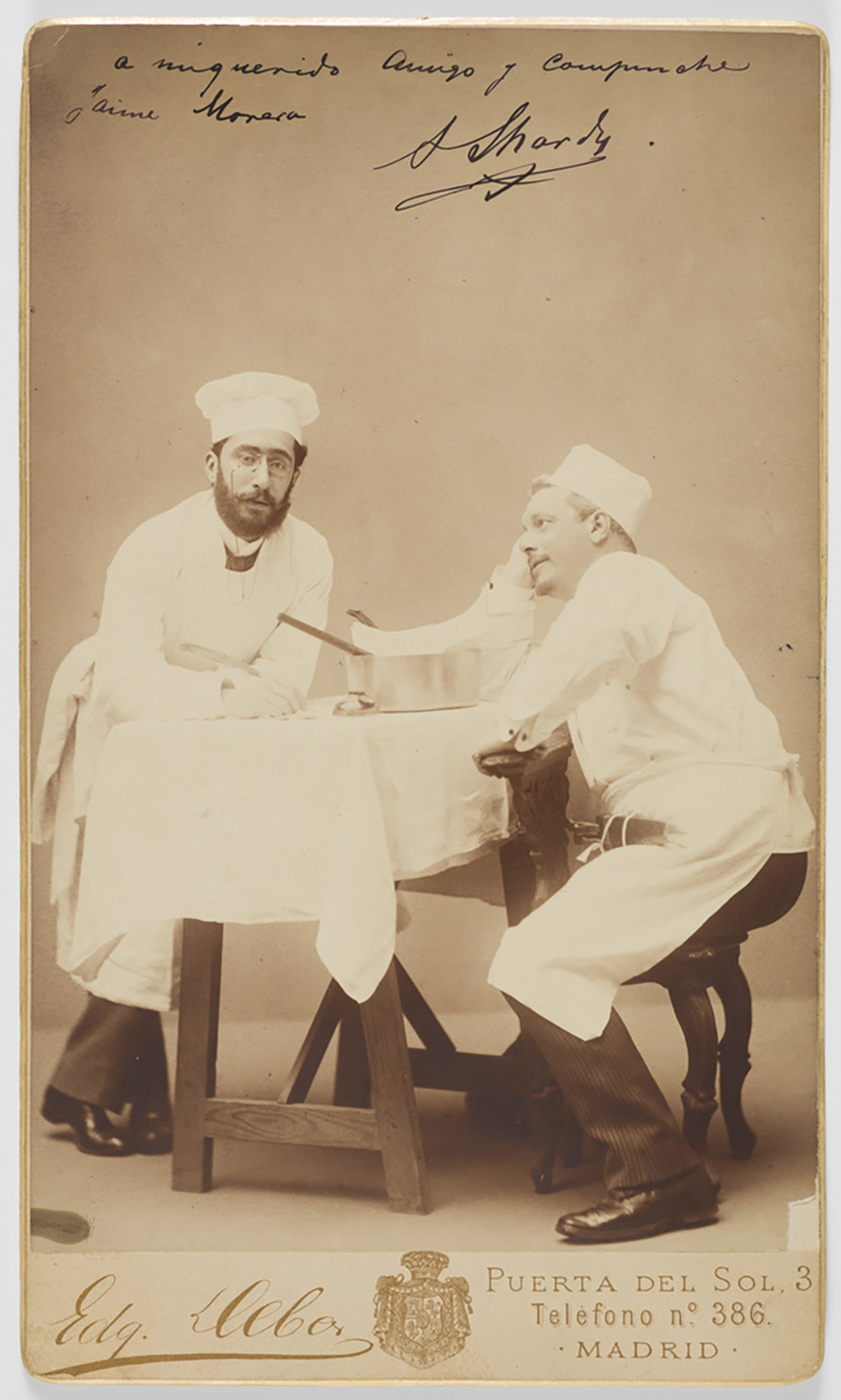
Fig. 5. Edgardo Debas (1845-1891). The painters Jaime Morera and Agustín Lhardy as chefs. Paris card. c. 1880.
The group portraits in this exhibition focus on membership of a professional body or on the celebration of a particularly important event. The careful composition of the pictures – as well as press advertisements and notes on the back of the cardboard supports – indicate that some of the photographers showcased here had trained in the fine arts; this undoubtedly facilitated their dealings with other professional artists.
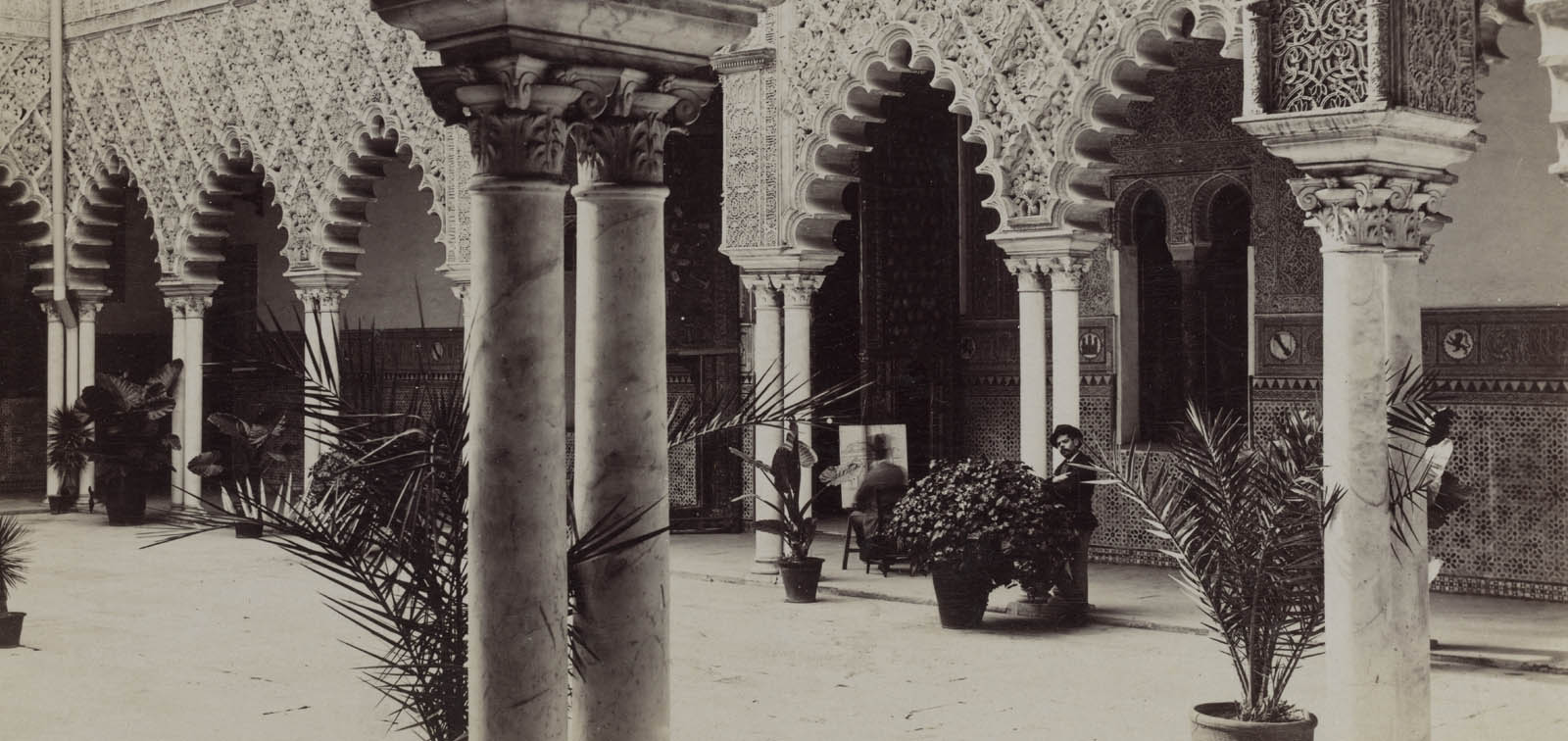
Drawing on the Museo del Prado’s holdings, including the archives of numerous artists – among them Luis and Federico de Madrazo, Dióscoro Puebla, Rafael Rocafull, Cecilio Pla, Agustín Querol, Miguel Blay, Fernanda Francés and Manuel González Santos – this exhibition brings together photographs both by leading professionals and by anonymous, possibly amateur photographers. This collection of prints, produced using a whole range of techniques and formats, allows us to visually chart the artist’s presence in his studio, in various social and educational spaces and in alternative creative settings, such as the evocative Patio de las Doncellas at the Real Alcázar in Seville.
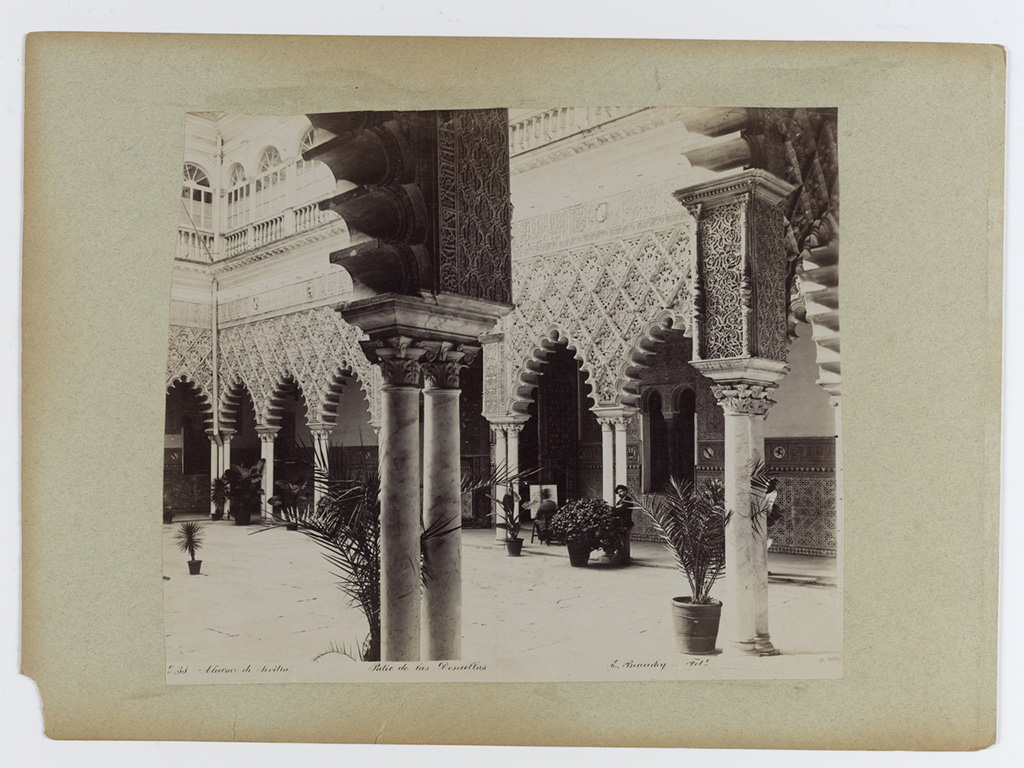
Fig. 6. Emilio Beauchy (1847-1928). A painter in the Patio de las Doncellas at the Alcázar in Seville. c. 1880.
Artists’ studios are spaces fraught with symbolic significance, where inspiration, careful observation and creation converge within a single creative process. The venues pictured here provided the setting not just for the production of art but also for social gatherings, for tuition and even – at times –for a veritable cabinet of curiosities, in which works of art were displayed alongside antiques and collectors’ items, as in Mariano Fortuny’s famous atelier in Rome.
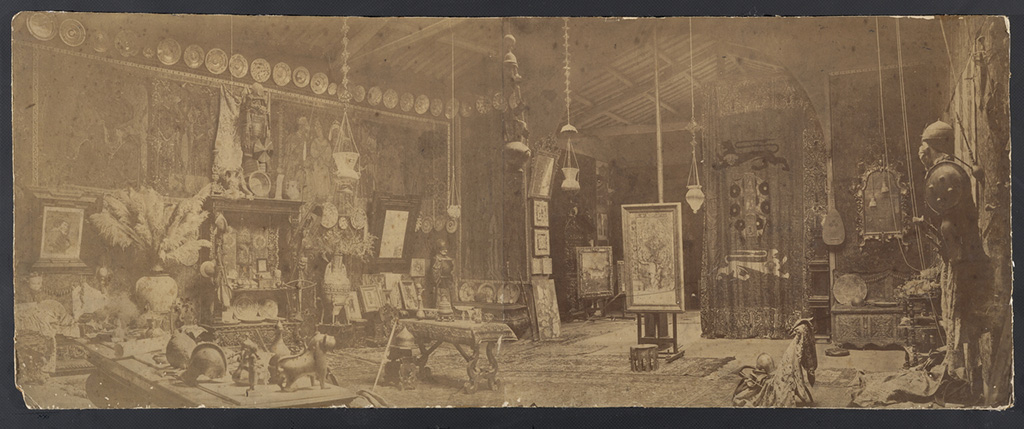
Fig. 7. Unknown photographer. Mariano Fortuny’s studio in Rome. 1873-1874.
Studios tended to be spacious rooms, designed to house significant collections of works – particularly bulky in the case of sculptures – as well as furniture, an area set aside for the models and their props, and the tools of the artist’s trade. Added to all this was an assortment of the artist’s personal keepsakes, mementoes of his life and career, which helped to heighten his prestige.
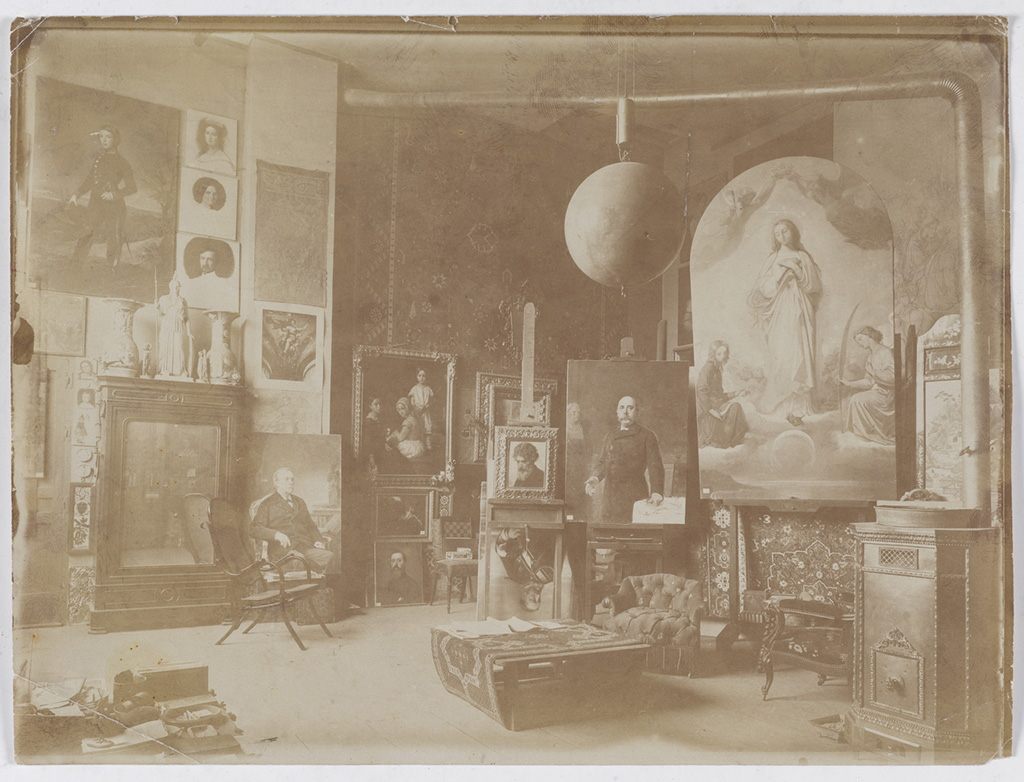
Fig. 8. Alfonso Roswag (1833-1900). Federico de Madrazo’s studio in Madrid. 1893.
In this context, the portraits of painters such as Raimundo de Madrazo in his Paris studio or Luis Sainz at the Casa de los Estudios in Madrid, and of sculptors like Aniceto Marinas accompanied by his models, Mariano Benlliure with the writer Federico García Sanchiz and Agustín Querol proudly posing beside a detail from his allegory of the Arts for the pediment of the National Library, offer a glimpse into the creative world of their studios.
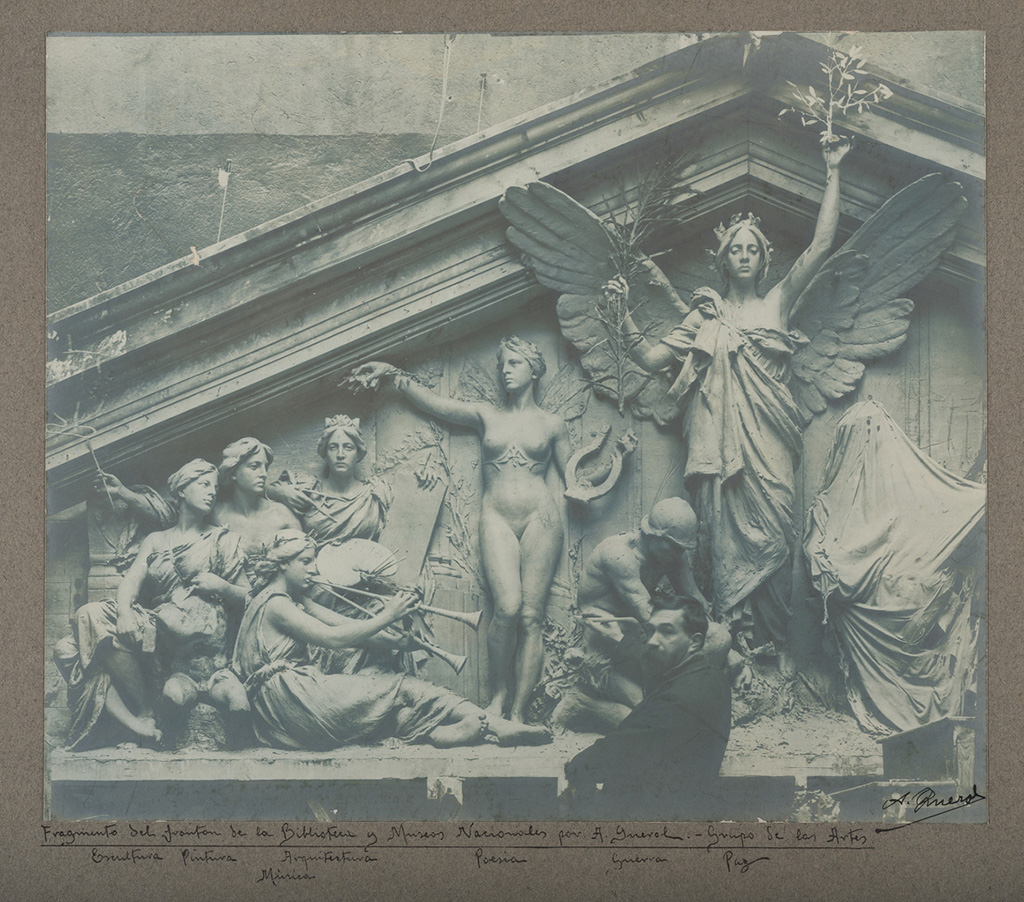
Fig. 9. Attr. to the Count of Polentinos (1873-1947). Agustín Querol modelling the pediment for the National Library. 1902.
Special mention should be made of the portrait of María Luisa de la Riva in her Paris studio, which, together with pictures of some female students in classes taught by Cecilio Pla – including Carolina del Castillo – and by Manuel González Santos, testifies to the increasingly common presence of women in these creative spaces.
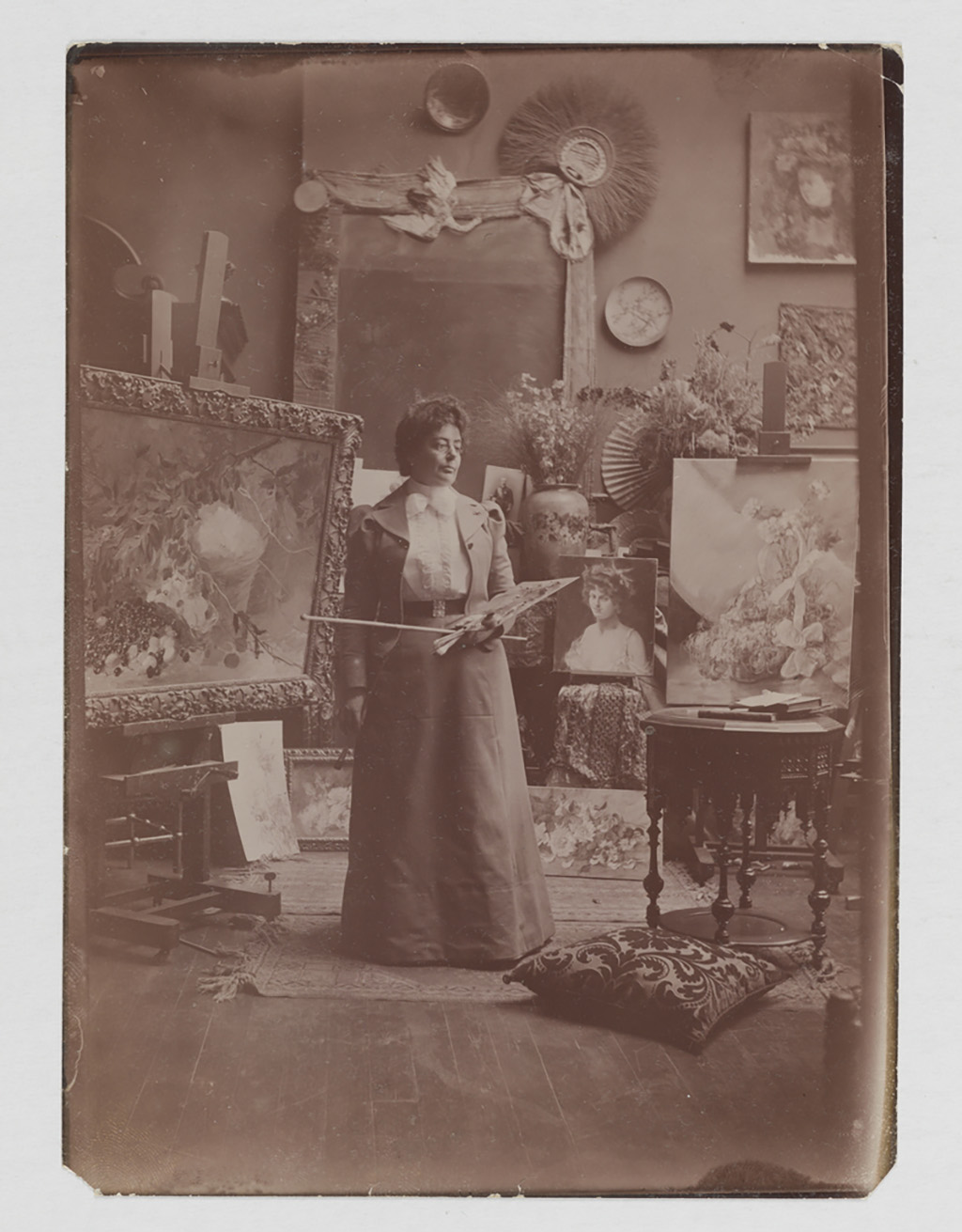
Fig. 10. Unknown photographer. María Luisa de la Riva in her Paris studio. c. 1900.
The selected photographs also chart the various stages in the creation of a single work of art, particularly well documented in cases such as the sculpture for the monument to Mariano Moreno, by Miguel Blay, commissioned in 1909 by the National Commission for the Centenary of Argentine Independence.
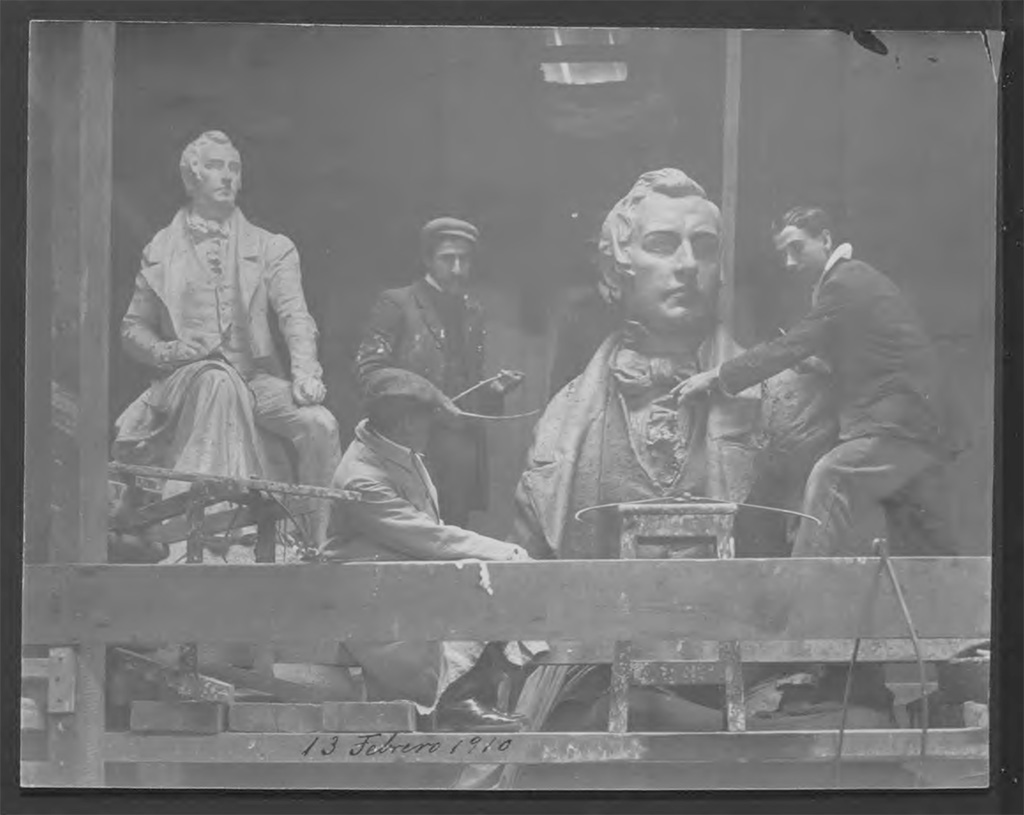
Fig. 11. Attr. to José Padró (1881-1931). Creating the statue of Mariano Moreno, by Miguel Blay. 1910.
The exhibition The Artist’s World through the Camera pays tribute to the creative careers of those men and women who, in the 19th and early 20th centuries, recognised photography as the ideal medium for ensuring a lasting record of their image and their artistic practice.
Gratuita previa compra de entrada y haberse inscrito y recibido confirmación de la inscripción
More info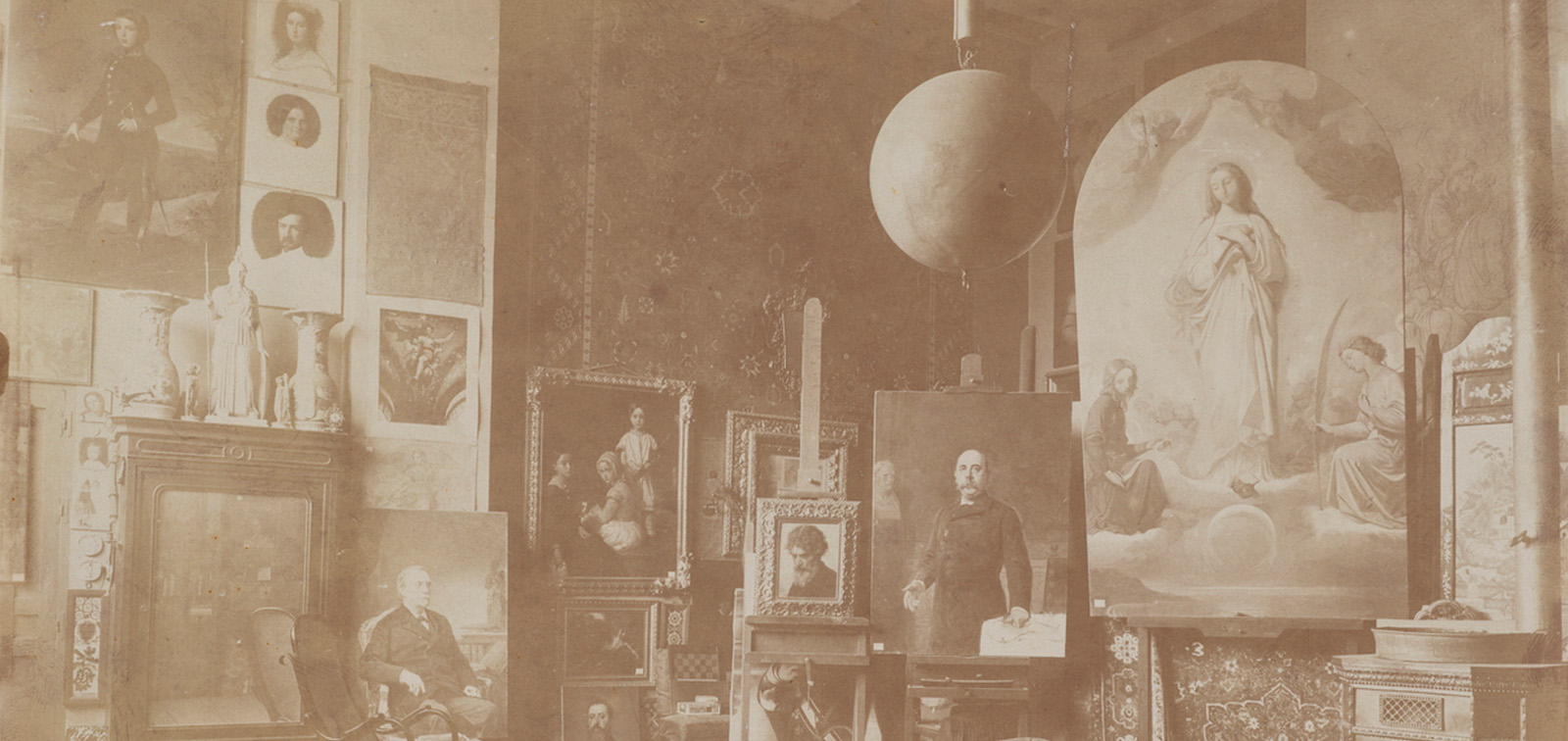
Mostrador de Educación
More info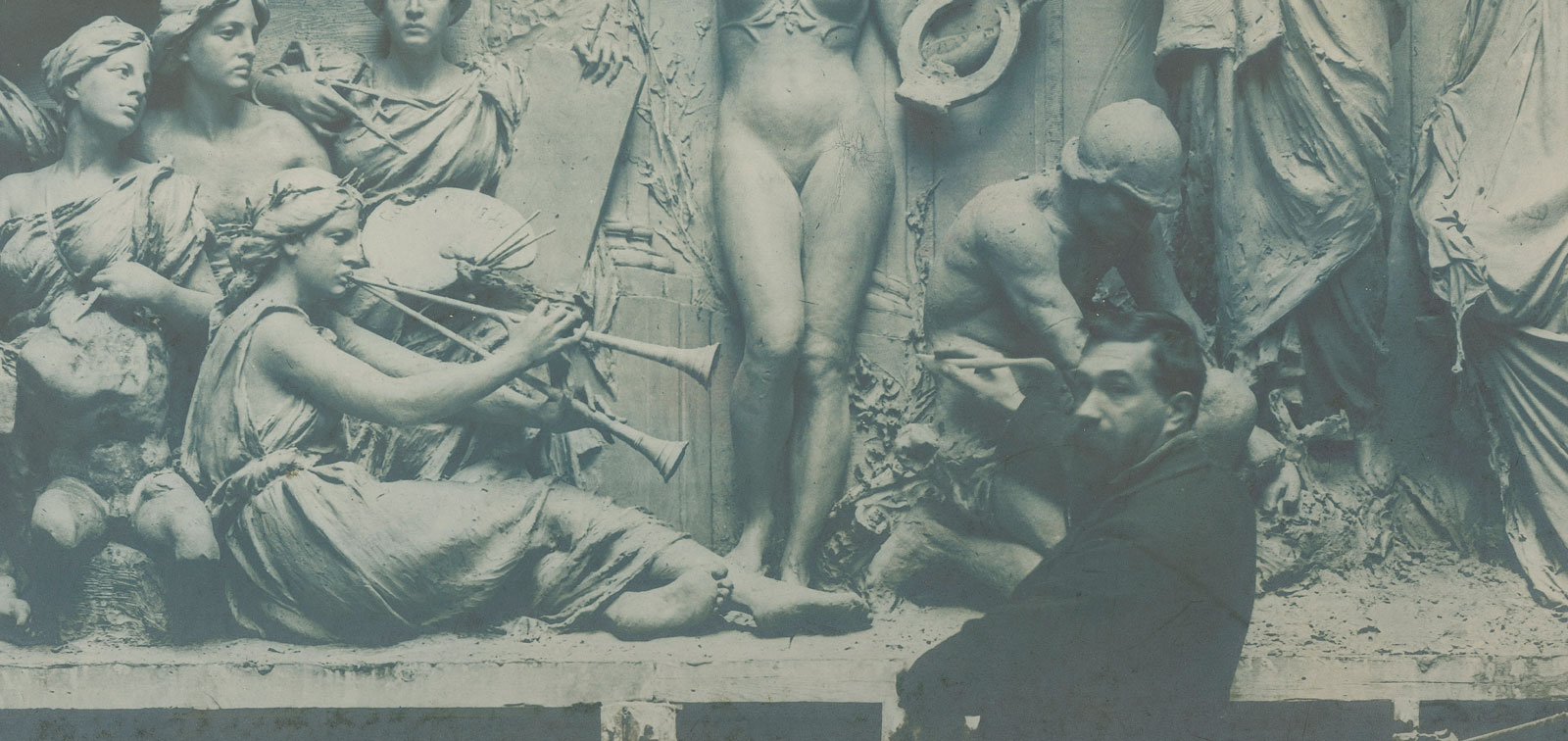
May 12th at 6.30 pm
More info