Exhibition - A work, a story
27.04.2026 - 13.09.2026

Exhibition - A work, a story
27.04.2026 - 13.09.2026
The return – albeit temporary – of The Year of Famine in Madrid to the Prado gives us a chance to view it without the comfort of preconceived ideas and established artistic hierarchies. This picture by José Aparicio (1770-1838) became one of the most famous in Ferdinand VII’s Spain; indeed, no other painting was written about more in the decades following the museum’s opening in 1819. With the nationalisation of the Prado, it gradually fell from prominence, eventually occupying an uncertain, almost marginal position.
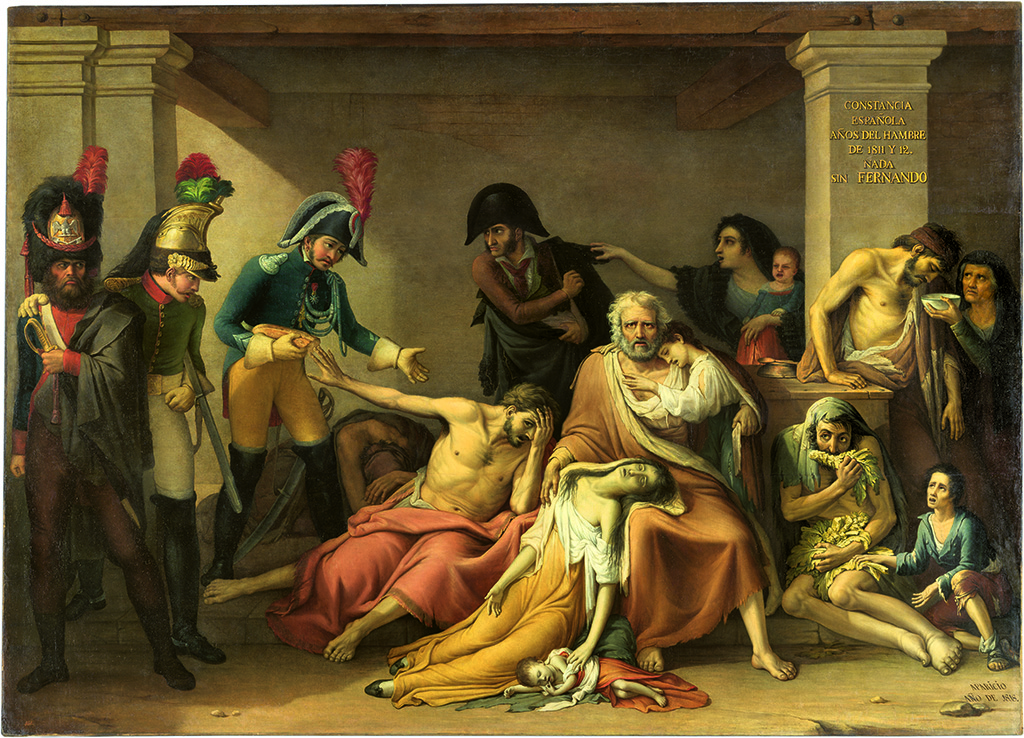
Fig. 1 José Aparicio, The Year of Famine in Madrid, 1818. Oil on canvas, 315 × 437 cm. Madrid, Museo Nacional del Prado, on extended loan to the Museo de Historia de Madrid, P-3924
Given the picture’s shifting critical reception, this exhibition invites us to reflect on how works of art change as the way they are judged changes. This is a less visible yet central issue: the musealisation of taste. For a museum does not merely preserve; it also constructs a discourse. Decisions are made there regarding which works still speak to the public, and which fall silent, which names are repeated and which are set aside. It is not simply a matter of changing tastes. What is evident here is that the fate of a painting may also depend on the kind of acceptance or discomfort it generates at any given moment.
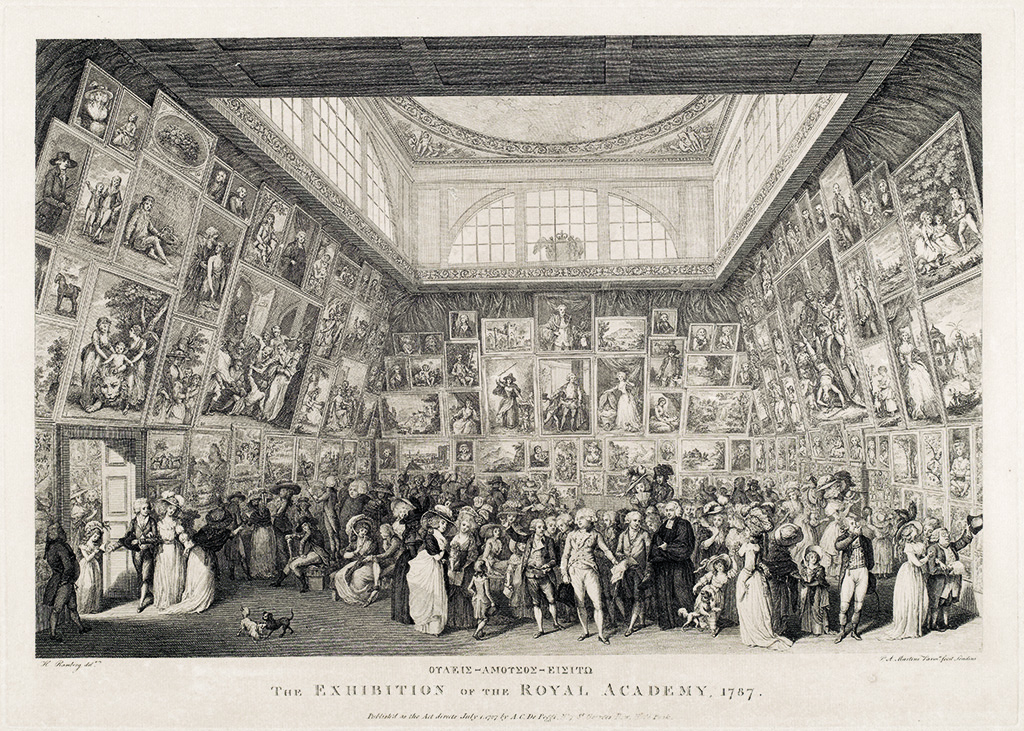
Fig. 2 Pietro Antonio Martini, after Johann Ramberg, The Exhibition at the Royal Academy, 1787. Etching, 427 × 586 mm. Madrid, Museo Nacional del Prado, G-6775
The Rise
The picture was produced against the backdrop of a recent, painful memory: the famine of 1811-12 in Madrid, which contemporary viewers had suffered at first hand. It was a history painting that also served as a political artefact; the reconstruction of its original location in the Museo del Prado [fig. 3] – where it enjoyed iconic status, eclipsing even works now regarded as undisputed masterpieces, such as Las Meninas – reveals the ideological toll exacted by Ferdinand VII’s absolutist rule, in a space which belonged to him. Aparicio’s painting conveyed the idea of the people’s unwavering loyalty to a king hailed as the sole guarantor of national order and identity. Eventually, its immense popularity began to wane, as other emerging sensibilities came to mistrust an image regarded as too eloquent, too famous, too effective.
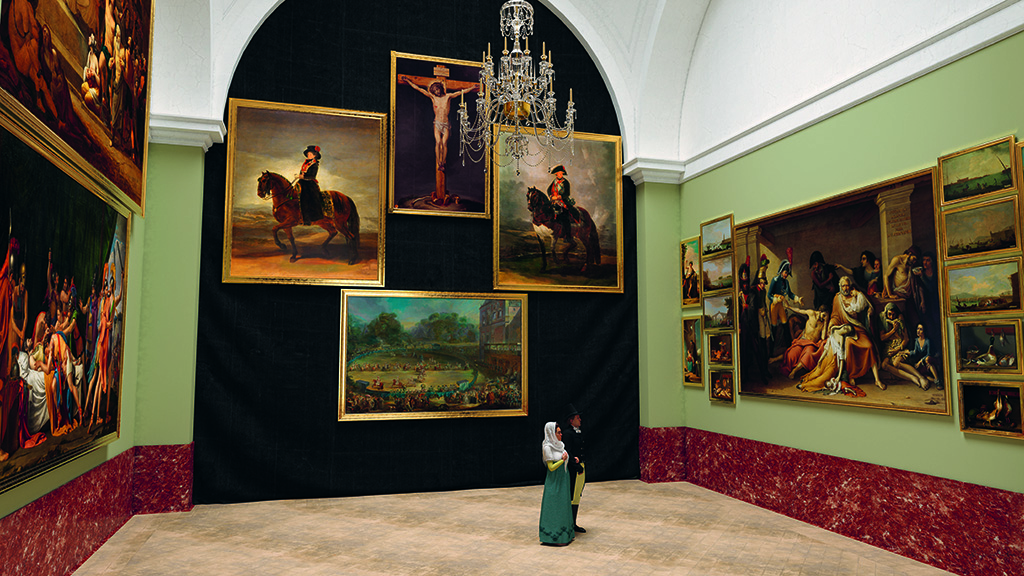
Fig. 3 Recreation of the ‘Third Room’ at the Museo del Prado in 1819
The Fall
The fall from grace of the so-called ‘famine painting’ was political rather than artistic in nature [fig. 4], and coincided with Goya’s remarkable resurgence following the liberal revolution of 1868. There is therefore something particularly symbolic about its temporary return to the Museo del Prado today. While Aparicio opted for academic rhetoric and static heroism to extol the virtues of a regime, Goya captured raw, universal violence [fig. 5]; eventually, it was his vision that prospered, while Aparicio was relegated to the twilight of the canon. The political line spearheaded by Goya would later resurface – also in the Prado – in Antonio Gisbert’s The Execution of Torrijos and His Companions on the Beach at Málaga [fig. 6], and would culminate, a hundred years later, in Pablo Picasso’s Guernica.
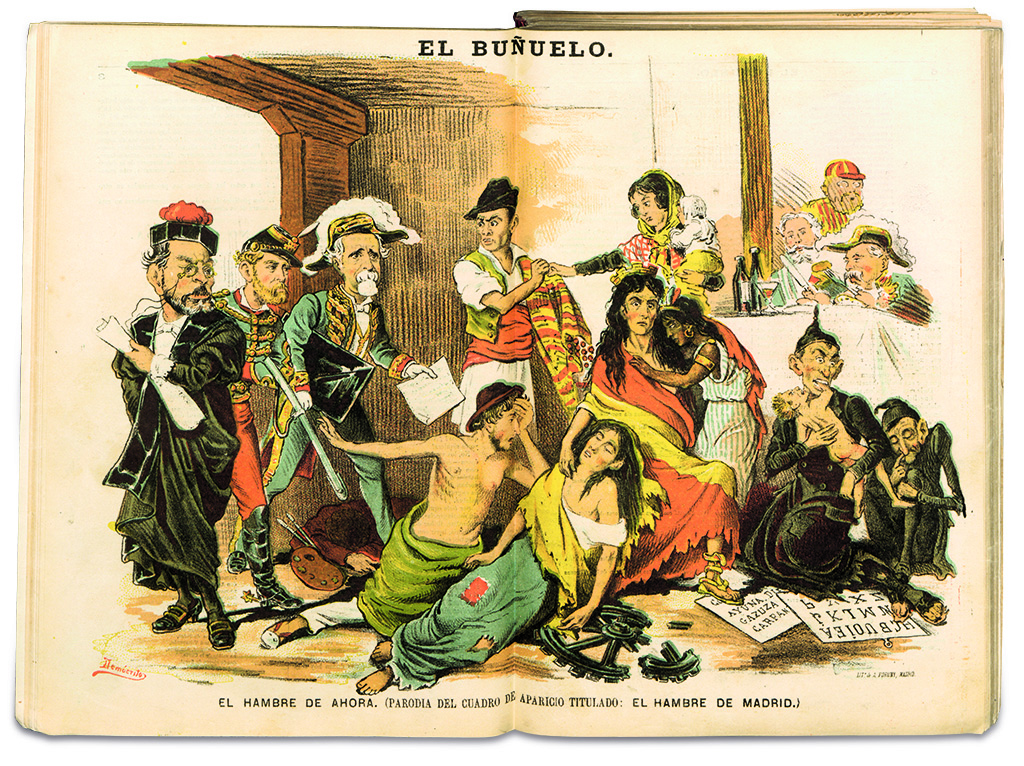
Fig. 4 Eduardo Sojo, Demócrito, ‘Today’s Famine’, El Buñuelo, 15 July 1880. Madrid, Biblioteca Nacional de España
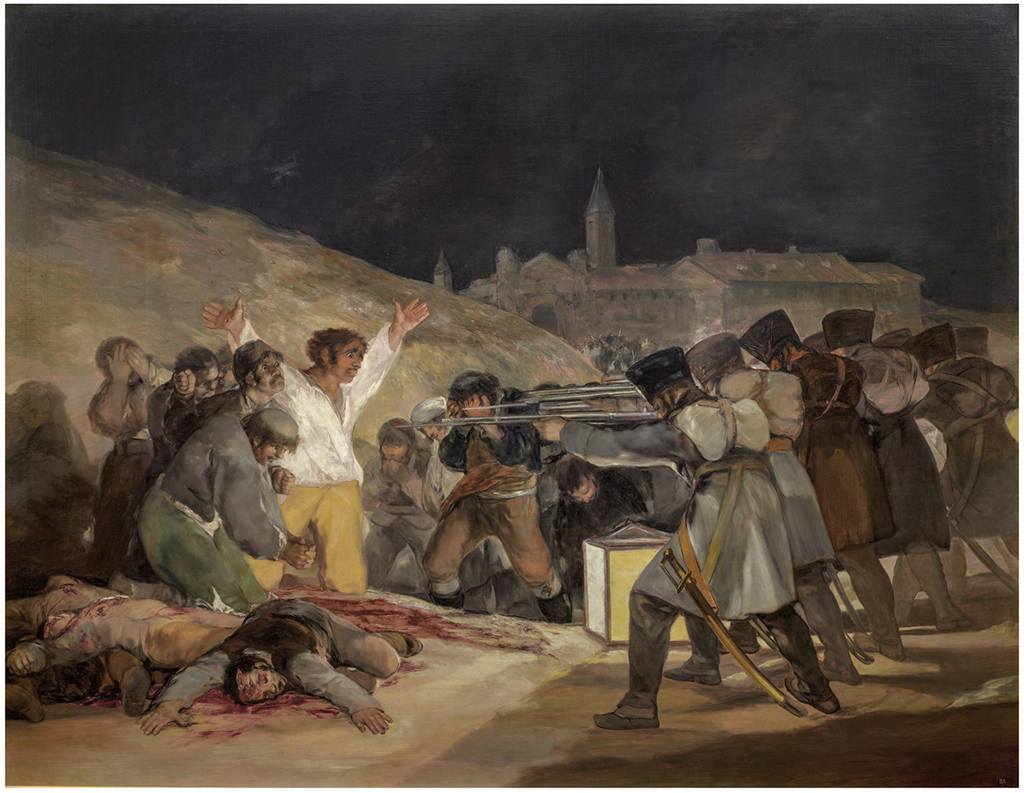
Fig. 5 Francisco de Goya, The 3rd of May in Madrid, 1814. Oil on canvas, 268 × 347 cm. Madrid, Museo Nacional del Prado, P-749
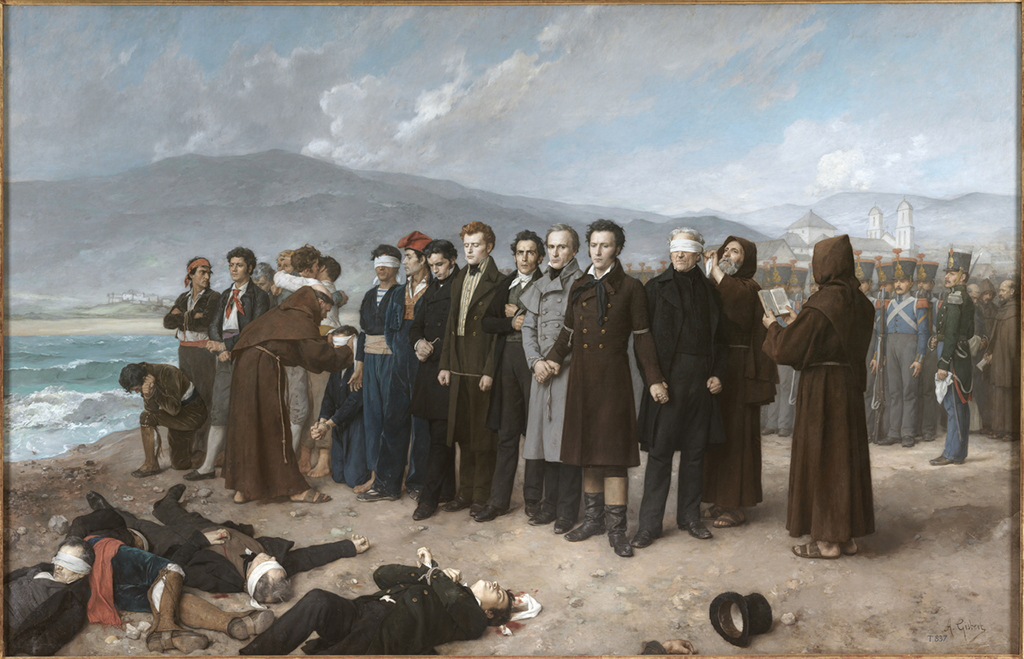
Fig. 6 Antonio Gisbert, The Execution of Torrijos and His Companions on the Beach at Málaga, 1888. Oil on canvas, 392.5 × 602.5 cm. Madrid, Museo Nacional del Prado, P-4348
Hanging The Year of Famine in Madrid in the Prado does not simply mean returning it to public view in the place where it was first exhibited: it means restoring it to the realm of interpretation. The picture returns to the Prado not – or not only – as an appeased work, but with all its connotations: the memory of a catastrophe, the political ambition underpinning its creation, the misunderstandings surrounding its reception, and the erosion of its prestige. Here, moreover, this critical reappraisal has been accompanied by an ambitious restoration of the painting, which has improved its stability and legibility.
The presence of The Year of Famine in Madrid in the Prado seeks not so much to settle an unresolved issue as to reopen a question. There are works whose meaning seems to become more firmly established over time; others, by contrast, gradually become burdened with a sense of disquiet that neither history nor the museum can dispel. This is one of them.
Directed by Carlos Chaguaceda (Museo del Prado)
May 7th at 6.30 pm
Live stream on our YouTube channel
Gratis
More info