02.02.2026 - 05.04.2026
02.02.2026 - 05.04.2026
Since 2009, Room 60 at the Museo del Prado has been designed as a space for displaying the museum’s 19th century holdings as part of the permanent collection. It has hosted small-scale exhibition projects spanning a range of perspectives: monographic shows highlighting artists such as Aureliano de Beruete, Miguel Blay, Rogelio de Egusquiza, Antonio María Esquivel, Federico de Madrazo, Jenaro Pérez Villaamil, Francisco Pradilla, Eduardo Rosales, Joaquín Sorolla and José de Madrazo (drawings); displays addressing specific techniques, including watercolours and Japanese prints; presentations linked to donations, such as the Rudolf Gerstenmaier bequest; and surveys dealing with particular themes, for example religious painting and child portraits.
Photography, while playing a part in some of these projects, here takes centre stage, reflecting the importance of this medium for the Prado, in terms both of the size of its holdings – over 10,000 items – and of the growing public interest they arouse.
Like engraving and lithography, photography allows multiple copies to be made of the same work. Because it also provides an accurate representation of reality, it has become the primary means of bringing the collections to a wider public and at the same time constructing a powerhouse of memory both for the institution and for its visitors.
The Prado Multiplied: Photography as Shared Memory focuses particularly on photographs reproducing works of art, which make up most of the collection, and seeks to showcase the material nature of the photographs themselves and the uses to which they were put during the latter half of the 19th century and the early 20th century (figs. 1 and 2).
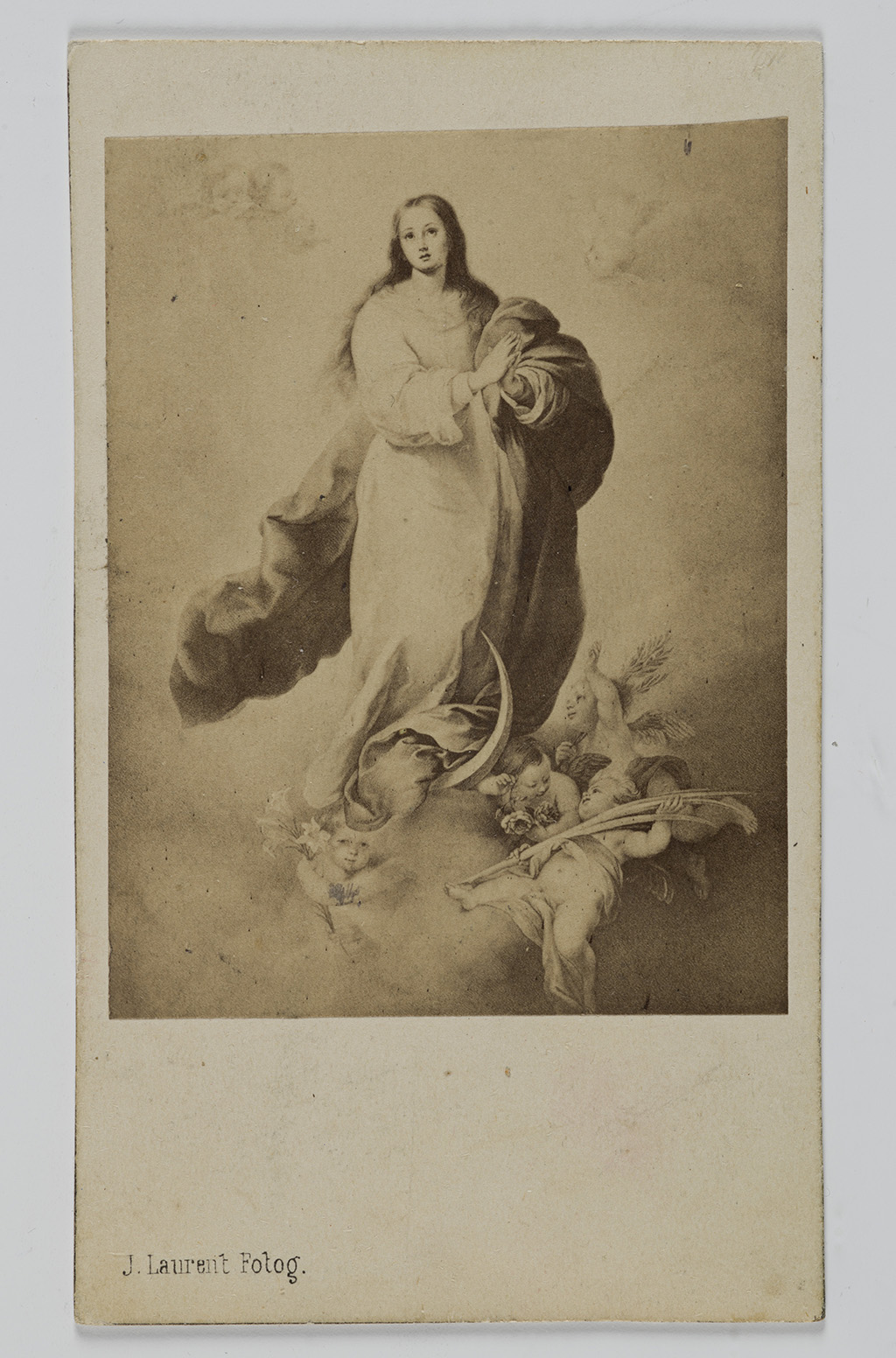
Fig. 1. Juan Laurent (1816-1886). The Immaculate Conception of El Escorial, by Murillo. c. 1865. Carte de visite
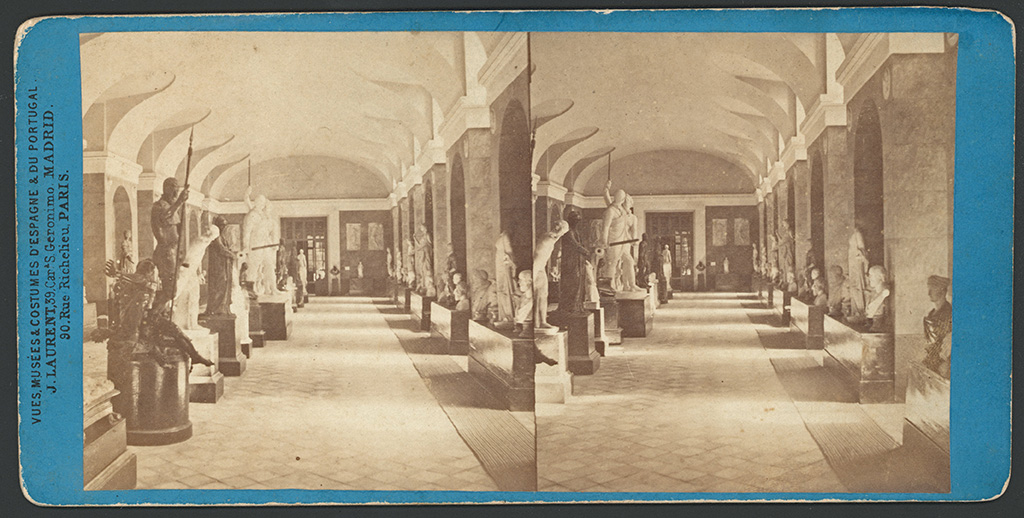
Fig. 2. Juan Laurent (1816-1886). View of the Sculpture Gallery at the Museo del Prado. c. 1867. Stereo card
The systematic photographing of the works in the museum dates back to the 1860s, although the first requests to make photographic reproductions of certain pieces had been received some years earlier. At first, due to the limited sensitivity of the procedures used, works were routinely taken outside the building, in order to ensure better lighting conditions (fig. 3). Having taken the shot, the negative was processed in order to obtain a positive image, which the photographer could then market in a range of formats, mostly using standard sizes.
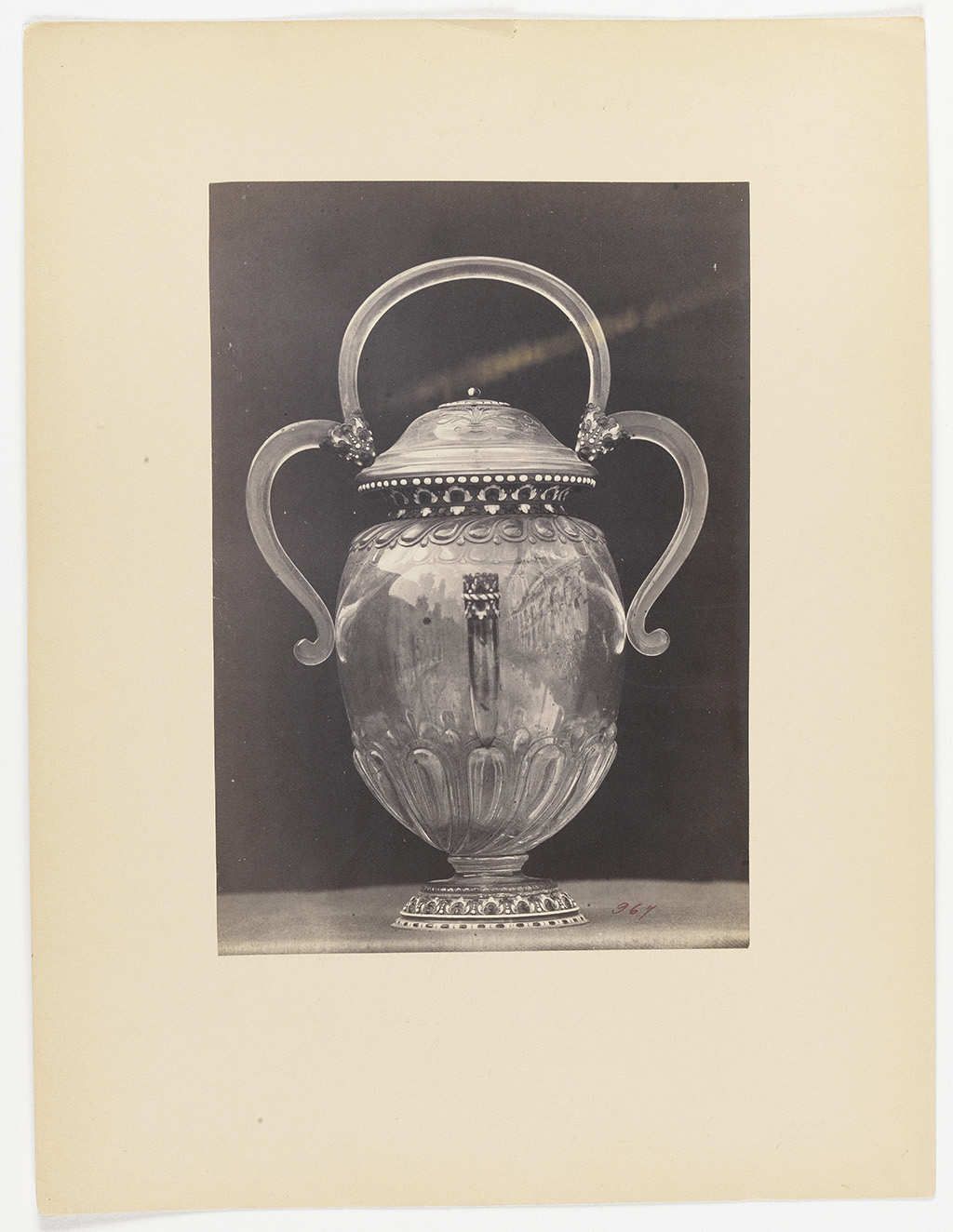
Fig. 3. Jane Clifford (1821-¿?). Rock crystal vessel with spout and trefoiled handle. 1863
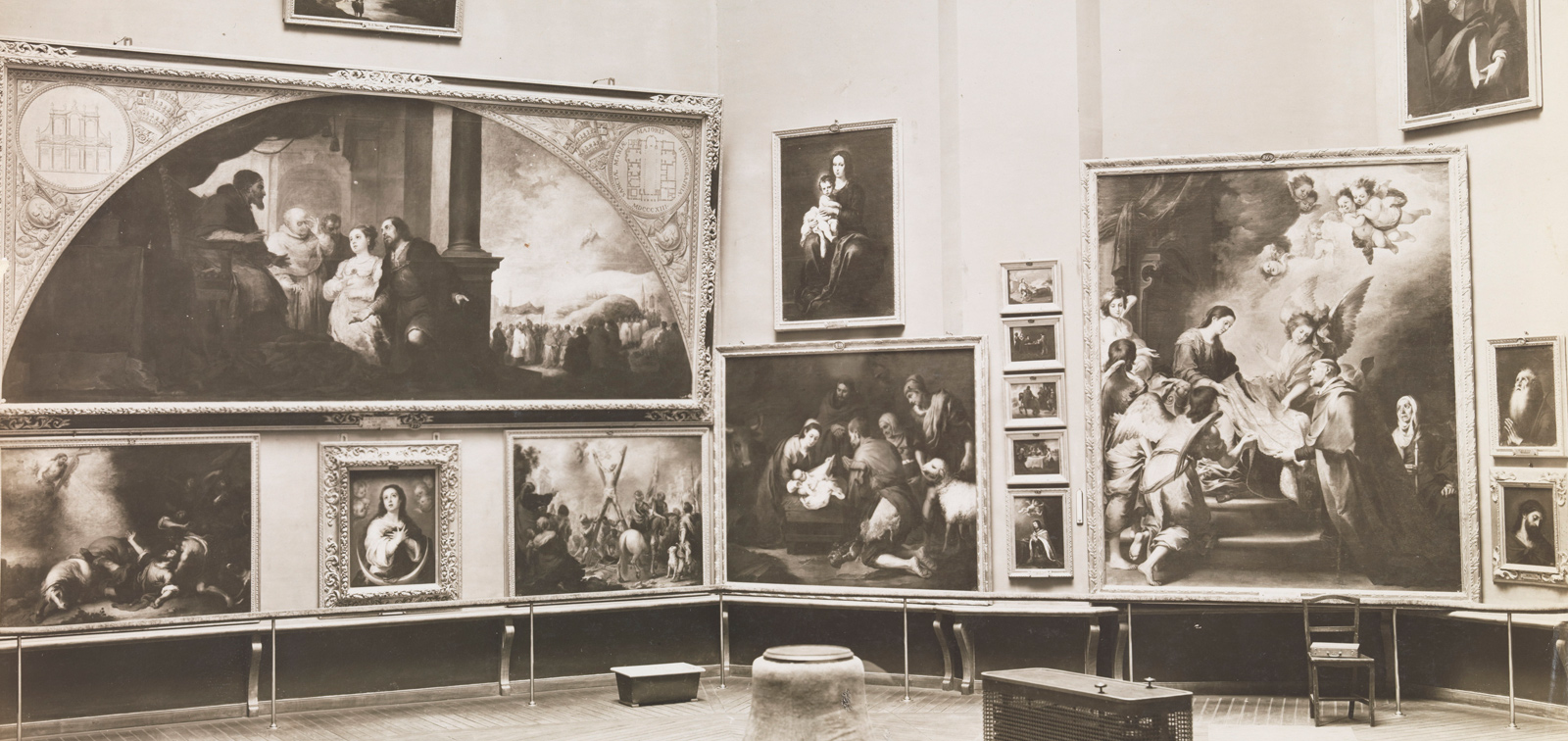
The exhibition includes pictures of the architectural spaces housing the major pieces in the collection – such as the Central Gallery and the basilical hall – as well as a number of monographic spaces, including the Murillo Room and the sculpture gallery. Taken as a whole, these photographs are not just of historical and museographic interest; close examination reveals a number of intriguing details, including the motley mix of paintings on the walls, the period furniture and heating, and fleeting glimpses of figures at a time when the Prado’s interiors were usually shown empty (fig. 4).
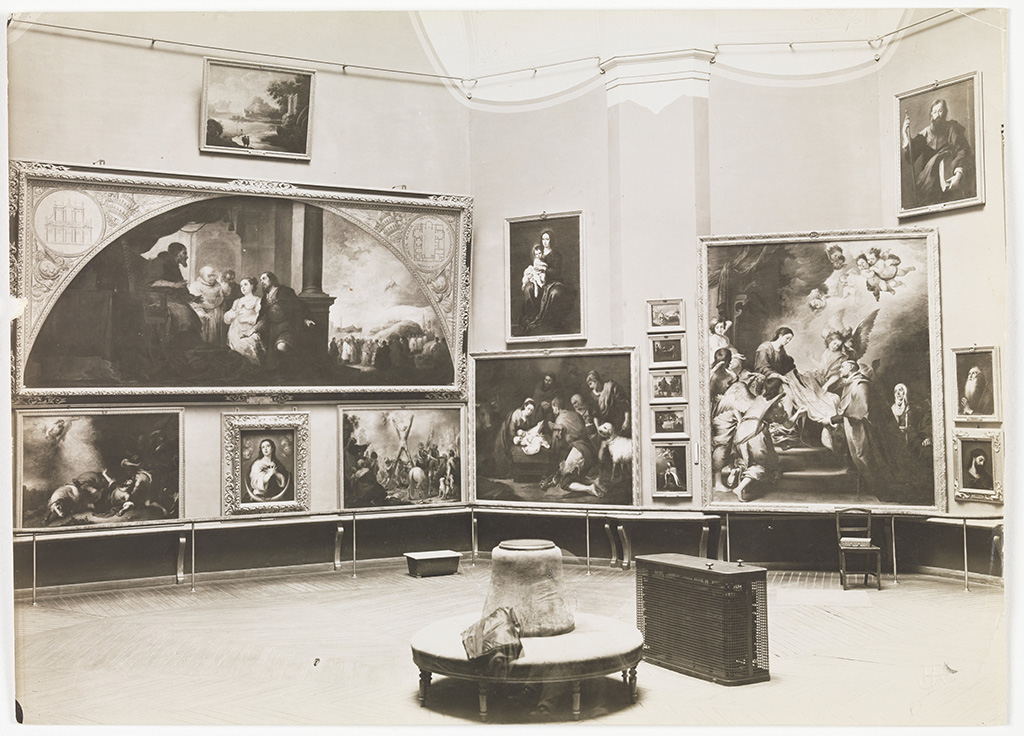
Fig. 4. José Lacoste (1872-¿?), photographer. Juana Roig (1877-1941), publisher. View of the Murillo Room at the Museo del Prado. 1902-1909
Although the museum’s holdings include images of the building and the collections that cannot readily be dated, precise dates can be established for the acquisition of certain items, among them a number of carbon prints – made by Casa Braun using a change-resistant pigmentation technique – which were clearly intended for display as part of the exhibition held at the Prado to mark the third centenary of Velázquez’s birth (fig. 5).
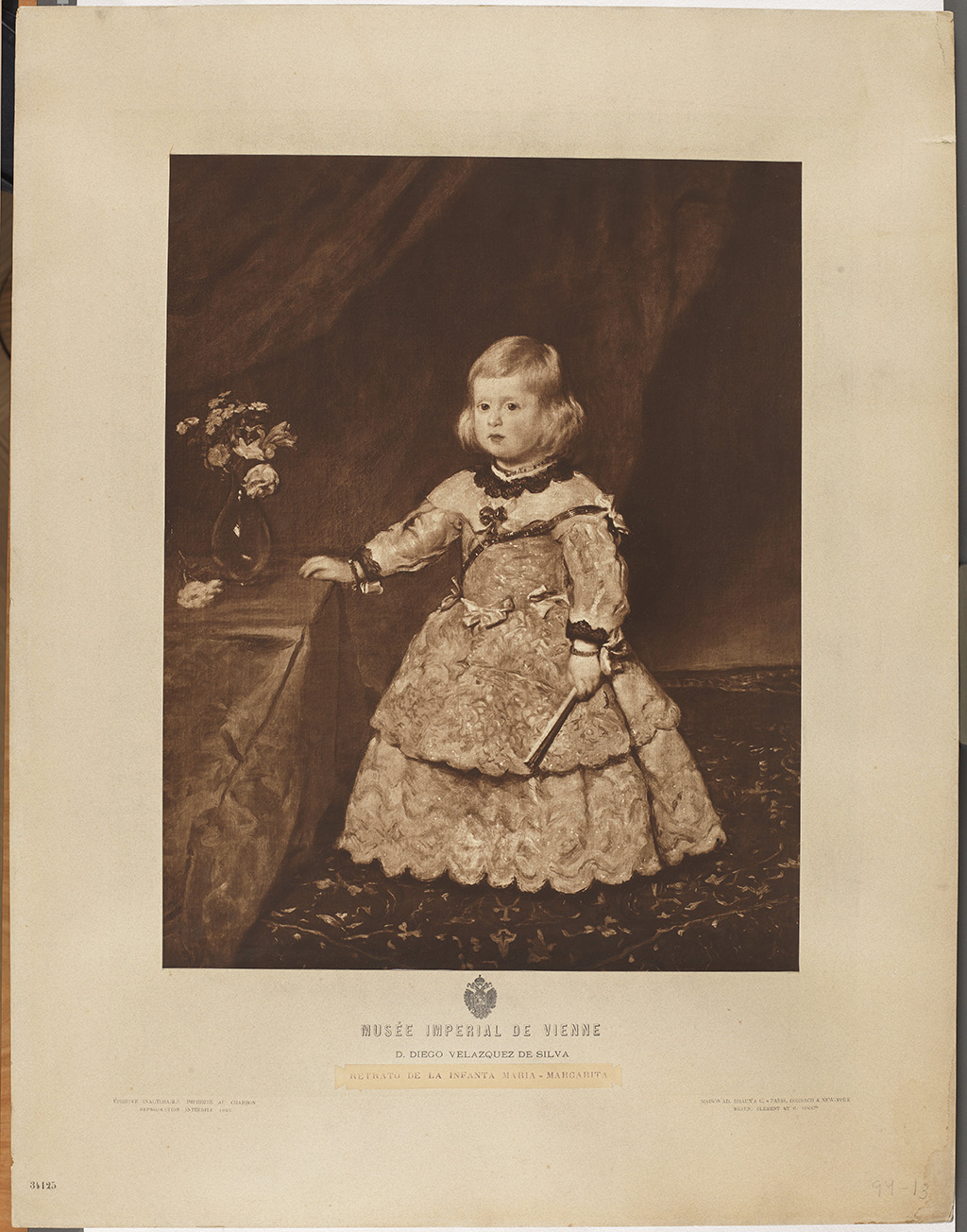
Fig. 5. Braun, Clement & Cie. The Infanta Margarita of Austria, by Velázquez. 1899
Paintings, and later sculptures, were the main subject of photographic reproductions at the Prado, although the museum’s principal photography holdings also featured some examples of drawings and the decorative arts, thus showcasing the rich variety of its collections (figs. 6, 7 and 8). Photographs of masterpieces like Velázquez’s The Surrender of Breda were marketed by companies such as those set up by Laurent, Moreno, Anderson and Hanfstaengl, which offered images either of the whole painting – intended for collectors and visitors to the museum – or of significant details, aimed at specialists or connoisseurs. According to the accompanying printed inscriptions or handwritten dedications, however, some of the photographs were taken before the works entered the Prado, either when they still belonged to the Museo de la Trinidad or when they were entered for a National Fine Arts Exhibition.
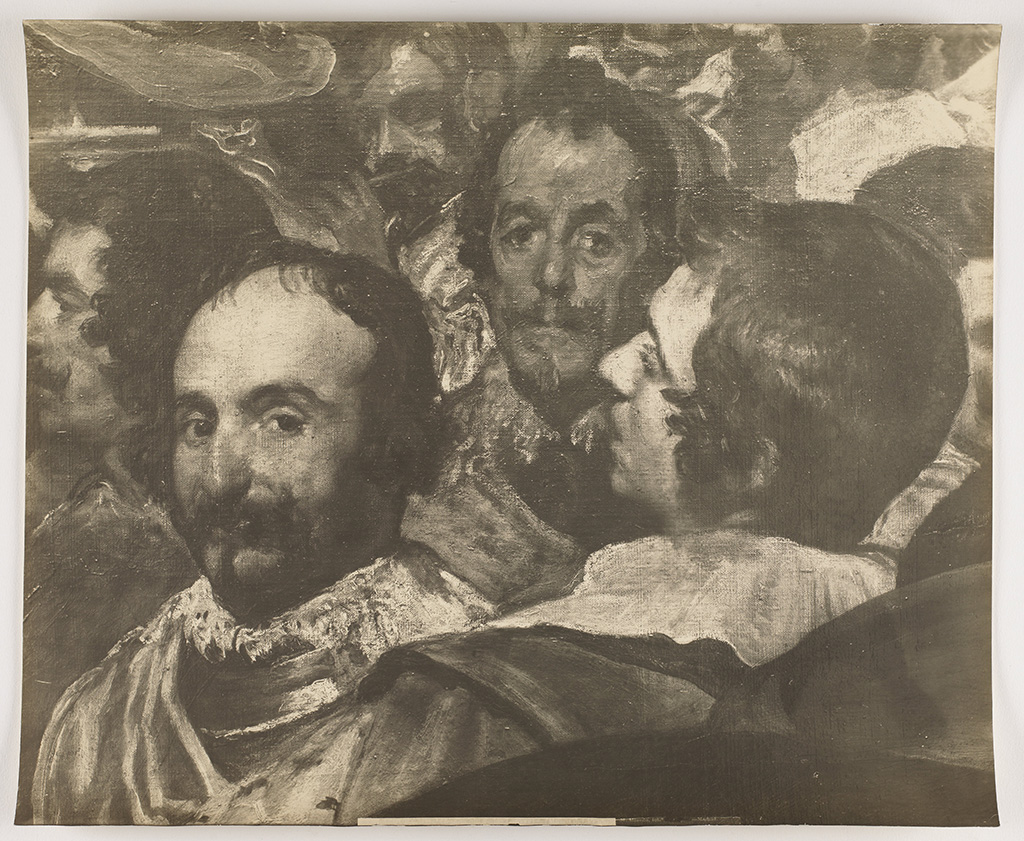
Fig. 6. Vicente Moreno (1894-1954). The Surrender of Breda (detail), by Velázquez. c. 1930
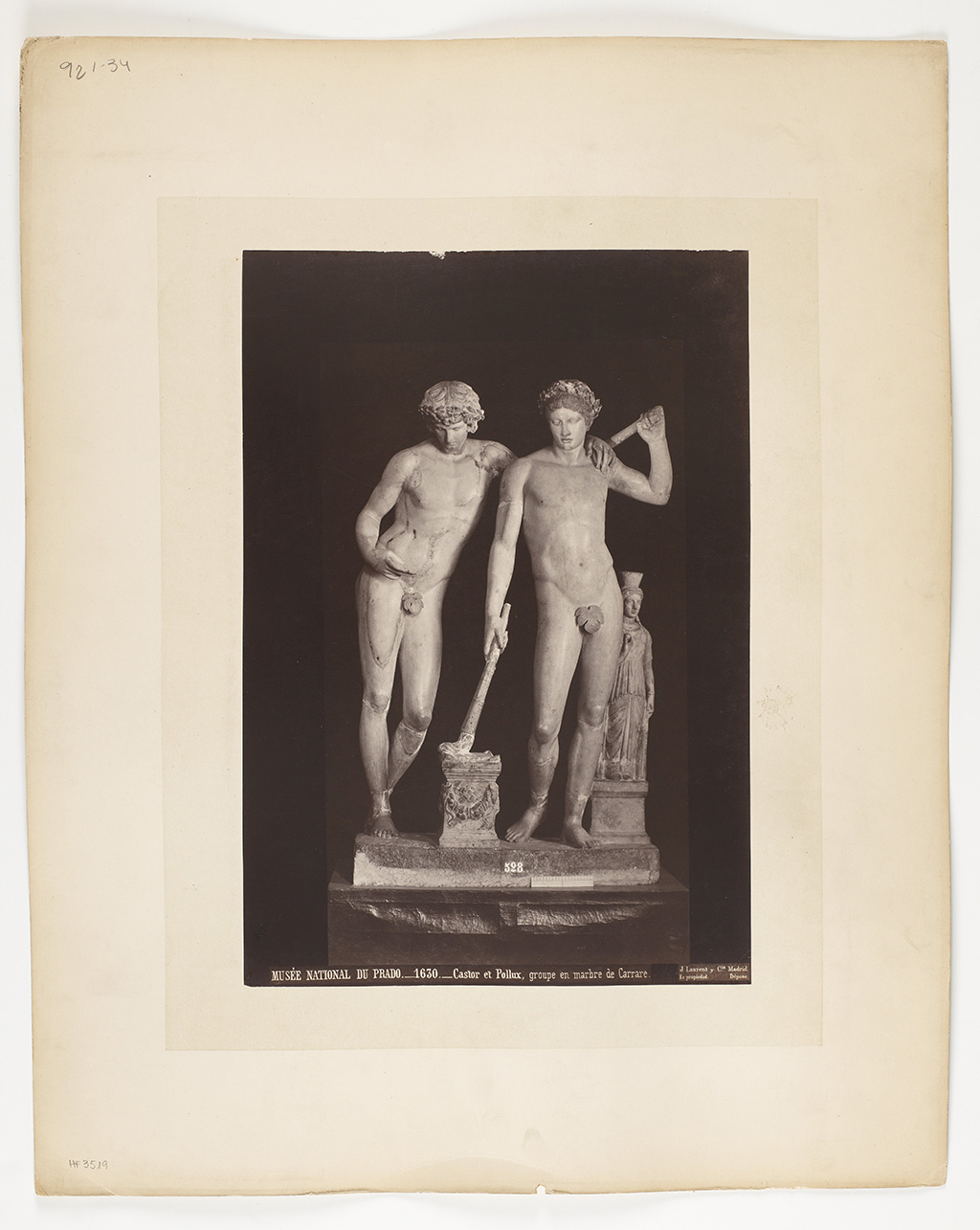
Fig. 7. Juan Laurent, photographer, and J. Laurent y Cía., publisher. Orestes and Pylades, or the San Ildefonso Group. c. 1872
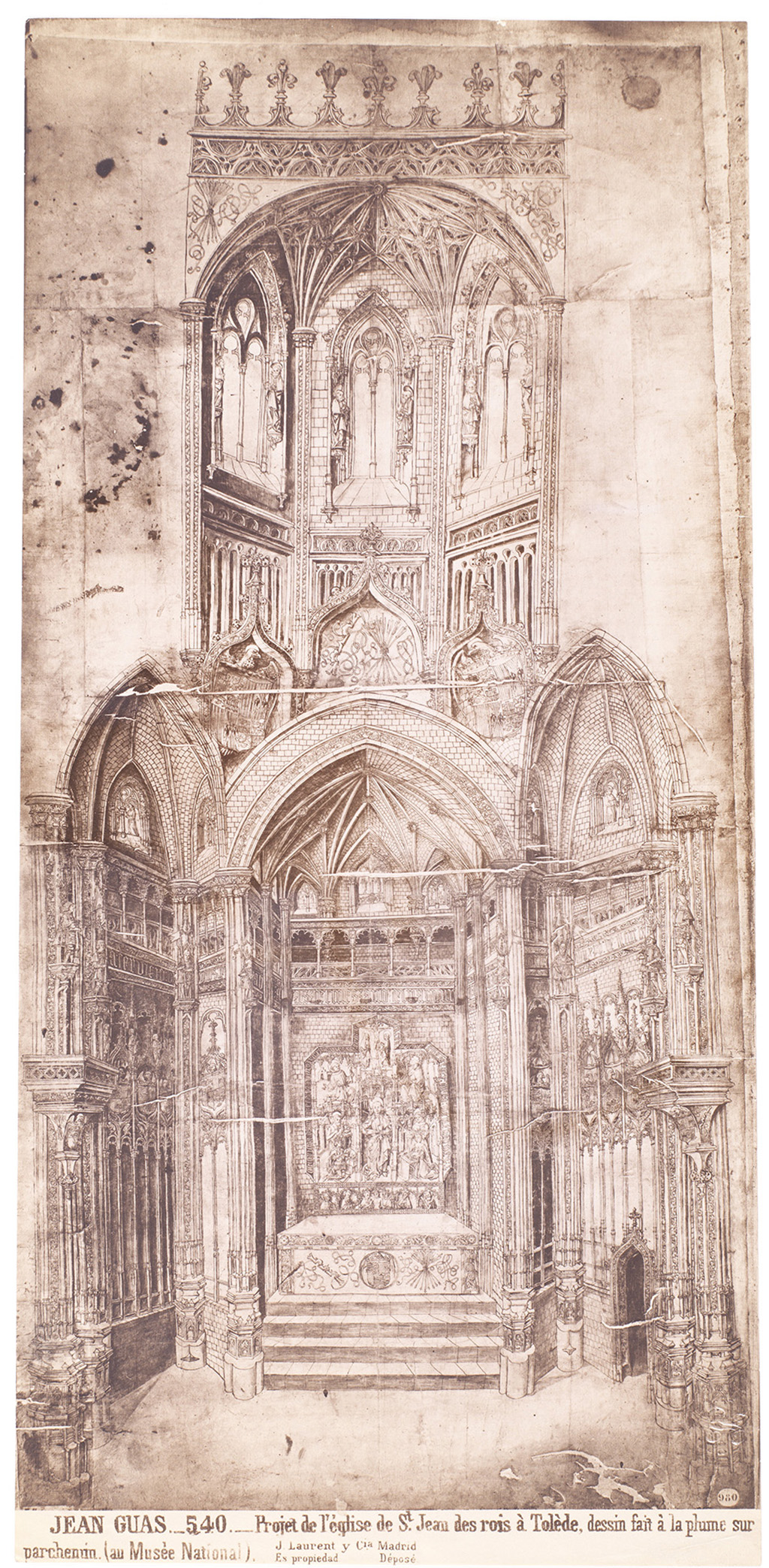
Fig. 8. Juan Laurent, photographer, and J. Laurent y Cía., publisher. The Main Chapel of San Juan de los Reyes, by Juan Guas. 1865-67
By the early 20th century, postcards were in widespread use, as a photographic product combining the power of the image with the communicative function of the text (fig. 9). The advent of printing techniques such as collotype had enabled costs to be reduced, which boosted the popularity of these graphic supports and made the Prado’s collections available to a whole new audience.
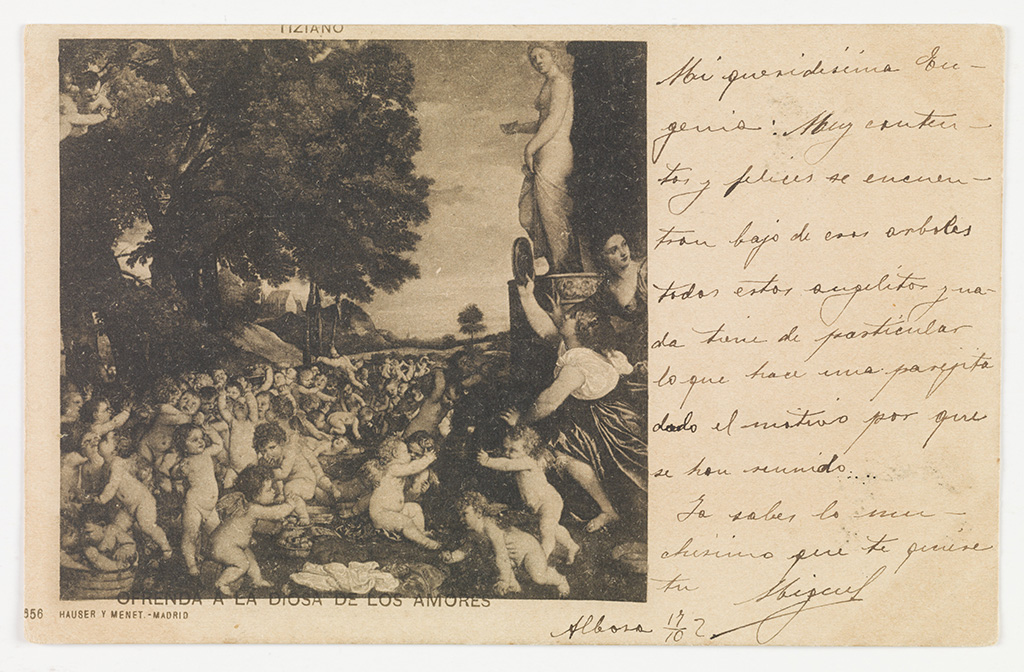
Fig. 9. Hauser y Menet (1890-1996). The Worship of Venus, by Titian. 1901. Postcard
The exhibition also highlights (fig. 10) the Prado’s links with the photographers Juan Laurent (1816-1886) and José Lacoste (1872-¿?), and examines their contribution to spreading the image of the museum beyond its walls.
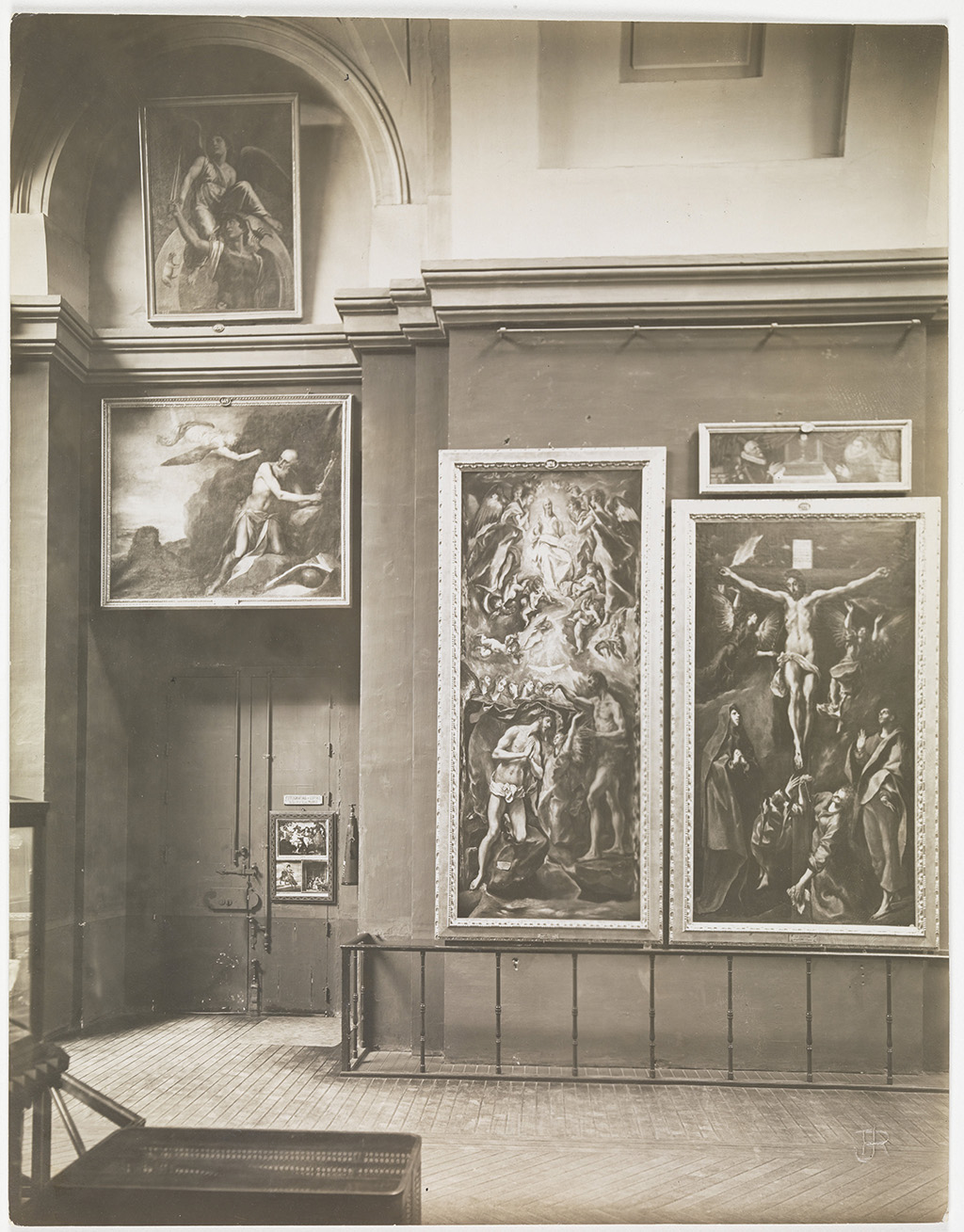
Fig. 10. José Lacoste, photographer, and Juana Roig, publisher. View of the Central Gallery with Access to the Shop selling Photographs. 1901-1909
Starting February 27th. Fridays at 11.30 am and 4.15 pm
Mostrador de Educación
More info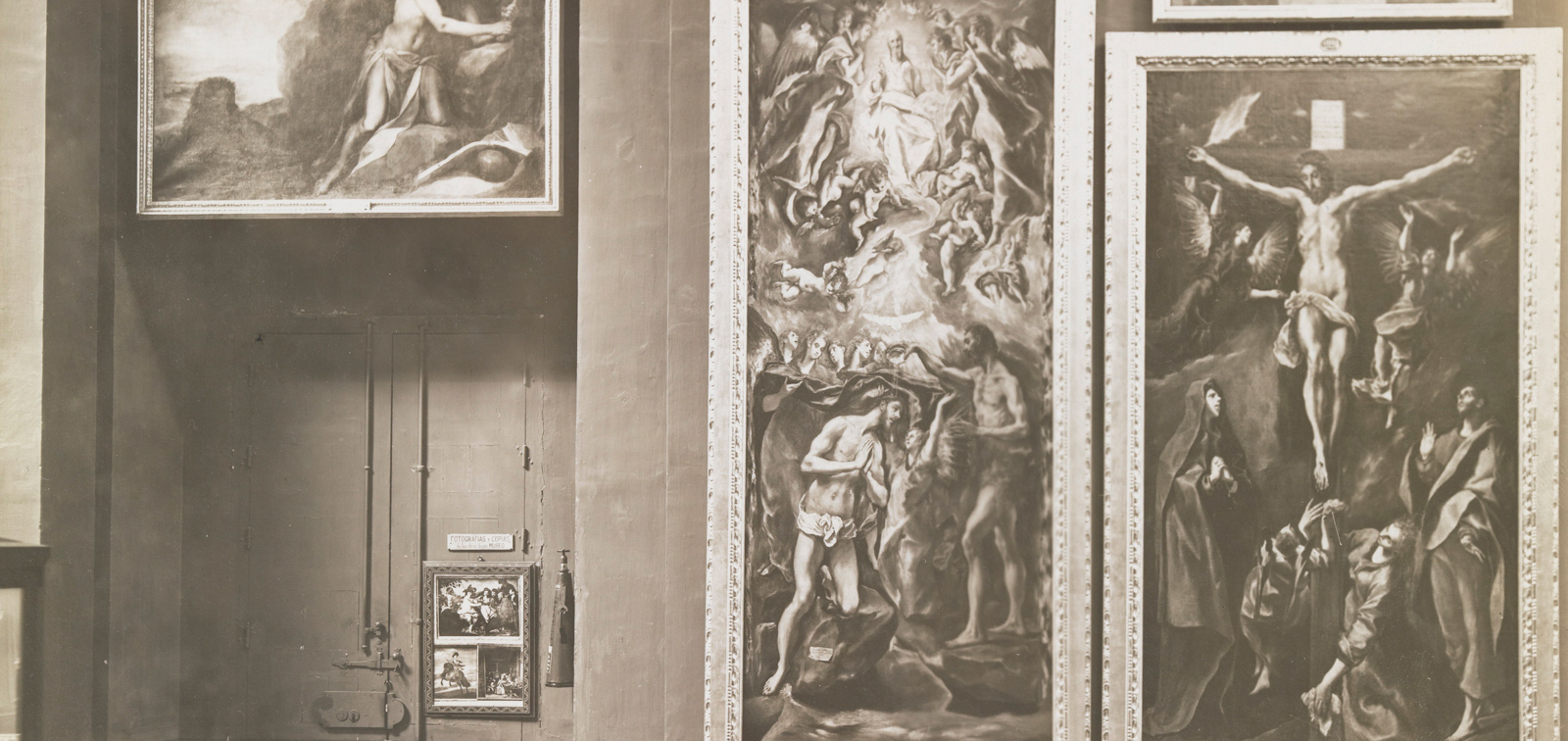
February 17th at 11 am and March 3th at 5 pm
Duration: 60 minutes
Gratuita previa compra de entrada y haberse inscrito y recibido confirmación de la inscripción
More info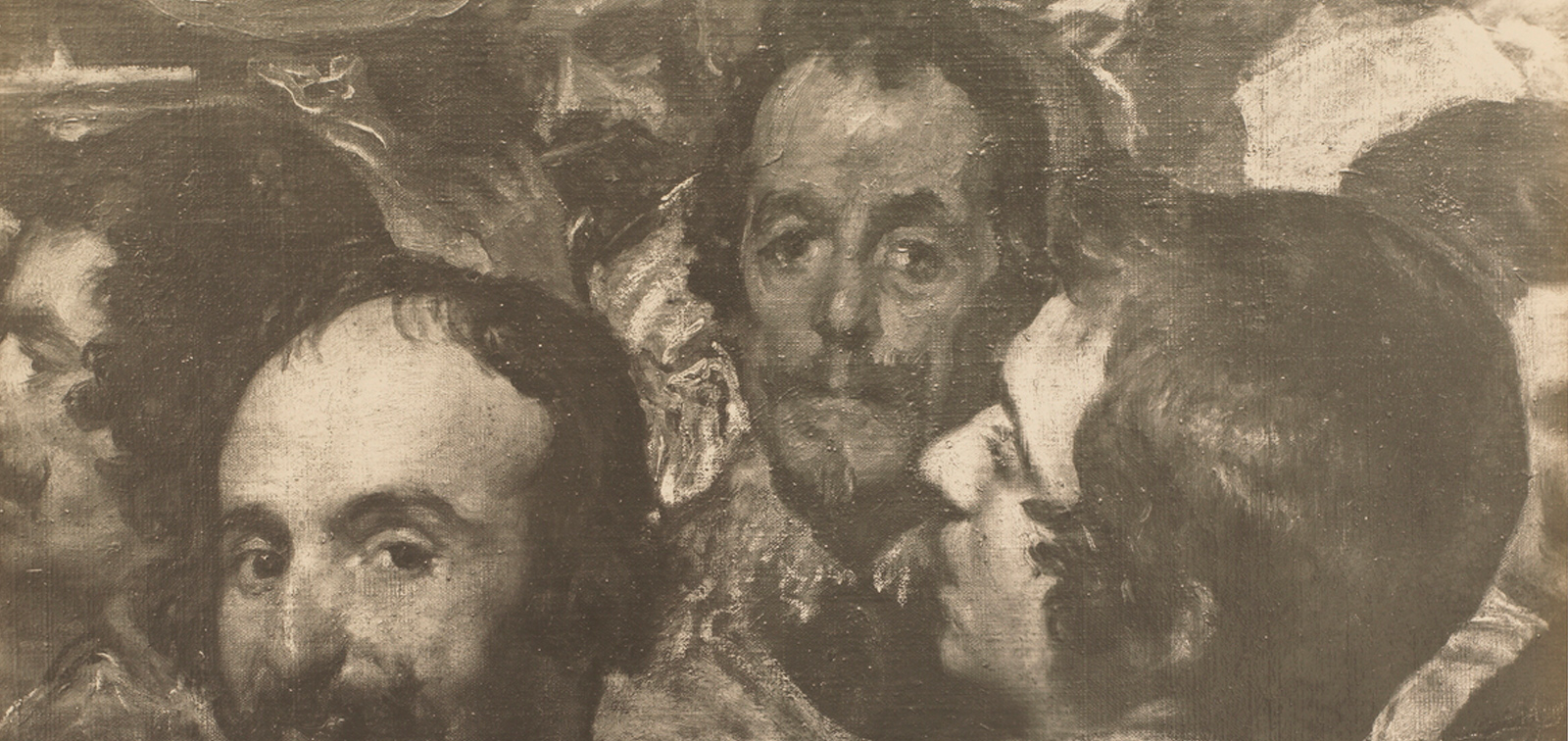
Directed by Beatriz Sánchez Torija
February 12th at 6.30 pm
More info