formularioRDF
The itinerary <em>TITULORECORRIDO</em> has been successfully created. Now you can add in works from the Collection browser
<em>TITULOOBRA</em> added to <em>TITULORECORRIDO</em> itinerary

Metabuscador

Reading
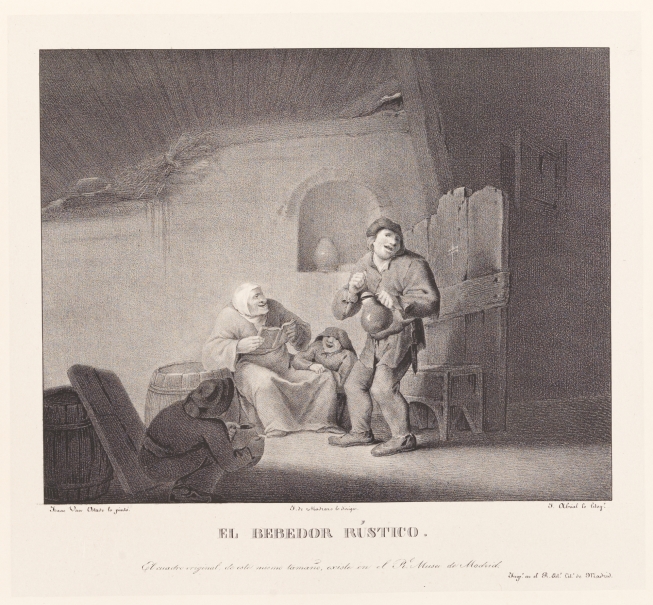
Lithographic aquatint, Crayon lithography, Scraper, Printing on japon on wove paper. 1829 - 1932
Es una litografía de José María Avrial y Flores (1807-1891) que reproduce el lienzo de Adriaen van Ostade conservado en el Museo Nacional del Prado (P02123). Aunque el lienzo en su momento se creía de su hermano Isaack van Ostade como se indica en la letra de la estampa. Esta estampa se entregaba con el cuadernillo C e iba acompañado de un texto explicativo de José Musso y Valiente. Está encuadernada en el tomo II de la serie editada por el Real Establecimiento Litográfico, dirigida por José de
ARTWORK
José María Avrial y Flores – Lithographer – (The original work, according to inscriptions, attributed to: Isaack van Ostade)
Adriaen van Ostade – (Attributed to)
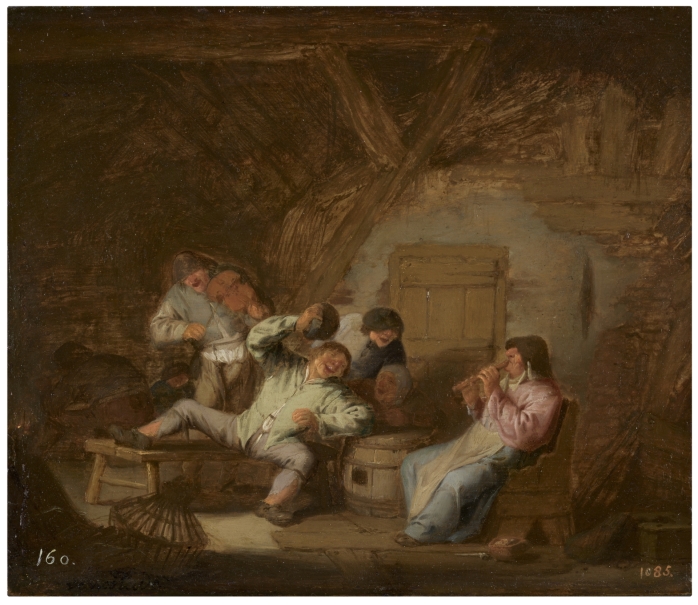
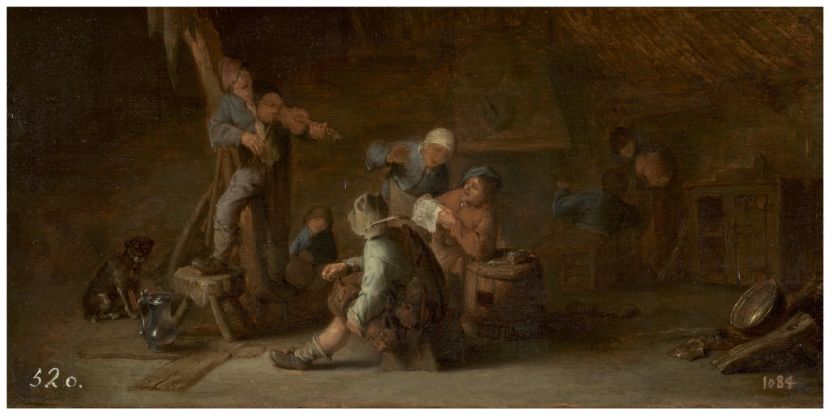
Rustic Concert
Oil on panel. 1638
This work belongs to the so-called peasant interiors, one of the new genres of painting that emerged and developed in Flanders and Holland in the early seventeenth century. In Houbraken and in early inventories they are described as een boertje, (a little peasant), or as toeback rookerchen, (tobacco smokers). The consolidation and appreciation of this genre was fostered by the satirical and moralising literature of the fifteenth and sixteenth centuries, which was in turn rooted in the Kerelslied
ARTWORK
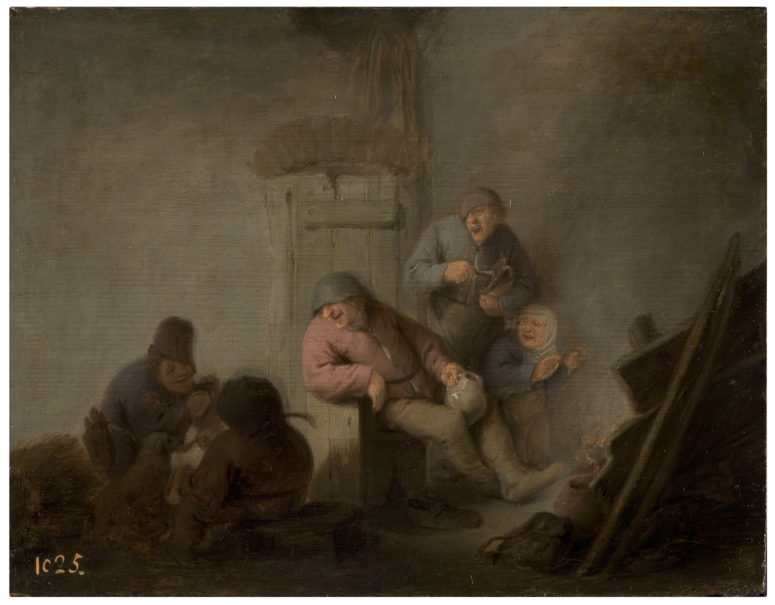
Village Kitchen
Oil on panel. Ca. 1632
This work belongs to the so-called peasant interiors, one of the new genres of painting that emerged and developed in Flanders and Holland in the early seventeenth century. In Houbraken and in early inventories they are described as een boertje (a little peasant) or as toeback rookerchen (tobacco smokers). The consolidation and appreciation of this genre was fostered by the satirical and moralising literature of the fifteenth and sixteenth centuries, which was in turn rooted in the Kerelslied or
ARTWORK
Rustic Concert with Pipe and Violin
Oil on panel. 1635 - 1637
This work belongs to the so-called peasant interiors, one of the new genres of painting that emerged and developed in the Netherlandsin the early seventeenth century. In Houbraken and in early inventories they are described as een boertje, (a little peasant) or as toeback rookerchen (tobacco smokers). The consolidation and appreciation of this genre was fostered by the satirical and moralising literature of the fifteenth and sixteenth centuries, which was in turn rooted in the Kerelslied or four
ARTWORK
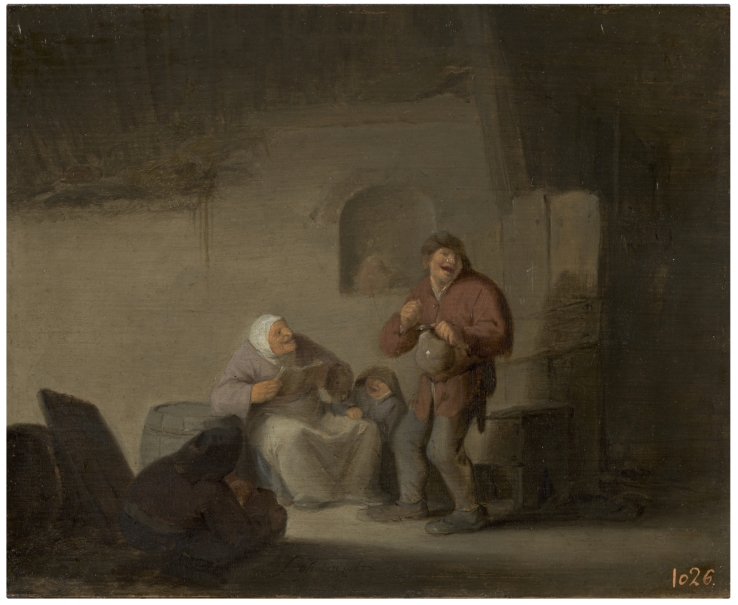
Reading Aloud
Oil on panel. Ca. 1632
This work belongs to the so-called peasant interiors, one of the new genres of painting that emerged and developed in Flanders and Holland in the early seventeenth century. In Houbraken and in early inventories they are described as een boertje, (a little peasant) or as toeback rookerchen (tobacco smokers). The consolidation and appreciation of this genre was fostered by the satirical and moralising literature of the fifteenth and sixteenth centuries, which was in turn rooted in the Kerelslied o
ARTWORK
Loading...

Loading...

Up