formularioRDF
The itinerary <em>TITULORECORRIDO</em> has been successfully created. Now you can add in works from the Collection browser
<em>TITULOOBRA</em> added to <em>TITULORECORRIDO</em> itinerary

Mary Tudor, Queen of England

Mary Tudor, Queen of England is a painting by Anthonis Mor, who was born in the region that today belongs to the Netherlands.

The painting is from 1554.

This portrait depicts Queen Mary Tudor, the daughter of King Henry the Eighth of England and Catherine of Aragon, and the second wife of the Spanish King Philip the Second.

The painting portrays the queen seated on a red velvet chair, embroidered with gold.

A velvet chair was a typical choice for painting kings and queens to symbolise their power.

She is seated diagonally, creating a sense of depth in the painting.

The queen wears a jewel around her neck, a gift from her husband Philip.

In her right hand, she holds a rose, that symbolises the Tudor royal family.

In her left hand, she has gloves adorned with gemstones.

She wears a grey dress with a purple garment over it, and her cuffs and belt are covered in pearls.

Anthonis Mor captured her less conventionally attractive features and tense conduct, highlighting her strong character and regal dignity.

ETR (Easy to Read) icon
© Easy-to-read european logo: Inclusion Europe. More information at: Easy-to-read

Who was Mary Tudor?

Mary was the cousin of Emperor Charles the Fifth.

She was initially engaged to him, but she eventually married Philip, the son of Charles the Fifth and the future King of Spain, Philip the Second.

At the time of their marriage, Mary was 38 years old, and Philip was 27, making him 11 years younger.

The marriage between Mary and Philip aimed to create an alliance between England and Spain.

Unfortunately, this alliance was short-lived, as Mary reigned in England for only 5 years before she died in 1558.

An alliance is a mutual agreement between two countries to achieve a common goal.

Mary brought back Catholicism to England during her reign.

Her father, Henry the Eighth, separated from the pope and Catholicism.

Conflicts marked the ruling of Mary.

She punished and persecuted Protestants, who were a branch of Christianity that had separated from the Catholic Church at that time.

This attitude led to calling her “Bloody Mary”.
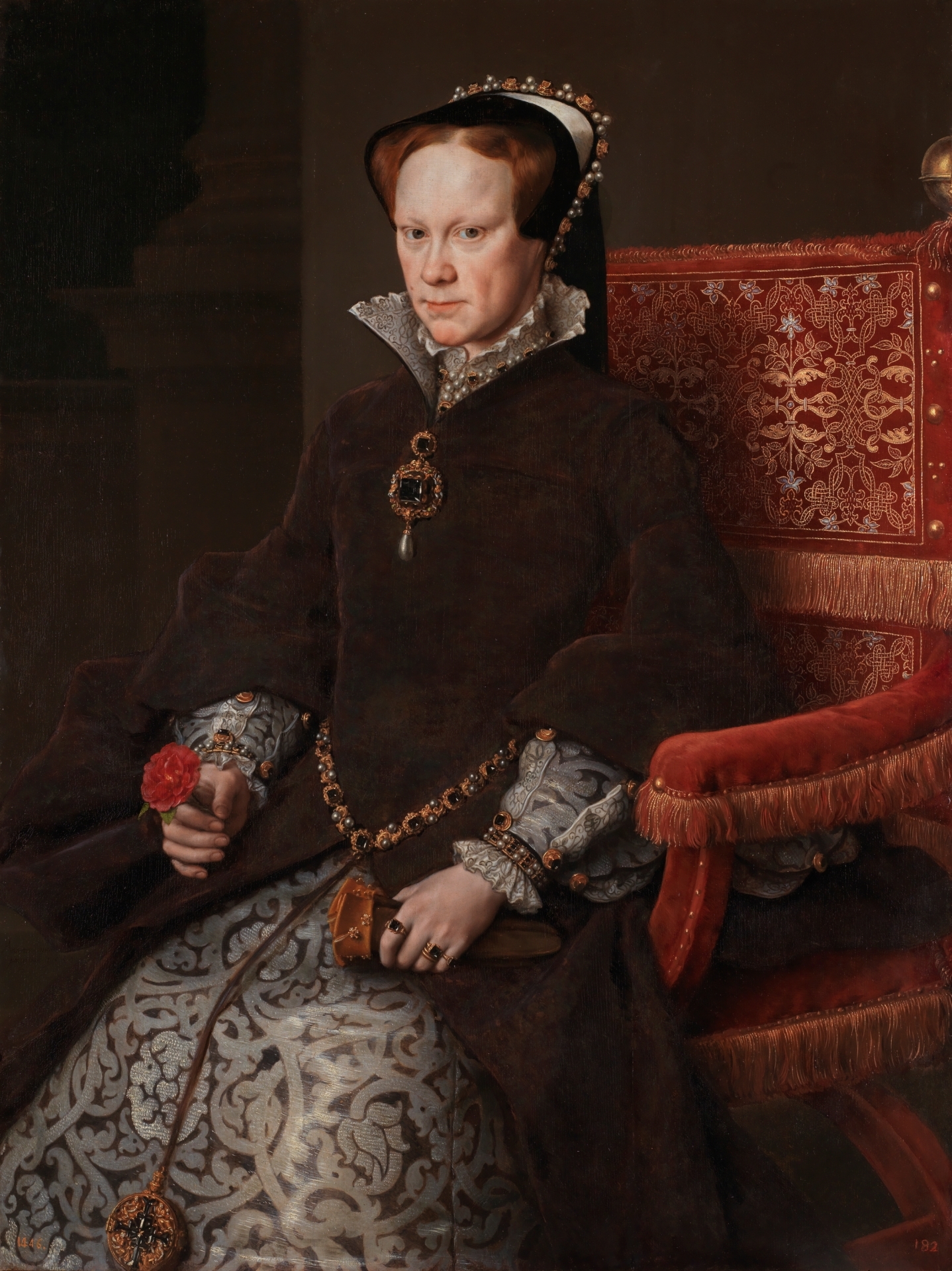
Mary Tudor, Queen of England by Anthonis Mor.

The court painter

Anthonis Mor was the principal painter for the House of Austria and was known for his ability to capture the personalities of his subjects in portraits.

Experts believe Anthonis Mor was the painter who introduced court portraiture in Spain and began painting portraits of the royal family.

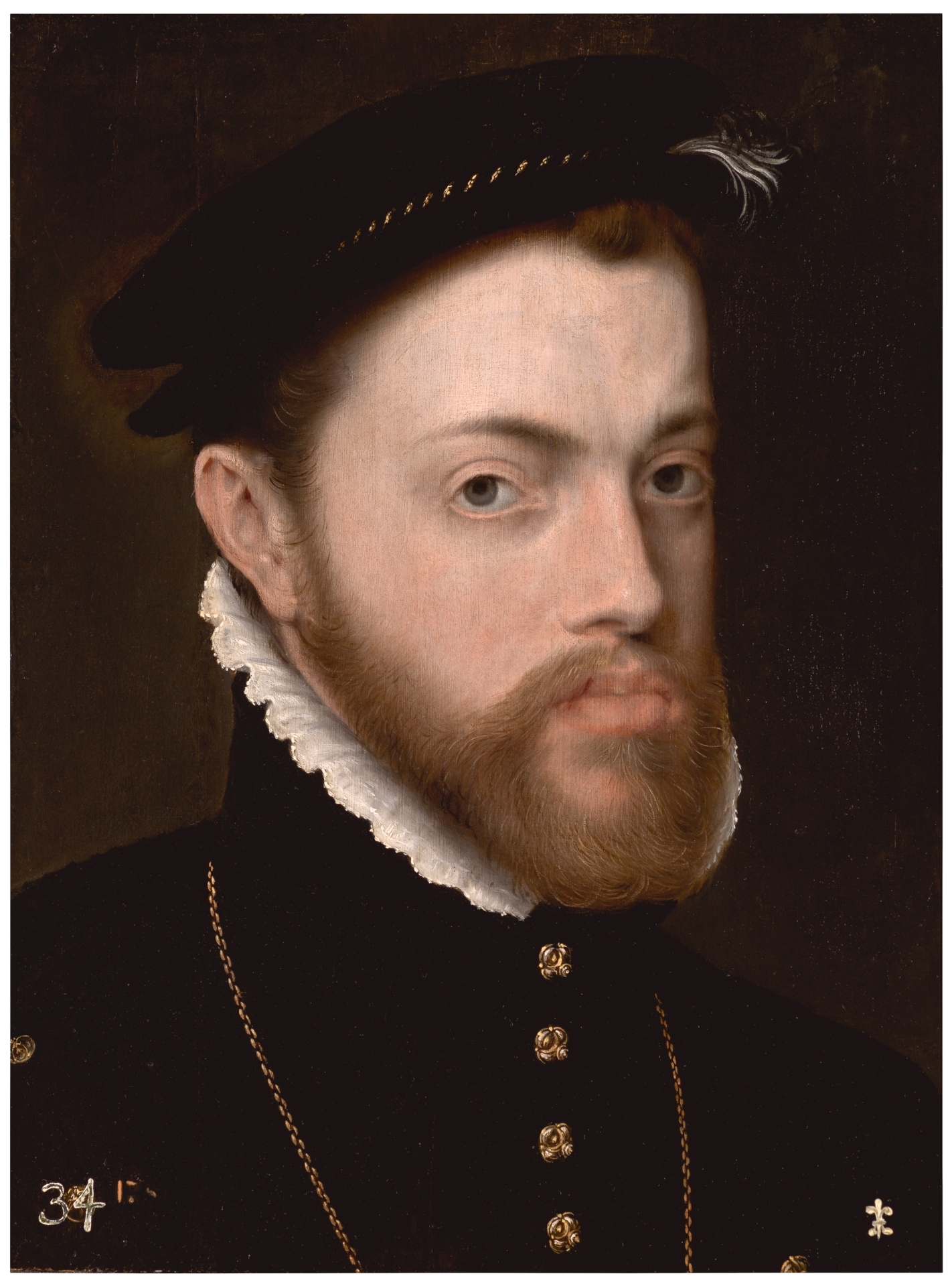
Philip the Second by Anthonis Mor.
Funded by the European Union - NextGenerationEU Government of Spain - Ministry of Culture Recovery, Transformation and Resiliency Plan Museo Nacional del Prado

Funded with the National Recovery and Resilience Plan (NRPP) , Spain’s Next Generation EU financing and according to the initiatives within the component C.24.I3 Digitization and valorization of major cultural services. The project is part of Campus Prado within Accessibility and Signage: Revitalization of the Urban Environment action line and as a universal accessibility activity.

Up