formularioRDF
The itinerary <em>TITULORECORRIDO</em> has been successfully created. Now you can add in works from the Collection browser
<em>TITULOOBRA</em> added to <em>TITULORECORRIDO</em> itinerary

Francisco de Goya artworks tour

This is the Goya paintings easy-to-read tour at the Museo del Prado.

ETR (Easy to Read) icon
© Easy-to-read european logo: Inclusion Europe. More information at: Easy-to-read

Goya’s beginnings

Goya was born in 1746 in a town called Fuendetodos in the province of Zaragoza.

He started studying painting at the age of 13.

In Zaragoza, Goya had two teachers.

One of the teachers was the painter Francisco Bayeu, who painted for the king.

Goya tried to study at the Real Academia de Bellas Artes de Madrid (Royal Academy of Fine Arts) but failed.

So, he decided to travel to Italy to learn the techniques used by great Italian artists in their works.

When Goya returned from Italy, he painted a dome in the Basílica del Pilar in Zaragoza.

Shortly after, he married Josefa Bayeu, the sister of his master.
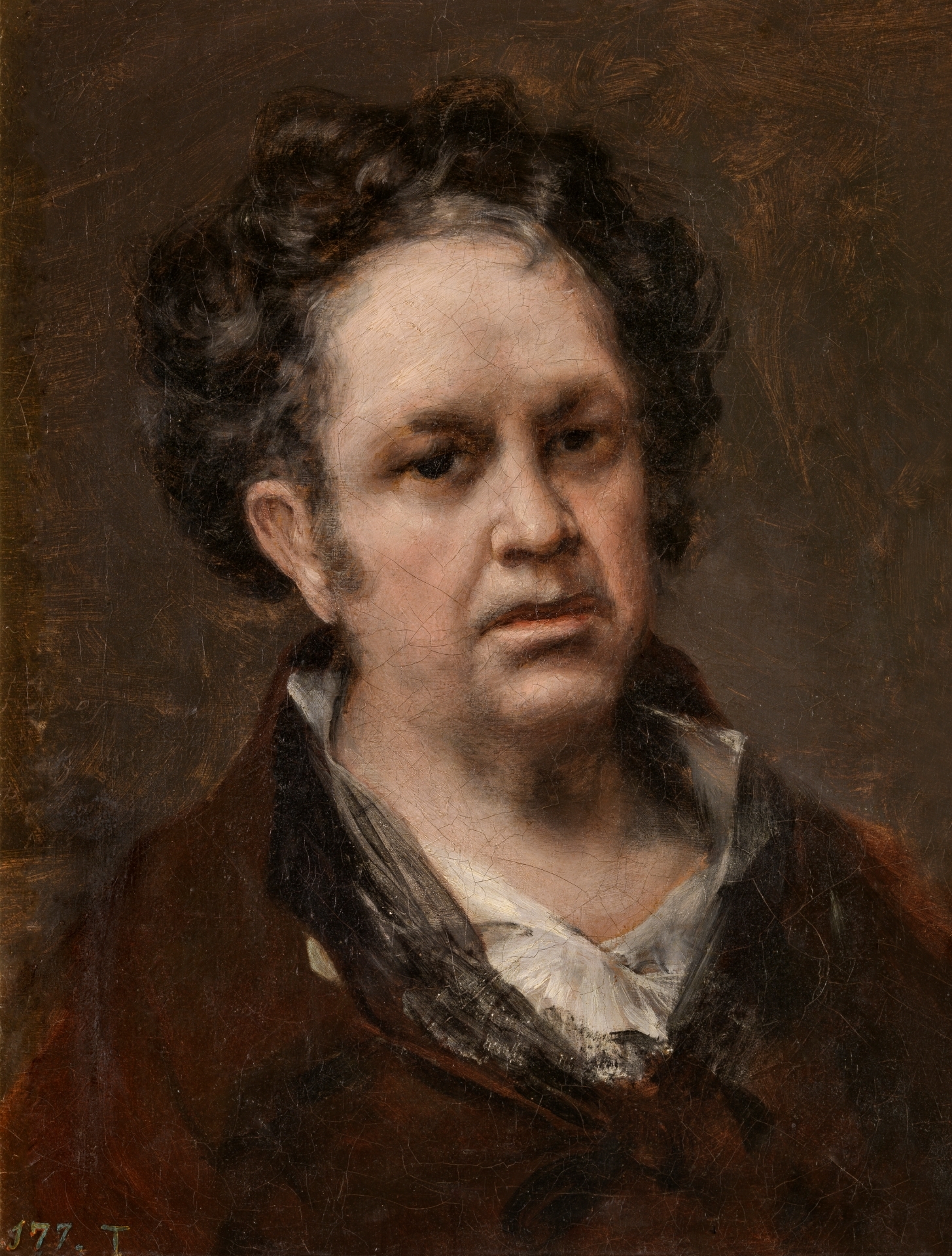
Self-Portrait by Goya.

Cartoons for tapestries

When Goya turned 29, he began working in Madrid, painting models for tapestries that adorned the walls of royal palaces.

These models, called cartoons, were paintings that were later copied and woven with silk and wool into tapestries.

Many of them depicted scenes from everyday life.

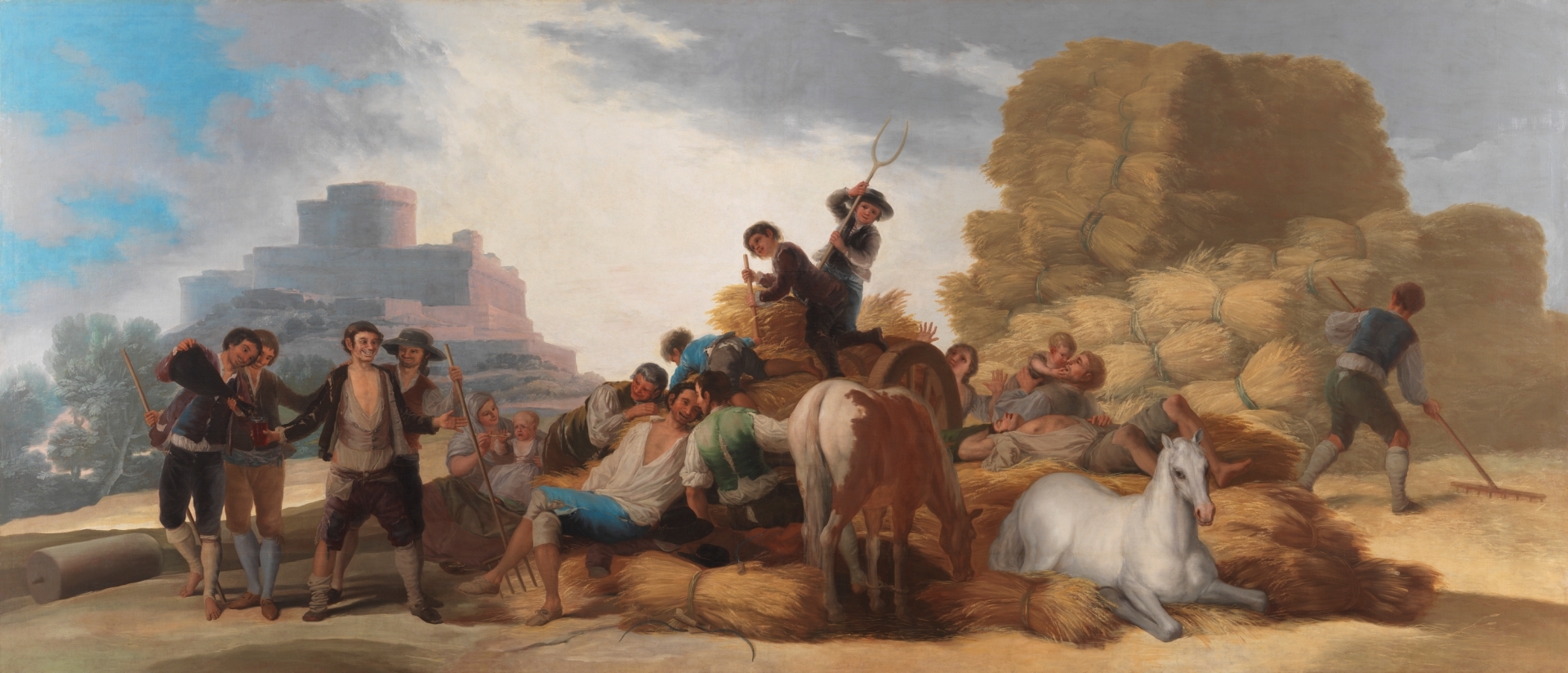
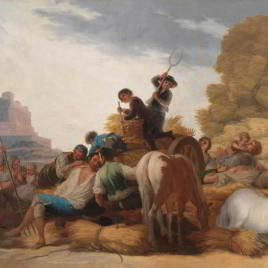
For example, the work Summer or The Threshing Floor is a cartoon for a tapestry that was part of a series representing the 4 seasons of the year.

Goya worked for almost 20 years for the Real Fábrica de Tapices (Royal Tapestry Factory).

Thanks to this work, he gained fame and became a professor at the Real Academia de Bellas Artes de Madrid (Royal Academy of Fine Arts).

The Threshing Ground or Summer by Goya.

Working for the King

Also, he started working as a painter for the king, creating portraits and paintings for the most important people in Spain, including the kings, noble families, politicians, writers, and friends.

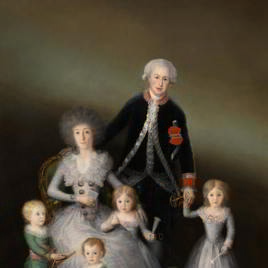
For example, he painted the family portrait of “The Duke and Duchess of Osuna and their Children”, depicting the love of parents for their children.

When Goya turned 46, he suffered a serious illness and became deaf.

Yet, he did not stop working.

It was when he created the best works of his life.

In 1799, King Charles the Fourth appointed him as his first painter.

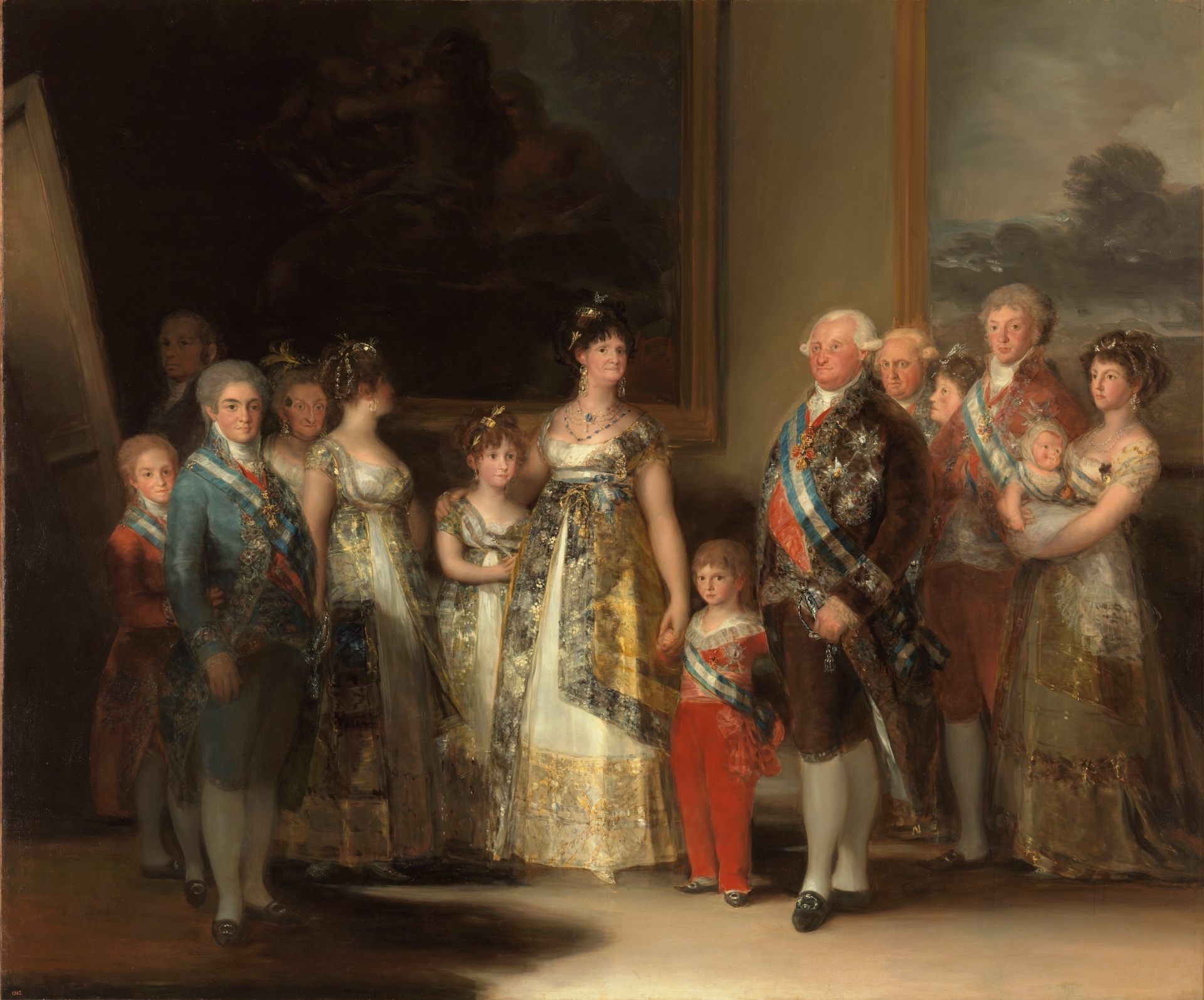
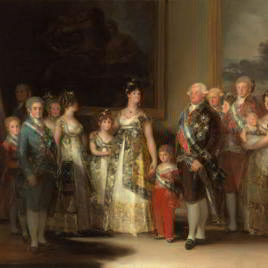
The following year, Goya painted a very important work for the king entitled “Charles the Fourth of Spain and His Family”.

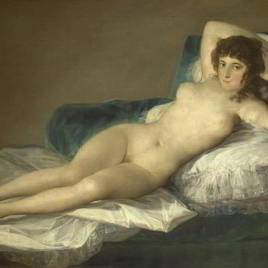
During this time, Goya also painted “The Naked Maja” for the prime minister of the king, Manuel Godoy.

Years later, Godoy commissioned “The Clothed Maja” as a companion piece.

Charles the Fourth of Spain and His Family by Goya.

The War of Independence against France

In 1808, the War of Independence began.

On May 2, the Spaniards rebelled against the French invaders.

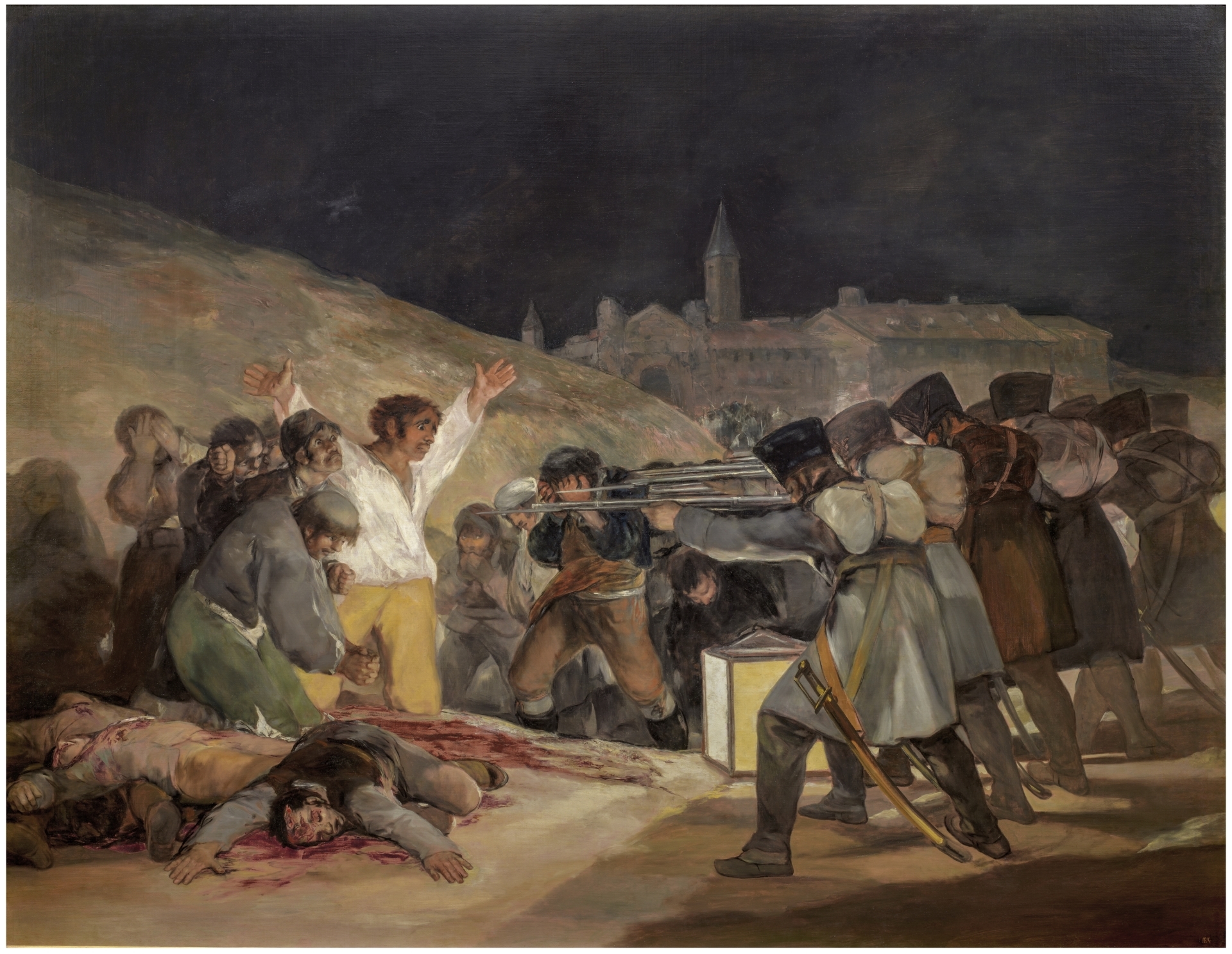
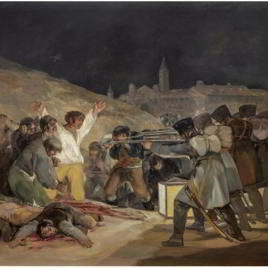
As punishment, French soldiers executed in Madrid many people from the town who participated in the fight on the night of May 3.

When the war ended in 1814, Goya created 2 paintings to remember these violent moments.

The paintings are entitled “The Second of May 1808 or The Charge of the Mamelukes”, and “The Third of May 1808 or The Executions”.

The Third of May 1808 or The Executions by Goya.

The Black Paintings at la Quinta del Sordo

5 years after the war ended, Goya bought a country house on the outskirts of Madrid called La Quinta del Sordo.

At that time, Goya suffered another serious illness.

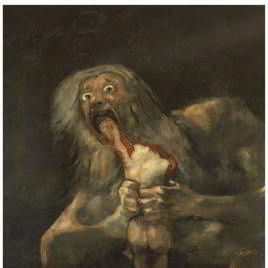
When he recovered, he started painting a series of scenes on the walls of his house known as the “Black Paintings”.

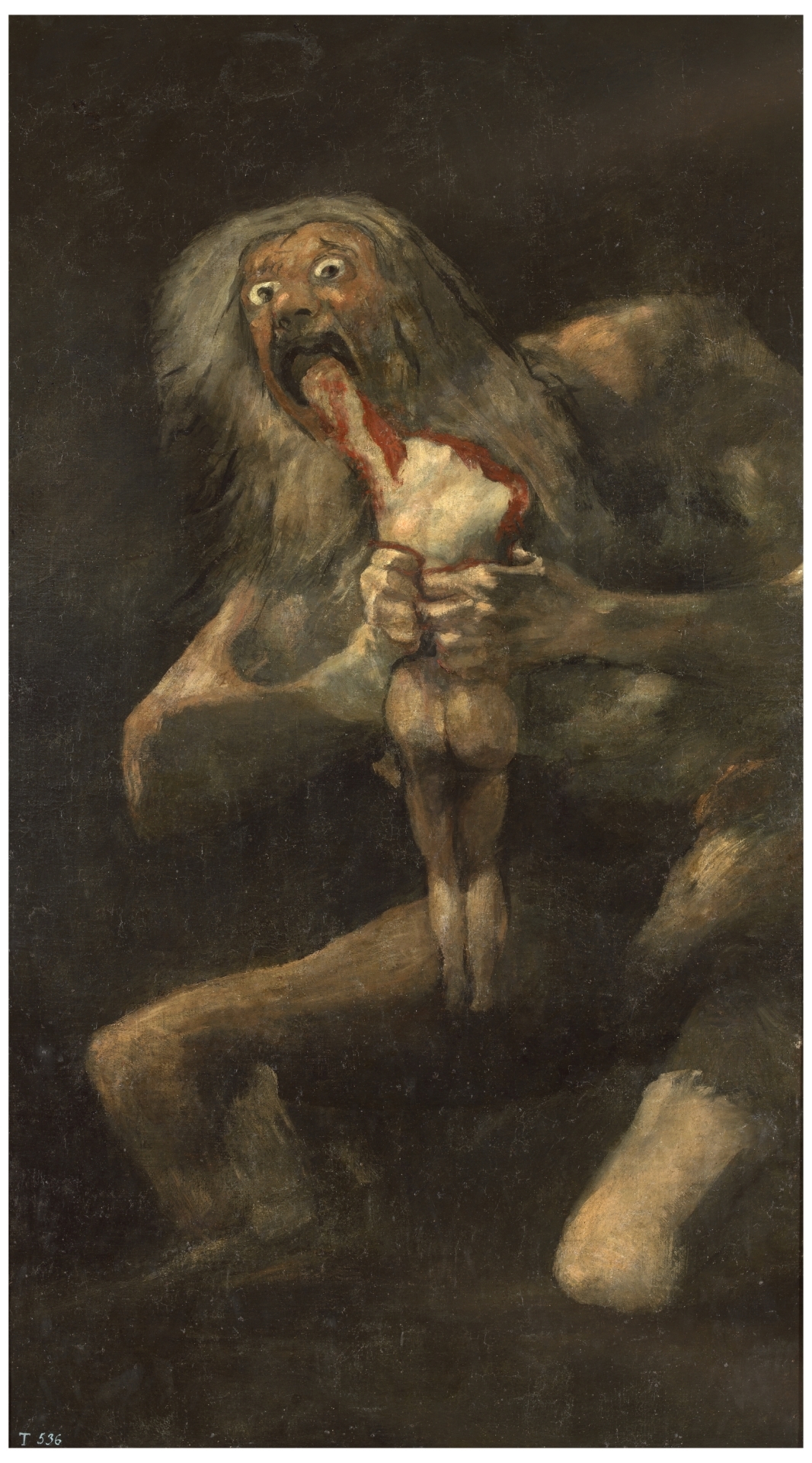
They are called the “Black Paintings” because Goya used black and dark colours to depict nightmarish and terrible scenes.

One of these Black Paintings is “Saturn Devouring His Son”.

When Goya died, a French collector bought his house, removed the paintings from the walls, and donated them to the Prado Museum.

In 1824, Goya decided to leave for Bordeaux, France, as he was uncomfortable with the government of King Ferdinand the Seventh.

A few years later, he died in this city at the age of 82.

Saturn by Goya.
Funded by the European Union - NextGenerationEU Government of Spain - Ministry of Culture Recovery, Transformation and Resiliency Plan Museo Nacional del Prado

Funded with the National Recovery and Resilience Plan (NRPP) , Spain’s Next Generation EU financing and according to the initiatives within the component C.24.I3 Digitization and valorization of major cultural services. The project is part of Campus Prado within Accessibility and Signage: Revitalization of the Urban Environment action line and as a universal accessibility activity.

Up