formularioRDF
The itinerary <em>TITULORECORRIDO</em> has been successfully created. Now you can add in works from the Collection browser
<em>TITULOOBRA</em> added to <em>TITULORECORRIDO</em> itinerary

Metabuscador

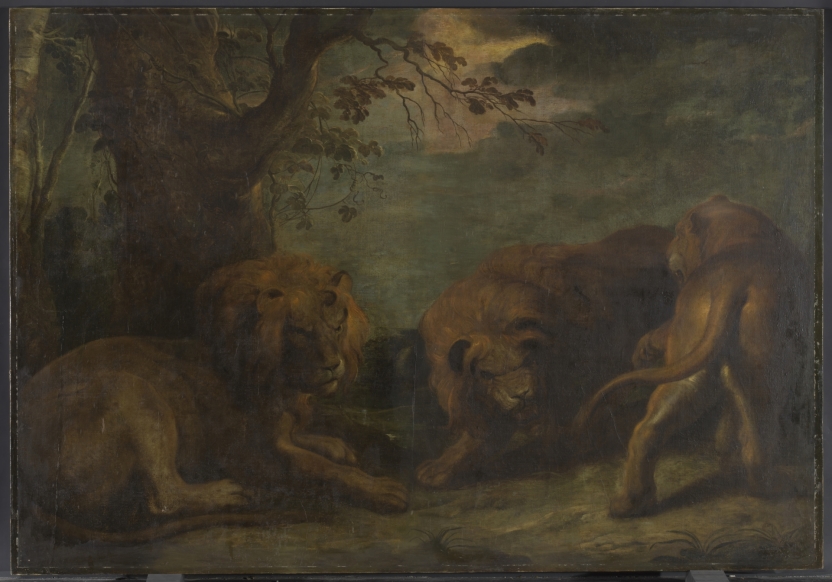
Two lions and a lioness
Oil on canvas. Ca. 1620
This is an ambitious painting that has been well executed. The scene features three animals that repeat others from an important painting by Rubens, Daniel in the Lions’ Den, painted in around 1614 (National Gallery of Art in Washington DC). In a letter written on 28 April 1618, Rubens stated that he painted this picture ‘from life’, implying that he had studied at least some of the animals from live specimens. There are several drawings of lions made by Rubens around 1612–13 in Brussels. The Ar
ARTWORK
Frans Snyders – (Attributed to)
Jan Wildens – (Attributed to)
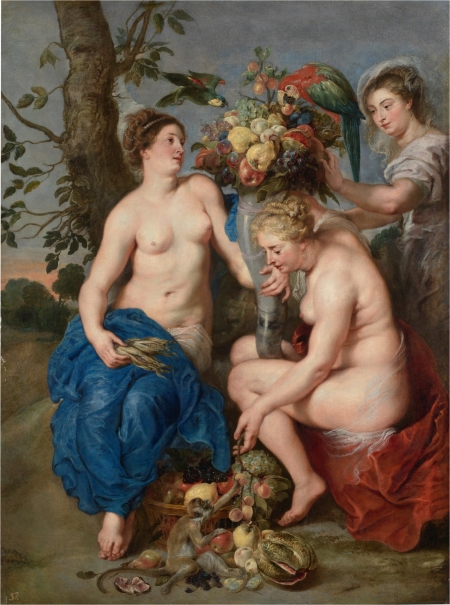
Three Nymphs with a Cornucopia
Oil on canvas. 1615 - 1617
On Rubens’s death in May 1640, the largest collection of his works aside from his own (he was an important art collector and also retained many of his own creations) was that of King Philip IV of Spain. Philip’s attention had primarily been drawn to Rubens by his aunt, Isabel Clara Eugenia. It should be borne in mind that when the young king embarked on his reign in 1621, only a few works by the artist were to be found in Spain. From that moment on and thanks to the agency of the infanta, Rubens
ARTWORK
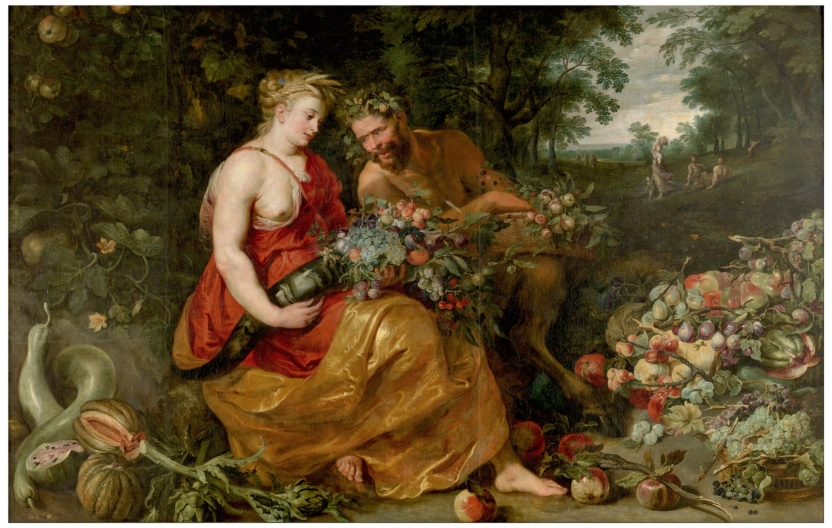
Ceres and Pan
Oil on canvas. Ca. 1620
As goddess of the Earth and agriculture, Ceres is depicted wearing a bundle of wheat spikes on her head. Beside her, Pan, the god of shepherds and herds, has a crown of oak leaves. Ceres symbolizes cultivated nature and Pan, wild nature. The horn of plenty and basket of fruit in their laps alludes to the fecundity and fertility of the Earth, which is strengthened by the fruit and vegetables strewn around them. This is one of the many occasions when Rubens and Snyders worked together. The figures
ARTWORK
Peter Paul Rubens – (Workshop of)
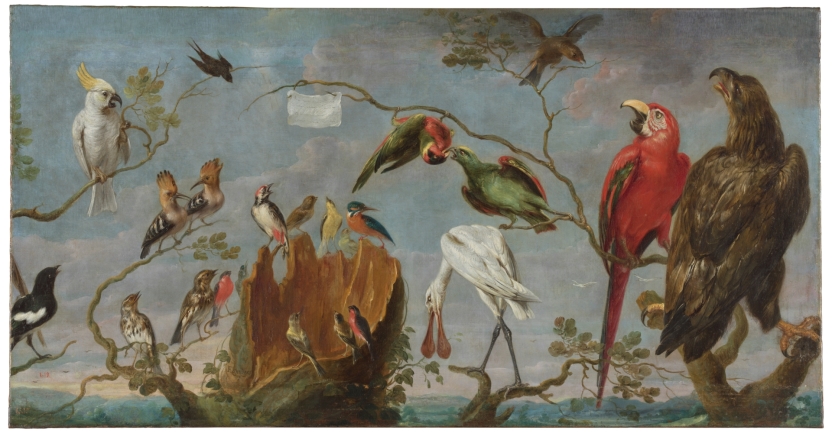
Concert of the Birds
Oil on canvas. XVII century
In this composition, various species of birds perched on the branches of a tree -a stork, an eagle, a red macaw, etc.- sing around a musical score. As in many of Frans Snyders’ compositions, the largest birds on the ends protect the smaller ones. According to Sánchez Cantón, this work comes from the collection of the Count-Duke of Olivares’ cousin, don Diego de Mejía y Felípez de Guzmán, I Marquis of Leganés. Leganés estate of 1652-1655 actually l
ARTWORK
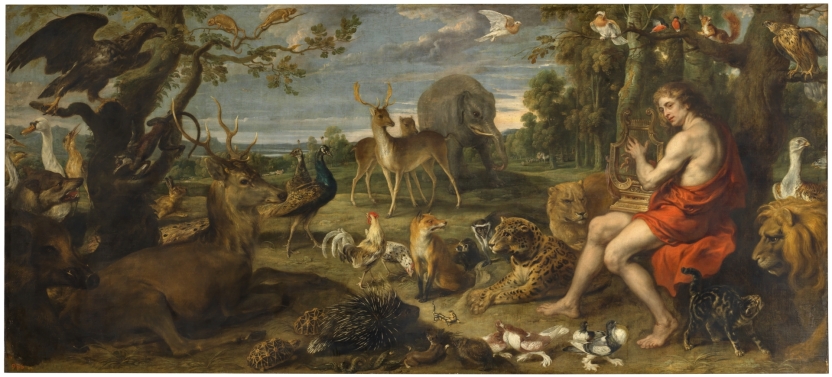
Orpheus and the Animals
Oil on canvas. 1636 - 1638
This scene is inspired by a passage from the Metamorphoses by the Roman poet Ovid. Orpheus, the mythological Greek musician and poet, sung and played the lyre so sublimely that all the animals, even the fiercest, came up close to listen to him. In another episode from Orpheus’s life he made use of music to try to rescue his wife Eurydice from the Underworld. From Antiquity to the present day that myth has been used to describe music’s seductive power, inspiring numerous artists, particularly com
ARTWORK
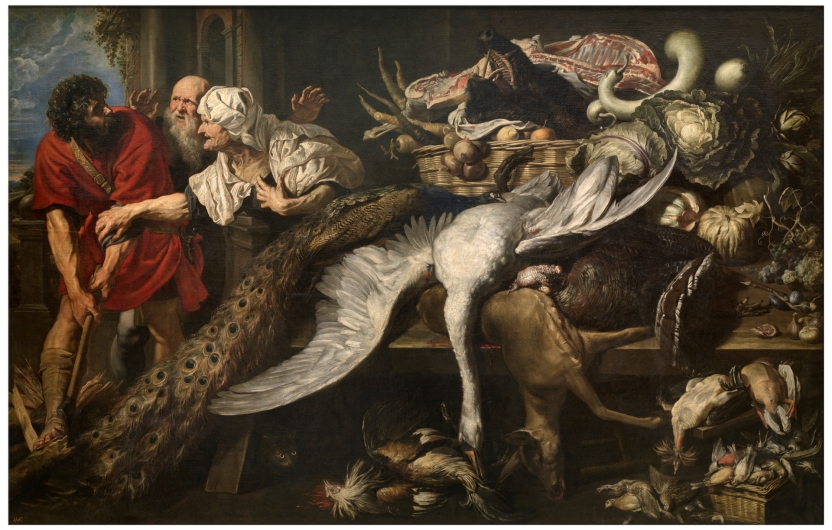
The Recognition of Philopoemen
Oil on canvas. Ca. 1609
According to Plutarch, Philopoemen, a strategist and general of the Aequian League that fought against Sparta, visited the city of Megara. Because of his unassuming, humble appearance, the lady of the house confused him with a servant and put him to work. The present scene depicts the moment when the husband realizes the general´s true identity, under whose modest appearance is hidden the grandeur of his personality. Painted right after Rubens returned from Italy, this work reveals the artist´s
ARTWORK
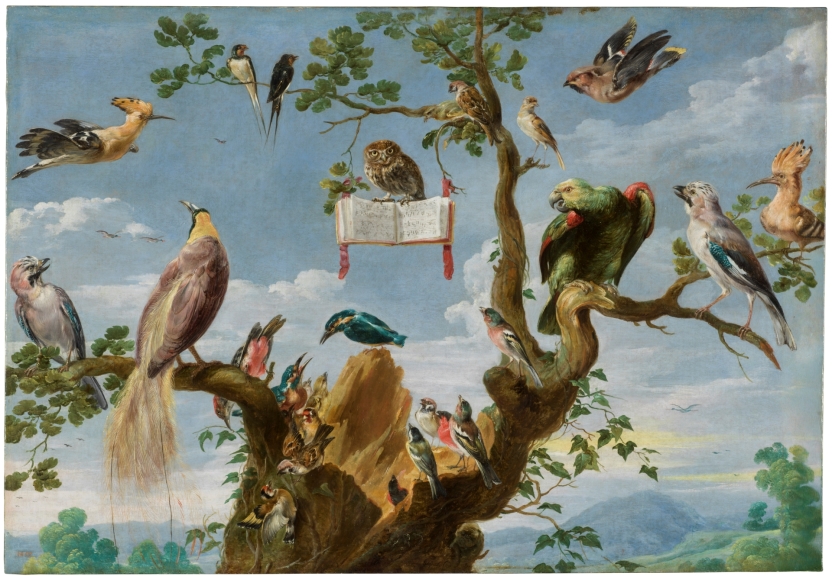
Concert of Birds
Oil on canvas. 1629 - 1630
In the composition, an owl on a branch directs a chorus of fifteen other types of birds while holding a score between its feet. Such images of different species of birds perched on tree trunks, sometimes with musical scores, were known as Concerts of birds and were popularized by Flemish artists in the early decades of the 17th century, especially Frans Snyders. They were quite common at that time, and the I Marquis of Leganés, don Diego Messía Felípez de Guzmán, had
ARTWORK
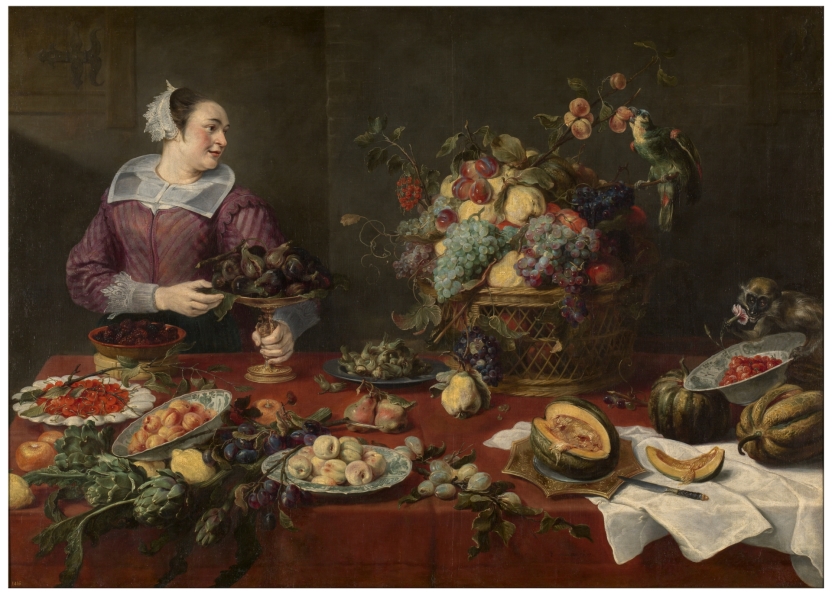
Still Life with a Maid
Oil on canvas. Ca. 1633
This opulent still-life scene typical of the Baroque Flemish school includes a human figure and two animals, as was common in the period, in accordance with the tastes of the clients, whose wealth and prosperity was also reflected in this genre of paintings. Snyders´ clientele were members of the nobility and haute bourgeoisie who were interested in his paintings as testimonies to wealth as well as for their artistic qualities. Arranged on a table, probably in a kitchen, are a variety of fruits
ARTWORK
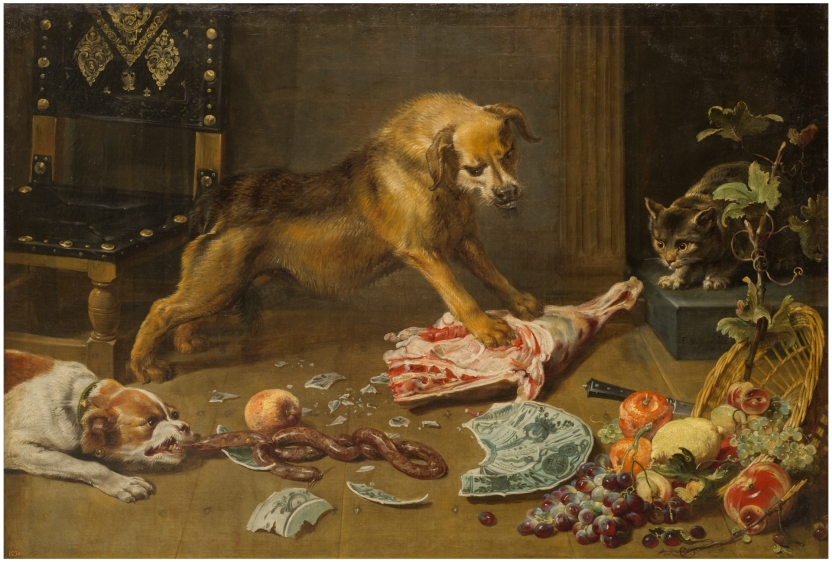
A Larder
Oil on canvas. Before 1636
Snyders invented a type of scene of domestic interiors in which animals are the principal protagonists. Here a dog which has entered a larder and taken a large piece of meat is looking defiantly at another one chewing a string of sausages. The overturned basket of fruit and the broken china indicate the damage caused by their violence.
ARTWORK
Loading...

Loading...

Up