
Loading...
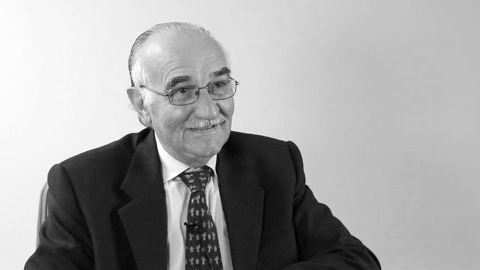
The night watch on a day-to-day basis
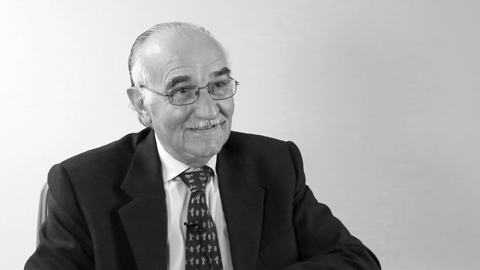
Antonio Macías Pizarro, Head of Night Surveillance, 1974-2009The night watch on a day-to-day basis
Antonio Macías Pizarro, Head of Night Surveillance, 1974-2009
Our shift began when the Museum closed. We used to come in an hour before closing in order to change calmly, with no rush. We walked through the areas that were already closed to the public. We would take the keys and review the different areas at ease. Then we'd go to the concierges' quarters and went out together with the concierges. One concierge would go upstairs and another one downstairs to make sure the halls were vacated on time. That's how we started. Then we would take the keys, 20 keys, 30 keys, it was a box full of keys. I imagine it's still the same way. You had to get to know the different keys, not by number but by feel. I still haven't forgotten quite a few of those keys.
Those keys were used for individual offices, larger office areas, restoration, to open up areas for the cleaning squad. Once the cleaning was finished we'd go to the door. One of us and a security guard or two would ask the cleaning ladies to show their handbags and then we closed the Museum. When all was closed it was communicated to the console area, they would set the alarms and say, "All in order." There were times, depending on what time we closed, that we had dinner together. We were all friends. Sometimes we did the first round and had dinner right after it. Whatever was more fitting, depending on the day. After that, we walked around all night. "I'm going to check this, I'm going to check something else, going down to the storage area, down to the warehouse..." If an alarm went off, forget about dinner. The normal stuff. Then in the morning, in the last round, we got all the keys together and gave them to the concierges who were waiting for us at the door. There was another search on those about to leave, then we handed over the Museum and went home. We walked about 7 or 8 km every night. We had communication devices. This was really big.
He has worked at the Museum for the Night Surveillance Service for more than three decades.
Interview recorded on December 05, 2017
Nights in the Museum
3 / 10-
The night watch and taking care of the Museum in the 1960s -

“Are you capable of organising this?” -
The night watch on a day-to-day basis -
Night alarm -
1961. An attempted robbery -
A privilege -

Electricity During the Night -
Jesús Aroca. Forever in the Museum -

A director sleeps with his eyes open -
Works have a life of their own and they look at you
Theme
--
Voces del Prado