
Loading...
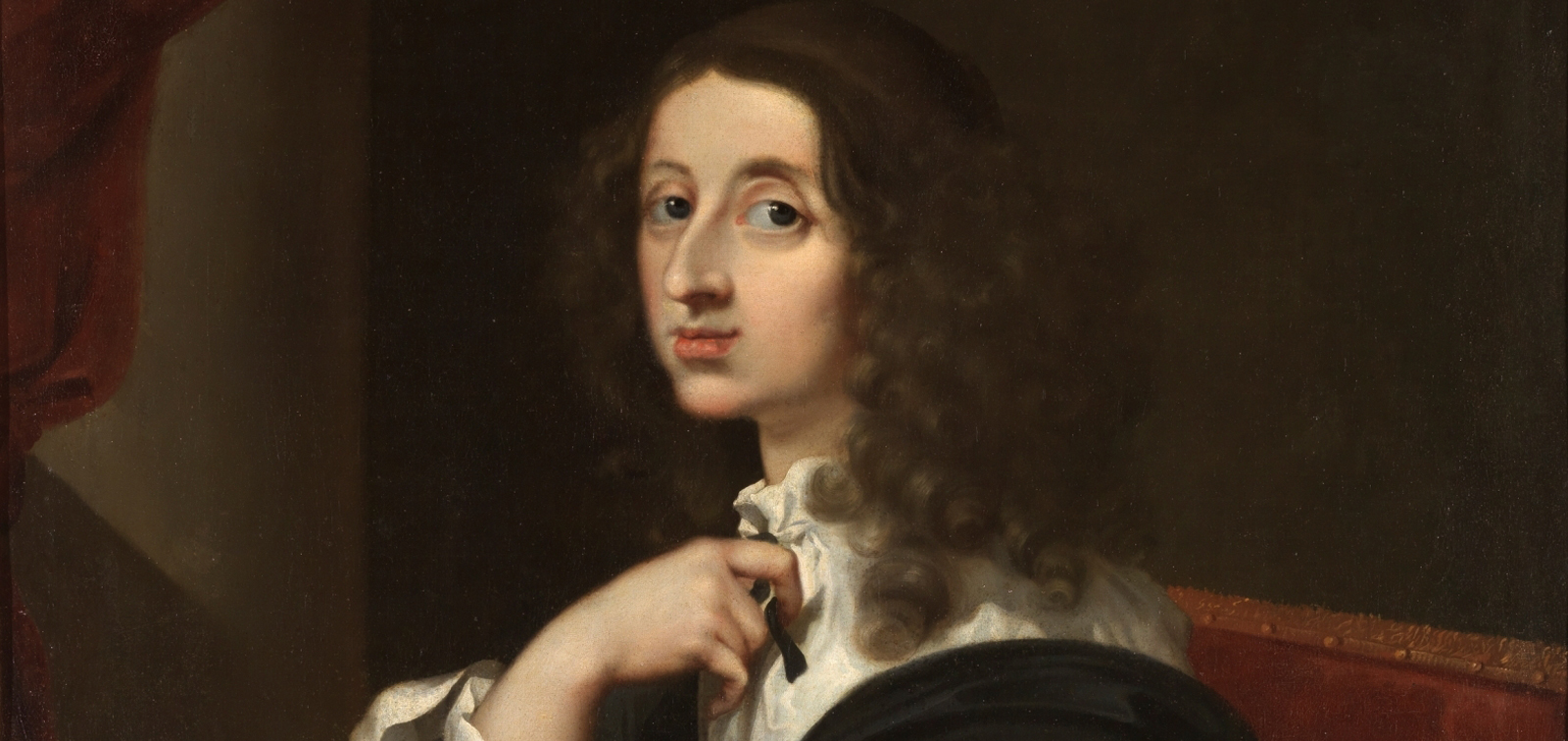
An Unresolved Subject: Art History and Women
June 24 and 25, 2024
Course
An Unresolved Subject: Art History and Women
June 24 and 25, 2024
In recent years, significant efforts have been made to incorporate women’s artistic creation throughout history into curricula and teaching guides at various educational levels. Nevertheless, it remains an unresolved issue due to the difficulty of finding clear and suitable methodological tools to employ in teaching. This course offers fundamental keys for teaching art history without resorting to mere lists of female artists or anecdotes. This course is full of suggestive and motivating proposals for understanding art history with new inquiries and perspectives.
- With the collaboration of:
-

- Sign up
- Registration Closed
- Schedule
- June 24 and 25, 2024
- Recipients
- Formal and informal educators, as well as individuals interested in education.
- Location
- Auditorium of the Prado Museum
- Price
- Free
- Live streaming
- Live streaming for this activity will be available on the Prado Museum’s YouTube channel.
Program
2024
- Jun
- 24
09.30 hRegistration
10.00 hOpening
Andrés Úbeda de los Cobos, Prado Museum
María Elena Díez Jorge, University of Granada
Noelia García Pérez, University of Murcia
10.00 hI SESSION. TEACHING ART HISTORY WITH A GENDER PERSPECTIVE
10.15 hWhat Stories Without Women Do Not Tell US
Estrella de Diego, Complutense University of Madrid
11.00 hArt and Women: Important to Teach, Worth Learning
María Elena Díez Jorge, University of Granada
11.45 hDiscussion
12.00 hCoffee Break
12.30 hRound Table. Teaching Experiences
África Cabanillas Casafranca, Secondary Education Teacher and Researcher, Seville
María Sabiote González, IES Miguel Herrero Pereda, Cantabria
Moderator: Ana Moreno Rebordinos
16.00 hII SESSION. FEMALE ARTISTIC CREATION AND PROMOTION
16.00 hWhat Would Art History Be Like Without Works Acquired by Women?
Noelia García Pérez, University of Murcia
16.45 hCreators. Making Female Artists Visible
Carmen Gaitán, Spanish National Research Council (CSIC)
17.30 hDiscussion
18.00 hGuided Tours of the Permanent Collection. "Feminine Perspectives"
- Jun
- 25
09.30 hIII SESSION. THE REPRESENTATION OF WOMEN IN ART: SPACES, ROLES, ACTIVITIES, AND WAYS OF LIFE
09.30 hHow to Occupy Public Spaces: Representations of Women in Ancient Rome
Cándida Martínez López, University of Granada
10.15 h"Representation Matters": Approaches to the Female Image in Medieval Art
Elena Paulino Montero, National Distance Education University (UNED)
11.00 hCoffee Break
11.30 hQueens, Saints, and Nuns: Female Iconographies in the Early Modern Period
Melania Soler, University of Valladolid
12.15 hImages of Women in the Nineteenth Century: Archetypes and Discourses
Carlos González Navarro, Museo del Prado
13.00 hDiscussion panel
13.30 hClosure
Activity
África Cabanillas Casafranca
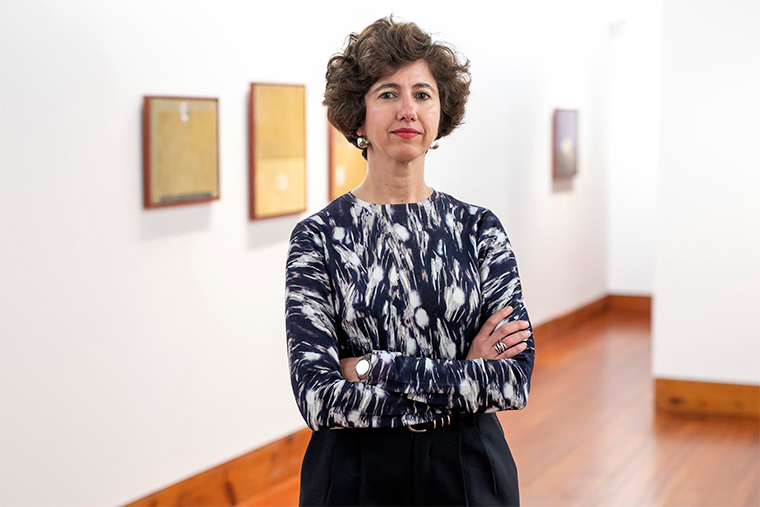
África Cabanillas Casafranca
África Cabanillas Casafranca is a Secondary Education Teacher specializing in Geography and History at I.E.S. Mariana Pineda in Dos Hermanas (Seville). She coordinates the Working Group on the Development of ICT Resources for the Study of Women's History at the C.E.P. of Alcalá de Guadaíra (Seville) and teaches the postgraduate course “History of Art from a Feminine Perspective: A Proposal for Gender Equality Education” at UNED.
She has a PhD in Art History and a Lecture-Tutor in the UNED Center in Seville. In 2018, she won the Elisa Pérez Vera Award from the UNED Gender Studies Center. Her main research areas are feminist art historiography, contemporary Spanish female painters, and coeducation.
Her publications include the books Vida de Delhy Tejero (2023), Creación, vida e historia. El legado de las mujeres artistas (2024), and Orgullo y prejuicios. En torno al arte de las mujeres (the latter two co-authored with Amparo Serrano de Haro) (2022).
María Sabiote

María Sabiote
She is a Geography and History teacher and intercultural coordinator at IES Miguel Herrero in Torrelavega. She is a member of the research group in Social Sciences didactics Caleidoscopio that is associated with DICSO (University of Murcia). Additionally, she is part of the editorial team for the Social Sciences branch at the Vicens Vives publishing house. She has collaborated in designing Learning Situations with INTEFy and provides teacher training in active methodologies.
Belén Castro
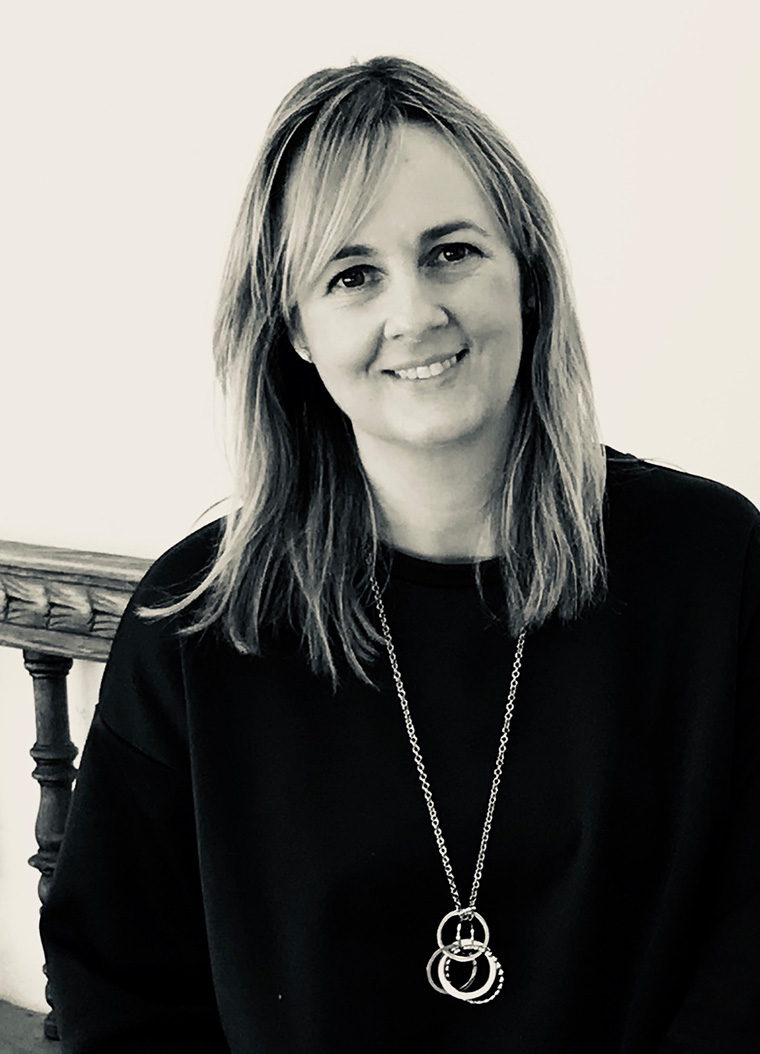
Belén Castro
She is an Associate Professor in Social Sciences Didactics at the University of Santiago de Compostela (USC). She has a PhD in Art History and a PhD in Education from USC. She is a member of the RODA Research Group.
Her research focuses on heritage education and the history of monumental restoration in the twentieth century. Specifically, her work addresses the construction of identities through the development of social competencies; the emotional dimension as a trigger for learning processes related to memory elements and controversial heritage; and the political instrumentalization of heritage during the Franco era, particularly the Way of St. James.
Cándida Martínez López
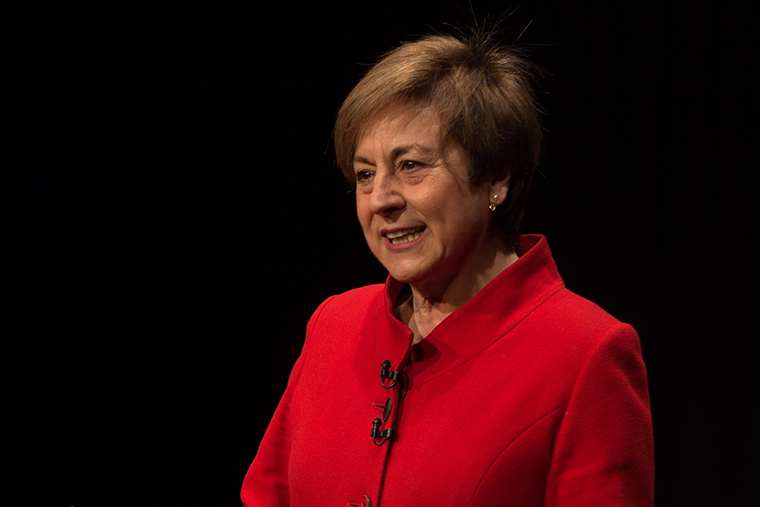
Cándida Martínez López
Emeritus Professor of Ancient History and a member of the Women's Studies Research Institute at the University of Granada, she is the director of Arenal, a journal of women's history. She specializes in Women’s History, and she has led research projects on women and peace, female promoters of architecture in the Roman West, and gender cartographies in ancient societies. Her most recent books are Las mujeres y los discursos de paz en la Historia (co-edited with Elena Díez); Constructoras de ciudad. Mujeres y arquitectura en el occidente romano (co-authored with Henar Gallego, Mª Dolores Mirón, and Mercedes Oria); Cartografías de género en las sociedades antiguas (co-edited with Purificación Ubric); and Matronazgo y arquitectura. De la antigüedad a la Edad Moderna (2016). She has also edited the work La Universidad de Granada, cinco siglos de historia: tiempos, espacios y saberes (2023). She served as the Minister of Education and Science of the Junta de Andalucía (2000-2008).
Carlos González Navarro
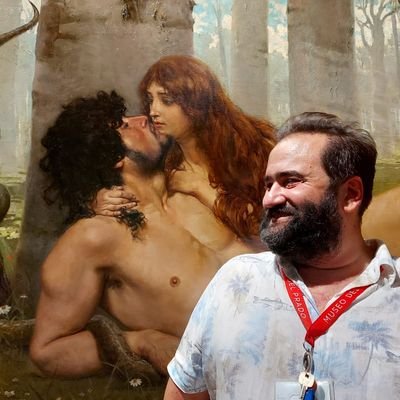
Carlos González Navarro
He is a Conservation Technician for nineteenth century paintings at the Prado Museum. He has a BA in Art History from the Complutense University and specializes in nineteenth century painting and drawing. He has collaborated cataloguing project and in numerous exhibitions with various cultural institutions including the Bilbao Fine Arts Museum, the Thyssen-Bornemisza Collection, and the Hispanic Society of America in New York. He has worked at the Prado Museum since 2009, the year he was the scientific coordinator for the exhibition Joaquín Sorolla (1863-1923). He has focused on studying the works in the Prado collection, with a recent emphasis on the drawings of José de Madrazo and the paintings of Eduardo Rosales. He has curated exhibitions for the Prado Museum such as Ingres (with Vincent Pomarede), the itinerary The Other’s Gaze. Spaces of difference (with Álvaro Pérdices), and the exhibition Uninvited Guests. Episodes on Women, Ideology and the Visual Arts in Spain (1833-1931).
Carmen Gaitán Salinas

Carmen Gaitán Salinas
She is a Senior Scientist in the Department of Art History and Heritage at the Institute of History of the CSIC. She is currently the Head Researcher in the project Hacedoras de Cultura. Conexiones e intercambios artísticos transatlánticos en el siglo XX*(PID2022-142633oa-i00). She is also the director of Cultura, Arte y Género. Seminario permanente de investigación para otras historias posibles.
She has a PhD in Contemporary History from UCM. Amongst other works, she is the author of Las artistas del exilio republicano español. El refugio latinoamericano (Cátedra, 2019) and the critical edition of Manuela Ballester's diaries (Renacimiento, 2021). She had an Advanced Degree in Music (Piano) from the Advanced Conservatory of Music in Málaga and a Professional Degree in Music (Harpsichord) from the Centro Integrado de Enseñanzas Musicales Federico Moreno Torroba. Her research focuses on contemporary art, gender studies, relations with Latin America, and the interdisciplinarity of the arts.
Directora. Elena Díez Jorge
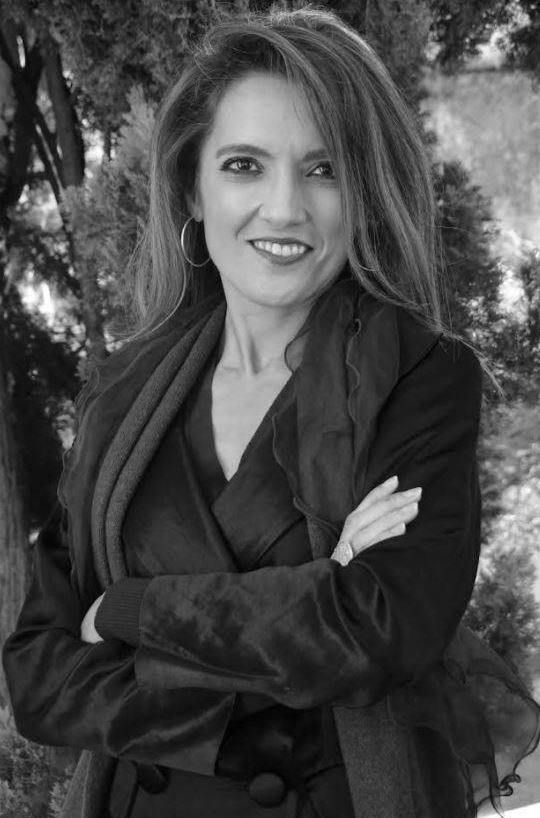
María Elena Díez Jorge
She is a Professor of Art History in the Department of Art History at the University of Granada. One of the research lines she develops is the history of women, specifically in art, and she has led various research projects and published numerous articles and books on this topic. This line of work focuses mainly on recovering the role of women in architecture throughout history with contributions like Mujeres y arquitectura: mudéjares y cristianas en la construcción (2011 and 2016). and Arquitectura y Mujeres en la Historia (ed., 2014).
Additionally, she has explored the relationship between women and peace through art and material culture that resulted in publications like Las mujeres y los discursos de paz en la historia (ed. with Cándida Martínez López, 2023). She has directed numerous research projects consistently including women as part of the study subjects. This research trajectory has influenced her teaching, and she has developed and taught undergraduate and postgraduate courses on the history of women. The first postgraduate course she taught focused on women and architecture throughout history dates back to 2002. In 2013, she introduced an undergraduate course on art and gender that is still running.
She has an interest in transferring knowledge to society and to this end she has directed and advised several women-focused routes and itineraries. Additionally, she has supervised fifteen doctoral dissertations. She is currently supervising six more some of which address themes related to women in art and architecture.
Elena Paulino Montero
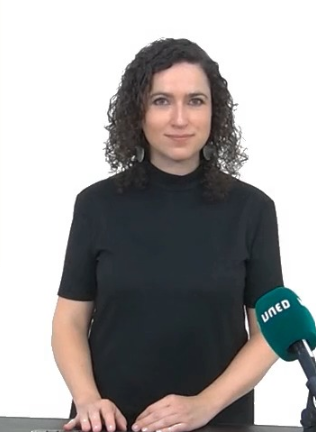
Elena Paulino Montero
She is a Lecturer in the Department of Art History at UNED. Before joining this university, she was Lecturer at Complutense University, a Juan de la Cierva Researcher at UNED, and a Postdoctoral Researcher at the Kunsthistorisches Institut in Florence.
Her research focuses on art and architecture in the late Middle Ages, specifically on medieval artistic patronage, transcultural artistic exchanges between Castile and al-Andalus, and the role of women in the arts. She is the Head Researcher of the MARCAM project Women and the Arts in Medieval Castile: Promotion, Reception, and Capacities for Action (PID2021-128754NA-I00) that is funded by the Ministry of Science, Innovation, and Universities and the Spanish Research Agency. She has also been the Head Researcher of the project FEMARTE: Art, Territory, and Female Power in Late Medieval Castile (076-044471) funded by UNED.
Estrella de Diego
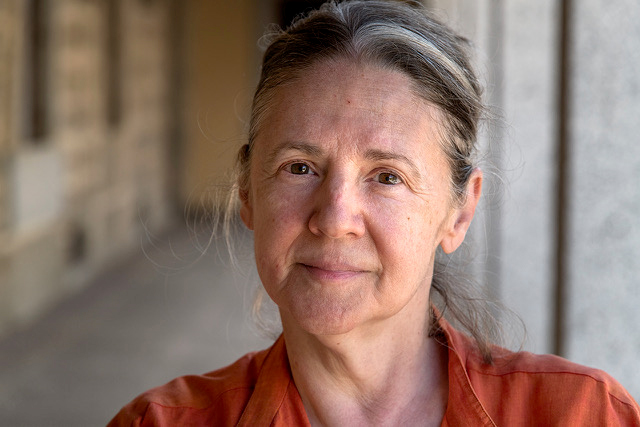
Estrella de Diego
She is a writer and a Professor in Art History at the Complutense University of Madrid. She is a member of the Real Academia de Bellas Artes de San Fernando in Madrid. She was Professor of Spanish Civilization at the KJCC in New York University and the XIII Luis Ángel Arango International Art Professor in the Banco de la República in Bogotá. She has been a Ford Foundation Researcher-Professor at the University of Illinois in Urbana-Champaign, and Ida Cordelia Beam Distinguished Professor at the University of Iowa. She has been patron of the Reina Sofía Museum, the Fundación Carolina, the Fundación General de la Universidad Complutense de Madrid, and the Academia de España in Rome. She is a patron of the Instituto Cervantes, the Fundaciò Gala Salvador Dalí, the Fundación ARCO, and the Prado Museum, where she is also a member of its Permanent Commission. She has given talks in many Spanish and international institutions, universities, and museums. She is the author of numerous books and research papers and has curated many exhibitions. She has been awarded the XI Journalism Prize in Reading by the Sánchez Ruiperez Foundation. In 2011, she received the Gold Medal for Merit in Fine Arts for her work as a writer and researcher. She is a regular contributor to the newspaper El País and her latest books are El Prado inadvertido (Anagrama, 2022), and El proyecto Picasso (2023).
María Antonia Hervada Bermúdez de Castro
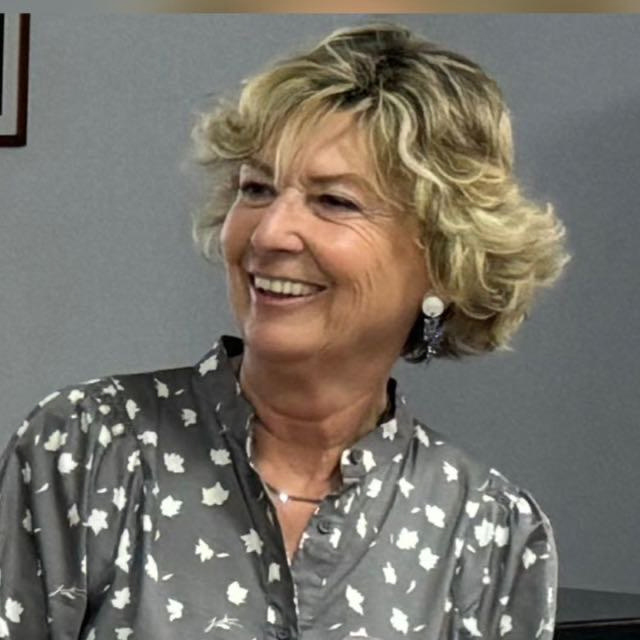
María Antonia Hervada Bermúdez de Castro
She has a BA in Art History from Complutense University of Madrid (UCM). Since 1991, she has been a civil servant in Secondary Education Teaching, specializing in English. She has held various positions in management teams. She has been a speaker on several courses and has participated in a wide range of training activities organized by the Department of Education, both nationally and internationally. She has been the Director of the Territorial Center for Innovation and Training Madrid-Capital since 2020.
Melania Soler Moratón
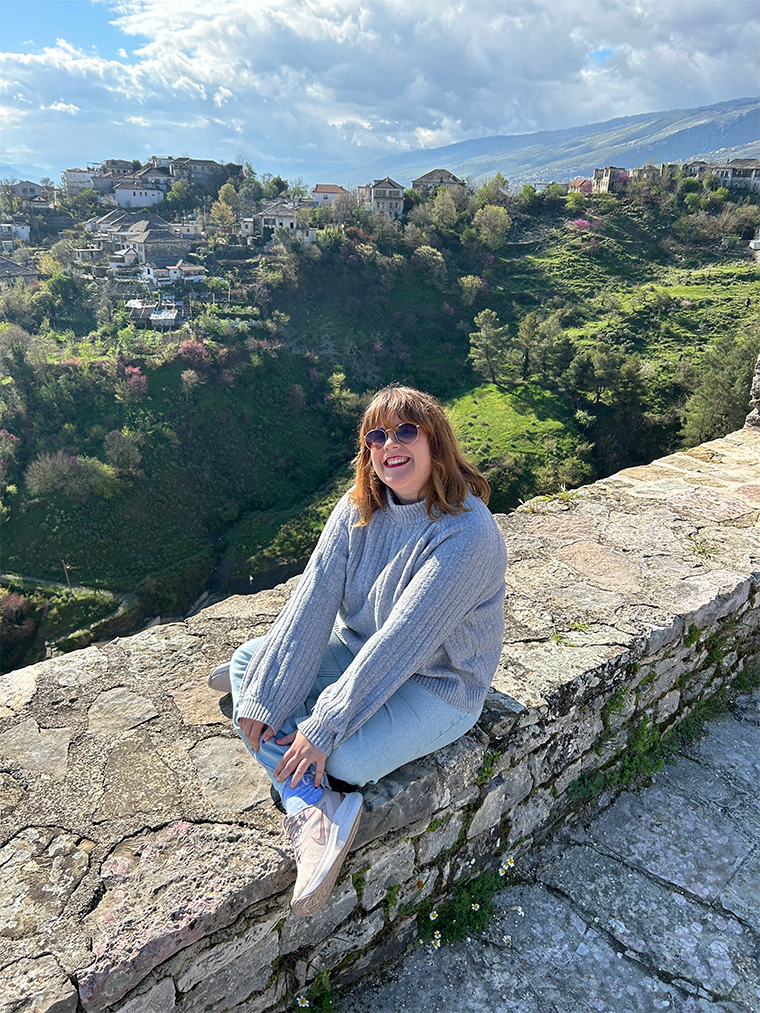
Melania Soler Moratón
Melania Soler Moratón is a Postdoctoral Margarita Salas Researcher at the University of Murcia. She is currently conducting a research stay at the University of Valladolid. She has a PhD in Art History from the University of Murcia. Her research focuses on the construction of female devotional identity during the late Middle Ages and the Early Modern period, with special attention to women of the House of Trastámara. She has edited María de Hungría y Juana de Austria and Mujer y retrato en la Edad Moderna: Usos, funciones y formas de exhibición. She has published various research articles, including Retratos de piedad, retratos de poder: las representaciones devocionales de Isabel I de Castilla y de su heredera, Juana I, y su simbología pública, which received third place in the Royal Studies Journal Prize in 2023. Her upcoming book is titled Pietatis Affectus: género y devoción en los tesoros de las últimas Trastámara.
Director. Noelia García Pérez
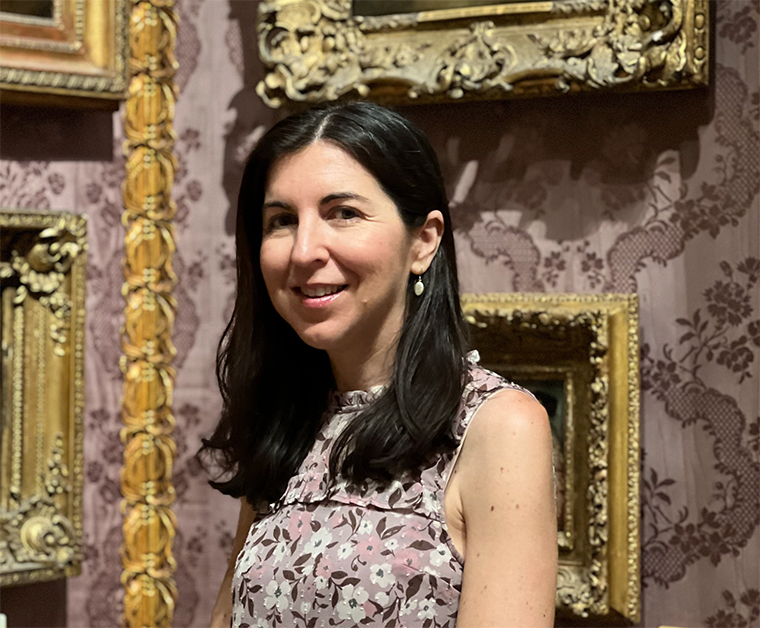
Noelia García Pérez
Noelia García Pérez is Professor of Art History at the University of Murcia. Her primary research focuses on female artistic patronage and the relationship between art, power, and gender during the Renaissance. She has published extensively on these topics in journals such as Women’s History Review, Early Modern Women: An Interdisciplinary Journal, Goya, The Book Collector, ARBOR, and Culture & History. Additionally, she is the author of several monographs including Miradas de Mujeres: El patronazgo femenino y el arte de Renacimiento and Arte, Poder y Género: El patronazgo artístico de Mencía de Mendoza (Nausicä, 2004). She has also edited recent publications such as Mary of Hungary, Renaissance Patron and Collector: Gender, Art and Culture (Brepols, 2020), Isabel la Católica y sus hijas: El patronazgo artístico de las últimas Trastámara (Editum, 2020), The Making of Juana de Austria: Gender, Art and Patronage in Early Modern Iberia (LSUP, 2021), Mujer y Retrato en el Renacimiento: Usos, funciones y formas de exhibición (Silex, 2022), and Creating and Promoting the Public Image of Early Modern Women (Routledge, 2023).
Since 2017, she has been the Director of the Art, Power, and Gender Conference. She is the Head Researcher in the projects Medallas retrato y poder femenino en la Europa del Renacimiento (I): Las mujeres de la Monarquía Hispánica (2021-2024) and Poder, Género y Representación: Medallas retratos femeninas en las cortes del Renacimiento en Europa (2023-2026). She is currently collaborating with the Prado Museum on research, symposia, and publications related to the exhibition thematic route El Prado en femenino: Promotoras artísticas de las colecciones del Museo.