
Loading...
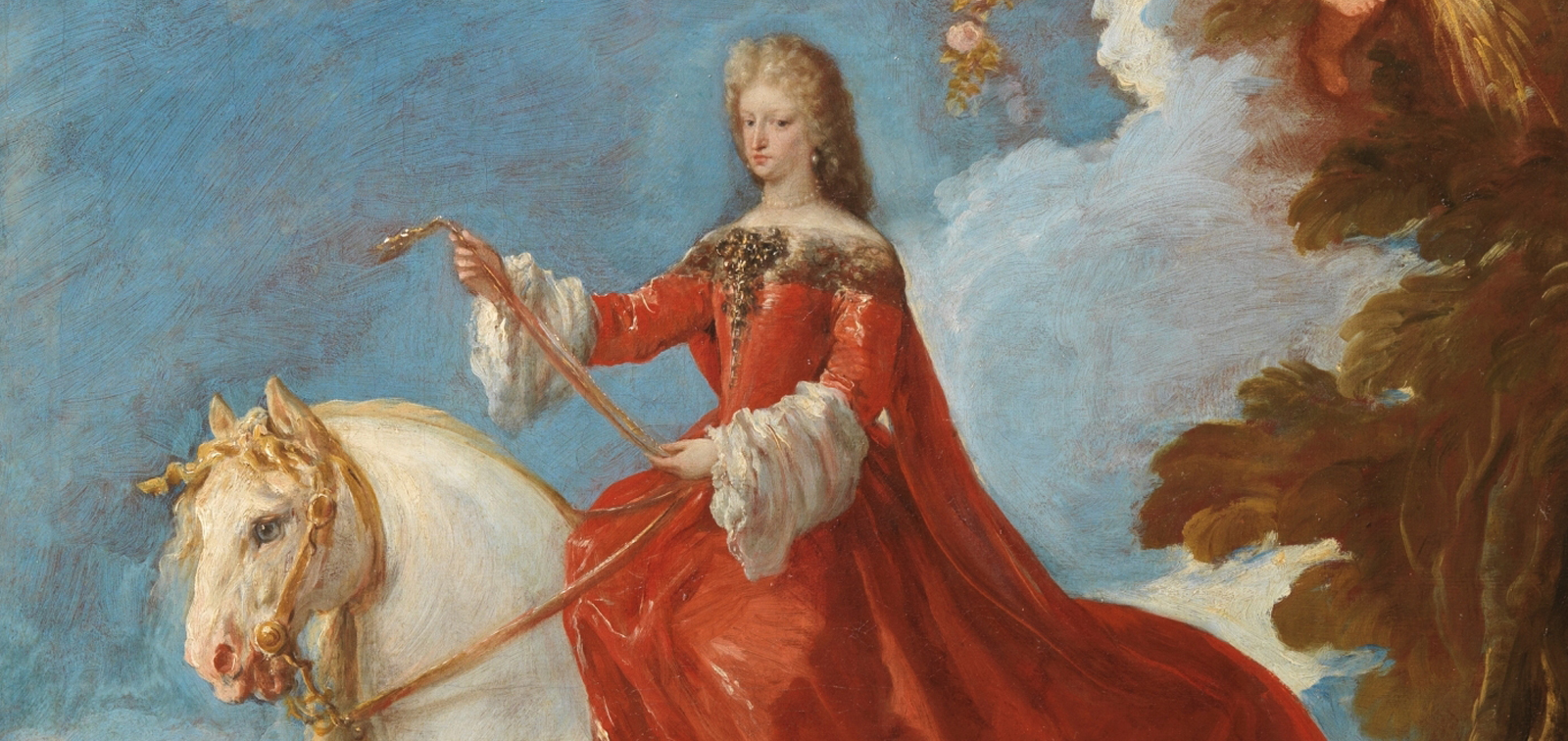
[Detalle de] Luca Giordano, Mariana de Neoburgo a caballo, 1793-94. Museo Nacional del Prado
Artistic Patrons: Female Patronage in the Masterpieces of the Prado Museum
February 21, 24, and 28, and March 6 and 9, 2024
Lecture cycle
Artistic Patrons: Female Patronage in the Masterpieces of the Prado Museum
February 21, 24, and 28, and March 6 and 9, 2024
The Prado is, most probably, the European museum where women have played the most decisive role in its creation and preservation, as well as in the formation of its collections. Artworks as representative as The Descent from the Cross by Roger van der Weyden, Charles V at Mühlberg by Titian, The Good Shepherd by Murillo, or Adam and Eve by Dürer, would not be part of the collections. Works as representative as The Descent from the Cross by Roger van der Weyden, Charles V at Mühlberg by Titian, The Good Shepherd by Murillo, or Adam and Eve by Dürer would not be part of the collections without the efforts of Mary of Hungary, Isabella Farnese, Christina of Sweden, and many other queens, regents, and rulers from European royal houses.
This lecture series brings us closer to some of the Prado Museum's masterpieces but, this time, they are analyzed from the perspective of their female artistic patrons. This approach will allow to explore the uses and functions assigned to these artworks, focusing our attention on aspects concerning devotion, affection, political ambition, or personal glory, that underlie in patronage that is now understood from a female perspective.
- Sponsored by:
-

- Schedule
- February 21, 24, and 28, and March 6 and 9, 2024, 6:30 pm (Spanish mainland time)
- Recipients
- University students, researchers, professionals, and general public
- Location
- Auditorium of the Prado Museum
- Direction
- Noelia García Pérez
- Organization
- Museo Nacional del Prado
- Amigos del Museo
- Tickets for Friends of the Museum
- In-person Attendance
- : Tickets available at the box office from 6:00 pm each day. In-person attendance is possible until full capacity is reached. The lectures will not be streamed live but recordings will be published.
- Contact
- centro.estudios@museodelprado.es
Program
2024
- Feb
- 21
18.30 hDevotional Painting and Female Imagination in the Renaissance
Juan Luis González (Autonomous University of Madrid)
The end of the Middle Ages brought a new type of participation in extra liturgical church life: the veneration of images in the domestic sphere. Meditating before images was an activity that particularly empowered women to pray as the Virgin Mary and the female saints had done before them experiencing, on occasion, visions before specific images that they recognized as miraculous representations of what they contemplated. The figuration of ecstatic vision thus constituted a mystical justification and defense of the internal iconic experience. Thanks to this kind of devotional paintings, queens and aristocrats, patrons and sponsors, were able to share time, space, and emotion with the narratives from sacred history, who as daughter of the Divine Word is, therefore, heiress of this art.
- Feb
- 24
18.30 hForging a Myth: Titian, Charles V, Mary of Hungary, and the Prado Museum
J. Rodríguez Salgado (The London School of Economics and Political Science/Oxford University)
Titian's equestrian portrait of Charles V at the Battle of Mühlberg has become an icon; one of the most emblematic images of power, extensively studied for its artistic value. However, there is no evidence that it was commissioned by the emperor, who did commission Titian to paint the leader of the enemy troops, John Frederick I of Saxony. Both works are in the Prado Museum along with other masterpieces that belonged to the emperor's sister, Maria of Austria, the widowed Queen of Hungary. This lecture contextualizes these portraits from the perspective of Queen Maria's political and military role, a great patron of the arts who used them to create a heroic image of the emperor and her own power.
- Feb
- 28
18.30 hThe Portrait Collections of the Women of the House of Austria (1523-1633): Uses, Functions, and Ways of Display
Noelia García Pérez (University of Murcia)
The women of the House of Austria played a crucial role in the production, display, and dissemination of state portraits in the Early Modern period. They were largely responsible for commissioning some of the most representative portraits of this dynasty, but more importantly, for granting them a decisive role by making them central in one of the new display spaces that will be consolidated during the Renaissance: the portrait galleries. The main goal of this lecture is to examine the creation and evolution of these pictorial ensembles that became a symbol of the identity and power of the Habsburg women while exploring the uses and functions underlying their patronage.
- Mar
- 6
18.30 hThe Altar of Queen Christina: Fortune and Mysteries of a Famous Work
Manuel Arias Martínez (Museo Nacional del Prado)
Among the pieces that were part of the exquisite sculptural collection of Queen Christina of Sweden, now displayed among the treasures of the Prado Museum, there is a marble altar decorated with an intriguing Dionysian relief. The piece has a long historiographical trajectory and enjoyed a significant graphic fortune becoming a reference for artists and scholars who observed it with interest and curiosity. This lecture is an opportunity to reconsider its importance, before and after it belonged to the selection of works collected by the Queen of Sweden, serves to understand its history better, and sheds new light on some unknown aspects surrounding this famous work that always fascinated those who viewed it.
- Mar
- 9
18.30 hMaria Anna of Neuburg and Luca Giordano: Equestrian Portrait and Other Works
Gloria Martínez Leiva (Independent Researcher)
In 1692, the “desired” Luca Giordano arrived in Madrid. Two years earlier, Queen Maria Anna of Neuburg had been received in the city as the new wife of Charles II. She made her triumphant entrance mounted on a white horse; a moment recreated by the painter in one of the most well-known portraits of the sovereign. This was not the only painting that united them, and during the time together, Luca Giordano became the Queen’s favorite painter, as it becomes evident by the various works she commissioned for her own enjoyment and for her relatives. This lecture will address the Neapolitan painter’s works in the Queen’s possession, the powerful image that the artist transmitted of her, and their close relationship.
Activity
Director: Noelia García Pérez
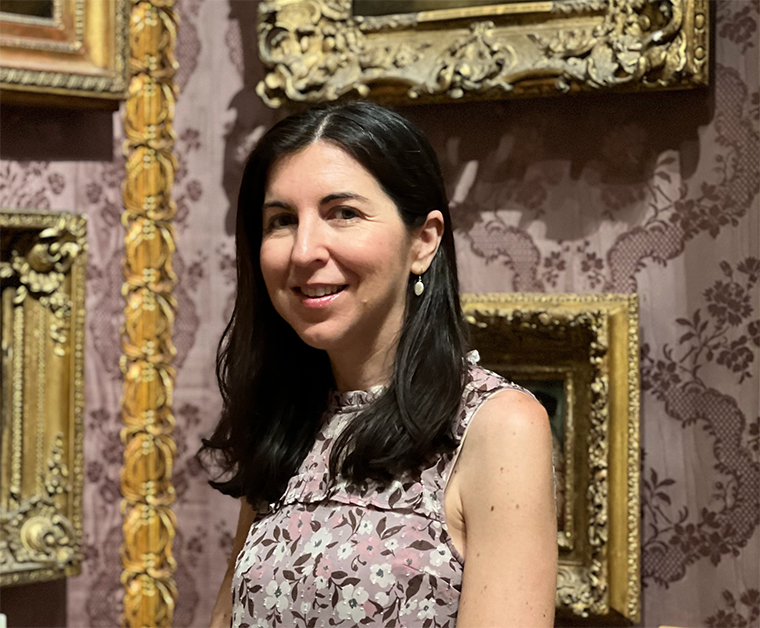
Noelia García Pérez
Noelia García Pérez is Professor of Art History at the University of Murcia. Her main research lines focus on female artistic patronage and the relationship between art, power, and gender in the Renaissance. She has extensively published on these topics in journals such as Women’s History Review, Early Modern Women: An Interdisciplinary Journal, Goya, The Book Collector, ARBOR, and Culture & History. Additionally, she is the author of monographs including Miradas de Mujeres: El Patronazgo Femenino y el Arte del Renacimiento and Arte, Poder y Género: El Patronazgo Artístico de Mencía de Mendoza (Nausicä, 2004). She has edited works such as Mary of Hungary, Renaissance Patron and Collector: Gender, Art and Culture (Brepols, 2020), Isabel la Católica y sus Hijas: El Patronazgo Artístico de las Últimas Trastámara (Editum, 2020), The Making of Juana de Austria: Gender, Art and Patronage in Early Modern Iberia (LSUP, 2021), Mujer y Retrato en el Renacimiento: Usos, Funciones y Formas de Exhibición (Silex, 2022), and Creating and Promoting the Public Image of Early Modern Women (Routledge, 2023). Since 2017, she has been the Director of the Art, Power, and Gender Conference. She is the lead researcher in two projects: Portrait Medals and Female Power in Renaissance Europe (I): The Women of the Hispanic Monarchy (2021-2024), and Power, Gender, and Representation: Female Portrait Medals at the Renaissance Courts in Europe (2023-2026). She currently collaborates with the Prado Museum on research, symposia, and publications related to the thematic route El Prado en Femenino: Promotoras Artísticas de las Colecciones del Museo.
Juan Luis González García
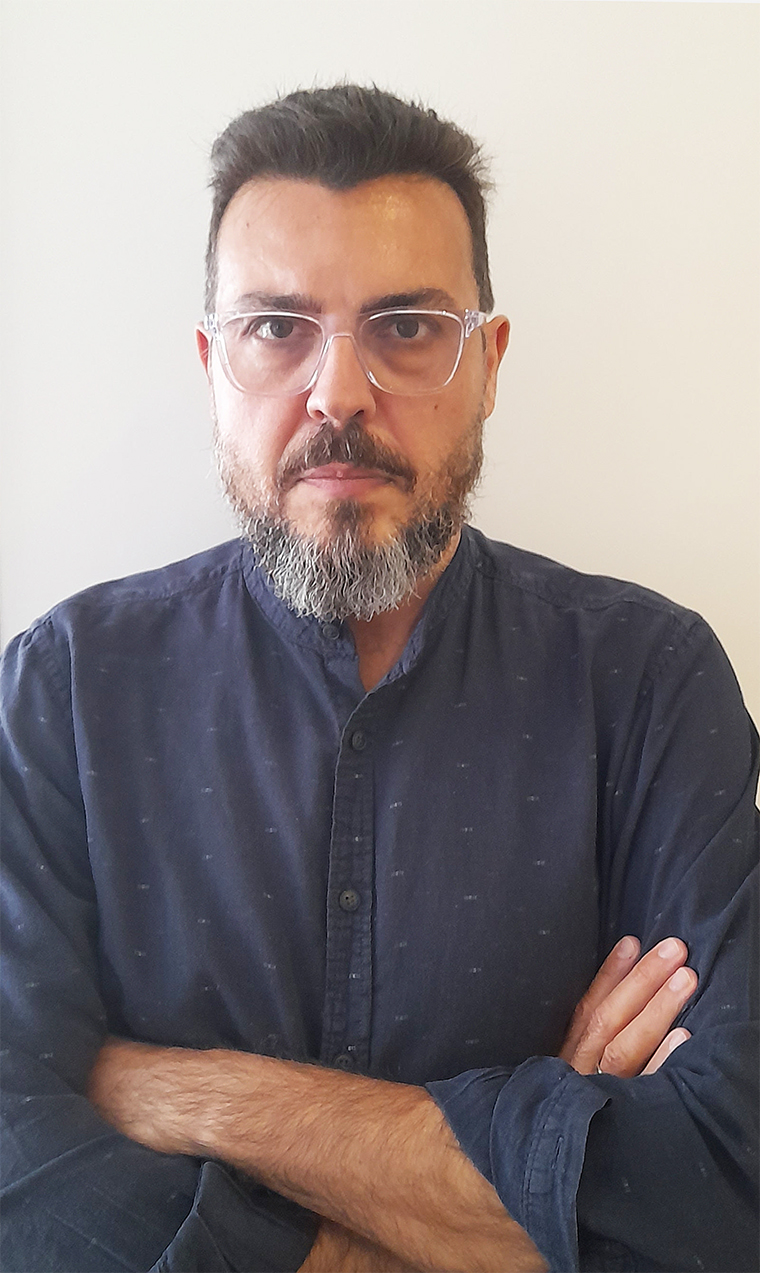
Juan Luis González García
Juan Luis González García is an Associate Professor in the Department of History and Theory of Art at the Autonomous University of Madrid. He curated the exhibition Extraña Devoción: De Reliquias y Relicarios (Museo Nacional de Escultura, 2021), and his research focuses on courtly collecting and the connections between art and devotional practices in the Spanish Renaissance and Baroque, topics to which he dedicated, among other publications, his book Imágenes Sagradas y Predicación Visual en el Siglo de Oro. He currently co-head researcher in the project Coadjutores: Artistas e Ideas Migrantes en la Globalización Ibérica [CoMArtis], which explores the networks of artisans, teachings, and the treatises of the Jesuit Order during the Early Modern period.
M. J. Rodríguez Salgado
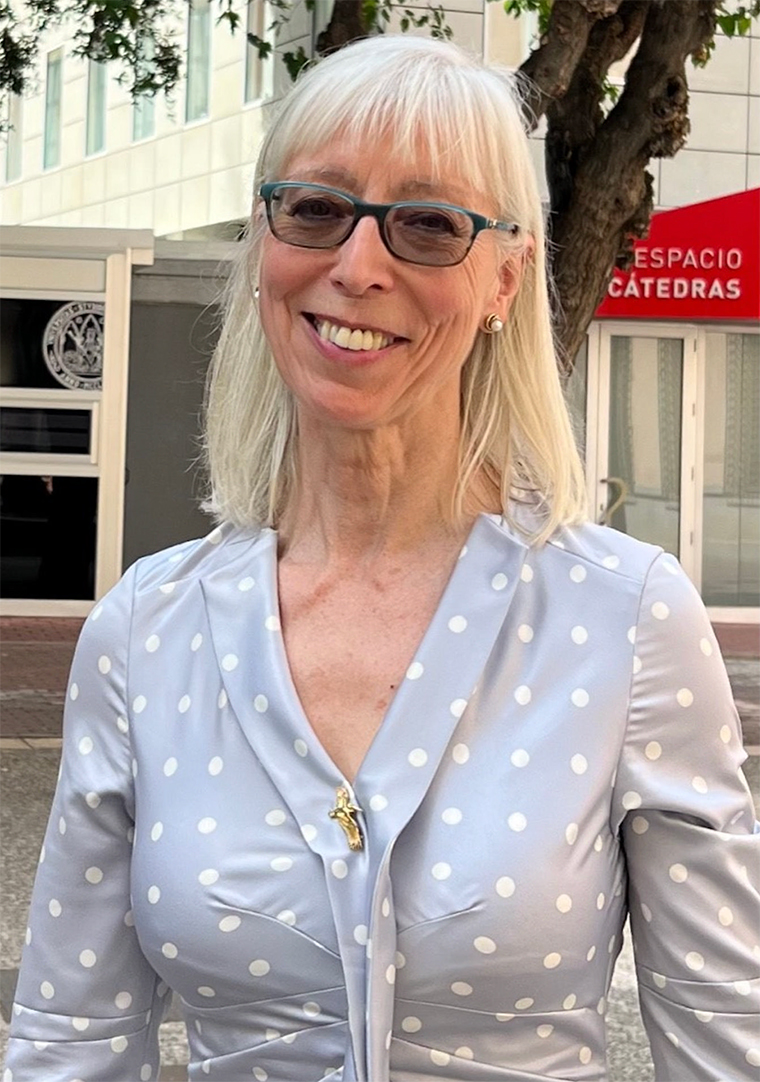
M. J. Rodríguez Salgado
J. Rodríguez Salgado is Emeritus Professor of International History at the London School of Economics, Associate Member of the History Faculty at Oxford University, Corresponding Member of the Royal Academy of History, and Fellow of the Royal Historical Society. She taught at the universities of St Andrews, Newcastle-Upon-Tyne, and, from 1985, the London School of Economics and Political Science. Her research and publications on the modern period cover International History, especially diplomatic relations between Christians and Muslims and between Catholics and Protestants, and issues of identity. She has also studied the courts of Charles V and Philip II, with a particular interest in highlighting the political and artistic roles of women in the Spanish Monarchy.
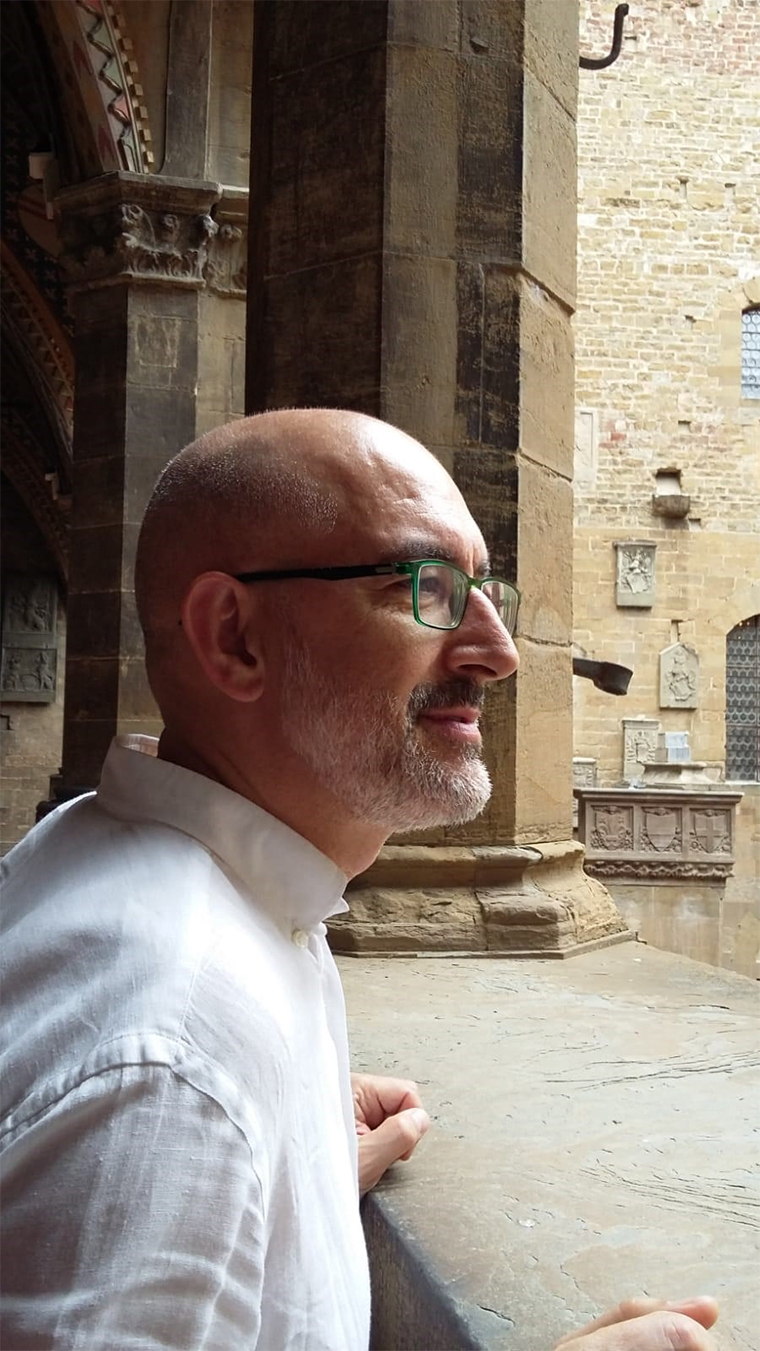
Manuel Arias Martínez
Manuel Arias Martínez is Head of the Sculpture Department at the Prado Museum. He had a PhD in Art History from the University of Valladolid. In 1992, he joined the School of Museum Conservators. He served as Deputy Director of the Museo Nacional de Escultura in Valladolid from 1993 to 2021, when he joined the Prado Museum. Since 2008, he has been a full member of the Royal Academy of Fine Arts of La Purísima Concepción in Valladolid. His main research focuses on Renaissance and Baroque sculpture, with special attention to the study of classical sculpture sources and the circulation of graphic models. He has studied the works of prominent Spanish sculptors and published monographs such as Alonso Berruguete: Prometeo de la Escultura (Palencia, 2011) and Gaspar Becerra en España: Entre la Pintura y la Escultura (Astorga, 2020). He has curated exhibitions like Hijo del Laocoonte: Alonso Berruguete y la Antigüedad Pagana en el Museo Nacional de Escultura. Amongst other fields in Art History, he also works in collectorship, patronage, relics and their containers.
Gloria Martínez Leiva
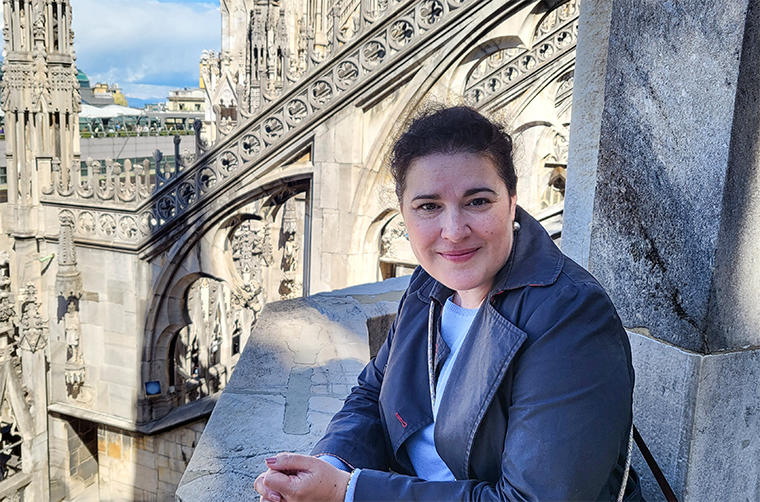
Gloria Martínez Leiva
Gloria Martínez Leiva has a PhD in Art History from the Complutense University of Madrid. She is an expert on the figure of Maria Anna of Neuburg who was the second wife of King Charles II. She has recently published the book Mariana of Neoburg: Last Queen of the Austrias. Life and Artistic Legacy (Madrid, CEEH, 2022). Her research has also focused on Spanish royal collections during the seventeenth century, and she has published numerous scholarly articles on the subject. She has two co-authored books focused on royal inventories: Quadros y otras cosas que tiene Su Majestad Felipe IV en este Alcázar de Madrid. Año de 1636 (Madrid, Fundación Universitaria Española, 2007) and El Inventario del Alcázar de Madrid de 1666: Felipe IV y su colección artística (Madrid, Editorial Polifemo and CSIC, 2015). She has worked at various cultural institutions such as Patrimonio Nacional and Fundación Universitaria Española and for over ten years she has been the Director of InvestigArt, a platform dedicated to historical and artistic research.