
Loading...
Leïla Slimani
That Simple Mystery: Storytelling
Leïla Slimani
A conversation between author Leïla Slimani and Valerie Miles
Tuesday, May 5, 2026
Conversation
That Simple Mystery: Storytelling
That Simple Mystery: Storytelling
Leïla Slimani
A conversation between author Leïla Slimani and Valerie Miles
Tuesday, May 5, 2026
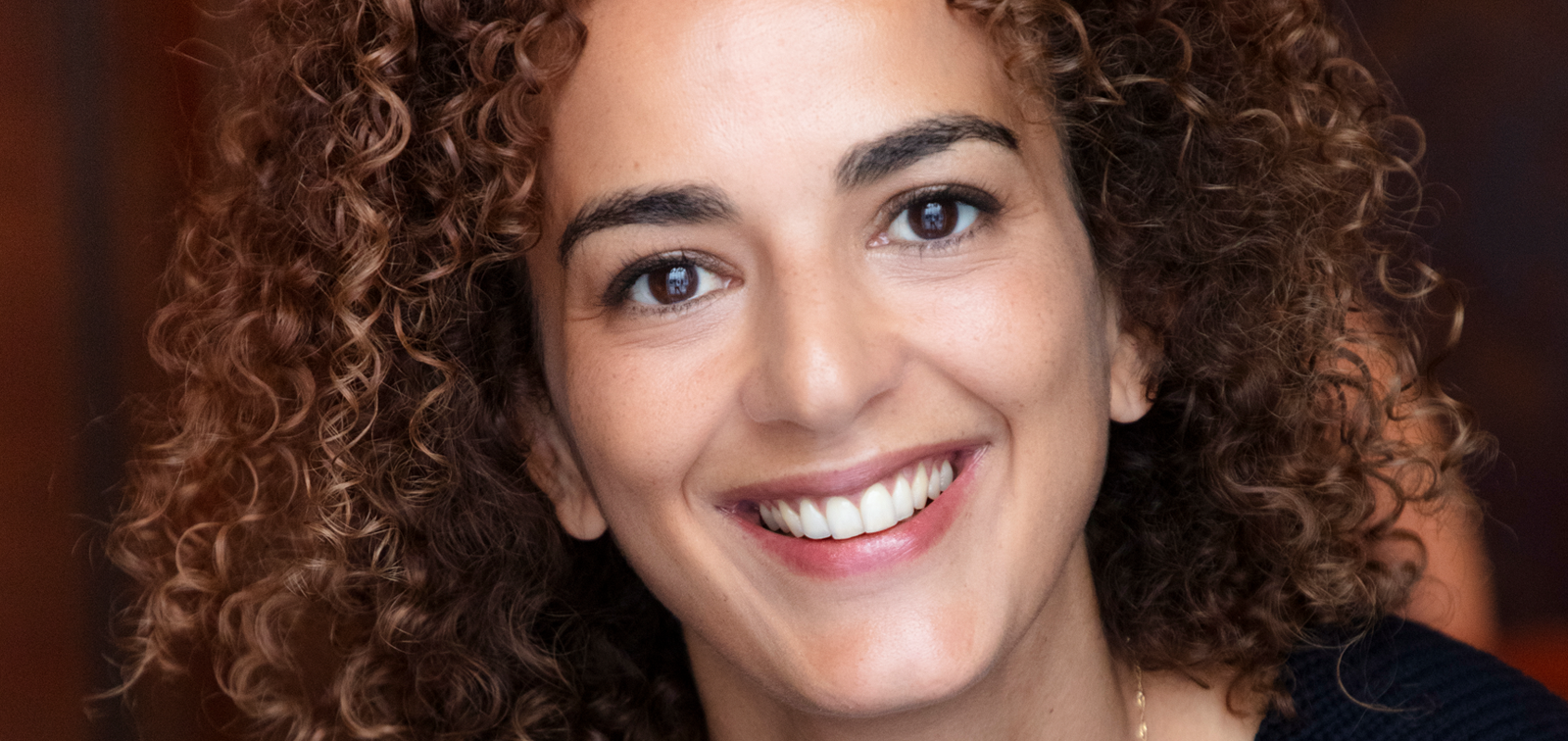
The International Literary Residency "Writing the Prado" program, sponsored by the Loewe Foundation and held at the Museo del Prado, includes a conversation with the writer currently in residence. This session, open to the public, allows attendees to dive into the work of the author in residence, to listen to their thoughts, and to follow a conversation during which the writer shares opinions and creative experiences with their interviewer. John Coetzee, Chloe Aridjis, Olga Tokarczuk, John Banville, and Helen Oyeyemi are the program’s previous authors in residence; this time around, Francophone Moroccan writer and journalist Leïla Slimani is the author in question. Slimani, who has received important awards (among them the Goncourt Prize in 2016 and the Llibreter in 2021), was the editor of the magazine Jeune Afrique between 2008 and 2012 and is the author of critically acclaimed best-selling novels. Slimani will talk with Valerie Miles, editor of Granta in Spanish, about her writing, her approach to art, and the influence of art on her literary work.
This conversation is part of the “Writing the Prado” program. This literary residency is of special interest, aiming to ensure that the writer in residence stays in close contact with the paintings, sculptures and objects housed at the Museo del Prado as well as with the Museum’s team. The program, which has included well-established authors of essential works, features other writers of international prestige whose publications will also surely leave a lasting impact on literature.
The event will be broadcast live on our YouTube channel.
- Sponsored by:
-
- With the collaboration of:
-
- Schedule
- Tuesday, May 5, 2026, 6:30 p.m.
- Location
- Auditorium, Museo del Prado
- Seat reservations
- Attendance is contingent on having a ticket. Tickets may be picked up free of charge at the Museum's ticket office Number 1 on the day of the conversation, May 5, as of 6 p.m.
- Seat reservations
- English with simultaneous interpretation into Spanish
- Live streaming
Live streaming on our YouTube channel
Multimedia


Writing the Prado
Activity
Mathias Énard
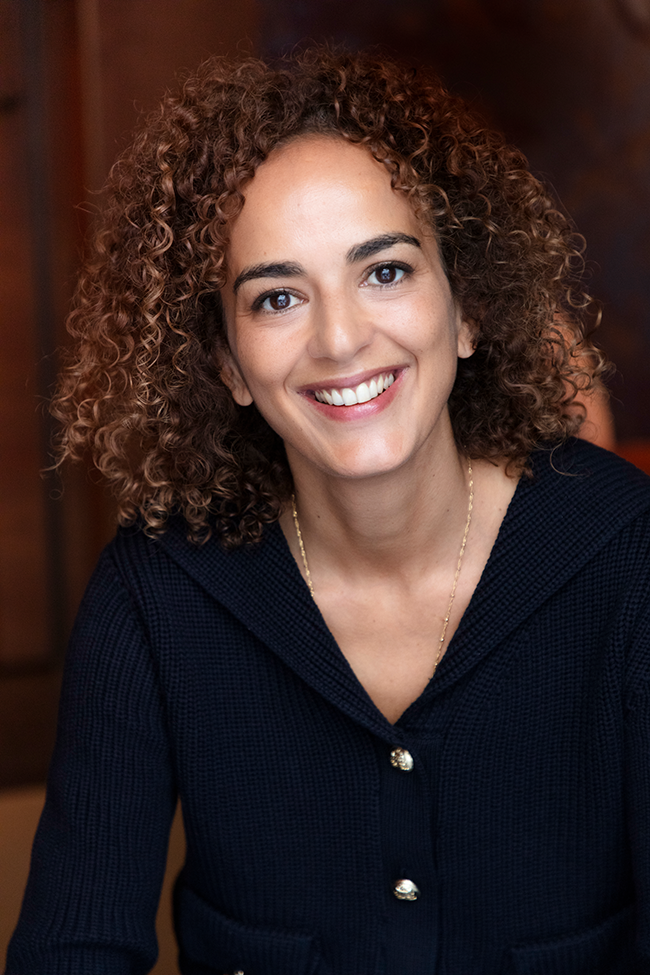
Leïla Slimani
Leïla Slimani (Rabat, 1981) was editor of the magazine Jeune Afrique between 2008 and 2012. In 2014, she published her first novel in France, Dans le jardin de l'ogre (in English Adele: A Novel) which was acquired by a production company for film adaptation. The novel, which addresses female sexual addiction, was greatly acclaimed by critics. Short-listed as one of the five finalists for the Flore award, the work received the 6th La Mamounia prize in 2015; La Mamounia honors exceptional novels written in French by Moroccan authors. She was the first woman to receive it. Her second novel, The Perfect Nanny, won the Prix Goncourt in 2016. Both novels have been published in Spanish in translations by Malika Embarek. The titles published in Spanish are The Perfect Nanny (2017), Adele: A Novel (2019), Sex and Lies (2018), and In the Country of Others (2021). In 2017 Slimani received the Golden Out Award for speaking out against the banning of homosexuality in Morocco and control over women's bodies.
Writing the Prado. International literary residency sponsored by the Loewe Foundation
With the aim of promoting excellence in artistic creation, inspiring and encouraging experimentation and interaction between the creative languages of literature and the visual arts, the museum provides a temporary haven for working authors through the Writing the Prado programme, sponsored by the Loewe Foundation. Every year since 2023, the Museo Nacional del Prado invites two internationally acclaimed writers to spend between three weeks and two months at the museum. They are given a workspace and access to workshops, library, art galleries and areas normally reserved for museum personnel. This allows them to have daily contact with curators, conservators, experts, restorers, administrators and other staff and, of course, visitors.