
Loading...
The Female Perspective II
31 May, 7, 14 and June 28, 2024
Film Cycle
The Female Perspective II
31 May, 7, 14 and June 28, 2024
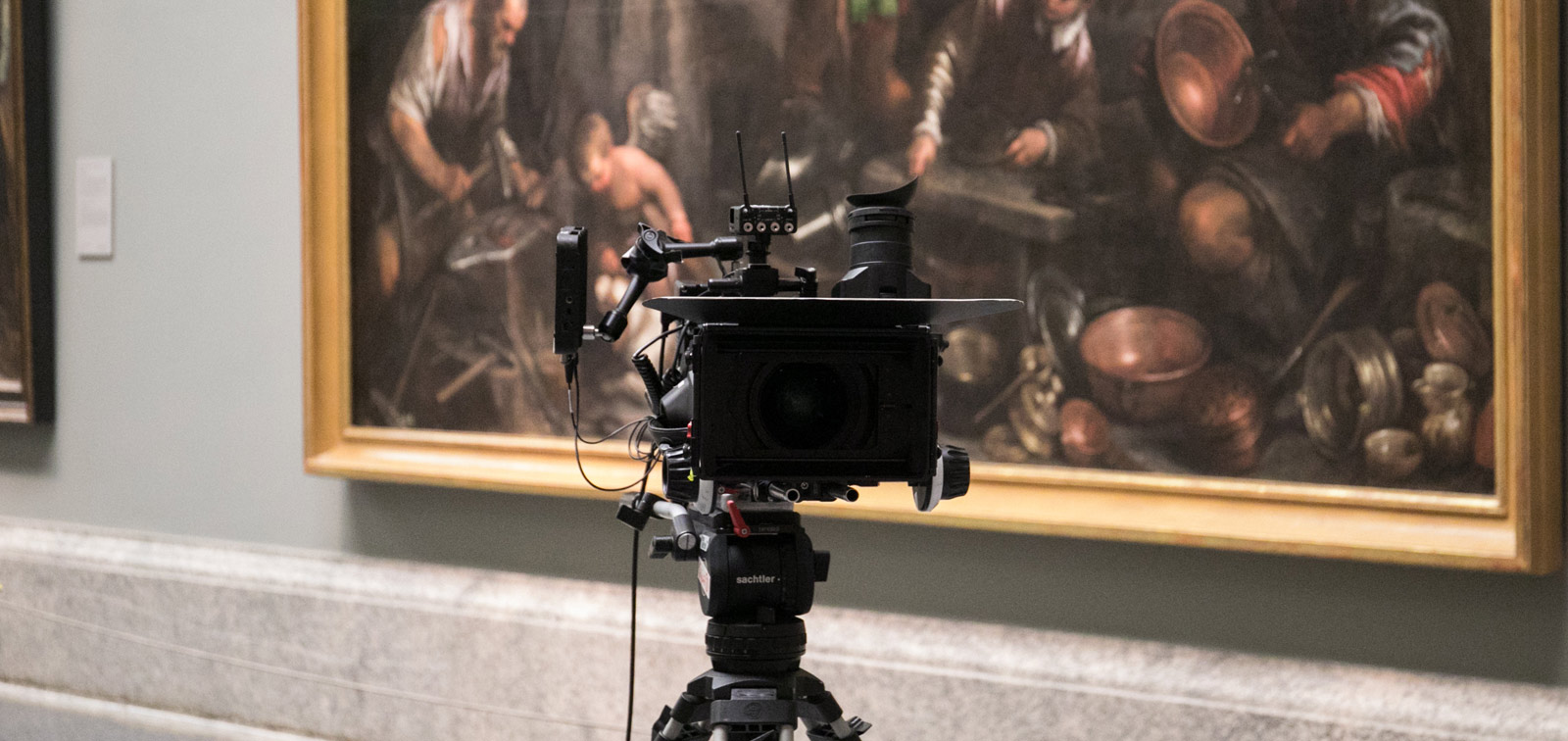
History and art have been an important source for cinema and have been an inspiration for some of the most interesting and captivating film stories.
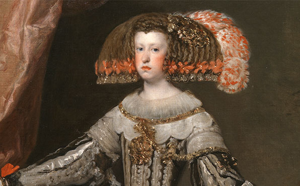
The eventful lives of the protagonists of this edition of The Female Perspective, that include some of the most powerful and influential women of the seventeenth century, have been the subject of multiple cinematographic productions where history and fiction are masterfully combined to bring us closer to the figures of Christina of Sweden, Anna of Austria, Elisabeth of Bourbon or Mariana of Austria. This film series brings us the opportunity to discover classical movies like Queen Christina (1993), key pieces of Spanish cinematic history such as The Dumbfounded King (1991) or recent releases like Les Trois Mousquetaires: D’Artagnan (2023). The last screening will be the premiere of the short film The Painting, a documentary directed by Michéle Lemieux inspired in the portrait of Mariana of Austria painted by Velázquez. After each movie, cinema and art specialists will establish a brief discussion around it. These will be lead, among others, by Miguel Falomir, Rafael Narbona, Elsa Fenández-Santos, Isabel Durante, Estrella de Diego, and Silvia Mitchell.
- With the collaboration of:
-

- Schedule
- May 31, and June 7, 14, 28, 2024, 17 pm
- Location
- Auditory
- Capacity
- Limited
- Price
- Free with entrance ticket
Program
2024
- May
- 31
17.00 hRouben Mamoulian, R. (1933), Queen Christina
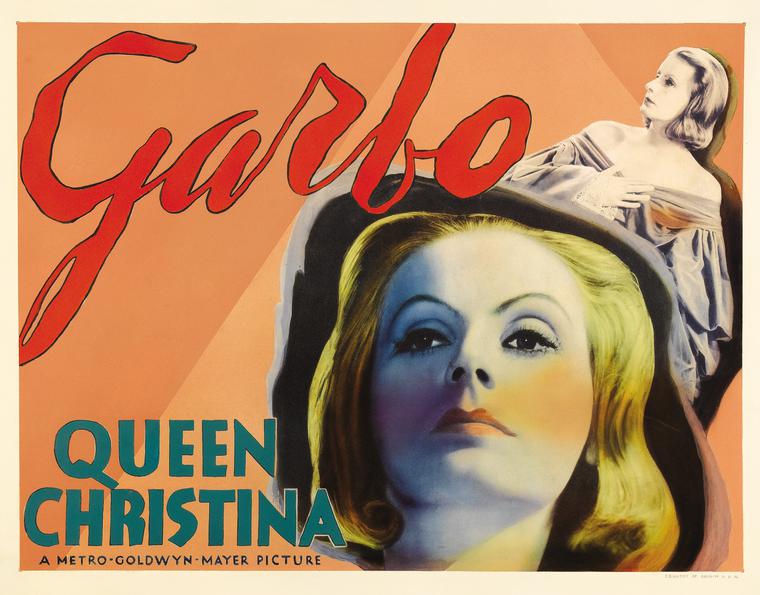
Talk lead by: Miguel Falomir, Director of Prado Museum, and Rafael Narbona, writer and critic
- Jun
- 7
17.00 hBourboulon, M. (2023) Les Trois Mousquetaires: D’Artagnan
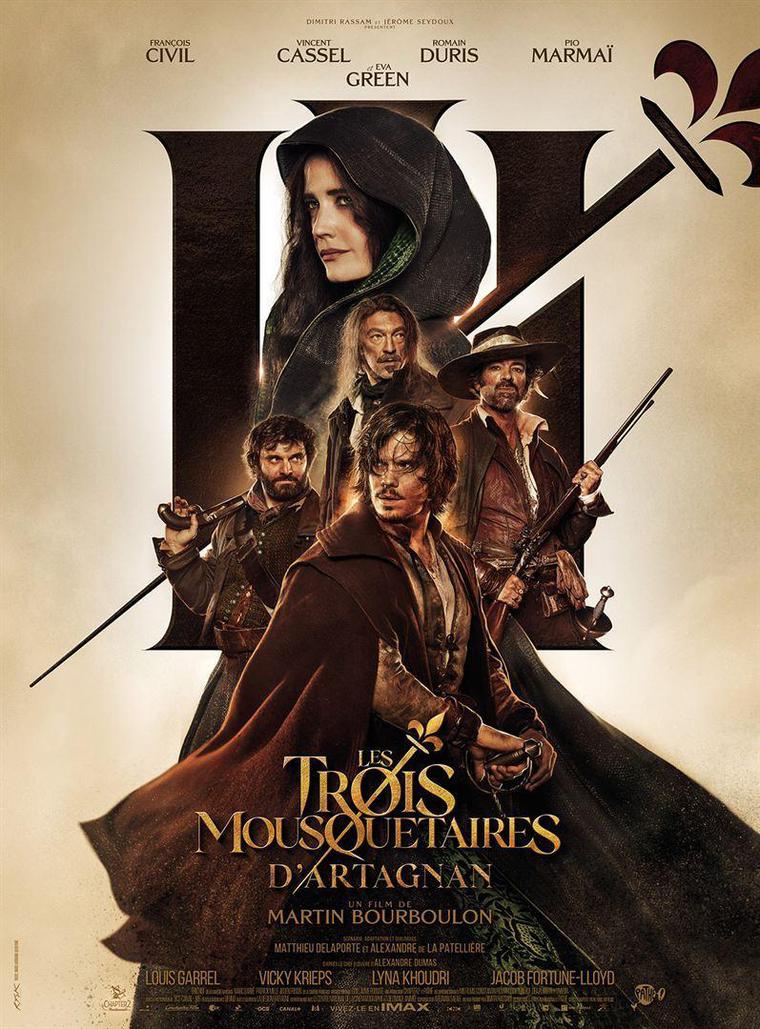
Talk lead by: Isabel Durante, University of Murcia, and Fernando Sanz, University of Zaragoza
- Jun
- 14
17.00 hUribe, I. (1991) The Dumbfounded King
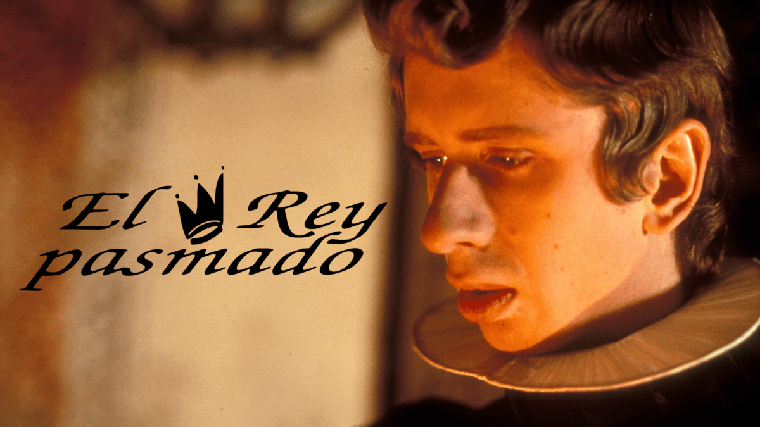
Talk lead by: Elsa Fernández-Santos, journalist and art critic in El País, and Alejandra Franganillo, Complutense University of Madrid
- Jun
- 28
17.00 hLemieux, M. (2023) The painting
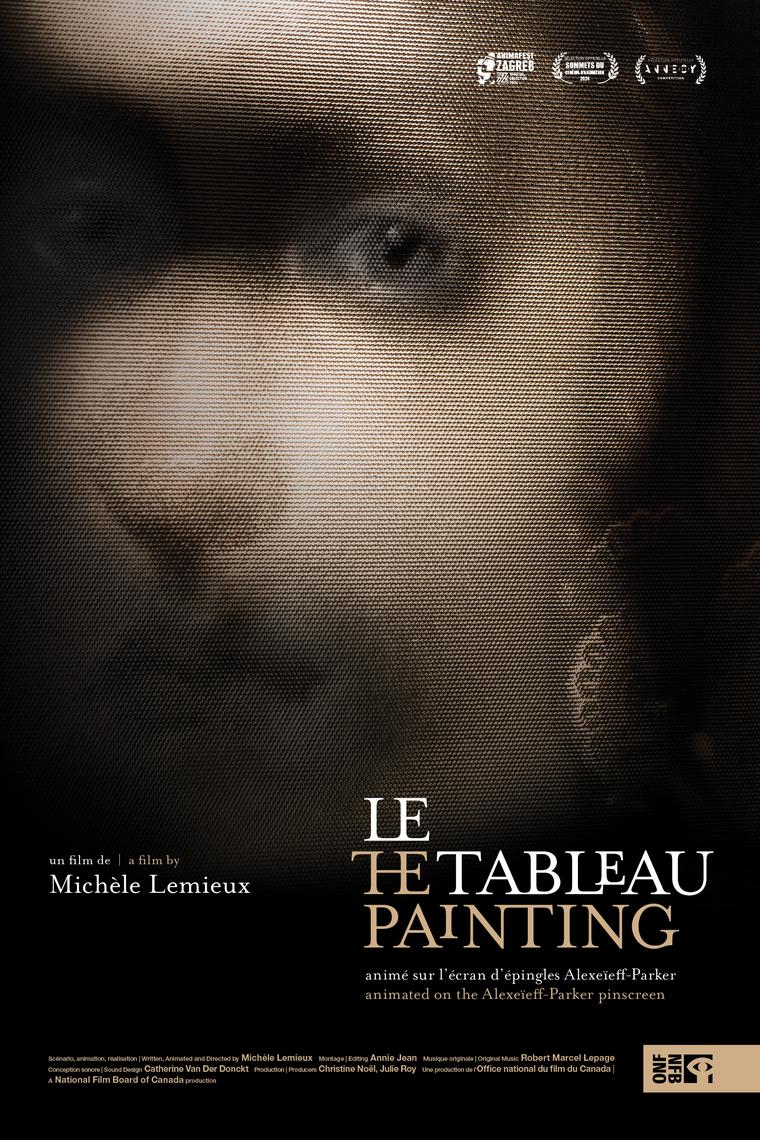
Talk lead by: Estrella de Diego, Complutense University of Madrid, Silvia Mitchell, Purdue University, and Michèle Lemieux, screenwriter, illustrator and director.


Activity
Miguel Falomir
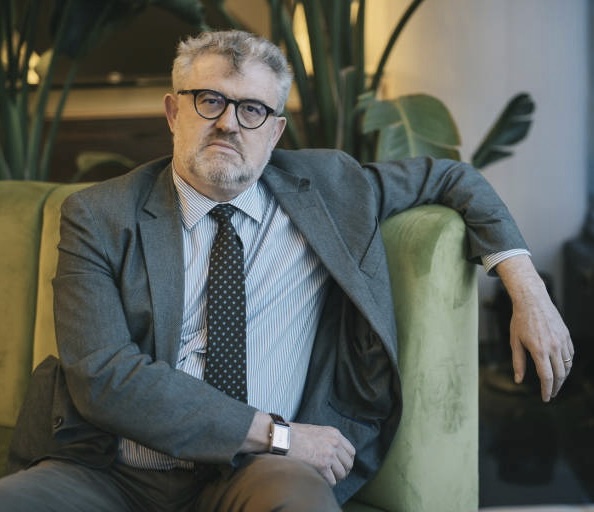
Miguel Falomir
Miguel Falomir is the Director of the Prado Museum. He previously held the positions of Head of the Department of Italian and French Painting (1997-2015) and Associate Director of Conservation and Research (2015-2017). From 2008 to 2010, he was the Andrew Mellon Professor at the Center for Advanced Study in the Visual Arts at the National Gallery of Art in Washington DC. He is a member of the Comitato Scientifico of the Fondazione Tiziano in Pieve di Cadore (Italy). He has been a Visiting Professor at the University of Udine in Italy and UCLA in the United States. In 2008 he received the Harvard’s I Tatti Morgan Award for his outstanding achievements in the field of conservation. He has curated numerous exhibitions organized by the Prado Museum including From Tiziano to Bassano. Venetian Masters from the Museo del Prado (Museu Nacional d’Art de Catalunya, Barcelona, 1997), Una obra maestra restaurada. El lavatorio de Jacopo Tintoretto (2000), Los Bassano en la España del Siglo de Oro (2001), La restauración de El emperador Carlos V, a caballo, en Mühlberg de Tiziano (2001), Titian (2003), Tintoretto (2007), The Renaissance Portrait (2008), Late Raphael (2012), The "Furias": Political Allegory & Artistic Challenge (2014), Lorenzo Lotto. Portraits (2018), and Mythological Passions, curated with Alejandro Vergara (2021).
Rafael Narbona
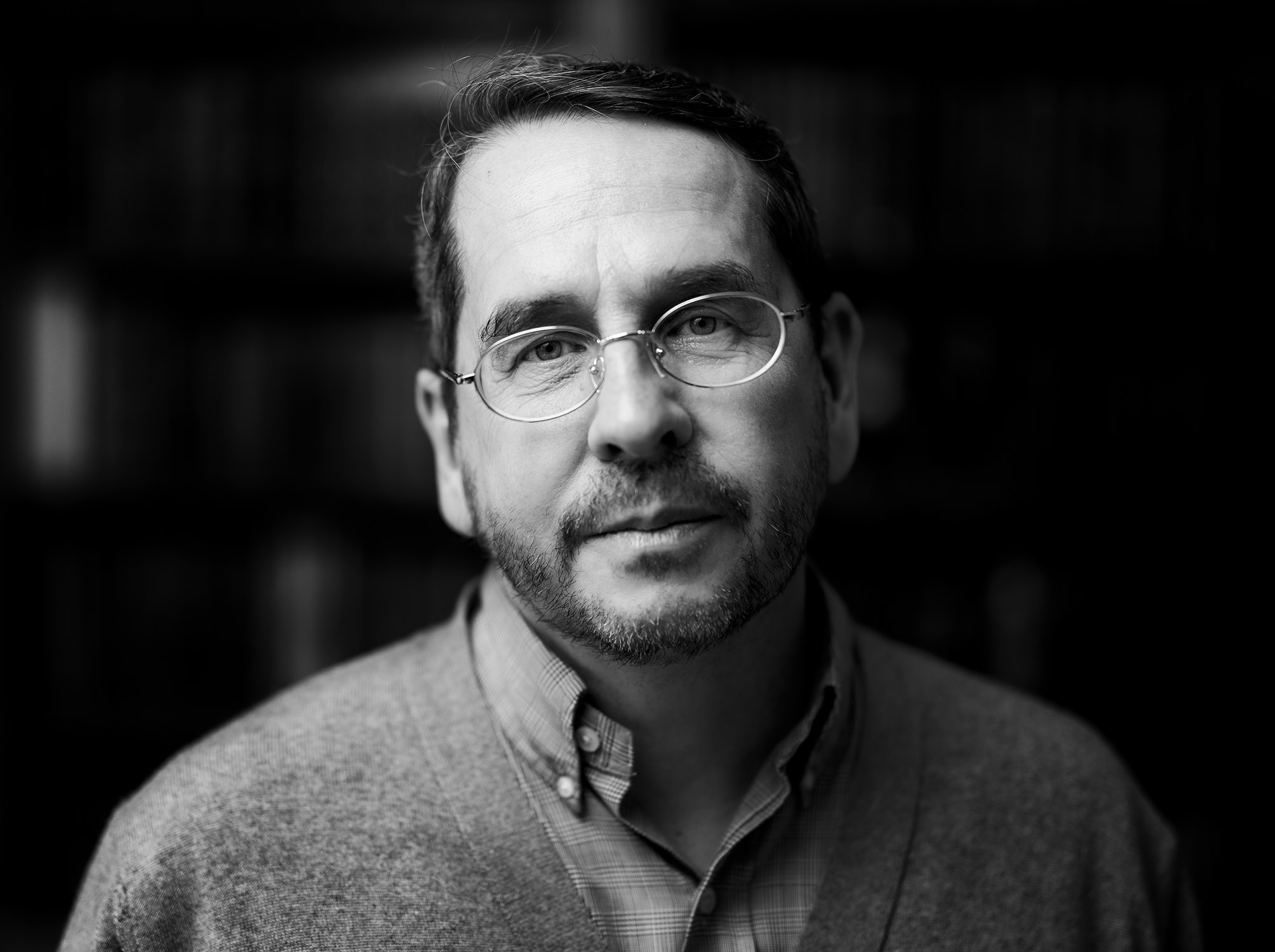
Rafael Narbona
Rafael Narbona has a Bachelor of Arts in Philosophy and Education Sciences from the Complutense University of Madrid. He has taught in philosophy, and he is now one of the most renowned literary critics and cultural journalists in Spain. Since 2000, he has been a regular contributor to El Cultural and Revista de Libros, devoting himself to literary criticism, but he has also written about film, music, art, and comics. He has published in Quimera, Letras Libres, Cuadernos Hispanoamericanos, Turia, Claves de Razón Práctica, and Revista de Estudios Orteguianos. He currently runs two blogs: Entreclásicos and Viaje a Siracusa. Narbona published his first book in 2013. Since then, he has published other titles such as Miedo de ser dos (2014), El sueño de Ares (2015), Peregrinos del absoluto (2020), El coleccionista de asombros (2021), Retrato del reportero adolescente (2021), Ira (2022), and Maestros de la felicidad (2023) in which he takes a tour through the history of philosophy.
Isabel Durante
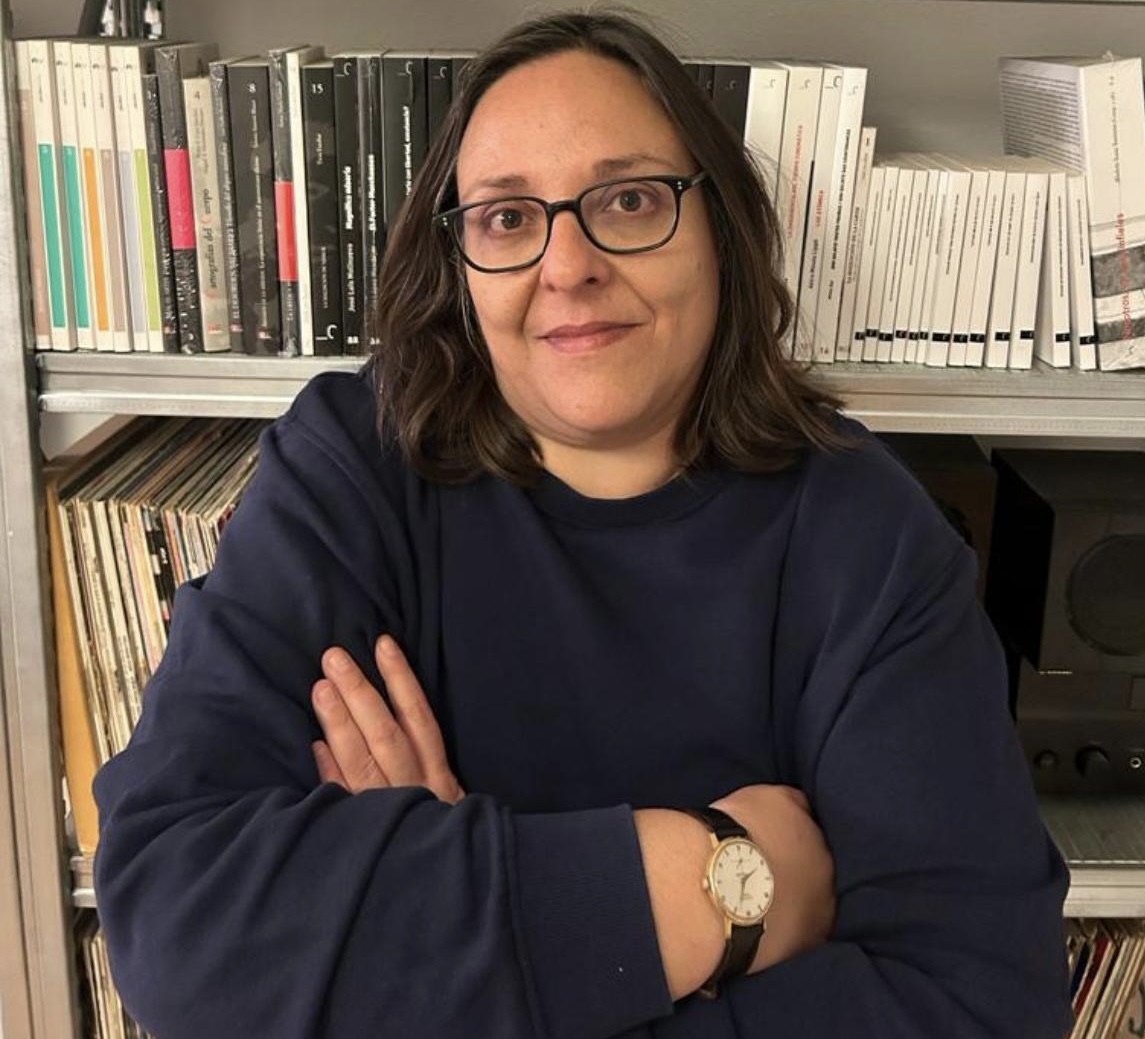
Isabel Durante
Isabel Durante has a PhD in Art History, and she is a Lecturer of the Department of Art History at the University of Murcia. Her lines of work focus on contemporary practice and thought and on the history of cinema. She is especially interested in the analysis of cinema as a political tool and in ideological construction. Some of her publications are La creación del mito de La Manga del Mar Menor a través de la promoción turística de NO-DO (Cuadernos de turismo, 2019) or the book Cine oficial y vanguardia pictórica. Pablo R. Picasso, Joan Miró y Salvador Dalí a través de NO-DO (Cendeac, 2020). She has also participated in major works such as the Diccionario Enciclopédico de Cine Iberoamericano (SGAE, 2011). She has curated numerous projects with the curatorial collective 1erEscalón. She has curated many exhibitions in different Spanish institutions. She wrote the script for the short film Los sueños dormidos and directed the documentary Domingo Valdivieso (Fundación Integra, 2024). Since 1999, she has been a film critic in Onda Cero.
Fernando Sanz
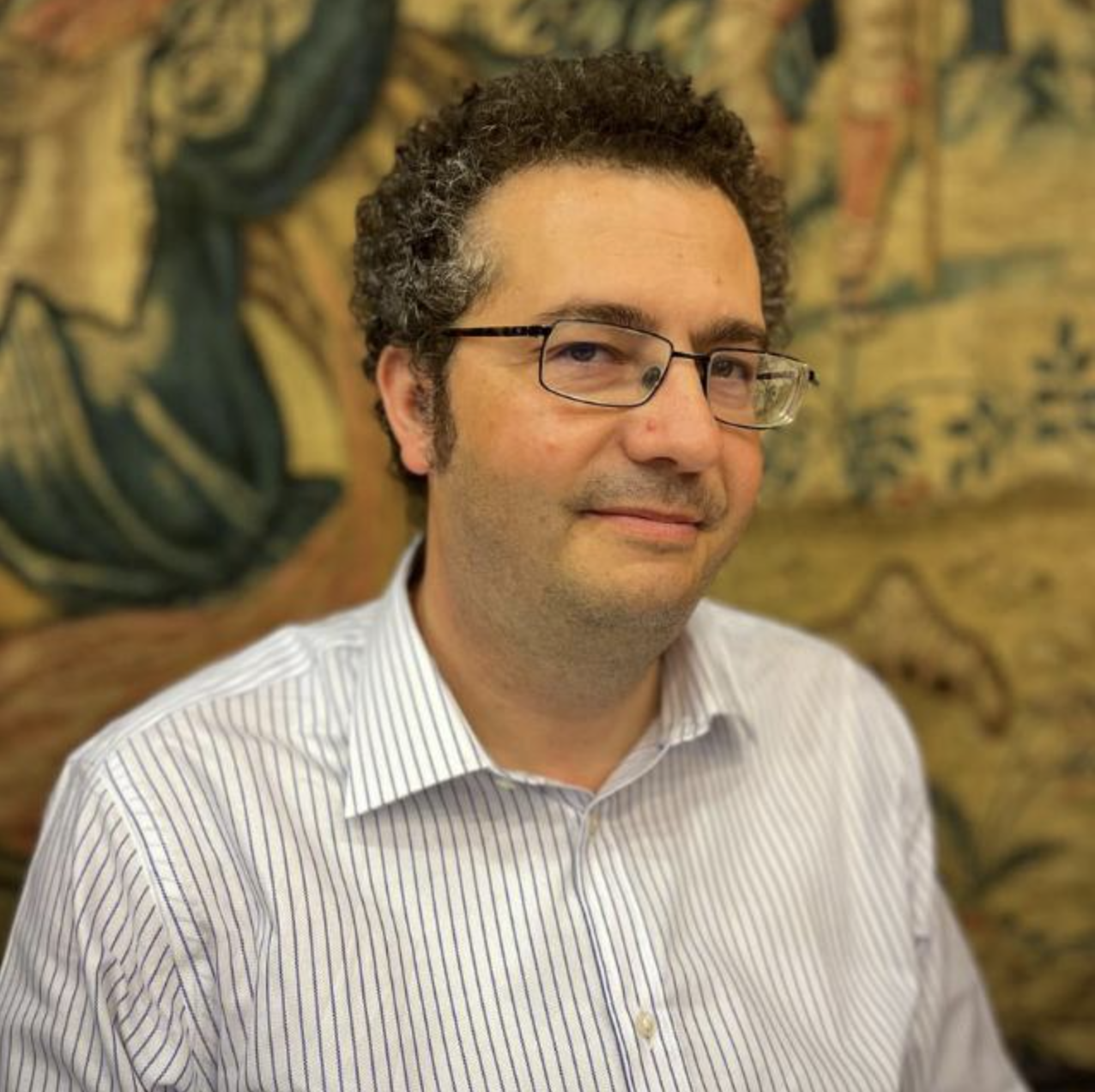
Fernando Sanz
Fernando Sanz is a Lecturer in the Department of Art History at the University of Zaragoza. He is a specialist in the history of cinema. He has worked in the field of Spanish cinema during the Franco regime and the transition. This research resulted in his doctoral thesis entitled Catolicismo y cine en España (1936-1957) that was published by the Institución Fernando el Católico. This study was awarded in 2013 the Film-Historia award from the University of Barcelona. He has also developed a line of research around the presence and treatment of Francisco de Goya in the audiovisual field with Francisco Javier Lázaro Sebastián. The main result of this collaboration was the book Goya en el audiovisual published by Ediciones de la Universidad de Zaragoza. He is the author of many publications, book chapters, and academic articles. He has participated in numerous scientific conferences focused on cinema, and he has collaborated in many Aragonese film festivals.
Elsa Fernández-Santos

Elsa Fernández-Santos
Elsa Fernández-Santos has been a cultural journalist for the newspaper El País for over twenty years. She is a film critic for this newspaper, as well as a columnist for the magazines Icon and S Moda. She is a contributor to the program Historia de nuestro cine. Throughout her career, she has authored articles for other magazines such as El Estado Mental, Vogue, and Harper’s Bazaar. She is a regular contributor to the Lafuente Archive and has curated four exhibitions on counterculture and the 1970s in Spain: Vicios modernos. Ceesepe, 1973-1983 (La Casa Encendida, Madrid), Esto no es Hawaii (Palacete del Embarcadero, Santander), Ouka Leele. Supernova (PhotoEspaña, Madrid), and El ojo errante, 1975-1987 (Museo Lázaro Galdiano, Madrid). She is the author of the illustrated story La bombilla and Entrevistos. Manolo Blahnik, an interview with the famous designer. He received the Paco Rabal Award to journalism for the report “La revancha de los secundarios” published in El País Semanal.
Alejandra Franganillo
Alejandra Franganillo
Alejandra Franganillo is a Lecturer in the Department of Modern and Contemporary History at the Complutense University of Madrid. Her doctoral thesis was dedicated to the study of patronage and the socio-political strategies developed by the nobility that operated in the closest environment to queen Elisabeth of Bourbon (1621-1644). It was published in CSIC’s Historia collection (A la sombra de la reina. Poder, patronazgo y servicio en la Corte de la Monarquía Hispánica, 2020). Between 2015 and 2017, she worked as a postdoctoral researcher at the Escuela Española de Historia y Arqueología in Rome (EEHAR-CSIC). Subsequently she enjoyed the postdoctoral contract Atracción del Talento Investigador from the Community of Madrid. Currently, her lines of research focus on the study of the political and diplomatic agency of European female elites with the purpose of offering a new interpretation of the relations established with the Spanish Monarchy. Since September 2022, she has been the head researcher in the project funded by the Community of Madrid Élites y agency femenina al servicio de la Monarquía Hispánica (siglos XVI y XVII). (ELITFEM), ref. PR27/21-024. She has recently edited the volume Early Modern Women’s Mobility, Authority and Agency across the Spanish Empire with Anne Cruz published by Amsterdam University Press (2024).
Estrella de Diego
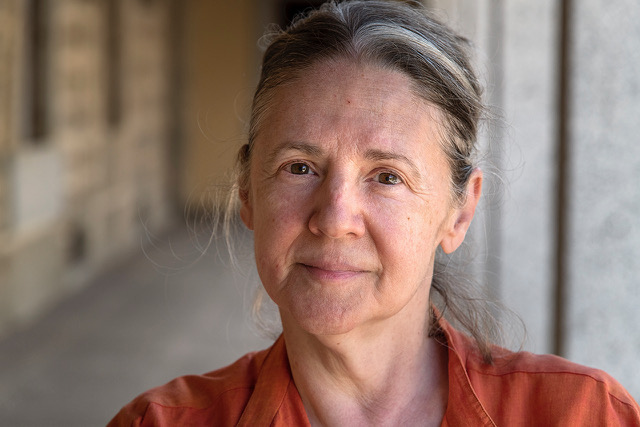
Estrella de Diego
Estrella de Diego is a writer and a Professor in Art History at the Complutense University of Madrid. She is a member of the Real Academia de Bellas Artes de San Fernando in Madrid. She was Professor of Spanish Civilization at the KJCC in New York University and the XIII Luis Ángel Arango International Art Professor in the Banco de la República in Bogotá. She has been a Ford Foundation Researcher-Professor at the University of Illinois in Urbana-Champaign, and Ida Cordelia Beam Distinguished Professor at the University of Iowa. She has been patron of the Reina Sofía Museum, the Fundación Carolina, the Fundación General de la Universidad Complutense de Madrid, and the Academia de España in Rome. She is a patron of the Instituto Cervantes, the Fundaciò Gala Salvador Dalí, the Fundación ARCO, and the Prado Museum, where she is also a member of its Permanent Commission. She has given talks in many Spanish and international institutions, universities, and museums. She is the author of numerous books and research papers and has curated many exhibitions. She has been awarded the XI Journalism Prize in Reading by the Sánchez Ruiperez Foundation. In 2011, she received the Gold Medal for Merit in Fine Arts for her work as a writer and researcher. She is a regular contributor to the newspaper El País and her latest books are El Prado inadvertido (Anagrama, 2022), and El proyecto Picasso (2023).
Michèle Lemieux
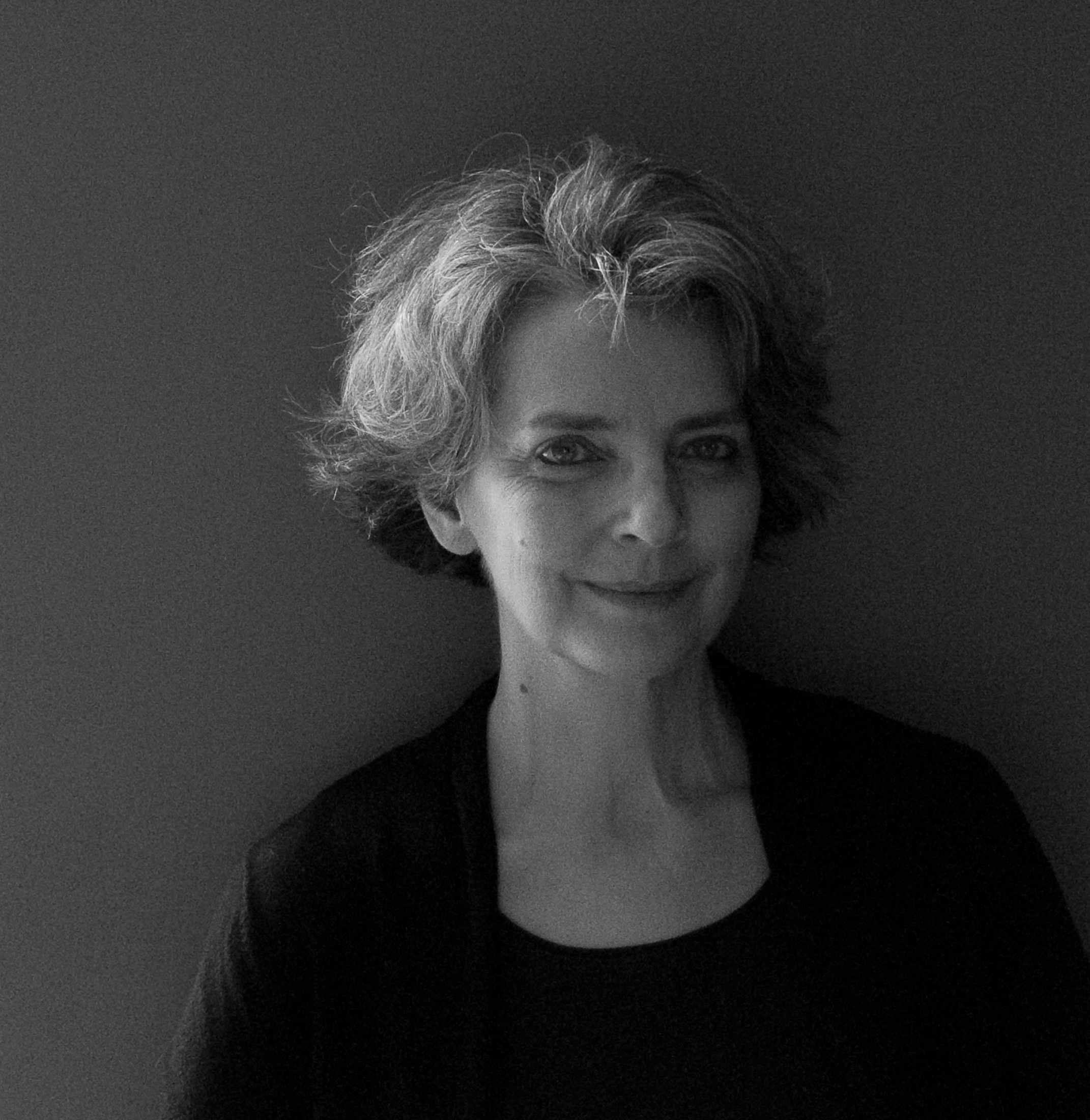
Photo-Michele-Lemieux. Credit-Wolfgang-Noethlichs
Michéle Lemieux has been an illustrator, animation filmmaker, and drawing and illustration teacher at the UQAM Design School since the 1970s. She has worked on fifteen illustrated books for young people including Noche de tormenta (1997) that was awarded the Grand Prix at the Bologna International Book Fair and was adapted into an NFB film that received a dozen awards, including the Berlinale Crystal Bear. In 2006, Lemieux was introduced to the Alexeïeff-Parker’s pinscreen animation, becoming the artistic heir of this unique tool since there are only two in existence in the world. Using this technique, in 2008 she began making her second short film, Here and the Great Elsewhere (2012), which received more than half a dozen awards around the world. For her most recent project, The Painting (2024), she returns to this technique, exploring the portrait of Mariana of Austria painted in 1652 by Velázquez. Lemieux has participated in group exhibitions in Europe, North America, South America, and Japan, and her work has received retrospectives in both Austria and Montreal.
Silvia Mitchell
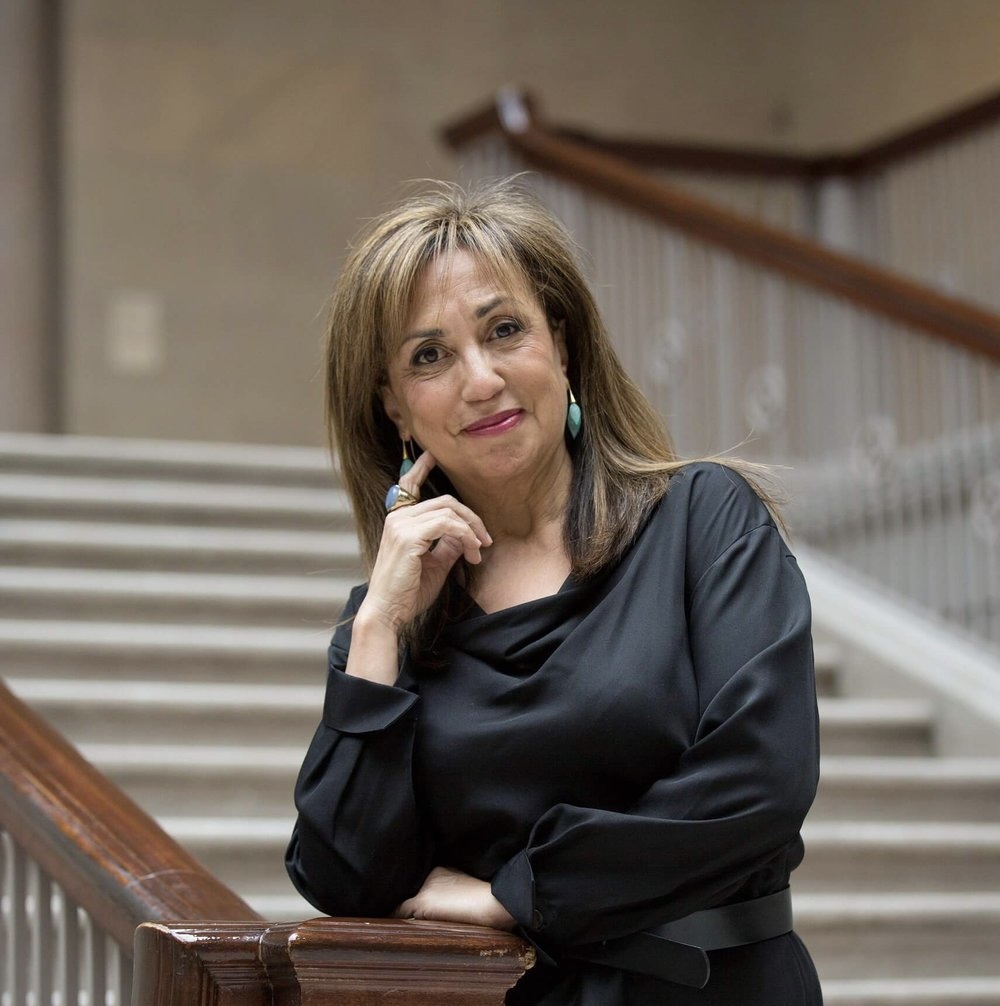
Silvia Mitchell
Silvia Mitchell is a University Faculty Scholar at Purdue University. Her research focuses on the history of the Spanish Monarchy during the reign of Charles II (1665-1700), the role of Habsburg women, and the concept of queenship. Her book Queen, Mother, and Stateswoman: Mariana of Austria and the Government of Spain (2023) is considered a seminal study of Mariana of Austria and foreign policy during her regency. The Spanish edition is titled Reina, madre, y estadista. Mariana de Austria y el gobierno de España. Mitchell has been invited to participate in the review process for entities such as the Austria Science Fund, the National Endowment for the Humanities, the Royal Studies Network, and academic journals such as Gender & History and Sixteenth-Century Studies. She has also reviewed manuscripts and book proposals for publishers such as Routledge, Palgrave-Macmillan, and Amsterdam University Press. She is currently a member of the editorial board of The Court Historian: The International Journal of Court Studies.