
Loading...
Mathias Énard
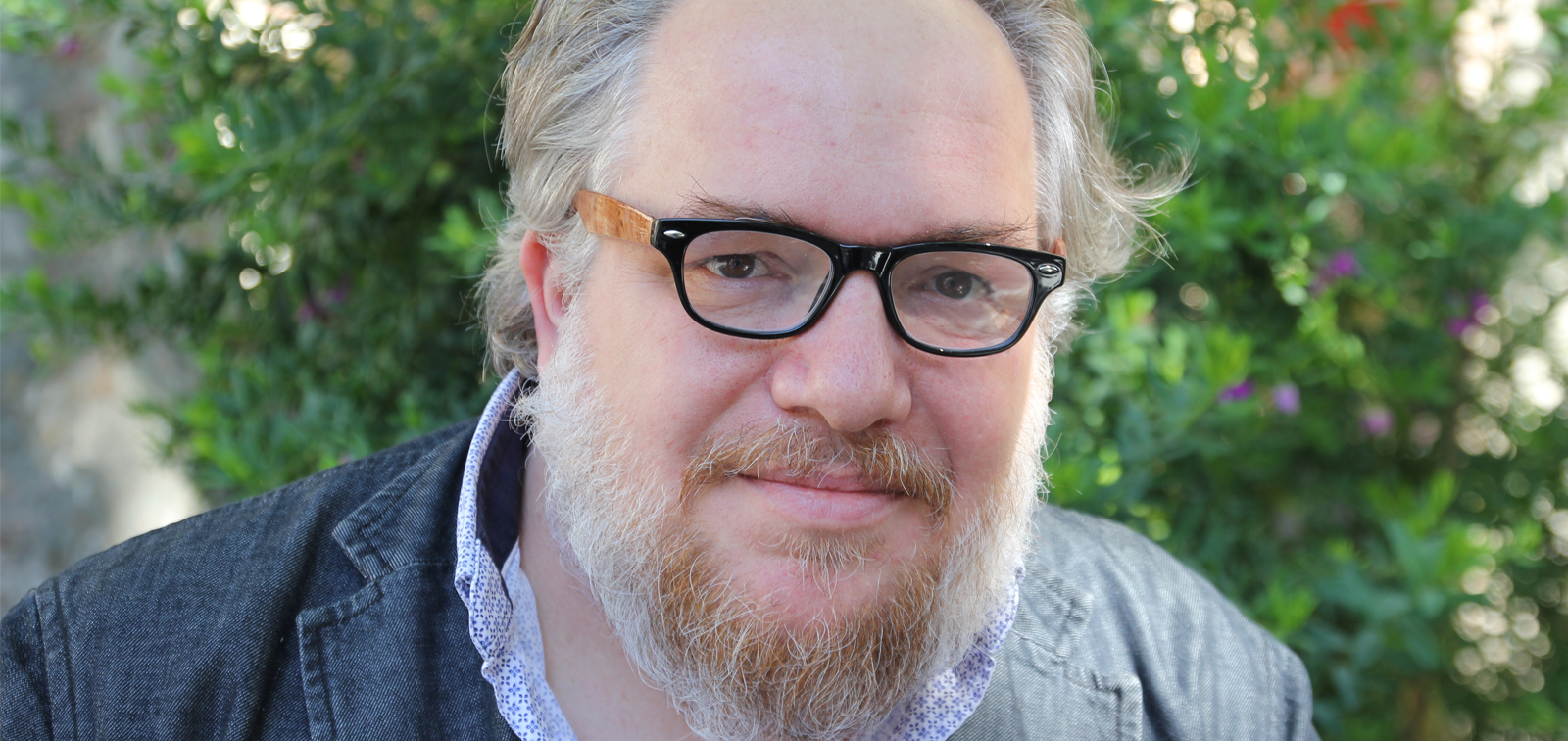
The Museo del Prado, a Stationary Journey
Mathias Énard
A conversation between Mathias Énard and José Andrés Rojo
Thursday, 4 December 2025
Conversation
The Museo del Prado, a Stationary Journey
The Museo del Prado, a Stationary Journey
Mathias Énard
A conversation between Mathias Énard and José Andrés Rojo
Thursday, 4 December 2025
Part of Writing the Prado, the international literary residency at the Prado sponsored by the Loewe Foundation, is holding a public event that gives people a chance to see and hear the current writer-in-residence. After hosting John Coetzee, Chloe Aridjis, Olga Tokarczuk, John Banville and Helen Oyeyemi, we are now pleased to welcome Mathias Énard, a French author and two-time winner of the Prix Goncourt.
The conversation we will have the privilege of hearing is one of the activities associated with Writing the Prado, a uniquely interesting literary residency during which residents are encouraged to interact on a daily basis with the museum’s collections of paintings, sculptures and objects and with the people who work there. This programme alternates between authors with a firmly established literary track record and internationally renowned writers who are still at the mid-point of their careers.
Streamed live on our YouTube channel.
- Sponsored by:
-
- With the collaboration of:
-
- Schedule
- Thursday, 4 December 2025
- Location
- Museo del Prado
Multimedia
Writing the Prado
Activity
Mathias Énard
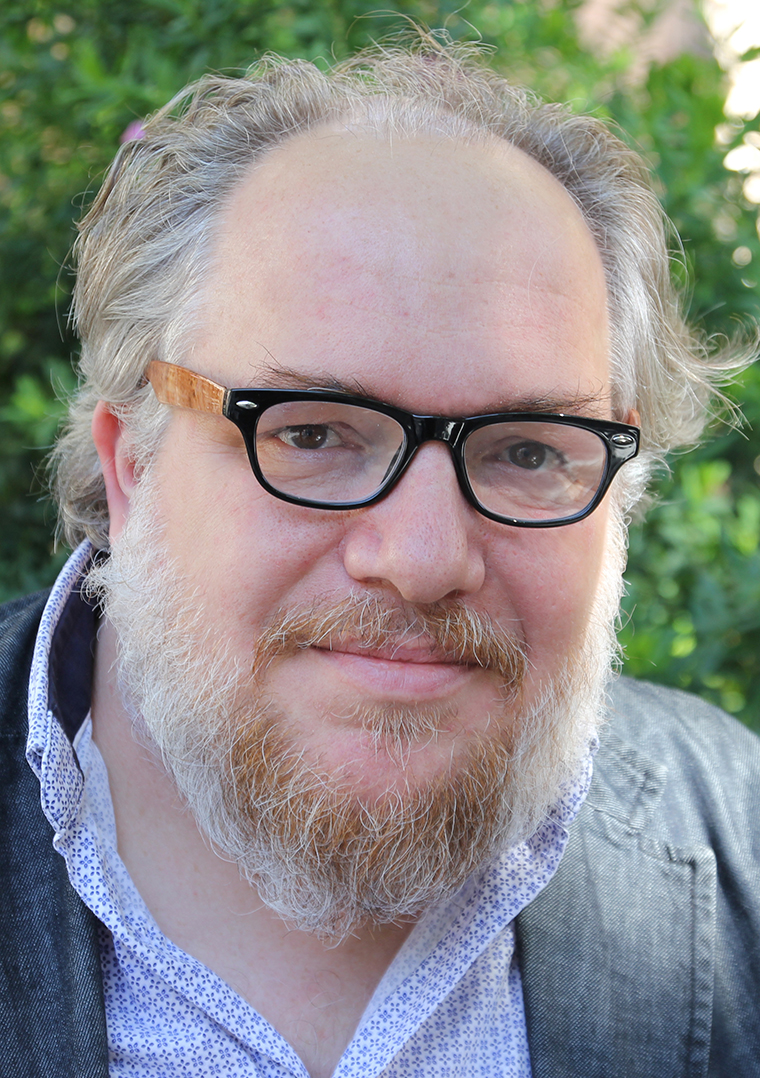
After studying Arabic and Persian and spending long periods in the Near East, in the year 2000 Énard (France, 1972) moved to Barcelona, where he actively contributed to several cultural magazines, including the now-defunct Lateral. A member of the editorial board of the Paris-based literary journal Inculte, in 2005 he was named writer-in-residence at the prestigious Villa Medici in Rome. He has also taught Arabic at the Universitat Autònoma de Barcelona.
Énard has written the novels La Perfection du tir (2003), Remonter l’Orénoque (2005), Bréviaire des artificiers (2007), Zone (2008; published in English as Zone, 2010), Parle-leur de batailles, de rois et d’éléphants (2010; Tell Them of Battles, Kings and Elephants, 2018), L’Alcool et la Nostalgie (2011), Rue des voleurs (2012), Boussole (2015; Compass, 2017), Le Banquet annuel de la confrérie des fossoyeurs (2020; The Annual Banquet of the Gravediggers’ Guild, 2023) and Déserter (2023; The Deserters, 2025).
He has received numerous awards, including the Prix des Cinq Continents de la Francophonie in 2004, the Prix Décembre, the Prix du Livre Inter, the Prix Goncourt des Lycéens in 2010 and the Prix Goncourt in 2015 for Boussole / Compass.
José Andrés Rojo
José Andrés Rojo
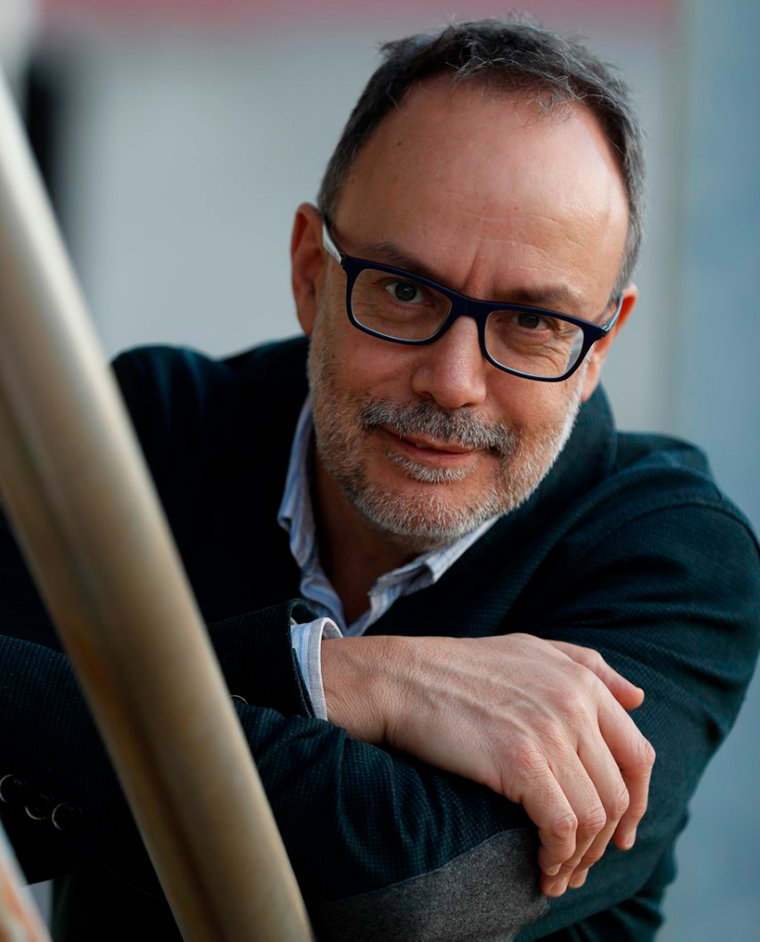
José Andrés Rojo (La Paz, Bolivia, 1958) is a staff writer and columnist for the Spanish daily El País. From June 2018 to March 2024, he was editor of the Opinion section, which he joined in 2009. He started out at the paper in 1992 as editor of the Babelia supplement. Between 1997 and 2001 he coordinated the Books pages (where he had been publishing literary reviews since 1990), and he was head of the daily’s Arts section from 2001 to 2006. He has a degree in Sociology from the Universidad Complutense de Madrid. His publications include Hotel Madrid (Fondo de Cultura Económica, 1988), an essay on Peter Gabriel (Cátedra, 1994), Vicente Rojo. Retrato de un general republicano (Tusquets, 2006, winner of the 18th Premio Comillas), the novel Camino a Trinidad (PreTextos, 2017) and a brief ode to reading, Las diabluras del lápiz (PreTextos, 2019).
Writing the Prado. International literary residency sponsored by the Loewe Foundation
With the aim of promoting excellence in artistic creation, inspiring and encouraging experimentation and interaction between the creative languages of literature and the visual arts, the museum provides a temporary haven for working authors through the Writing the Prado programme, sponsored by the Loewe Foundation. Every year since 2023, the Museo Nacional del Prado invites two internationally acclaimed writers to spend between three weeks and two months at the museum. They are given a workspace and access to workshops, library, art galleries and areas normally reserved for museum personnel. This allows them to have daily contact with curators, conservators, experts, restorers, administrators and other staff and, of course, visitors.