Evil vanishes. Egusquiza and Wagner´s Parsifal in the Museo del Prado
Museo Nacional del Prado. Madrid 11/4/2013 - 11/23/2014
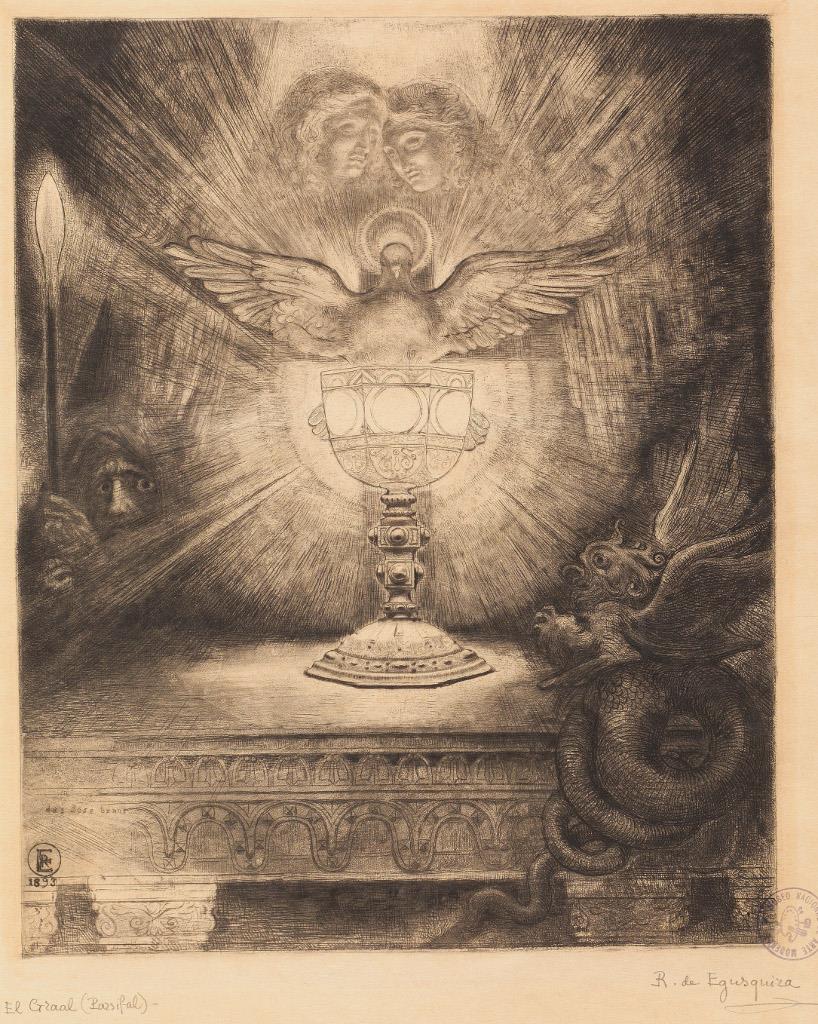
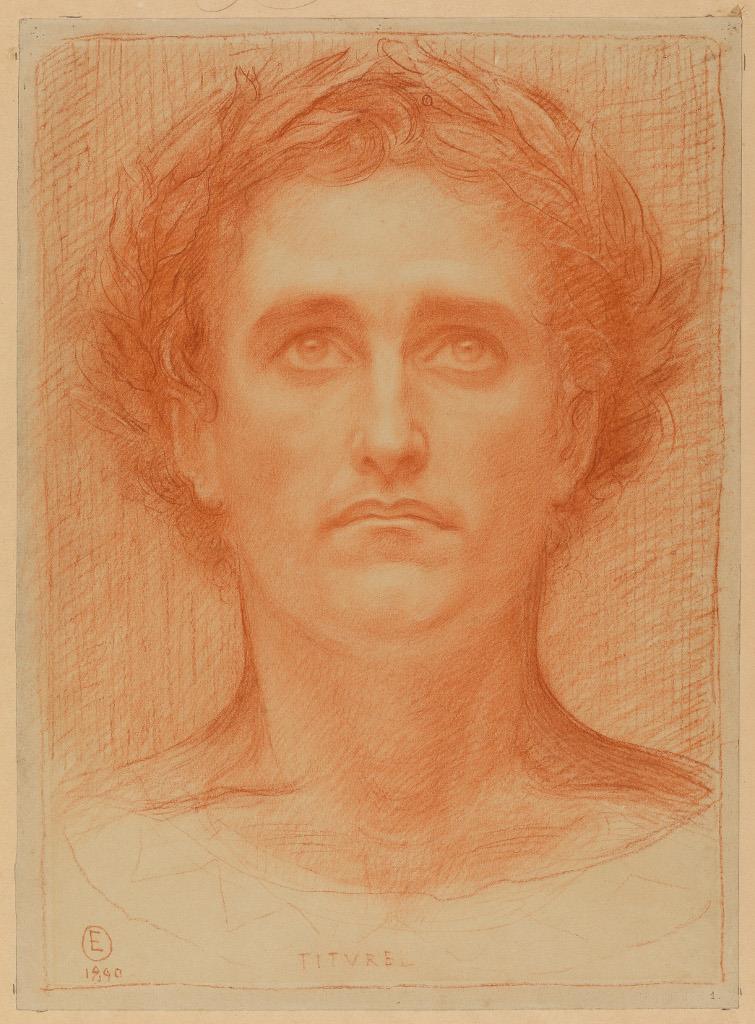
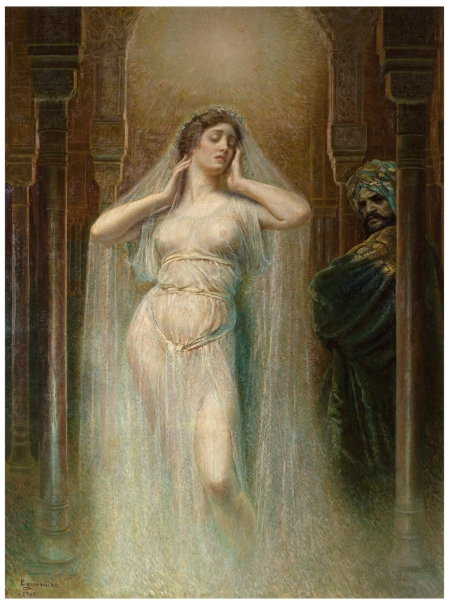
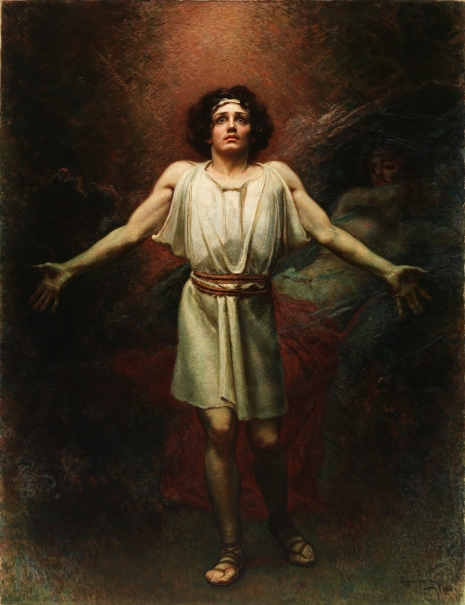
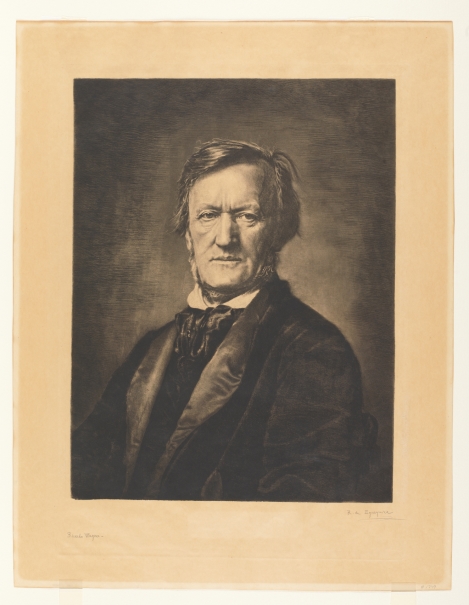
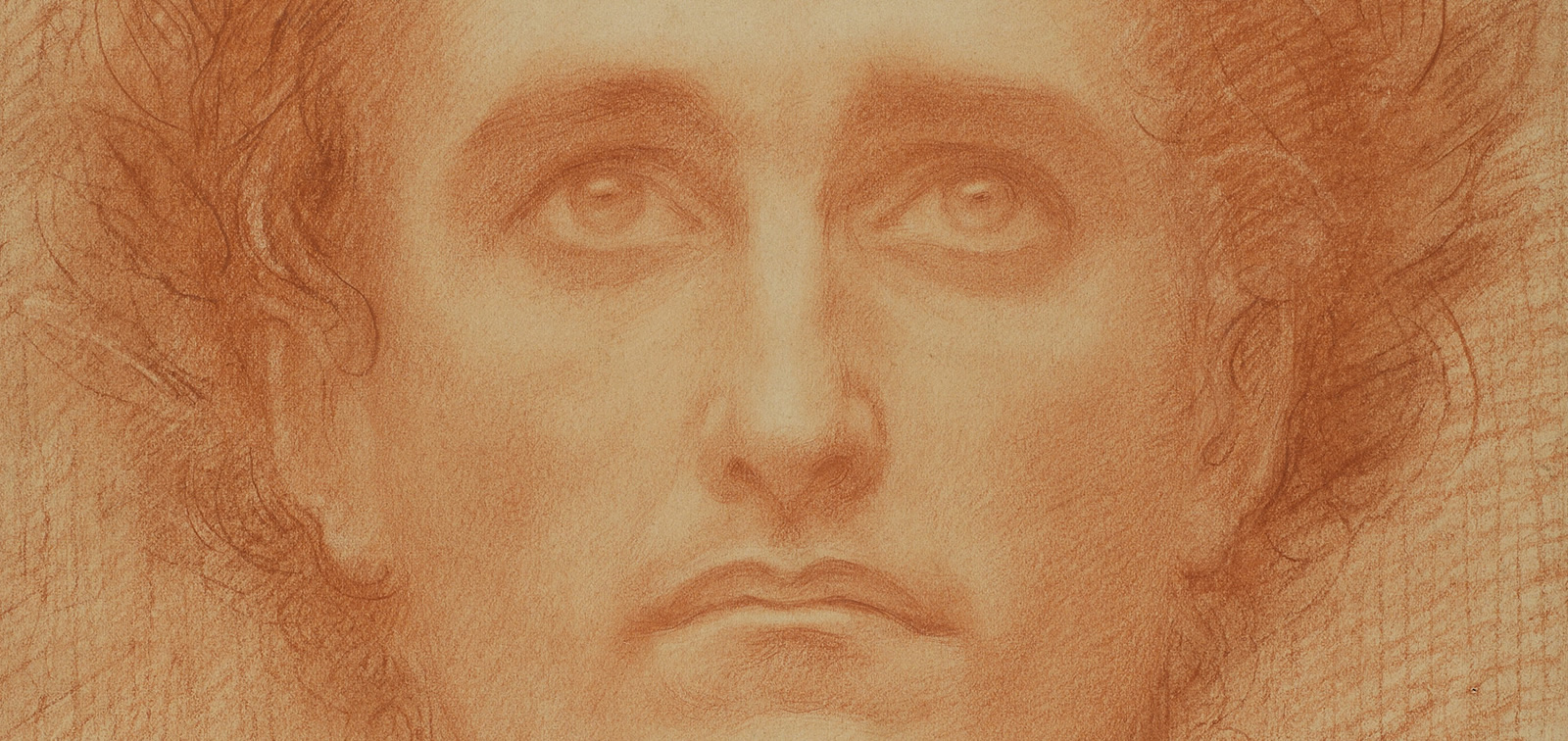
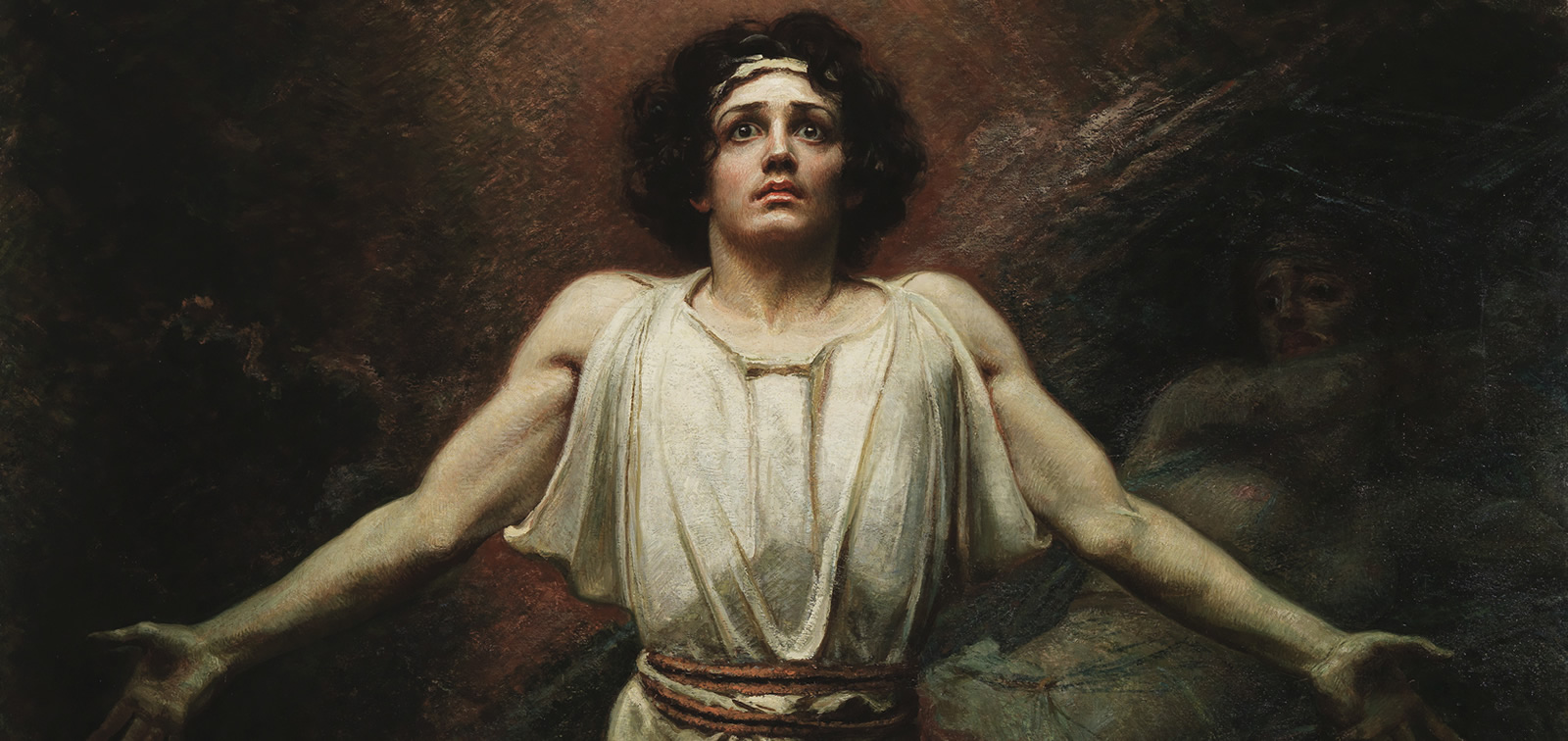
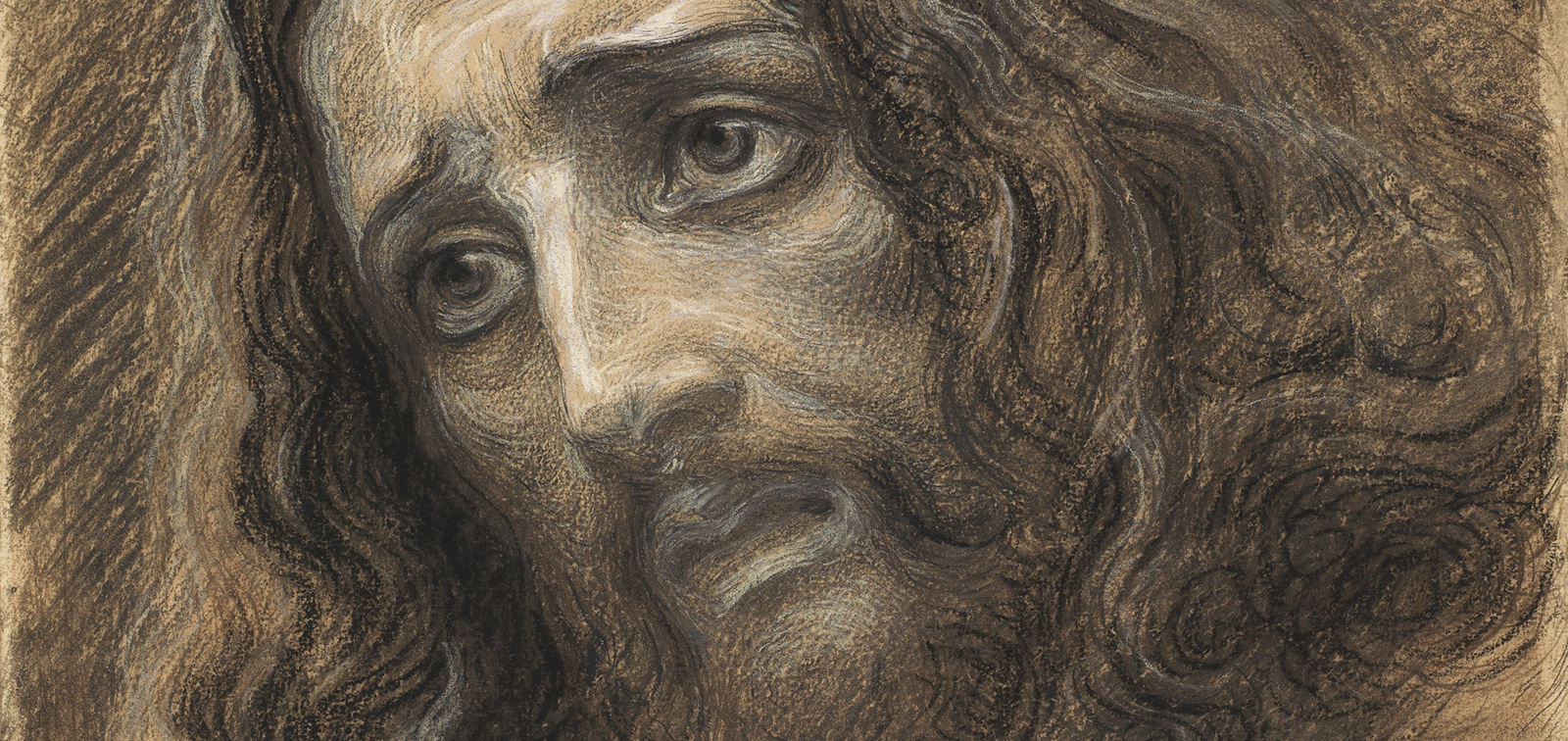
Egusquiza was an established artist when he met Wagner in 1879, whom he already admired and followed. He was the only Spanish artist to establish a first-hand relationship with the composer, albeit of a sporadic, respectful nature. This acquaintanceship completely transformed Egusquiza’s artistic concerns and from then on he focused on the iconography of the composer’s works.Over the years and in an almost obsessive manner Egusquiza produced drawings, prints and paintings of the characters from Parsifal, Wagner’s last opera, which the composer conceived as an allegory of human salvation. Egusquiza’s works were the subject of enormous interest among the small number of Spanish artists and intellectuals associated with the Wagnerian Association in Madrid and constituted his greatest success as an artist.The artificiality of the figures in these works, bathed in the supernatural light that radiates from the redeeming goodness of the Grail, defined the aesthetic of Egusquiza’s Wagnerian works. In order to emphasise their spiritual communion, he focused on the hallucinatory expressions of the figures, which he depicted in a declamatory, theatrical style and with exaggerated gestures that reflect their theatrical nature and which convey the remarkable profundity of the characters’ inner dramas. Alongside these works on Parsifal, the exhibition also includes two portraits of Wagner by Egusquiza, one of them a sculpture, as well as a portrait of Wagner’s patron Ludwig II of Bavaria. The latter belongs to a series of portraits of individuals sympathetic to Wagner’s ideas, which are also in the Prado’s collection. In Egusquiza’s portraits, Wagner is depicted in the almost messianic way typical of the reverence in which he was held by his followers and admirers, explaining the religious tone of the rest of the group. In a way, these paintings, drawings and prints were conceived by Egusquiza as elements of an arcane, initiatory type that lack meaning without a prior and profound knowledge of the opera that inspired them.