The Palace of the Planet King
Madrid 7/6/2005 - 11/27/2005
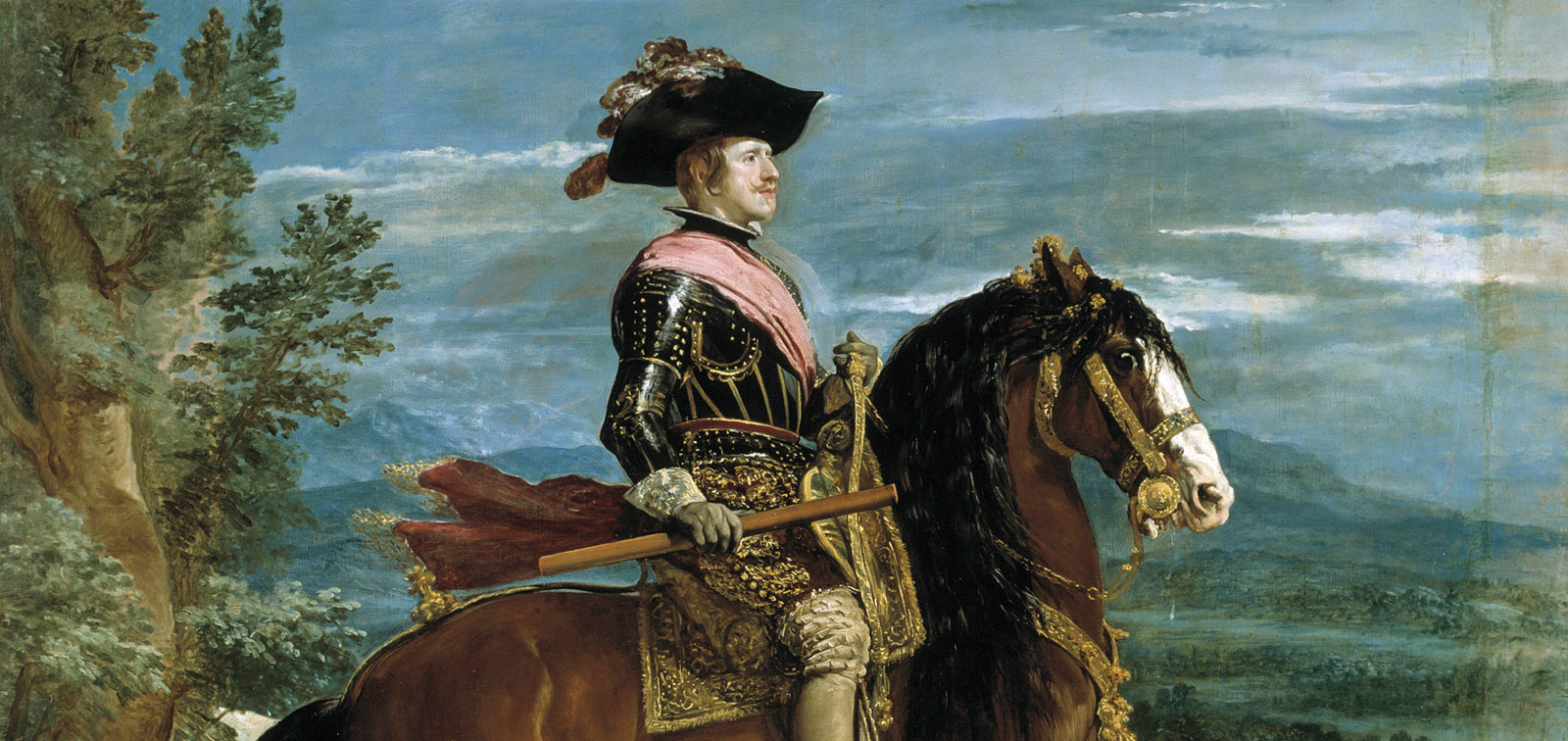
To commemorate the fourth centenary of the birth of King Philip IV (1605-1665), the Museo del Prado has organised this exhibition on the pictorial decoration of the Buen Retiro Palace, a building erected during his reign at the instigation of his favourite, the Count-Duke of Olivares. Philip, the fourth ruler to bear this name, was referred to in writings of the age as the Planet King on account of his association with the sun, the fourth element in the hierarchy of the planets.
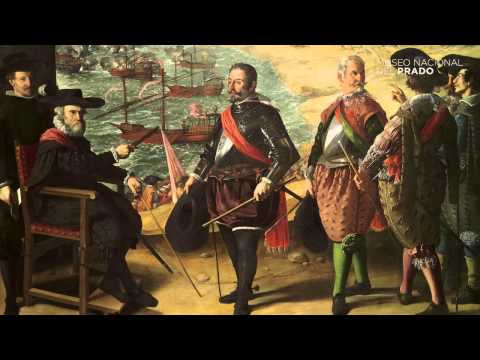
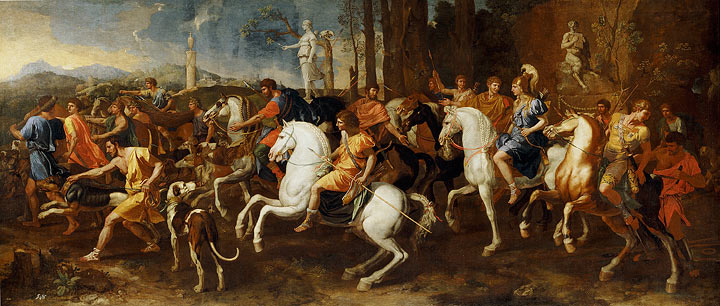
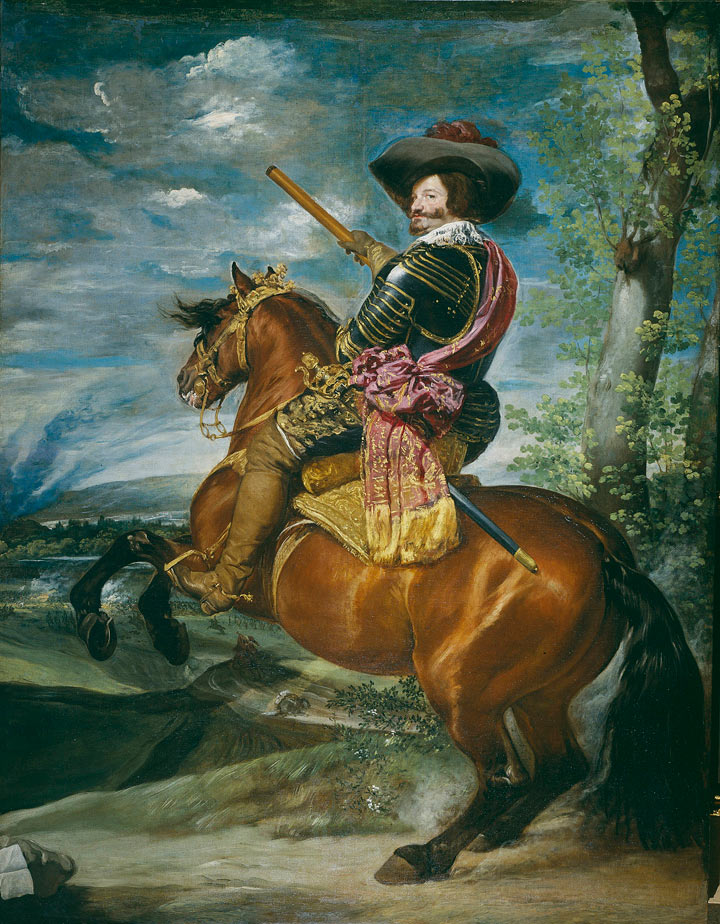
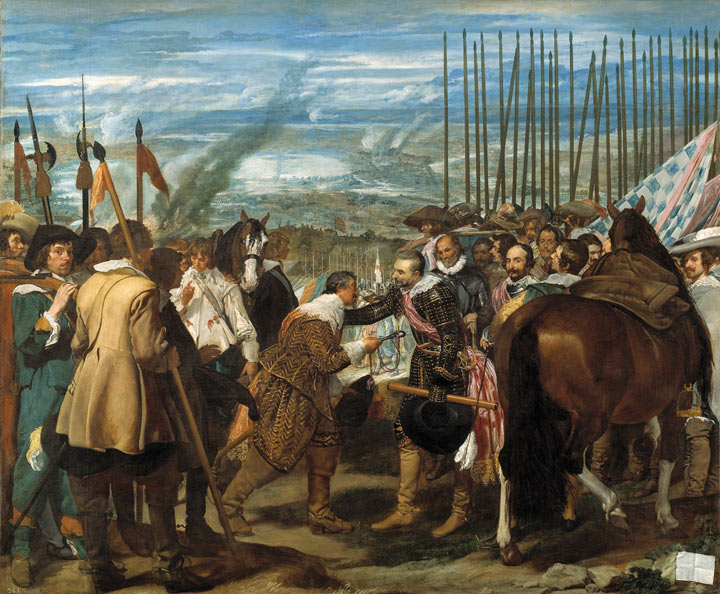
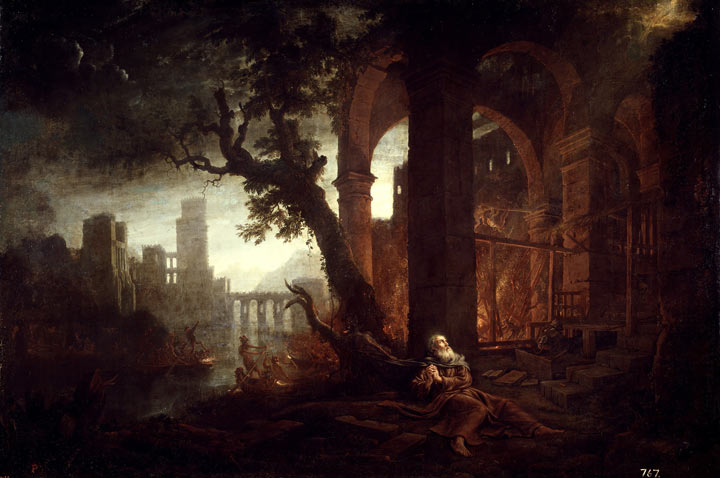
The Palace was decorated with an extraordinary collection of paintings that were commissioned in Madrid, Rome and Naples. In just ten years (1633-1643) some 800 works by Spanish, Italian and French artists of the stature of Velázquez, Zurbarán, Ribera, Poussin, Claude Lorrain, Lanfranco and Domenichino were acquired for this residence, many of which later became part of the Prado's holdings.
The exhibition, which is divided into five sections, evokes the concept of pictorial series with which the different rooms of the Buen Retiro Palace were decorated in the seventeenth century. Particularly notable among the spaces was the Hall of Realms, the most representative and significant room in the Buen Retiro Palace, whose decorative scheme can be viewed as an ensemble here for the first time since it was dismantled in the eighteenth century.
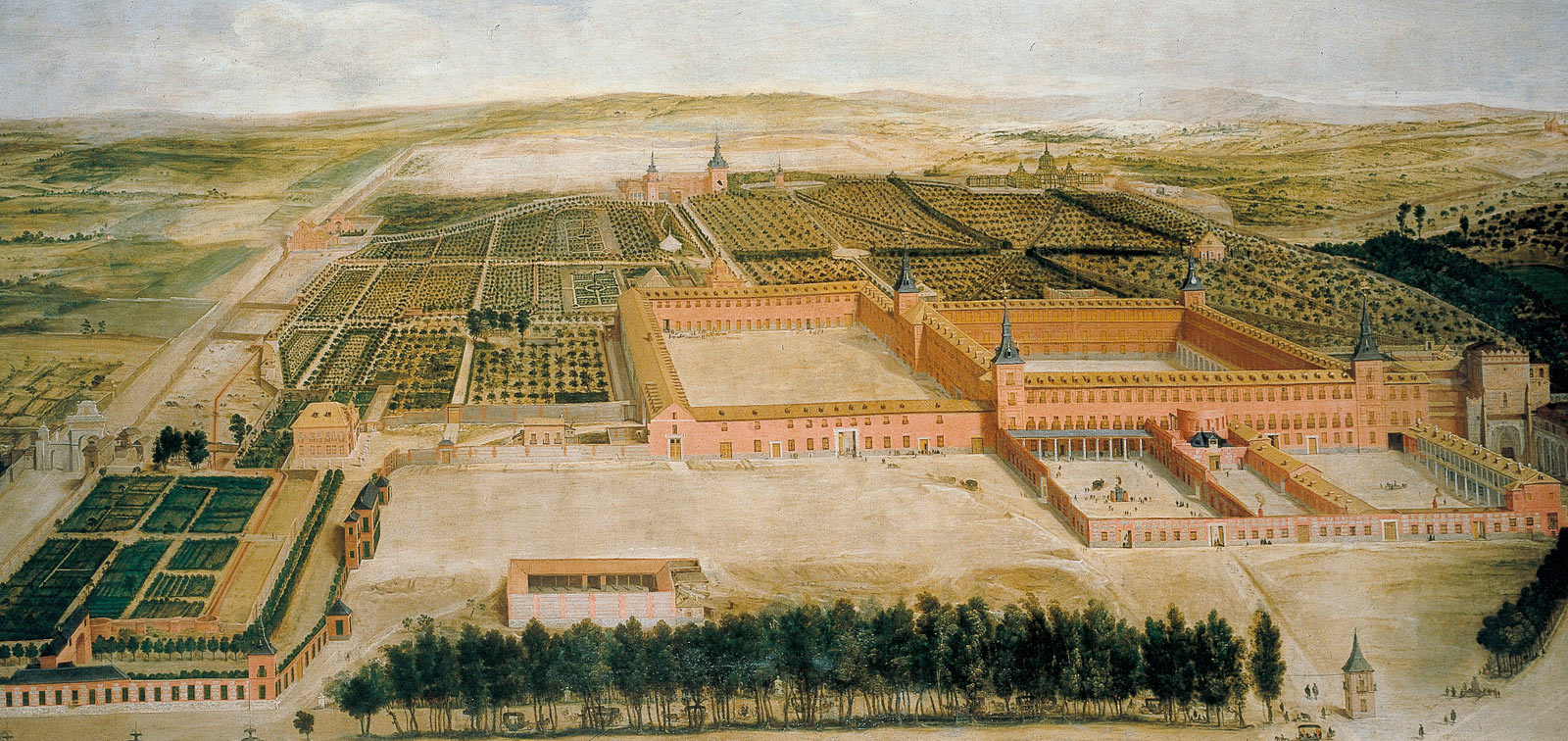
Located on the east side of Madrid, the Buen Retiro Palace was originally an extension to a small royal lodging known as the Royal Apartment, attached to the monastery of San Jerónimo. Within a short space of time (1633-1640), the palace complex gradually took shape with the successive addition of new features: royal apartments, two open courtyards for jousting and bullfights (the Principal Court and the Large Court), the Hall of Realms, the Emperor's Court, the Servants' Court, the Casón or ballroom and the theatre, known as the Coliseo, where plays often requiring elaborate stage machinery were performed.
One of the salient aspects of the residence -which was occupied for only a few weeks of the year- was its park and gardens. The Queen's Garden, adorned with an equestrian statue of Philip IV (now in front of the Royal Palace), was particularly beautiful, as was the Large Lake, intended for boating and staging water spectacles.
The complex was destroyed during the War of Independence except for the Casón and the north wing of the Principle Court, which has since been extensively remodelled and now houses the Museo del Ejército (army museum). The gardens became what is now the Parque del Retiro, although virtually nothing is left of their original layout. There survive some exterior views of the Palace but unfortunately there are none of the interior.