Rome in your pocket. Sketchbooks and artistic learning in the XVIII Century
Museo Nacional del Prado. Madrid 10/15/2013 - 2/9/2014
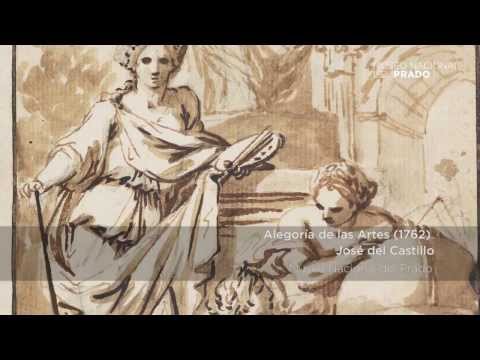
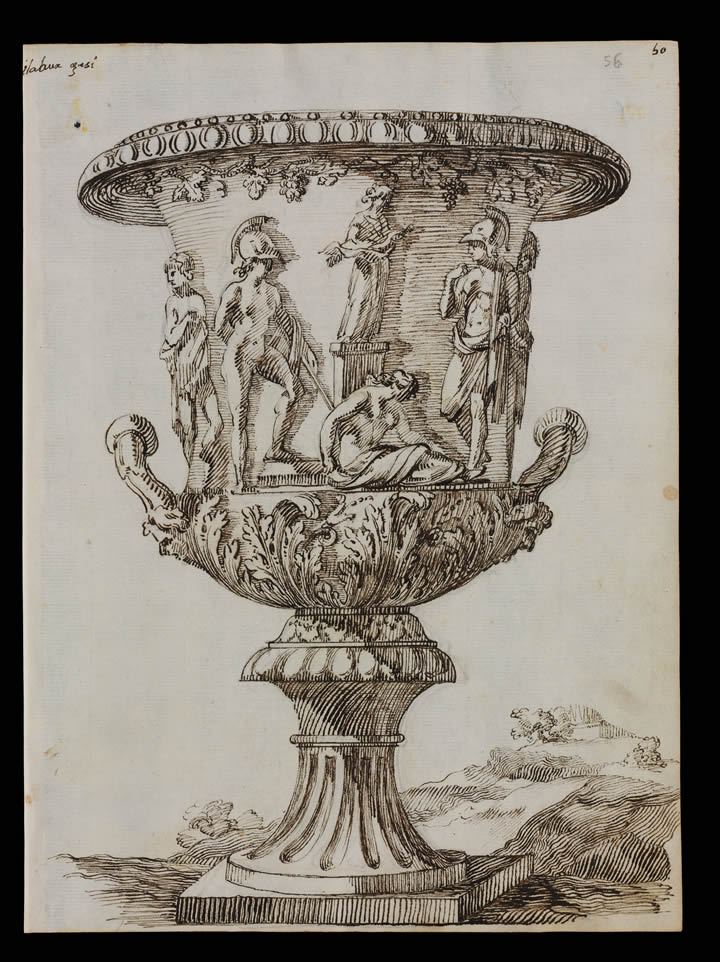
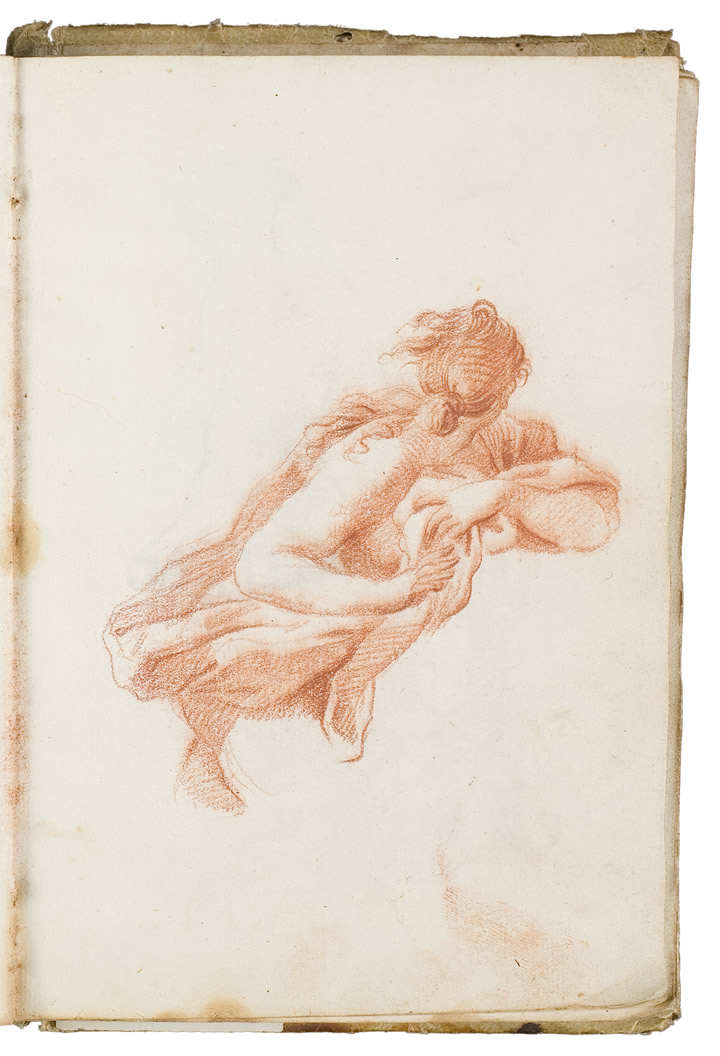
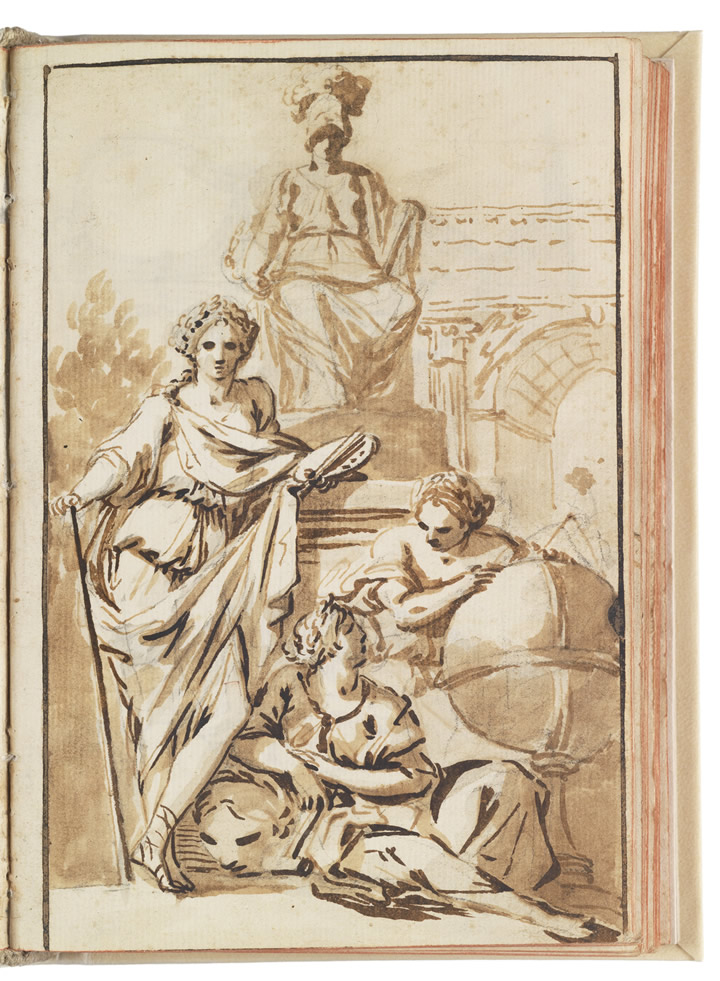
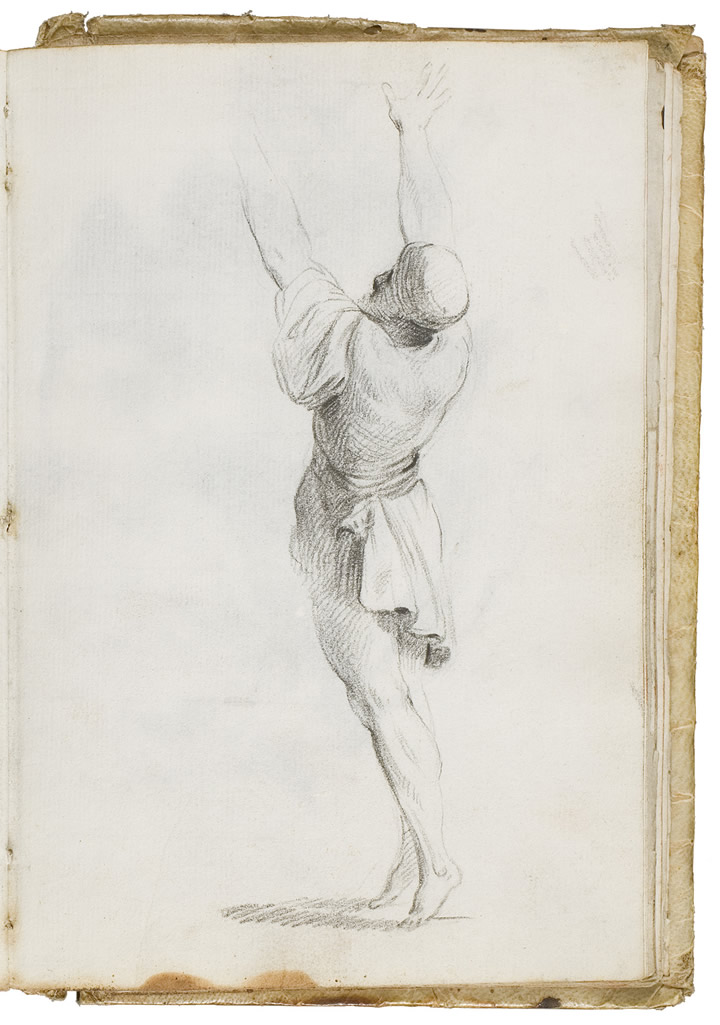
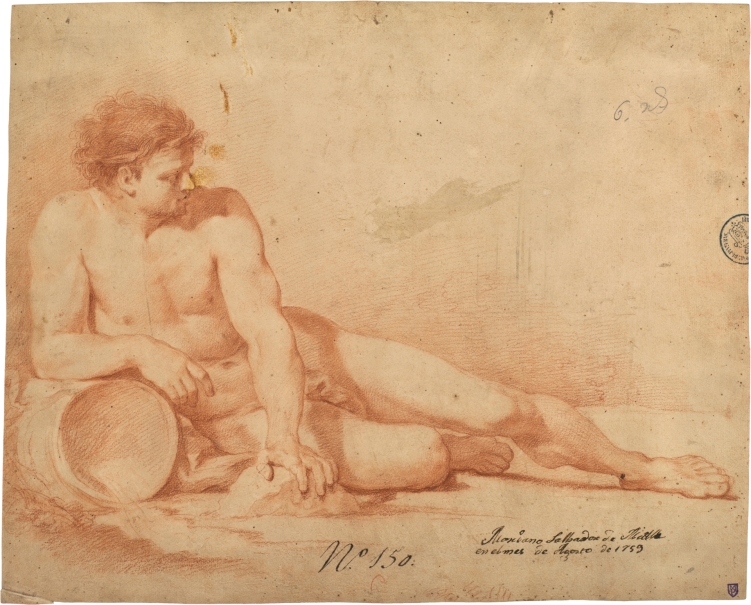
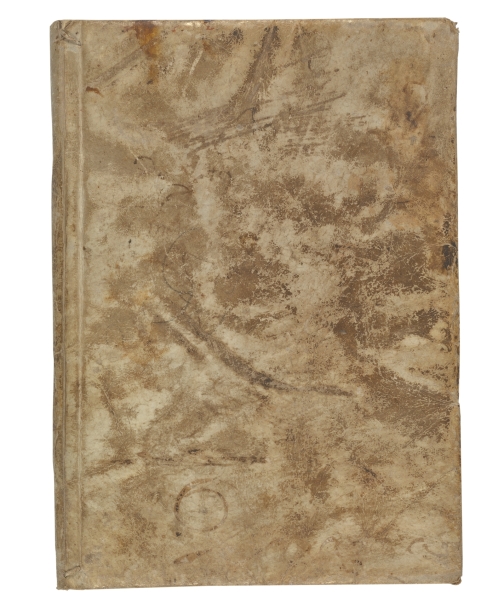
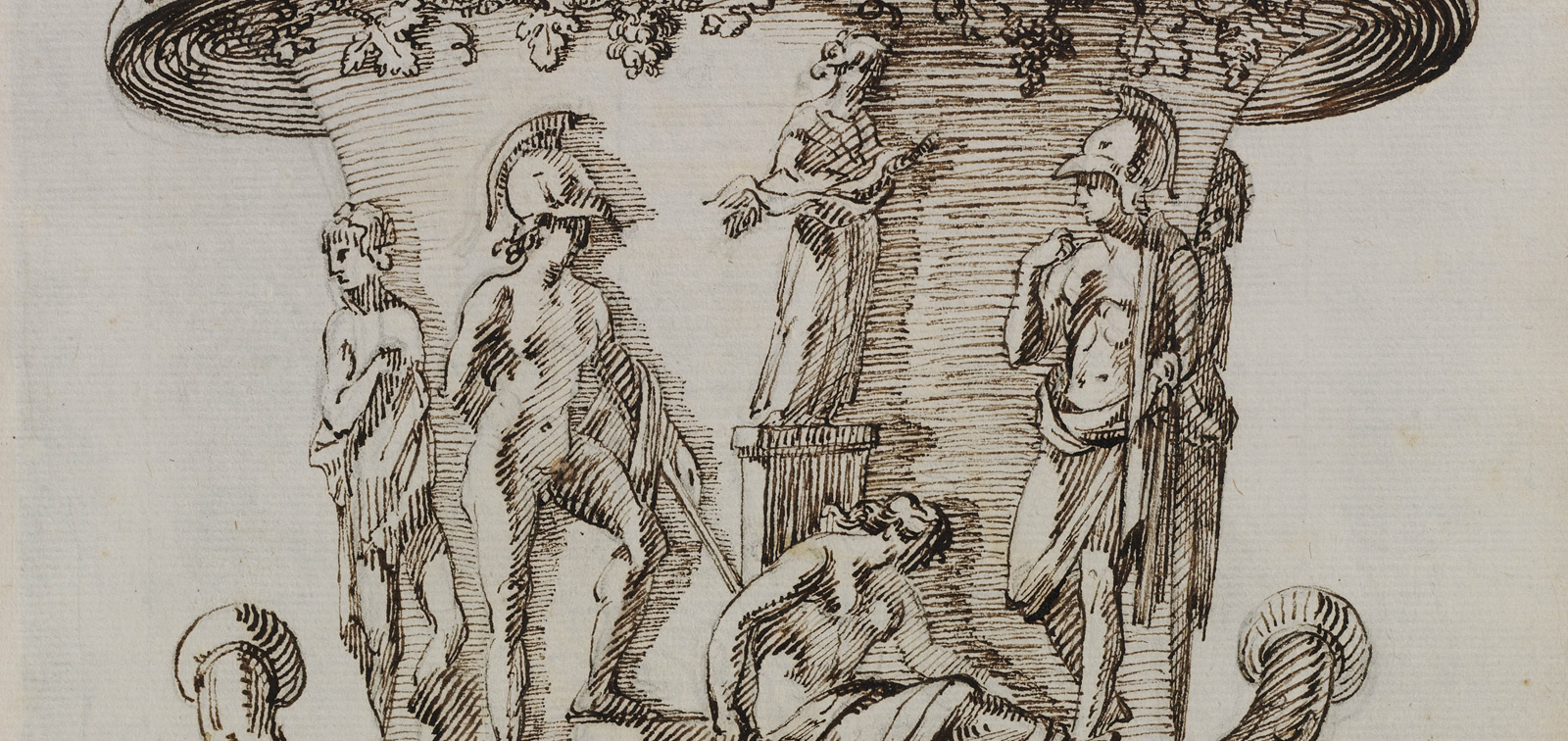
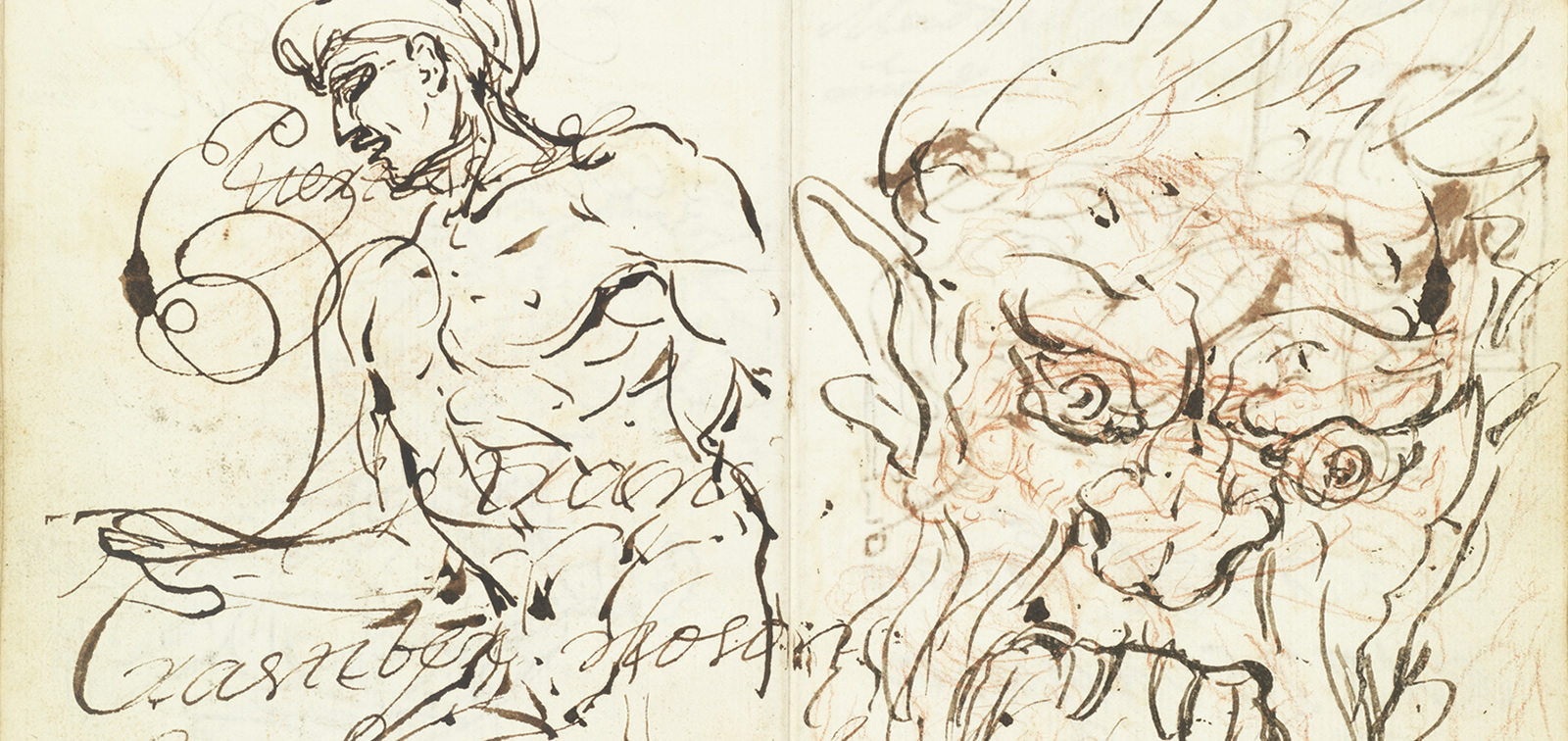
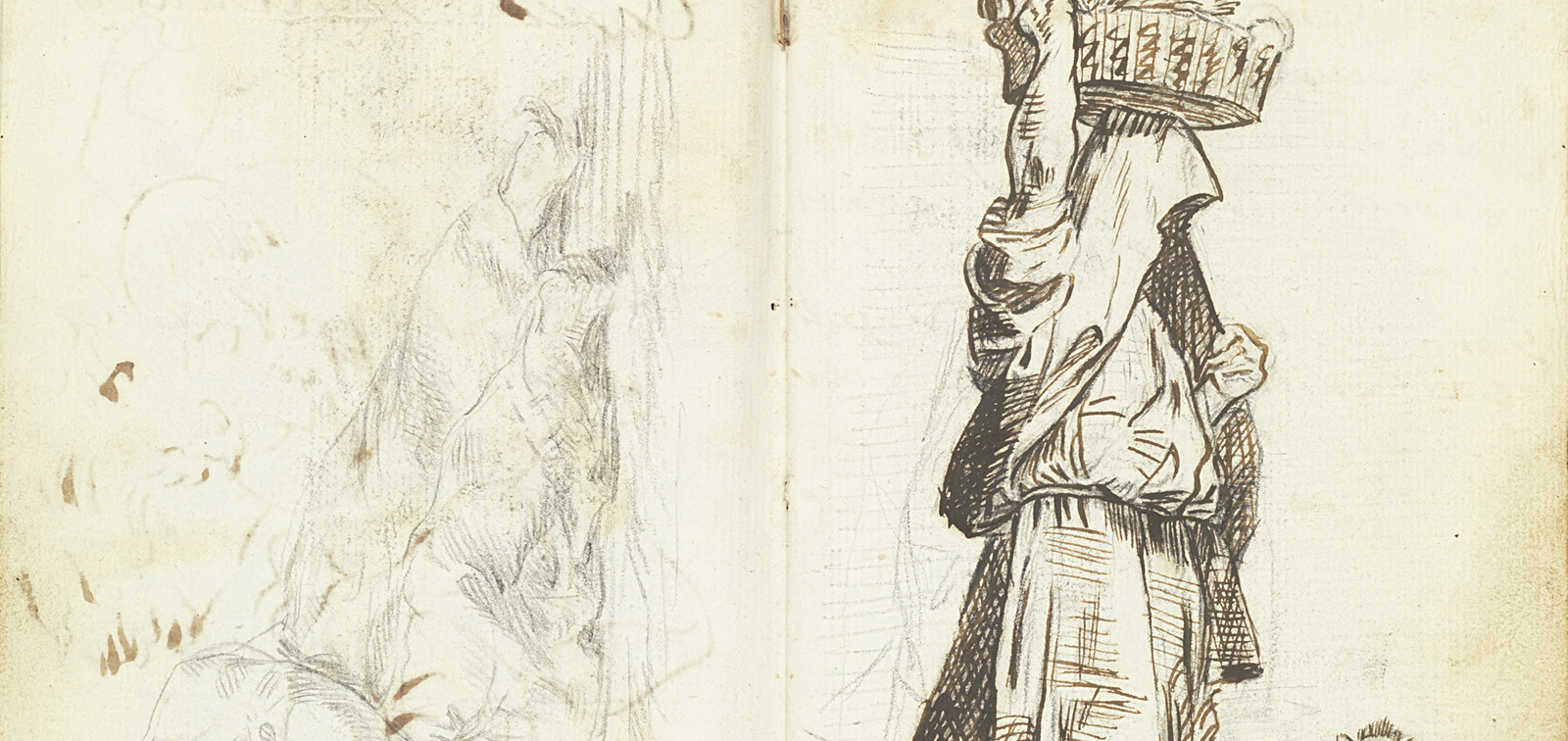
Between 1758 and 1764 a group of eight young students received grants from the Real Academia de Bellas Artes de San Fernando to study in Rome in order to complete their artistic training. During their time there, and in conformance with the Academia’s instructions, the students acquired sketchbooks in which they made the obligatory copies of antique works and others by the Renaissance and Baroque masters. They also attended the Accademia del Nudo on the Campidoglio where they participated in life drawing classes of the male nude. These small sketchbooks, known in Italian as taccuini, were used for making sketches and studies from life, but also for annotations of other types and as travel diaries. For these artists they were an obligatory element in their learning process, in which they recorded all the works that constituted a reference point for their future activities. The sketchbooks allow for an appreciation of the artistic interests of the period through the copying of the works of art to be seen in Rome. As such, they are a valuable source of first-hand information for understanding the artistic and personal context of the period.