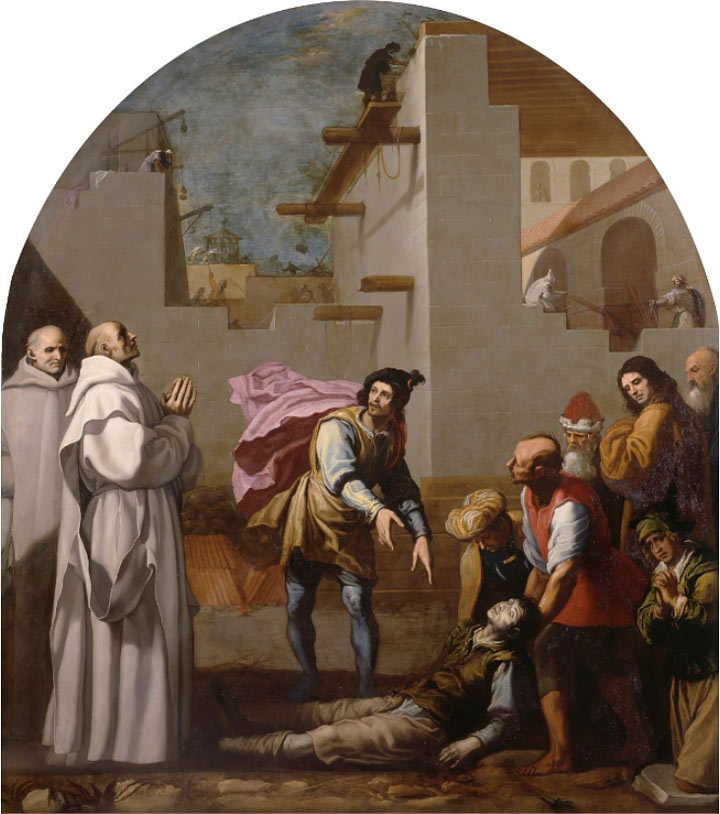
The Museo Nacional de Pintura y Escultura, better known as the Museo de la Trinidad, came into being as a result of Mendizábal's Desentailment of the Monasteries in Spain (1835-1837). The Museum's collection consisted of works of art from monasteries and convents in Madrid and adjoining provinces that were closed down, and of paintings from the collection of the Infante don Sebastián Gabriel de Borbón y Braganza, confiscated in 1835 as a consequence of his allegiance to the Carlist cause.
The Museum was located in the building which housed the convent of the Trinidad on the Calle de Atocha in Madrid. It opened on 24 July 1838, the saint's day of the Queen Regent María Cristina de Borbón, mother of Isabel II, with a temporary exhibition that lasted only nine days. It then remained closed for four years and was re-opened during the Regency of General Espartero on 2 May 1842. Its future was to some extent compromised when the Ministry of Works moved into the building in 1849, as most of the paintings were hung in rooms used by the Ministry and which were at times only open to the public out of office hours. Following a Royal Decree of 22 March 1872, the Museo de la Trinidad fused with the Museo del Prado, itself a National Museum following the revolution of 1868. Over the succeeding years, almost 200 of its works were added to the catalogue of the Prado, while a further 650 were sent on deposit to various institutions.
The initial project envisaged the creation of a museum containing works by all the leading Spanish artists and which could offer a historical survey of the origins and development of Spanish art. This, however, never fully realised, as the collection solely comprised works brought from Toledo, Avila, Segovia, Burgos and Valladolid in 1836. As a result, the collection of the Museo Nacional consisted primarily of works by Madrid School artists, the vast majority inevitably religious in subject-matter, given their provenance. Only the paintings from the collection of the Infante don Sebastián Gabriel added some thematic variety.
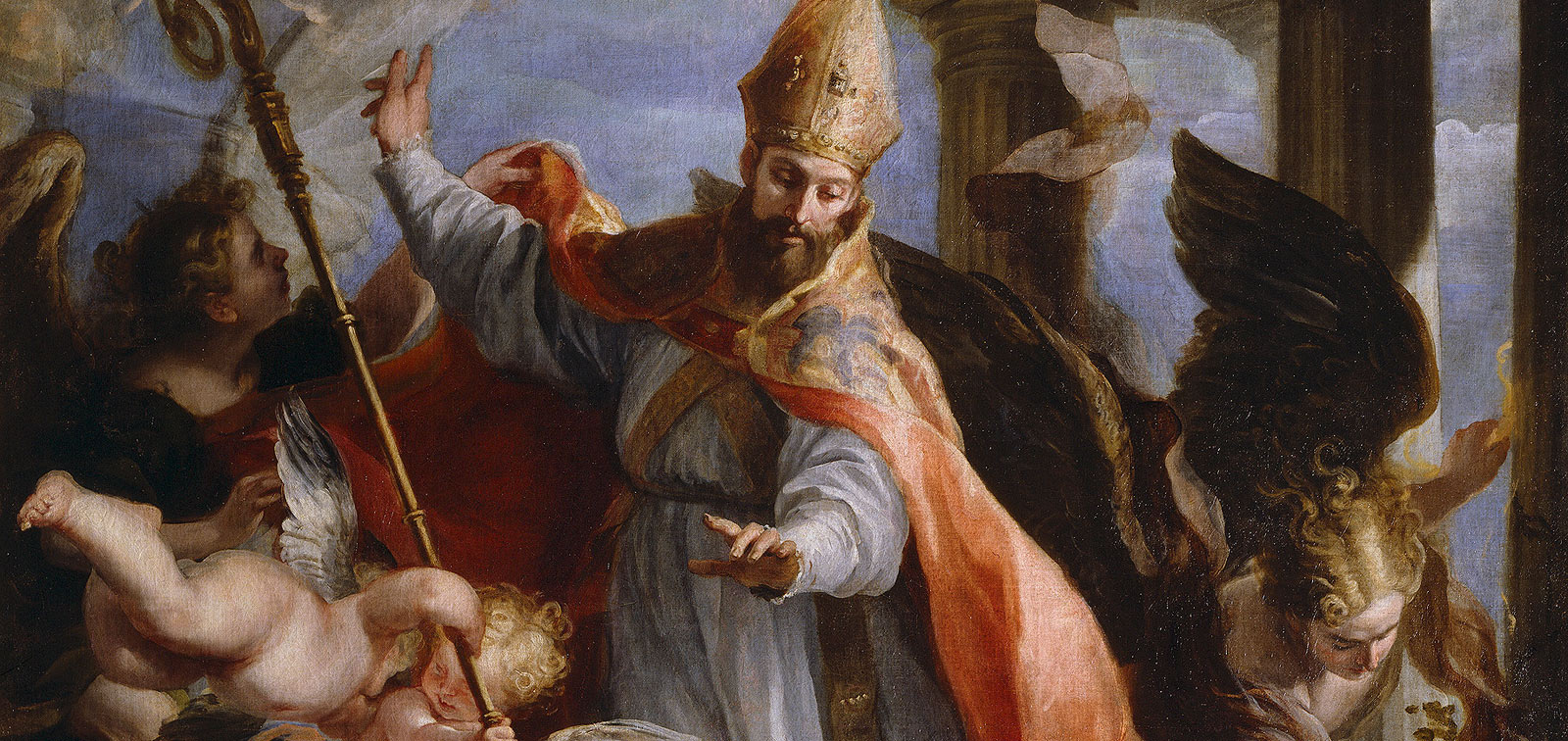
Despite these issues, from the outset the collection of the Museo Nacional featured some key groups and individual works of Spanish art. These included the panels from the altarpieces of Saint Dominic and Saint Peter Martyr, by Berruguete; the series of 56 canvases with scenes of Carthusian monks by Vicente Carducho, painted for the cloister of the Carthusian monastery of El Paular; five canvases from the high altar of the College of Doña María de Aragón in Madrid, by El Greco; and the six paintings from the altarpiece of the Cuatro Pascuas in the church of San Pedro Mártir in Toledo, by Maino. In addition, the collection featured a small but important group of paintings (such as The Fountain of Grace by the School of Van Eyck) and Italian ones (the copy of Raphael's Transfiguration by Giulio Romano, and the Passion series by G. D. Tiepolo, among others). Following the return of the Infante don Sebastián Gabriel's collection to its owner in 1859, a series of purchases expanded the Museum's holdings, including an Italian-period Annunciation by El Greco and an outstanding group of portraits by Goya, choices that reveal an advanced critical sensibility for the period.
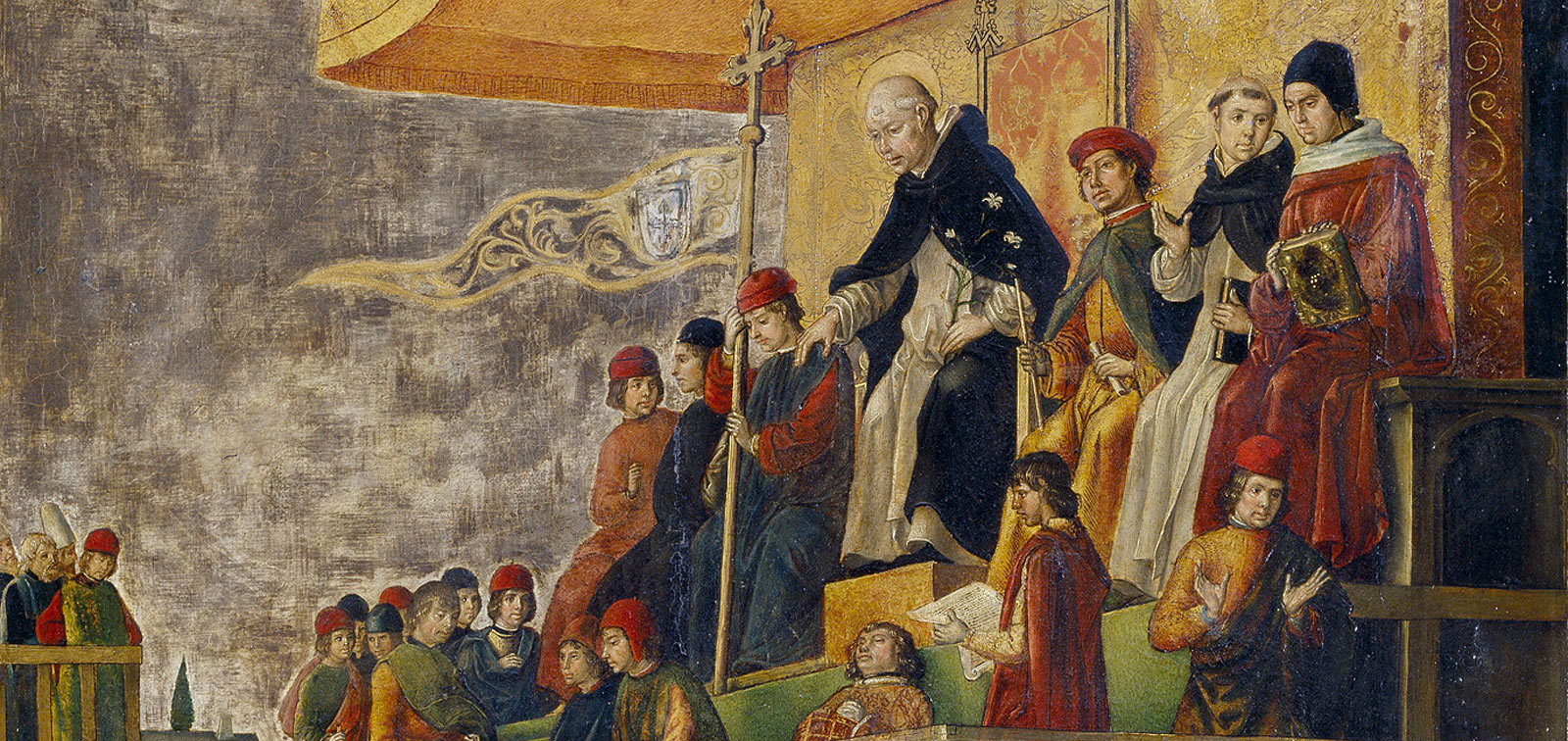
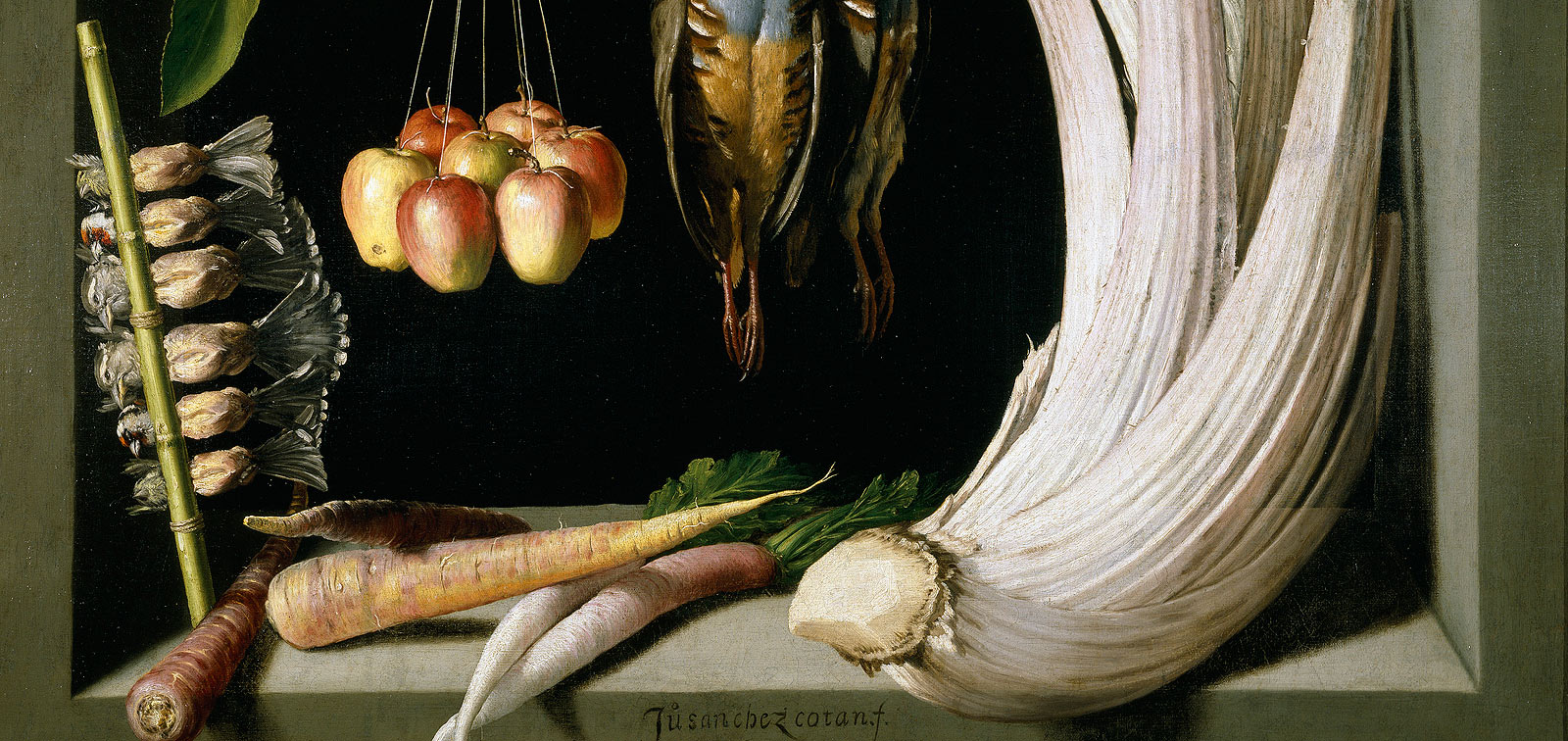
The present exhibition comprises an exceptional group of works formerly in monasteries and convents closed during the Disentailment, as well as others purchased in the 1860s (the Auto da Fe with Saint Domingo de Guzmán by Berruguete, and two portraits by Goya), and paintings formerly in the collection of the Infante don Sebastián Gabriel, recently acquired by the Museo del Prado (a Still Life by Sánchez Cotán and Saint Bernard and the Virgin by Alonso Cano). Together, they are intended to offer an idea of the important contribution made by the collection of the Museo de la Trinidad to that of the Museo del Prado.
In addition, a further 47 paintings originally in the collection of the Trinidad can be seen hanging in their normal locations in the Museum, specially marked to facilitate identification.