formularioRDF
The itinerary <em>TITULORECORRIDO</em> has been successfully created. Now you can add in works from the Collection browser
<em>TITULOOBRA</em> added to <em>TITULORECORRIDO</em> itinerary

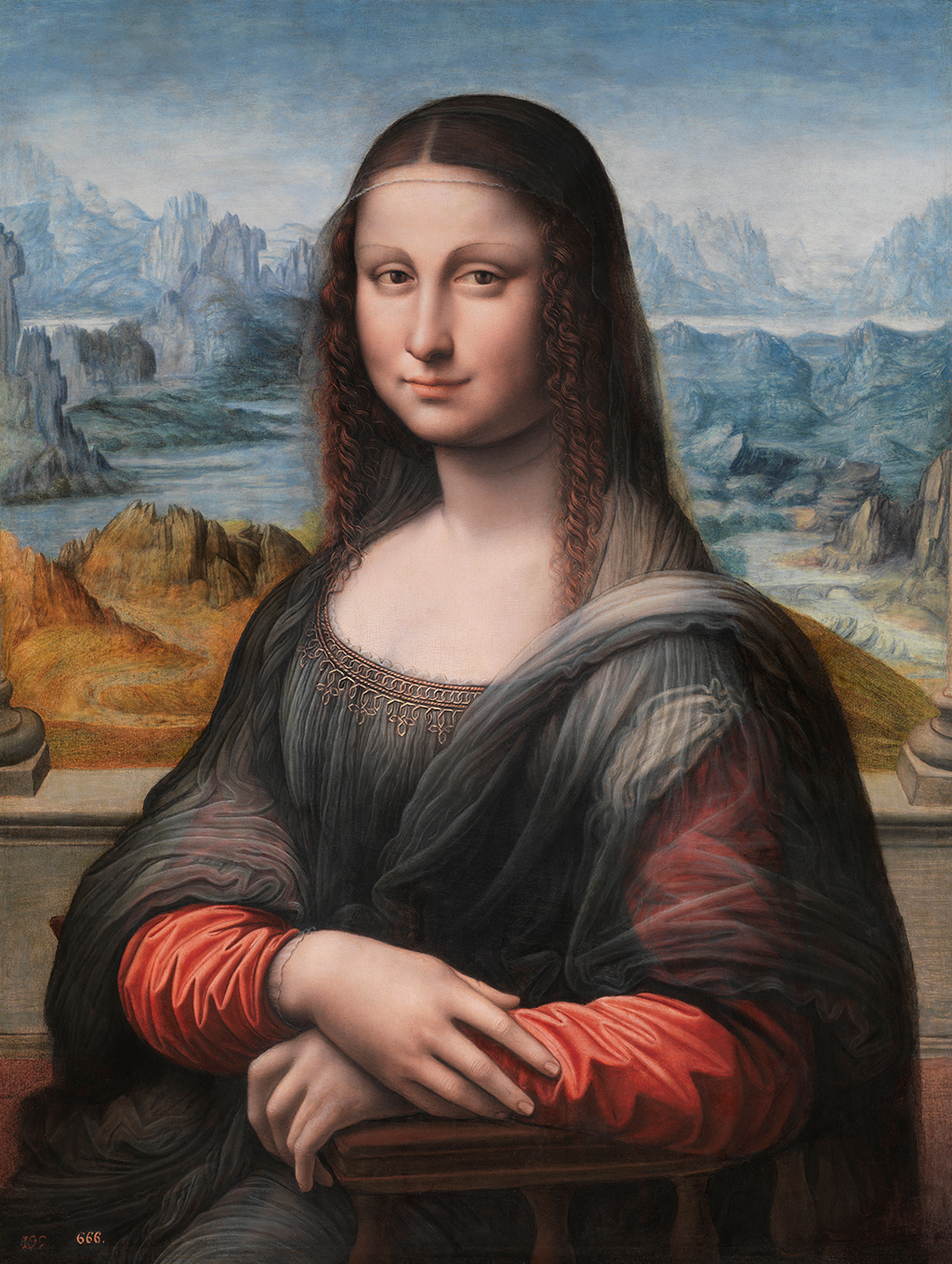
Mona Lisa. Workshop of Leonardo da Vinci

The Mona Lisa is a painting from the workshop of Leonardo da Vinci.

The painting was created between 1507 and 1516.

ETR (Easy to Read) icon
© Easy-to-read european logo: Inclusion Europe. More information at: Easy-to-read

Who is the person represented in the painting?

This painting depicts the Mona Lisa or Gioconda and is a copy of the famous artwork by Leonardo da Vinci.

Artists from his workshop painted this picture.

Mona Lisa was the wife of the noble Francesco Bartolomeo del Giocondo.

A nobleman is a person who has a title granted by the king or inherited from the family.

Mona Lisa was also known as Gioconda.

Gioconda was after the surname of her husband.

MonaLisa
Mona Lisa from the workshop of Leonardo da Vinci

What makes this painting relevant?

This painting is a copy of the famous Mona Lisa painting by Leonardo da Vinci.

An artist from the workshop painted it at the same time as Leonardo da Vinci created the original painting.

The experts checked the drawings under the painting and discovered they were exactly like the drawings in the Mona Lisa by Leonardo da Vinci.

When da Vinci painted and made changes to his Mona Lisa, the painter of this copy did the same.

Some corrections that appear in the original Mona Lisa do not appear in the painting we have at the Prado Museum.

The author of the painting is unknown, but experts believe that the author was someone close to Leonardo da Vinci and who followed his techniques.

The author of this copy could be Francesco Melzi or Salaibecause they were the most trusted students of Leonardo da Vinci

Leonardo da Vinci used a painting technique in his Mona Lisathat blurred the lines.

Blurring is smoothing the lines so that they are not very pronounced.

This technique is called sfumato.

Blurring is smoothing the lines so that they are not very pronounced.

This technique is called sfumato.

The painters from his workshop did not use this technique when painting the copy of the Mona Lisa that we have at the Prado Museum.

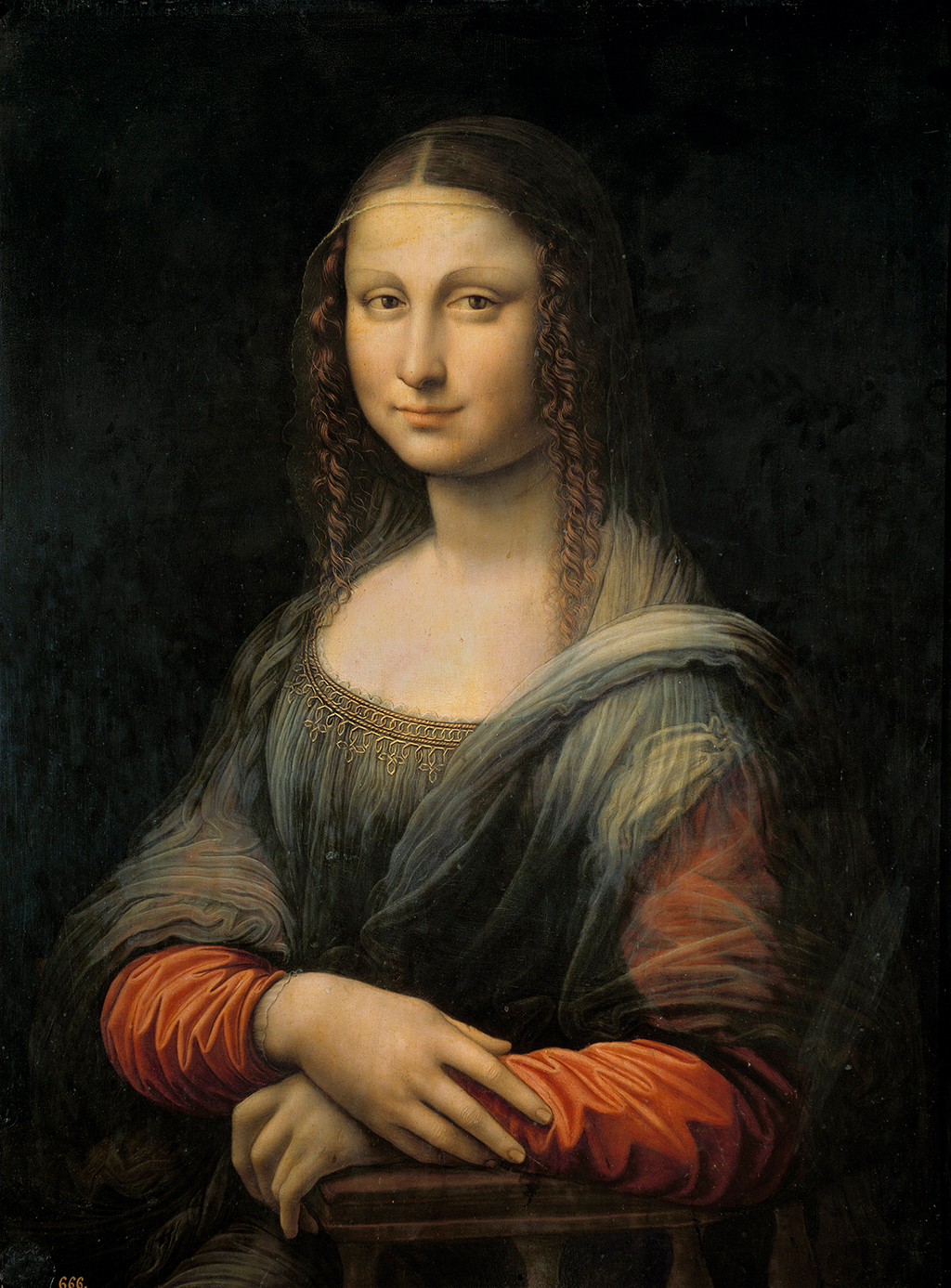
The background of the Mona Lisa painting displayed at the Prado Museum was initially black.

About 10 years ago, experts analysed the painting and discovered that someone had painted over the original background with black paint.

After this discovery, the experts at the Prado Museum restored the painting.

During the restoration process, they discovered that the original background was a rocky landscape.

Now, we can see this rocky landscape in the painting.

MonaLisabeforerestoration
Mona Lisa before restoration

This work belongs to the following tours:

Easy-to-read content of Museo del Prado
Funded by the European Union - NextGenerationEU Government of Spain - Ministry of Culture Recovery, Transformation and Resiliency Plan Museo Nacional del Prado

Funded with the National Recovery and Resilience Plan (NRPP) , Spain’s Next Generation EU financing and according to the initiatives within the component C.24.I3 Digitization and valorization of major cultural services. The project is part of Campus Prado within Accessibility and Signage: Revitalization of the Urban Environment action line and as a universal accessibility activity.

Up