formularioRDF
The itinerary <em>TITULORECORRIDO</em> has been successfully created. Now you can add in works from the Collection browser
<em>TITULOOBRA</em> added to <em>TITULORECORRIDO</em> itinerary

Italian painting tour

This is the Italian paintings easy-to-read tour.

The contents of the 15 works in the tour are available in text, audio, and video formats.

At the bottom of the page, you will find a list of the works available in easy-to-read format.

ETR (Easy to Read) icon
© Easy-to-read european logo: Inclusion Europe. More information at: Easy-to-read

18 century. Renaissance religious scenes

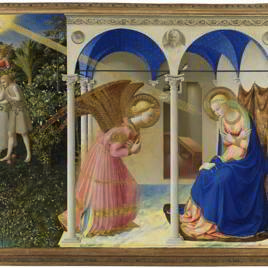
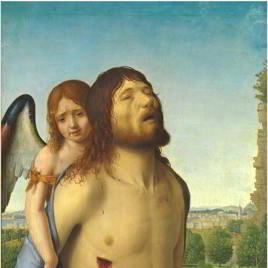
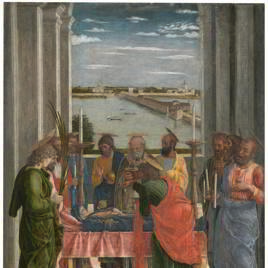
The oldest works on this itinerary were created by artists from the 15 century, such as Fra Angelico, Antonello de Messina, and Andrea Mantegna.

In their paintings, we can see religious scenes from the Bible.

The collection has a few works, but they are of high quality.

In their time, these works were very modern because they represented depth and nature.

These paintings are part of the Italian Renaissance.

The Renaissance was an art style based on the forms and subjects of Ancient Greece and Rome.

The people of this period tried to understand the world and themselves as human beings.

Italy was a very important art centre during the Renaissance in the 15 and 16 centuries.

The Annunciation. Fra Angelico

16 century. New subjects

The Kings of Spain appreciated Italian paintings and began collecting artworks in the 16 century.

As a result, the collection of Italian paintings at the Prado Museum is considered one of the most significant in the world.

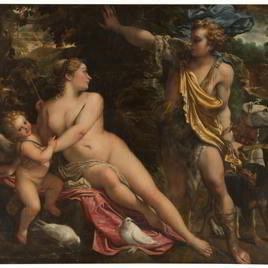
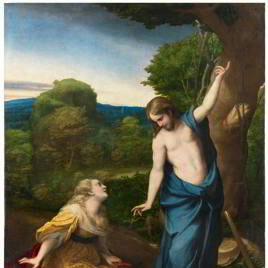
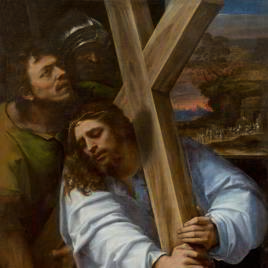
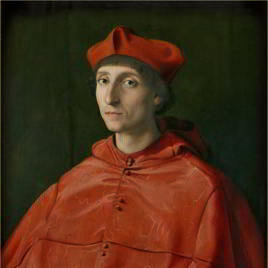
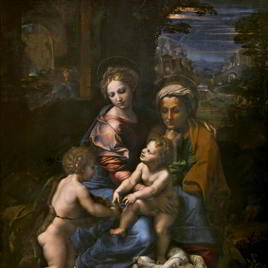
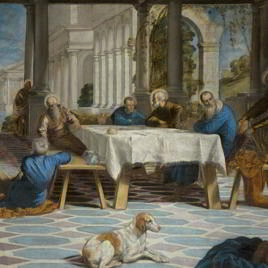
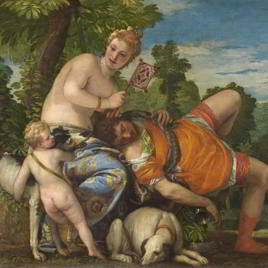
During the 16 century, several notable artists, such as Titian, Raphael, Veronese, Tintoretto, Carracci, Correggio, and Sebastiano del Piombo gained recognition for their exceptional artistic creations.

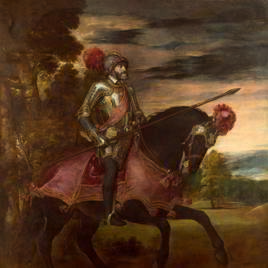
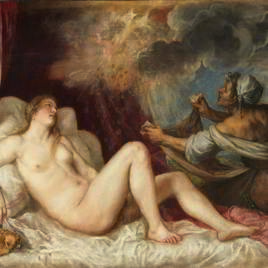
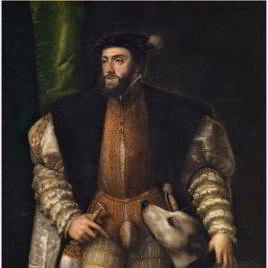
Titian is a very important painter in this collection because he was one of the favourite artists of the king.

He worked for King Charles the Fifth and his son, King Philip the Second.

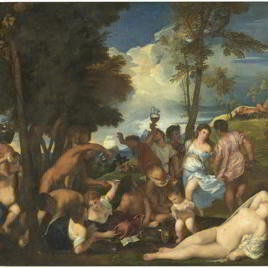
The Prado Museum has many paintings by Titian.

Some are portraits, and others depict religious or mythological scenes.

Mythology is a collection of stories about gods, heroes and traditions specific to nations or cultures.

The paintings by Titian, owned by the kings, were crucial for Spanish painters.

Spanish painters observed the paintings by Titian and learned his use of colour and his method of portraying figures on foot or horseback.

The Andrians. Titian

17 century. King Philip the Fourth commissions

In the 17 century, Spanish King Philip the Fourth had a great interest in art.

He expanded the Spanish royal collection by buying many Italian artworks.

He also sent the painter Velázquez to Italy to buy paintings and sculptures to complete the collection.

Also, the king ordered the construction of the Buen Retiro Palace in Madrid.

He commissioned Spanish and Italian artists to create many paintings to decorate the rooms of the palace.

Most of these paintings are now in the rooms of the Prado Museum.

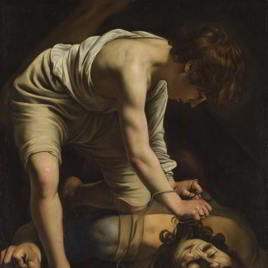
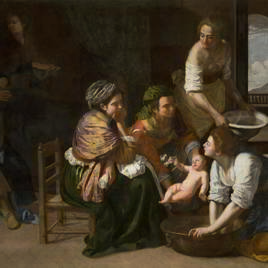
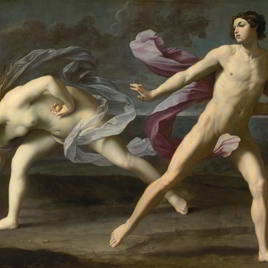
Some of the most important Italian artists of the 17 century include Orazio Gentileschi and his daughter Artemisia, Caravaggio, and Guido Reni.

The Birth of Saint John the Baptist. Artemisa Gentileschi

18 century. King Charles the Third and Tiepolo

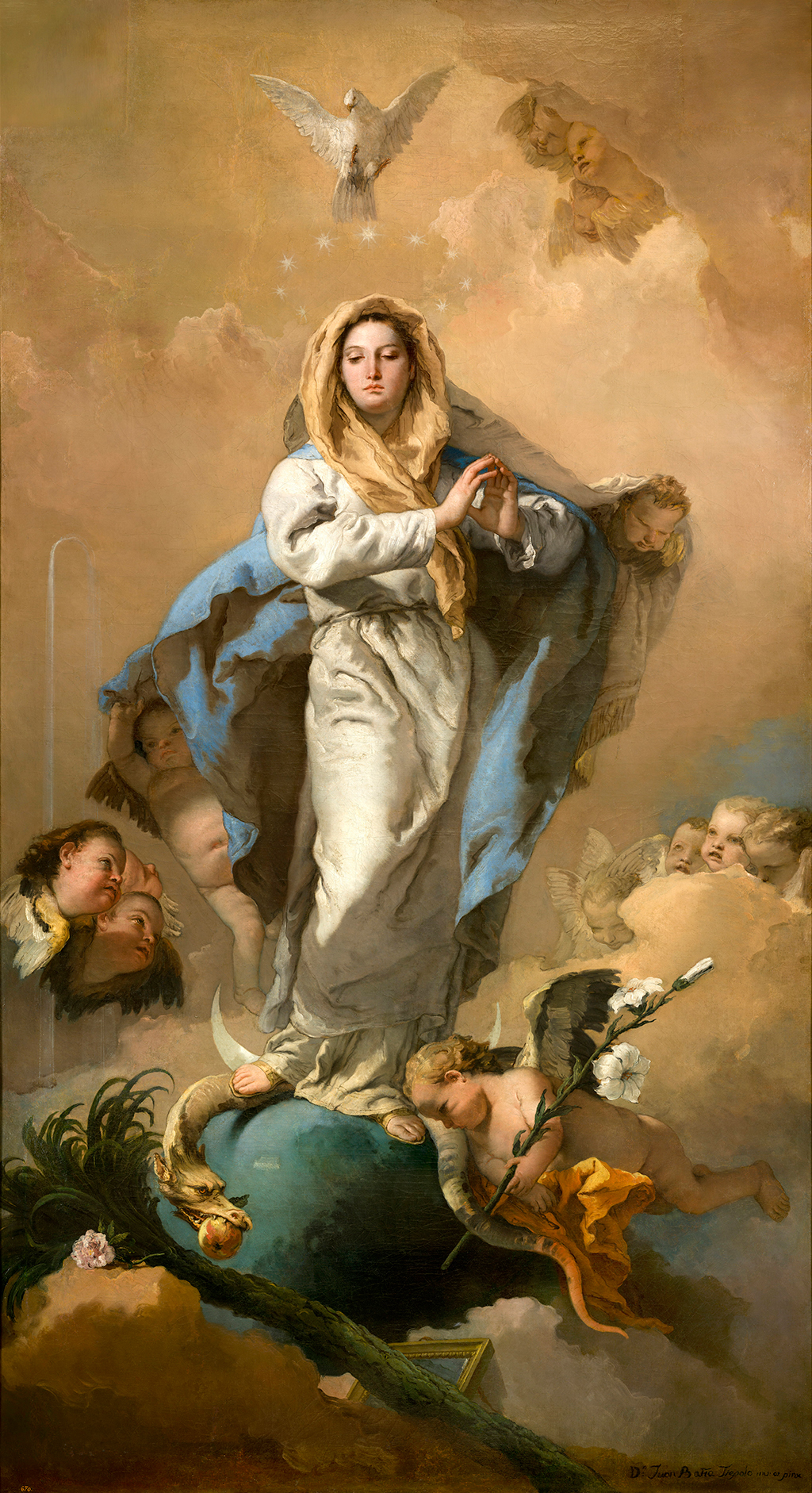
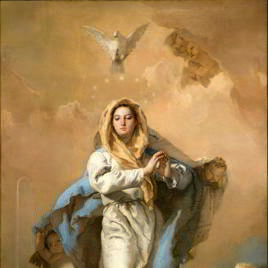
During the 18 century, kings commissioned more works from Italian artists, such as Venetian painter Giambattista Tiepolo.

King Charles the Third even asked him to come to Madrid to paint in his palace.

The Immaculate Conception. Tiepolo
Funded by the European Union - NextGenerationEU Government of Spain - Ministry of Culture Recovery, Transformation and Resiliency Plan Museo Nacional del Prado

Funded with the National Recovery and Resilience Plan (NRPP) , Spain’s Next Generation EU financing and according to the initiatives within the component C.24.I3 Digitization and valorization of major cultural services. The project is part of Campus Prado within Accessibility and Signage: Revitalization of the Urban Environment action line and as a universal accessibility activity.

Up