formularioRDF
The itinerary <em>TITULORECORRIDO</em> has been successfully created. Now you can add in works from the Collection browser
<em>TITULOOBRA</em> added to <em>TITULORECORRIDO</em> itinerary

The Andrians. Titian

The Andrians is a painting by Titian, an Italian painter.  

The painting is from 1526.

ETR (Easy to Read) icon
© Easy-to-read european logo: Inclusion Europe. More information at: Easy-to-read

What is the subject?

The painting depicts a bacchanal on the Greek island of Andros.

A bacchanalia was a feast honouring Bacchus, the Roman god of wine.

The god Bacchus favoured this island, and one of the streams flowed with wine instead of water.

The painting shows an idealised landscape with the sea in the background.

At the feast, gods and inhabitants of the island drink, dance, and sing.

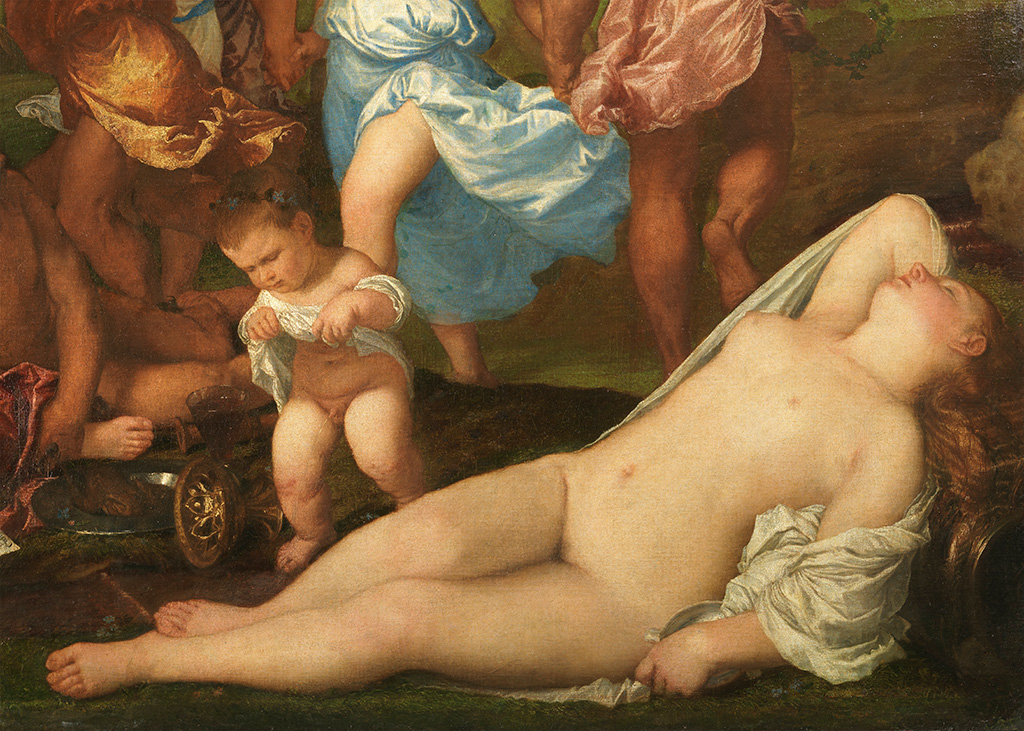
In the right corner, we can see a naked woman asleep from the effects of wine.

She is a nymph.

A nymph is a goddess of nature in ancient Greece and Rome.
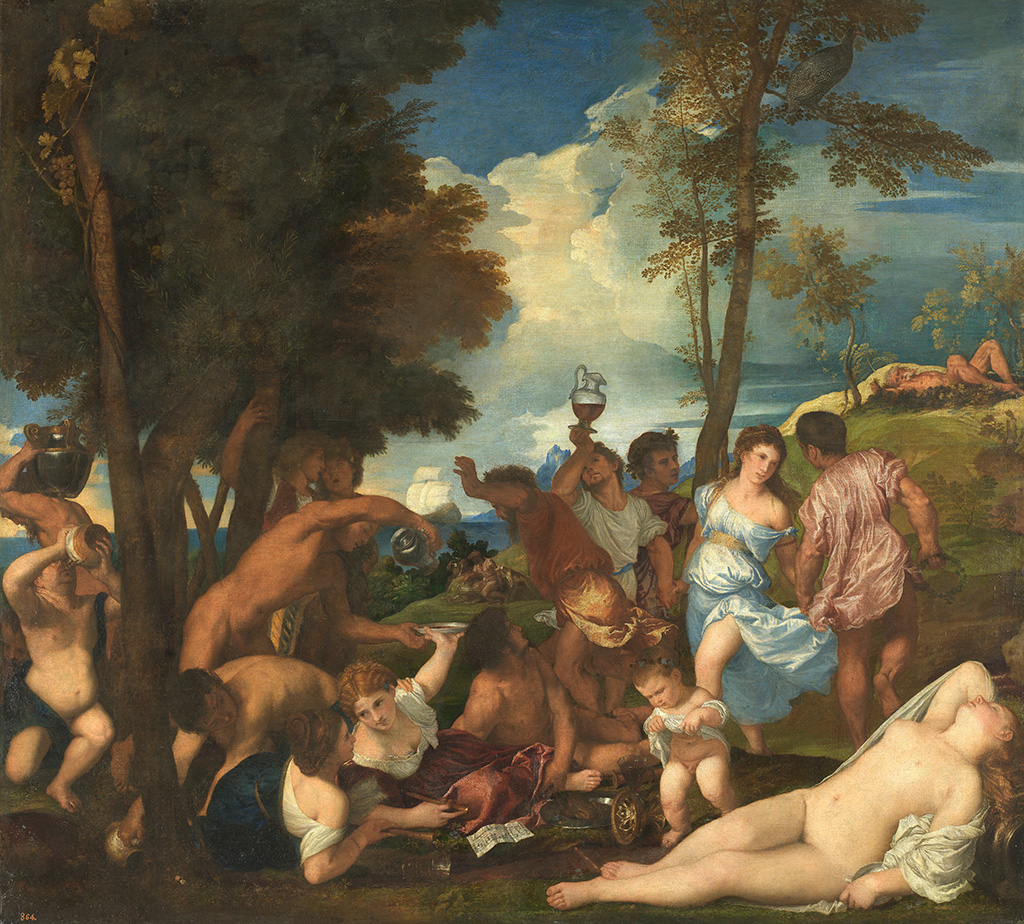
TheAndrians
The Andrians by Titian

What makes this piece relevant?

This painting is one of the most daring nudes of the era of Titian.

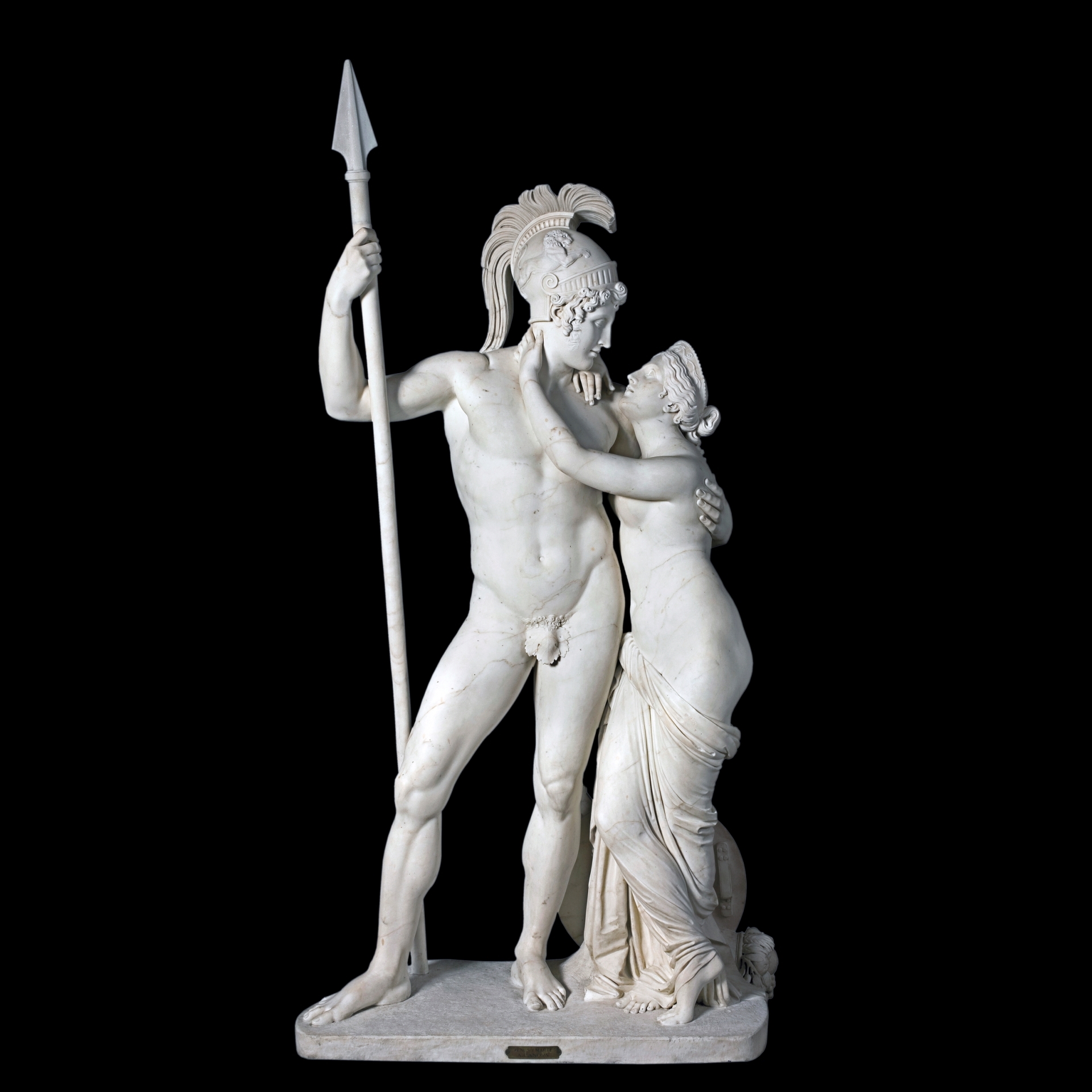
The posture of the woman is similar to a famous sculpture portraying Ariadne.

Ariadne was a character from Greek mythology.

Mythology is the collection of stories about the gods, heroes and traditions specific to nations or cultures.

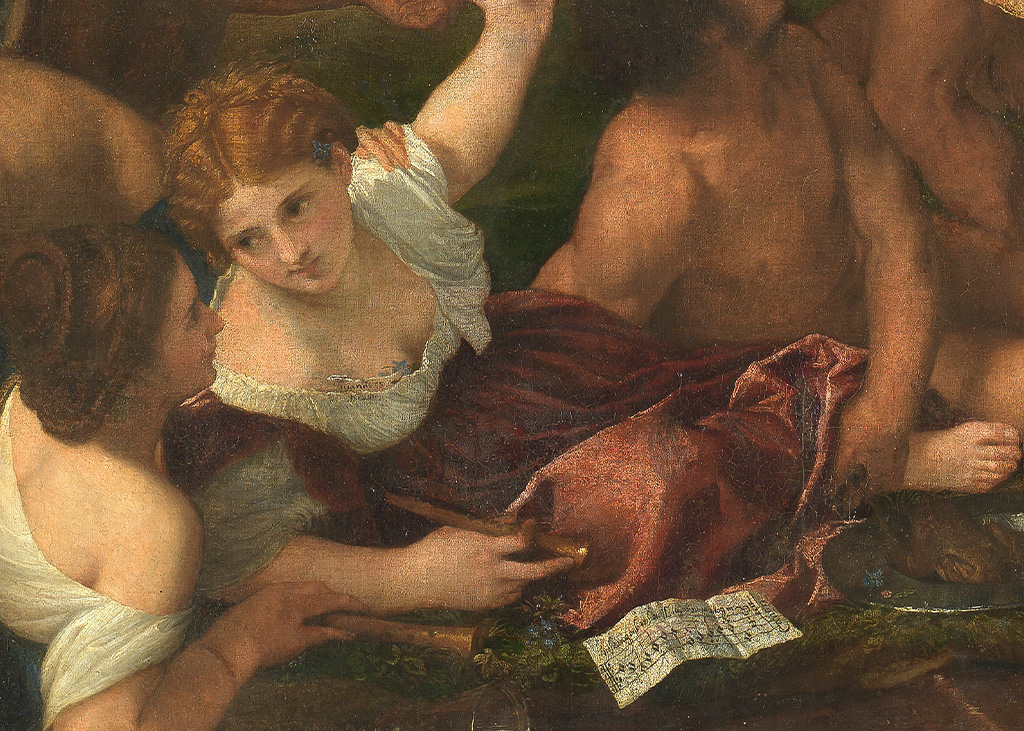
In the centre of the painting is a woman in a red dress.

Some experts believe she represents Violante, a woman that Titian loved.

The painter placed his signature on her neckline.

Next to this woman is a musical score.

The score contains the lyrics of an old song.

The lyrics of the song say that a person who drinks and does not drink again does not know what it is to drink.

This song encourages drinking to get intoxicated.

Detailwoman
Detail of a woman in a red dress

The history of the painting

Titian created this painting inspired by a description of a famous ancient painting by a Roman writer named Philostratus.

This painting decorated the Camerino d’Alabastro room in the palace of Alfonso d'Este, Duke of Ferrara, a city in Italy.

Detail woman and child
Detail of a nymph
Funded by the European Union - NextGenerationEU Government of Spain - Ministry of Culture Recovery, Transformation and Resiliency Plan Museo Nacional del Prado

Funded with the National Recovery and Resilience Plan (NRPP) , Spain’s Next Generation EU financing and according to the initiatives within the component C.24.I3 Digitization and valorization of major cultural services. The project is part of Campus Prado within Accessibility and Signage: Revitalization of the Urban Environment action line and as a universal accessibility activity.

Up