formularioRDF
The itinerary <em>TITULORECORRIDO</em> has been successfully created. Now you can add in works from the Collection browser
<em>TITULOOBRA</em> added to <em>TITULORECORRIDO</em> itinerary

Mythology artworks tour

This is the Mythology artworks easy-to-read tour at the Museo del Prado, with some of the artworks that depict mythological stories.

Mythology is a collection of stories about gods, heroes and traditions specific to nations or cultures.

ETR (Easy to Read) icon
© Easy-to-read european logo: Inclusion Europe. More information at: Easy-to-read

Greek mythology

In Ancient Greece, mythology narrated stories about gods and goddesses that lived on Mount Olympus and had the power to control the lives of people.

Zeus was the most powerful god, while other gods ruled over various aspects of life.

For example, Aphrodite was the goddess of love, and Athena was the goddess of wisdom.

Mythological gods often interacted with humans on Earth.

The gods could take on human form, or transform into natural elements like rain.

There were also heroes with unique abilities who accomplished great feats.

For example, Hercules was very strong, and Perseus was very brave.

Unlike gods, heroes were mortal.

The Greeks used these stories of gods and heroes to explain natural events and occurrences.

They tried to understand the universe, for example, day and night, seasons, and the passage of time.
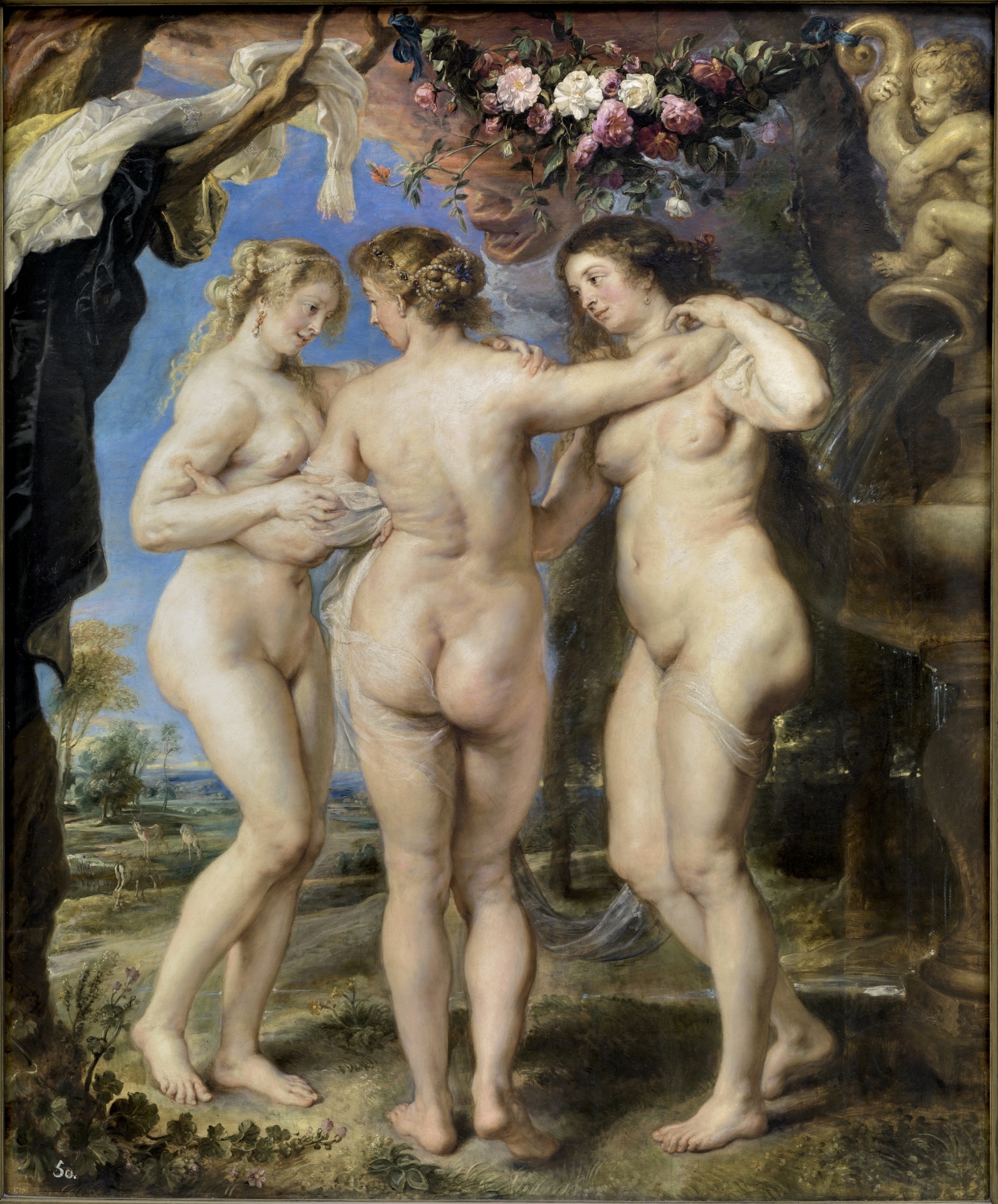
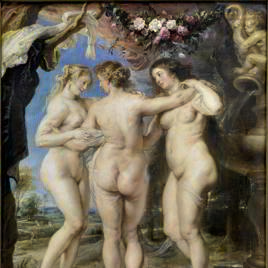
The Three Graces by Rubens.

Roman mythology

The ancient Romans adopted Greek mythology but changed the names of the gods.

For example, the Greek god Zeus became Jupiter in Ancient Rome.

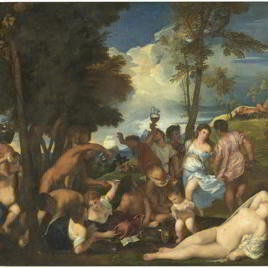
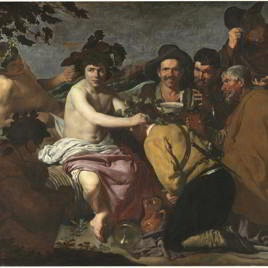
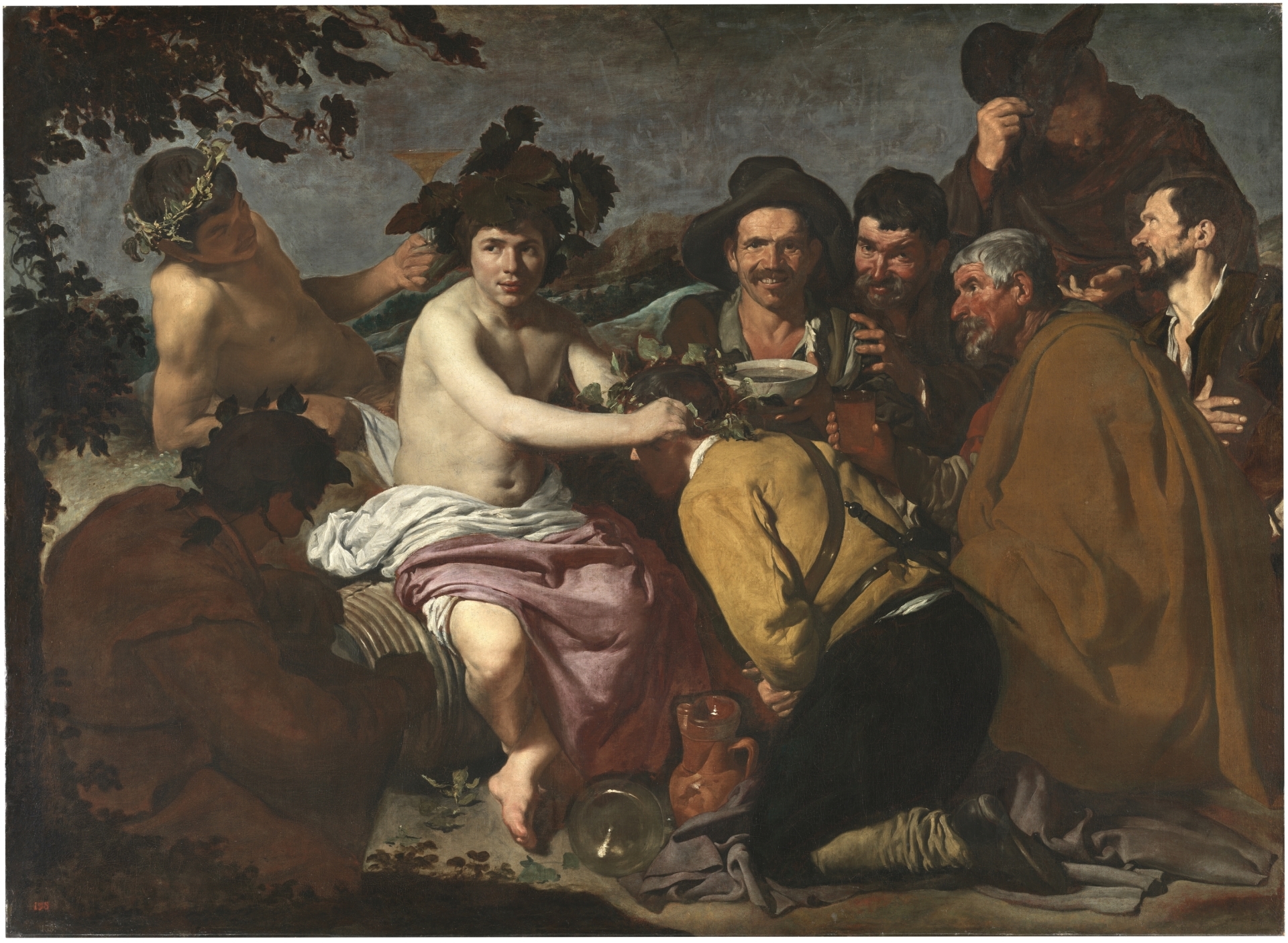
The Feast of Bacchus by Diego Velázquez.

Mythology as an artistic subject

Throughout history, mythology has been a source of inspiration for artists.

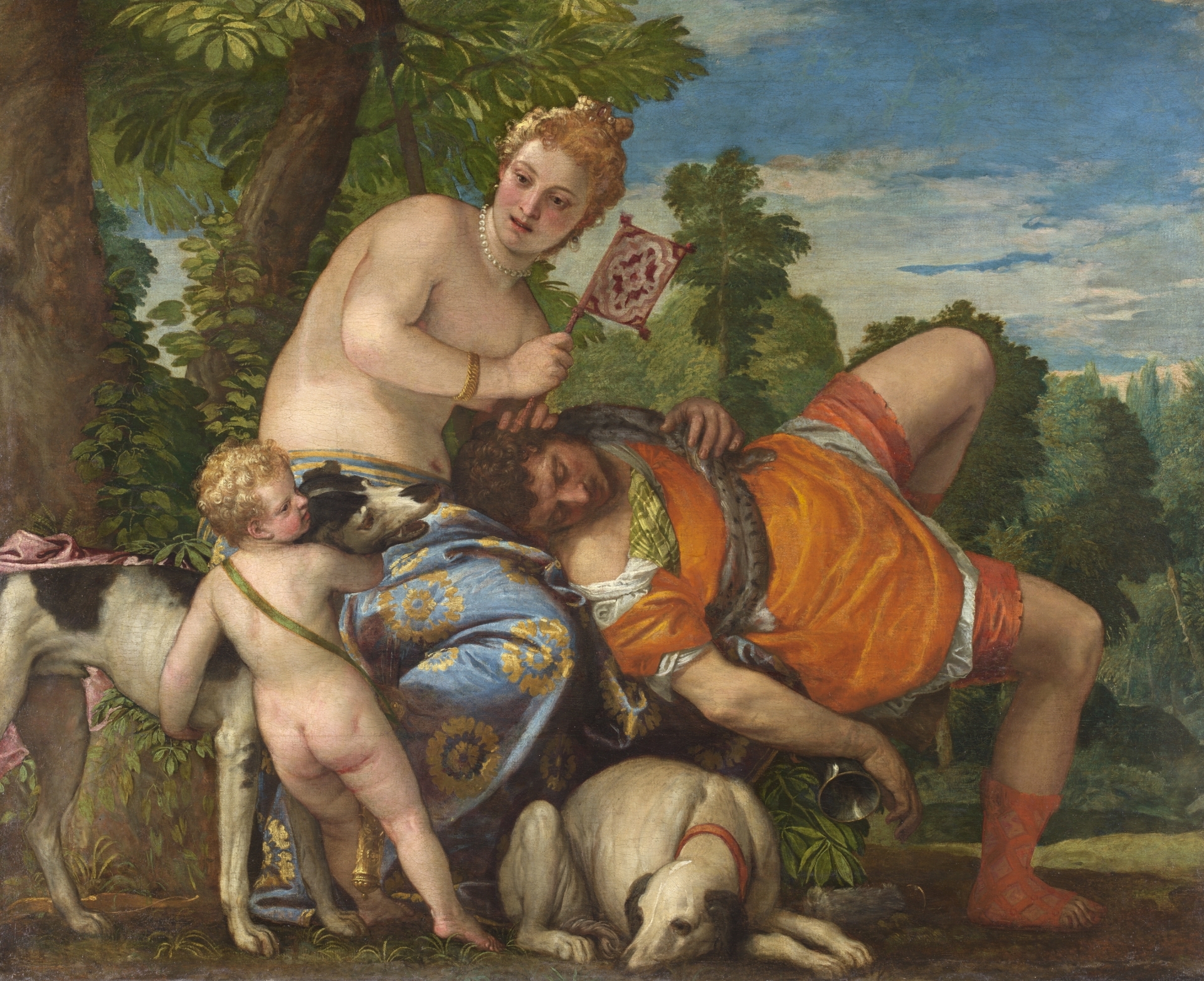
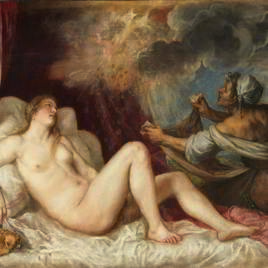
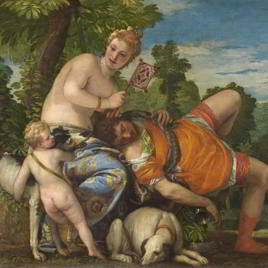
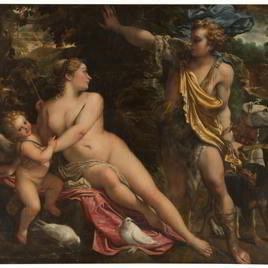
In the Prado Museum, there are 16 century paintings by Italian artists like Annibale Carracci, Titian, and Veronese depicting scenes from the stories of gods such as Venus, Jupiter, or Bacchus.

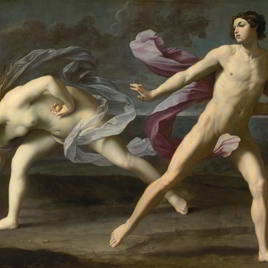
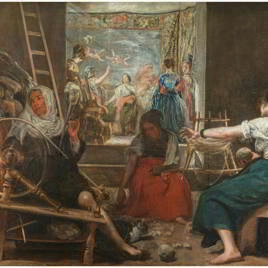
The 17 century painting collection at the Prado Museum also includes artworks depicting mythological characters by artists like Rubens, Guido Reni, Poussin, and Velázquez.

Also, 19 century painters were interested in mythological subjects.

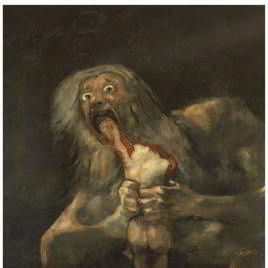
In 1820, Francisco de Goya painted Saturn.

Saturn was the Roman god associated with time.

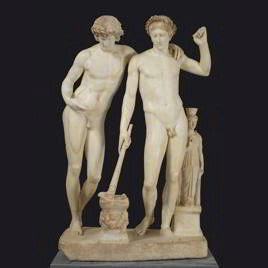
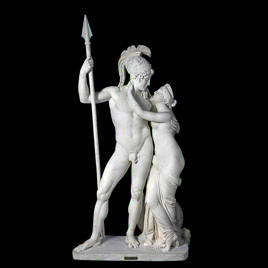
Within this itinerary, you can also see 2 sculptures from different periods depicting mythological stories of Orestes and Pylades and of Venus and Mars.

Venus and Adonis by Veronese.
Funded by the European Union - NextGenerationEU Government of Spain - Ministry of Culture Recovery, Transformation and Resiliency Plan Museo Nacional del Prado

Funded with the National Recovery and Resilience Plan (NRPP) , Spain’s Next Generation EU financing and according to the initiatives within the component C.24.I3 Digitization and valorization of major cultural services. The project is part of Campus Prado within Accessibility and Signage: Revitalization of the Urban Environment action line and as a universal accessibility activity.

Up