formularioRDF
The itinerary <em>TITULORECORRIDO</em> has been successfully created. Now you can add in works from the Collection browser
<em>TITULOOBRA</em> added to <em>TITULORECORRIDO</em> itinerary

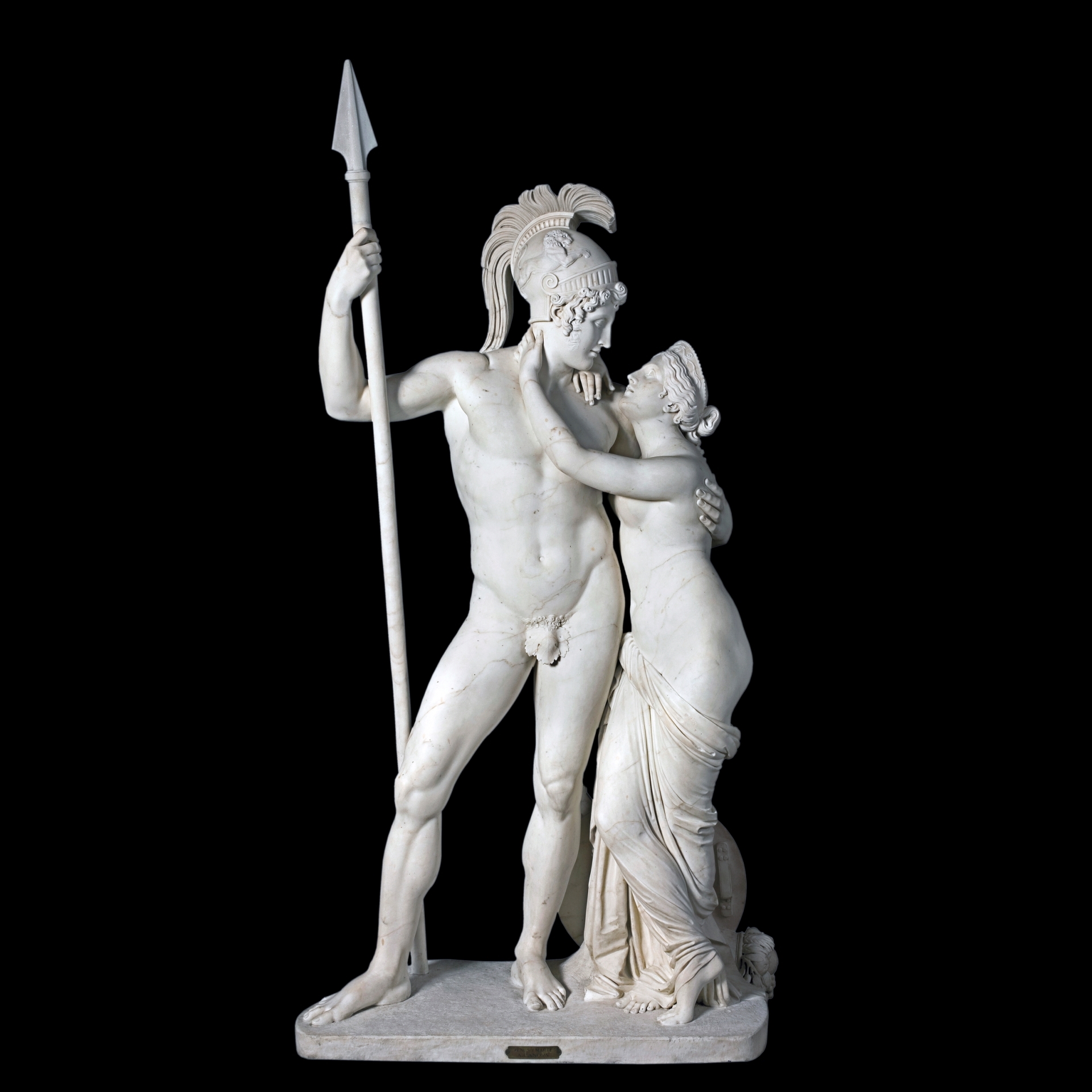
Venus and Mars. Workshop of Antonio Canova

Venus and Mars is a sculpture by a sculptor from the workshop of Antonio Canova.

The sculpture is from 1830.

ETR (Easy to Read) icon
© Easy-to-read european logo: Inclusion Europe. More information at: Easy-to-read

What is the subject?

This sculpture represents the gods Venus and Mars.

The 2 figures are naked, but a cloth covers the legs of Venus.

Mars has a spear and a helmet.

The 2 figures hug and look at each other with passion.

The sculpture is made of Carrara marble.

Carrara is a town in Italy famous for its marble.

This marble is of excellent quality.

Venus and Mars are gods from the mythology of Greece and Rome.

Mythology is the collection of stories about the gods, heroes and traditions specific to nations or cultures.

Venus is the goddess of love and peace and represents tenderness.

Mars is the god of war and represents strength.

Venus was married to Vulcan but loved Mars.

In the sculpture, Venus looks at Mars with admiration and tries to prevent him from going to war.
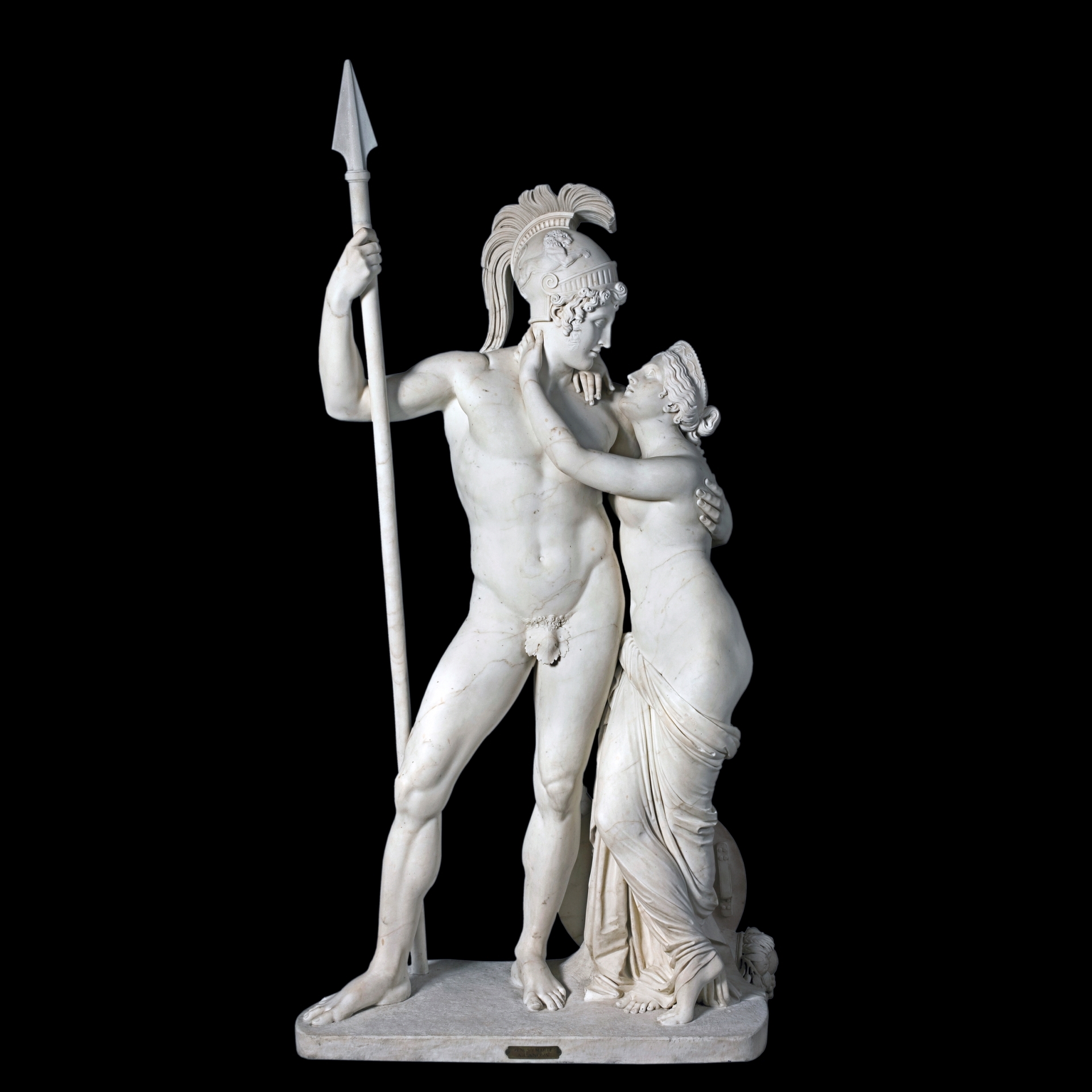
Venus and Mars by Workshop of Antonio Canova.

A copy from the workshop

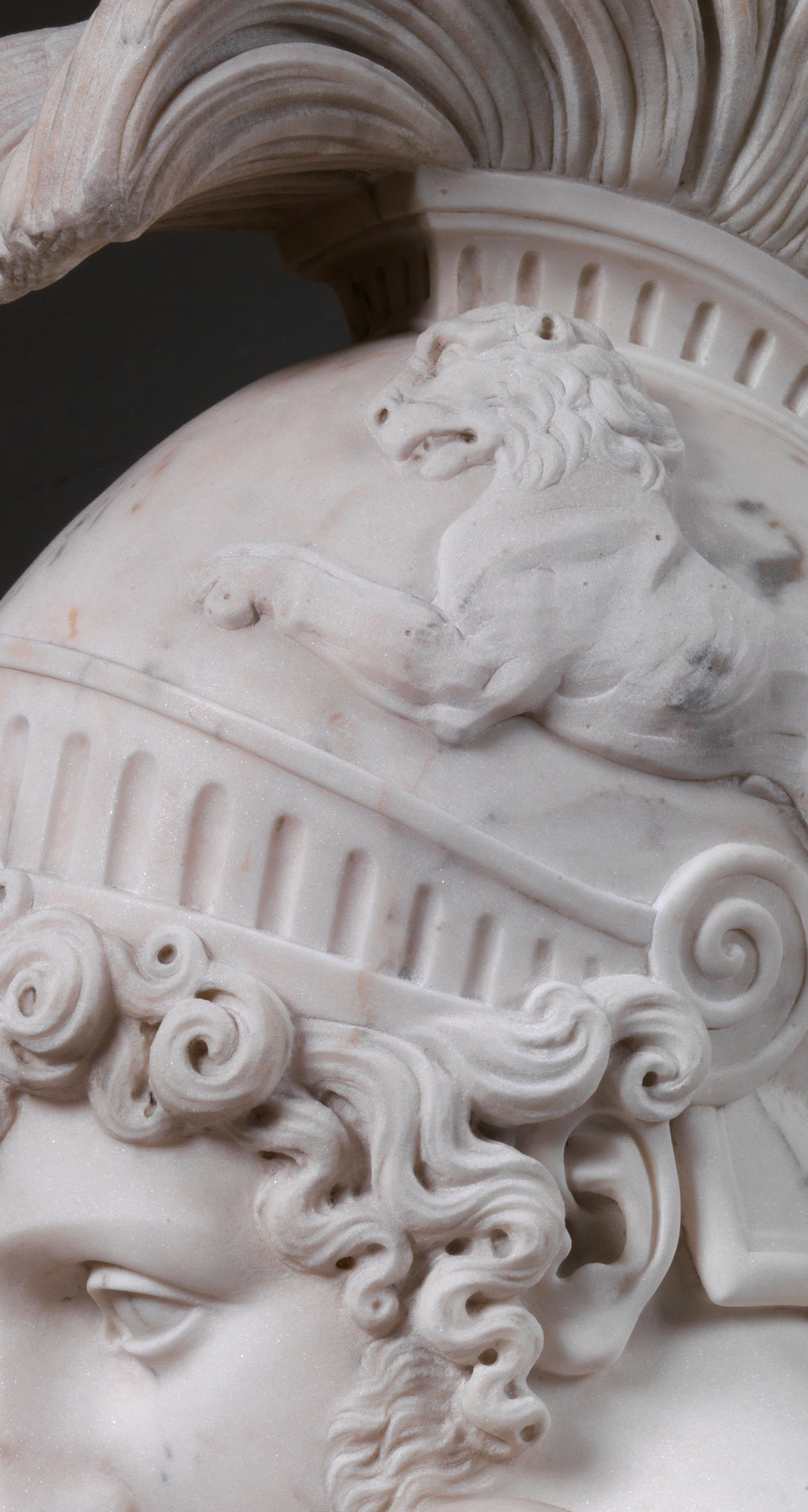
The author created the sculpture with great attention to detail to make it ​​look realistic.

For example, we can see the details of the curls of hair of the 2 gods and the cloth covering the legs of the goddess.

Many people believed that the author of this sculpture was the Italian sculptor Antonio Canova.

But 50 years ago, experts realised that this sculpture was a copy of another sculpture made by Antonio Canova for King George the Fourth of England.

The original Canova sculpture is in Buckingham Palace in London.

Experts believe that Antonio Canova did not create the sculpture displayed in the Prado Museum.

This sculpture was probably created by another sculptor from the workshop of Canova.

The artist used the sculpture of Canova as a model for creating this version between 1820 and 1830.

There are only minor differences between the original sculpture and this one.

The Marquis of Salamanca offered this work to the Prado Museum together with other sculptures by Italian artists.

Detail of Venus and Mars by Workshop of Antonio Canova.
Funded by the European Union - NextGenerationEU Government of Spain - Ministry of Culture Recovery, Transformation and Resiliency Plan Museo Nacional del Prado

Funded with the National Recovery and Resilience Plan (NRPP) , Spain’s Next Generation EU financing and according to the initiatives within the component C.24.I3 Digitization and valorization of major cultural services. The project is part of Campus Prado within Accessibility and Signage: Revitalization of the Urban Environment action line and as a universal accessibility activity.

Up