Most sculptures are classical pieces dating back to Ancient Greece and Rome.
But the collection also includes sculptures from other periods, ranging from the 16 to the early 20 century.
The classical sculptures are the most important in the Prado Museum.
Many of them come from the private collection of Queen Christina of Sweden.
King Philip the Fifth and his wife, Queen Elisabeth Farnese, acquired many of these sculptures in the 18 century.
The museum has sculptures from various periods of Ancient Greece and Rome.
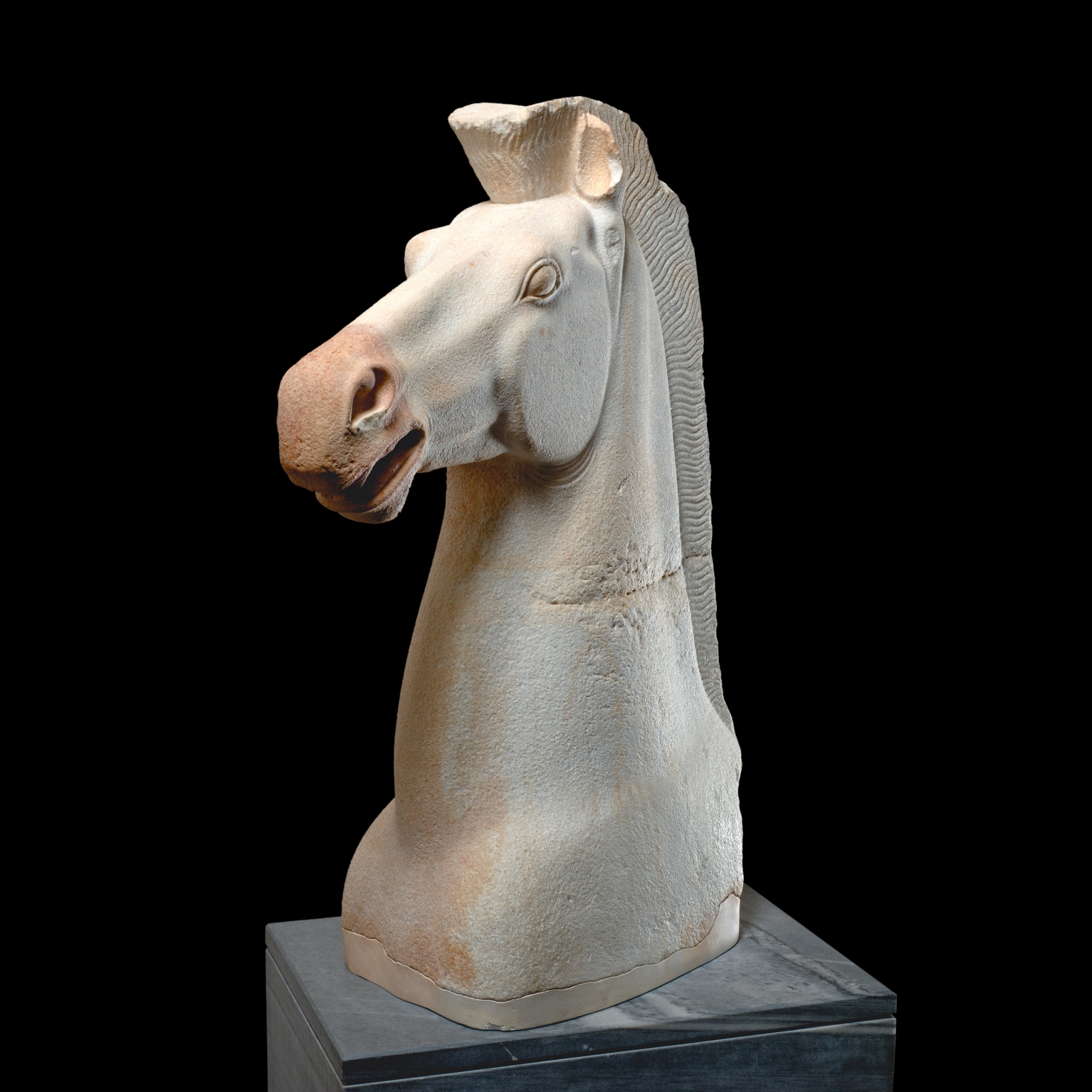
One of the oldest sculptures in the Prado Museum is the “Head of a Horse”.
The sculpture is from the year 515 before Christ.
It was part of a larger group of sculptures from Ancient Greece.
The group included more figures that do not exist today.
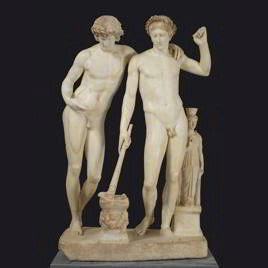
Another outstanding sculpture from this time is “Orestes and Pylades” also known as “The San Ildefonso Group” that represents the friendship between two men.
In the 16 century, Italian sculptors Leone Leoni and his son, Pompeo, created several sculptures portraying members of the royal family, for example, Charles the Fifth and his wife, Isabel of Portugal, and Philip the Second.
These sculptures are from the Renaissance.
The portraits of kings served to recall their power, similar to Ancient Greece and Rome.
In the 17 century, the painter Diego Velázquez travelled to Italy and brought back several bronze sculptures to decorate the Alcázar of Madrid, the former palace of the kings of Spain.
These sculptures are now part of the Prado Museum collection.
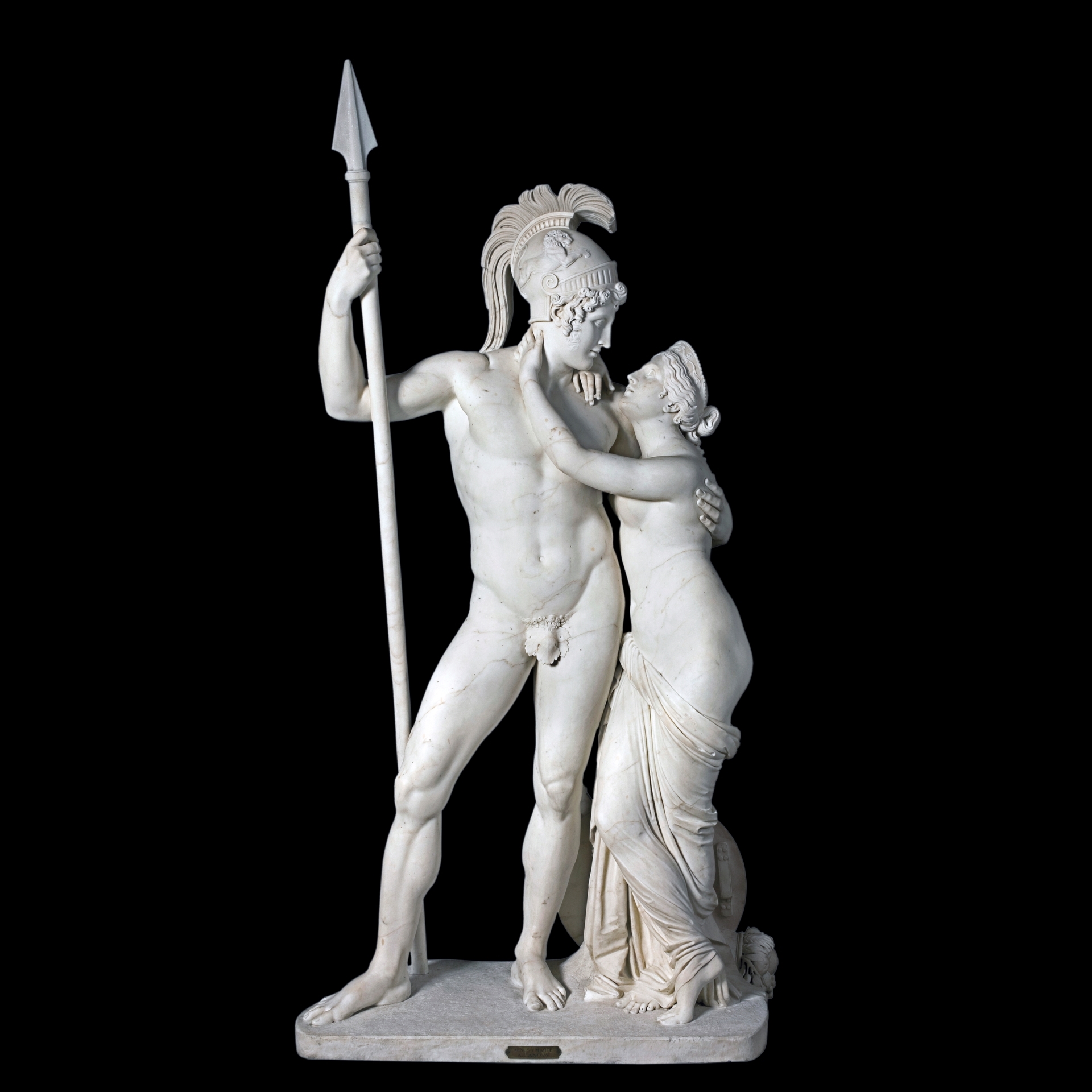
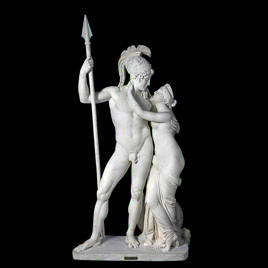
In the 19 century, the collection of sculptures of the Prado Museum expanded with works by Spanish artists of that time, donations, and purchases from other private collectors, such as the “Venus and Mars” sculpture group, created by a sculptor from the workshop of Antonio Canova.
Canova was the most important Italian sculptor of the 18 century.
He revived the artistic style of the ancient Greeks and Romans in the forms and subjects of his sculptures.
Apart from sculptures, the Prado Museum has various other significant collections of objects.
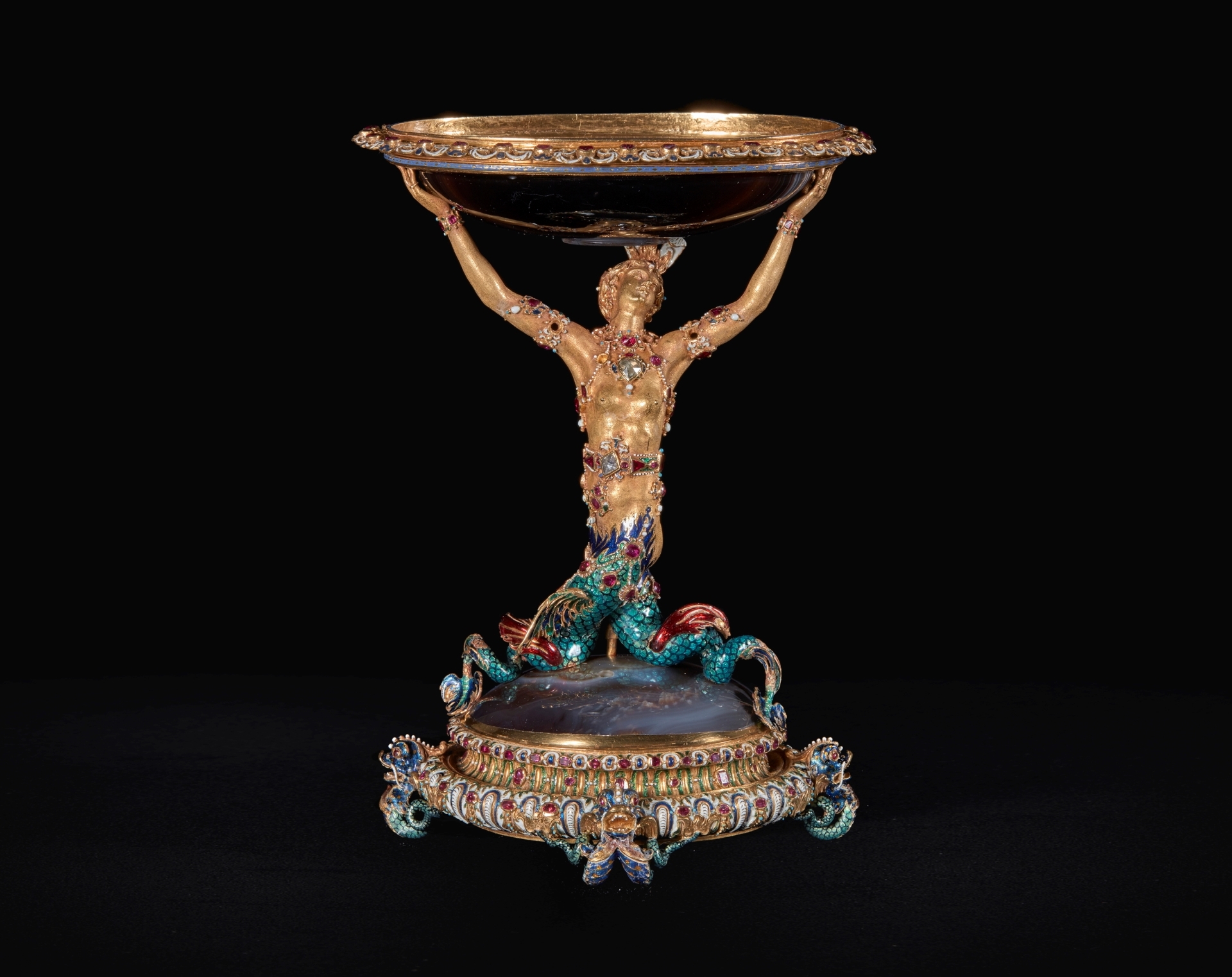
For example, the collection of precious vessels known as The Dauphin's Treasure.
Dauphin refers to the heir to the throne of France.
The son of the Dauphin, Louis of France, became the king of Spain and brought the collection of his father.
This collection is now in the Prado Museum.
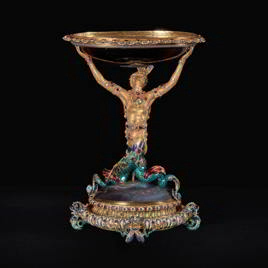
A standout piece in this collection is the “Cup with a golden mermaid”.