formularioRDF
The itinerary <em>TITULORECORRIDO</em> has been successfully created. Now you can add in works from the Collection browser
<em>TITULOOBRA</em> added to <em>TITULORECORRIDO</em> itinerary

Agnus Dei. Francisco de Zurbarán

Agnus Dei is a painting by Francisco de Zurbarán, a Spanish painter.

The painting is from 1640.

This picture shows a young lamb that appears to be between 8 and 12 months old.

The lamb is alive.

The lamb lies on a table, and its legs are tied with a rope.

The lamb looks like it is about to be slaughtered.

The painting depicts the lamb with great attention to detail.

For example, it has eyelashes, the muzzle looks wet, and the wool looks soft.

Also, the painting has a dark background, and the lamb has light colours.

This contrast makes us focus on the lamb and see it as if a light illuminated it.

Experts believe that this painting is a combination of still life and religious painting.

A still life is a painting that depicts objects such as fruits, vegetables, birds and other things.

ETR (Easy to Read) icon
© Easy-to-read european logo: Inclusion Europe. More information at: Easy-to-read

The lamb as a representation of Jesus Christ.

In the 17 century, some artists believed that God created objects and plants and that God was present in all things.

In this painting, the lamb represents Jesus Christ, who expects to be sacrificed on the cross.

The lamb in the painting is quiet and calm, just like Jesus Christ when he was about to die.

The name of the painting is Agnus Dei.

It is a Latin expression meaning Lamb of God.

This expression is used in the Christian religion to describe Jesus Christ, who sacrificed himself by dying on the cross to save all people.
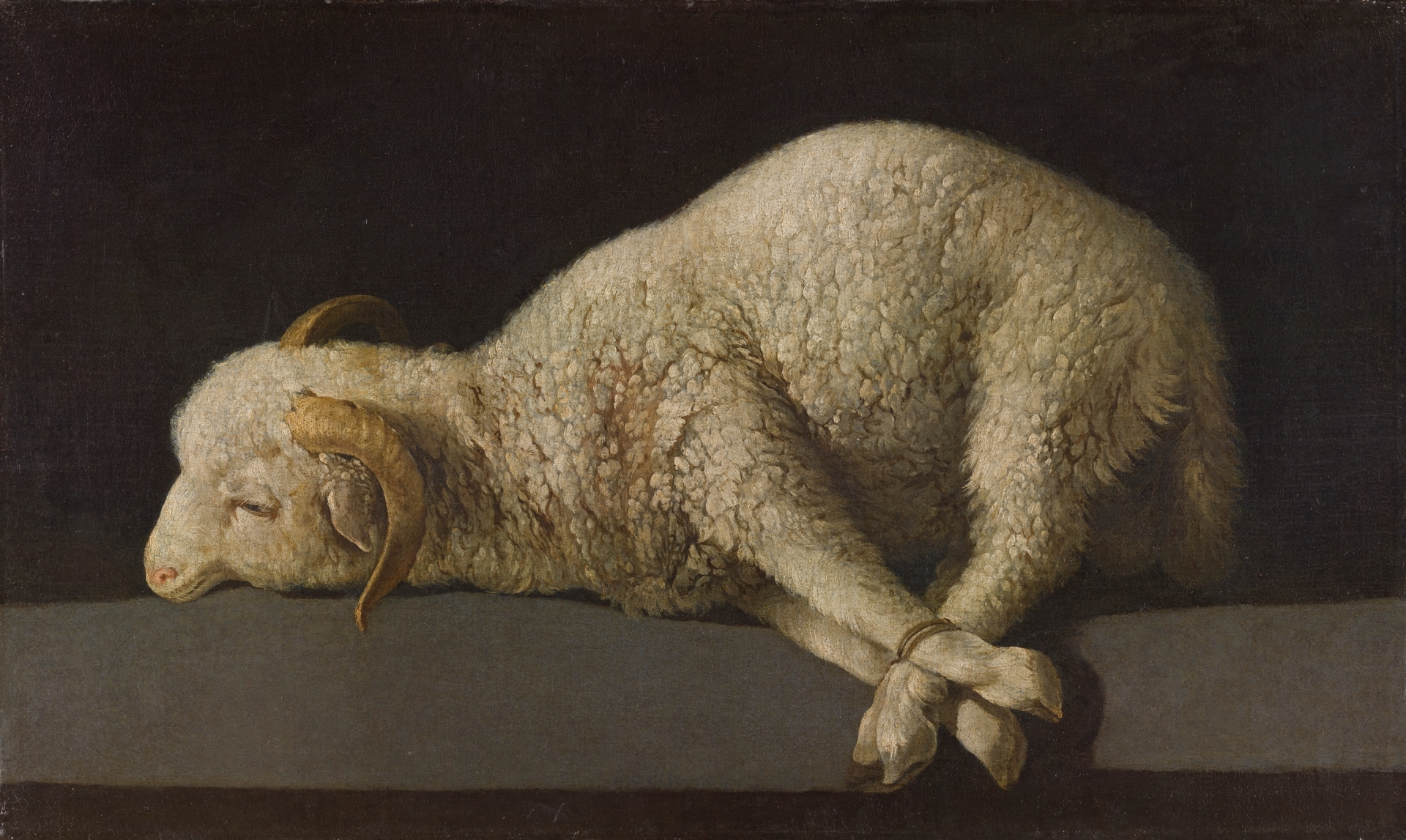
Agnus Dei by Francisco de Zurbarán.

The painter

Francisco de Zurbarán was a painter who was born in Extremadura.

He moved to Seville, where he studied painting.

Zurbarán created paintings for monasteries, convents and churches.

His style combined religious subjects with natural objects, which he painted in great detail.

The paintings of Zurbarán were very famous in Spain and America.

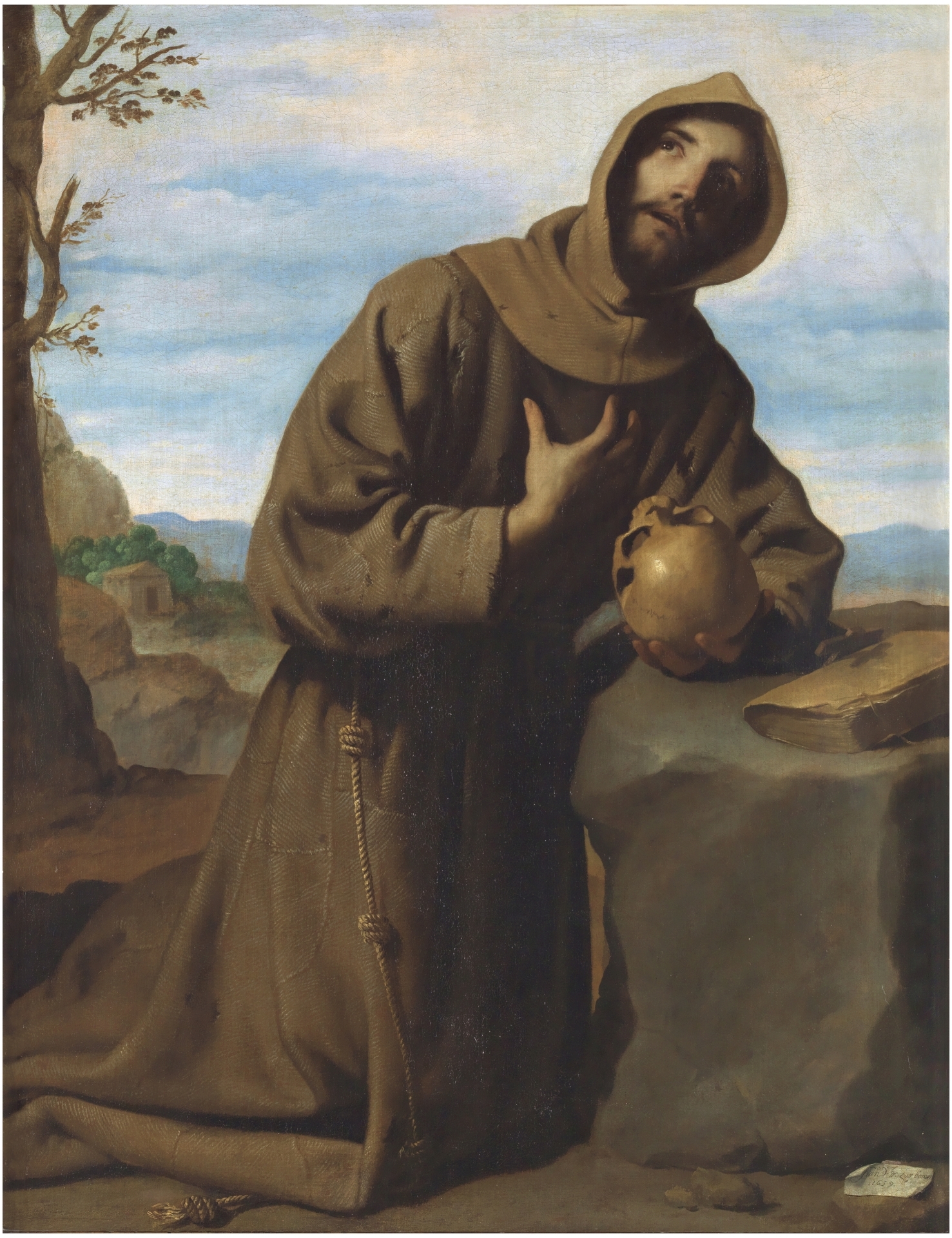
Saint Francis in Prayer by Francisco de Zurbarán.
Funded by the European Union - NextGenerationEU Government of Spain - Ministry of Culture Recovery, Transformation and Resiliency Plan Museo Nacional del Prado

Funded with the National Recovery and Resilience Plan (NRPP) , Spain’s Next Generation EU financing and according to the initiatives within the component C.24.I3 Digitization and valorization of major cultural services. The project is part of Campus Prado within Accessibility and Signage: Revitalization of the Urban Environment action line and as a universal accessibility activity.

Up