formularioRDF
The itinerary <em>TITULORECORRIDO</em> has been successfully created. Now you can add in works from the Collection browser
<em>TITULOOBRA</em> added to <em>TITULORECORRIDO</em> itinerary

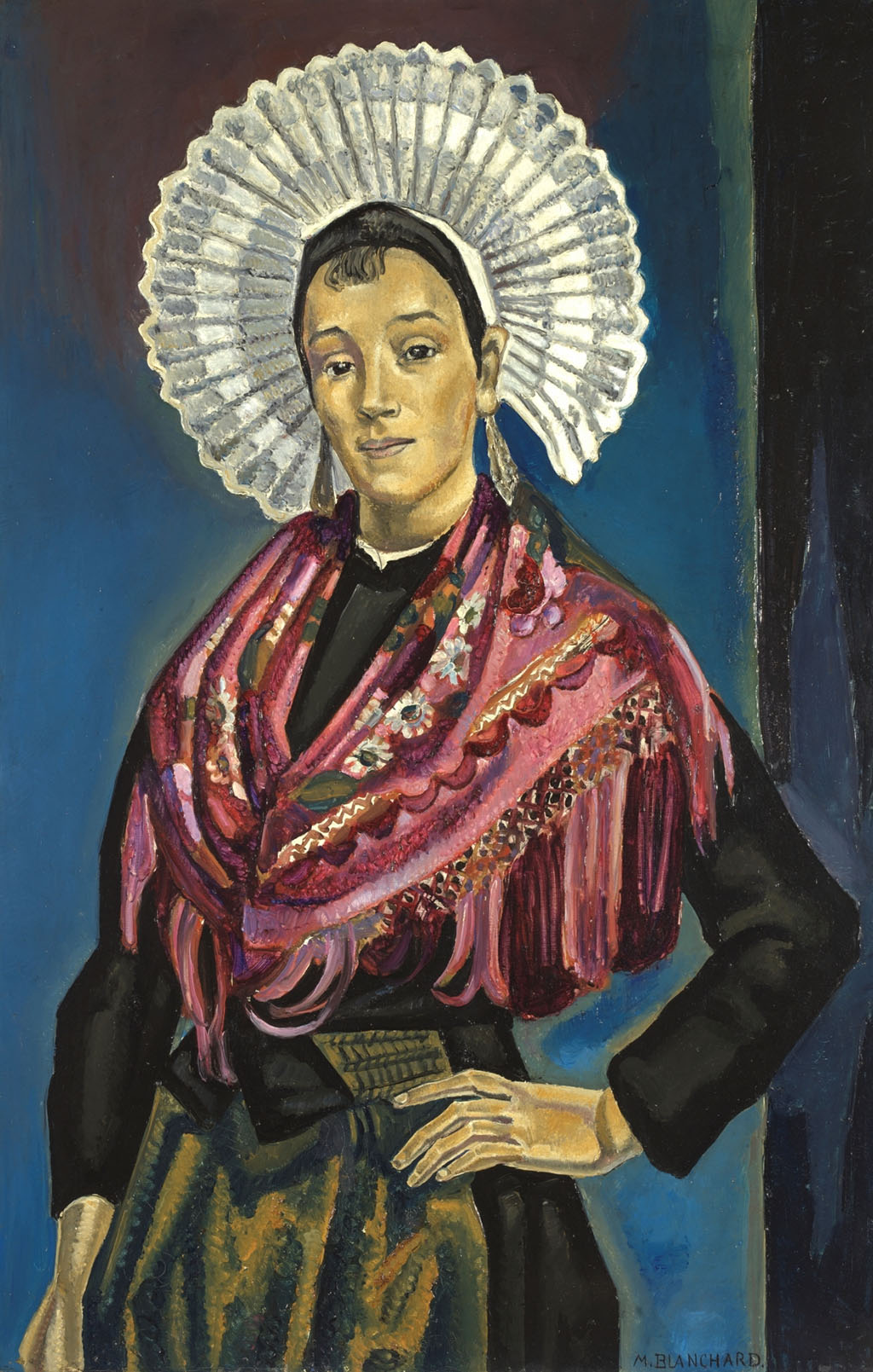
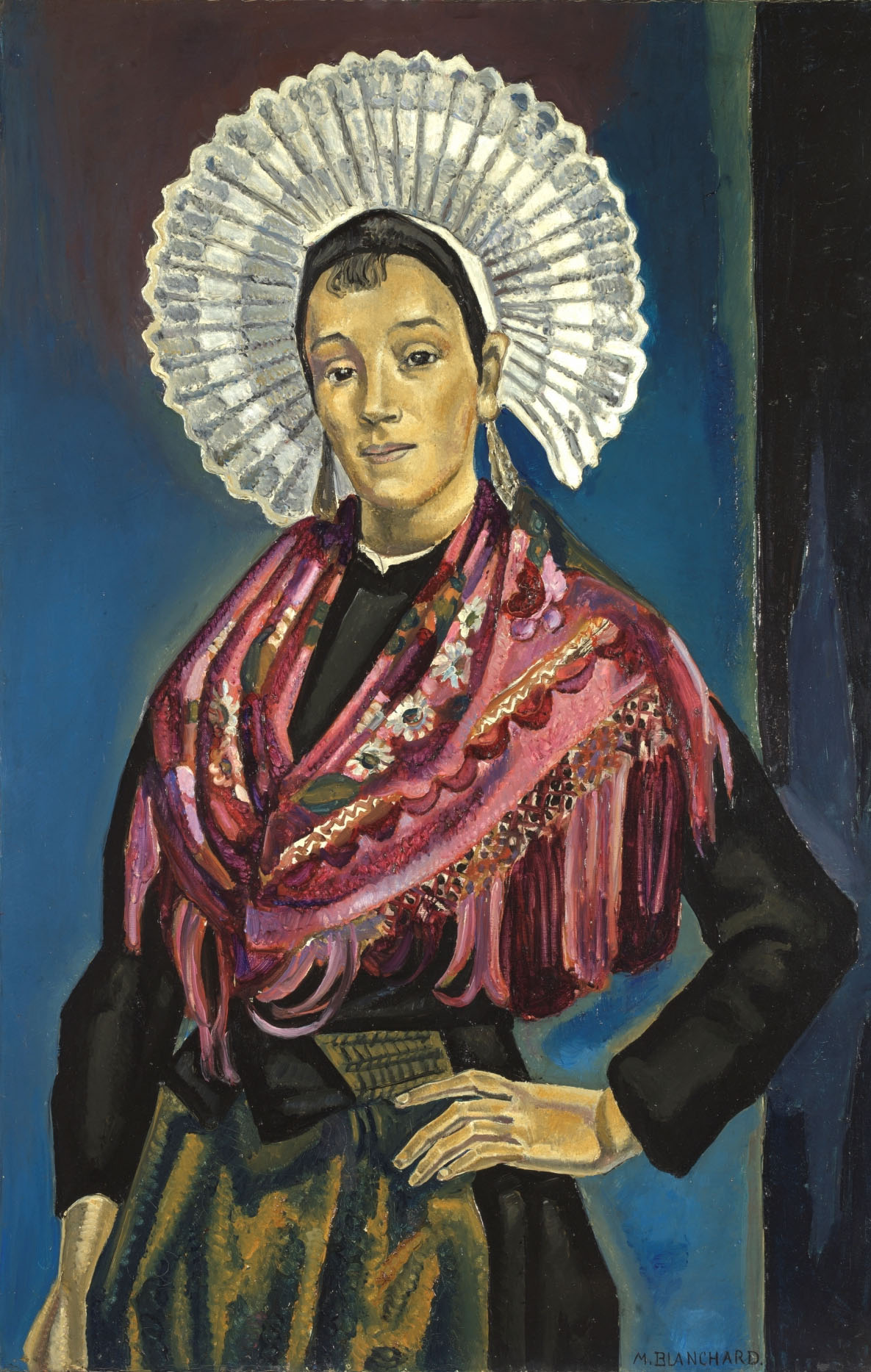
La boulonnaise. Maria Blanchard

La boulonnaise is a painting by Maria Blanchard, a Spanish painter.

The painting is from 1923.

ETR (Easy to Read) icon
© Easy-to-read european logo: Inclusion Europe. More information at: Easy-to-read

Who is depicted?

This painting depicts a fisherwoman from Boulogne-sur-Mer, a town in northern France.

This town was known for its fishing industry.

Women from that town are called boulonnaises and are responsible for collecting shellfish and unloading fish from the boats.

La Boloñesa de María Blanchard

What is she wearing?

The woman in the painting wears a traditional festive costume typical of the region.

In the painting, she stands with her hands on her hips and her arms raised.

This pose was common for the women of that region.

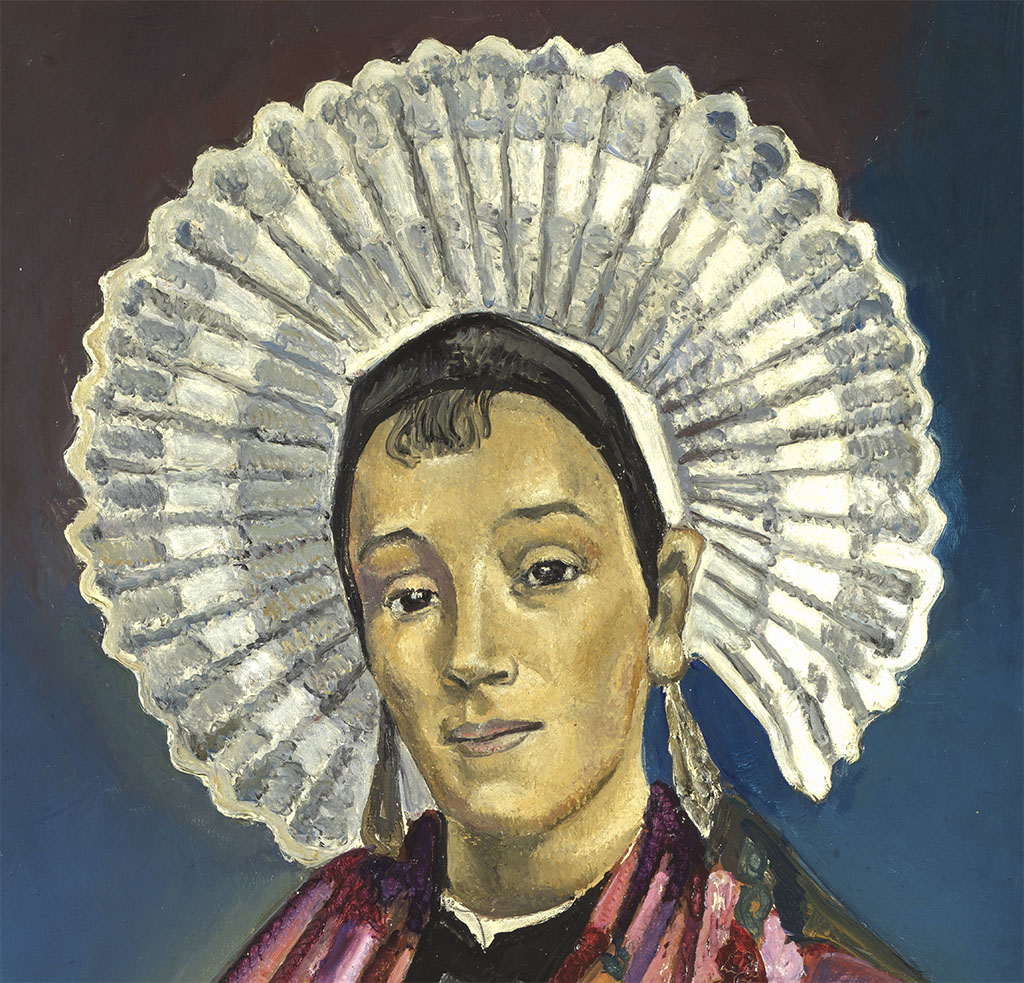
The woman wears a big, stiff, white lace headdress on her head that looks like a halo.

It makes her look even more important.

A halo is a shining circle surrounding the head of sacred persons like the Virgin Mary. 

The face of the woman shows decisiveness and independence.

The woman wears a black silk dress with a yellow and black apron, a pink scarf with coloured flowers, and earrings typical of this area called milanos.

The background of the painting is blue and creates a contrast with the lighter blue surrounding the woman and highlighting her figure.

Detail of the white lace headdress

Influenced by Cubism

The painting shows characteristics of the cubist style.

Cubism is a form of art that aims to be different from traditional painting.

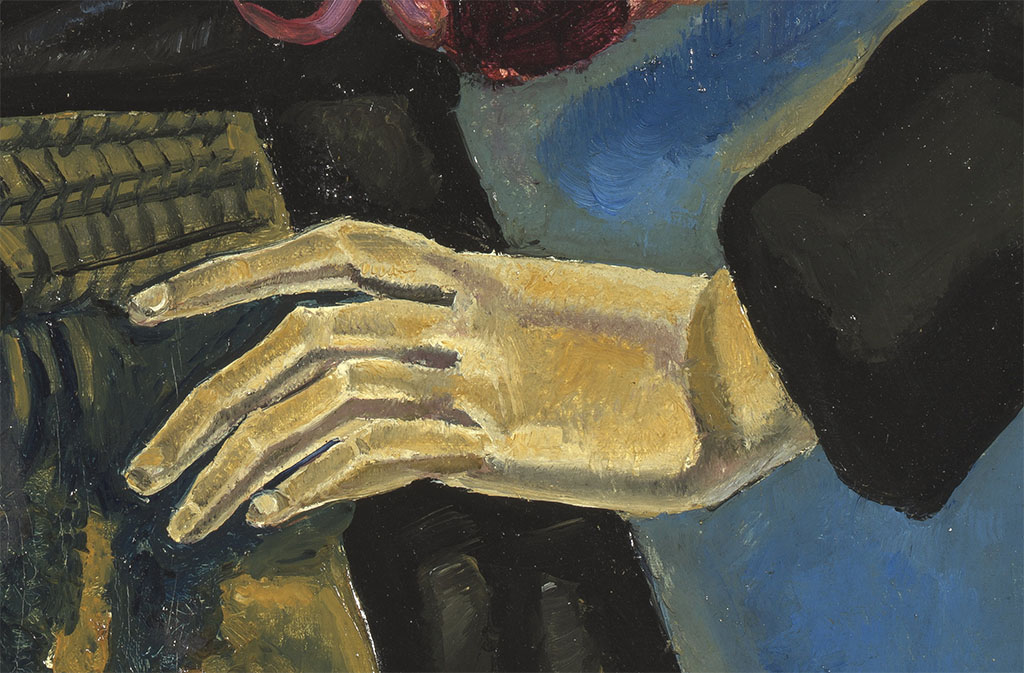
The hands of the woman are an example of Cubism.

Maria Blanchard painted the hands with straighter lines and sharper shadows.

Maria Blanchard wanted to depict the customs and traditions of this region of France in the painting.

She already painted similar pictures showing women from other areas, for example, the paintings of “La Bretonne” and “La Española”.

Maria Blanchard was a Spanish painter.

Detail of the hand

The painter

She was born in Santander and later moved to Madrid to study painting.

She participated in various exhibitions and competitions, winning significant prizes.

Later, Blanchard travelled to Paris, where she met other artists who painted in different styles.

Blanchard was inspired and began experimenting with new techniques, such as Cubism.

Her painting was very innovative and personal and helped her become an important painter of her time.

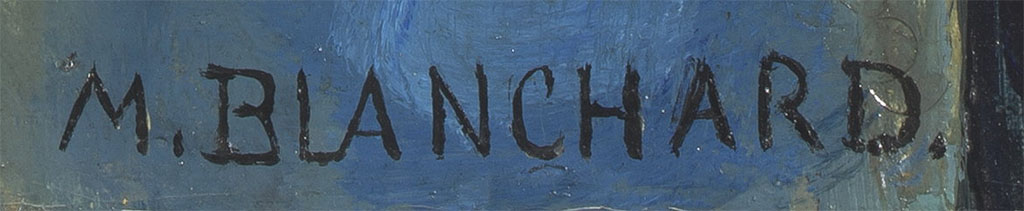
Detail of the signature
Funded by the European Union - NextGenerationEU Government of Spain - Ministry of Culture Recovery, Transformation and Resiliency Plan Museo Nacional del Prado

Funded with the National Recovery and Resilience Plan (NRPP) , Spain’s Next Generation EU financing and according to the initiatives within the component C.24.I3 Digitization and valorization of major cultural services. The project is part of Campus Prado within Accessibility and Signage: Revitalization of the Urban Environment action line and as a universal accessibility activity.

Up