formularioRDF
The itinerary <em>TITULORECORRIDO</em> has been successfully created. Now you can add in works from the Collection browser
<em>TITULOOBRA</em> added to <em>TITULORECORRIDO</em> itinerary

The Patrician's Dream and The Patrician Reveals his Dream to the Pope. Bartolomé Esteban Murillo

Accessible visit / Easy-to-read content of Museo del Prado / The Patrician's Dream and The Patrician Reveals his Dream to the Pope. Bartolomé Esteban Murillo

The Patrician's Dream and The Patrician Reveals his Dream to the Pope are two paintings by Murillo, a Spanish painter.

The paintings are from 1665.

These 2 paintings describe the story of the miracle that led to the founding of the Santa Maria Maggiore church in Rome in the 4 century.

The first painting narrates the story of the dream of a Roman patrician, Joannes.

The second painting depicts the moment Joannes reveals his dream to Pope Liberius.

Patricians were the privileged and wealthy class in Ancient Rome.

ETR (Easy to Read) icon
© Easy-to-read european logo: Inclusion Europe. More information at: Easy-to-read

The Dream

In the first painting, Murillo depicts Joannes and his wife sleeping peacefully.

The Virgin Mary appears to them in a dream, asking them to build a church in her honour on the Esquiline Hill in Rome.

They will know where to build it because they will miraculously see snow in the middle of August.

In the painting, Joannes is seated on a stool on the right.

His wife lies on a red cushion with a sleeping dog beside her.

At the top of the painting, the Virgin and the Child observe the scene.

The Virgin points toward a snow-covered hill, indicating the location of the new church.
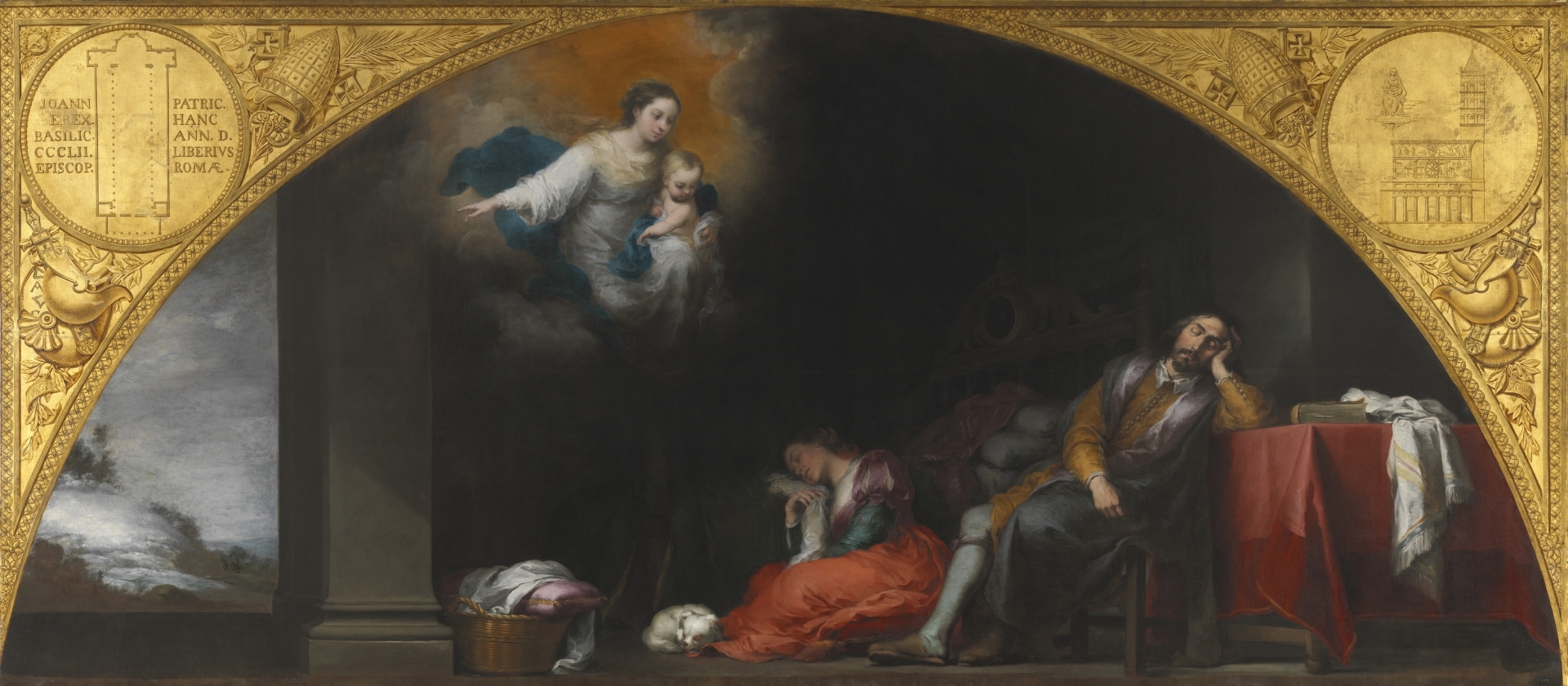
The Patrician's Dream by Bartolomé Esteban Murillo.

The Patrician and the Pope

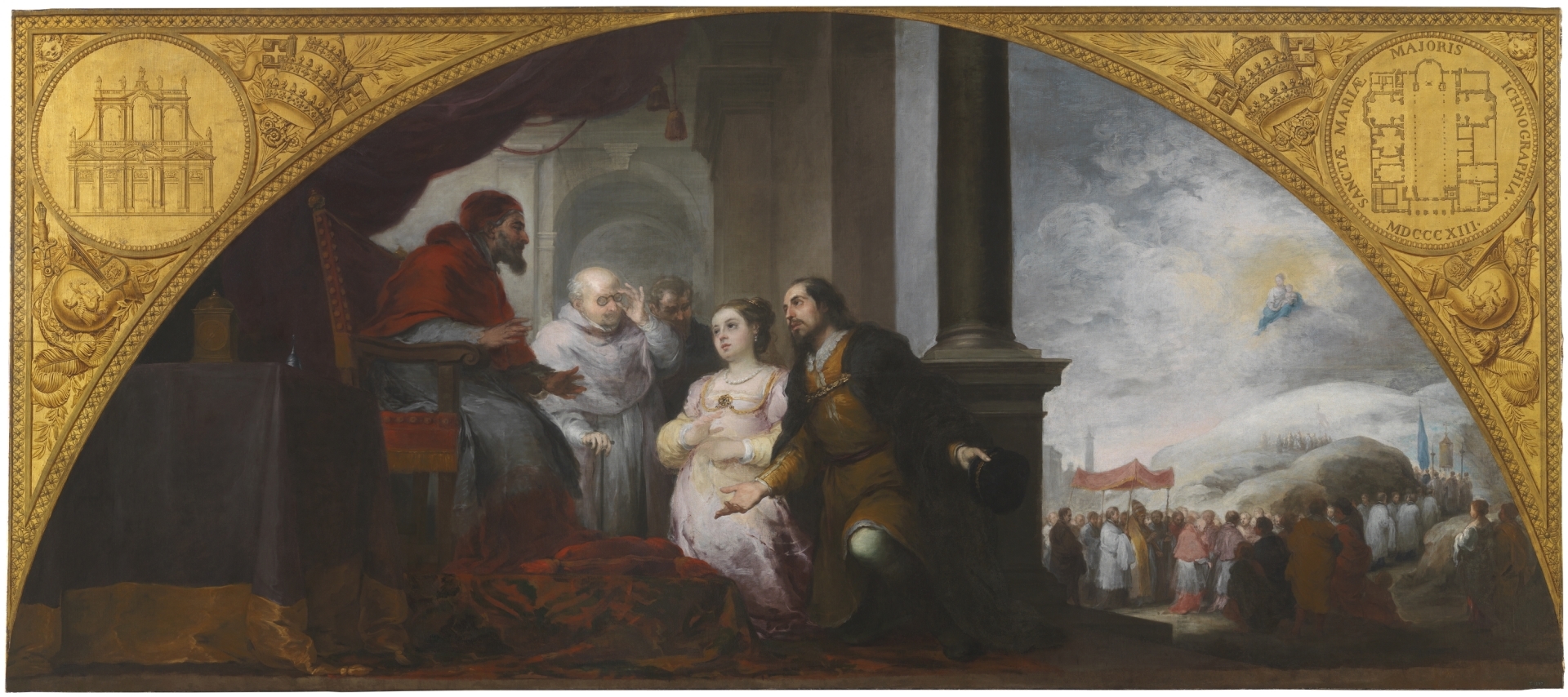
The second painting shows the moment Joannes tells his dream to Pope Liberius.

The pope organises a procession to the Esquiline Hill, where they find snow in August.

They built the Santa Maria Maggiore church in that spot.

You can still visit this church in Rome today.

The painting depicts Joannes and his wife kneeling before the pope.

The pope is seated on the left side in a darker area, expressing surprise as he had the same dream as Joannes.

On the right side, Murillo painted another scene from the story, separated by a column.

In this scene, Joannes, his wife, the pope, and their companions walk towards a snowy hill.

The Patrician recounts his Dream to the Pope by Bartolomé Esteban Murillo.

The painter

Murillo created 2 large paintings for the Santa Maria la Blanca church in Seville, also known as the Virgen de las Nieves.

These paintings were designed to fit under a semicircular dome in the church.

For this reason, they have a semicircular shape.

These 2 paintings are among the most important works by Murillo.

He created them when he had a significant reputation as a painter.

Murillo dominated the artistic scene in Seville at that time.

In the 18 century, he became the most admired painter in Europe.

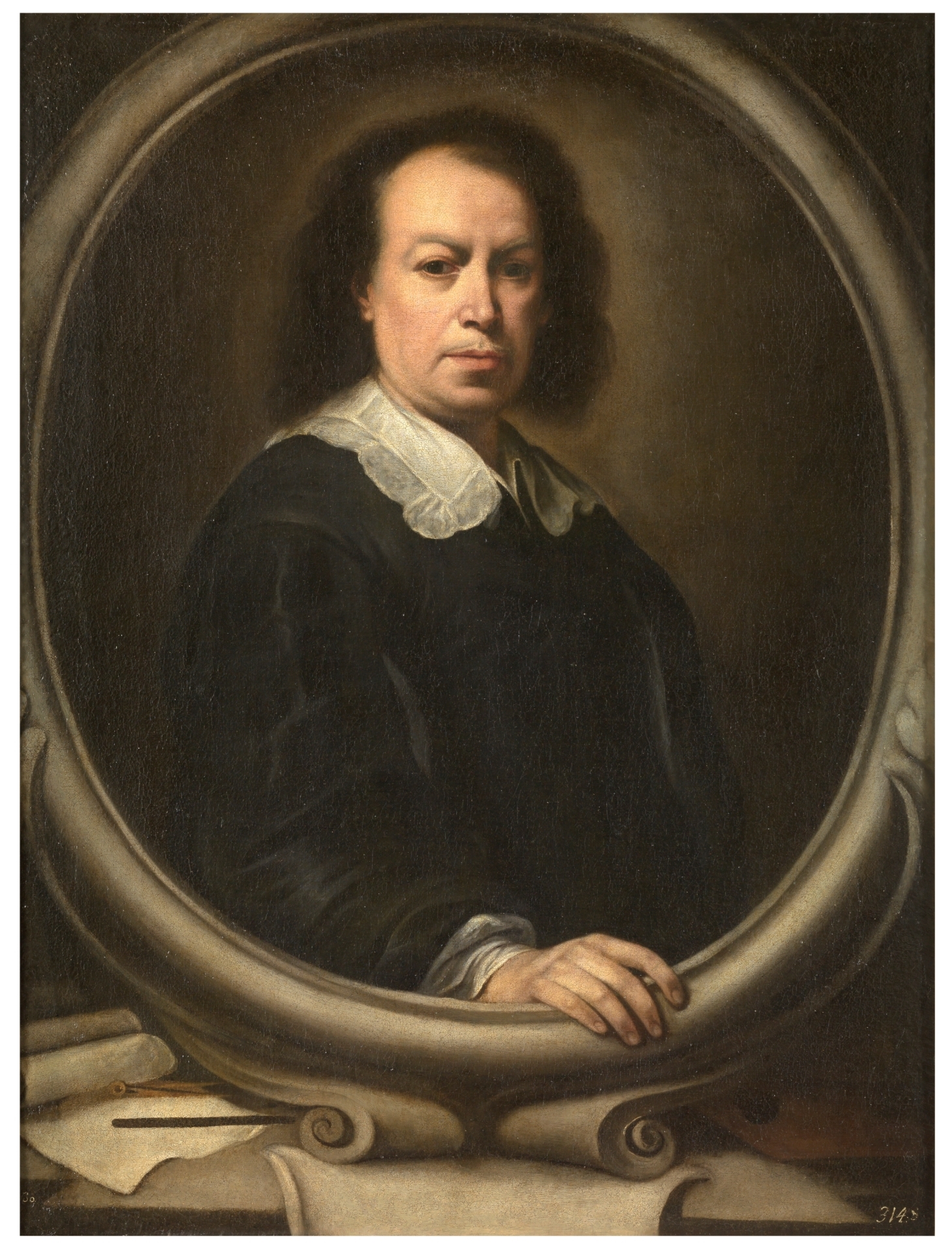
Portrait of Bartolomé Esteban Murillo by Alonso Miguel de Tobar.

The history of the paintings

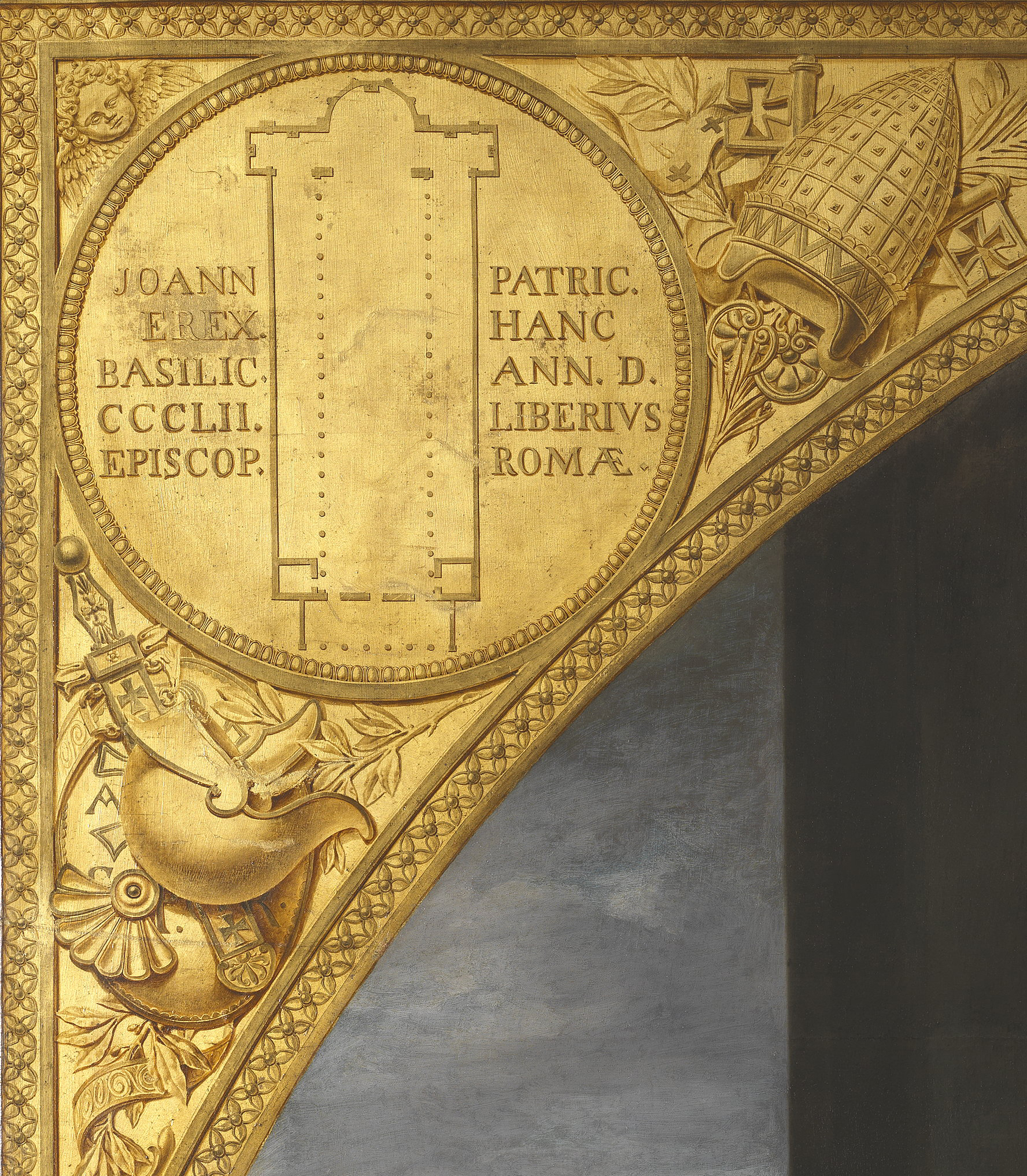
During the Spanish War of Independence between France and Spain, Marshal Soult took these paintings to France and added golden spandrels, transforming them into rectangular-shaped artworks.

In 1816, the paintings returned to Spain.

Detail of The Patrician's Dream by Juan de Bartolomé Esteban Murillo.
Funded by the European Union - NextGenerationEU Government of Spain - Ministry of Culture Recovery, Transformation and Resiliency Plan Museo Nacional del Prado

Funded with the National Recovery and Resilience Plan (NRPP) , Spain’s Next Generation EU financing and according to the initiatives within the component C.24.I3 Digitization and valorization of major cultural services. The project is part of Campus Prado within Accessibility and Signage: Revitalization of the Urban Environment action line and as a universal accessibility activity.

Up