
Loading...
Maria Stavrinaki
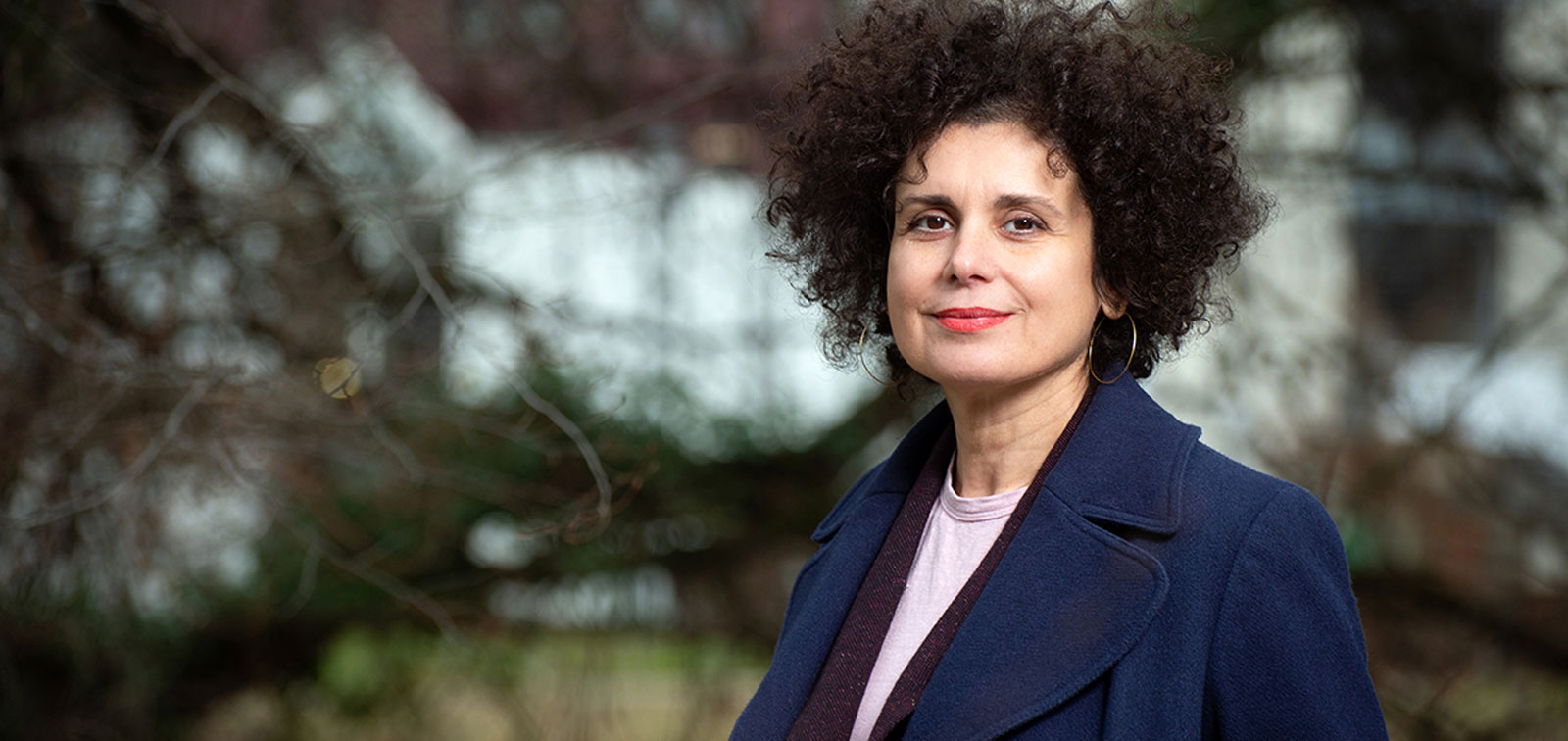
The Artist as Historian
Maria Stavrinaki
2026
Academic Chair
The Artist as Historian
Maria Stavrinaki
2026
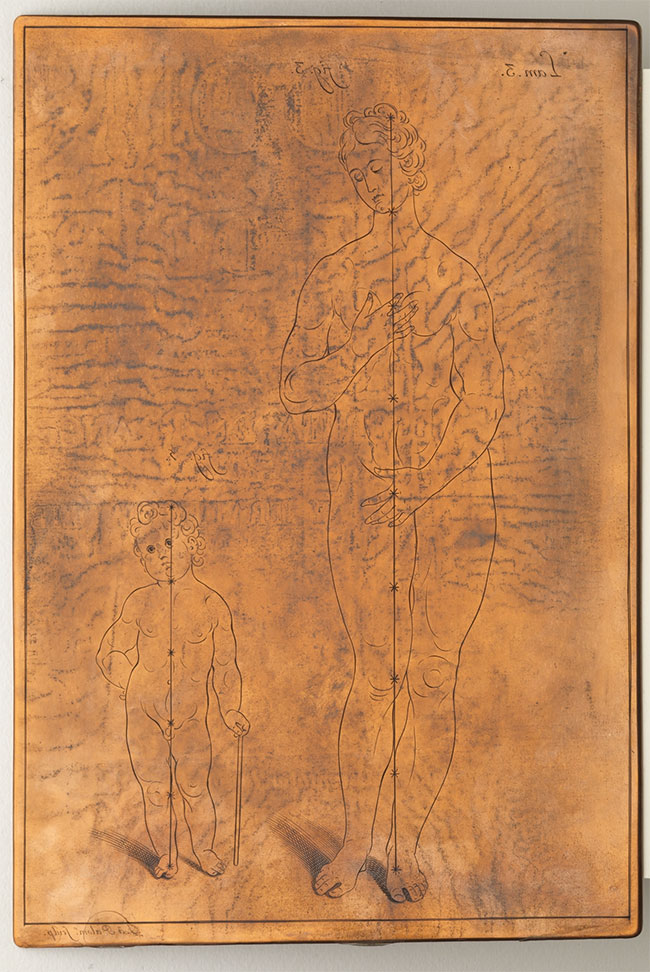
They say that the first ever art historian was an artist. It is true that, in 16th C. Florence, Italian painter and architect Vasari did not limit himself to writing the “Lives of the Most Excellent Painters, Sculptors, and Architects” of the Italian Renaissance; he also authored the “Libro de’Disegni,” knowledgably and descriptively incorporating masterful drawings in the work. Time passed, and in the Royal Academies it was yet again the artists themselves who most often addressed the art of the past and wrote about it. Equally, painters, among them Velasquez, assembled collections the likes of which we can see today at the Prado. But it was always more about defining the rules, not about making history. What happened, then, in the 20th C., when art proper became the subject matter of a historical narrative? And when the space-time scale of this narrative was stretched out, until it encompassed the world and time as we’ve known it since the dawn of time? What happened when the material facts of history became easier to reproduce – and thus impossible to constrain – within the boundaries of permanent categories?
Beginning with historical vanguards and until now, artists have essentially responded by appropriating new disciplines as they expand, both in terms of space and time. They take over the new discipline’s images and words, its visual devices, its material and rhetorical technologies, its habits, mediums and discourse. Above all, artists, by increasingly blurring the differences between their works and their practices, do not seek to recover that which historians have deprived them of, or consolidate their autonomy; rather they attempt to increase and intensify their own resources. Artists think of how their means relate to the knowledge they accrue and to their own political ideas.
- Sponsored by:
-

- Recipients
- University students, researchers, professionals and the general public
- Direction
- Maria Stavrinaki
- Organization
- Museo Nacional del Prado
- In- person and online attendance
- Participants can register online for both the conferences and the colloquium. They can be attended live via Zoom. However, the seminar sessions will be held on-site only
- Contact
- centro.estudios@museodelprado.es
Activities
Activity
Holder of the Prado Museum Chair 2026
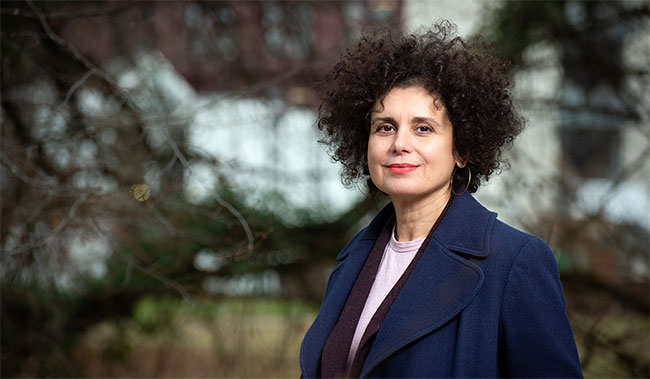
Maria Stavrinaki
Since 2023, Maria Stavrinaki has been a professor of Contemporary Art History at the University of Lausanne, Switzerland, after having taught for many years at the University of Paris I Panthéon-Sorbonne. She has held research and teaching fellowships at Freie Universität Berlin, the Institute for Advanced Study in Princeton, the Clark Art Institute, the Italian Academy, and Columbia University. Her research has focused primarily on the historical avant-garde and, more recently, on late modernity, analyzing the intersections of artistic practices, conceptions of time and history, epistemologies, and political ideologies. His publications include *Dada Presentism: An Essay on Art and History* (Stanford University Press, 2016), *Contraindre à la liberté: Carl Einstein, les avant-gardes, l’histoire* (2018, Mamco), and *Saisis par la préhistoire. Enquête sur l’art et le temps des Modernes (Presses du Réel, 1919, English translation Transfixed by Prehistory. An Inquiry into Art and Time*, Zone Books, 2022.Prehistory. A Modern Enigma (Centre Pompidou, 2019) and The Atomic Age: Artists Put to the Test by History (MAM, Paris, 2024).