Fortuny, Madrazo and Rico: The Ramón de Errazu Bequest
Madrid 12/13/2005 - 3/12/2006
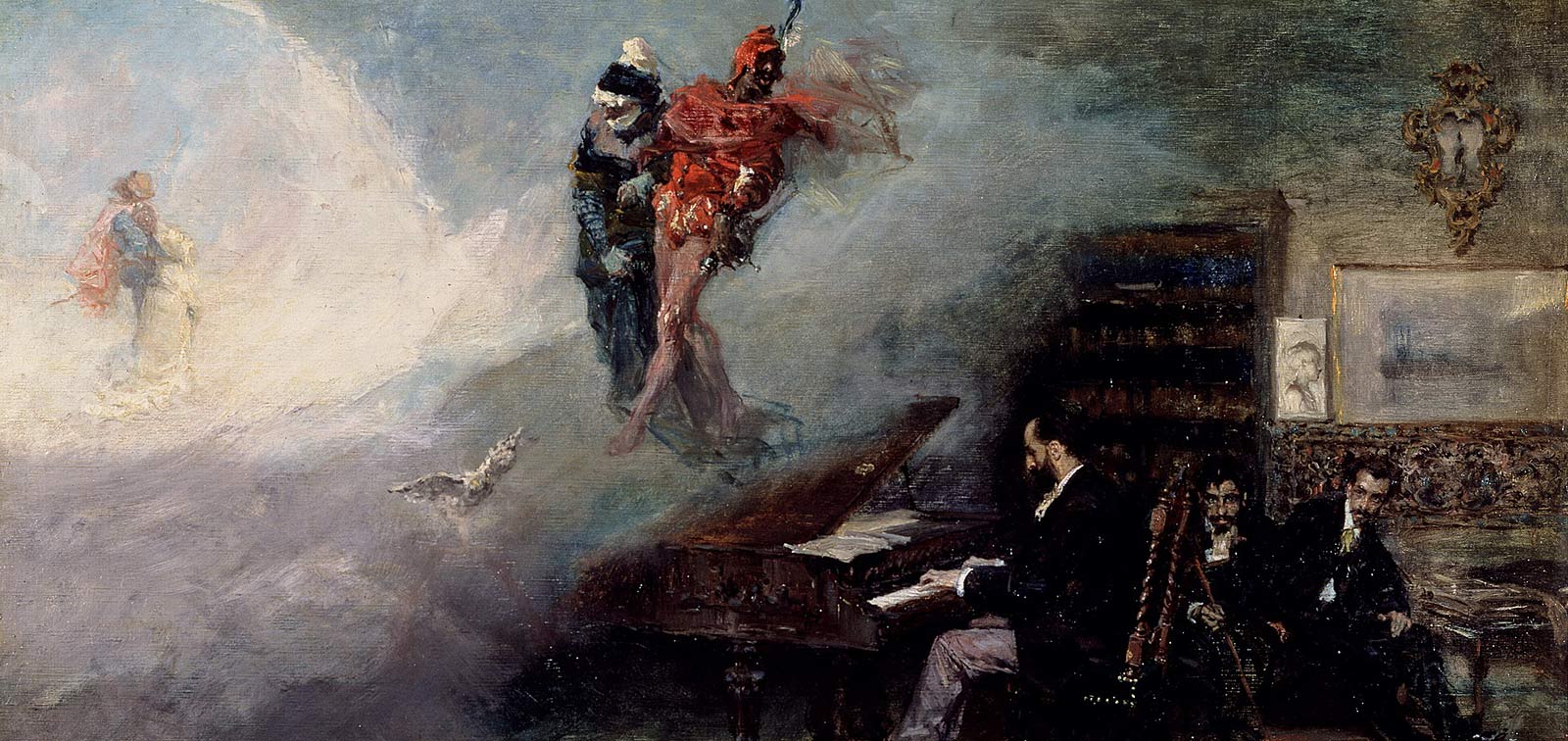
This year marks the 100th anniversary of the Prado’s reception of the bequest made by Ramón de Errazu (San Luis Potosí, Mexico, 1840–Paris, 1904), a wealthy businessman who settled in Paris in the final third of the nineteenth century and assembled a painting collection that reflects the upper-middle-class tastes of his time. The twenty-five works in the bequest are a testament to his collecting acumen as they form a very homogeneous set dominated by Fortuny, Rico and Madrazo, three of the finest artists of that era who also happened to be close friends of Errazu.
The exhibition has been organised to commemorate the arrival at the Museo del Prado of this important group of artworks, one of the most representative of the museum’s modern collections.
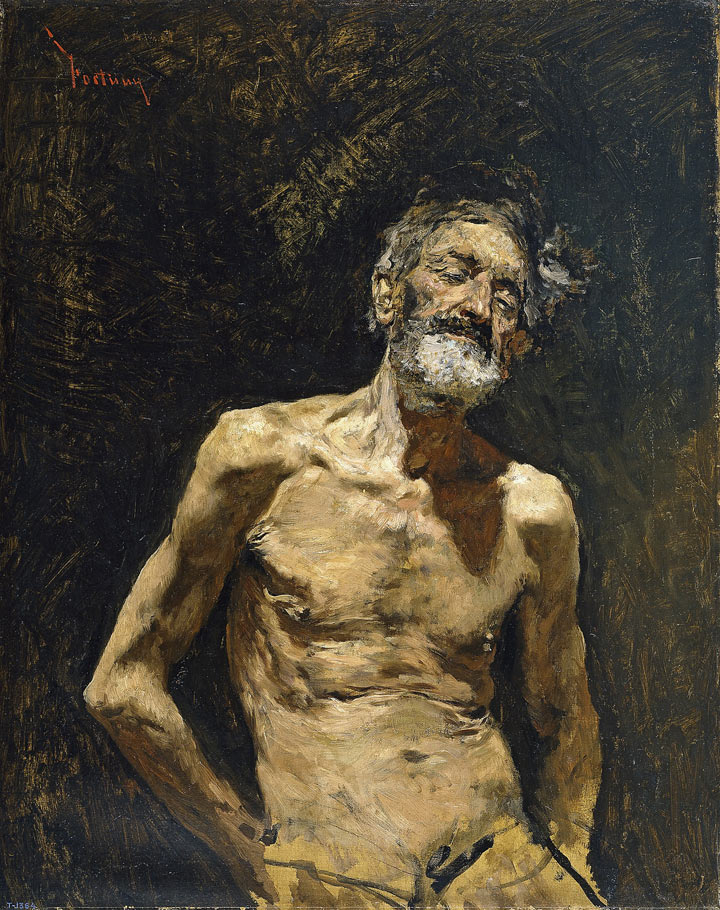
At the heart of the bequest—and consequently of this show—are ten works by Mariano Fortuny (1838–1874), including the outstanding Nude Boy on the Beach at Porcini, a brilliant study of child anatomy amid glints of dancing sunlight and multihued shadows and a masterpiece that embodies the quintessence of the master’s final creative period. Another important example of the painter’s undeniable talent is Nude Old Man in the Sun, a torso that Fortuny connected to eighteenth-century Spanish tradition.
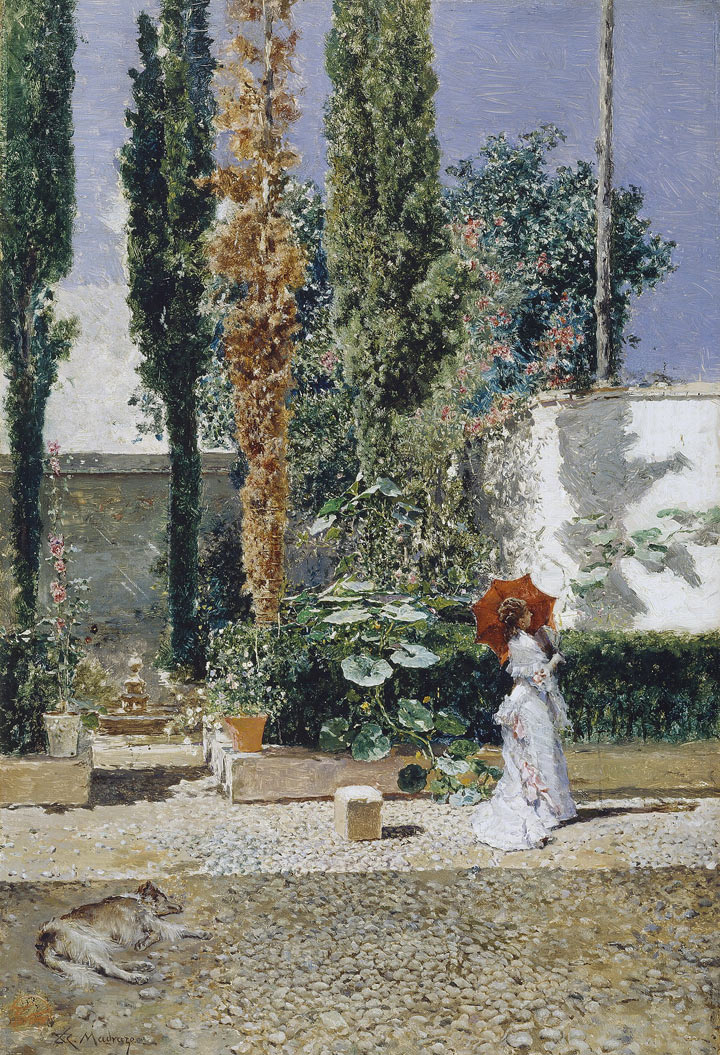
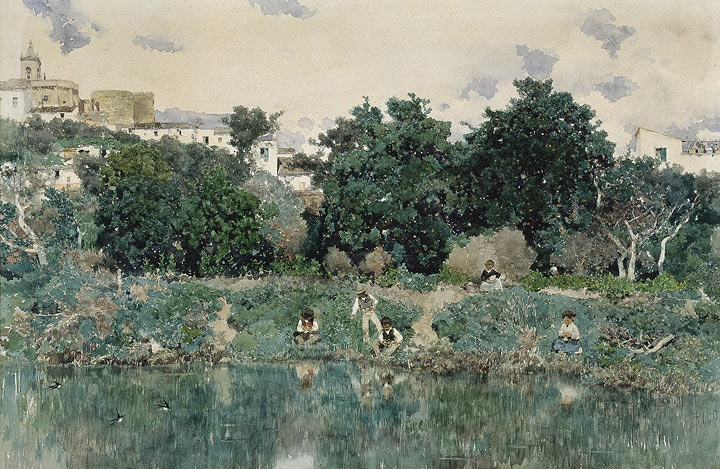
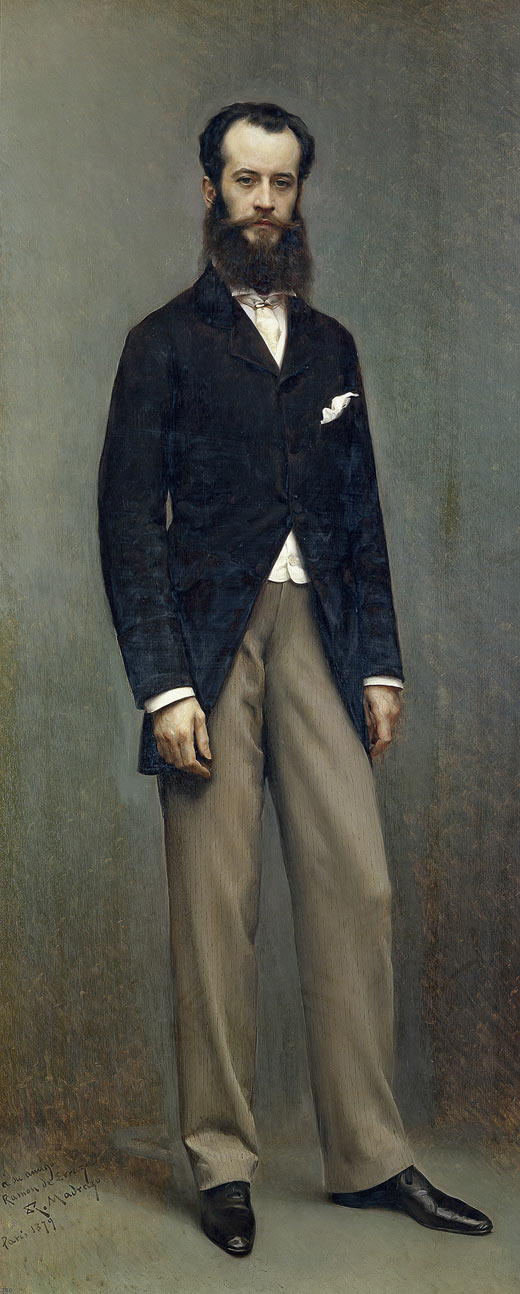
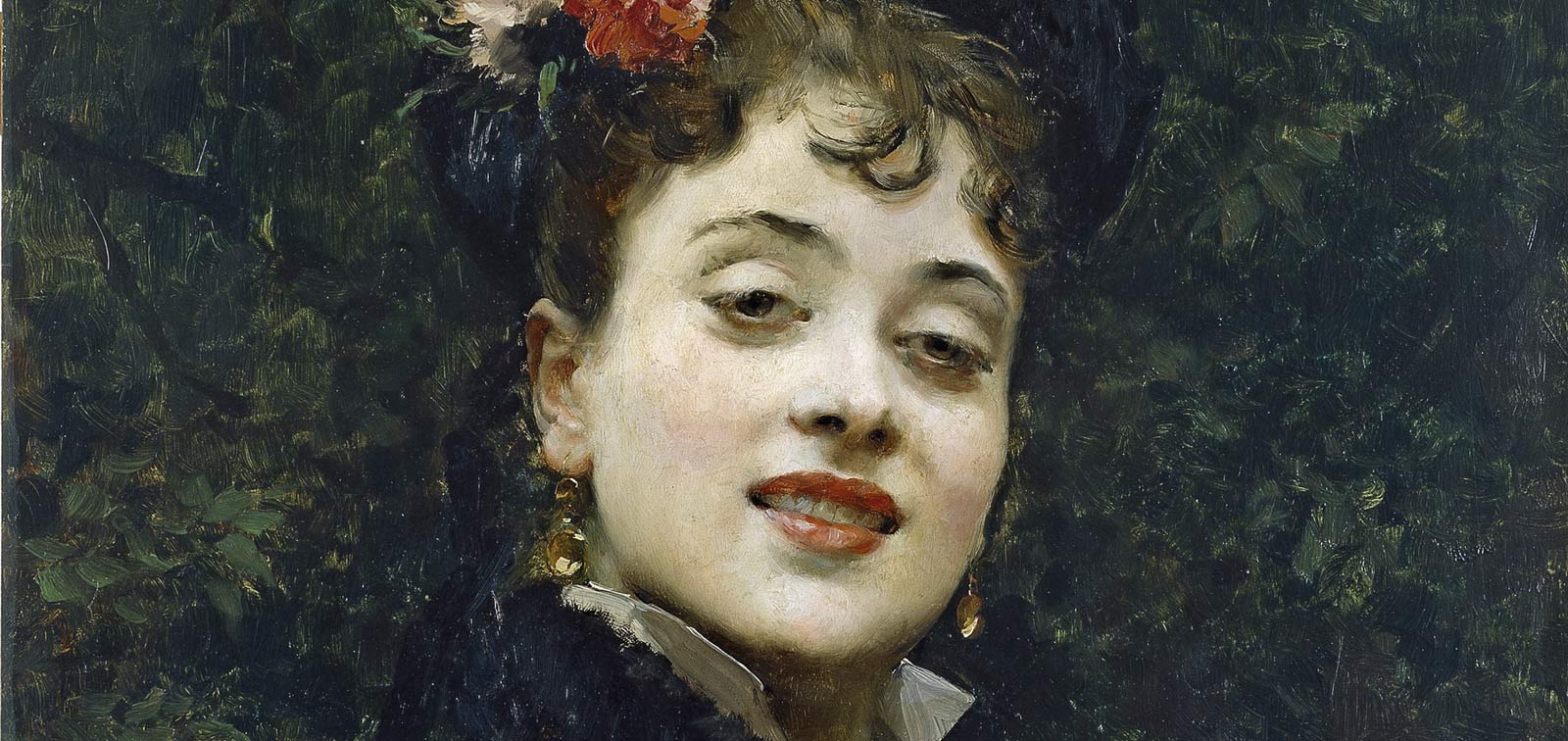
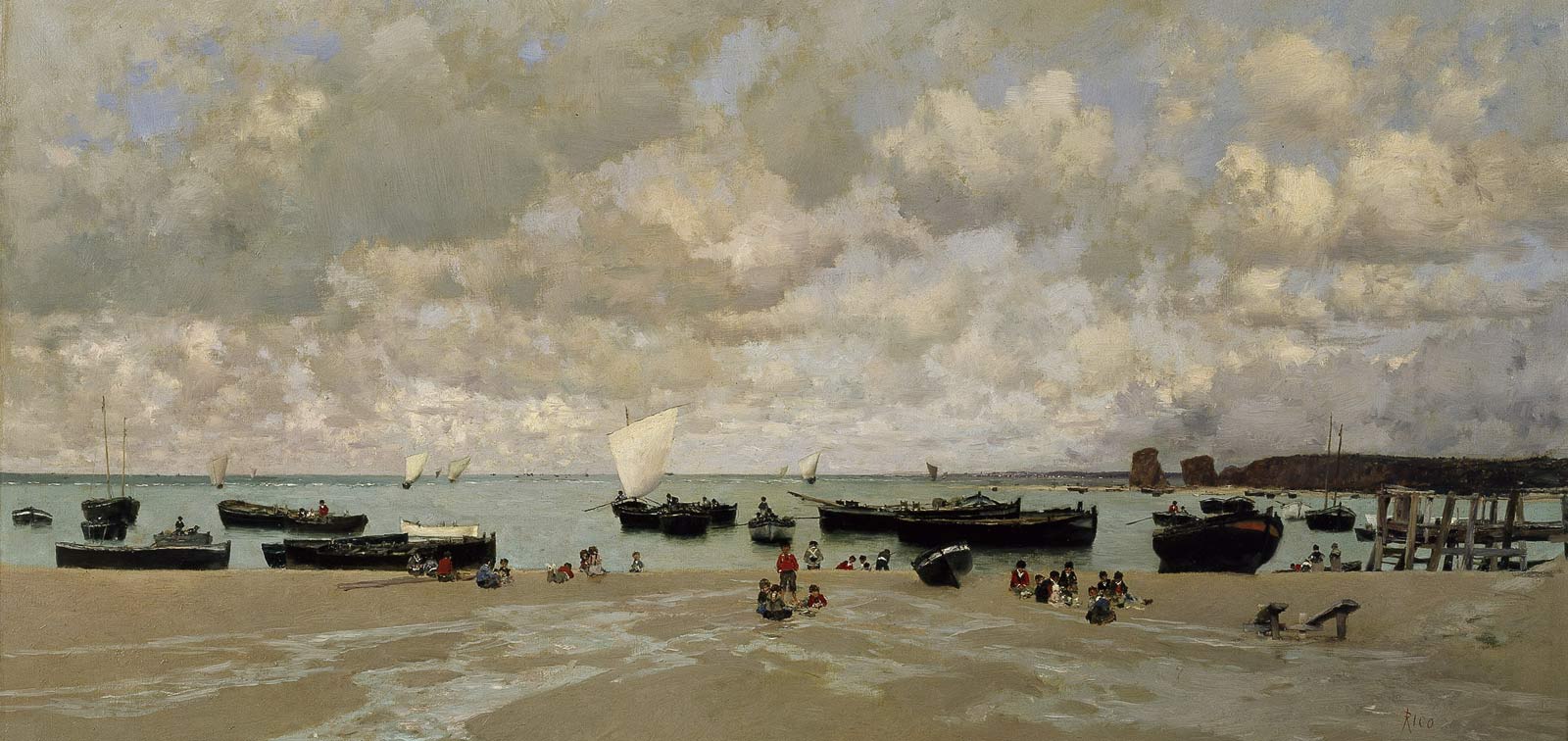
Fortuny’s innovative ability to capture light, particularly in his later work, soon made him the champion of a style that would inspire Martín Rico (1833–1908) and Raimundo de Madrazo (1841–1920), the other two painters most present in this exhibition, with four works by Rico and nine by Madrazo. One of the most remarkable pieces by Madrazo, who was also Fortuny’s brother-in-law, is a likeness of the collector himself, a close personal friend. This Portrait of Ramón de Errazu (1879), in which the painter drew inspiration from Velázquez to capture Errazu’s elegant demeanour in a distinctively modern way, may be Madrazo’s greatest achievement in this genre.
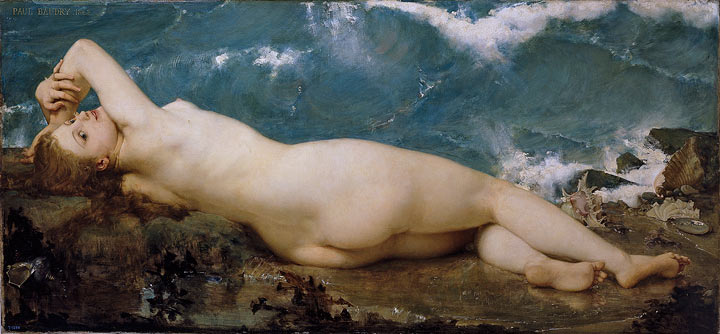
Finally, the group includes one of the most famous and controversial nudes painted in late nineteenth-century Paris—The Pearl and the Wave by Paul Baudry (1828–1886), once owned by Empress Eugénie de Montijo, with whom Errazu was also acquainted—and a Portrait of the Marchioness of Manzanedo, the collector’s close personal friend, by one of the most renowned painters of his time, Ernest Meissonier (1815–1891). Ramón de Errazu knew both French painters well, and they were close to Madrazo and Fortuny’s circle.
The exhibition, organised to celebrate the centenary of the arrival of Ramón de Errazu’s collection at the Museo del Prado, presents the twenty-five paintings bequeathed by the collector, several of which are considered some of the Prado’s finest nineteenth-century masterpieces. The group consists of twenty oil paintings and five watercolours painted between 1862 and 1895, mostly by the leading Spanish artists of the day—Mariano Fortuny, Martín Rico and Raimundo de Madrazo, all Errazu’s contemporaries and friends—with the exception of two by renowned painters of the Second French Empire, Ernest Meissonier and Paul Baudry.