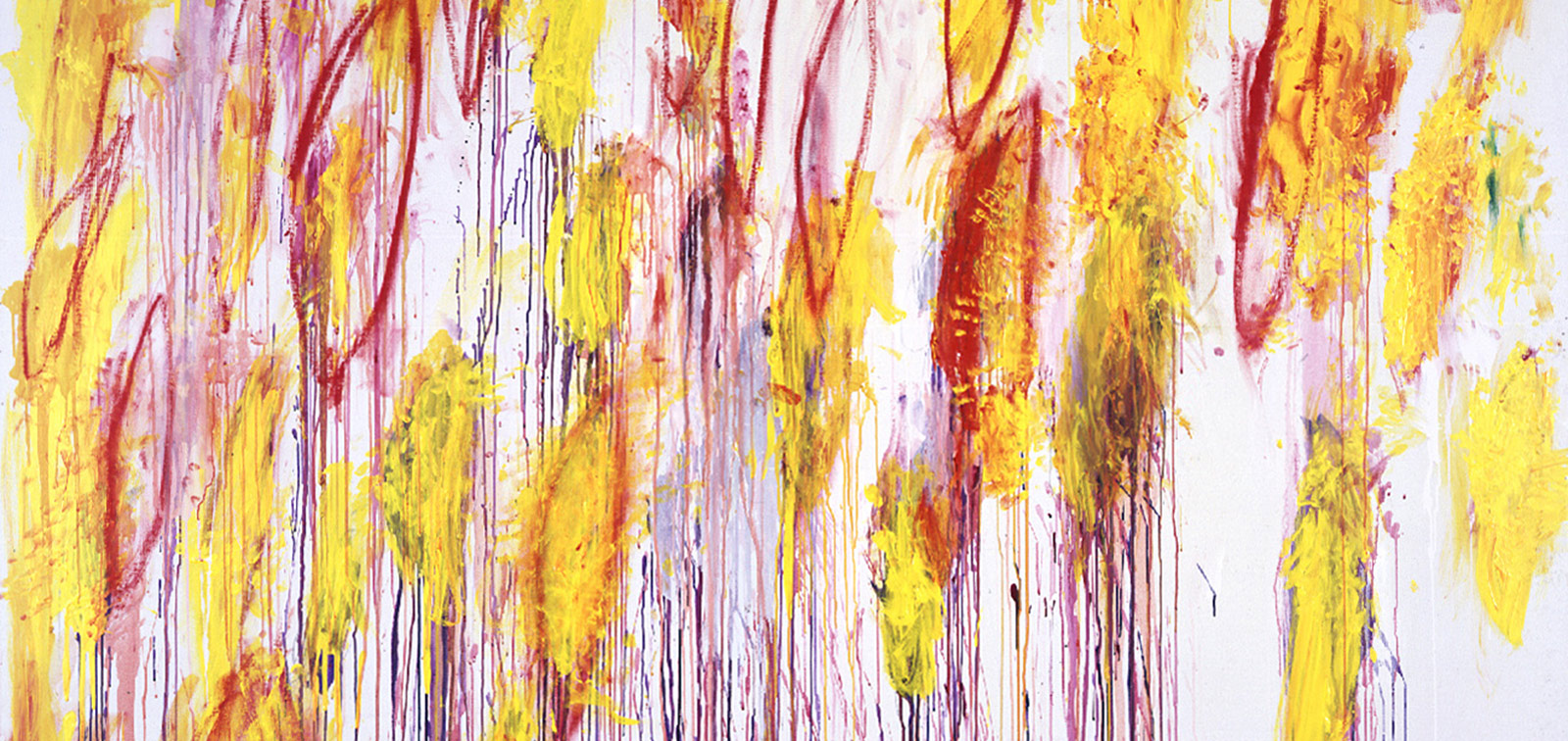
Lepanto. Cy Twombly
Madrid 6/26/2008 - 9/28/2008
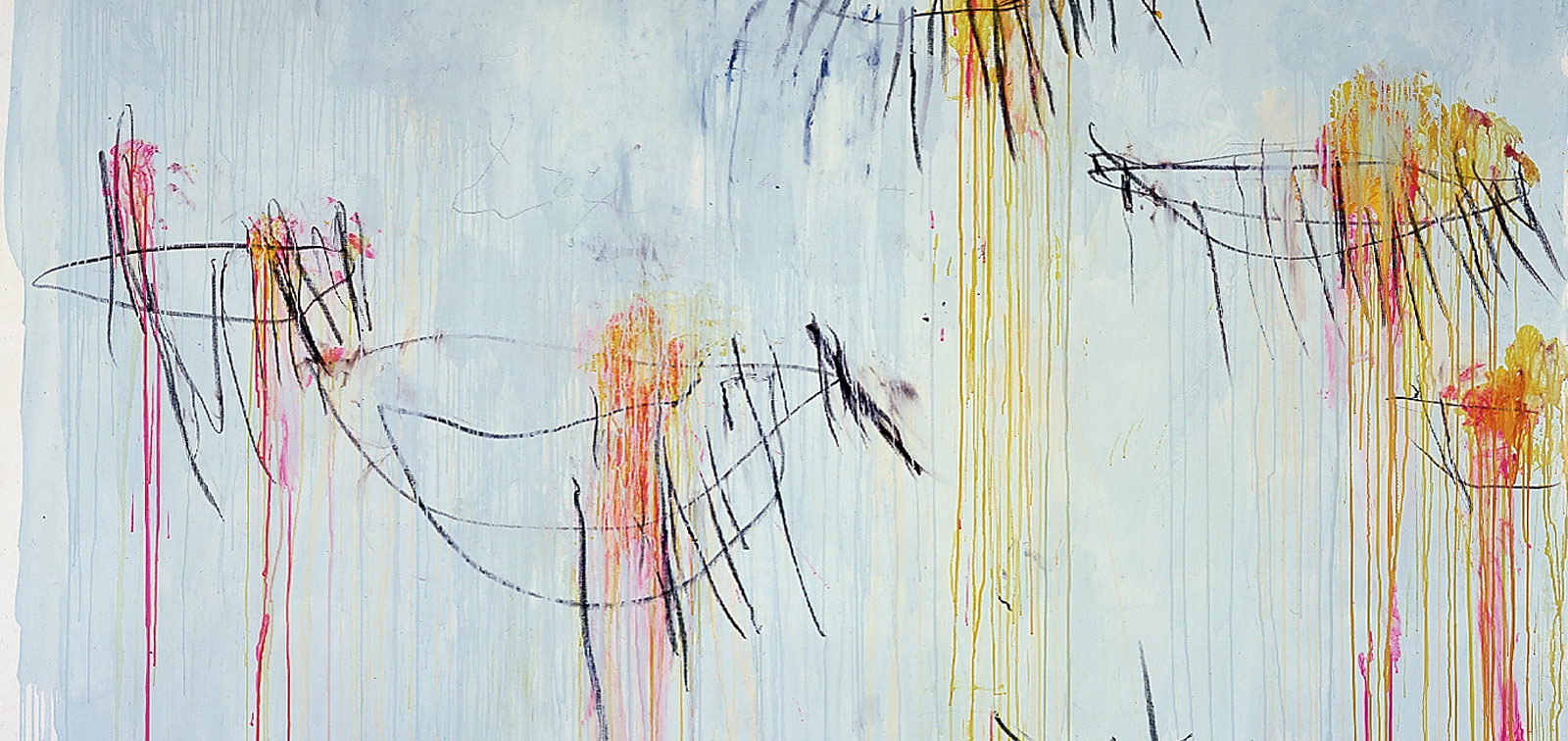
In the year 2001, Harald Szeemann commissioned Cy Twombly to make a work that would be relevant to the Plateau of Humankind exhibition organized by the Venice Biennale, melancholic farewell of modernity in the threshold between two centuries. For this exceptional event, the American painter created a large narrative cycle dedicated to the famous naval battle that took place, in the Gulf of Lepanto on the 7th of October 1571, between the Ottoman Turks and the so-called “Holy League”, a Christian coalition formed by Spain, Venice and the Papacy.
Beyond its historical significance as an allied victory over Turkish expansionism, the Battle of Lepanto became a fascinating subject for visual narration by contemporary artists supported by the winners: Titian, Tintoretto, Veronese and Cambiaso, among others. An important number of these artistic consequences of Lepanto arrived in Spain. In fact, Twombly first became interested in this subject thanks to depictions of the naval battle represented in tapestries based on paintings made for Philip II by Luca Cambiaso and now at the Escorial.
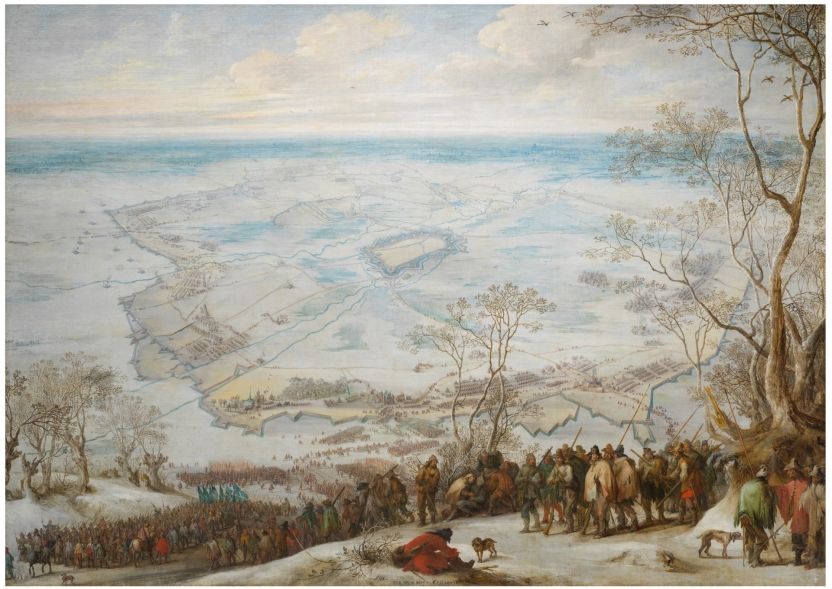
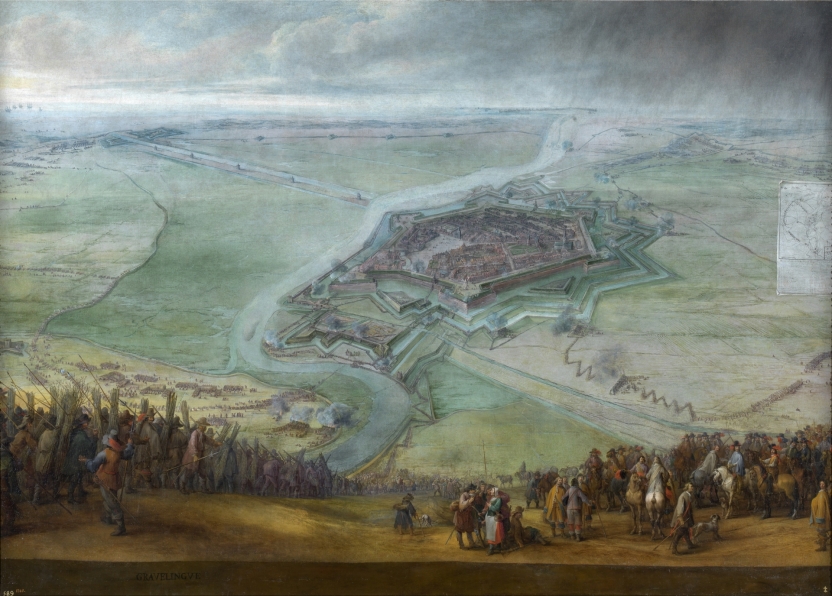
The presence of Lepanto in Spain, specifically at the Museo del Prado, updates the historical importance of large narrative cycles of paintings, especially the series of battles that forma fundamental core of the Royal Collection. At the same time, Twombly’s extraordinary frieze introduces a new link into that fabulous sequence of the “Venetian tradition”, majestically embodied at the Prado since the early Hapsburg’s relationship with Titian and now reaches our time with unbroken continuity.