formularioRDF
The itinerary <em>TITULORECORRIDO</em> has been successfully created. Now you can add in works from the Collection browser
<em>TITULOOBRA</em> added to <em>TITULORECORRIDO</em> itinerary

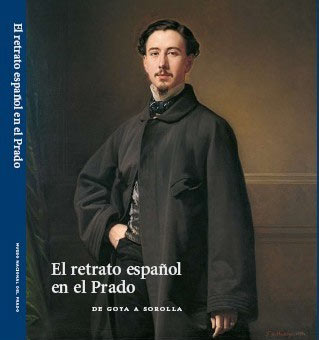
Spanish Portraits in the Prado. From Goya to Sorolla
Catalogue

Spanish Portraits in the Prado. From Goya to Sorolla

Exhibition

Spanish Portraits in the Prado. From Goya to Sorolla

Fundación Caixa Galicia. A Coruña 6/11/2008 - 9/7/2008

The second exhibition organised as part of the Travelling Prado programme, Spanish Portraits in the Prado. From Goya to Sorolla, is now being presented at the headquarters of Fundación Caixa Galicia in A Coruña. The show features sixty-six paintings from the Prado, including works by Goya, Vicente López, Madrazo and Sorolla, and was made possible by the generous sponsorship of Caixa Galicia.

The collections of the Museo del Prado include a very significant number of portraits from the 1800s, proof of the genre’s importance in that century. Among them are masterpieces by the greatest Spanish artists of the period. Most of them regarded portraiture as a privileged art form—so much so, in fact, that Vicente López, Federico de Madrazo, his son Raimundo de Madrazo and other top painters devoted their mature years almost exclusively to that genre, which Francisco de Goya and Joaquín Sorolla also practised on a regular basis. The selected works illustrate different types of portraits with excellent examples of each successive style: neoclassicism, Romanticism, and the diverse trends of the last third of the 1800s, most notably realism and naturalism.

Curator:
Javier Barón, Senior Curator of the Nineteenth-Century Painting Department

RDF

RDF

Sponsored by:

Exhibition

Goya and Neoclassicism

Goya and Neoclassicism
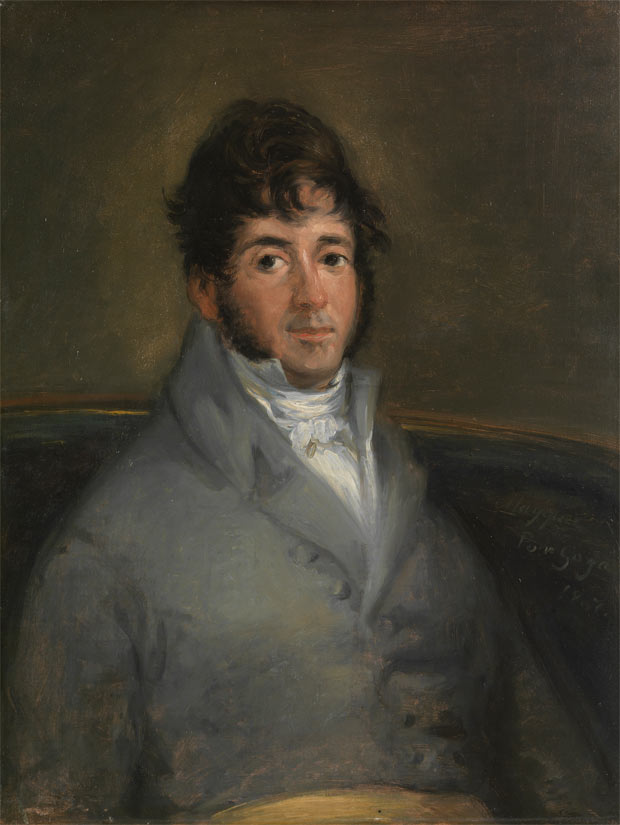
The Actor Isidoro Máiquez
Francisco de Goya y Lucientes, 1807
Oil on canvas, 72 x 59 cm

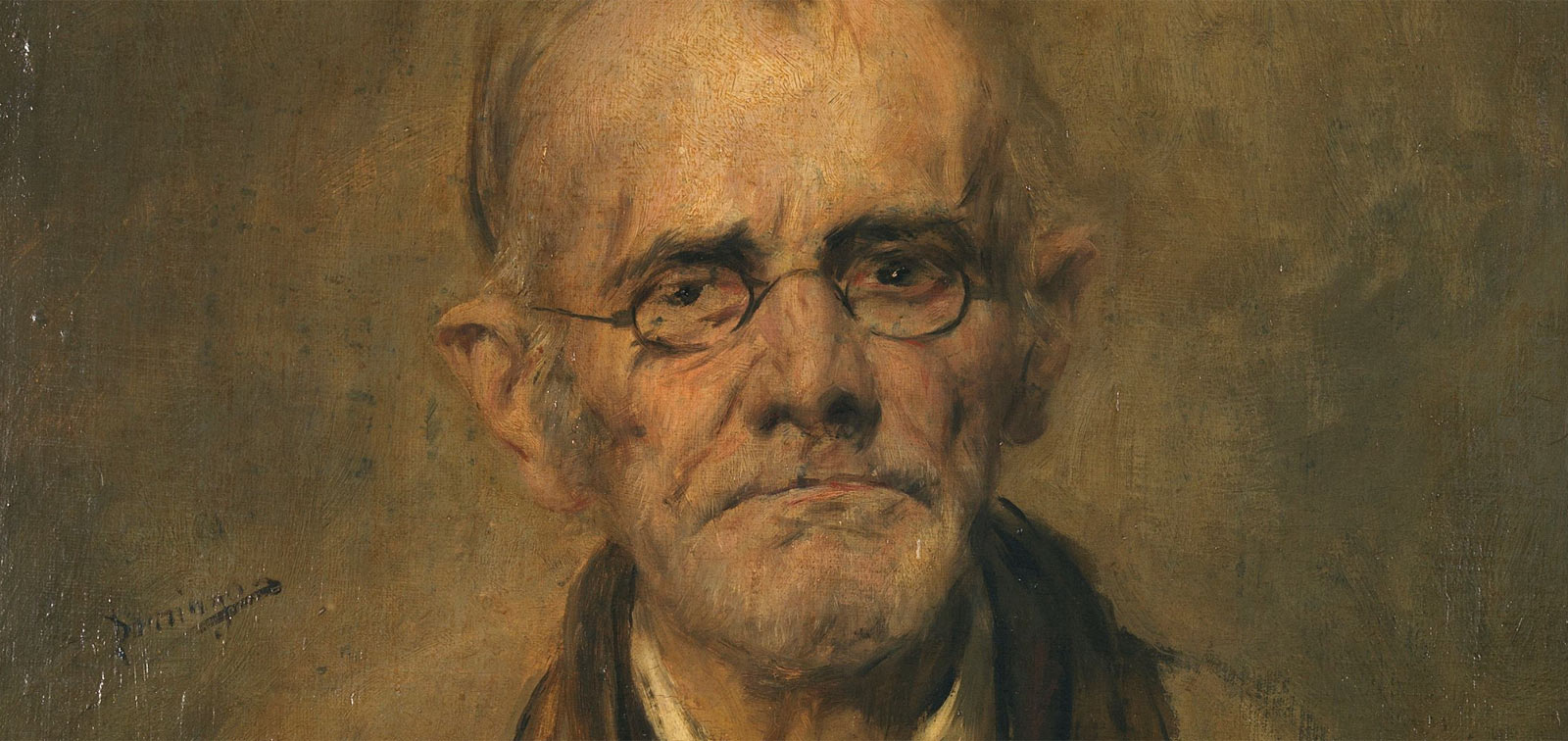
As Goya’s style evolved over the years leading up to his death in 1828, his introspective portraits and free, expressive technique represented a modern foreshadowing of realism. Echoes of his painting are apparent in the work of Agustín Esteve and José Ribelles.

Trained in the eighteenth-century tradition, Zacarías González Velázquez produced excellent compositions with his own personal interpretation of classicism. And Vicente López was, after Goya, the greatest portraitist of the first half of the century. With a highly personal style and amazing talent for capturing detail, he never stopped evolving, from the Rococo echoes of his early portraits to the timid Romanticism of his final likenesses.

The international neoclassical style, characterised by rigorous draughtsmanship and compositional clarity, is represented by two of Jacques-Louis David’s students, José Aparicio and José de Madrazo. In a late work, Madrazo replaced his cool palette with warmer tones, something that can also be seen, along with an intense sense of realism, in the portraits of Rafael Tegeo, heralding the imminent arrival of the Romantic style.

Romanticism

Romanticism
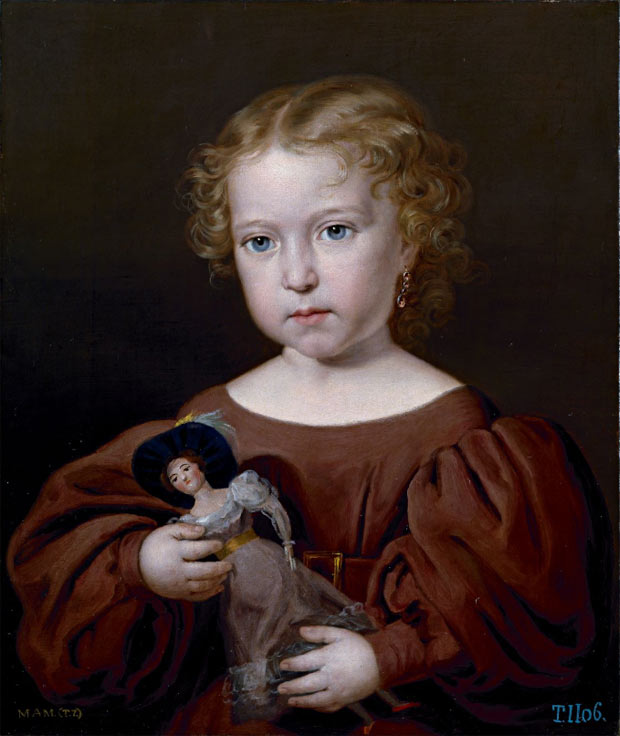
Ángela Tegeo
Rafael Tegeo Díaz. Ca. 1832
Oil on canvas, 49 x 42 cm

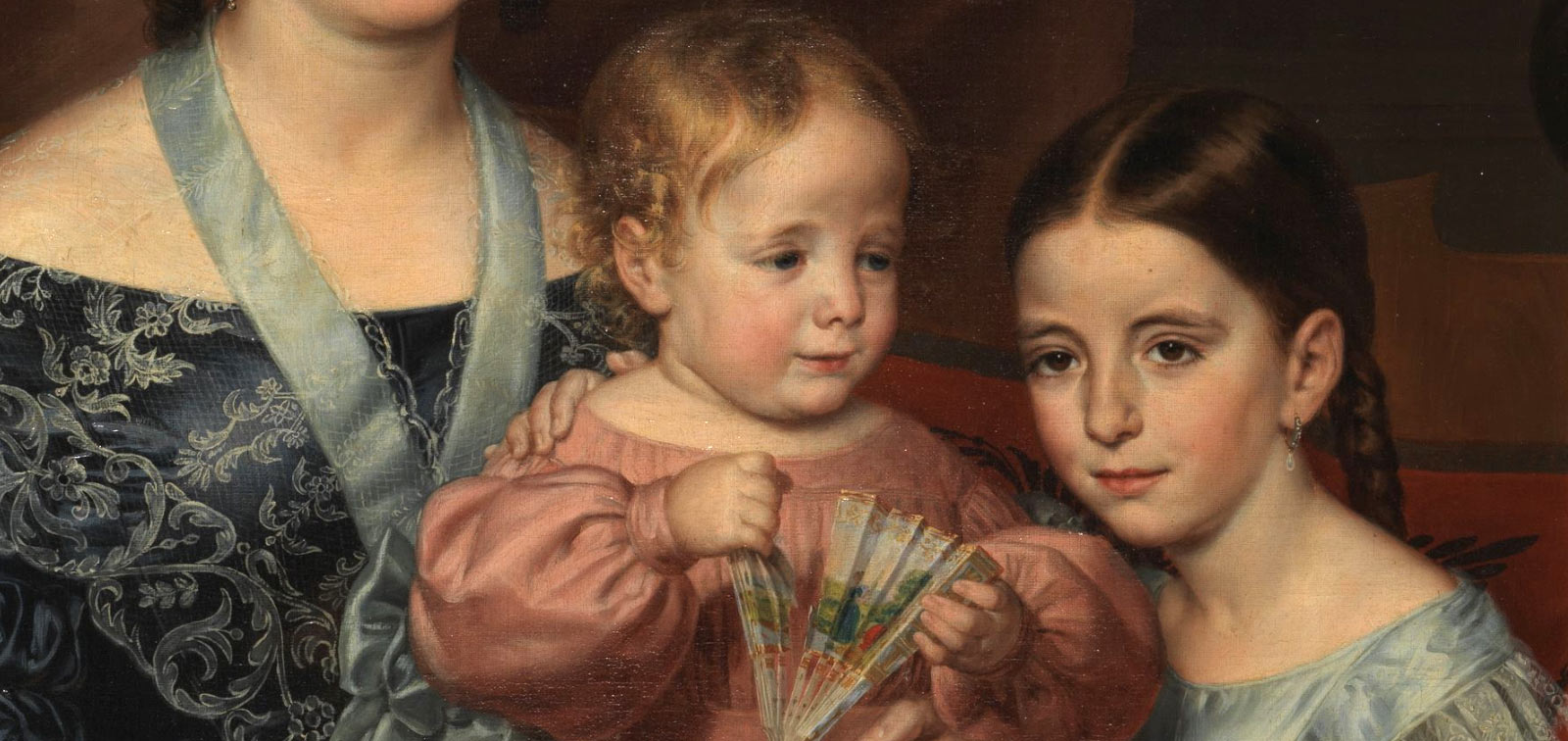
Romanticism was quite important in Seville, where Murillo had a decisive influence on José Gutiérrez de la Vega, José Roldán, José María Romero and Antonio María Esquivel, who obtained a relevant position at court. These artists introduced very significant types within the genre, such as group, family and child portraits, which were also practised by Valeriano Domínguez Bécquer.

In Madrid, the legacy of Goya and the Spanish Golden Age made itself felt in the portraits of Leonard Alenza. Federico de Madrazo and Carlos Luis de Ribera soon made a name for themselves as outstanding portraitists. Though trained in the Nazarene-influenced ‘purist’ style, still apparent in the latter’s use of balanced ovals, they managed to evolve over the course of their lengthy careers. Madrazo, an attentive student of French portraiture and Velázquez, became influential (as his father had before him) thanks to his prominent position at the academy’s school of painting, sculpture and engraving, where he trained numerous disciples. Also born into a family of artists, Luis Ferrant demonstrated the importance of portraying children and youth, and the ill-fated Víctor Manzano, with his honest painting devoid of dramatic effects, was a forerunner of realism.

Realism and Naturalism

Realism and Naturalism
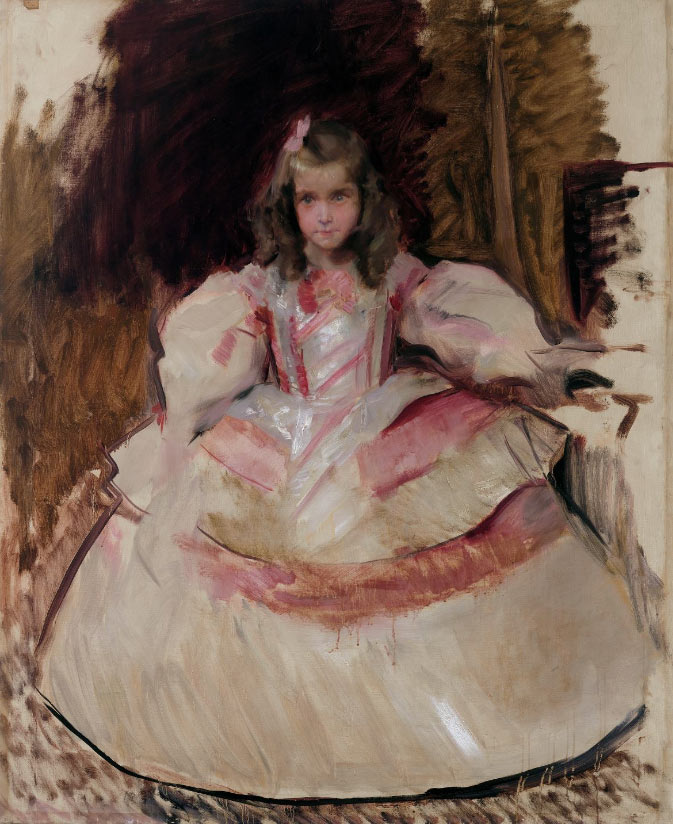
María de Figueroa Dressed as a Menina
Joaquín Sorolla y Bastida, 1901
Oil on canvas, 151.5 x 121 cm

Eduardo Rosales, who turned back to the lessons of Velázquez, was the leading advocate of artistic renewal at the beginning of this period. His friend Vicente Palmaroli challenged the conventions of a declining genre, the royal portrait, with an interpretation that relied heavily on props and backdrops.

The French painters of that time influenced Spanish artists who spent long periods abroad in Paris, like José Casado and Raimundo de Madrazo, Federico’s son, a renowned society portraitist. José Villegas, a painter from Seville who produced numerous self-portraits, and the Catalan artist Francisco Masriera, noted for his lavish settings, also stood out in this field.

This period was also remarkable for the Valencian painters who, working from a realism based, as in Francisco Domingo’s case, on the study of Ribera and Velázquez, produced intuitively vivacious and adroitly colourful portraits. This was true of Emilio Sala, who painted in Paris and Madrid. Ignacio Pinazo, the author of highly expressive self-portraits, captured an intimacy that was at once truthful and subtle in his likenesses of children. Joaquín Sorolla was the great portraitist of naturalism, energetically interpreting Velázquez’s legacy in his works and using colour and light to achieve truly wondrous effects.

Print on demand

Print artworks available in our catalogue in high quality and your preferred size and finish.

Image archive

Request artworks available in our catalogue in digital format.

Up