formularioRDF
The itinerary <em>TITULORECORRIDO</em> has been successfully created. Now you can add in works from the Collection browser
<em>TITULOOBRA</em> added to <em>TITULORECORRIDO</em> itinerary

Exhibition

The Prado Multiplied: Photography as Shared Memory

Museo Nacional del Prado. Madrid 2/2/2026 - 4/5/2026

The Prado Multiplied: Photography as Shared Memory analyses this discipline's instrumental role in circulating and publicising the museum’s collections and in shaping its visual memory since the nineteenth century. 

Through forty-four carefully selected works, this exhibition illustrates the merits of a collection containing over 10,000 photographs of immense heritage value, a constantly growing corpus that reflects society’s interest in the study of this art form.

The show is part of the Open Storage programme—focused on presenting the museum’s nineteenth-century collections in Room 60—which, since 2009, has organised small shows that illustrate different artistic perspectives and media with works not always on display due to spatial or conservation constraints. 

Since 2009, Room 60 at the Prado has been a space reserved for the museum’s nineteenth-century collections, where smaller exhibitions are able to explore a variety of artistic perspectives and media. The latest, The Prado Multiplied: Photography as Shared Memory, is curated by Beatriz Sánchez Torija from the Department of Prints, Drawings and Photographs and takes another step forward in recognising new artistic disciplines by making photography the centre of attention, reflecting the importance it has acquired in both museums and contemporary society. 

Like engraving and lithography, photography can be used to obtain multiple copies of a single work, but it differs from printmaking in its unique ability to capture the real world with perfect accuracy. From the outset, this quality made it the preferred means of circulating the Prado's collections as well as a vital repository of memory, documenting the artworks, spaces and exhibition practices of each period. 

Reproductions of works of art account for the bulk of the museum’s photography collection. The exhibition narrative, informed by the analysis of these images, focuses particularly on the material quality of the photographs themselves and the purposes they served in the mid-to-late nineteenth and early twentieth centuries. Albumen, carbon and gelatin silver prints and photomechanical reproductions on cartes de visite, stereoscopic cards, postcards and other standardised formats illustrate the technical and functional evolution of photography applied to art. 

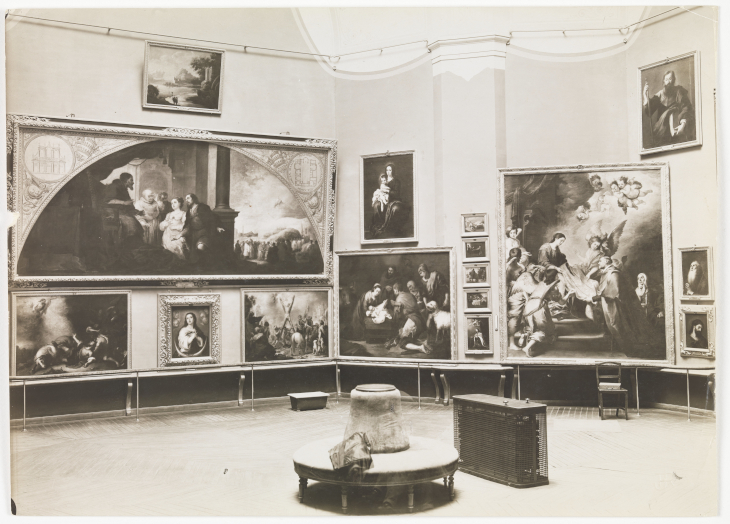
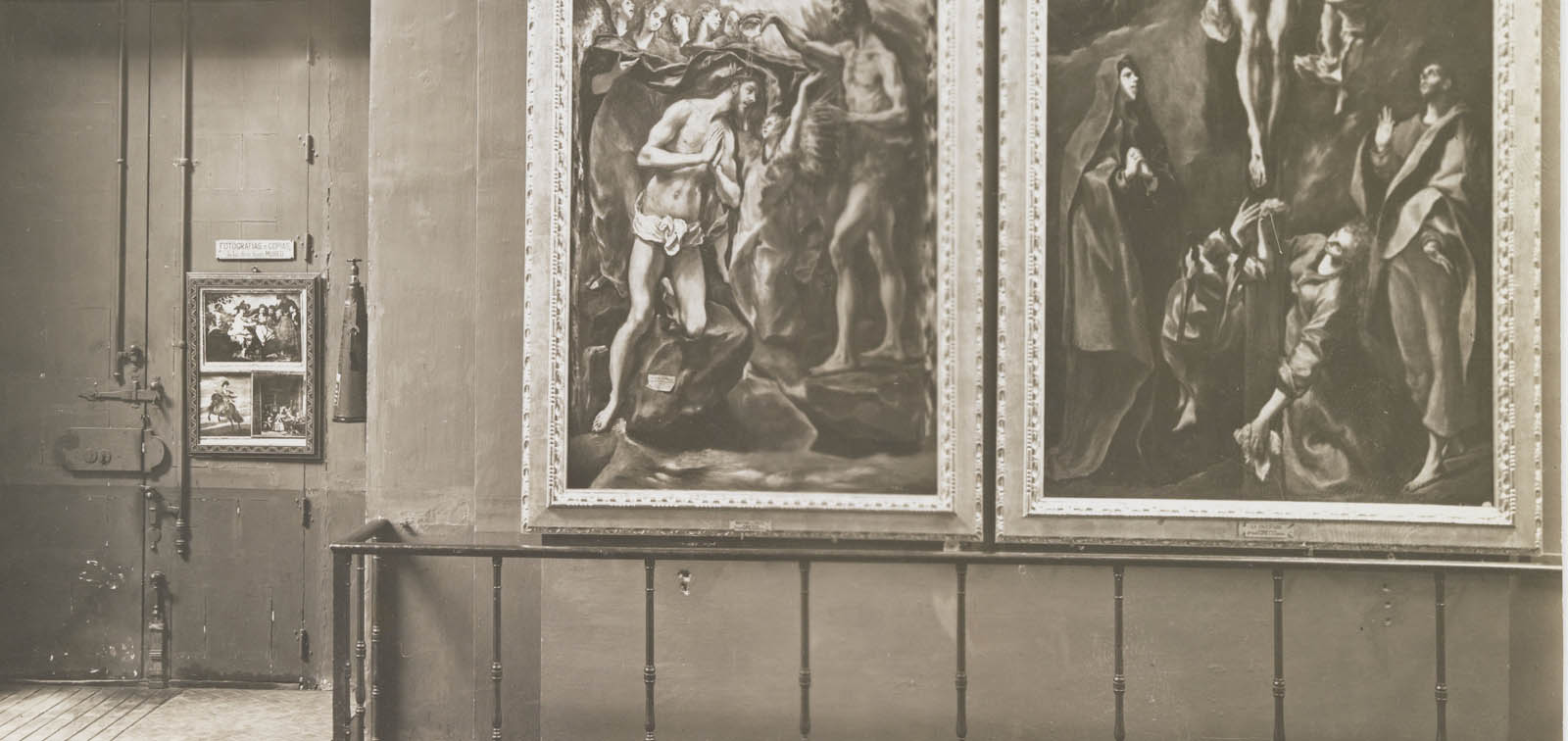
The show takes visitors on a visual tour through some of the museum's most iconic spaces, including the Central Gallery, and thematic halls like the Murillo Room and sculpture gallery. In addition to being valuable documents and pieces of history, these images recall aspects of the Prado that have since disappeared, such as the formerly cluttered display of artworks, the furniture, the heating systems or occasional glimpses of visitors and staff in galleries that were usually shown empty in the early days of photography. 

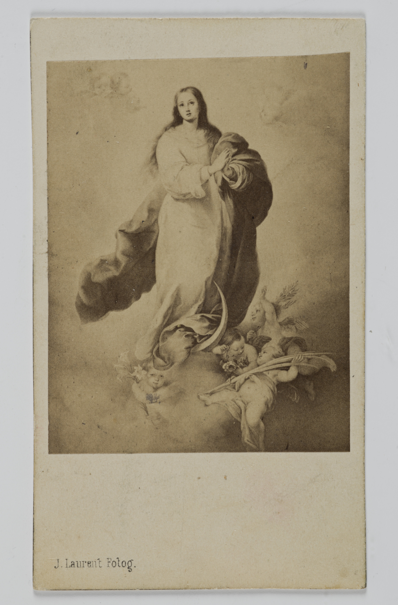
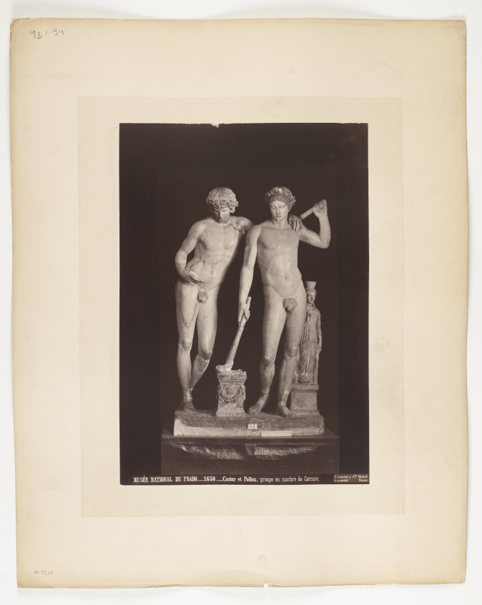
The systematic photographing of works in the museum began in the 1860s. In many cases, the technical limitations of early photographic processes meant that the pieces had to be taken outside and photographed in the sunlight. Once they had the negatives, photographers produced prints in different standardised formats, the sale of which ensured that images of the Prado circulated widely among the general public as well as experts and collectors. 

Juan Laurent, José Lacoste, Braun, Moreno, Anderson, Hanfstaengl and other lading studios and photographers played a fundamental role in bringing images of the museum and masterpieces like Velázquez’s Surrender of Breda to new audiences. Some of these photographs were taken even before the works entered the Prado or when they participated in national fine arts exhibitions, making them valuable records of their physical and exhibition history. 

The widespread use of postcards in the early twentieth century became another means of publicising the collections. Collotype and other printing techniques popularised these images and allowed the Prado to reach a truly global audience, cementing photography’s role as a bridge between the museum and society. 

The Prado Multiplied: Photography as Shared Memory is an invitation to reflect on photography not merely as a means of circulating images, but as heritage in its own right: a collection that documents the history of the museum, transforms the way people see its works and, over time, expands the Prado’s cultural reach.

Curator:
Beatriz Sánchez Torija, department of Prints, Drawings and Photographies

Access

Room 60 . Villanueva Building

RDF

RDF

Multimedia

Exhibition

The exhibition

The exhibition
View of the Murillo Room at the Museo del Prado

José Lacoste (1872-¿?), photographer. Juana Roig (1877-1941), publisher

Papel a la gelatina. Firmada. 

1902-1909

Archivo del Museo del Prado. HF-1233

The collection of historical photographs is the latest addition to the holdings of the Museo del Prado. Its importance has increased noticeably in recent years, as evidenced by the growing number of works it contains and the public’s deepening interest in them. 

Like engraving and lithography, photography allows multiple copies to be made of the same work. But its ability to accurately represent reality is what has made it the primary means of publicising the collections, as well as a powerful repository of memory for the institution and its visitors.

Photographs reproducing works of art constitute the largest group in the collection, and their analysis has informed this exhibition narrative, which pays special attention to the material quality of the photographs themselves and the purposes they served in the second half of the nineteenth century and early decades of the twentieth. The selected images, which feature a variety of photographic formats, techniques and supports, were taken by Spanish and foreign photography firms like Laurent, Moreno, Anderson and Hanfstaengl.

The show opens with one of the first photographs ever exhibited at the museum, in 1899, takes a visual tour of different rooms in the Villanueva Building, and then turns to photographic or photomechanical reproductions of works currently in the museum’s collection. It also acknowledges the Prados’s special ties to the photographers Jean Laurent (1816–1886) and José Lacoste (1872–?) and how they helped to spread the image of the museum outside its walls. 

The museum's artworks began to be systematically photographed in the 1860s, although the first requests to make photographic reproductions of certain pieces were received some years earlier. Due to the low sensitivity of the procedures used at the time, initially the works were often taken outside to be photographed as the lighting conditions were better. Once the shot had been taken, the negative was processed to obtain a positive image that photographers could sell in different formats, mostly of which had standard sizes, like the carte de visite

The exhibition also shows the architectural spaces that held the collection’s most iconic works, like the Central Gallery and the basilical hall, and thematic areas such as the Murillo Room and the sculpture gallery. As a group, these photographs are quite fascinating from a historical and museographic perspective, but closer inspection reveals other intriguing details: the cluttered arrangement of paintings on the walls, period furniture and heating, and fleeting glimpses of human figures at a time when the Prado’s interiors were usually photographed empty. 

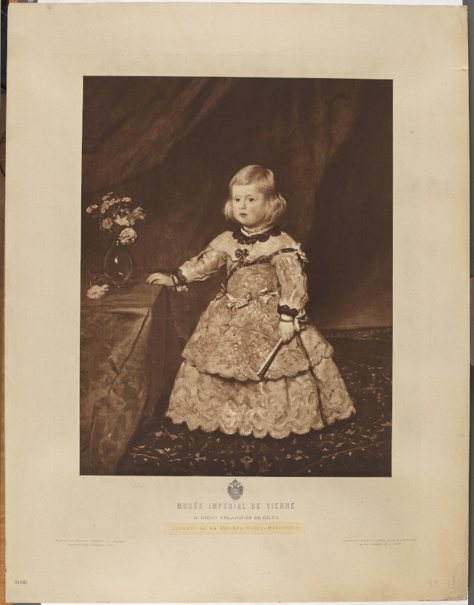
Although the museum’s holdings include undated images of the building and its collections, it is possible to establish a fairly accurate date for some items. This is true, for instance, of several carbon prints—a fade-resistant pigmentation process developed by Braun et Cie—that were obviously acquired to be displayed as part of the exhibition marking the third centenary of Velázquez’s birth held at the Prado. 

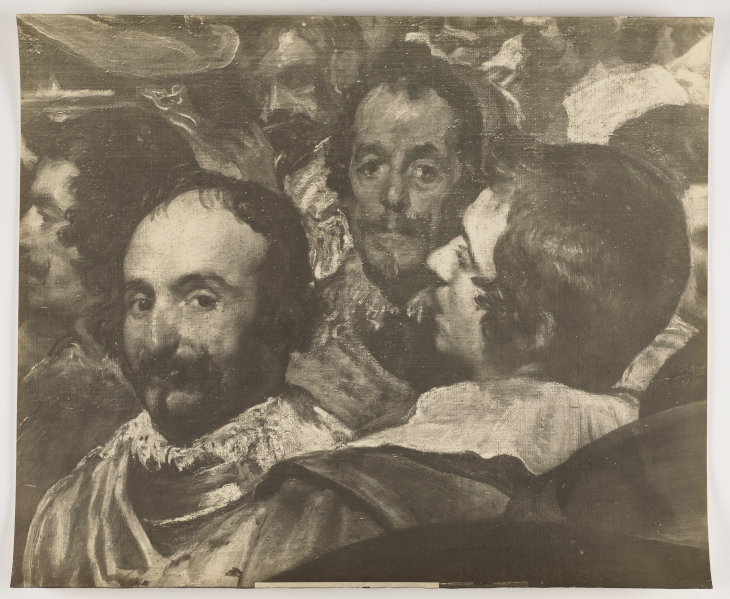
Photographic reproductions at the Prado mostly featured paintings and, to a lesser extent, sculptures, although some drawings and examples of the decorative arts were also present in the main photography collections, showcasing the rich variety of the museum’s holdings. Photographs of masterpieces like Velázquez’s Surrender of Breda were sold by different companies, which offered images of the entire painting or close-ups of its most significant details. The former were mainly produced with collectors and museum visitors in mind, while the latter tended to appeal more to experts and connoisseurs. For instance, the large, partial image of this painting came from the personal papers of the Hispanist Enriqueta Harris (1910–2006), who used it in her research. 

However, some of the photographs shown here were taken before the pictured works entered the Prado, when they still belonged to the Museo de la Trinidad or were entered in a national fine arts exhibition, according to the printed labels or handwritten inscriptions that accompany several of them.

The early twentieth century was the heyday of the postcard, a by-product of photography that combined the power of the image and the communicative function of the written word. The invention of collotype and other printing techniques made photography less expensive, boosting the popularity of these illustrated cards and taking the public circulation of the Prado's collections to a whole new level.

Artworks

1

2
3

4
5

6

7

8

9

10

11
12
13

14
15

16

17

18

19

20

21
22
23
24

25

26

27

28
29
30
31
32
33
34
35

36

37
38

39
40

41

42

43

44

Print on demand

Print artworks available in our catalogue in high quality and your preferred size and finish.

Image archive

Request artworks available in our catalogue in digital format.

Up