
Loading...
The future of public museums
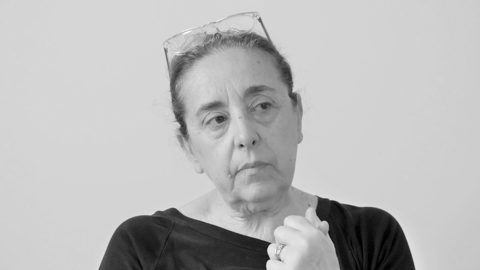
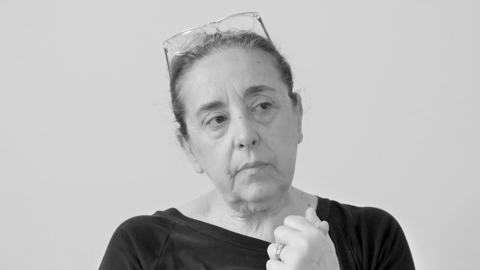
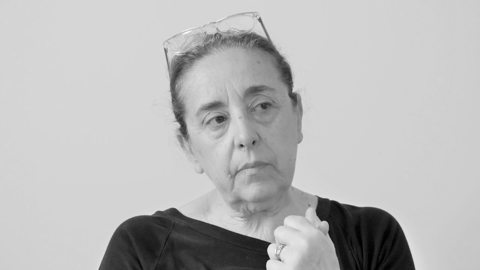
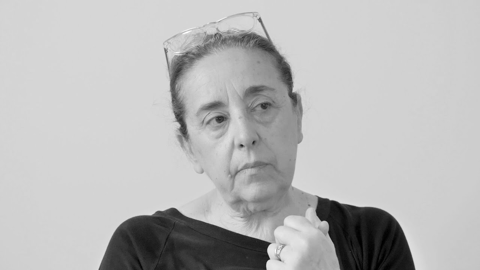
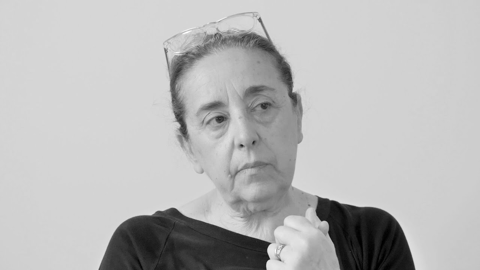
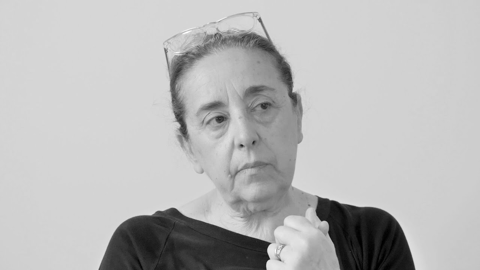
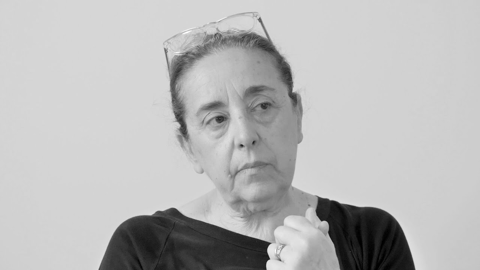
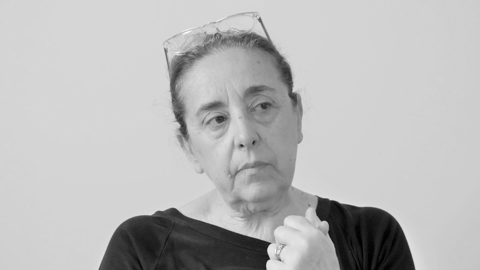
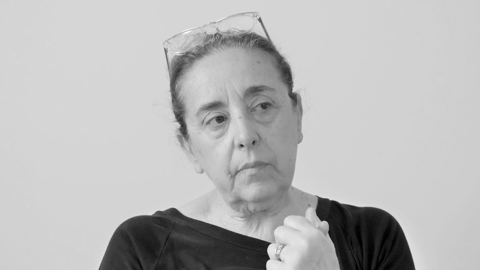
Manuela Mena Marqués, Head of the Department of Conservation of 18th Century Painting and Goya, 1978-2019The future of public museums
Manuela Mena Marqués, Head of the Department of Conservation of 18th Century Painting and Goya, 1978-2019
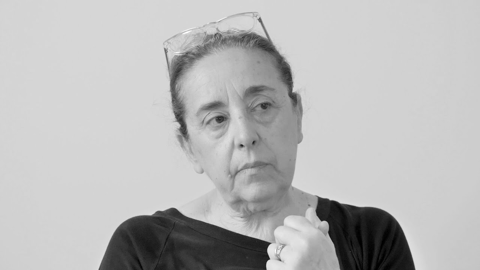
We can never know the future. For me, naturally, this is not an enterprise, but a centre for knowledge. And these centres for knowledge must bear losses. Culture is loss-making, and it has to be too. My work is public work, work for all those who are going to come and whom we would wish to come to the Museo del Prado. That has always been my idea: this belongs to everyone and exists for everyone. But not only Spaniards; also the last Korean who might wish to come. It also belongs to him and he must perceive it that way. We have to be accessible.
Although I would say more: I can see that, as the years pass, it is becoming increasingly difficult to understand art. Knowing what art is constitutes one of the most difficult things that exists. It’s truly impossible. I often ask myself: “but why did I come across Pérez Sánchez, who made me change my mind?” I wanted to study Hebrew, Aramaic, Chaldean, which is to say, the languages that exist around the Dead Sea. That was my idea; that’s what I wanted to study. But then Pérez Sánchez stepped up to the lectern and what he said made me think that the history of art really wasn’t so bad; it seemed interesting. I’m saying this because, over the years, I’ve thought that maybe I wish I’d studied the Dead Sea languages, because there are probably only twenty people in the world who actually know them. I say twenty, but there could be two hundred; but no more. Nobody would dream of shouting in the street that they have a knowledge of Chaldean grammar. But this is what I find today: for me art is becoming increasingly difficult, more complex, more incredible; and yet, I see people talking about art and saying the most utter nonsense, things that make me laugh inside, although I may seem serious and listen quietly. But I think: what are we doing? Is it possible to teach this? Is it possible to help people speak Chaldean? Art is more difficult than Chaldean. Well I don’t know. So, are we teaching something or are we just making it more difficult?
She came to the Museo del Prado with a grant from the Juan March Foundation. In 1981, she secured the position of Conservator of Drawings and Prints of the Museo del Prado. She was later appointed Deputy Director of Conservation and Research (1981-1996), Member of the Royal Board of Trustees (1991-1996), and Head of the Department of Conservation of 18th Century Painting and Goya (2001-2018).
Interview recorded on June 28, 2018
Interview index
17 / 20-
Initial Contact with the Museum -
Diego Angulo: Great human qualities and intellectual elegance -
Changing things from within -
1979. The energy of a whole country -
1981. My promotion to Assistant Director -
1981-1996. My responsibilities as Assistant Director -
Sánchez Cantón: a key figure -
1978. Xavier de Salas -
1978-1981. Don José Manuel Pita Andrade -
1983-1991. Alfonso Pérez Sánchez -
1996-2001. Fernando Checa Cremades -
2002-2017. Miguel Zugaza -
Great Artists and Privileged Minds -
1990. Francis Bacon -
David Hockney and the Tapestry Cartoons -
The responsibility of curators -
The future of public museums -
The Triumph of David by Nicolas Poussin -
What the Prado gives us -
Learning to distance oneself from the Museum
- RDF
- RDF
Collective
Management
Miguel Zugaza Miranda
Museum Director, 2002-2017
Gabriele Finaldi
Assistant Director of Conservation and Research, 2002-2015
Francisco Calvo Serraller
Museum Director, 1993-1994
Felipe Garín Llombart
Museum Director, 1991-1993
Fernando Checa Cremades
Museum Director, 1996-2001
José María Luzón Nogué
Museum Director, 1994-1996
Theme
--
Voces del Prado