
Loading...
Maria Stavrinaki
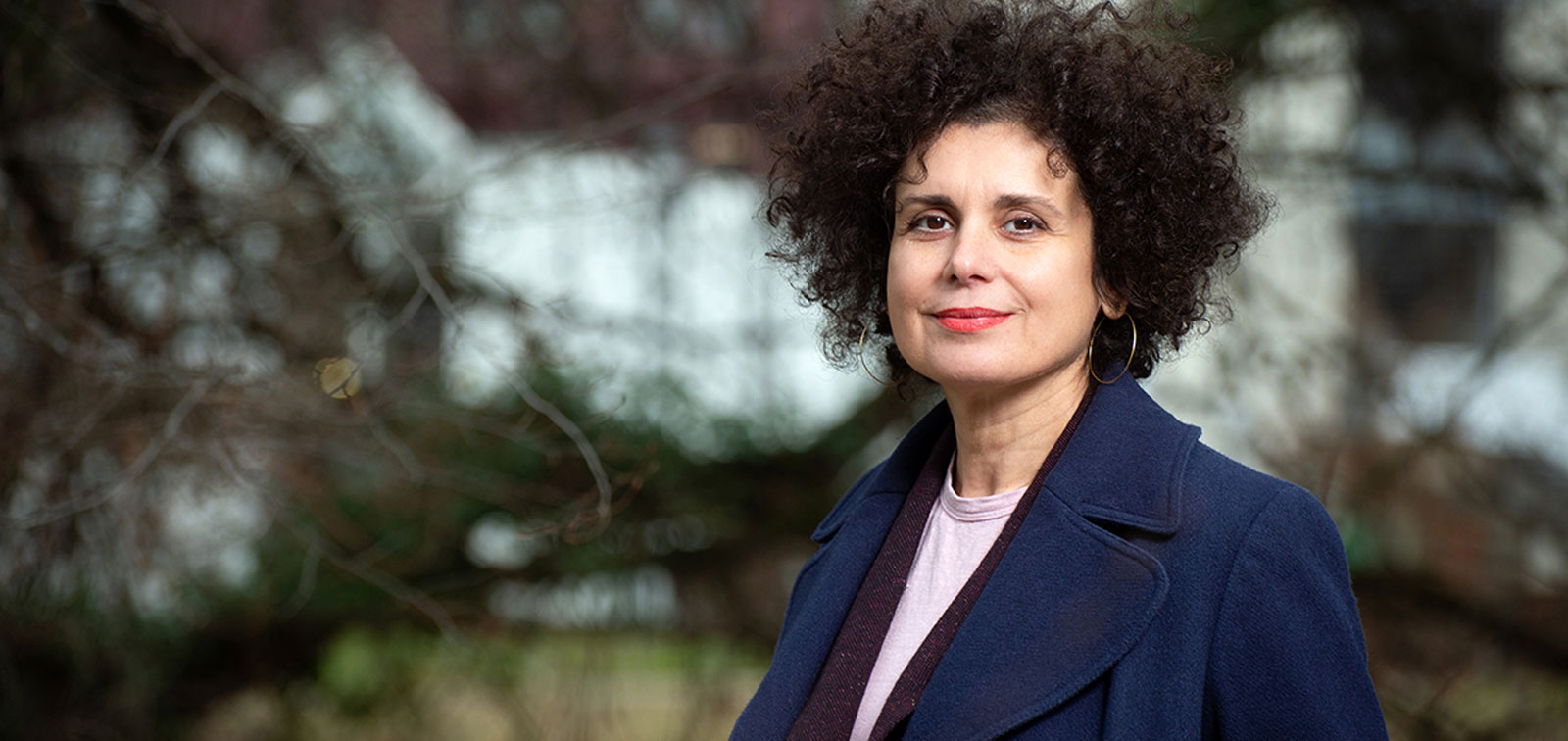
The Artist as an Art Historian
Maria Stavrinaki
2026
Academic Chair
The Artist as an Art Historian
Maria Stavrinaki
2026
The role of the artist as an art historian, well known thanks to contributions as renowned as those of Giorgio Vasari’s Lives…, which condense the entire Italian 16th C. Renaissance, or Antonio Palomino’s 18th C. contributions to the historical Spanish Baroque in his El Museo pictórico y escala óptica…, is long-standing and auspicious, overcoming major transformations ensuing the configuration of the history of art into a discipline — this happening in the 19th C. The artistic historiography that was shaped throughout the 19th C. established its epistemological and institutional autonomy, especially in the divide between past and present. The scientific history of art developed in the late modern era was to be inaccessible to artists, as it presupposes working with the primary sources, a systematic knowledge of the works, and the competencies and skills necessary to attribute and date the artistic goods in question. The XV Cátedra del Prado, under the guidance of Greek historian Maria Stavrinaki, will scrutinize the modern discourse of artists as art historians, focusing especially on cultural events that came to pass after World War II and the effects of which on today’s understanding of art is, even now, notable.
The Cátedra is addressed to a general audience as well as to researchers-in-training and to a specialized audience. It will take place during the month of November and comprises three different activities. The core element is a four-conference cycle, programmed on Thursday afternoons at the Auditorium of the Museo del Prado. The secondary element is a seminar for young researchers under the guidance of the Cátedra’s lead, scheduled on Friday mornings. The work carried out in this intensive seminar allows for an in-depth exploration of the issues addressed in the conferences and provides insight into resources available for research purposes. Finally, a colloquium has been timetabled which will consist of a lecture by the Cátedra’s lead followed by another three lectures delivered by three researchers. These lectures will have been prepared with the aim of ensuring that optimum conditions are in place to facilitate a broad academic debate on the main issue at hand.
- Sponsored by:
-

- Recipients
- University students, researchers, professionals, and the general public
- Direction
- Maria Stavrinaki
- Organization
- Museo Nacional del Prado
- Remote support
- It is possible to register for the online modality and attend the lectures and the discussion session live remotely via the Zoom platform. However, this option does not apply to the seminar, as it is exclusively held in person.
Activities
Activity
2026 Chair Holder
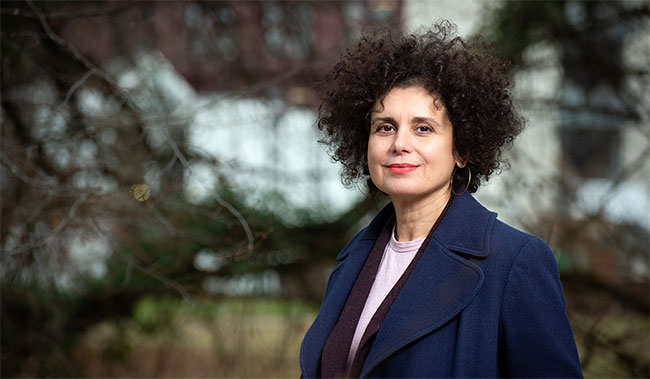
Maria Stavrinaki
As of 2023, Maria Stavrinaki is professor of History of Contemporary Art at the University of Lausanne in Switzerland, after years of teaching at the Paris 1 Panthéon-Sorbonne University in France. Professor Stavrinaki has also researched and taught, among others, at the Free University of Berlin, at the Princeton Institute for Advanced Study, at the Clark Art Institute, and at Columbia University’s Italian Academy. Her research activities have focused primarily on the historical Avant-Gardes and modernity at large: she analyzes the interrelationships between artistic practices, conceptions of time and history, epistemologies, and political ideologies. She has published, among others, the following works: DadaPresentism.AnEssayonArt andHistory (Stanford University Press, 2016), Contraindreà la liberté. Carl Einstein, lesavant gardes,l’histoire (2018, Mamco), Saisis par lapréhistoire.Enquêtesurl’artet le temps desModernes (Presses du Réel, 1919, translated into English as Transfixed by Prehistory. An Inquiry into Art and Time, Zone Books, 2022, and into Spanish as Atrapados por la prehistoria, soon to be published by Sans Soleil Ediciones). Professor Stavrinaki has codirected two major exhibitions: Préhistoire. Une énigme moderne (Centre Pompidou, Paris, 2019) and L´âge atomique. Les artistes à l’épreuve de l’histoire (MAM, Paris, 2024).