Picasso, El Greco and Analytical Cubism
Museo Nacional del Prado. Madrid 6/13/2023 - 9/17/2023
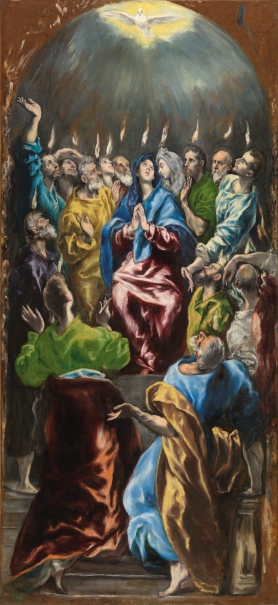
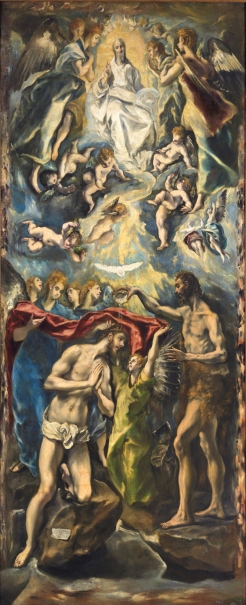
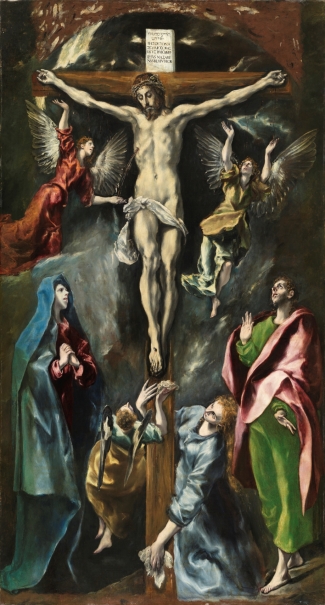
Until 17 September, Room 9B of the Villanueva Building is housing the exhibition Picasso, El Greco and Analytical Cubism. Sponsored by the Fundación Amigos del Museo del Prado and with the collaboration of the Comunidad de Madrid, it focuses on Picasso’s Cubist output and the late work of El Greco.
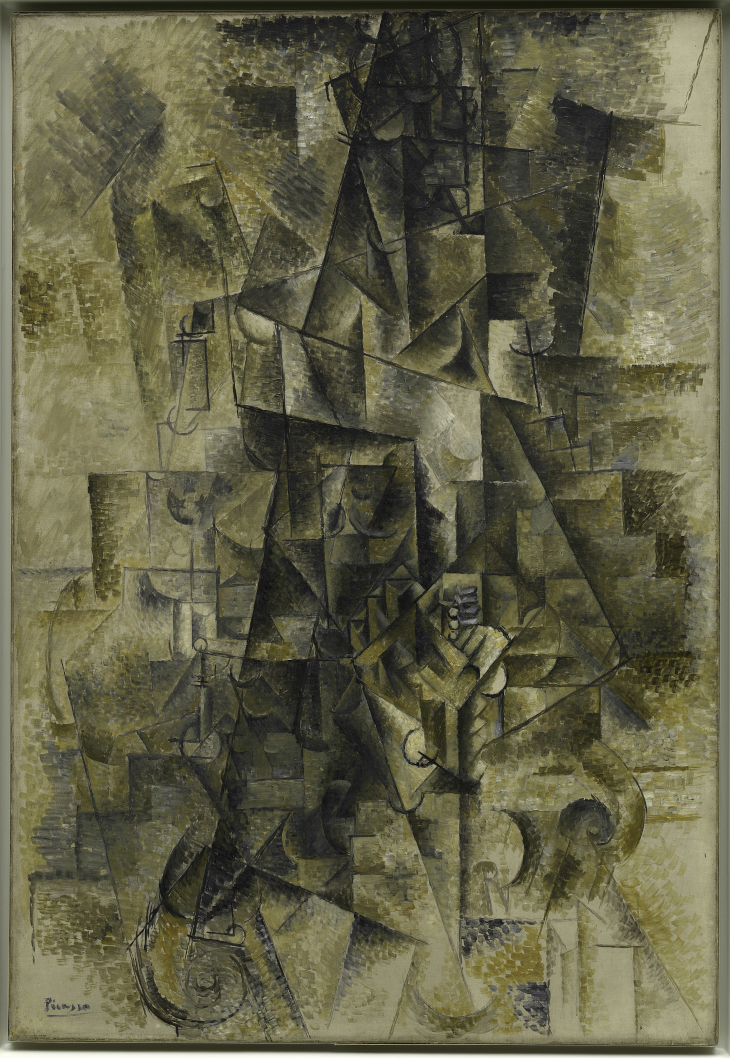
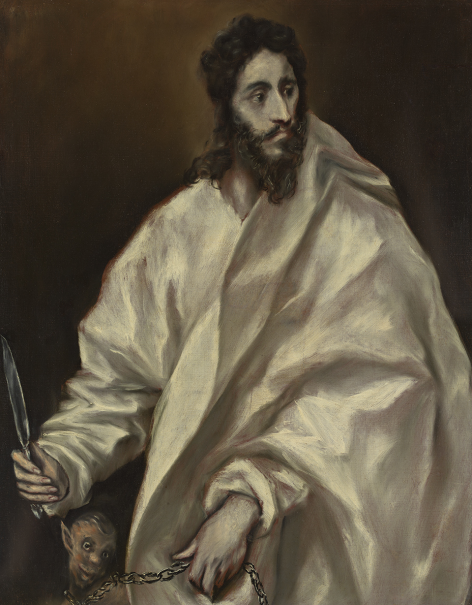
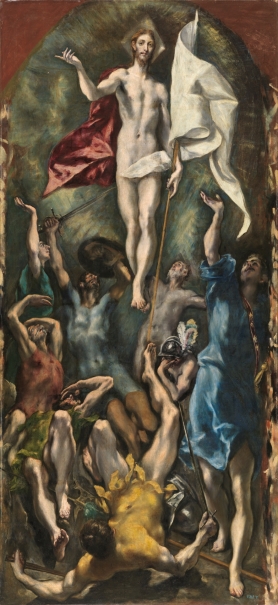
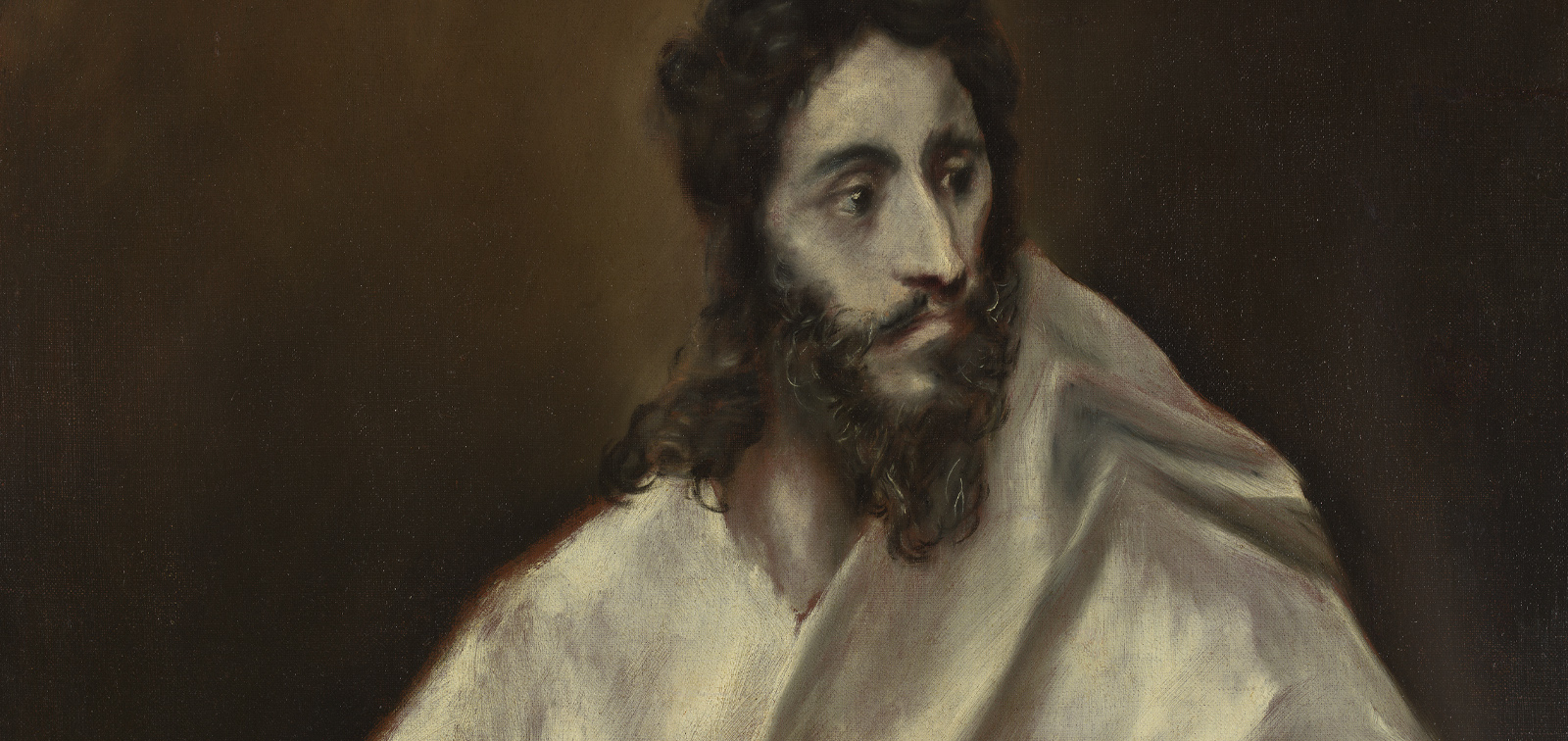
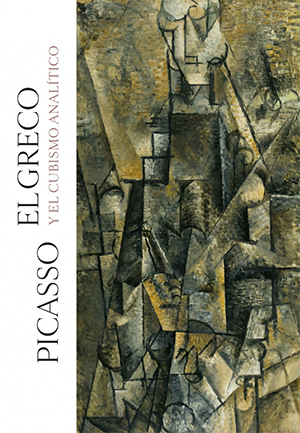
Whereas the majority of experts have coincided in limiting the influence of El Greco almost exclusively to Picasso’s earliest output, this exhibition argues that the influence was much more profound and long-lasting given that it was particularly crucial for the development of Cubism, especially for Analytical Cubism, as evident in works such as The Aficionado and The Accordionist.
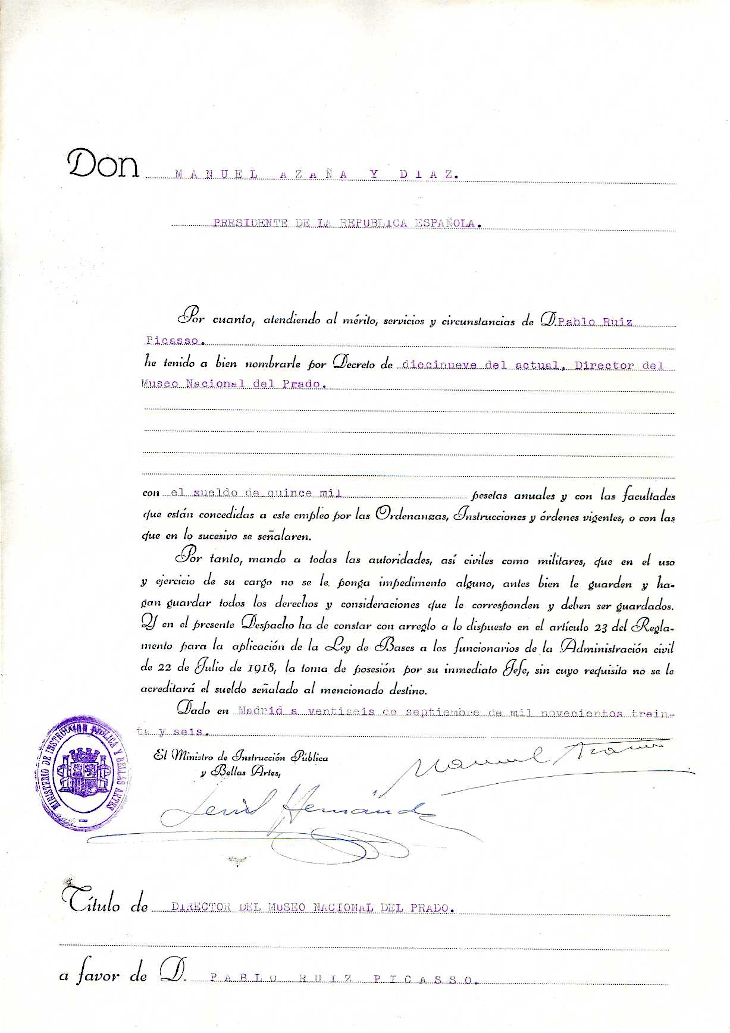
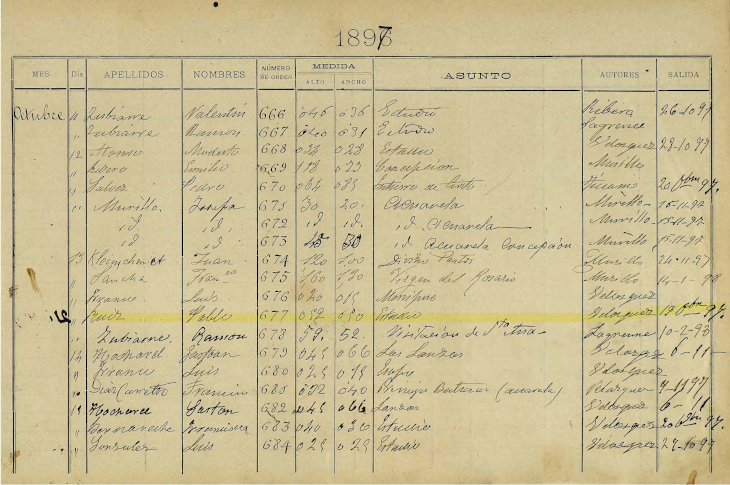
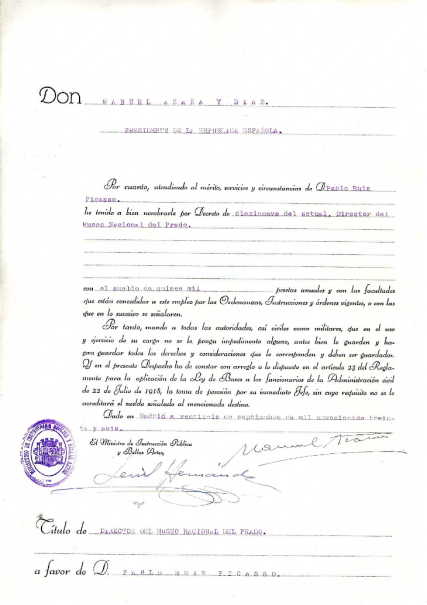
Also on display are official documents which record Picasso’s biographical and artistic connections with the Museo del Prado; a relationship that began with his years as a copyist and concluded with his appointment as the museum’s director.
As part of the exhibition programme Picasso Celebration 1973-2023, organised to mark the 50th anniversary of the artist’s death, the exhibition Picasso, El Greco and Analytical Cubism, curated by Carmen Giménez, reveals the most striking and significant connections between the two artists.
Among the numerous and very diverse influences of artists which converge in the work of Picasso, that of El Greco is possibly the earliest and most decisive as it dates back to the late 19th century when the very young, still teenage Picasso was living in Madrid. Although a student at the Royal San Fernando Fine Arts Academy, his letters and drawings from that period reveal that he spent more time at the Museo del Prado copying works by the great Old Masters than at the Academy itself. “El Greco, Velázquez, inspire me!” and “I, El Greco” are phrases that appear on drawings from those years. They constitute nothing less than a statement of intent by a seventeen-year-old student who saw in El Greco’s work the germ of precisely what was required to liberate modern painting. At that period El Greco was not a highly regarded artist. The painter Francisco Bernareggi, who shared these visits to the Prado with Picasso, recalled how they were called modernistas for copying El Greco at the museum. Furthermore, on hearing what they were doing, Picasso’s father reproved them with the words “You’re going in the wrong direction!”.
It is true that El Greco enjoyed some fame following his move to Spain in 1577 and until his death there in 1614 but after his lifetime a local legend grew up surrounding the crazed distortion of his late pictorial style which ultimately obscured his critical reputation. It was not until the late 19th century that he began to be championed, thanks to young avant-garde European painters of the time. It took 300 years for El Greco to finally be understood, but once the rediscovery of him took place he provided Picasso with the means to definitively break away from the art of the past and the bases of traditional representation.
In the extensive literature on Picasso almost all authors insist on the evidence of the connection between him and El Greco, but the majority limit that influence almost exclusively to Picasso’s youth, not just on the basis of the sketchbooks created in Madrid, Barcelona and Paris but also because they consider it essential for the so-called “Blue Period”. This influence was, however, much more profound and long-lasting and was particularly crucial for the development of Cubism, especially Analytical Cubism, which is characterised by its flattening of the perspective and the use of a vertical format. By juxtaposing works by the two artists, with a particular focus on Picasso’s Cubist output and the late work of El Greco and by making use of the direct format allowed by an exhibition opens up new viewpoints; not just between the two artists but also through them, giving rise to new reflections on the significance of this artistic relationship for the development of the 20th-century avant-garde movements.
Picasso Celebration 1973-2023
April 8, 2023 will mark the fiftieth anniversary of the death of the Spanish artist Pablo Picasso and thus the year will represent the celebration of his work and his artistic legacy in France, Spain and internationally. The Picasso Celebration 1973-2023 is structured around some fifty exhibitions and events that will be held in renowned cultural institutions in Europe and North America, and which together will draw up a historiographical survey of approaches to Picasso’s work. The commemoration, accompanied by official celebrations in France and Spain, will make it possible to take stock of the research and interpretations of the artist’s work, especially during an important international symposium in autumn 2023, which also coincides with the opening of the Center for Picasso Studies in Paris. The Musée national Picasso-Paris and the Spanish National Commission for the commemoration of the 50th anniversary of the death of Pablo Picasso are pleased to support this exceptional program. Telefónica is a partner company of the Picasso Celebration 1973-2023 in Spain.
- Curator:
- Carmen Giménez