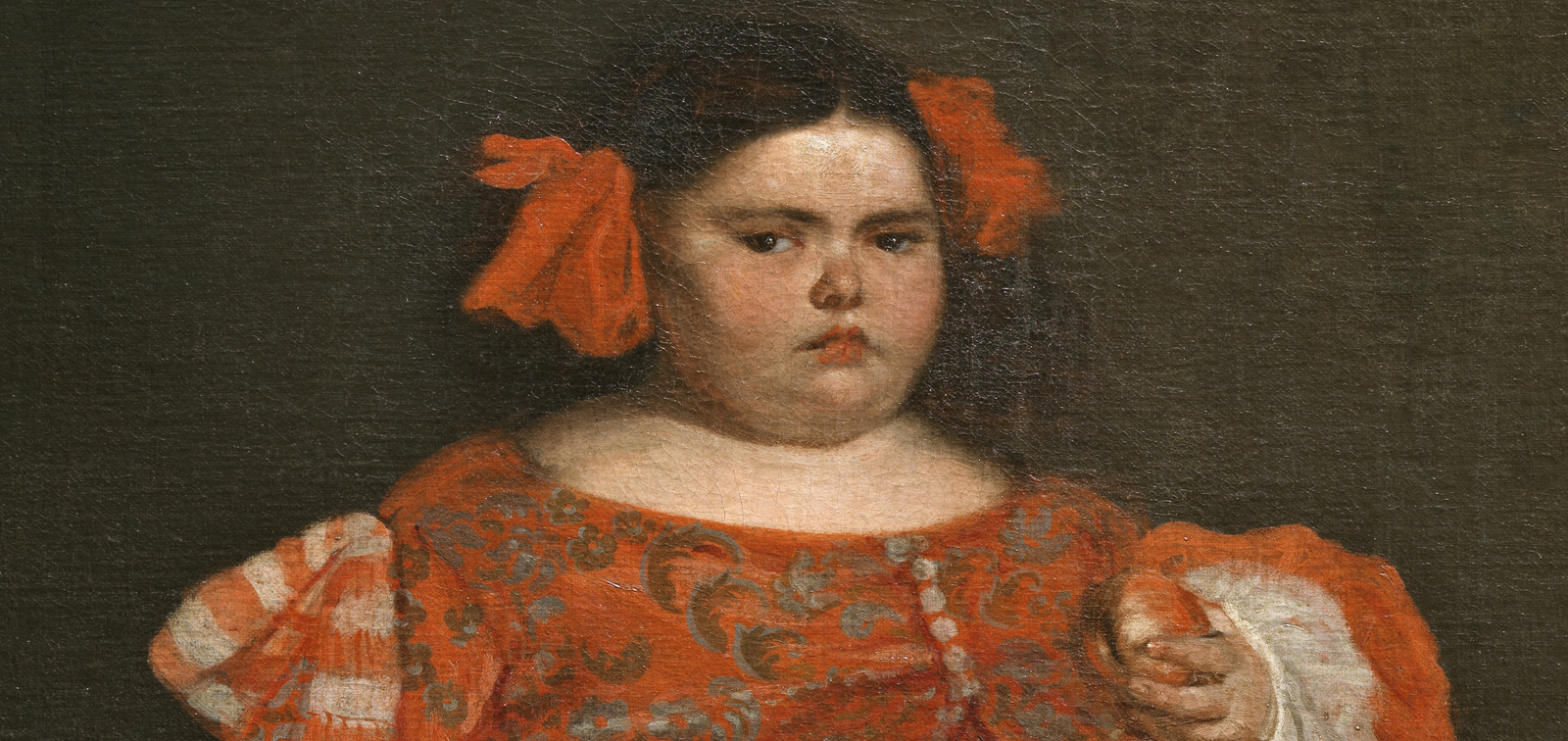
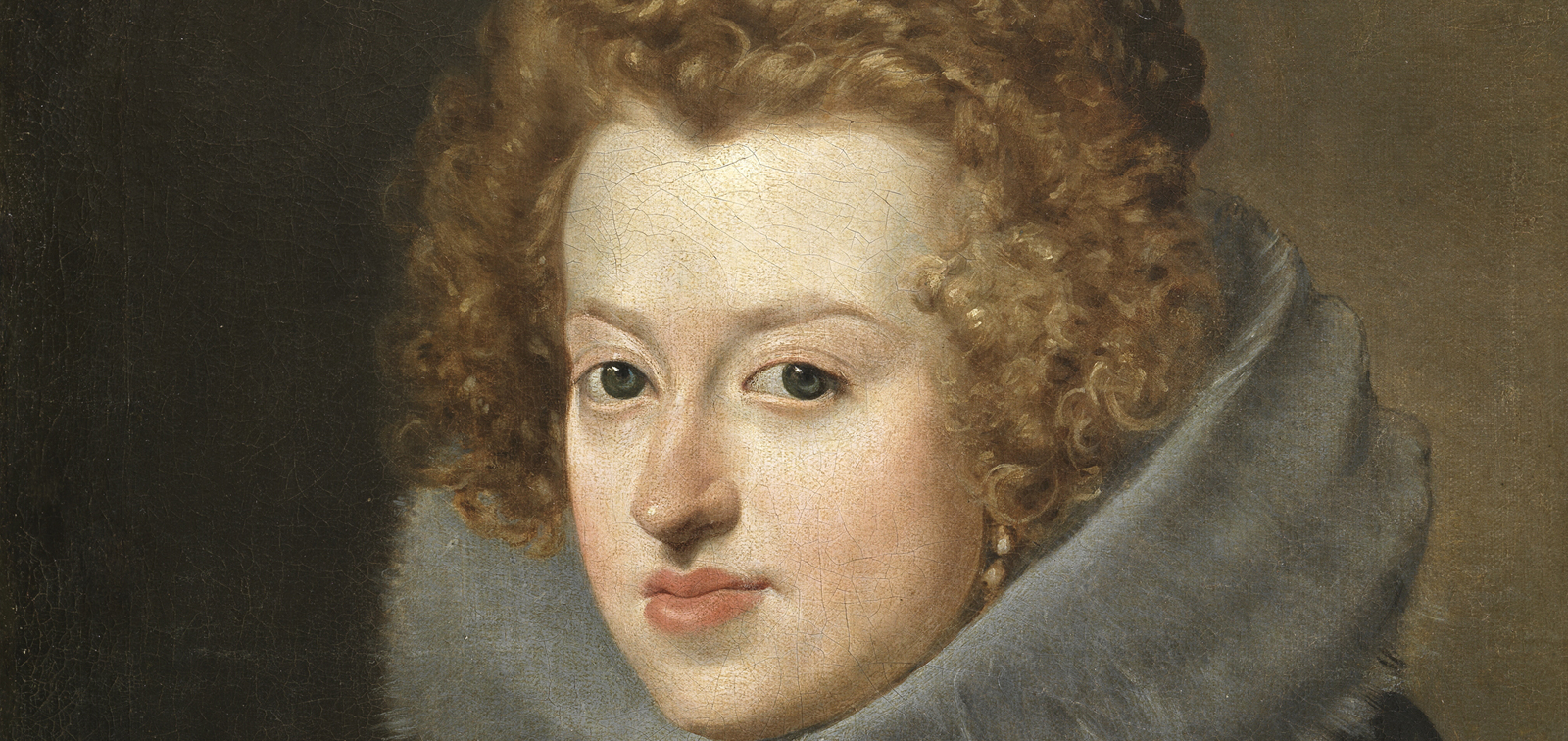
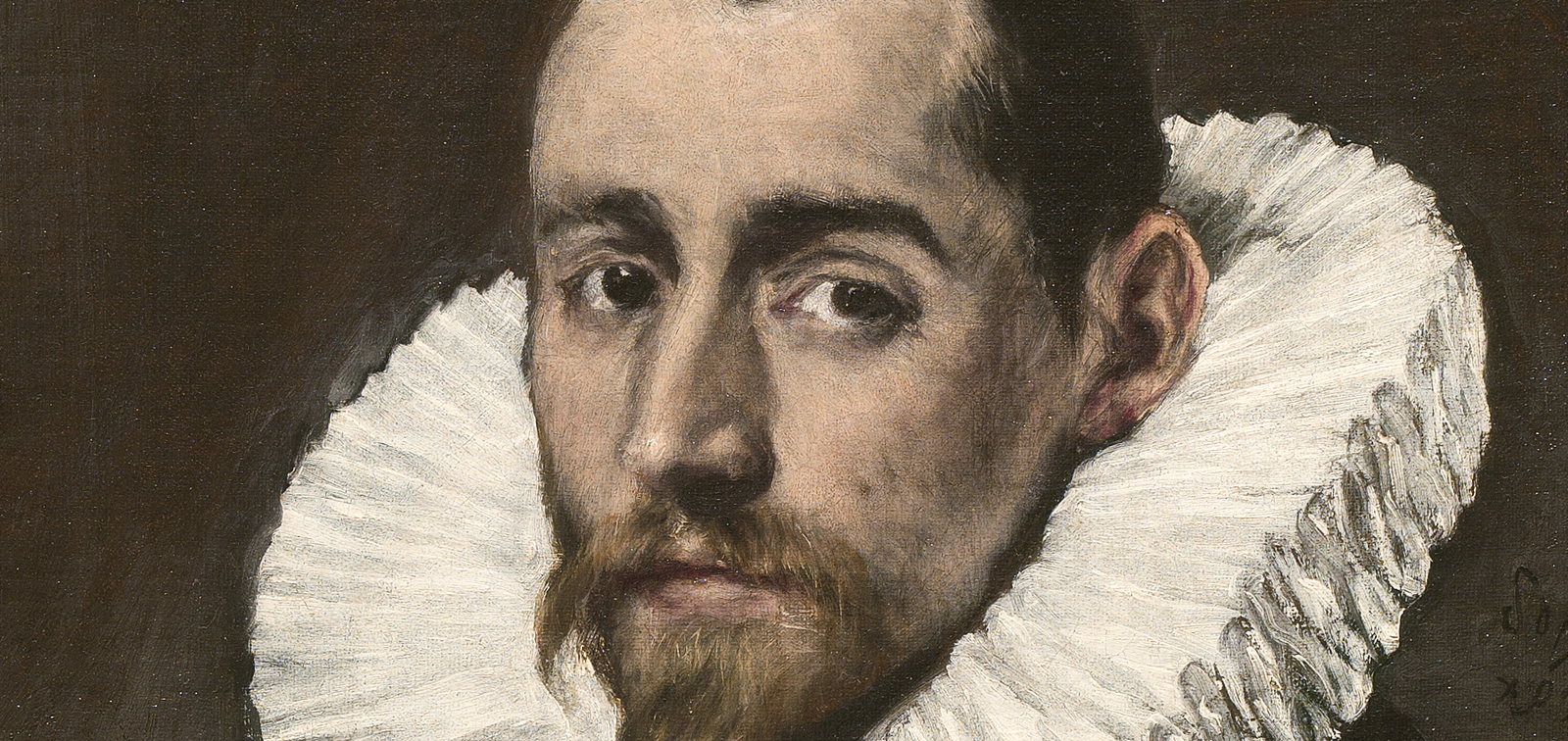
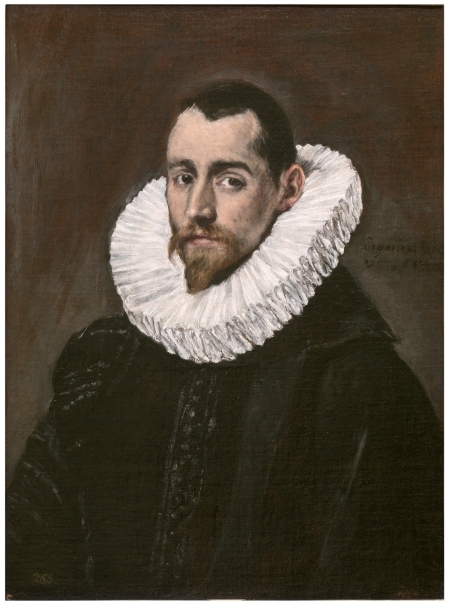
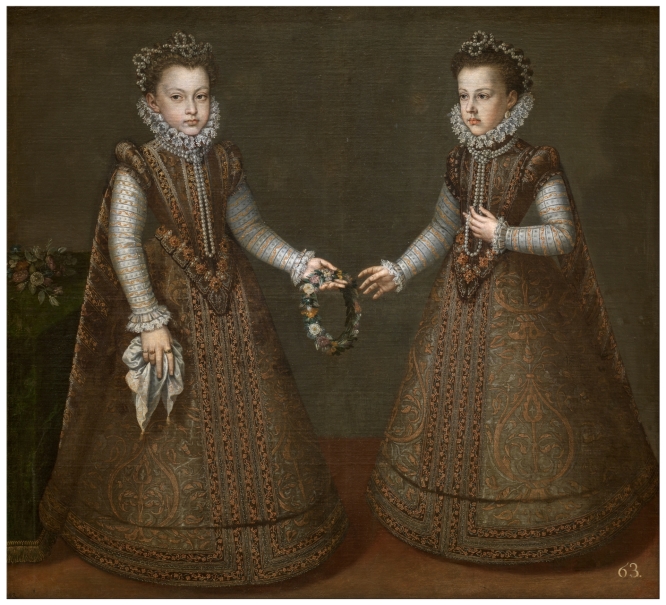
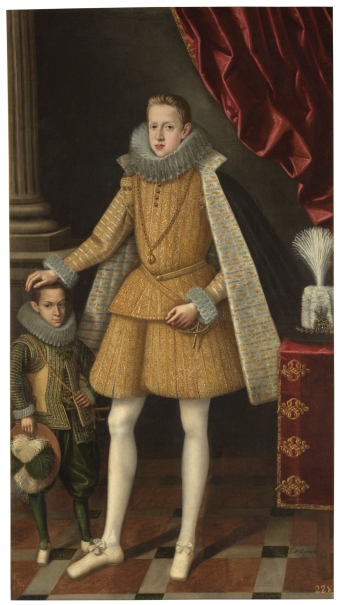
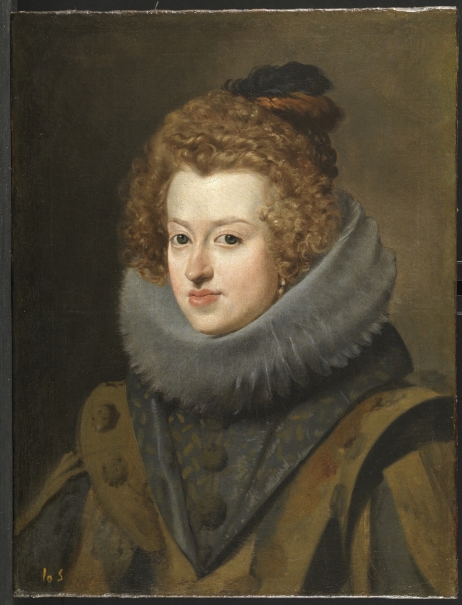
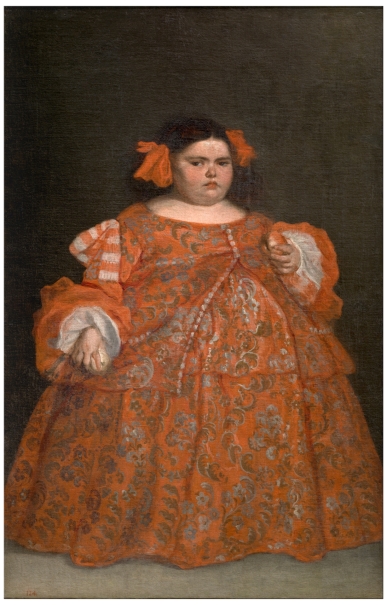
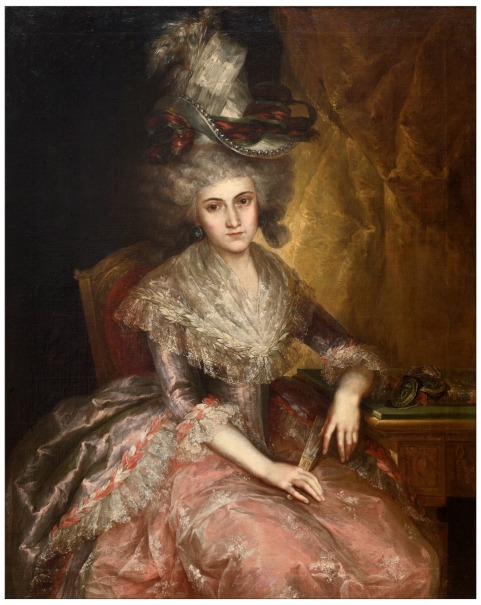
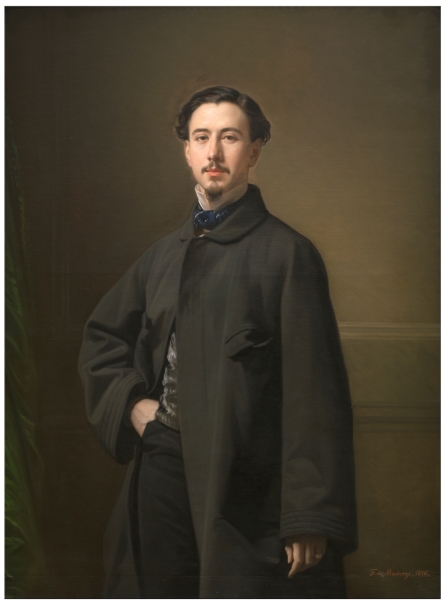
This exhibition of eleven Spanish portraits from the Prado offers a chronological tour that begins with one of the most intense and original portraitists of the sixteenth century, El Greco, and two remarkable examples of court portraiture from the time of the first Habsburg monarchs. The heyday of portraiture in Spain, the mid-1600s, is represented by Diego Velázquez’s likeness of Maria Anna of Spain, an elegant synthesis of the sitter’s lofty rank and human substance and a clear example of the artistic tastes of Philip IV’s court. This is also illustrated by one of the most unsettling portraits in the Prado collection, Carreño’s rendering of Eugenia Martínez Vallejo.
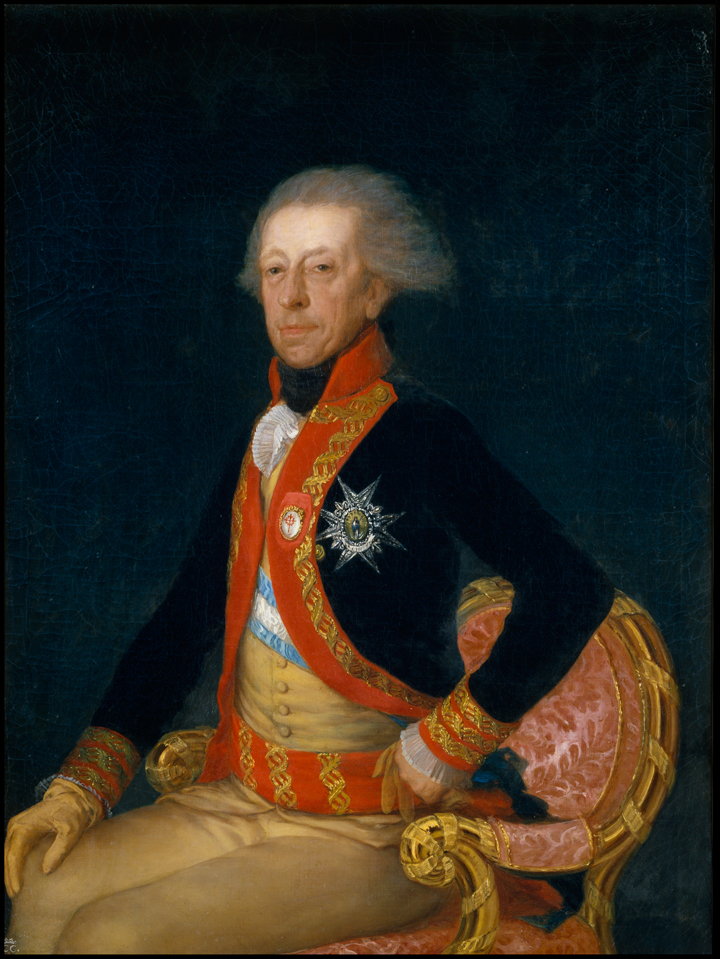
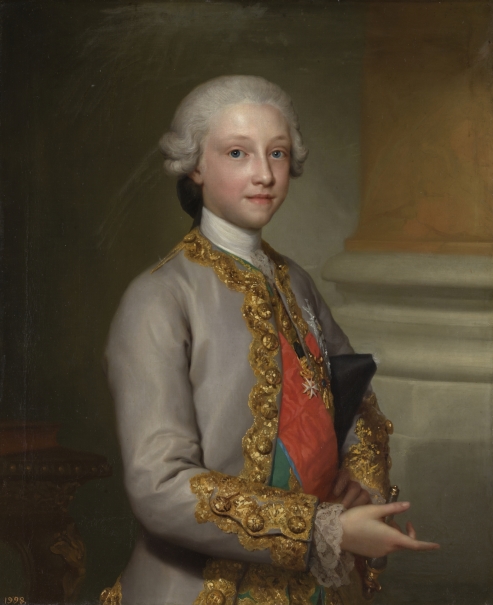
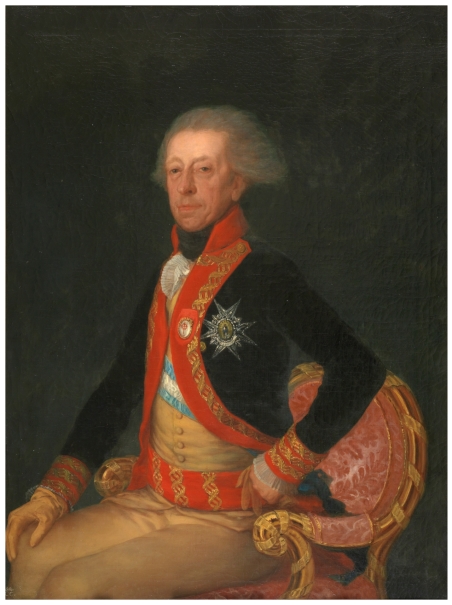
The dawn of a new century saw the Bourbon dynasty ascend to the throne of Spain. They brought with them new customs and new tastes in every area, including portraiture, and welcomed the work of renowned European artists, particularly Anton Raphael Mengs, who established the new standards of classicism. But the greatest artistic force of the entire eighteenth century is represented here by Goya’s portrait of General Ricardos, which captures the essence of Enlightenment gesturalism while also reflecting the profound humanity of his finest portraits. Vicente López, the most esteemed portraitist at the absolutist court of Ferdinand VII thanks to his pleasing and flattering yet visually forceful works, is present here with his likeness of María Pilar de la Cerda y Marín de Resende, Duchess of Nájera.
The husband-and-wife portraits of Jaime Girona and Saturnina Canaleta, both immortalised by Federico de Madrazo, combine the most authentic aspects of traditional Spanish portraiture with international Romantic trends.
The exhibition closes with an iconic image from the Spanish painting collection: Joaquín Sorolla’s portrait of María de Figueroa Dressed as a Menina, a deliberate reflection on Spain’s pictorial past and the perception of Velázquez as the ideal master from which to learn the lessons of realism at the dawn of the twentieth century.
Eleven brilliant works from the galleries of the Museo del Prado will allow Asturian audiences to discover the most attractive aspects of the tradition of Spanish portraiture, one of the best represented genres in the museum’s collection.