formularioRDF
The itinerary <em>TITULORECORRIDO</em> has been successfully created. Now you can add in works from the Collection browser
<em>TITULOOBRA</em> added to <em>TITULORECORRIDO</em> itinerary

Flemish artworks tour

This is the Flemish artworks easy-to-read tour at the Museo del Prado.

Flemish paintings were created between the 15 and 17 centuries in Flanders.

Flanders is a region in Belgium today

ETR (Easy to Read) icon
© Easy-to-read european logo: Inclusion Europe. More information at: Easy-to-read

The relationship of Spain with Flanders

The kings of Spain belonged to the Habsburg family and ruled the Flanders region.

For this reason, the Spanish kings collected many paintings from this region.

Today, the Prado Museum has one of the best and the most comprehensive collections of Flemish paintings worldwide.

15 century

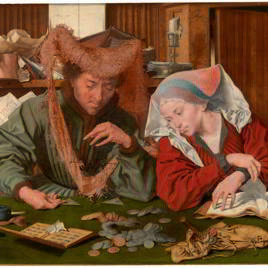
In the 15 century, Flemish artists began creating works that interested European art collectors.

They painted with a lot of detail, and their works had a shiny appearance achieved through the use of oil paint.

Flemish painters invented this technique.

This technique reached Italy through the painter Antonello da Messina.

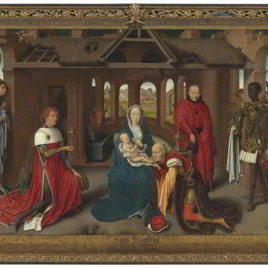
Rogier van der Weyden and Hans Memling were 2 of the most important Flemish artists of the 15 century.

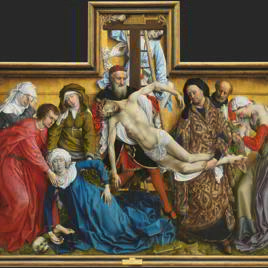
The painting by Rogier van der Weyden entitled The Descent from the Cross is one of the paintings that significantly influenced European art history.
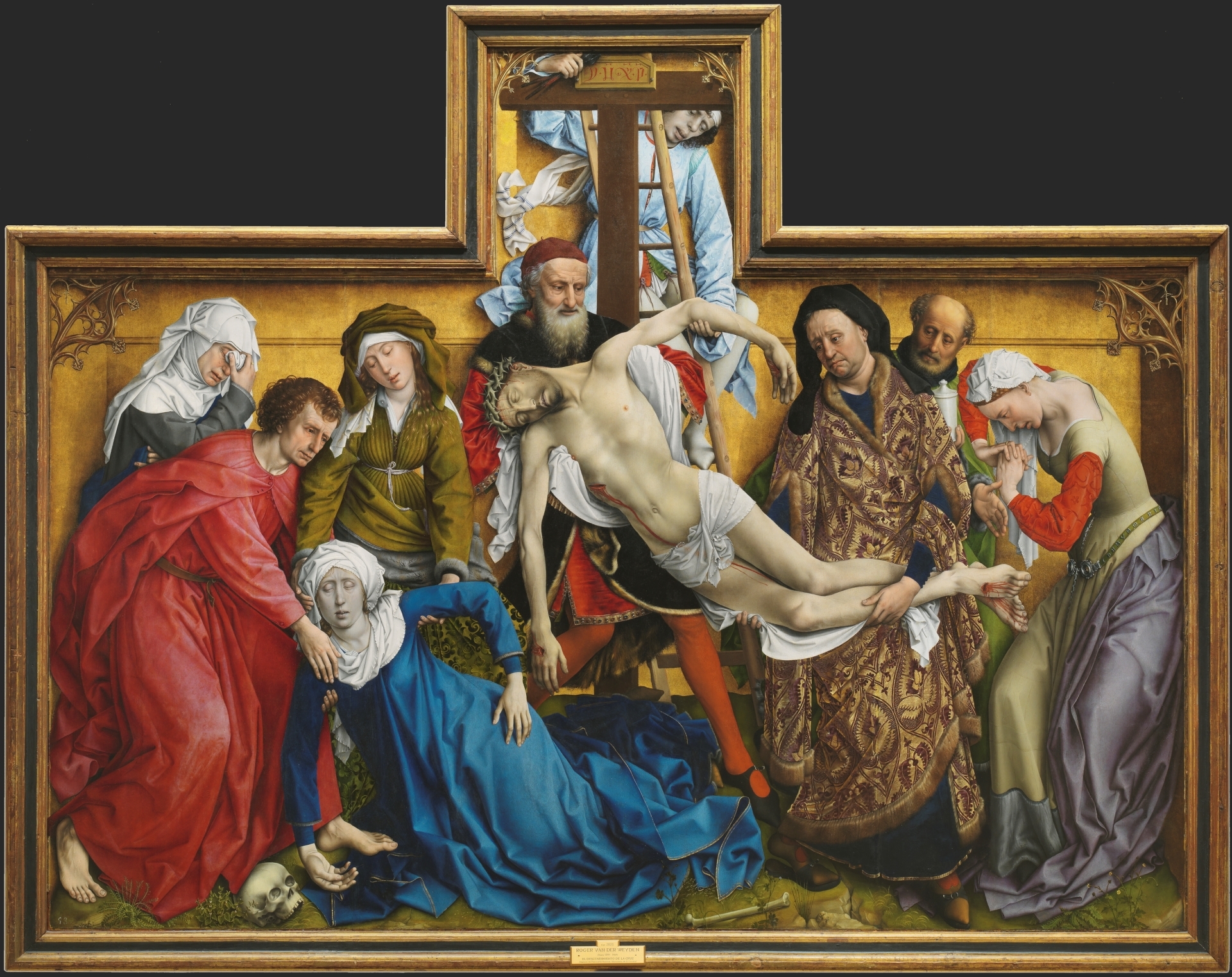
The Descent from the Cross by Rogier van der Weyden.

16 century

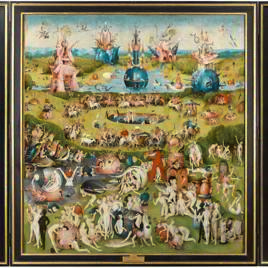
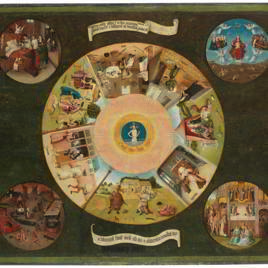
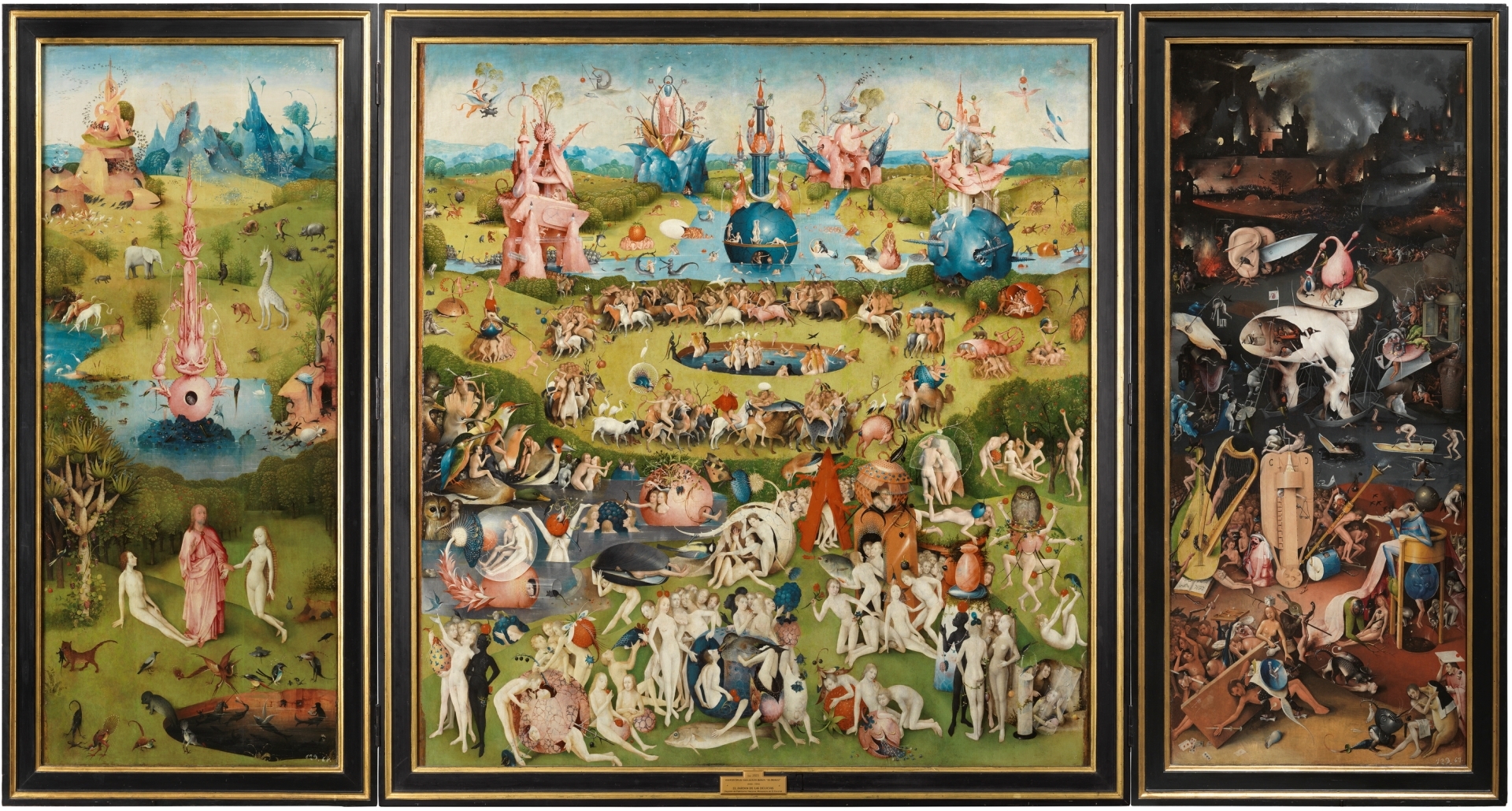
In the 16 century, King Philip the Second collected works from the Flemish painter called Bosch.

Bosch painted scenes depicting fantasy worlds and criticised the behaviour of people, sometimes even with humour.

Today, his works are among the most visited by the public at the Prado Museum.

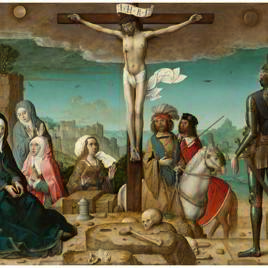
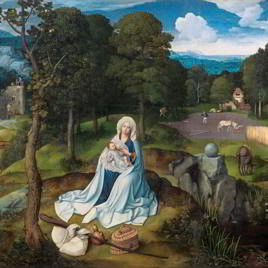
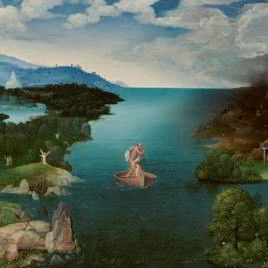
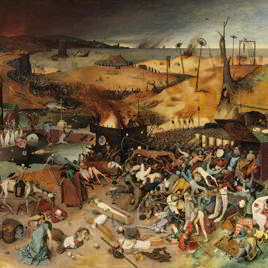
There are also works from this period by other important artists such as Joachim Patinir, the first known landscape painter, Pieter Bruegel the Elder, and Juan de Flandes.

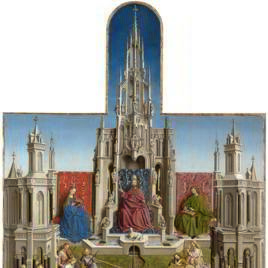
The Garden of Earthly Delights Triptych by Bosch.

17 century

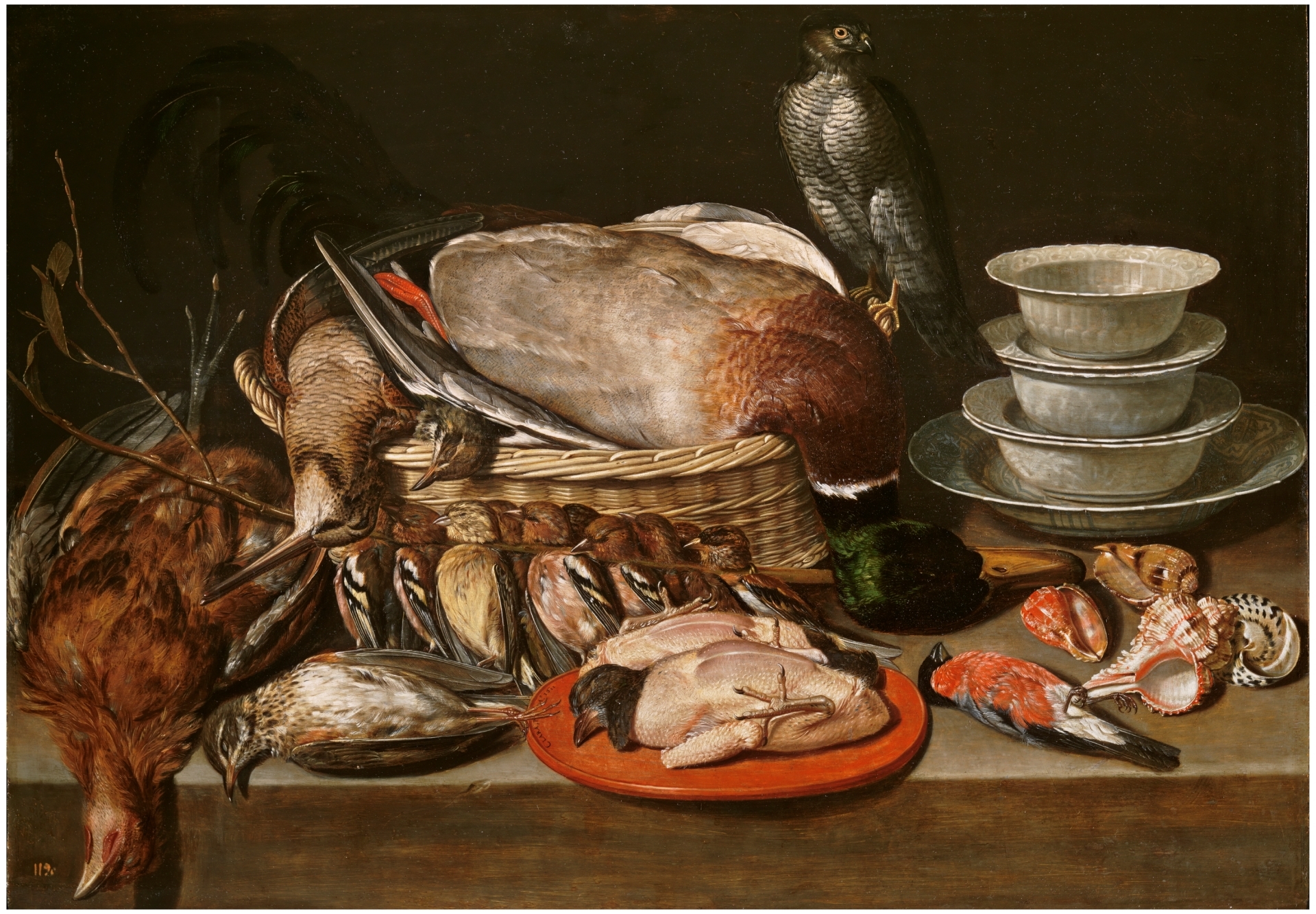
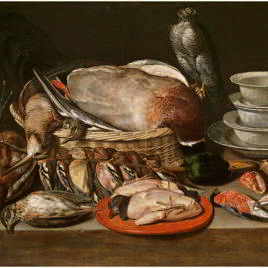
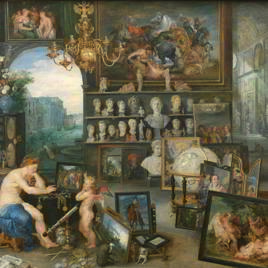
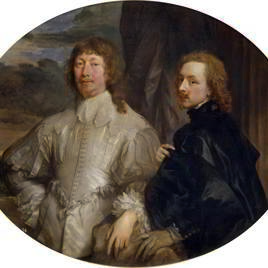
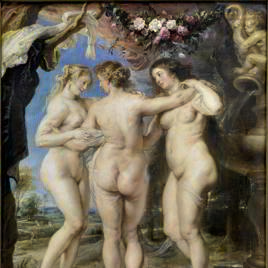
Among the Flemish painters of the 17 century, notable figures include Jan Brueghel the Elder, Clara Peeters, Anthony van Dyck, and, above all, Peter Paul Rubens.

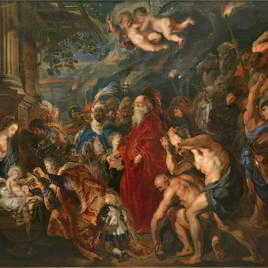
Peter Paul Rubens was the most successful Flemish artist in Europe.

The Prado Museum has the most extensive collection of his works because Spanish King Philip the Fourth commissioned many of them.

The works by Rubens include portraits and paintings on religious and mythological subjects, depicting figures in a grand manner.

Mythology is a collection of stories about gods, heroes and traditions specific to nations or cultures.

Still Life with a Sparrow Hawk, Fowl, Porcelain and Shells by Clara Peeters.
Funded by the European Union - NextGenerationEU Government of Spain - Ministry of Culture Recovery, Transformation and Resiliency Plan Museo Nacional del Prado

Funded with the National Recovery and Resilience Plan (NRPP) , Spain’s Next Generation EU financing and according to the initiatives within the component C.24.I3 Digitization and valorization of major cultural services. The project is part of Campus Prado within Accessibility and Signage: Revitalization of the Urban Environment action line and as a universal accessibility activity.

Up