
Loading...
A normal day in 1943
José Torreblanca Prieto, Grandson of José Prieto, Lead Concierge, 1936-1948A normal day in 1943
José Torreblanca Prieto, Grandson of José Prieto, Lead Concierge, 1936-1948
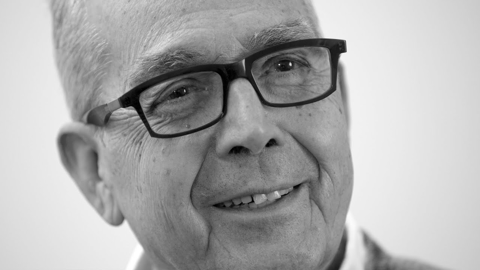
Every day my grandmother prepared breakfast for my grandfather, about 10 or 10.30 in the morning. I would go out, turn round, go up the steps and into the Museum by the main door. There I found my grandfather. My grandfather wore a very elegant navy blue frock coat, with two lines of buttons on each side, cuffs and a silver cap. I met up with my grandfather, who was the head of the other two porters who were with him.
I gave him a kiss and handed over the breakfast, after which I was free. I didn’t go to school, as in those days you didn’t go to school at 6 or 7, so I had nothing to do and I spent my time there, literally wandering around.
I would first greet the Conservator, a venerable and powerful person who was also there in his uniform in the entrance rotunda, which had a granite floor if I remember correctly. The Conservator was a very nice man with an impressive moustache typical of that time and who exercised his role with great dignity. He was the Conservator and he was always there, slightly remote, standing in the middle of the rotunda, and he was a type of chief controller of everything that happened around there.
So I went into the long gallery, and I always remember that wooden gallery, with its very shiny wooden floor, in perfect condition, which made a distinctive creaking when the few people there were around walked on it. There were very few visitors to the Museum, about 6 or 7 typically, very refined people, intellectuals, European academics who came to see the Museo del Prado as people didn’t appreciate it here. In post-war Madrid hungry people weren’t in the mood to appreciate the blessings of having such a fine museum or make the effort to visit it.
So there I used to meet an extremely young Tony Leblanc, who was the Supervisor’s son, who they must have given a job to as he was a flighty fellow and they didn’t know what to do with him. They put him in charge of a lift when the lifts still worked with a lever to go up and down. As very few people used the lift he used his free time to do tap dancing. So there he was in the Museo del Prado, you could see him in a corner, tap dancing. Later he became a good actor, famous…
So I carried on wandering around the Museum. All the guards knew me, I would say hello to them and they to me. But I was looking for my favourite one who was called Calleja, who told me stories and who the other ones, his colleagues, used to tease because in those days there was a publishing house of fiction called Calleja. So they used to joke and say “You’ve got more stories than Calleja”: a silly story that’s stuck in my mind. I used to spend some time with him, he would tell me a story then I’d move on. Usually I went to see my aunt who was a copyist.
She lived with us and was very young, about 18 or 19, and she would be in the galleries. I used to go and see her, give her a kiss and see how the painting was going. She didn’t do this for a job, but as she didn’t have anything else to do or any other job she did copies and was quite good at it.
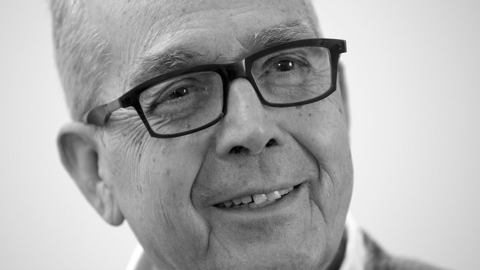
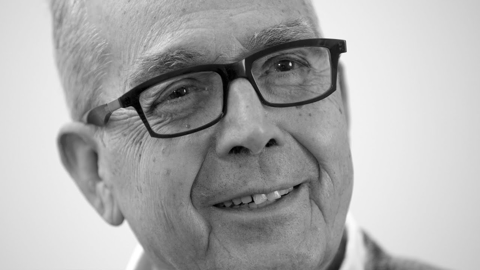
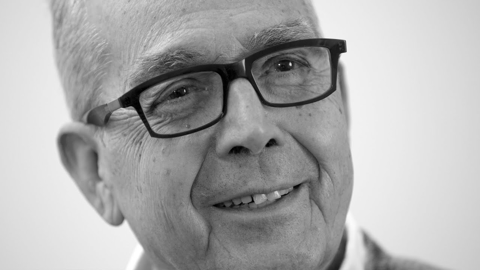
Grandson of José Prieto, Lead Concierge of the Museo Nacional del Prado during the 1940s, when he was a child he lived with his family in one of the homes belonging to the Museum.
Interview recorded on February 20, 2018
Interview index
3 / 12-
I’ve lived in the Museo del Prado -
Coal for heating the house -
A normal day in 1943 -
Mother and aunt, copyists in the Prado -
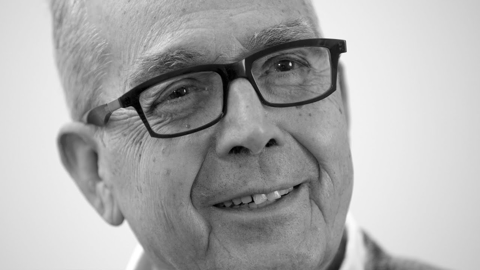
My grandfather, the Head Porter -
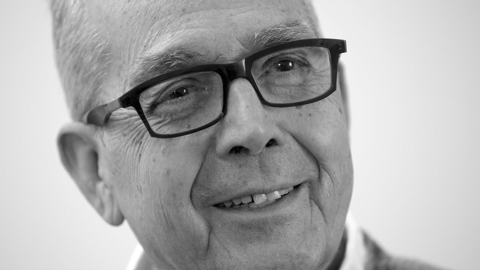
The fire alarm in the 1940s -
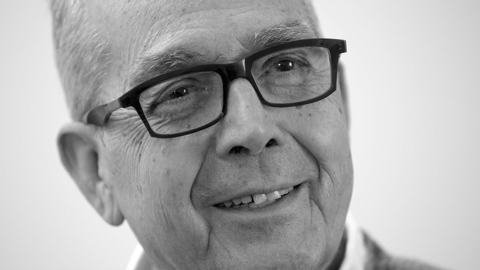
The Museum’s staff under Sotomayor -
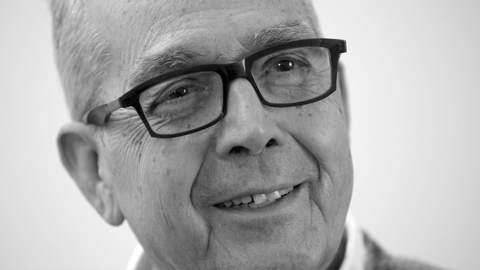
Colourful Goya -
The Paseo del Prado with no cars -
My grandfather retired and the family split up -
Story-telling around the dining table -
Who does the Prado belong to?
Collective
Concierge
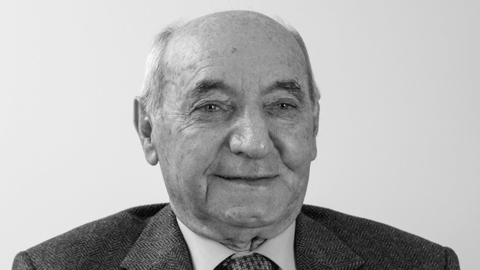
Francisco Manso Guerrero
Gallery attendant and Clerical Support, 1966-1991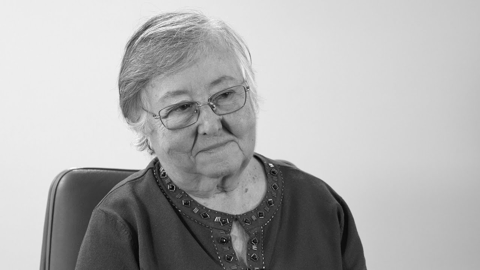
María Merino Cabrera
Clerical Support, 1977-2004
Theme
--
Voces del Prado