
Loading...
Alfonso Pérez Sánchez, unstoppable
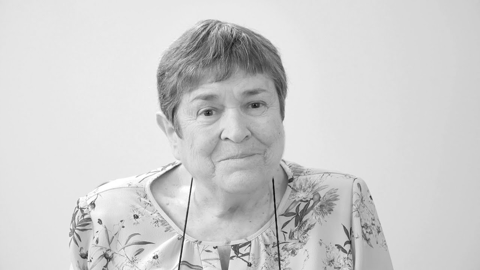
Alicia Quintana Martínez, Head of the Education Service, 1983-2007Alfonso Pérez Sánchez, unstoppable
Alicia Quintana Martínez, Head of the Education Service, 1983-2007
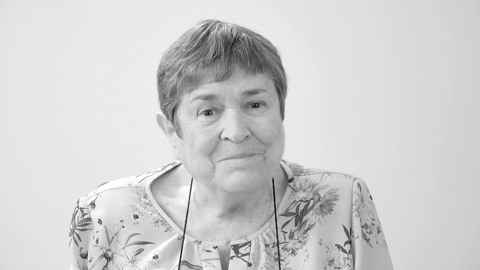
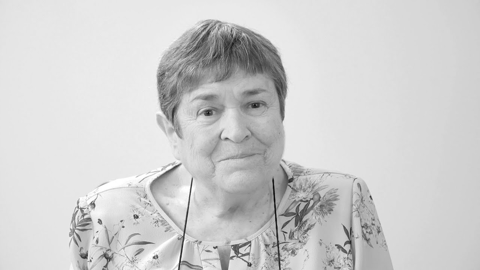
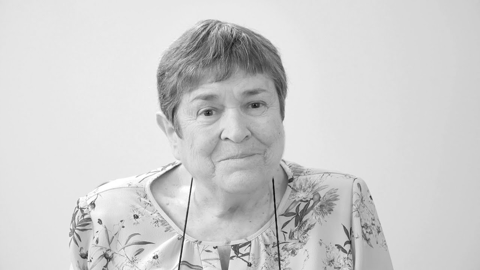
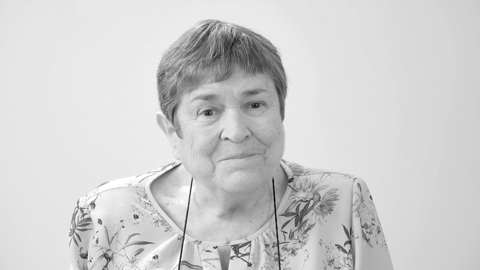
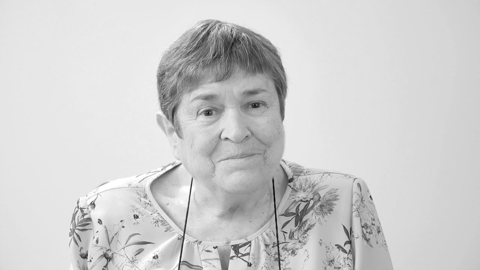
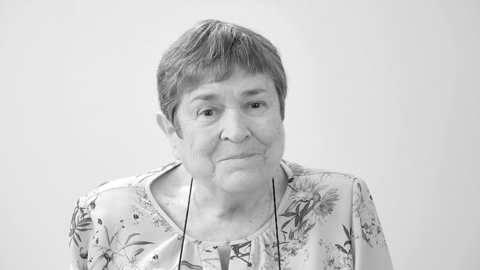
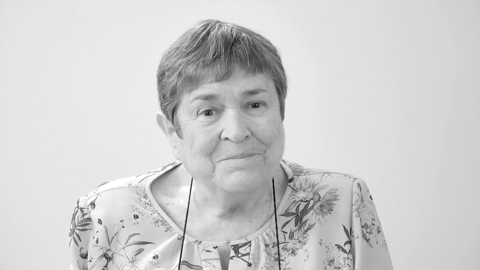
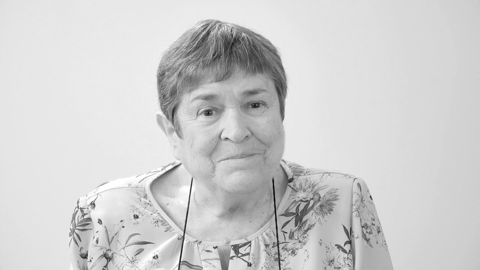
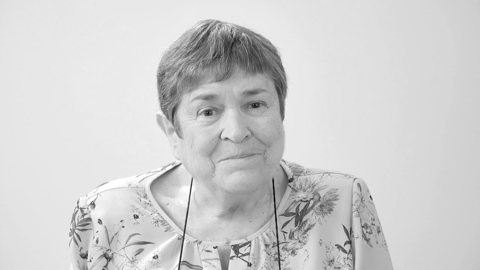
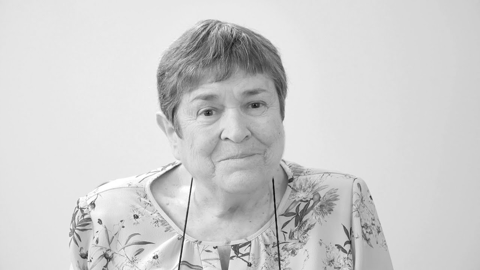
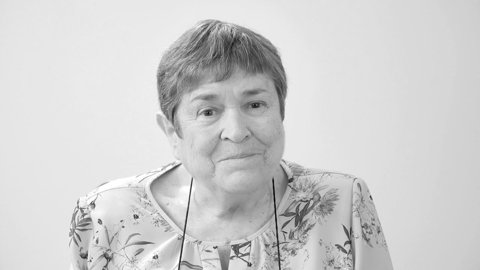
He taught me when I was an undergraduate. There was no stopping him. He'd take us on excursions and he'd climb up over the altarpieces. He had incredible working capacity. I remember Pérez Sánchez, who was bursting with energy, come out of his office, and they had placed some paintings in the hallway, because there wasn't enough time, and he would say: "That one's not by Ribera, neither that one, nor the other one. Let me have a better look at this one." It's impressive how these people can tell. He'd be thinking about 25 things at a time, solving everything, and was able to write books so easily.
Pérez Sánchez, when he was the deputy director back in 1976, in a series of lectures at the Museum which I attended, even though I had nothing to do with the Museum at the time, gave some lectures on the history of the Museum, and also some at the Juan March Foundation, on the "Past, present and future of the Museum." When he got to the future, he said there were two things that needed to be done: creating a Foundation of Friends, which was created by Sopeña when he was the director a few years later, and creating an Educational Cabinet.
When Pérez Sánchez was removed from office, even though I think that by that time there were quite a few people who didn't like him, in other words just a few of us were sorry about it, it was because he had written a letter protesting about Spain's involvement in the war in Iraq. Now what ever happened to freedom of speech? Of course he was a public officer, but at the time he didn't have many friends left to back him.
Once I asked Pérez Sánchez what he was proudest about as director. He didn't have to think it over. He said it was the restoring. In earlier years there were just a few people dedicated to restoring works of art, and it became a workshop. Every time a painting was going out to an exhibition, it first went to the restoration section. That's how not too long ago we discovered our Giaconda, because the picture was going out on loan and they started to remove layers of dirt, and then "Hey, there's something underneath," and now it's in a splendid condition. When he went back to teaching, he would tell me, "I know you used to raise hell about secondary education, but you ought to take a look at the state of higher education nowadays." When I found out he had suffered a stroke I was on vacation, it was in summer. I went to see him quite a few times, and since he was unable to speak, every 15 or 20 days I wrote him a letter. The people taking care of him on a daily basis told me, "Make it just one page, because he can't turn the letter over." So I wrote smaller, dwelling on our happy days of the past. He's the person I've admired the most in my life, and having worked with him and Manuela Mena, I'm aware that I've worked with two geniuses, academics and also managers, because one day Pérez Sánchez told me, "Thank God we've got a manager, that means all these papers on the table aren't mine." He managed to solve everything, acting as a manager. I think he is one of the foremost individuals in Spanish art.
When he started working here as an intern, Sánchez Cantón was here, and he told one of the older concierges: "That young man knows more than I do. Not more than me at his age, but more than I know right now." And it was a fact that he knew more than anyone else. I've loved him all through my life. I wish I had been like him.
Secondary education professor, she joined the Museum under the leadership of Alfonso Pérez Sánchez to create the Office of Education, the origin of the today's Education Area. In 1986, she was appointed Head of the Education and Teaching Department.
Interview recorded on June 04, 2018
Interview index
13 / 19-
Alicia Quintana -
An elegant way of earning a living -
Getting started -
A Museum for all -
Creating the Workshop School -
Chairs for the Prado -
Distance Education Cabinet -
Art pedagogy? -
The Museum online -
Las Meninas and the aerial perspective -
Rafael Alberti and his cotton -
Manuela Mena, crystal clear -
Alfonso Pérez Sánchez, unstoppable -
Internal communication -
The Prado for children -
The Countess of Chinchón on a seasonal basis -
Zugaza, a turning point -
Putting a price tag on paintings -
No harsh feelings but not the best ending
- Included in themes
- The Director Alfonso Emilio Pérez Sánchez
- Collective
- Education
- RDF
- RDF
Theme
--
Voces del Prado