
Loading...
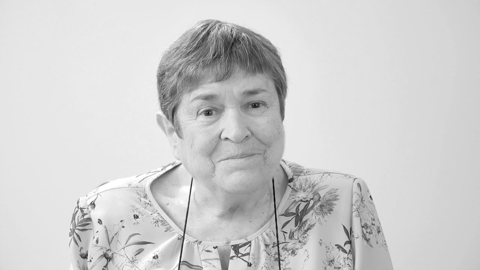
Creating the Workshop School
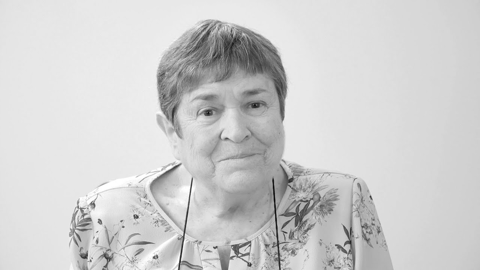
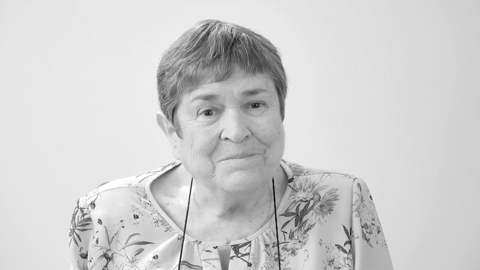
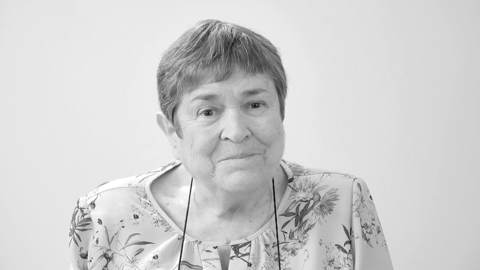
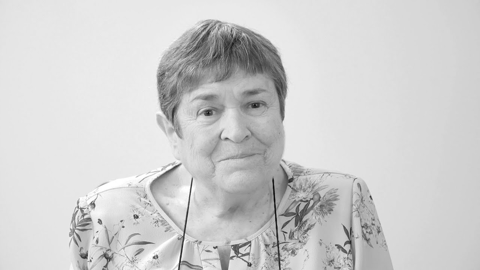
Alicia Quintana Martínez, Head of the Education Service, 1983-2007Creating the Workshop School
Alicia Quintana Martínez, Head of the Education Service, 1983-2007
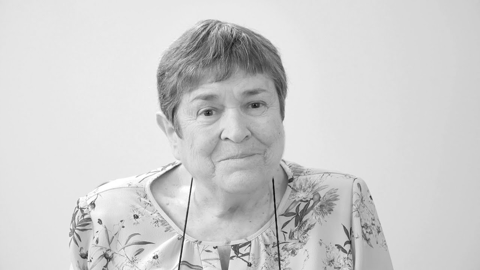
One of the things I am very proud about was the workshop school. The Prado had two professionals, Enrique Gil Mondéjar (gilder) and Pepe Manso (woodwork), who were about to retire and there was nobody around to replace them. Taking advantage of the invention of workshop schools by our dear friend Peridis, we started out with some vocational training and labour insertion with students who received a grant from the Ministry. It went on to become a workshop school of artistic artisan work, centred on woodwork and gilding.
The current head of wood restoration at the Museum is a disciple of Pepe Manso. His name is José de la Fuente and I even think he resembles Pepe Manso, who died. The workshop school, we call it the "Travelling Workshop School", because we started out in the basement of Villahermosa. When we were kicked out of Villahermosa, they gave us an upper floor at the Reina Sofía Museum that had some refurbishing work going on, and as they made their way down and finished the works, we were told to leave and were transferred to a beautiful place, the Palace of Velázquez in the back of the Retiro, which had some ateliers. Somebody took care of the management and administration, the grants and the students, and then at the Education Department I was in charge of the academic part. The students, all of whom had grants, had classes of History of Art, Decorative Arts, Micro Patronage, Creating Co-operatives, Income Tax Returns... to prepare them for when they started working on their own. It was a wonderful task.
Every time I went to see them, I'd pick up a piece of wood. The ones working with wood started out by building their own carpenter's bench. Pepe Manso, a charming man, used to say: "They're university students. What can I tell them?". I would ask him, Pepe, what would you tell them? I started taking down notes which I later compiled in a document and gave it to him. I said, "This is what you need to tell them". He was really moved, and the students loved him.
There were three stages in the Workshop School, but the Ministry said it was a very elite school, that they wanted training for stonemasons and we were cut.
Even so, it was a wonderful success that makes me proud, although my task was just to think about what the students needed to be able to work afterwards, what it was that they needed: microeconomics and quite a few other things. We brought people in to give them speeches about choir stalls for cathedrals or people who made organs, so that they could become familiar with different work possibilities. I think those students still love us.
Secondary education professor, she joined the Museum under the leadership of Alfonso Pérez Sánchez to create the Office of Education, the origin of the today's Education Area. In 1986, she was appointed Head of the Education and Teaching Department.
Interview recorded on June 04, 2018
Interview index
5 / 19-
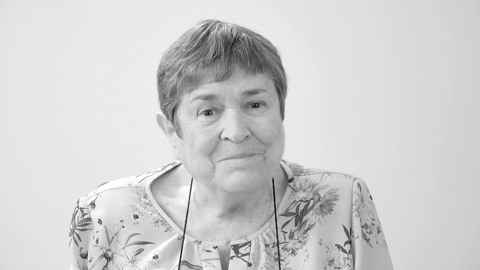
Alicia Quintana -
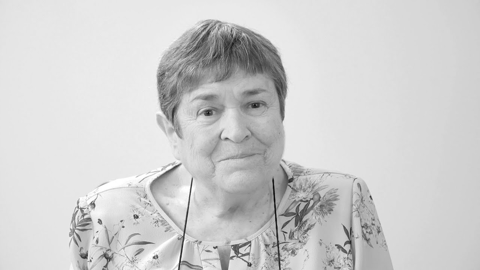
An elegant way of earning a living -
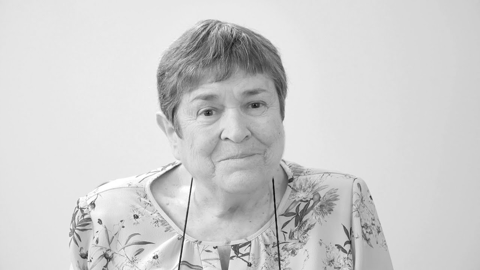
Getting started -
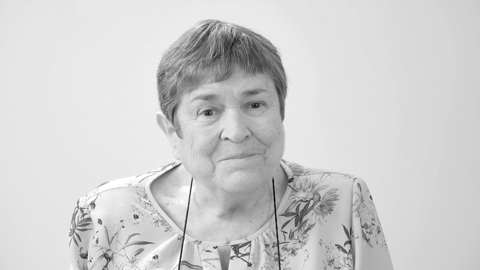
A Museum for all -
Creating the Workshop School -
Chairs for the Prado -
Distance Education Cabinet -
Art pedagogy? -
The Museum online -
Las Meninas and the aerial perspective -
Rafael Alberti and his cotton -
Manuela Mena, crystal clear -
Alfonso Pérez Sánchez, unstoppable -
Internal communication -
The Prado for children -
The Countess of Chinchón on a seasonal basis -
Zugaza, a turning point -
Putting a price tag on paintings -
No harsh feelings but not the best ending
Theme
--
Voces del Prado