
Loading...
An elegant way of earning a living
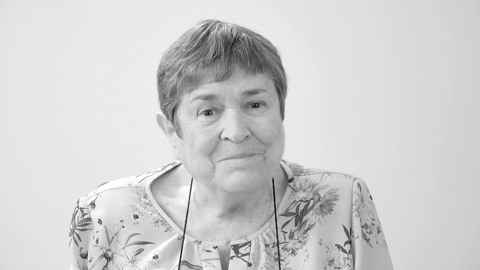
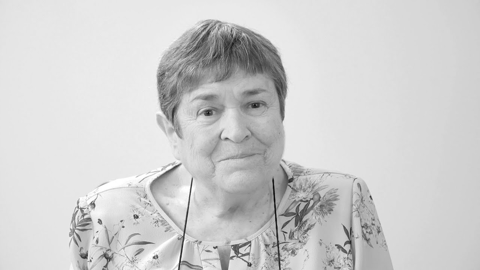
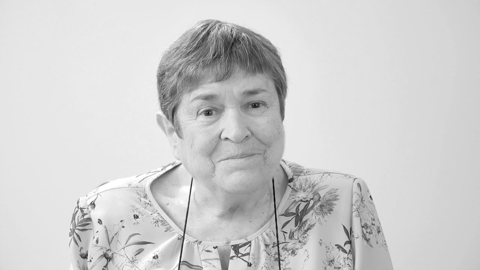
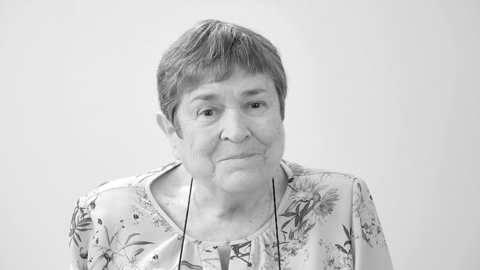
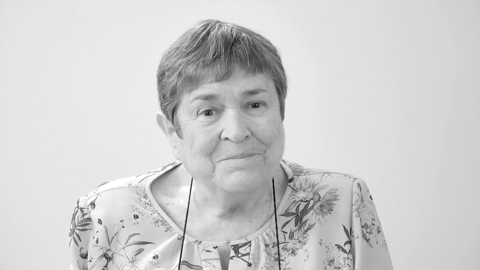
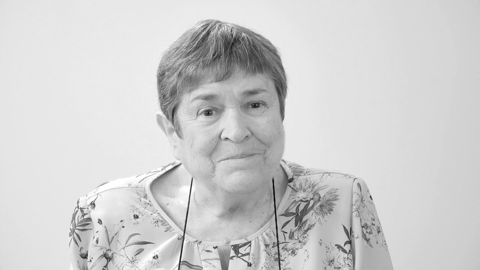
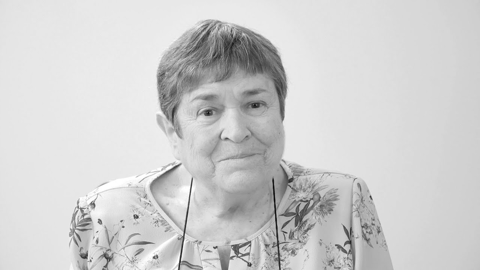
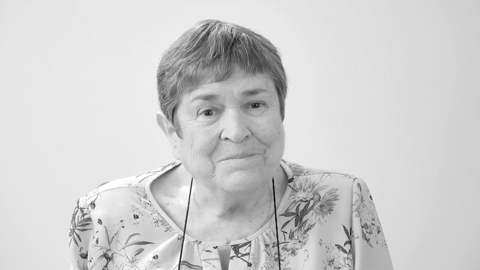
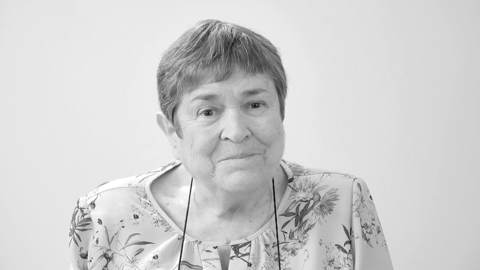
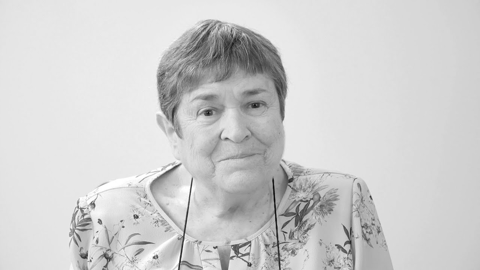
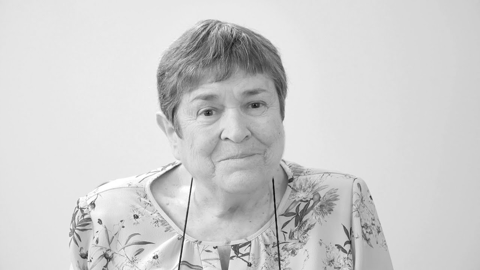
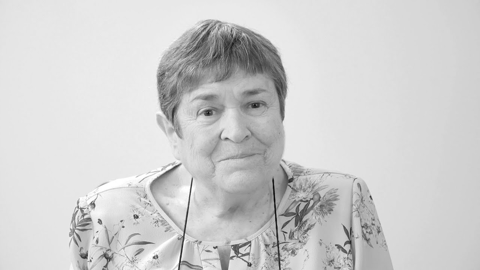
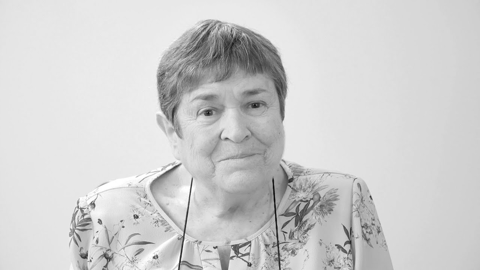
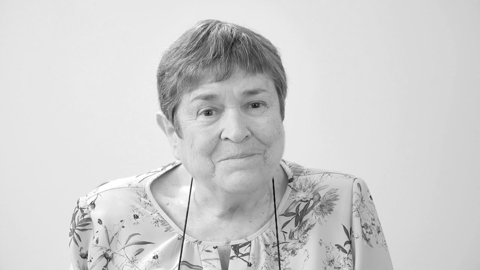
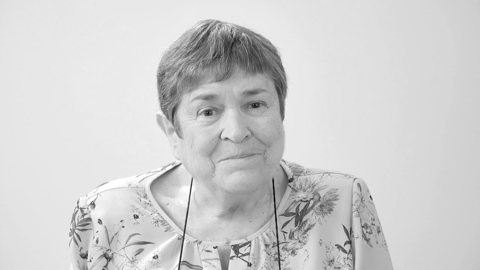
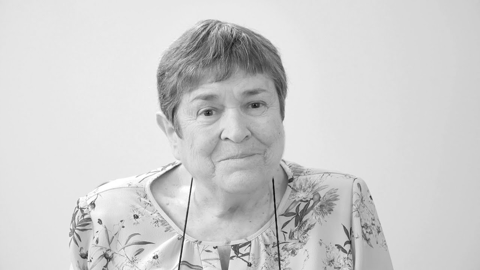
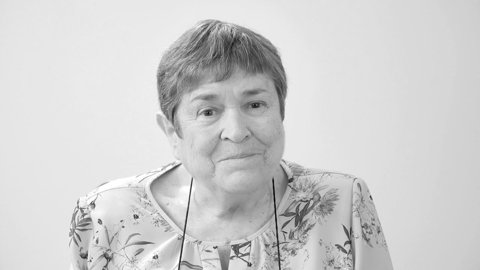
Alicia Quintana Martínez, Head of the Education Service, 1983-2007An elegant way of earning a living
Alicia Quintana Martínez, Head of the Education Service, 1983-2007
Knowing how to communicate is important. It’s a matter of telling things to the person in front of you in the way you would like someone to tell them to you. In other words, they should be able to understand you and, if you let your emotions flow when talking about something, they ought to be able to understand why. Even if they tell you that it’s going too far and chuckle. But you know that the person in front of you is experiencing something thanks to what you are communicating. Communication is the most important thing. We have all studied at school and there are teachers we remember. Were they the ones who knew the most? No. But we understood them. That is the essential part. I studied Spanish Language and Literature because I had a teacher of Literature who made me read and I learned an awful lot. It’s not the ones who know a lot, but those who know how to communicate. Sometimes Science or Maths teachers have that problem. How do you communicate mathematics? Those who know the trick are the best teachers in the world and people study maths thanks to them. "You communicate really well", people tell me. Actually, that’s how I’ve earned my living and I can’t complain. There’s some Phoenician merchant blood running through my veins.
Both when teaching and later on at the Museum, I’d tell my family of merchants that it’s just like selling a product, you just have to sell it. They put something in your hands and you’ve got to sell it. One of my brothers, an established merchant, used to tell me: "But the difference is that you’ve already been paid up front. You sell it, they can buy it or not, but you’ve already been paid."Quite so. My upbringing in a family of merchants, having a shop and selling a product is basically the same as teaching a class. I left teaching because things were getting ugly. The old professor whom I replaced told me: "You did the right thing taking your exams because teaching is an elegant way of earning a living."And I drove home saying, "How right this gentleman is, it sure is an elegant way to earn a living."But later it was no longer so—the elegance was gone and there wasn’t much to earn as far as living was concerned. So, taking advantage of the fact that I was a civil servant, which always helps, I requested a few months of leave of absence with no pay to look for another job. It was around the time when they appointed Pérez Sánchez as director of the Prado. He had directed my bachelor’s thesis, then my doctor’s dissertation, and was a very close friend. Since I was free I dropped by to congratulate him on his appointment and he told me: "Secondary school professor looking for a job! How about the Education Department?" He then arranged a service commission.
Secondary education professor, she joined the Museum under the leadership of Alfonso Pérez Sánchez to create the Office of Education, the origin of the today's Education Area. In 1986, she was appointed Head of the Education and Teaching Department.
Interview recorded on June 04, 2018
Interview index
2 / 19-
Alicia Quintana -
An elegant way of earning a living -
Getting started -
A Museum for all -
Creating the Workshop School -
Chairs for the Prado -
Distance Education Cabinet -
Art pedagogy? -
The Museum online -
Las Meninas and the aerial perspective -
Rafael Alberti and his cotton -
Manuela Mena, crystal clear -
Alfonso Pérez Sánchez, unstoppable -
Internal communication -
The Prado for children -
The Countess of Chinchón on a seasonal basis -
Zugaza, a turning point -
Putting a price tag on paintings -
No harsh feelings but not the best ending
Theme
--
Voces del Prado