Changing Forms: Myth and Metamorphosis in the Roman Drawings of José de Madrazo
Museo Nacional del Prado. Madrid 3/10/2025 - 6/22/2025
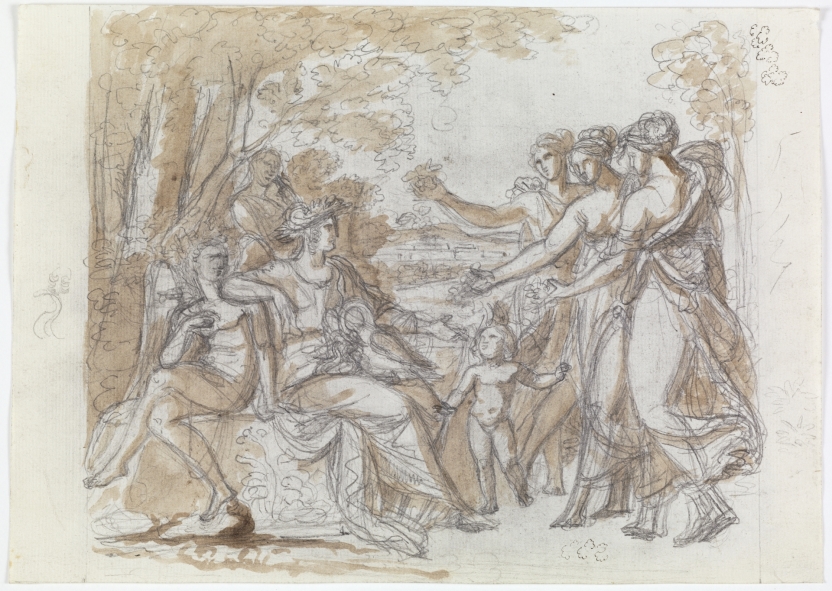
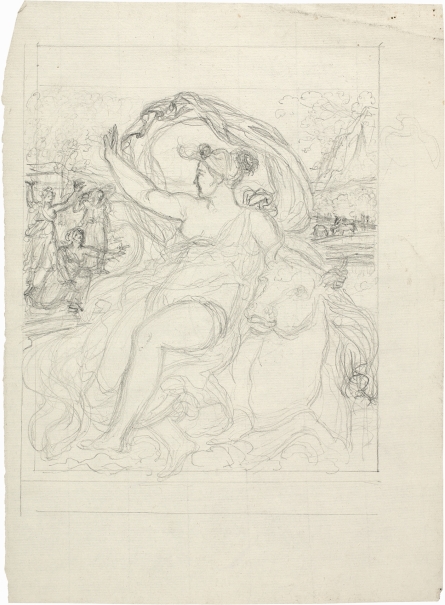
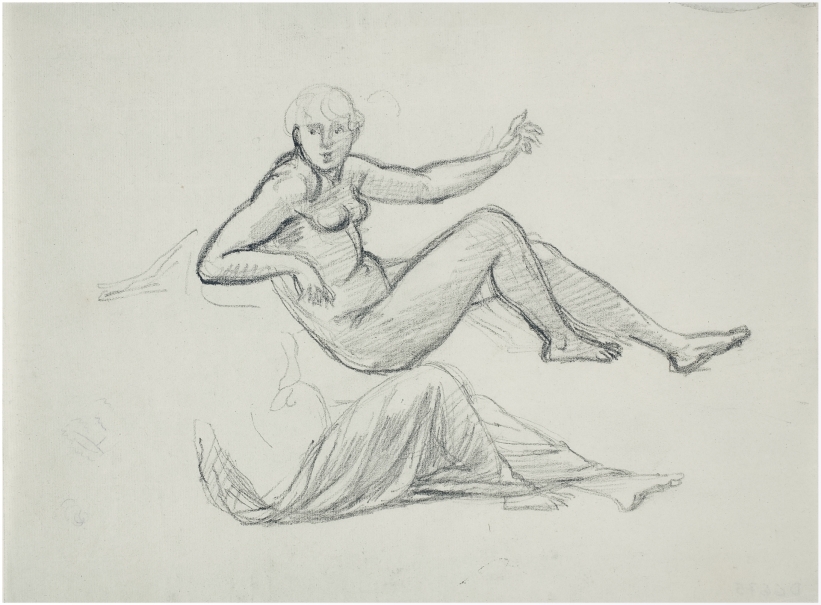
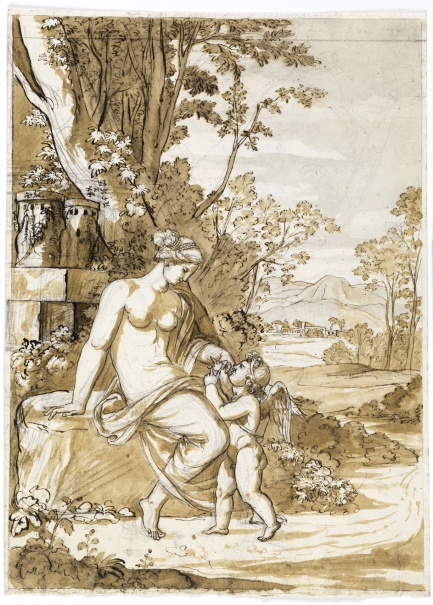
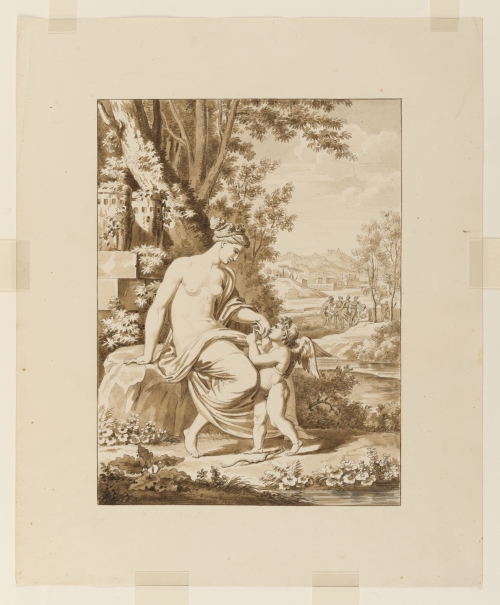
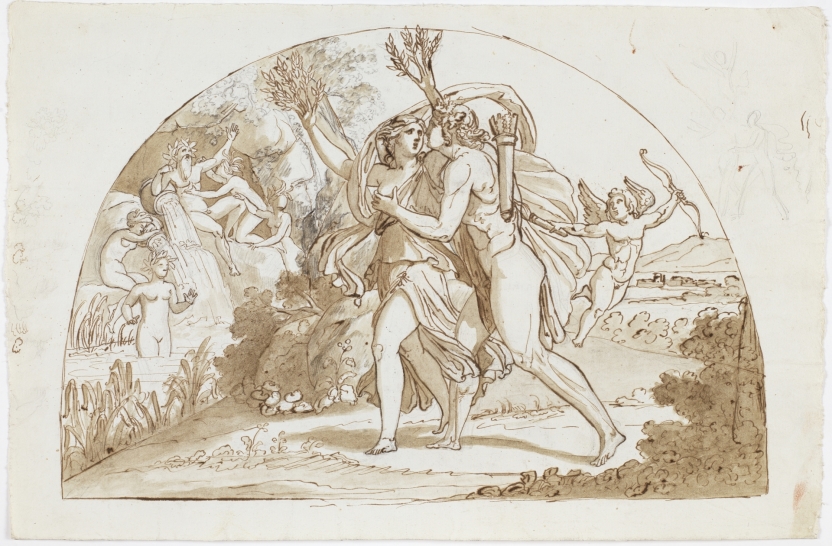
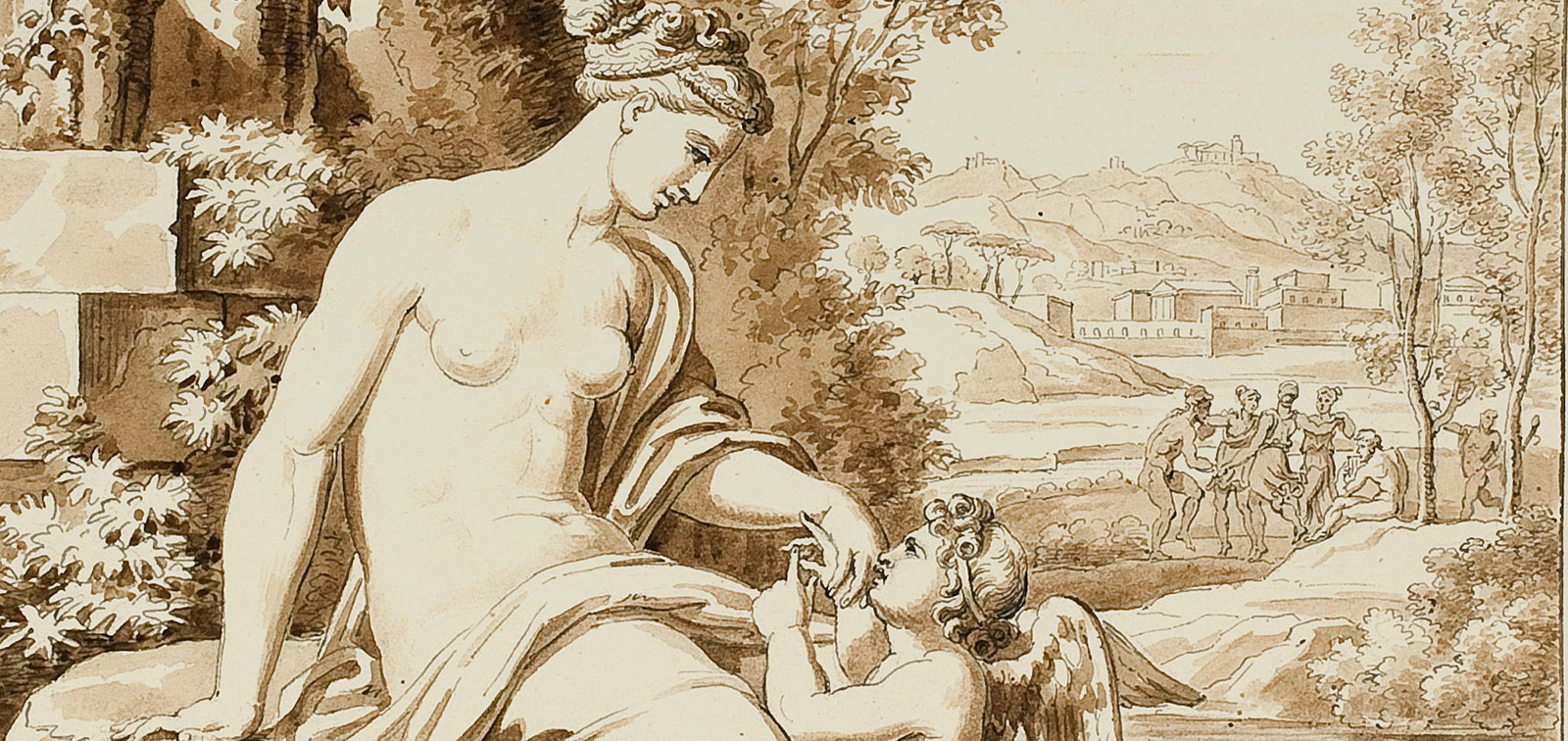
The Museo del Prado presents Changing Forms: Myth and Metamorphosis in the Roman Drawings of José de Madrazo, an exhibition featuring a remarkable set of drawings and portraits that explore the fascination of José de Madrazo (1781–1859)—a native of Santander and first artistic director of the institution—with mythological metamorphoses, a theme that allowed him to ponder the notion of transformation in both art and life.
The show transports visitors to a pivotal moment in European history, the final years of Napoleon’s imperial expansion, when Madrazo, like many other artists, was struggling to strike a balance between tradition and modernity. In this context of revolutions and empires, Madrazo created artworks that conversed with Raphael, Mengs and other great masters of the past, but also with the issues of his own time and contemporary artistic references. The backdrop of Rome, where Charles IV and his court also found themselves exiled, was instrumental in the creation of the drawings presented here.
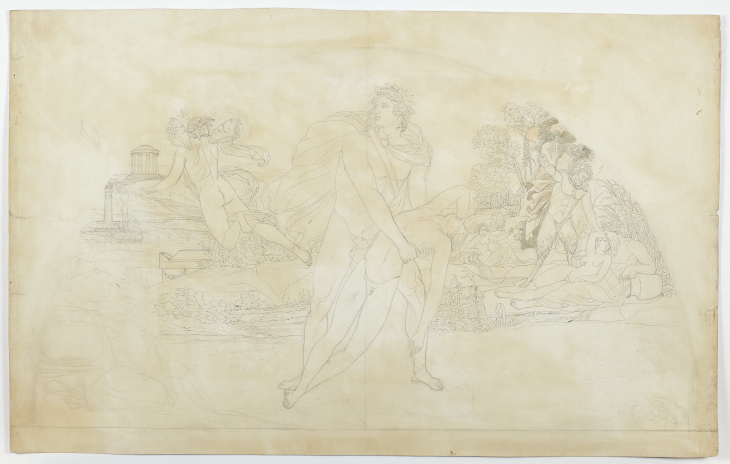
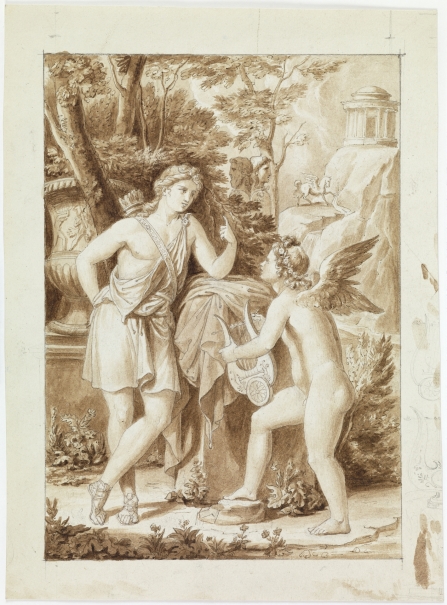
The entire exhibition revolves around two groups of works whose original purpose or intent is uncertain. One contains trial versions of narrative scenes destined, at least in one case, to become prints, while the other comprises semi-circular compositions that may have been drawn to decorate specific spaces, such as the rooms of the palace where Charles IV lived at the monastery of Sant'Alessio all'Aventino. These works, whose iconography links them to themes like the dispute between Apollo and Cupid, illustrate Madrazo’s ability to reinterpret myths from a personal and learned perspective.
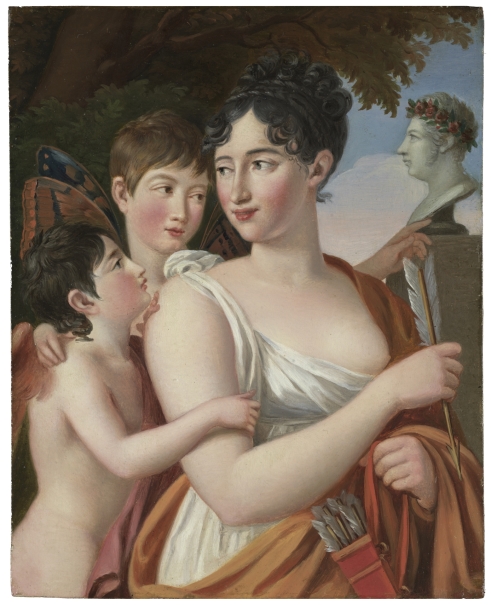
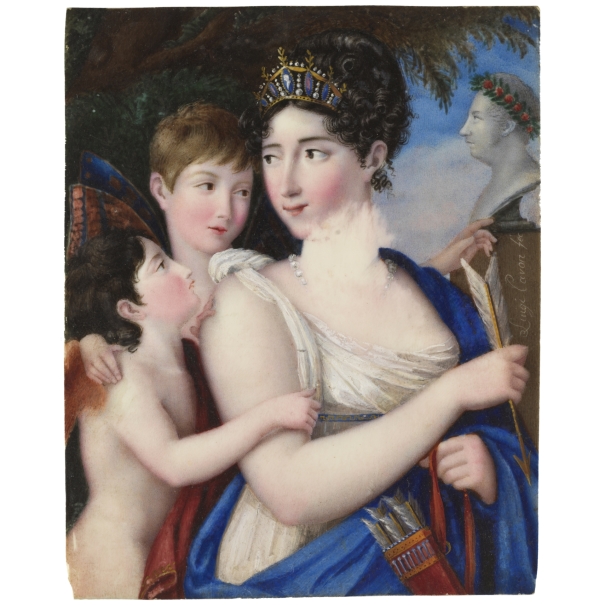
The show also includes a significant example of how Madrazo incorporated mythology in portraiture: his portrait of Josefa Tudó, mistress and later wife of Manuel Godoy, with her children, represented as Aphrodite, Eros and Anteros, gazing adoringly at a bust of the man who served as minister under Charles IV. This highly symbolic composition glorifies unconventional family ties while also incorporating a mythological iconography that underscores the complex context.
Additionally, the exhibition takes a closer look at how Madrazo portrayed himself in an enigmatic black silhouette, a lithograph and a photograph. These images, created at three different moments of his life, denote his constant interest in the latest technology and his spirit of experimentation, using his own figure to conduct his artistic research.
With Changing Forms, the Museo del Prado not only offers visitors a chance to admire José de Madrazo’s technique and erudition, but also invites them to reflect on a period of sweeping historical and artistic transformations. While Goya was portraying the harshness of war and Napoleon was reshaping Europe, Madrazo, exiled in Rome, was exploring classical myths as a mirror of his time and his own ability to reinvent himself.
The Daza-Madrazo Collection
The Daza-Madrazo Collection, acquired by the Museo del Prado in 2006, is a fundamental resource for studying Madrazo’s activity as a draughtsman. This body of work offers insight into the artist’s creative process, allowing us to analyse his aesthetic choices and question the limits of his Roman output.
- Curator:
- Carlos G. Navarro, curator in the Museum’s department of 19th-century painting.