Loading...
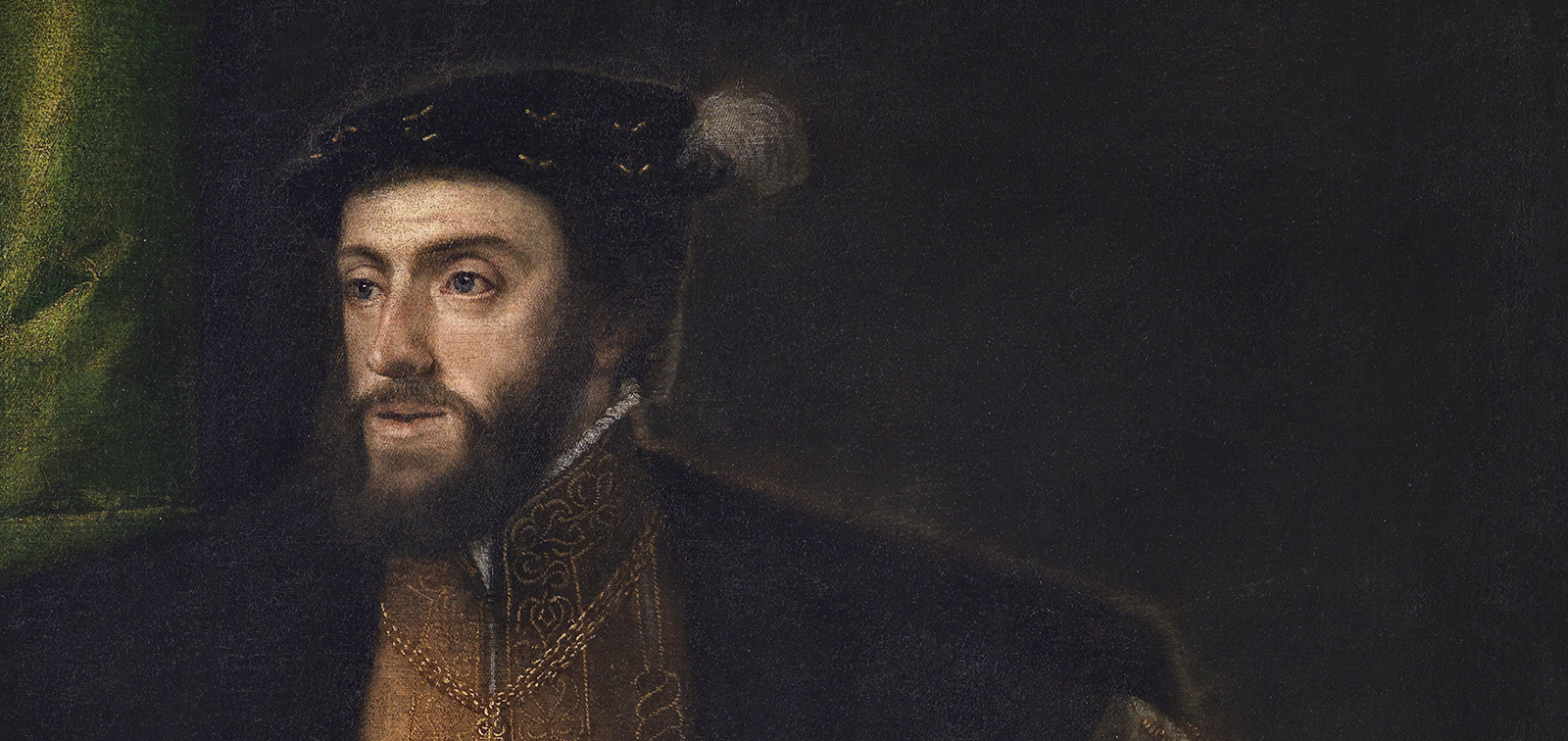
To mark the 500th anniversary of the Council of State, the Museo del Prado – working closely with the Council itself – has drawn up an itinerary comprising portraits of several Councillors of State currently on show in its galleries. The survey starts with a likeness of Charles V – the Council’s founder – by Titian, the foremost portrait painter of the 16th century. It is followed by three superb examples of the Baroque court portrait: the Duke of Lerma on horseback, by Peter Paul Rubens; the Count-Duke of Olivares – also on horseback – by Diego Velázquez; and the Duke of Pastrana by Juan Carreño de Miranda. These four paintings testify to the influence of the Venetian and Flemish schools in the heyday of the Spanish portrait.
The 18th century is represented by the likenesses of three leading Enlightenment figures, painted by Jacopo Amiconi (the Marquis of La Ensenada) and Francisco de Goya (the Count of Floridablanca and Gaspar Melchor de Jovellanos). In the 19th century, Antonio María Esquivel produced a group portrait devoted to contemporary poets, several of whom were members of the Council. In addition to painting, including examples of Romanticism (Esquivel and José Gutiérrez de la Vega) and Naturalism (Juan Luna), lithography (two works by Federico de Madrazo) and photography enabled a broader, enhanced approach to portraiture during this period.
Detail of Emperor Charles V with a Dog. Titian (Tiziano Vecellio). 1533. Oil on canvas. Museo del Prado.
Technical specifications
/ Tour inspired by the exhibition itinerary The Council of State and the Museo del PradoTitle
The Council of State and the Museo del Prado
Dates
15 Jun - 20 Sept 2026
Number of works and approximate duration
13 Artworks - 01:00 h
Collection
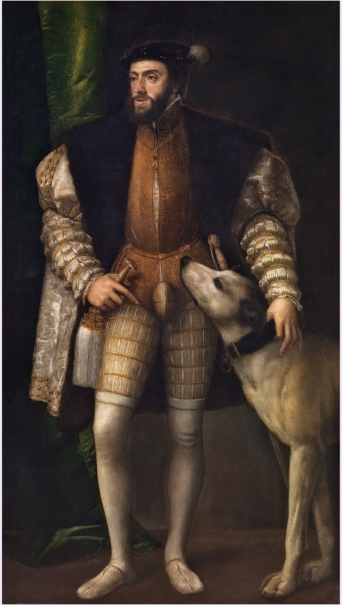

Although the origins of the Council of State date back to 1521, Charles V radically transformed it in 1526, in Granada, by favouring a majority of Spanish councillors over those from elsewhere in the empire; as a result, 1526 has therefore been taken as the starting point for the institution’s 500th anniversary. According to the emperor’s chronicler, Alonso de Santa Cruz: “At this time, the emperor decreed that a council be established in that city, to be called the Council of State, with which he could confer confidentially on all matters of great importance”.
Room 027
Collection
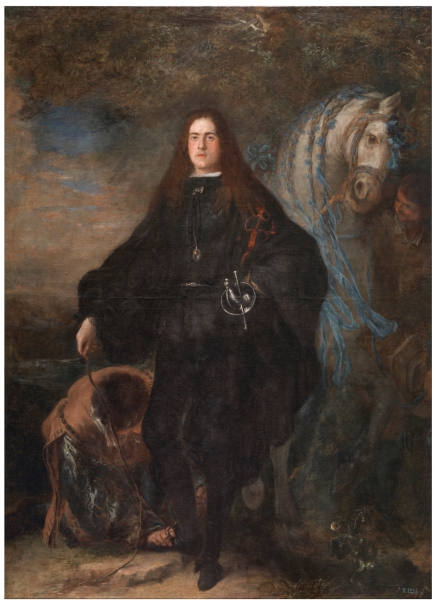

In 1679, on the occasion of the arranged marriage between Charles II and Marie Louise d’Orléans, the Duke of Pastrana was sent as ambassador extraordinary to the Paris court, charged with an important international mission: to deliver the bridal jewels to the princess. In 1691, Charles II appointed him a member of the Council of State, a post he held until his death in 1693. According to Feliciano Barrios, a leading expert on the Council’s history, this was “a brilliant period for the Council, which was held in high esteem and regard by the monarch”.
Room 016A
Collection
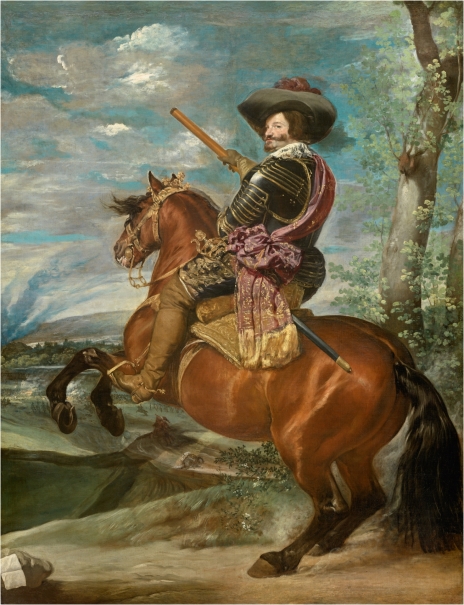

In October 1622, Philip IV appointed Olivares to the Council of State. Years later, the Venetian ambassador Giovanni Giustinian highlighted his role in this advisory body, noting that “as the most senior member, he is also the first to express his views, which he defends with the utmost tenacity”. When his all-powerful favourite fell from grace in 1643, Philip IV announced his intention – never fulfilled – of taking personal charge of the government. To that end, he asked the Council of State to help him “bear this burden, as your zeal and attentiveness lead me to expect”.
Room 012
Collection
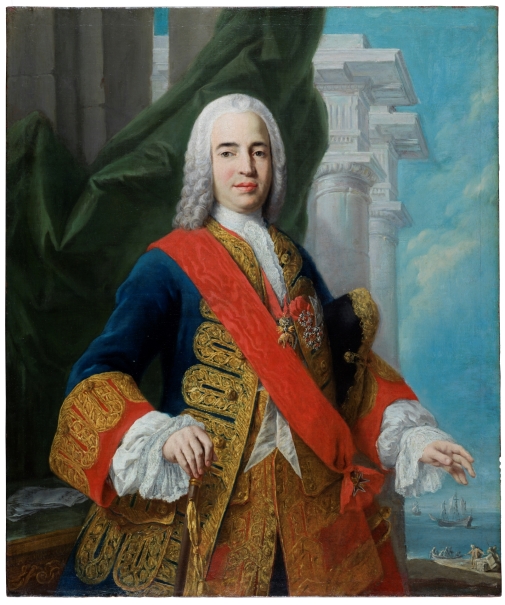

“I am so well served by the Marquis of La Ensenada”, wrote Philip V in 1745, the penultimate year of his reign, “and owe him such particular gratitude for his successes, his zeal and his selfless service in the ministries of War, the Navy, the Indies and the Treasury […] that I have appointed him a Councillor of State”. Ensenada retained his posts under Ferdinand VI, but fell from favour in 1754. Ten years later, Charles III restored his honours and privileges as a Councillor of State and ordered that he be provided “with the salary, official residence and emoluments corresponding to this office”.
Room 023
Collection
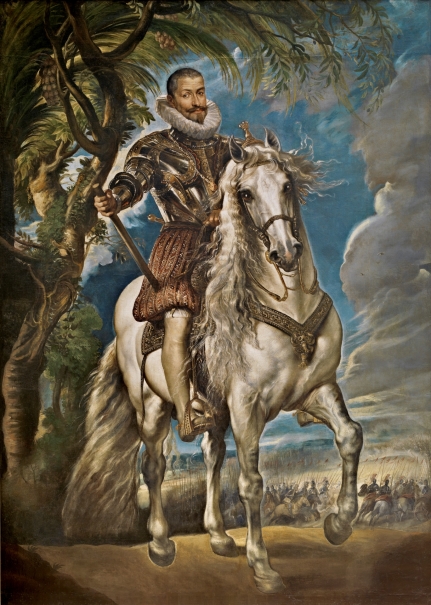

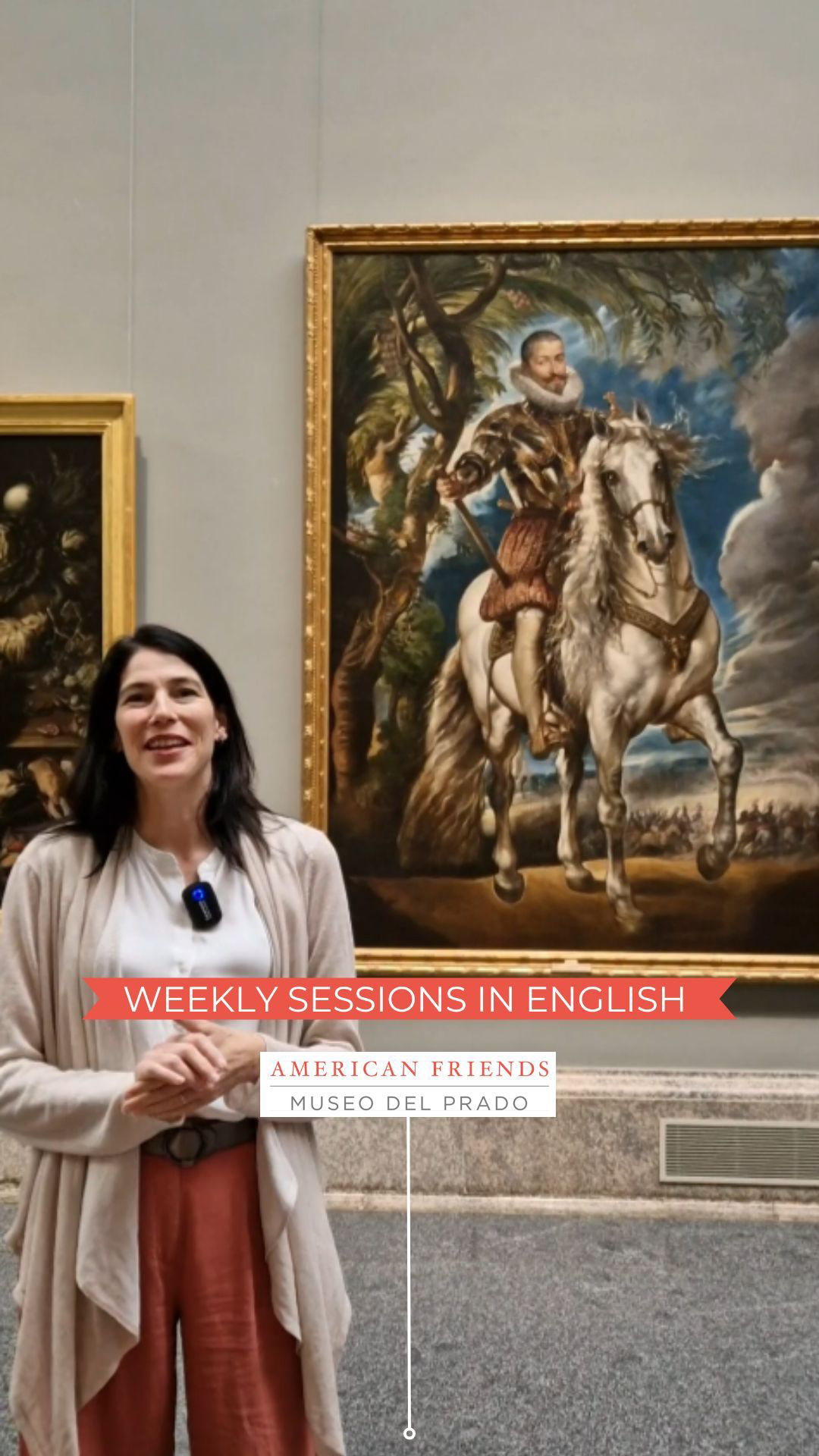
King Philip III was so pleased with the Duke of Lerma – his favourite and chief minister from 1598 to 1618 – that, just hours after the death of his father Philip II, he appointed him to the Council of State. Thenceforth, as reported by the Apostolic Nuncio Camilo Caetani, “the great favour he enjoyed soon became clear”. An immensely powerful figure, Lerma could afford to stay away from Council meetings. As the Venetian ambassador Ottaviano Bon observed: “The Duke hardly ever attends the Council of State […] all enquiries and deliberations being brought to his rooms”.
Room 028
Collection
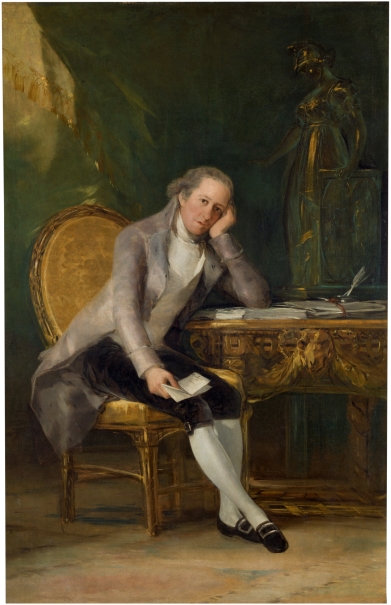

In 1797, Jovellanos was appointed Secretary of State and Minister of Grace and Justice, and by virtue of his new post automatically became a Councillor of State, as provided for in the decree that had re-established the Council’s functions in 1792. Although he left the Secretariat in 1798, Charles IV granted him “permanent membership” of the Council. In 1810, after years of exile in Mallorca and other vicissitudes arising from the French occupation of Spain, Jovellanos asked the Regency Council to relieve him of his post as Councillor, on grounds of ill health. His request was denied, and he was ordered – once recovered – to return to that institution “to contribute, with his renowned intellect, proven zeal and unalloyed patriotism, to saving the nation”.
Room 036
Collection
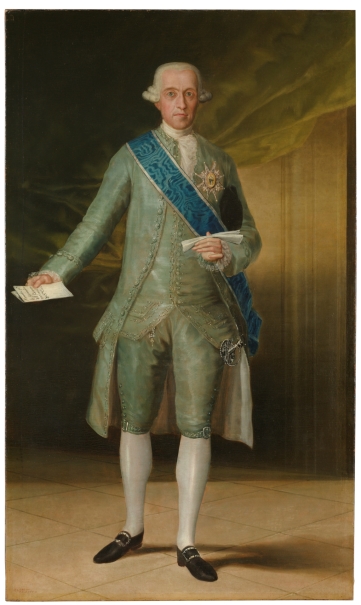

The Count of Floridablanca was appointed Councillor of State by Charles III in 1777, yet his greatest political achievement was the creation of the Supreme State Junta, a body which – in the opinion of Manuel Godoy, Prime Minister to Charles IV – “effectively neutralised the Council of State”. Although the decree establishing the Junta (1787) expressly provided for the Council to be maintained, it ceased to meet until the Junta itself was abolished in 1792, following Floridablanca’s dismissal and exile. In that year, the Count of Aranda, his successor, agreed to assume power on condition that Charles IV “re-establish the Council of State, to ensure more effective management of the serious affairs of the Monarchy”.
Room 035
Collection
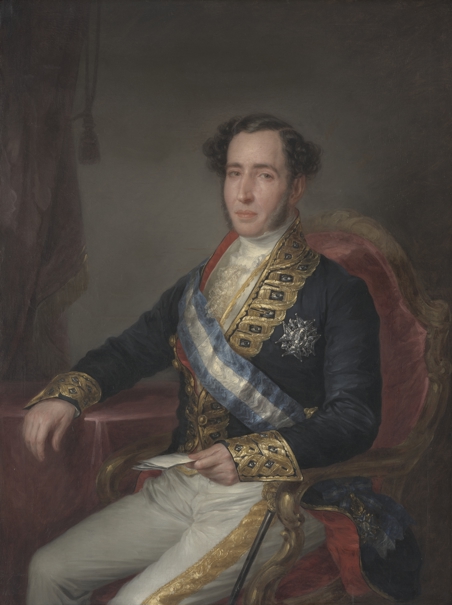

When this portrait was painted, Seijas Lozano was Minister of Trade, Education and Public Works (1849); during his tenure, he founded the Royal Industrial Institute, the direct predecessor of today’s Schools of Industrial Engineering. The Foundation of the Polytechnic University of Madrid has established an award bearing his name in recognition of his work in support of industrial engineering in Spain. Like the Duke of Rivas, he served as President of the Council of State towards the end of his life (1866-68). Following the Glorious Revolution, he tendered his resignation to the President of the Council of Ministers of the Provisional Government, at the time General Serrano.
Room 061
Collection
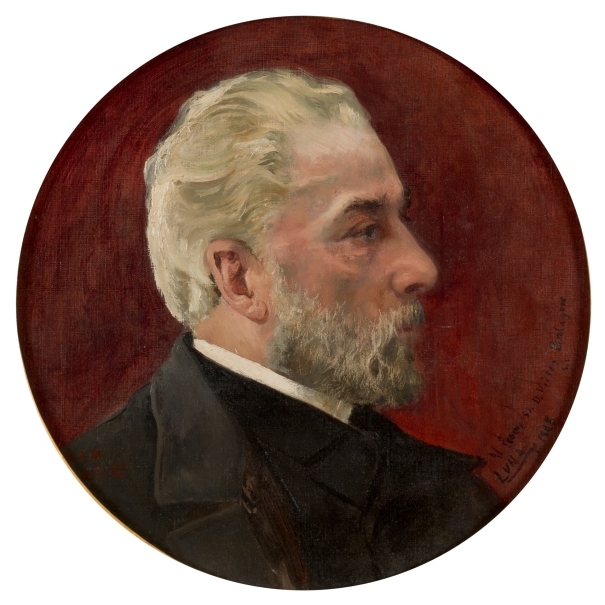

Víctor Balaguer had a distinguished literary and political career, and as a writer was the leading figure of the liberal wing of the Catalan Renaixença. Among many other posts, he served as President of the Council of the Philippines on three occasions, between 1885 and 1899, when the Council was abolished in the wake of the disastrous Spanish-American War of 1898. This undoubtedly explains why his portrait was painted by the Filipino artist Juan Luna. He was President of the Council of State in 1883-84, during the short-lived Dynastic Left government, and his vote secured a legal opinion against a free-trade agreement with Great Britain.
Room 060A
Collection
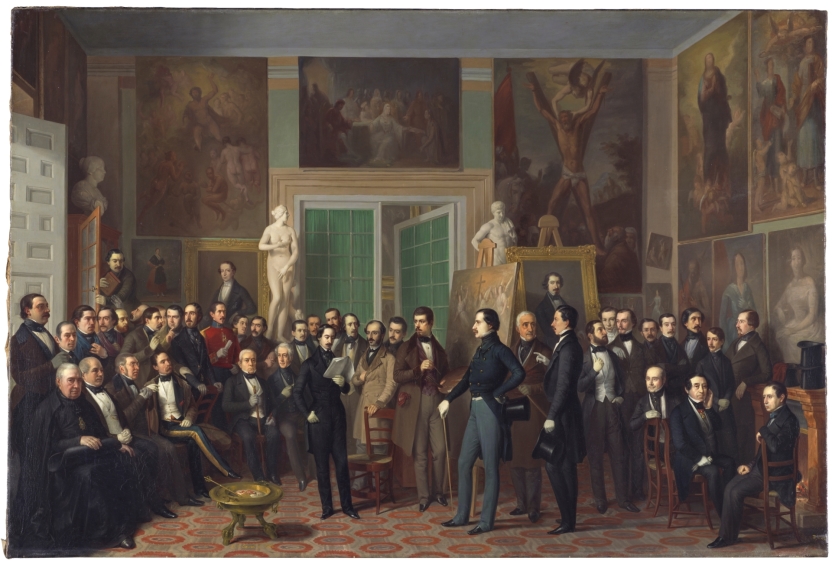
Six of the writers and poets featured in this 1846 group portrait were members of the Council of State at some point in their lives: Joaquín Francisco Pacheco, the Duke of Rivas, Javier de Burgos, Francisco Martínez de la Rosa, Ramón de Campoamor and Pedro de Madrazo. The Council’s links with the literary world do not end there; Donoso Cortés was another contemporary Councillor, while members in the latter half of the 19th century included writers Juan Valera, Gaspar Núñez de Arce, Pedro Antonio de Alarcón and Víctor Balaguer.
Room 061
Collection
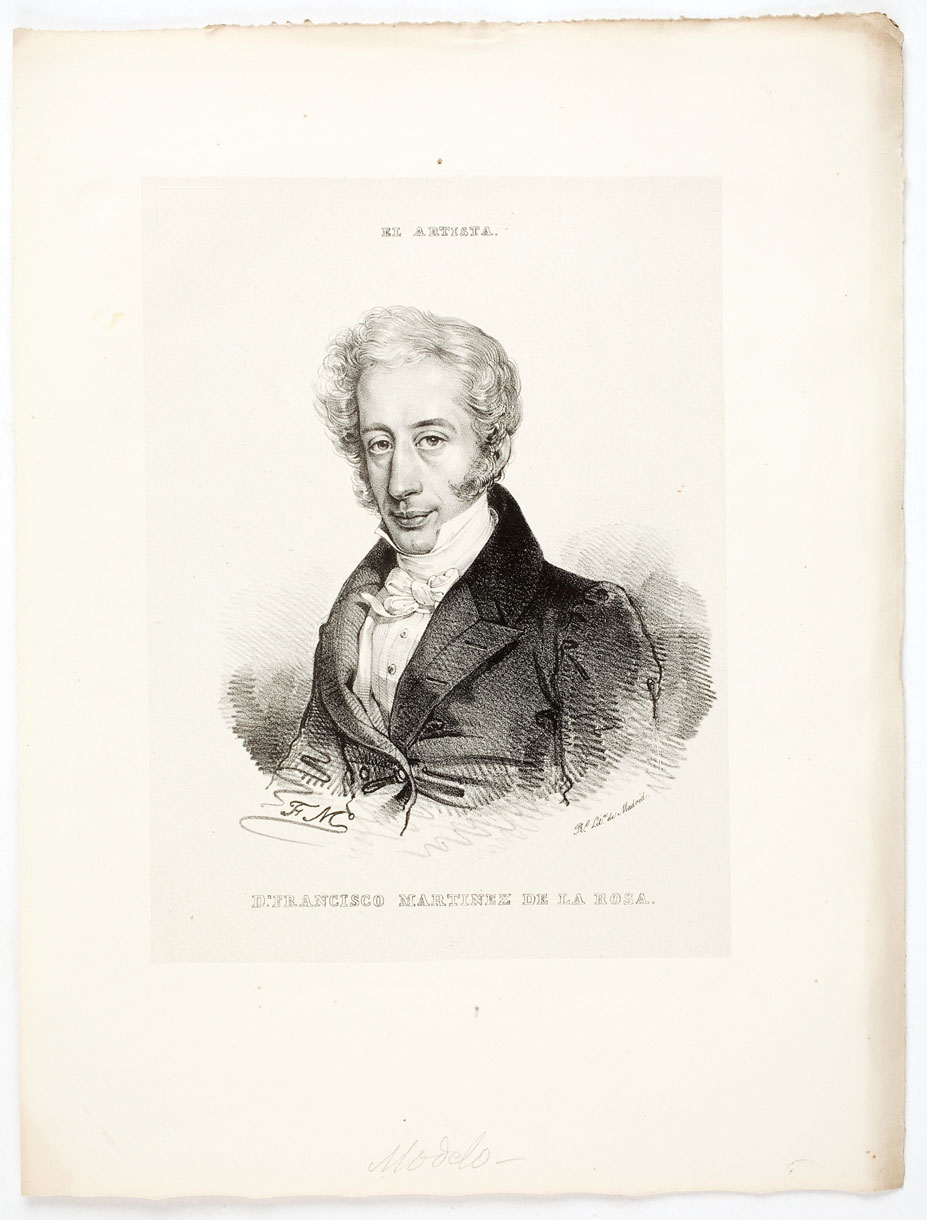
Francisco Martínez de la Rosa
Pencil lithograph on wove paper, 310 x 235 mm
1835
1835
Federico de Madrazo y Kuntz
The many ups and downs of Martínez de la Rosa’s long and distinguished political career at times ran parallel to those of the Council of State. When he joined its ranks in January 1834, the Council was still governed by the regulations of 1792; when he left office two months later, it was superseded by its institutional successor, the Royal Council, of which Martínez de la Rosa served as Vice-President in 1851, 1853 and 1856. Finally, in 1858, the Royal Council was renamed the Council of State, and Martínez de la Rosa was appointed its first President.
Room 061
Collection
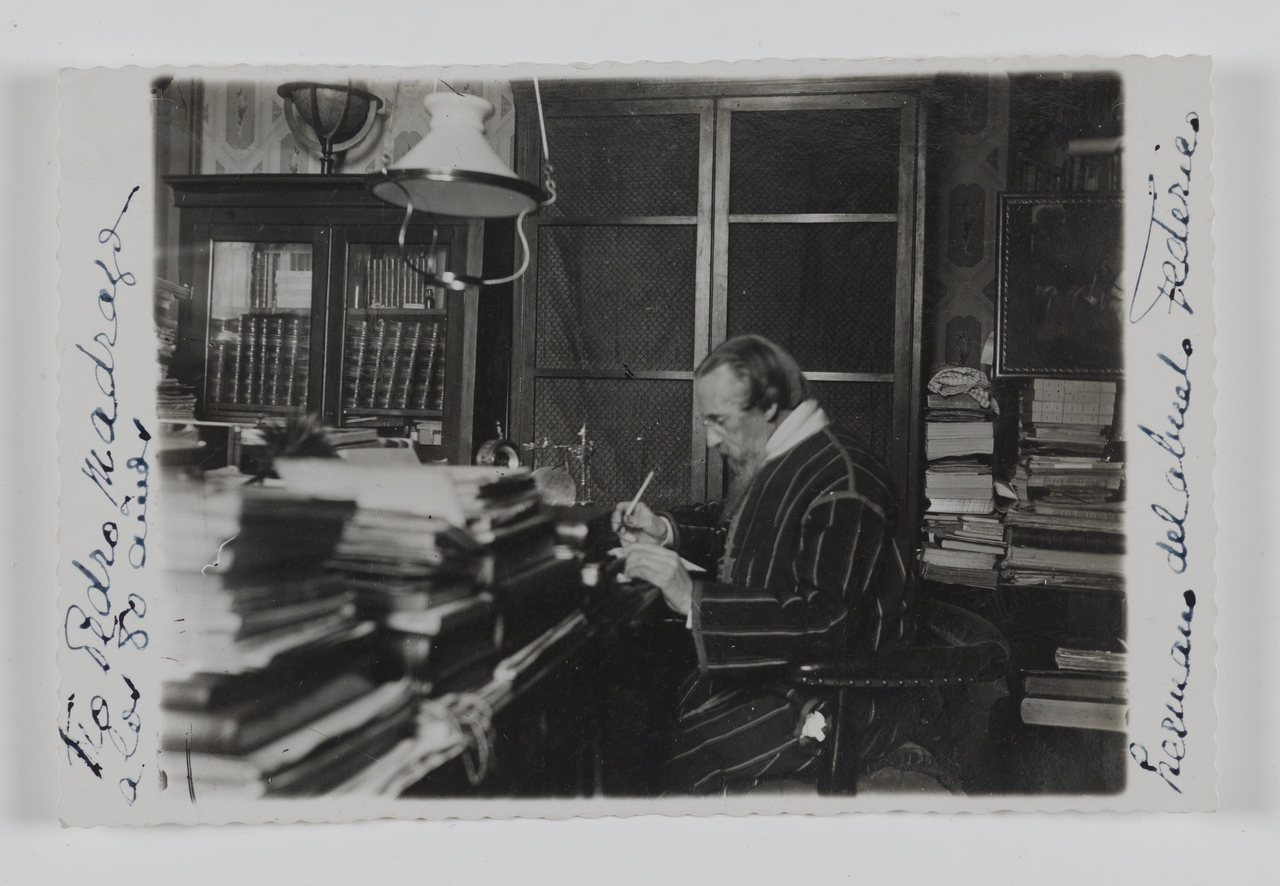
Pedro de Madrazo in his studio
Gelatine / Collodion / Photographic paper, 90 x 137 mm
Ca. 1896
Ca. 1896
Unknown artist
Pedro de Madrazo, who hailed from a distinguished family of artists, enjoyed a long career in public service, starting out as a member of the Royal Council in 1845. He served as Secretary-General of the Council of State for two terms (1870-71 and 1875-80). As a writer and art historian, his most significant work is perhaps the Catalogue of the Paintings in the Museo del Prado (1843, with many subsequent reprints). He was a member of the Royal Spanish Academy and the Royal Academy of History, as well as director of the Royal Academy of San Fernando.
Room 061
Collection
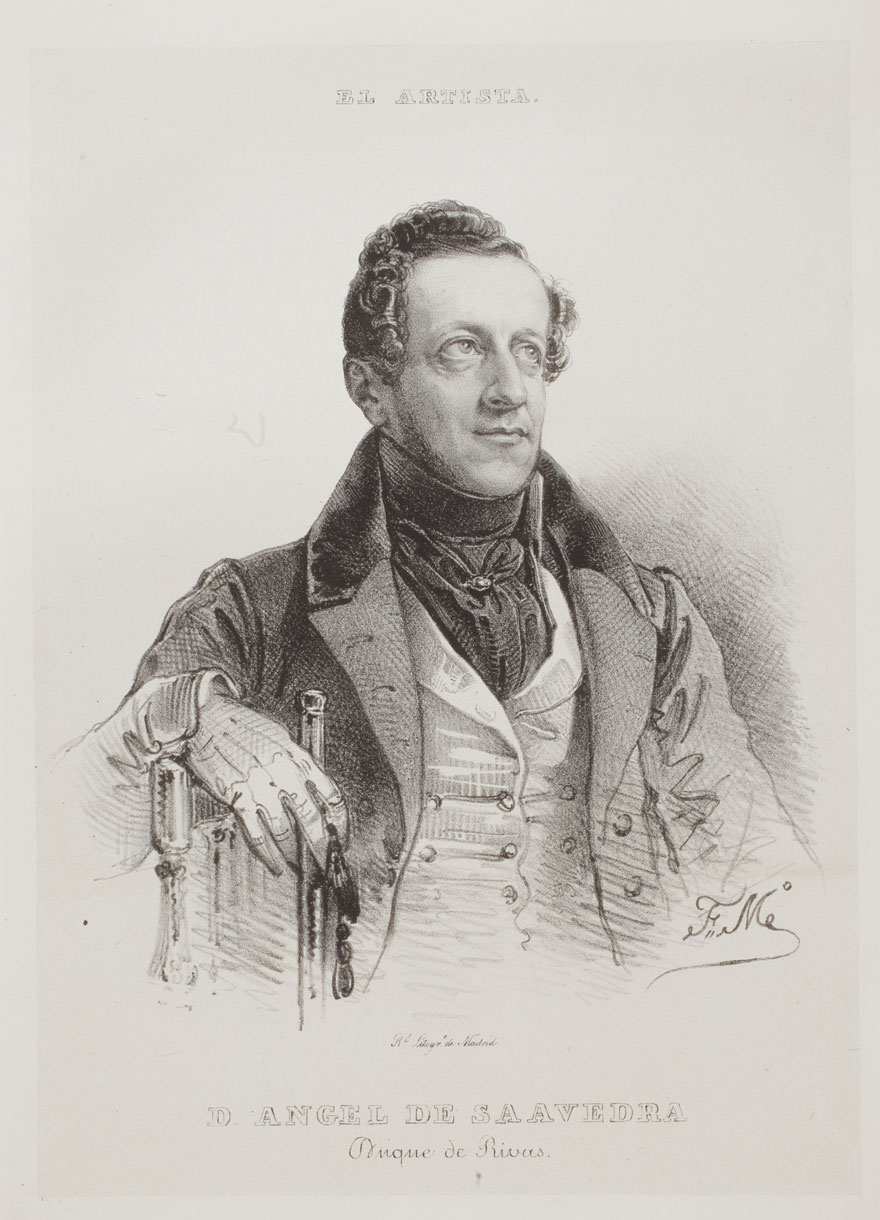
Angel Saavedra, Duke of Rivas
Pencil lithograph on wove paper, 310 x 240 mm
1835
1835
Federico de Madrazo y Kuntz
Although towards the end of his life he served for one year as president of the Council of State (1863-64), the Duke of Rivas is best known as a writer, and as a leading exponent of Spanish Romanticism. In one of his most famous historical romances, “A Loyal Castilian”, he provided a description of Charles V apparently inspired by the portrait of the emperor with which this itinerary opens: “Resting against his hip / His powerful right hand / Grasps two amber gloves / And an exquisite fly-swat, // And with his left he strokes / The thick, fleshy neck of / A very sturdy mastiff, / White with blond ears”.
Room 061
Collection
Artworks (13)
Emperor Charles V with a Dog
Oil on canvas.
1533. Room 027
1533. Room 027
The Duke of Pastrana
Oil on canvas.
Ca. 1679. Room 016A
Ca. 1679. Room 016A
Gaspar de Guzmán, Count-Duke of Olivares, on Horseback
Oil on canvas.
Ca. 1636. Room 012
Ca. 1636. Room 012
1st Marquis of La Ensenada
Oil on canvas.
Ca. 1750. Room 023
Ca. 1750. Room 023
Equestrian Portrait of the Duke of Lerma
Oil on canvas.
1603. Room 028
1603. Room 028
Gaspar Melchor de Jovellanos
Oil on canvas.
1798. Room 036
1798. Room 036
José Moñino, First Count of Floridablanca
Oil on canvas.
1783. Room 035
1783. Room 035
Manuel de Seijas Lozano, Minister of Commerce, Instruction and Public Works
Oil on canvas.
1850. Room 061
1850. Room 061
Víctor Balaguer
Oil on canvas.
1885. Room 060A
1885. Room 060A
Contemporary Poets. A Reading by Zorilla in the Painter's Studio
Oil on canvas.
1846. Room 061
1846. Room 061
Francisco Martínez de la Rosa
Pencil lithograph on wove paper, 310 x 235 mm
1835. Room 061
1835. Room 061
Federico de Madrazo y Kuntz
Pedro de Madrazo in his studio
Gelatine / Collodion / Photographic paper, 90 x 137 mm
Ca. 1896. Room 061
Ca. 1896. Room 061
Unknown artist
Angel Saavedra, Duke of Rivas
Pencil lithograph on wove paper, 310 x 240 mm
1835. Room 061
1835. Room 061
Federico de Madrazo y Kuntz
Floor 0 and -1
Floor 1
Related content