
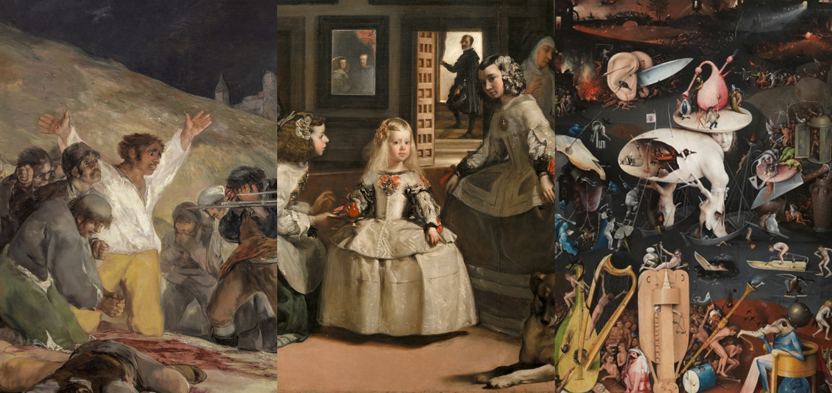
1 Hour in the Museum
This one‑hour itinerary includes a selection of 15 masterpieces from the Prado’s Collection.

The Prado Museum invites you to explore its collection independently from new perspectives
This one‑hour itinerary includes a selection of 15 masterpieces from the Prado’s Collection.
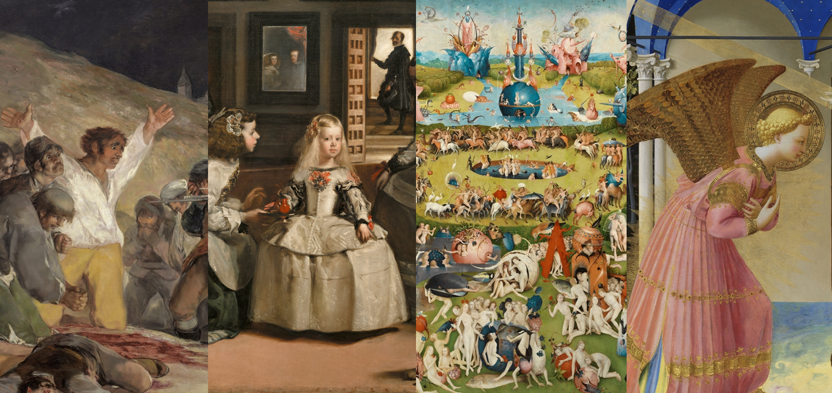
This two‑hour itinerary includes a selection of 30 masterpieces from the Prado’s Collection.
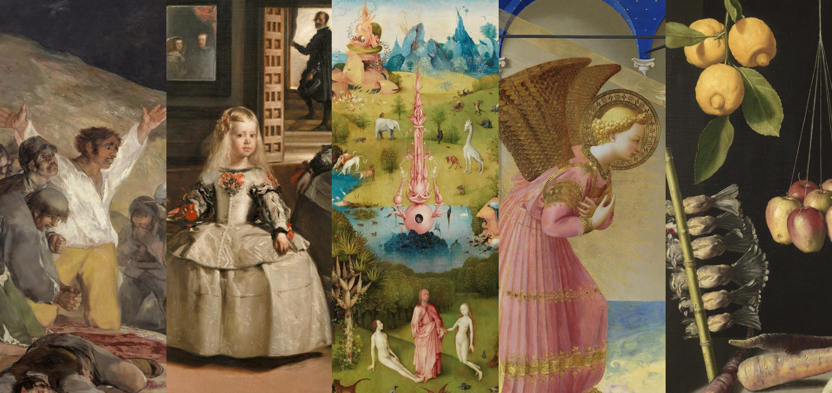
This tree‑hour itinerary includes a selection of 54 masterpieces from the Prado’s Collection.
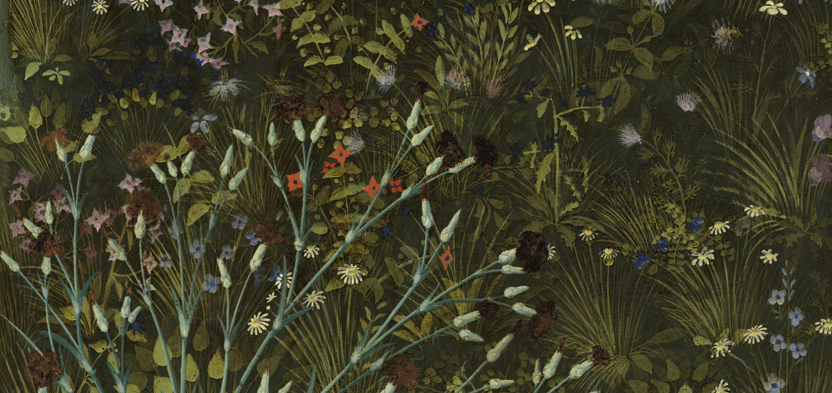
Many works of art are brimming with vibrant plant life, while in others, it is more subtly hidden away. Yet, regardless of its prominence, botany consistently plays a pivotal role in the narratives artists strive to convey.
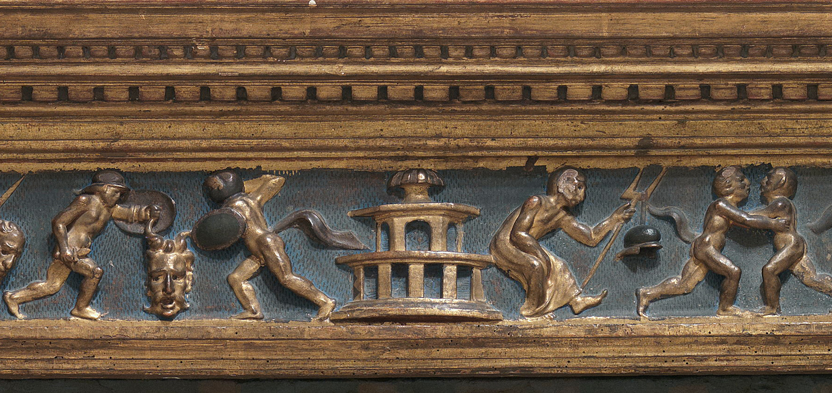
The Museo del Prado boasts a large collection of diverse frames representing different techniques and artistic styles.
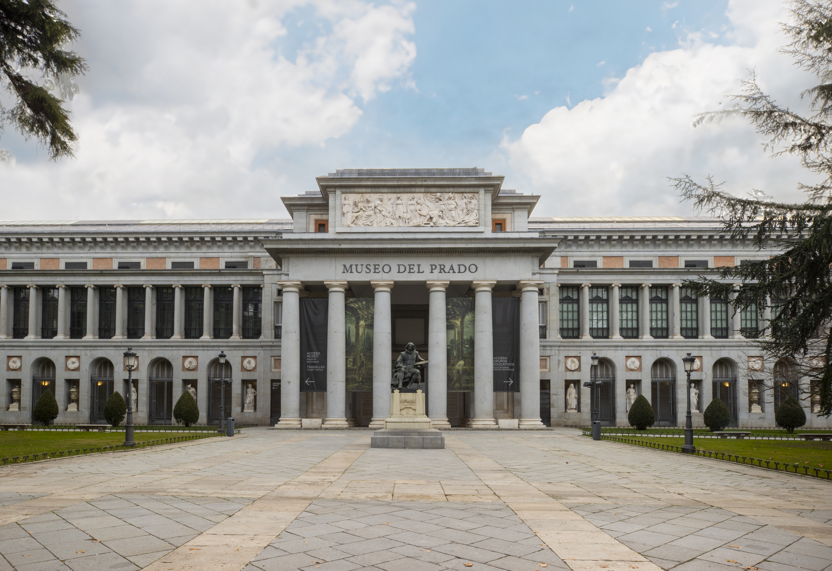
Every time we visit the Museo del Prado, our eyes are naturally drawn to its fabulous collections, but we rarely notice the setting in which they are displayed: the museum building, whose history is just as rich and fascinating as the works it houses.
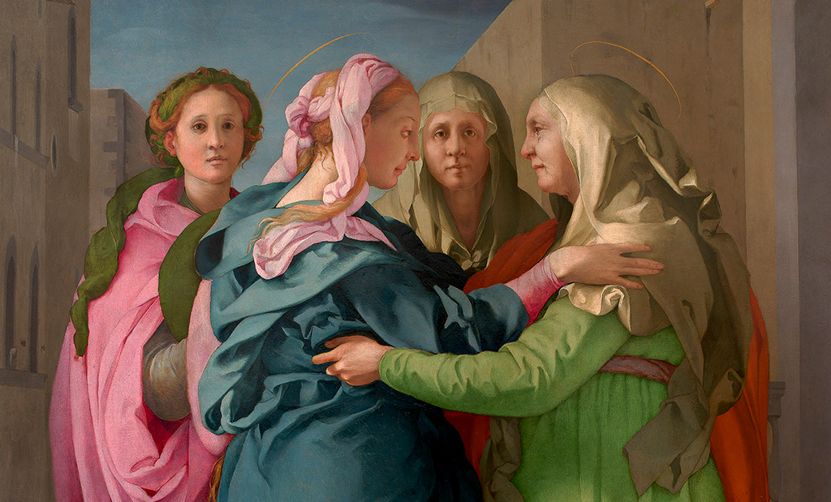
Pope Leo XIV’s visit to Madrid in 2026 is an exceptional occasion to rediscover magnificent pieces in the Prado’s collection that are considered among the finest religious paintings in the history of art.
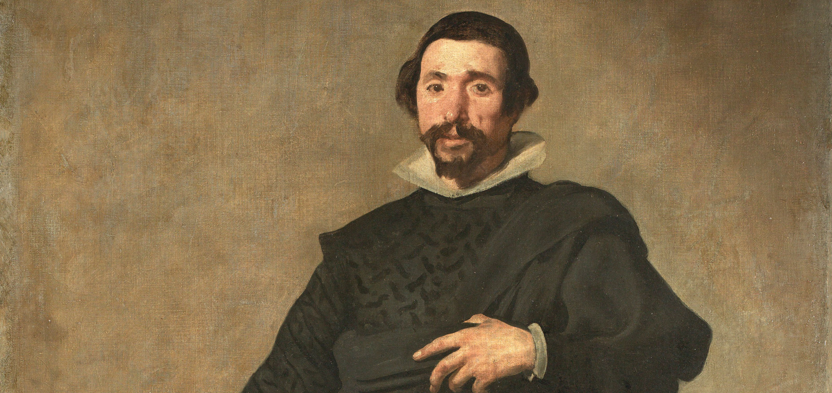
Organised jointly by the Compañía Nacional de Teatro Clásico and the Museo Nacional del Prado.
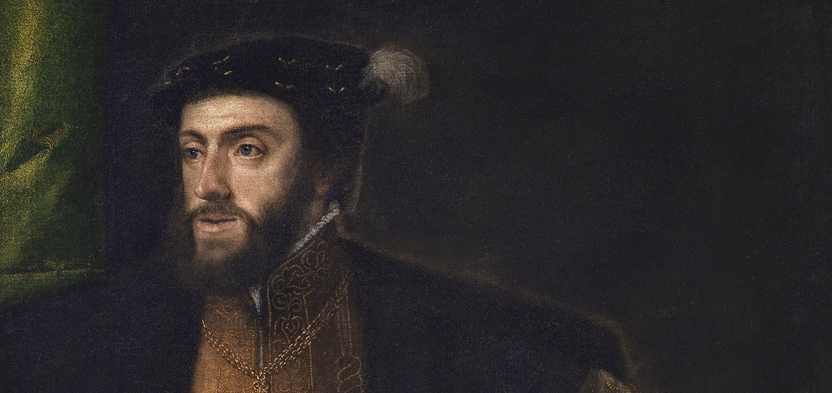
To mark the 500th anniversary of the Council of State, the Museo del Prado – working closely with the Council itself – has drawn up an itinerary comprising portraits of several Councillors of State currently on show in its rooms.
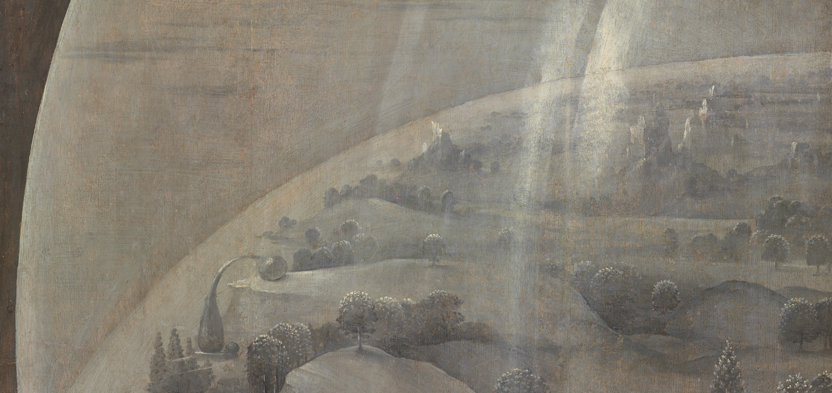
The silent beauty of the cosmos hides secrets that have fascinated humanity for millennia.
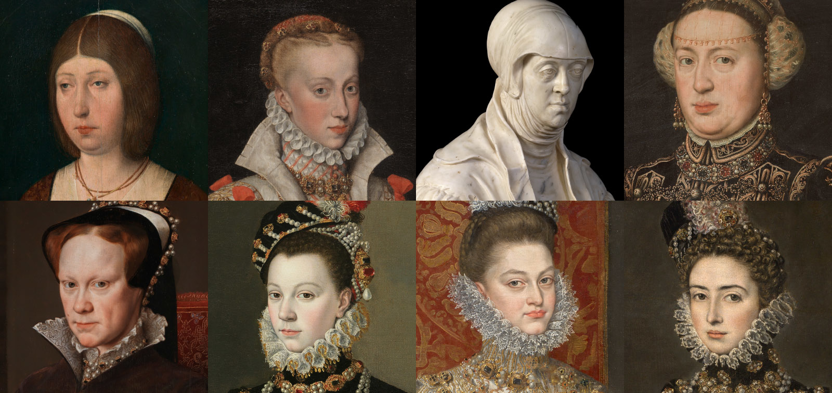
This itinerary invites us to discover the female artistic patrons who helped shape the Museum’s collections within a specific chronology, from 1451 to 1633, from Isabella the Catholic to Isabella Clara Eugenia.
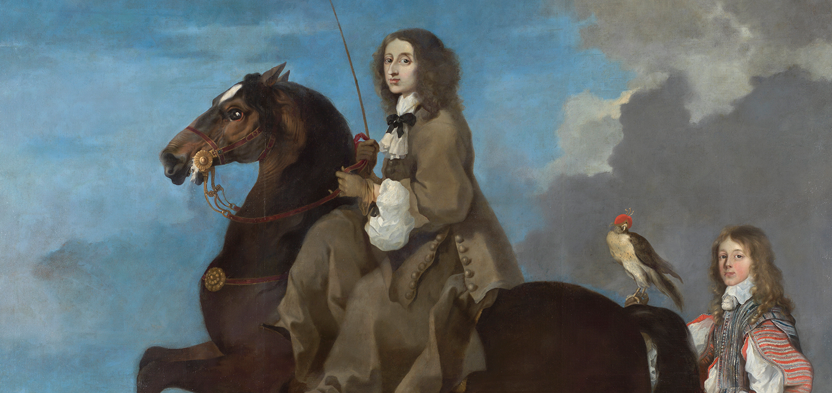
A route that shifts the focus towards the seventeenth century, specifically to the contribution of the women whose lives unfolded between the figures of Isabel of Bourbon and Mariana of Neuburg (1602–1700).
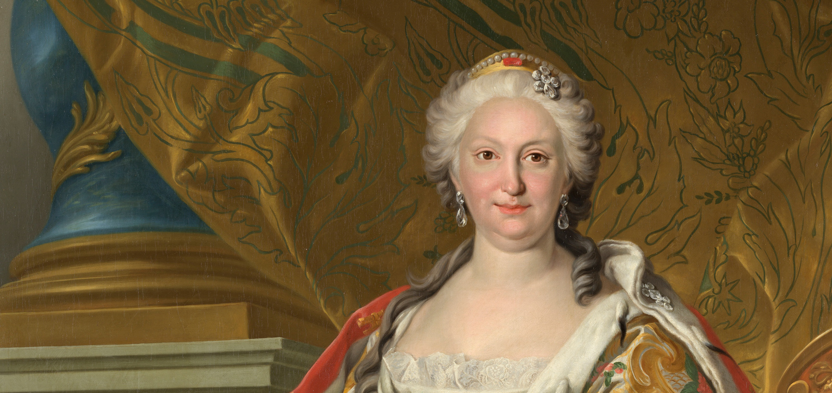
The proposal moves into the eighteenth century to explore the legacy of the artistic patron who contributed most significantly to the enrichment of the former Royal Collection and, consequently, to that of the present‑day Museum: Queen Isabella Farnese (1692–1766).