
Loading...
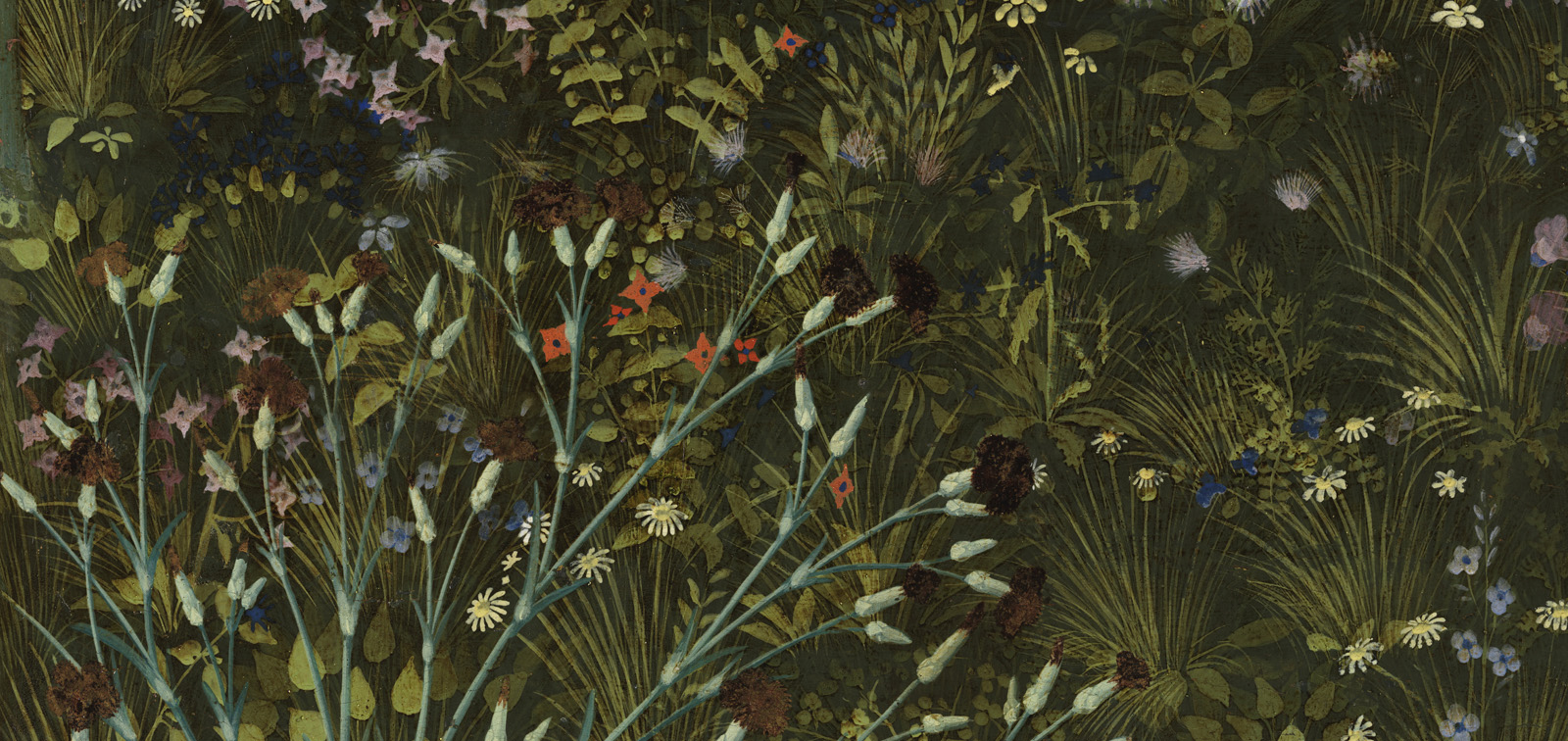
Many works of art are brimming with vibrant plant life, while in others, it is more subtly hidden away. Yet, regardless of its prominence, botany consistently plays a pivotal role in the narratives artists strive to convey. Flowers may serve as emblems of a subject's lineage, leaves embody profound emotions, and trees infuse scenes with their innate symbolism.
Each period depicts plants differently, with varying degrees of detail and botanical precision. In the Romanesque period, the extreme stylisation of plant forms gave them a unique aesthetic. In the Gothic period, the focus shifted to precise, faithful depictions of individual plants and flowers. This period marked the point when botanical portraiture gained its own identity in art, culminating in the Renaissance. In this period, and as a legacy of previous centuries, plants often appear in the foreground of artworks, rendered in a distinctly naturalistic style.
The species depicted were often chosen from the artist's immediate surroundings, sometimes even growing near their studio. At other times, expeditions to distant countries led to the inclusion of exotic plants, enriching the artistic representation of flora, particularly from the 16th century onwards. In all cases, the artworks testify to the remarkable ability of artists to observe the natural world; plants are depicted with great delicacy, as if they were characters in their own right.
This itinerary spans a wide time period, from a classical Roman sculpture to an early 18th-century canvas. Likewise, attention is given to all types of supports, such as marble, semiprecious stones, panels and canvases. In all of them, there is space for botanical representation.
Modern society has largely lost this connection to the plant kingdom, a disconnect mirrored even in how we engage with art. Yet, even the humblest blossom can unlock a trove of information about a work's mythological, religious, sociopolitical, or cultural significance. Every petal whispers a story; we need only to seek out the next plant and listen to its tale to feel a little bit like gardeners strolling through the halls of the Prado Museum.
Fra Angelico. The Annunciation (detail). 1425-1426. Museo Nacional del Prado
Technical specifications
/ Tour inspired by the exhibition itinerary A Botanical Stroll through the PradoTitle
A Botanical Stroll through the Prado
Dates
28 Oct 2024 - 30 Mar 2025
Number of works and approximate duration
26 Artworks - 01:15 h
Curator
Eduardo Barba Gómez, gardener and researcher into art and botany.
Artworks
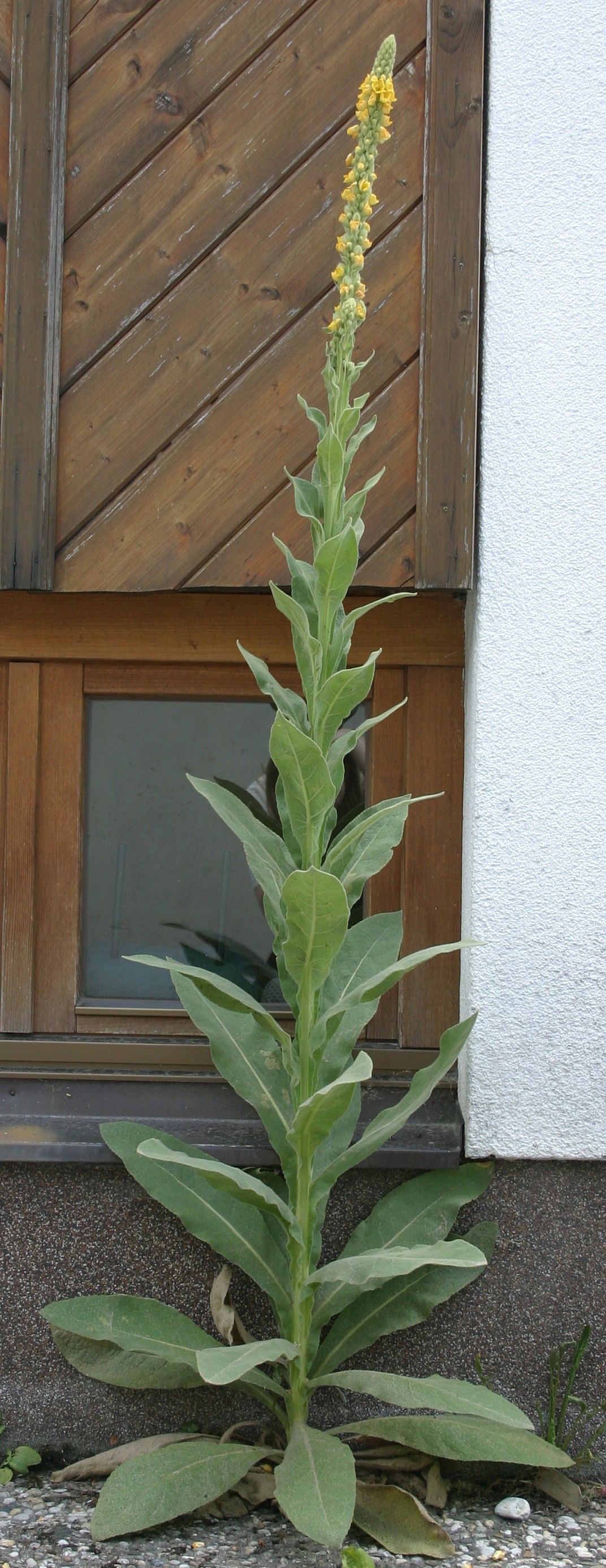

Great mullein (Verbascum thapsus)
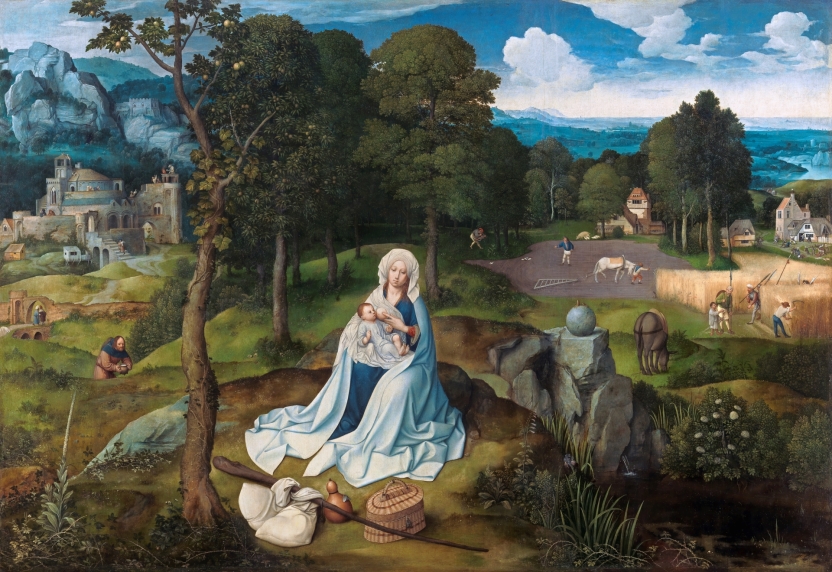
This landscape depicts a natural setting in present-day Belgium. Many of the plant species shown, almost like characters in the painting, have a marked symbolic significance. One very clear example is the grapevine (Vitis vinifera) climbing the apple tree (Malus domestica) in the foreground: the blood of Christ washing away original sin. On the left, there is a great mullein. Its flowering stem was set alight in ceremonies, including funerals, alluding – as here – to Jesus’ death and to the light he brings to the world.
Room 055A
Artworks
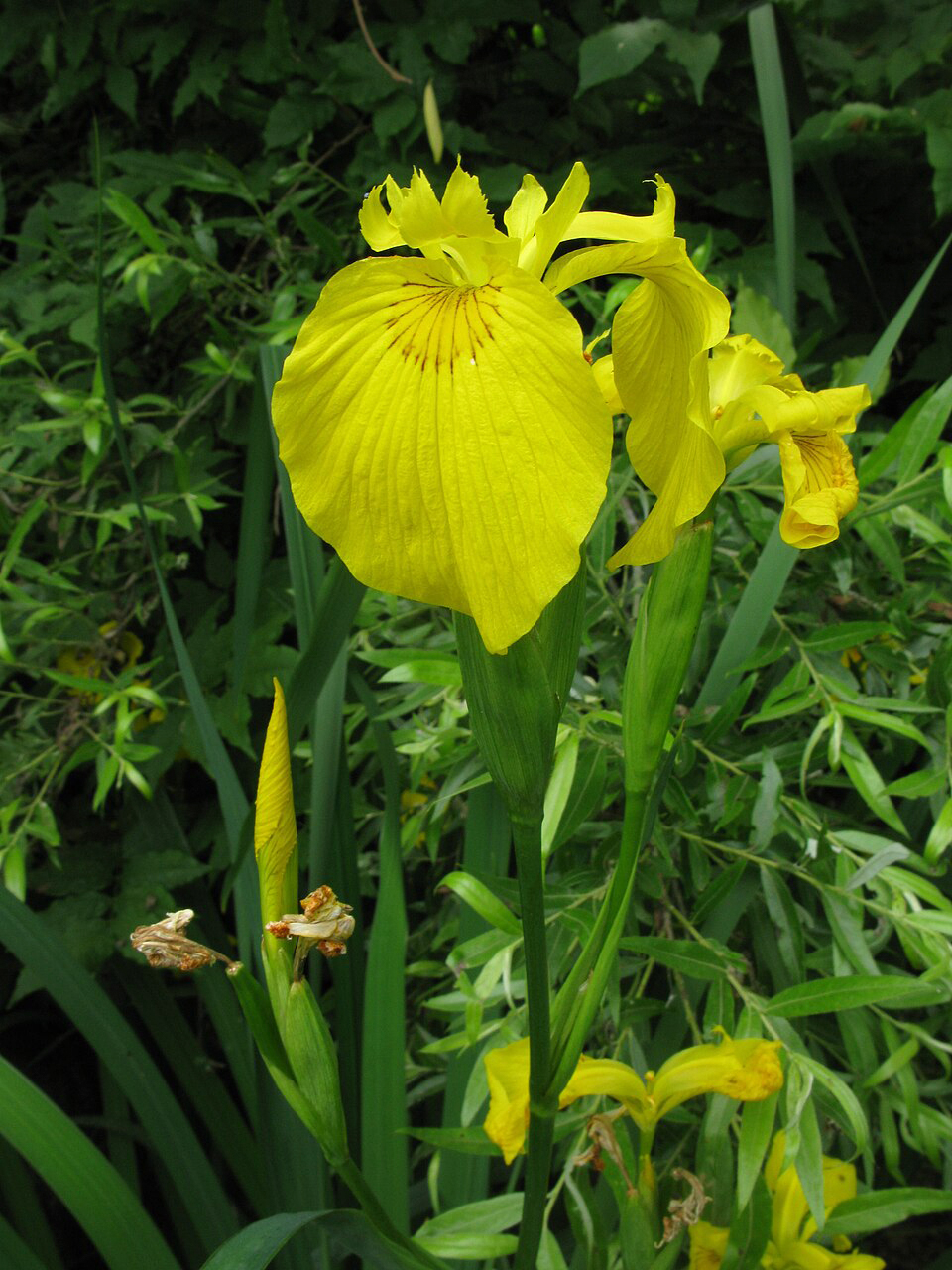

Yellow iris (Iris pseudacorus)
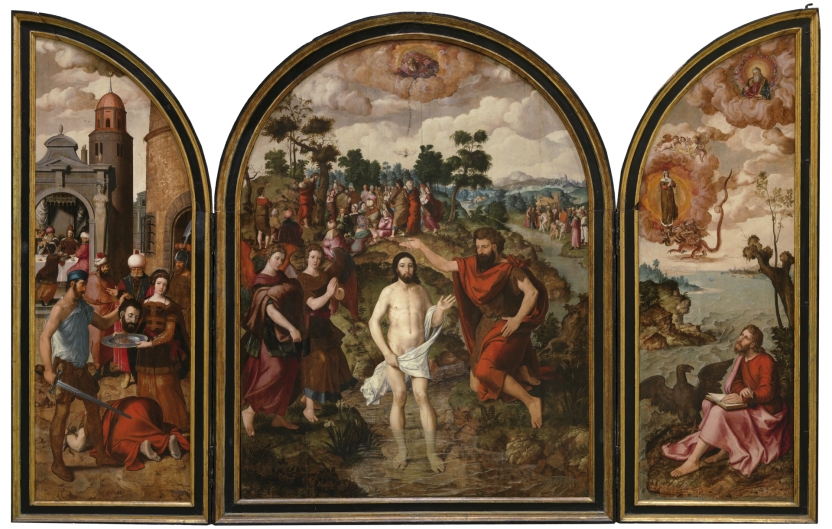
The yellow iris is a species that grows near water, for example on the banks of rivers, streams or ponds. In this landscape, two clumps of yellow iris are visible beside Jesus. Because of its sword-shaped leaves, its presence in paintings is sometimes associated with the suffering that pierces the heart of the Virgin Mary. As a symbol of the Incarnation of Christ, it is sometimes found in Annunciation scenes. Its Greek name, Iris, in use since ancient times, means ‘rainbow’, a reference to the different colours of its flowers.
Room 057A
Artworks
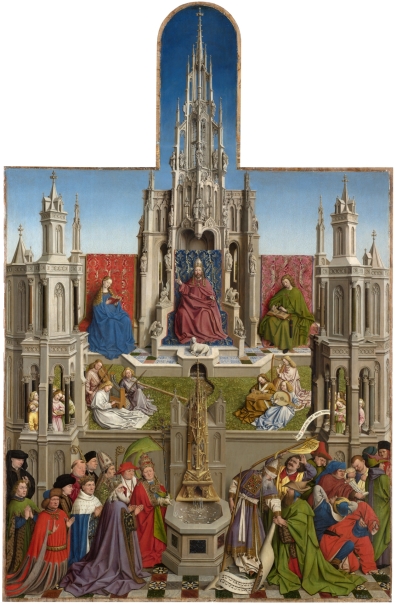
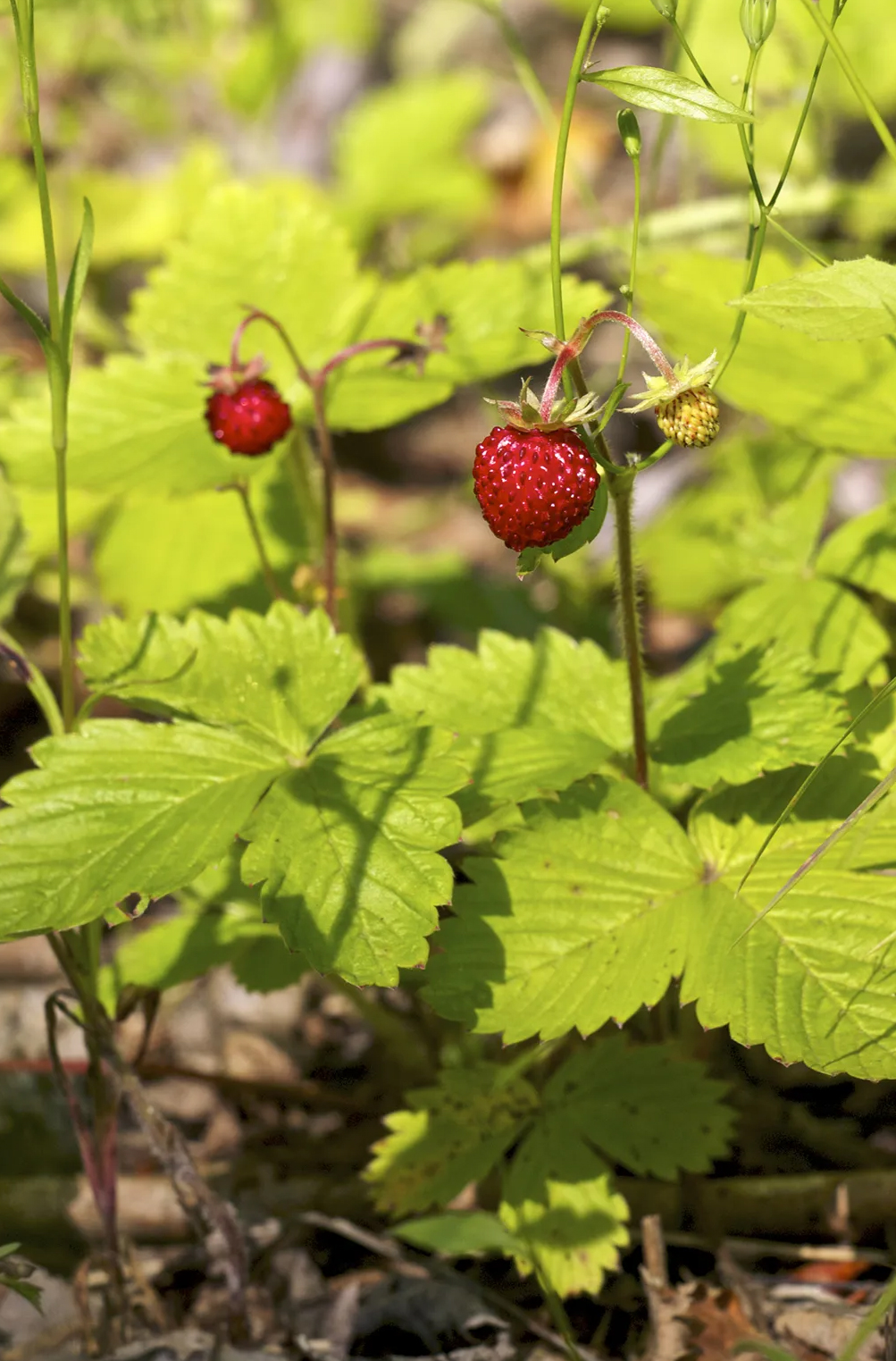

Wild strawberry (Fragaria vesca)
A wealth of plant species can be found in this painting, not only on the meadow-like terrace where the musician angels are playing, but also in the carved decorations on capitals, bases and other architectural elements, as well as in the gold tracery and floral motifs adorning the fabrics. The meadow contains around twenty different species, of which the most abundant is the strawberry, some of whose symbolic associations date back to classical antiquity, when it epitomised paradise. Its red fruits also represent the blood shed by Christ in his martyrdom, while its trefoil leaves symbolise the Holy Trinity.
Room 058
Artworks
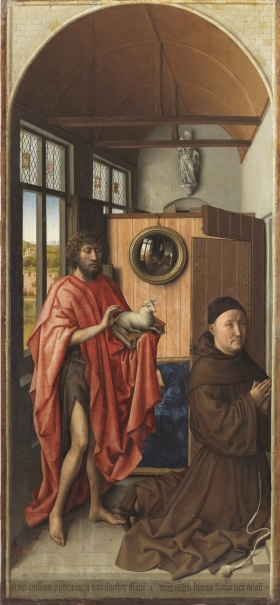
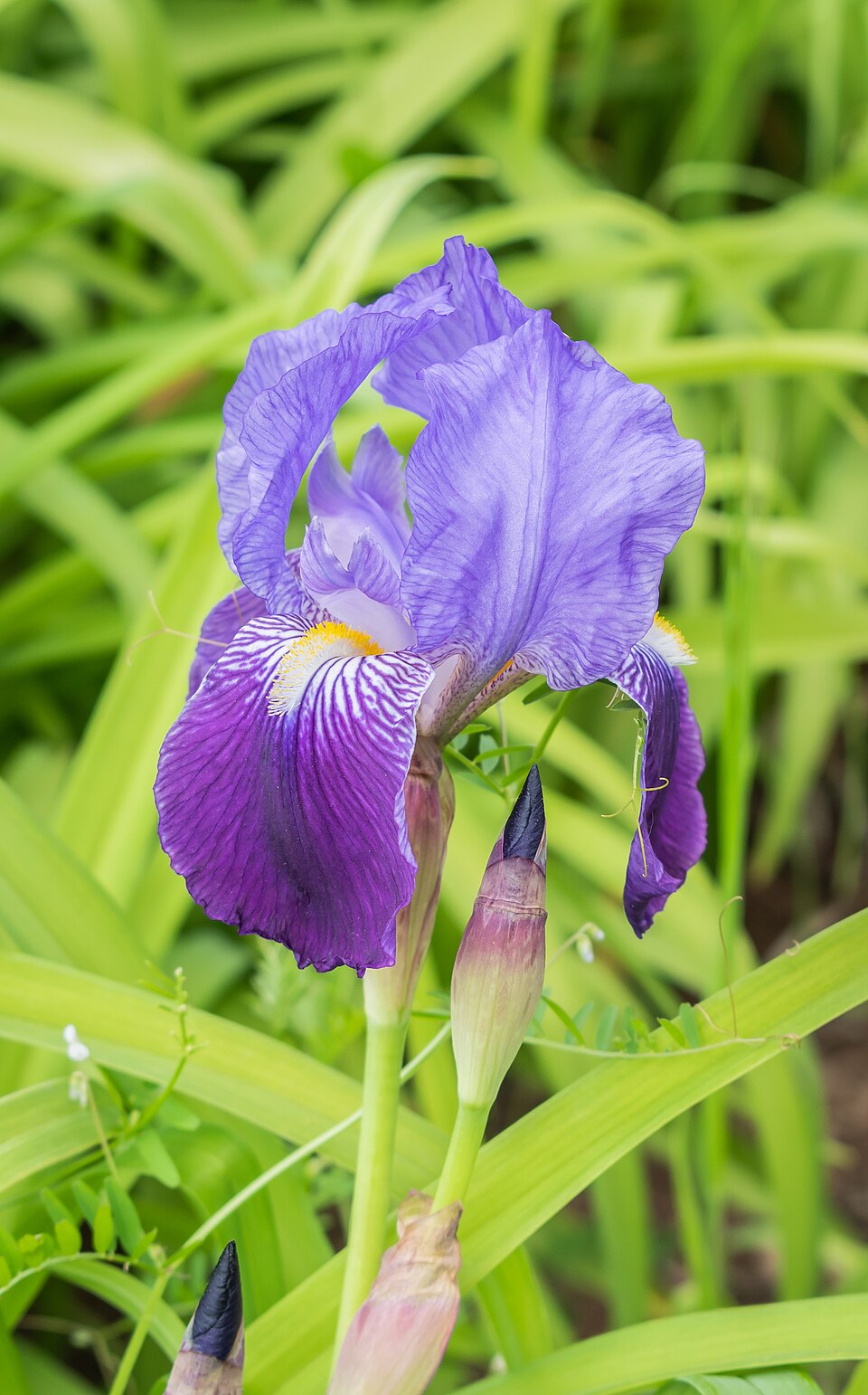
Bearded iris (Iris × germanica)
These two panels belong to a dismembered triptych. The central panel was lost, but the two outer paintings are still linked by botany. In the right-hand panel, Saint Barbara sits patiently reading beside a delicate iris stem in a small pewter vase. Its open flower displays the yellow “beard” so characteristic of this plant. In the left-hand panel, against the crenellated garden wall, there is a tiny clump of irises with four flowers, from which the iris adorning Saint Barbara’s room must have been cut.
Room 058
Artworks
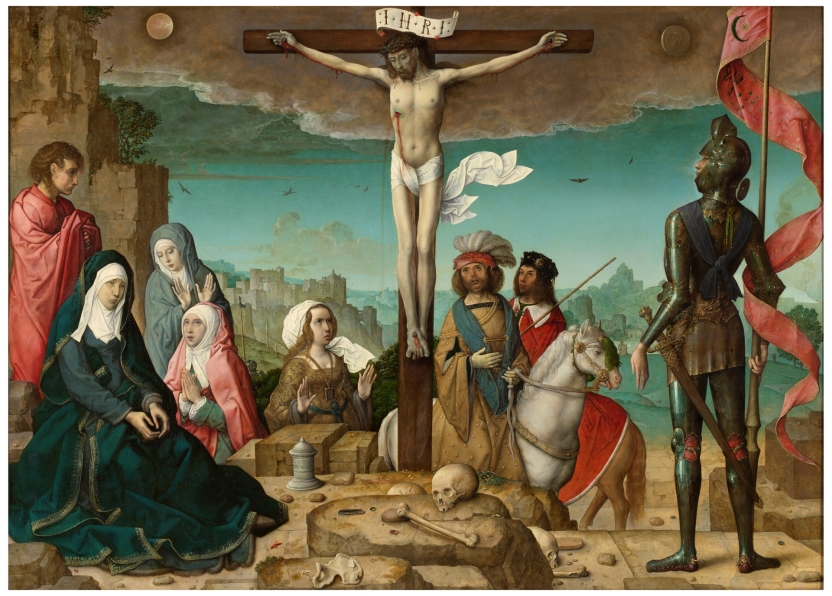
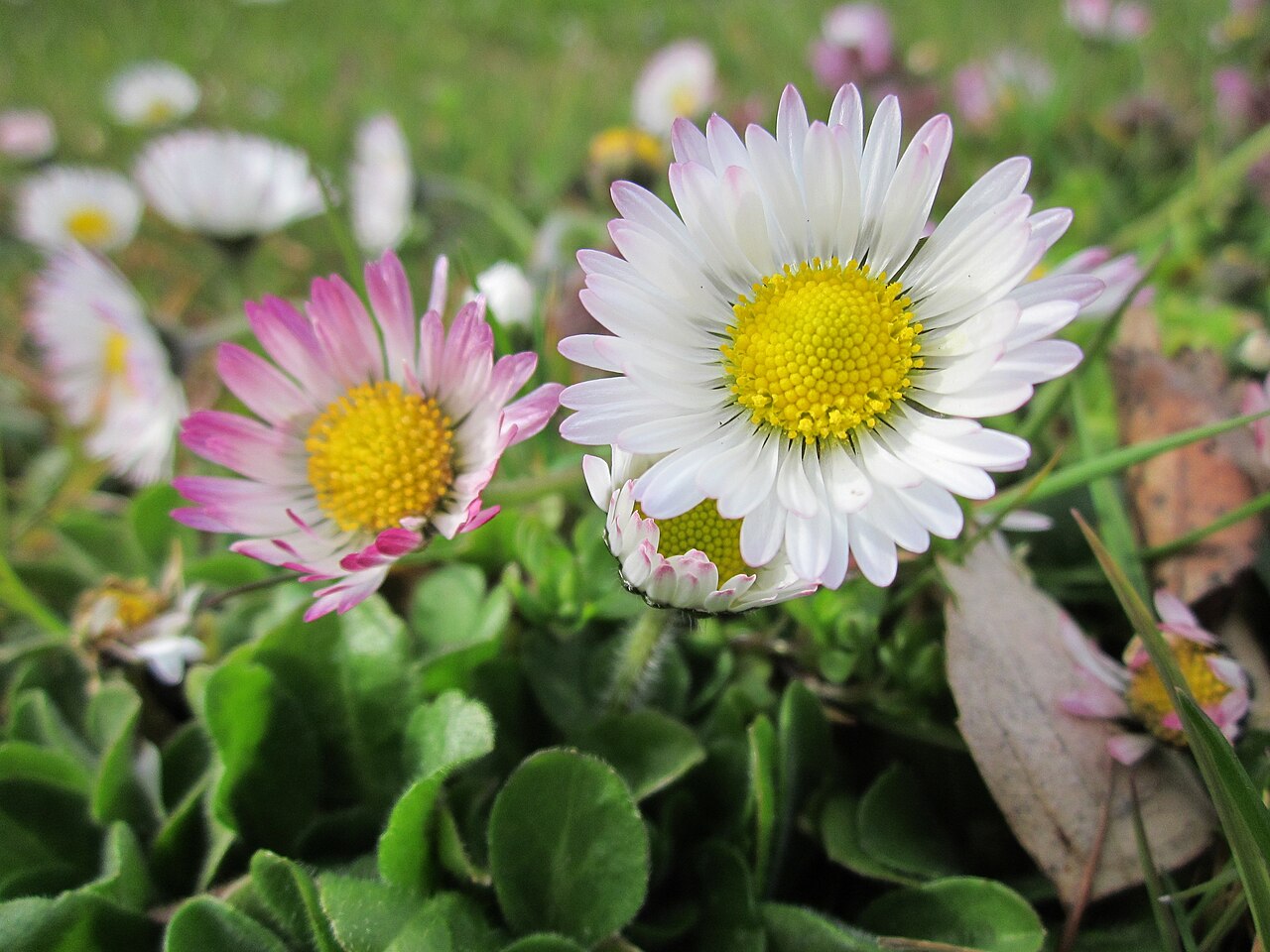

Daisy (Bellis perennis)
The daisy is one of the most common plants in artistic representations of all kinds. It appeared, for example, on the Ishtar gate in Babylon, and was used as an ornamental motif in ancient Rome. Today, because it reproduces easily, it can be seen in lawns and meadows all over the world. Its petals are white, though sometimes with a reddish tinge. In this panel by Juan de Flandes, in fact, the daises just at the foot of the cross were painted red, while the rest were left white. The flower symbolises both resurrection and purity.
Room C
Artworks
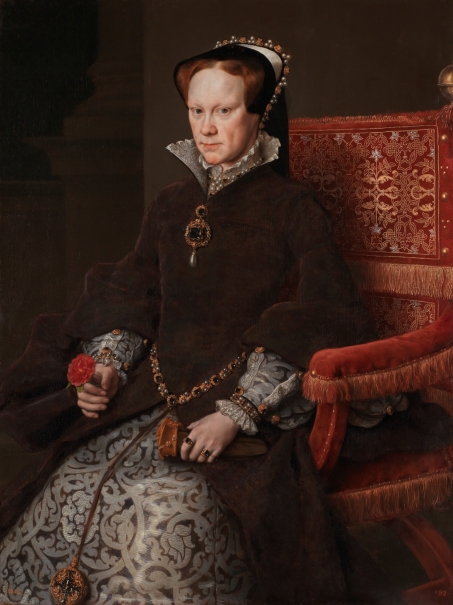
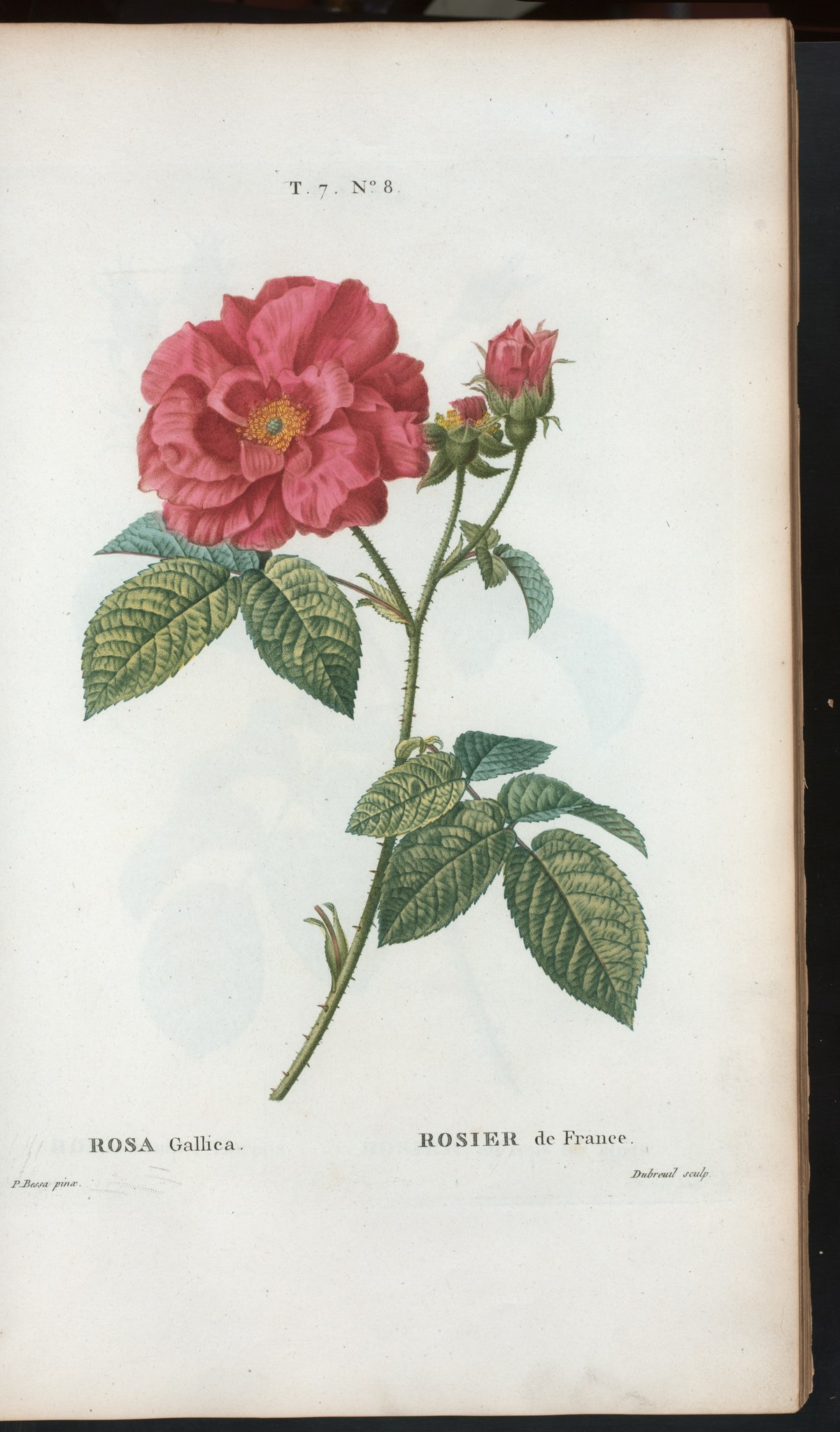

Apothecary’s rose (Rosa gallica var. officinalis)
The rose is the queen of flowers at the Prado, appearing in hundreds of works of art in the museum’s collection. From ancient Egypt to the present day, roses have been cultivated for their beauty and fragrance. In this portrait, Mary Tudor holds an apothecary’s rose, the symbol of her noble lineage, the House of Lancaster. This is the most commonly-depicted red rose variety, partly because it is among the most widely grown on account of its countless medicinal properties. Its scent is at once strong and sweet.
Room 056
Artworks
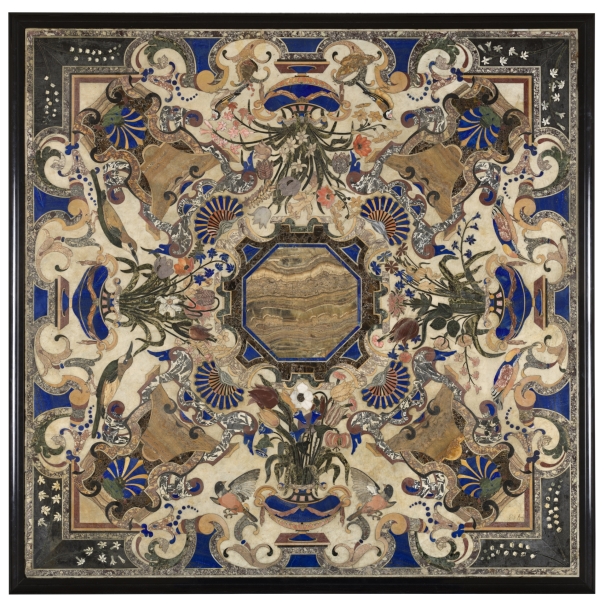
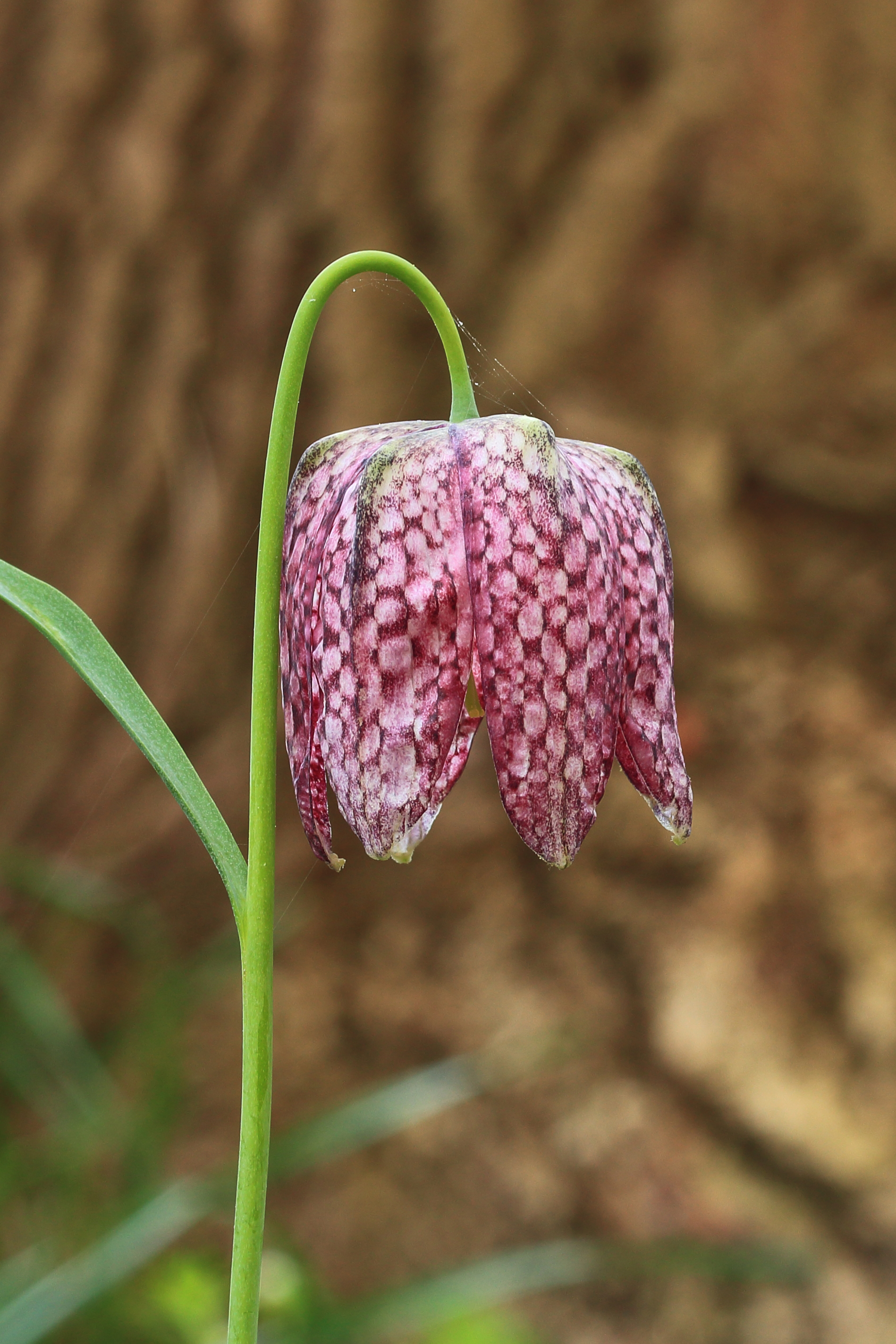
Snake’s head (Fritillaria meleagris)
Botanical themes are addressed in art using very different materials. In this tabletop, plant species are represented in meticulously-worked semi-precious stones. Four carefully-arranged lapis lazuli vases contain a wide variety of bulb species. These plants have underground storage structures, from which they emerge for just a few months; afterwards, they spend the dry or cold periods buried in their bulbs or corms. One of the most surprising is the snake’s head, a veritable floral fantasy.
Room 056
Artworks
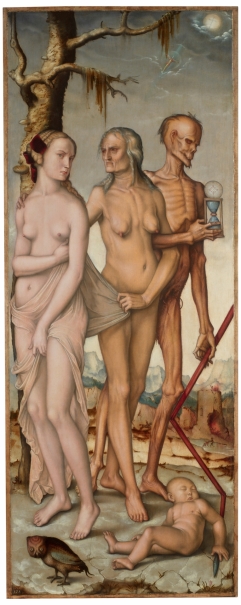
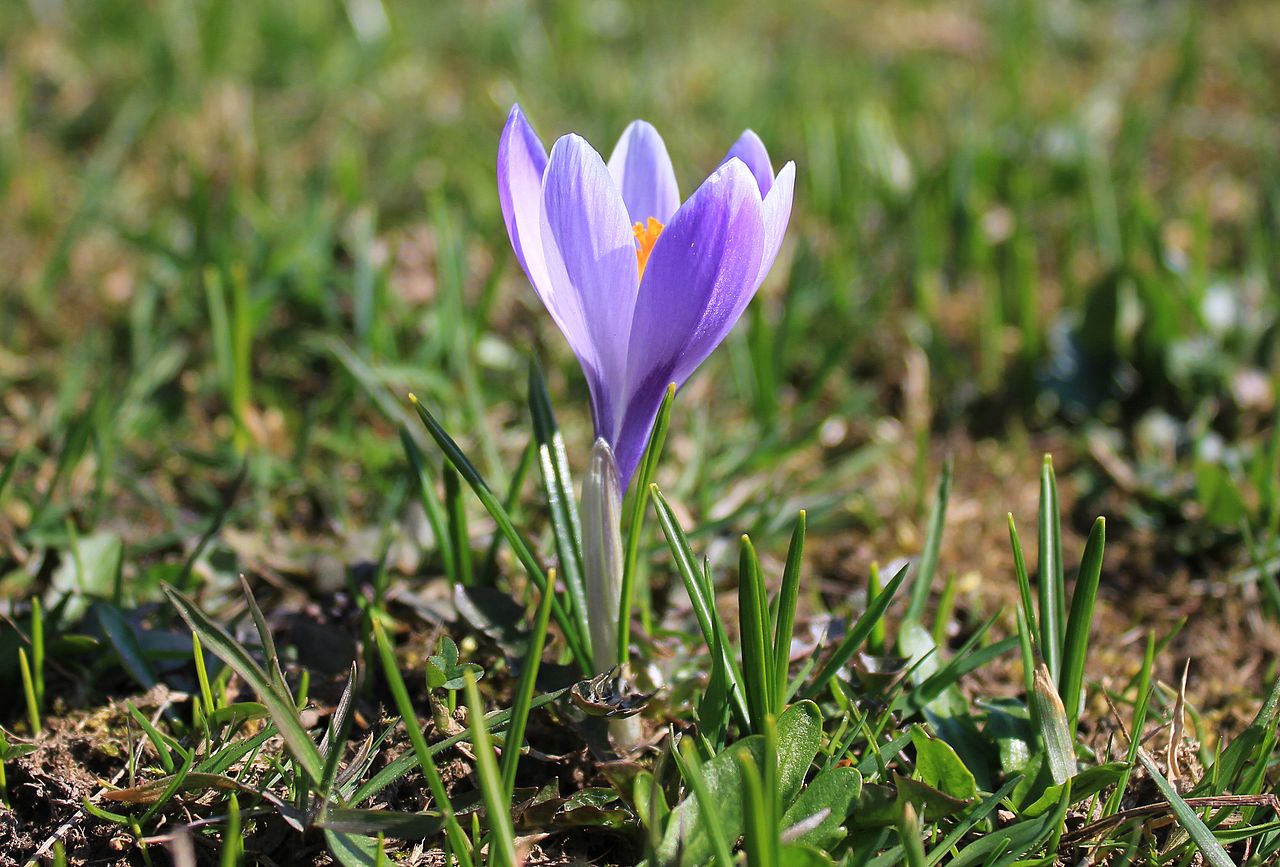

Wild saffron (Crocus sp.)
Nothing lasts forever, even in the plant world. Here, a withered tree has been infested by a fungus. Several carpophores – popularly known as mushrooms – are growing out of the trunk. Hanging from the branches is another curious organism, mid-way between the world of fungi and that of algae: a lichen called Methuselah’s beard (Dolichousnea longissima). Below, the tip of a broken lance points to a solitary wild saffron flower; the life cycle of this bulb species symbolises the cycle of life, death and resurrection, alluded to by the crucifix visible in the upper part of the painting.
Room 055B
Artworks

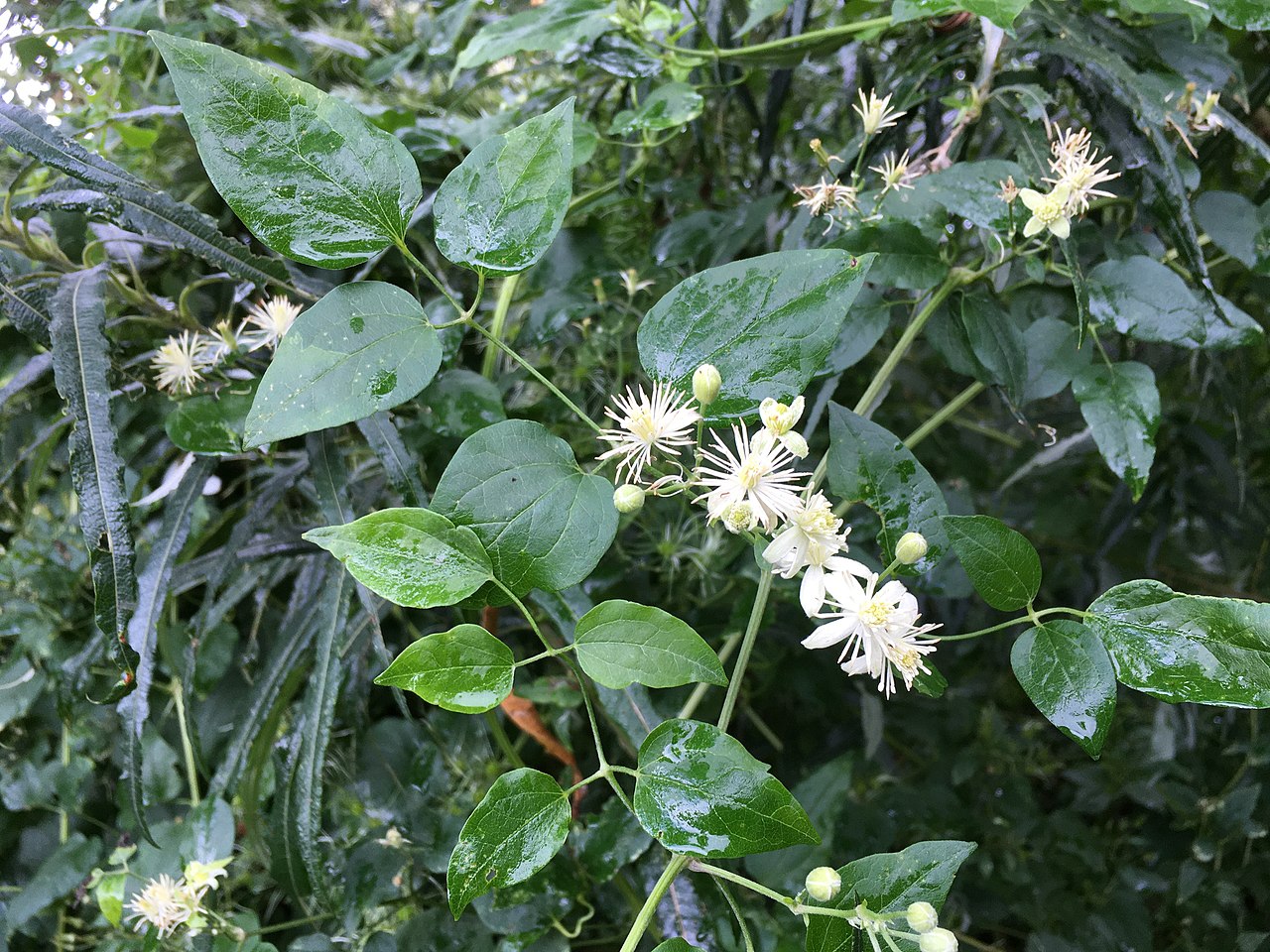

Old man’s beard (Clematis vitalba)
This Garden of Eden features the four tree species regarded as possible candidates for the Tree of the Knowledge of Good and Evil in the Christian tradition. The most widely-represented in that context is the apple tree (Malus domestica). Here, however, it is accompanied by the fig (Ficus carica), the bitter orange (Citrus × aurantium) and a pomegranate tree (Punica granatum) in blossom. The creeper encircling the waists of Eve and Adam is old man’s beard, with which beggars would rub their skins, causing sores which might bring them more alms.
Room 056B
Artworks
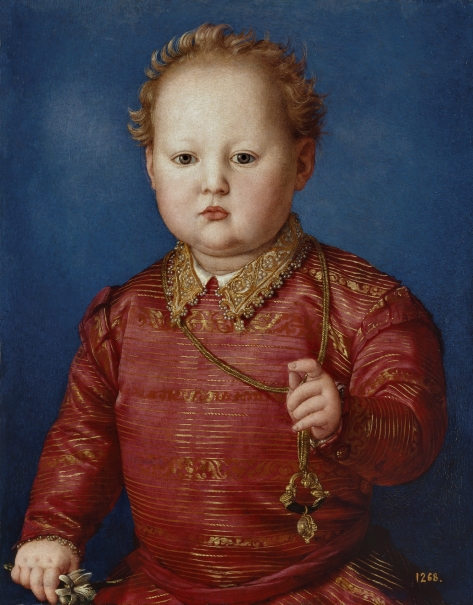
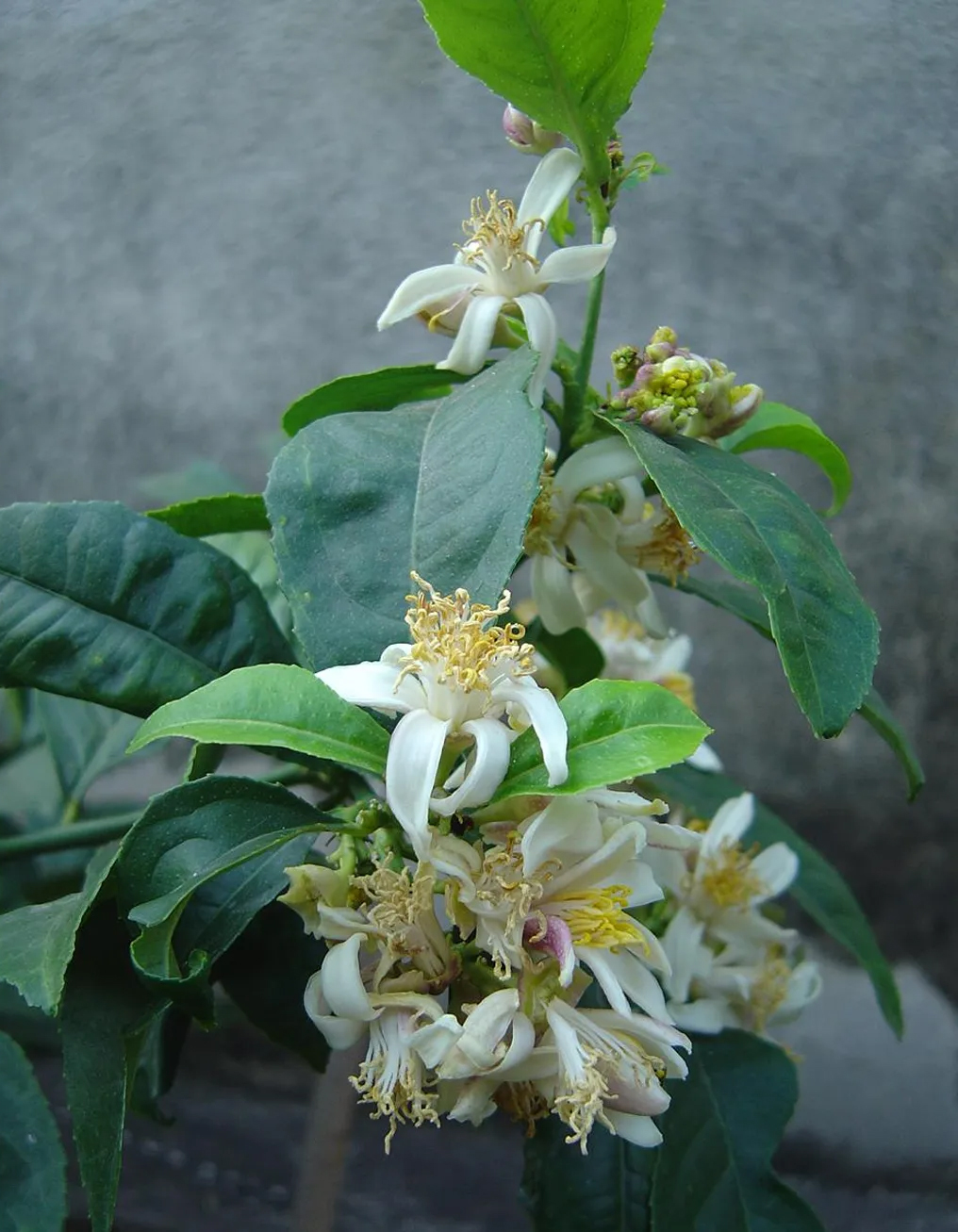

Citron (Citrus medica)
Plant collecting is by no means a recent hobby. Citrus trees – a family that includes orange, lemon and grapefruit, among others – sparked the enthusiasm of leading families such as the Medici, in Tuscany (Italy). This dynasty created a major collection of citrus trees between the 16th and 18th centuries. The trees were grown in the open air in large terracotta pots, so that they could be transported and sheltered during the cold months in glasshouses known as limonaie. In this portrait, García de Medici holds a citron blossom, alluding to this family tradition.
Room 049
Artworks
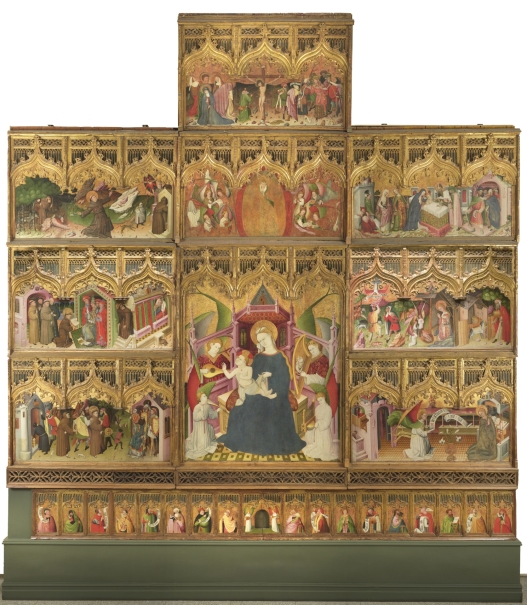

White lily (Lilium candidum)
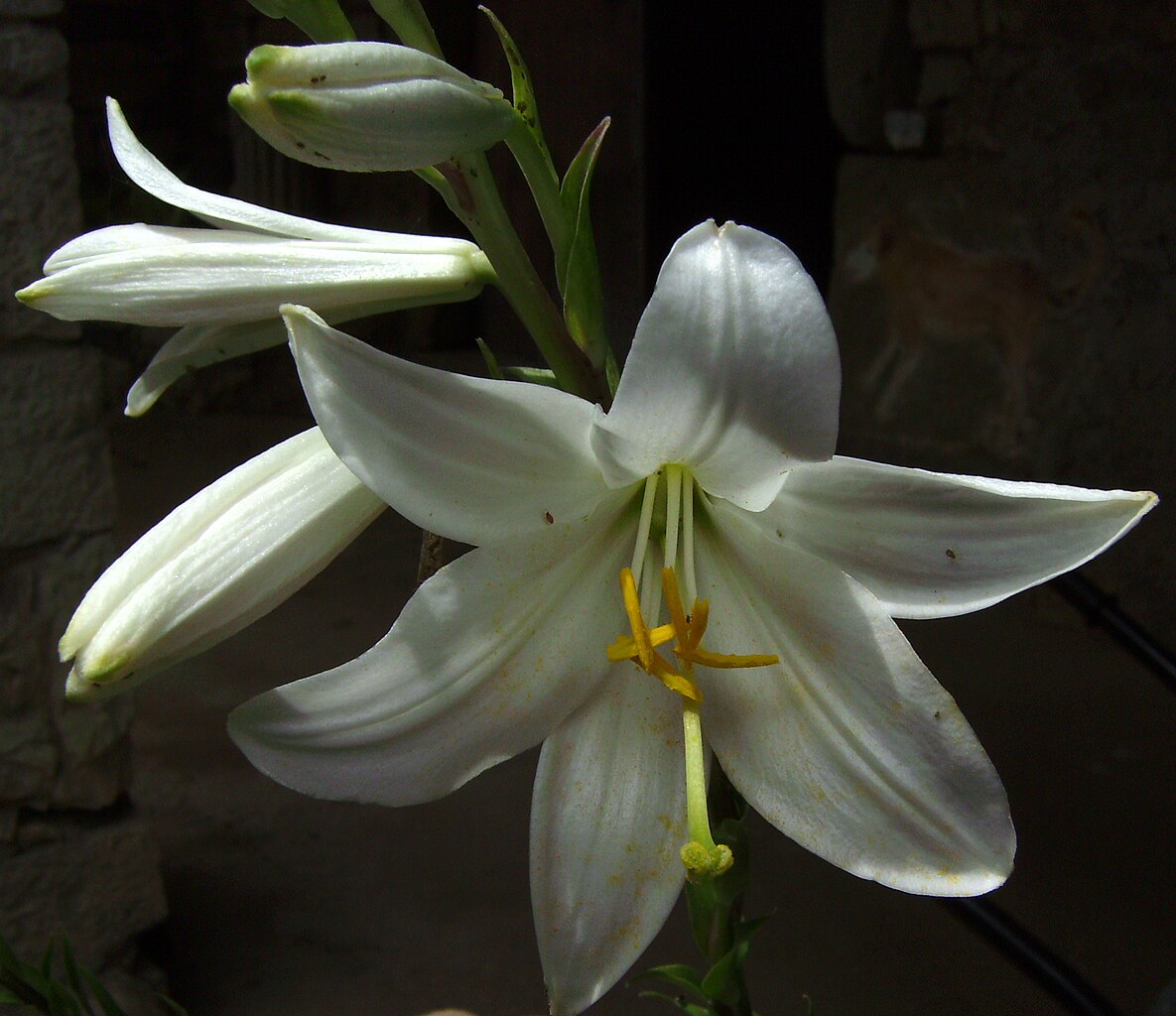
Plants – even those not producing fruit, fibres or wood – have been cultivated since time immemorial. A range of containers, such as pots or window-boxes, have long been used to bring the beauty of flowers to our very doorsteps. In this scene, which is more traditional than religious, an angel uses a pulley to draw a bucket of water from the well, in order to water the plants. Nearby is a vase full of white lilies, one of the five flowers most frequently depicted in the Museo del Prado, symbolising Mary’s purity and virginity.
Room 050
Artworks
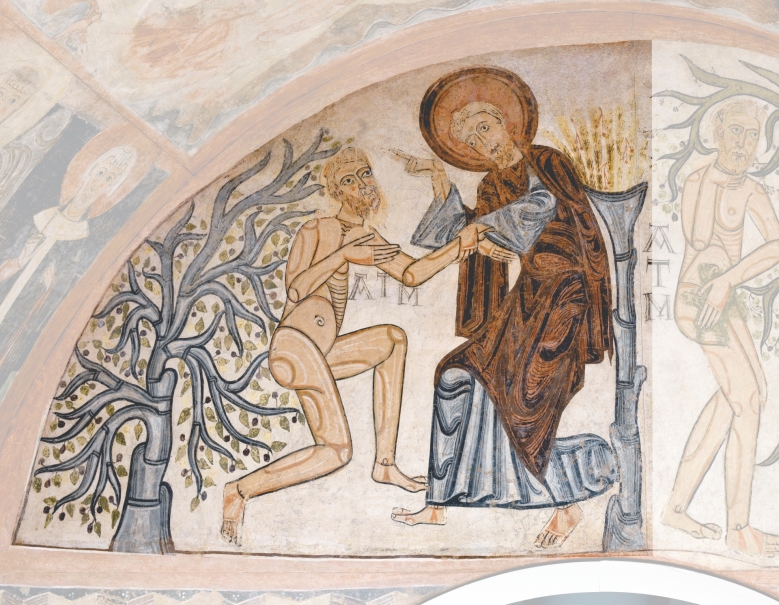

The Creation of Adam, Hermitage of Vera Cruz, Maderuelo (Segovia)
Fresco painting on mural transferred to canvas.
XII century
XII century
Date palm (Phoenix dactylifera)
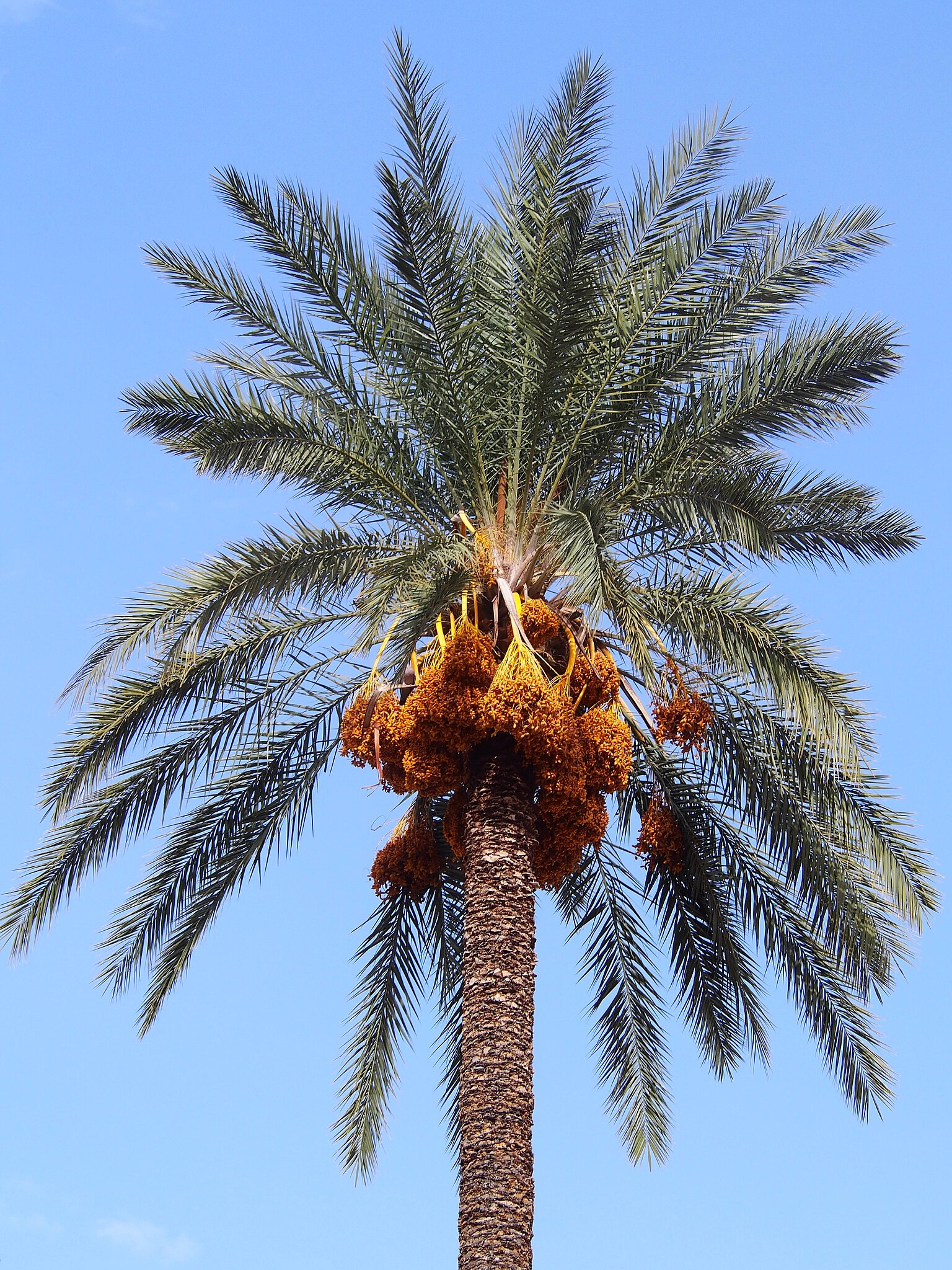
A date palm serves to separate these two scenes from Genesis. This species is a constant in the history of art, having been used since classical antiquity to enhance the surroundings of sanctuaries. The palm tree, a symbol of paradise, is commonly found in depictions of the Garden of Eden, like this one. Here, the tree is represented schematically, with compound leaves and red bunches of dates emerging from an unreal articulated trunk or stipe. On the right, Adam and Eve cover their nakedness with fig leaves (Ficus carica).
Room 051C
Artworks
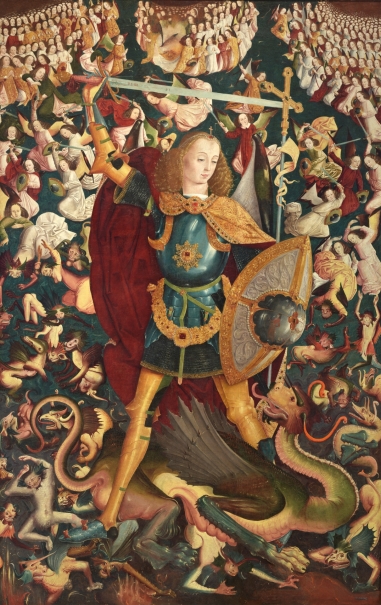
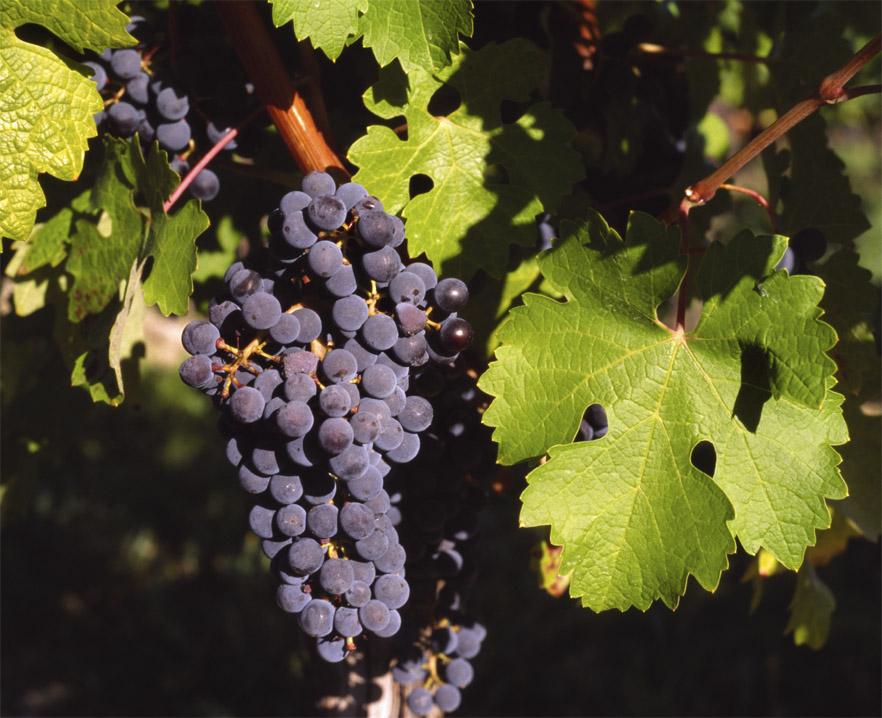

Common grapevine (Vitis vinifera)
Botany is not always apparent in works of art. It is often hidden. No one would say that there were any plants in this painting, and yet there are a few waiting to be discovered. The archangel’s golden girdle is made of intertwined thistle leaves (Cirsium sp.), a symbol of Christ’s Passion. Similarly, the shield with which he protects himself has an ornamental border of grapevine leaves and bunches of grapes, an allusion to the blood shed by Christ in his martyrdom.
Room 051A
Artworks
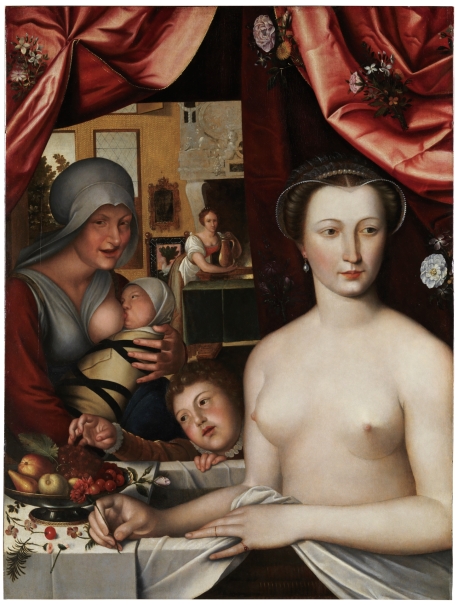
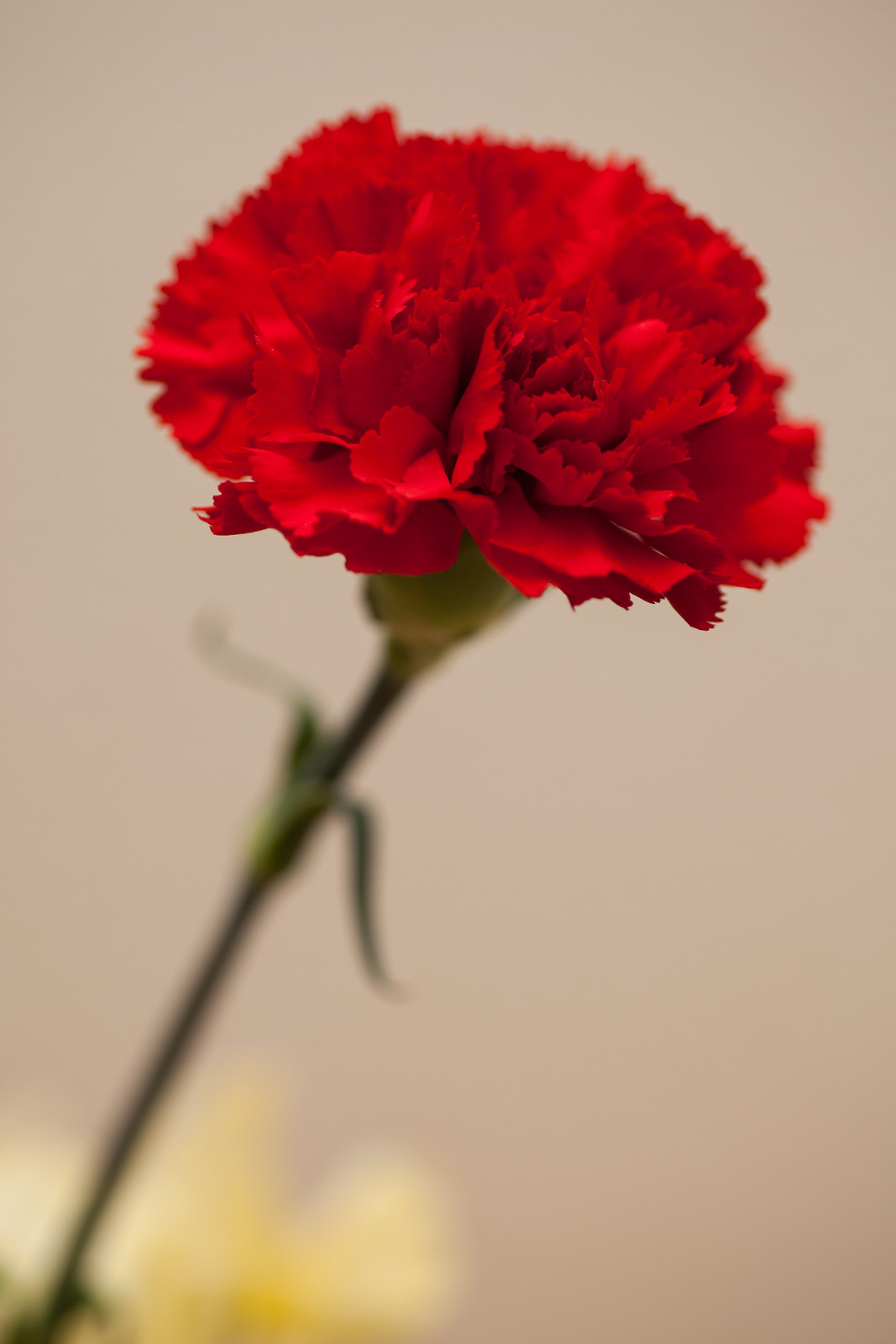
Carnation (Dianthus caryophyllus)
The central female figure is holding a carnation, here intended to symbolise betrothal or emotional commitment. In many wedding portraits, particularly in northern Europe, the bride and groom are shown holding carnations. To the right of the woman’s face is a white rose of York (Rosa × alba ‘Semi-plena’), with numerous white petals and yellow stamens. This variety has a sweet, intense scent, as do the white and pink common stock (Matthiola incana), depicted here with their four characteristic petals, for example in several of the bouquets adorning the drapery.
Room C
Artworks
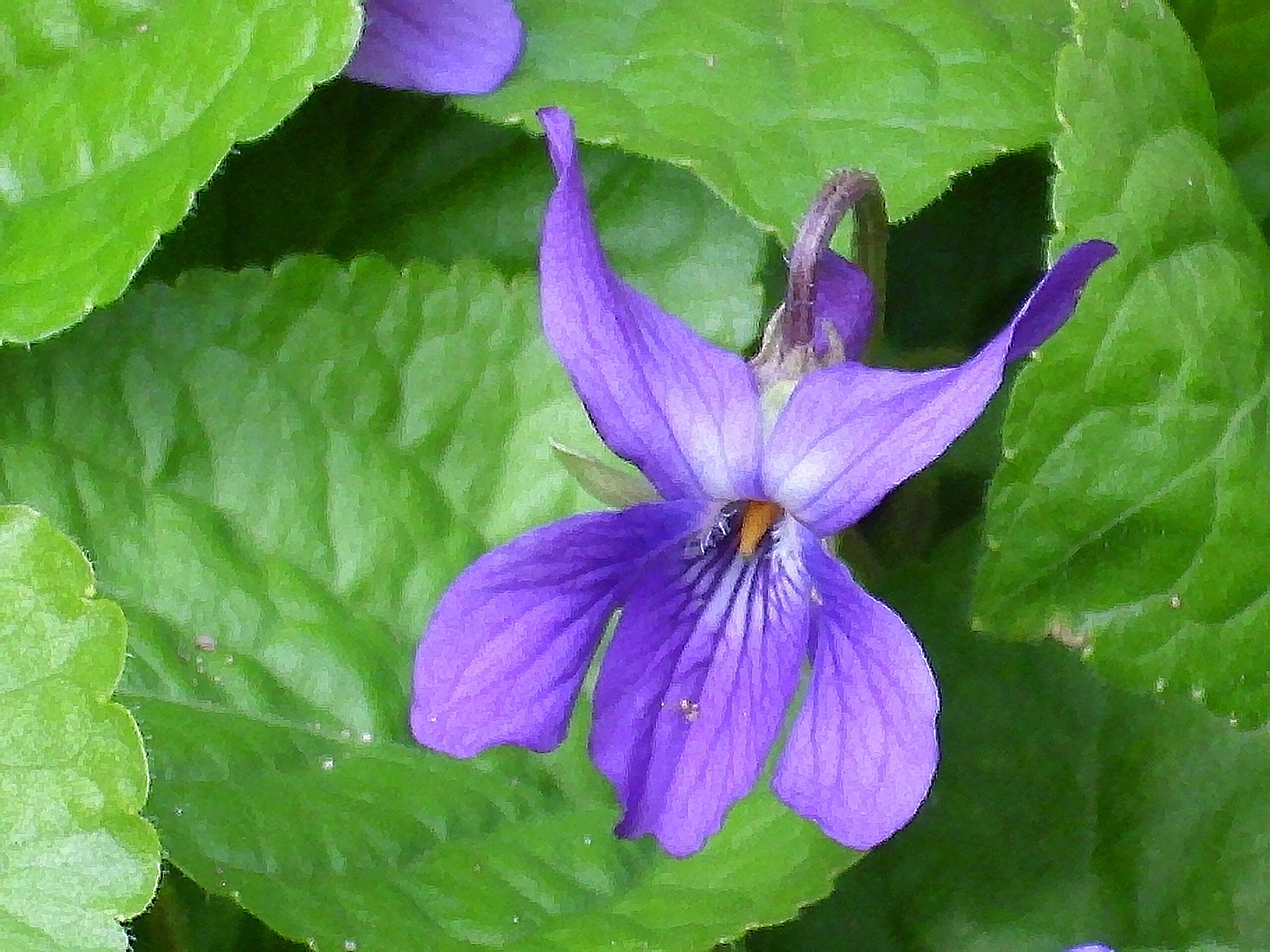

Sweet violet (Viola odorata)
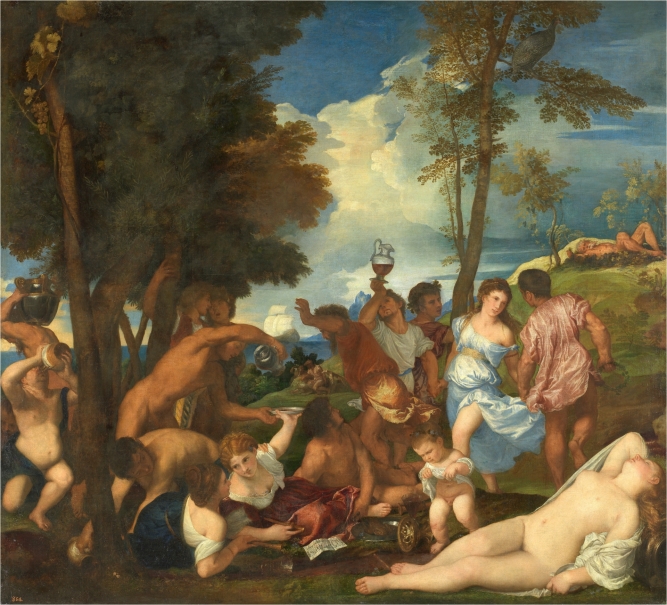
The sweet violet, whose edible flower has a fascinating scent, is a small, modest plant. Even so, it has been widely depicted in art for centuries. This may be due in part to its association with Aphrodite, the Greek goddess of love. In the bacchanal shown here, one of the women wears violets over her ear and in her cleavage, perhaps intended as a nod to Violante, the artist’s partner. The child is also crowned with a garland of violet leaves and flowers, regarded by the ancient Greeks as a remedy for hangovers.
Room 042
Artworks
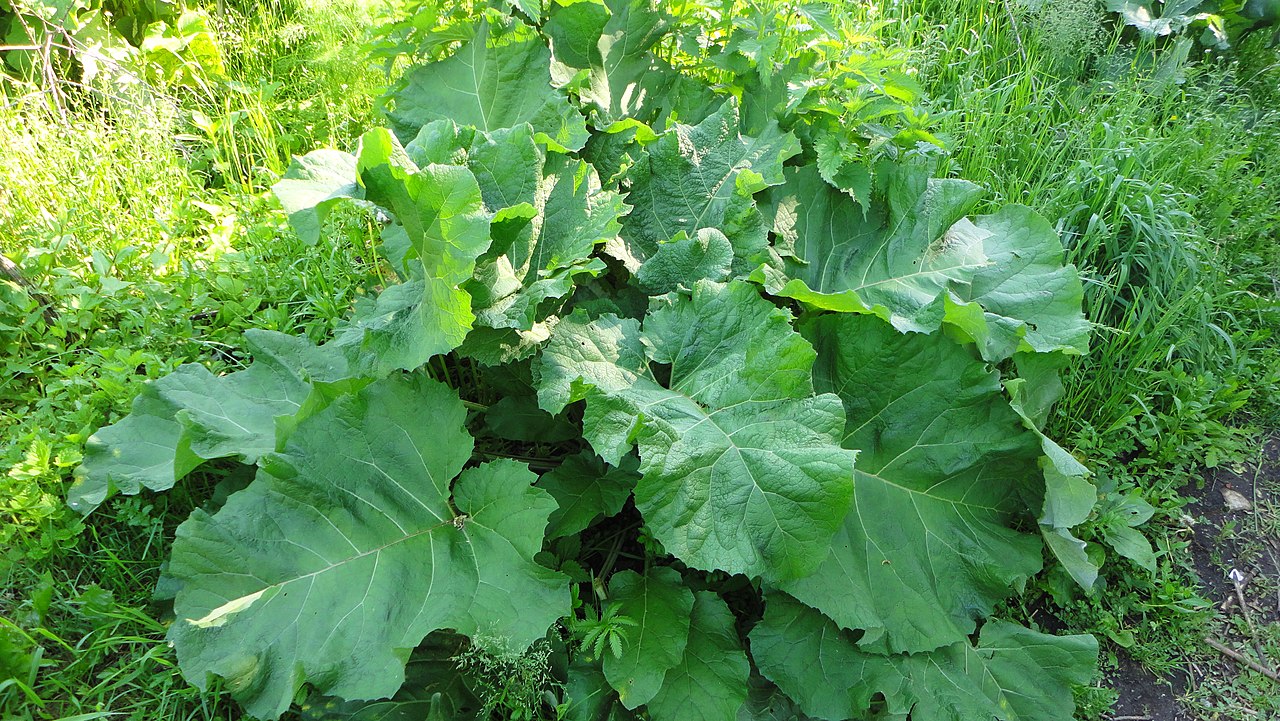

Greater burdock (Arctium cf. lappa)
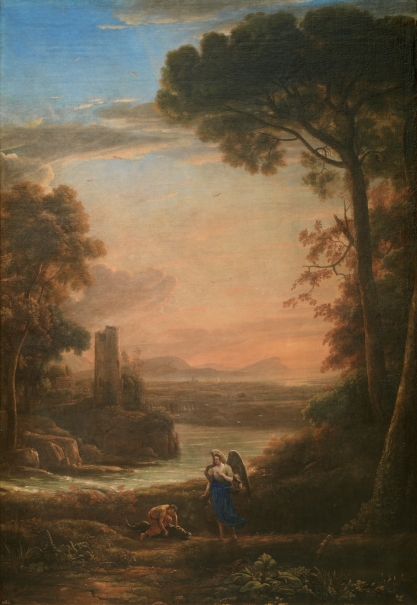
An enormous stone pine (Pinus pinea), identifiable by its large umbrella-shaped crown, rises up on the right of this painting. It helps to make the landscape seem larger and the figures smaller. It is one of the plants that must have appealed to Claude Lorrain in Rome, where he spent much of his life, and it still provides one of the city’s most recognisable botanical silhouettes. In the foreground, Lorrain has included another very singular plant: the greater burdock, a species whose huge herbaceous leaves are particularly striking.
Room 002
Artworks
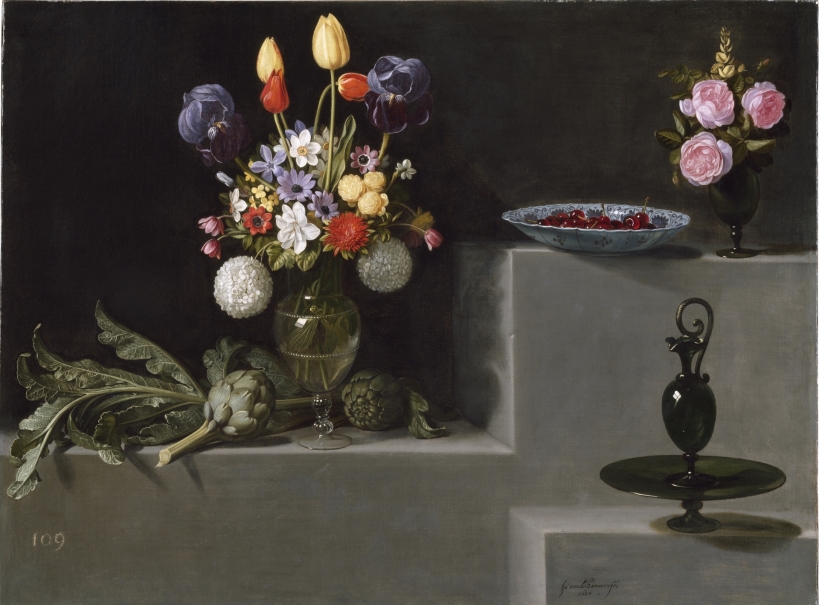
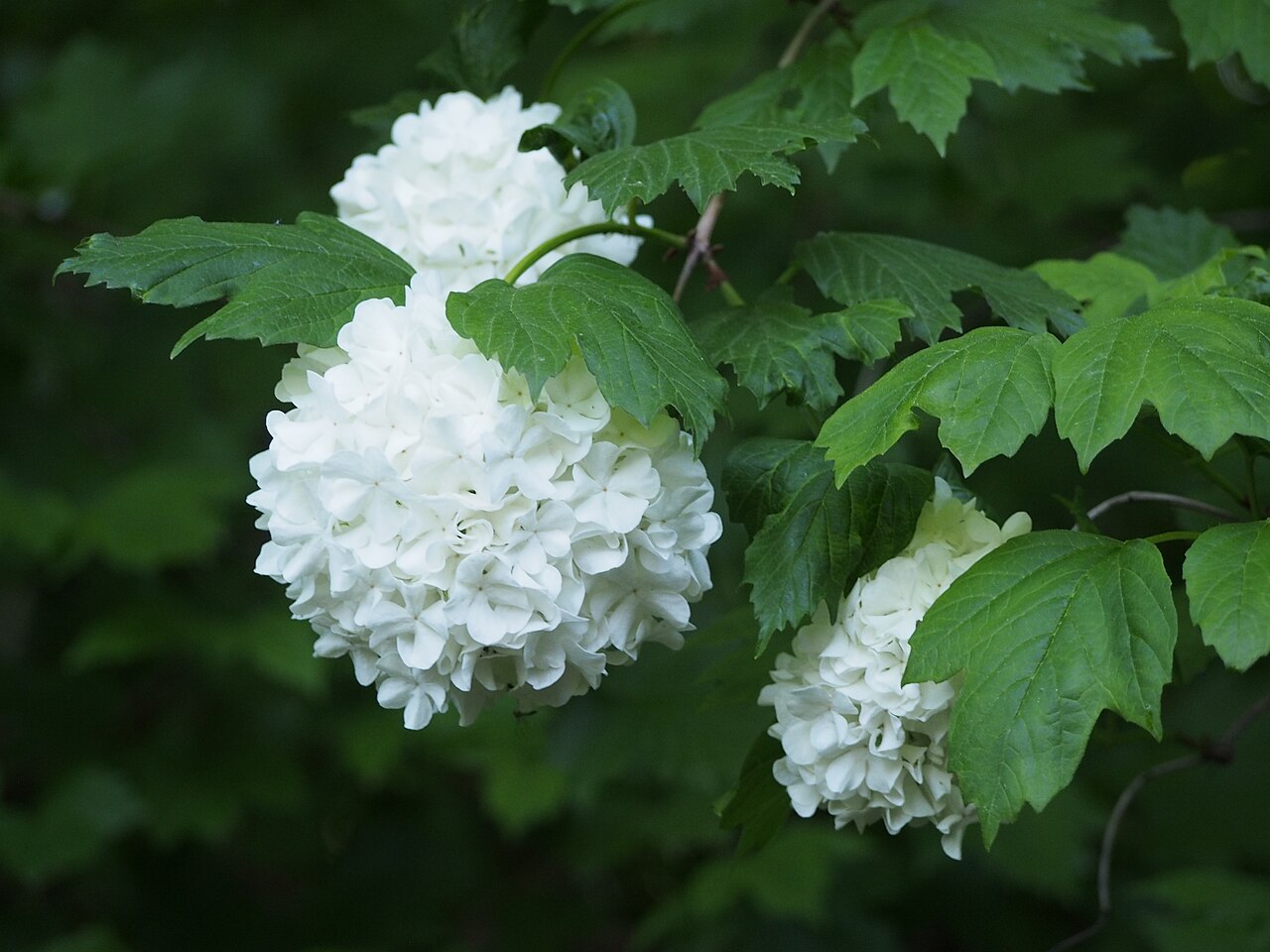
Guelder rose (Viburnum opulus var. roseum)
In the large central vase, the artist has created a floral symphony remarkable for the interplay of colours. Within the composition, each flower is matched by a counterpart identical or similar in colour: there are two blue bearded irises (Iris × germanica), two red and two yellow tulips (Tulipa cv.), two mauve anemones (Anemone hortensis) at the centre of the bouquet, and so on … Below them, our attention is drawn by the almost perfectly-spherical inflorescences of two guelder roses, a plant much appreciated by Baroque painters and also by present-day gardeners.
Room C
Artworks
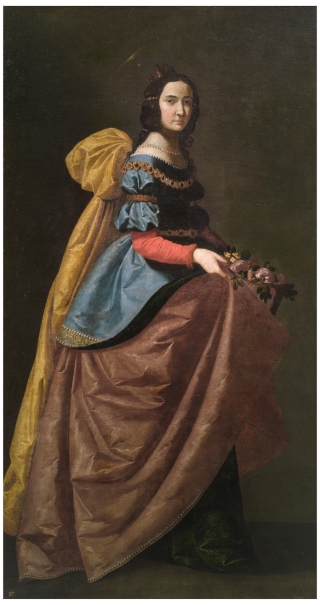
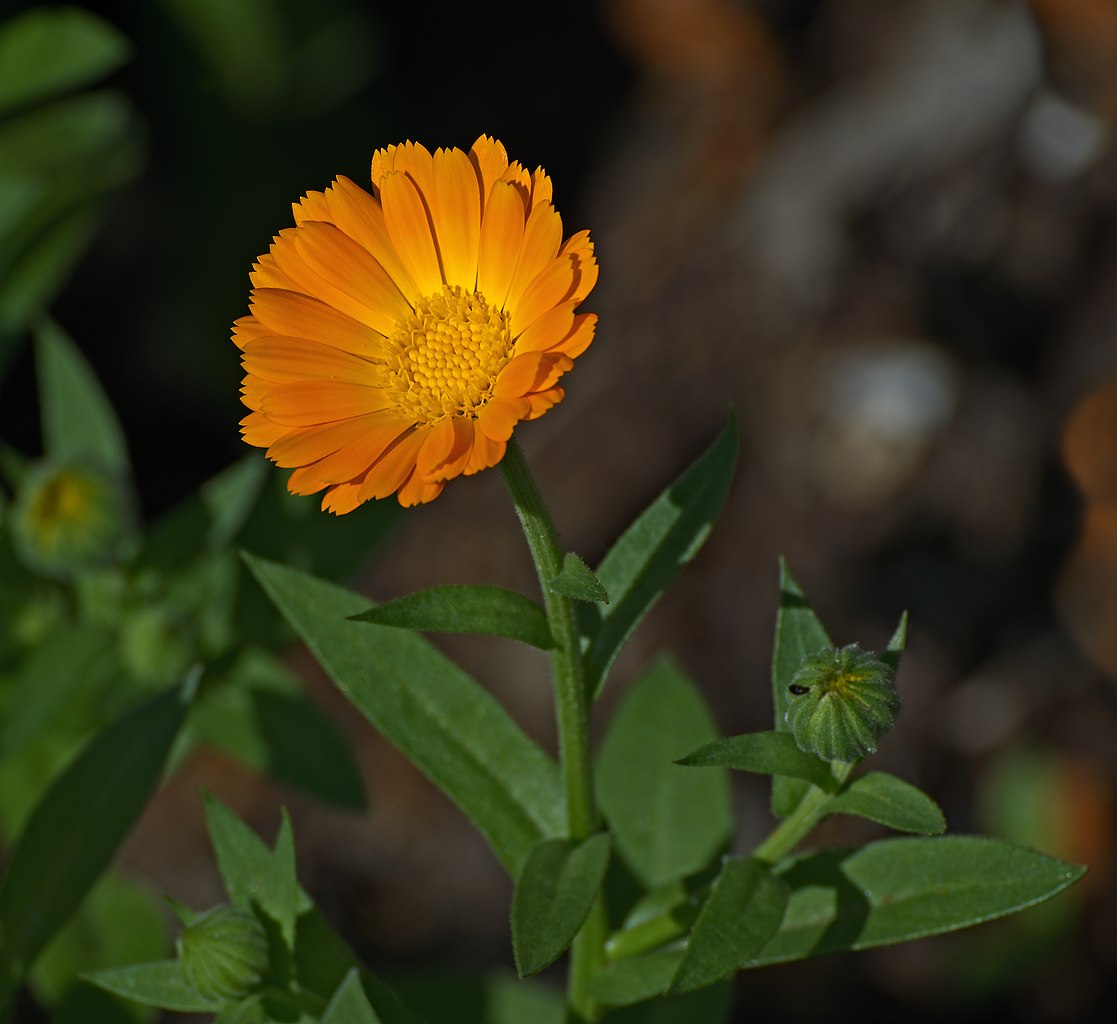

Common marigold (Calendula officinalis)
The coins carried in the folds of the saint’s robe were miraculously turned into flowers. Zurbarán chose three species very common in gardens since ancient times. These include the yellow blooms of the wallflower (Erysimum × cheiri), a member of the cabbage family that can flower for months at a time, spreading its entrancing scent. There are also a number of fragrant Provence roses (Rosa × centifolia), grown since at least the 14th century. Finally, a solitary orange marigold flower adds variety to the garden sprouting from this canvas.
Room 010A
Artworks
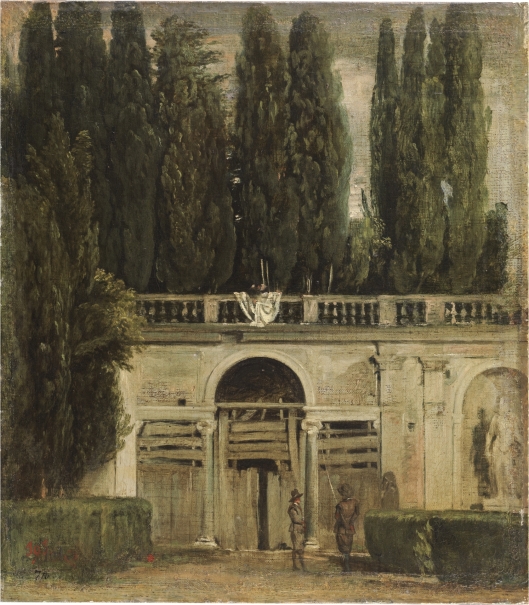
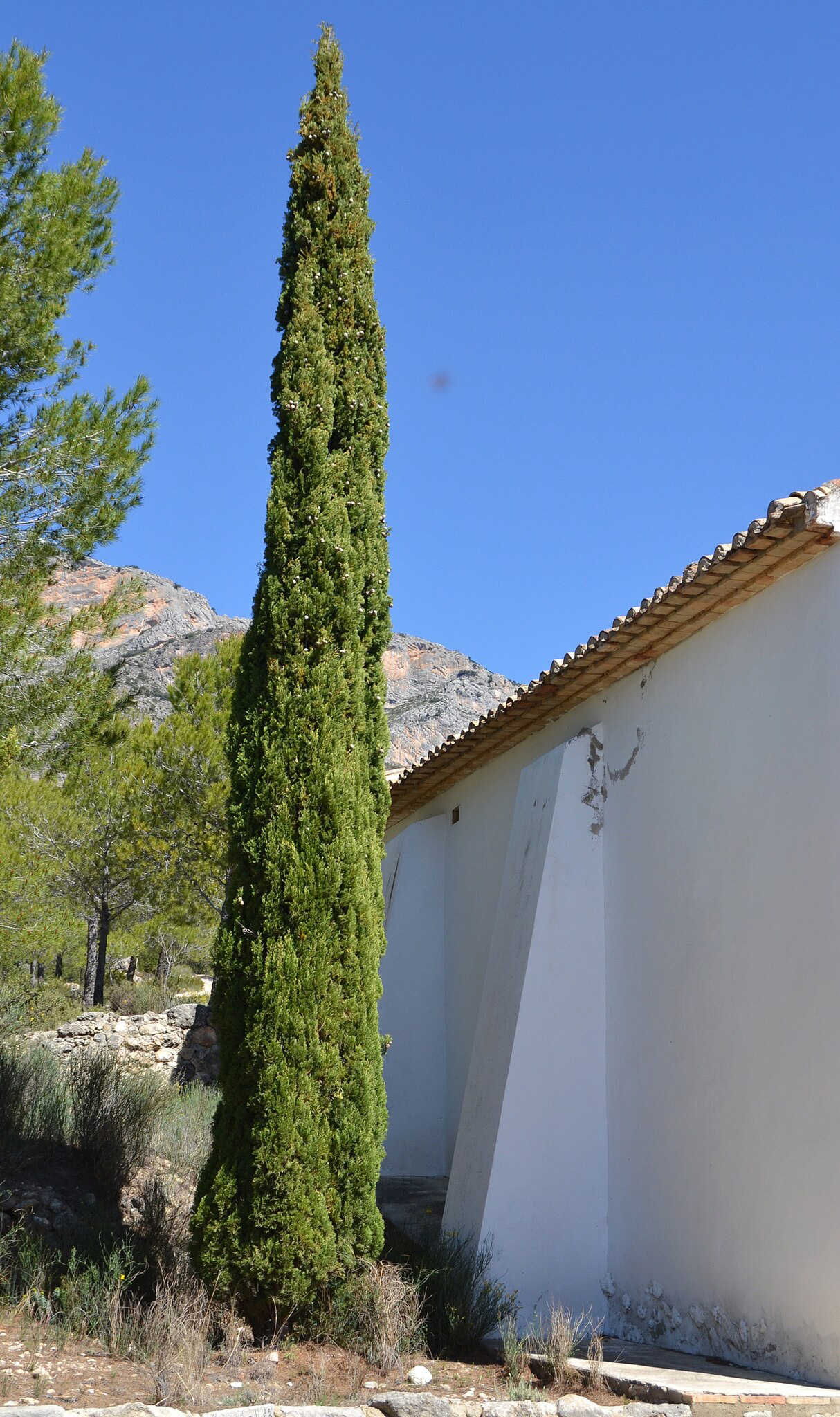

Italian cypress (Cupressus sempervirens)
The cypresses rule over this classical garden, providing a perfect backdrop to the painting with the boarded-up archway. One has a crown with more open, horizontal branches: it is known in Italy as the “female” cypress (Cupressus sempervirens f. horizontalis), although in fact both sexes are present in the same individual. In contrast, their narrow, column-shaped counterparts are known as “male” cypresses (Cupressus sempervirens). In the other painting, a number of cypresses, some of them “female”, can be discerned behind the statue of Ariadne.
Room 011
Artworks
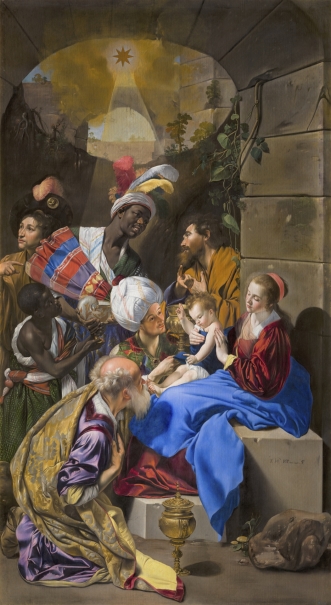
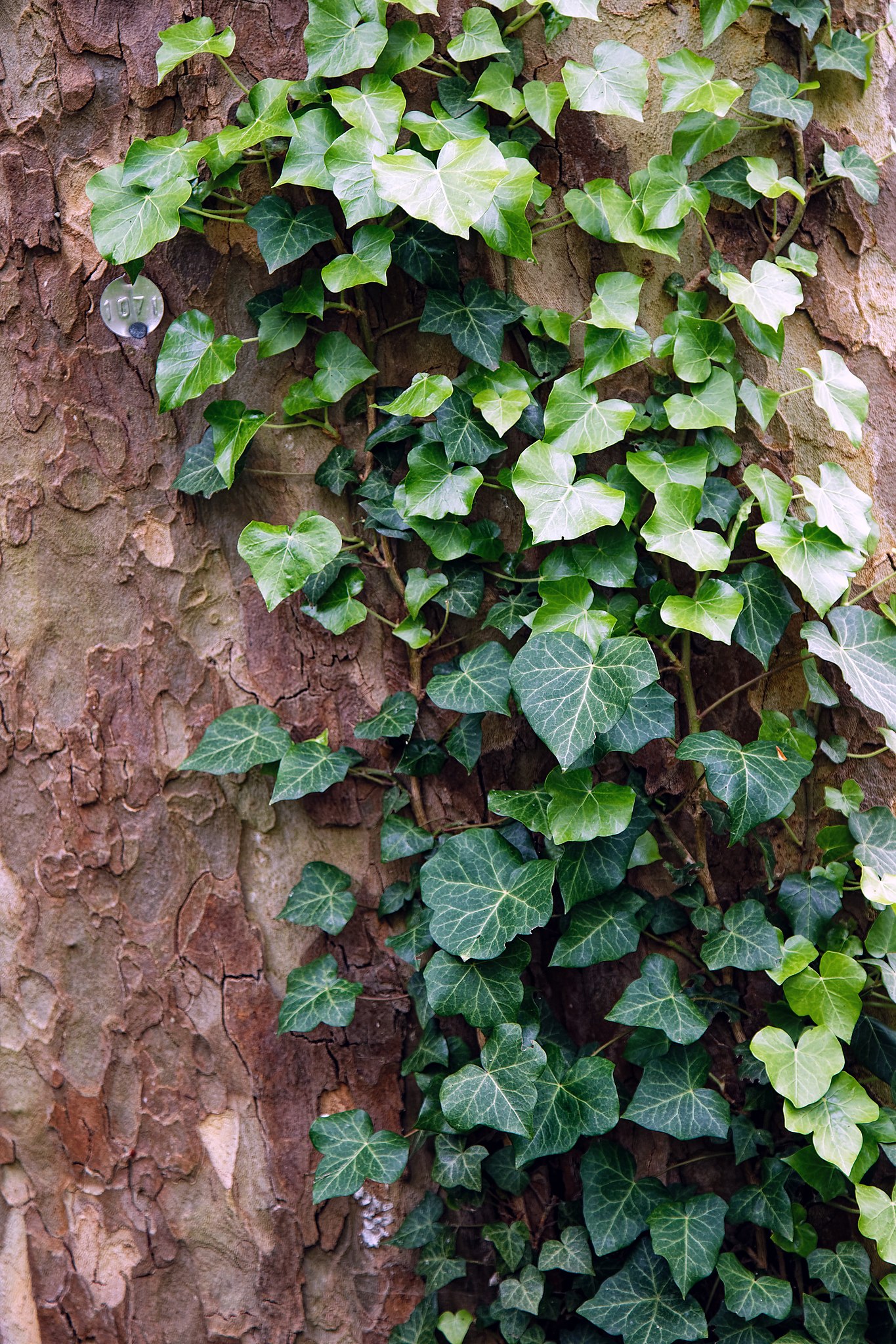

Common ivy (Hedera helix)
If the rose is the most widely-represented plant in the Museo del Prado, with its different species, varieties and cultivars, the single species featured in the largest number of works is ivy. This climbing plant often appears in the background, clinging to a wall or tree. Its forms also adorn classical statues, such as the head of the Roman god Bacchus. In this religious painting, where the artist has focused on the more rounded leaves of its fertile stems, the ivy with its evergreen foliage symbolises eternal life.
Room 009B
Artworks
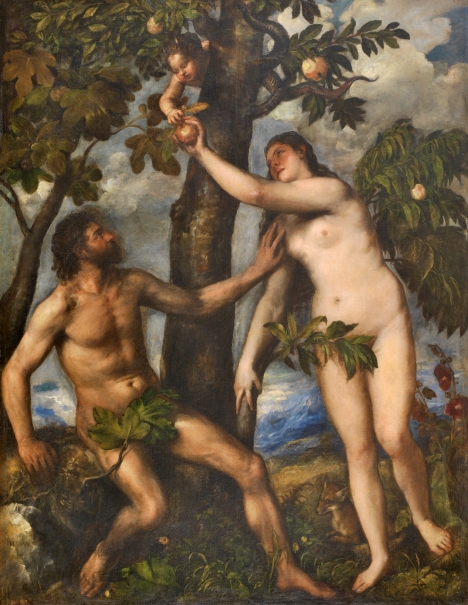
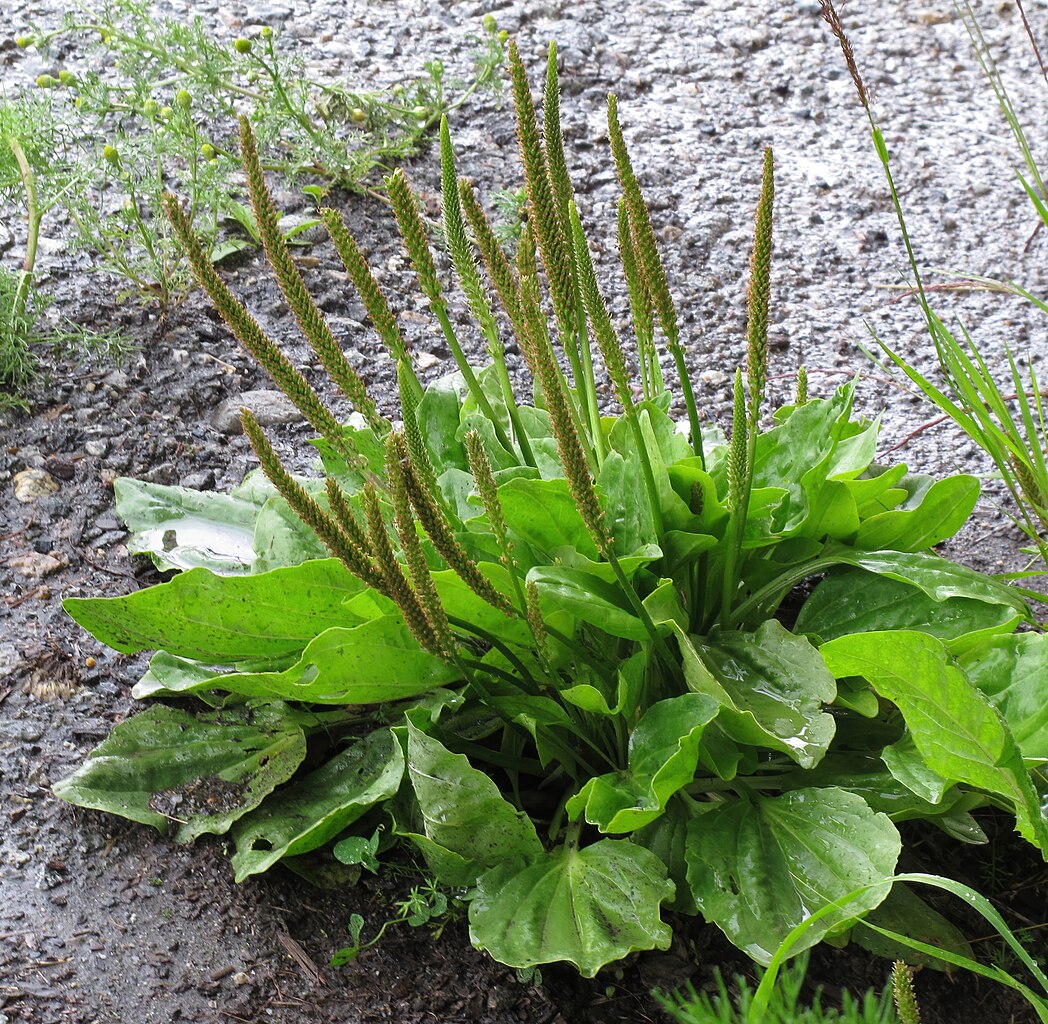

Greater plantain (Plantago major)
At Eve’s feet we can see two greater plantain inflorescences. Because of their slightly spear-like appearance, they have been linked to the martyrdom of Christ. For that reason, plantain is commonly found in Crucifixion scenes. It also embodied the struggle of good against evil, and therefore symbolised salvation. Additionally, because it tends to grow beside footpaths, it was adopted as a metaphor for the path leading to Christ. Since ancient times, its leaves – applied as a poultice – have been used to heal foot wounds after long walks.
Room 025
Artworks
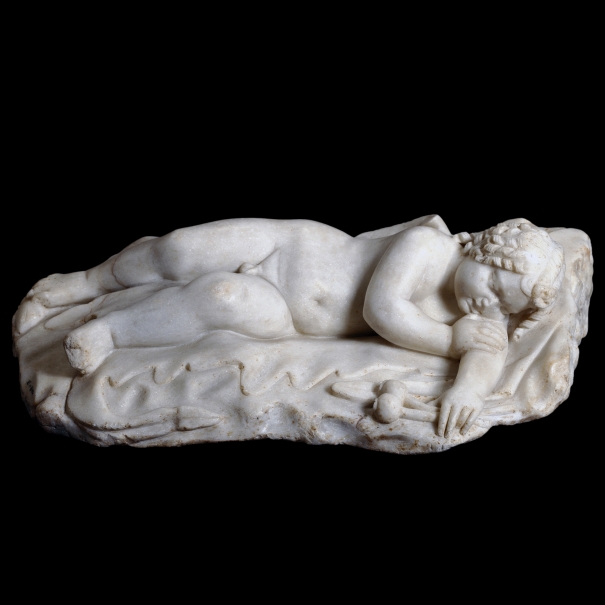
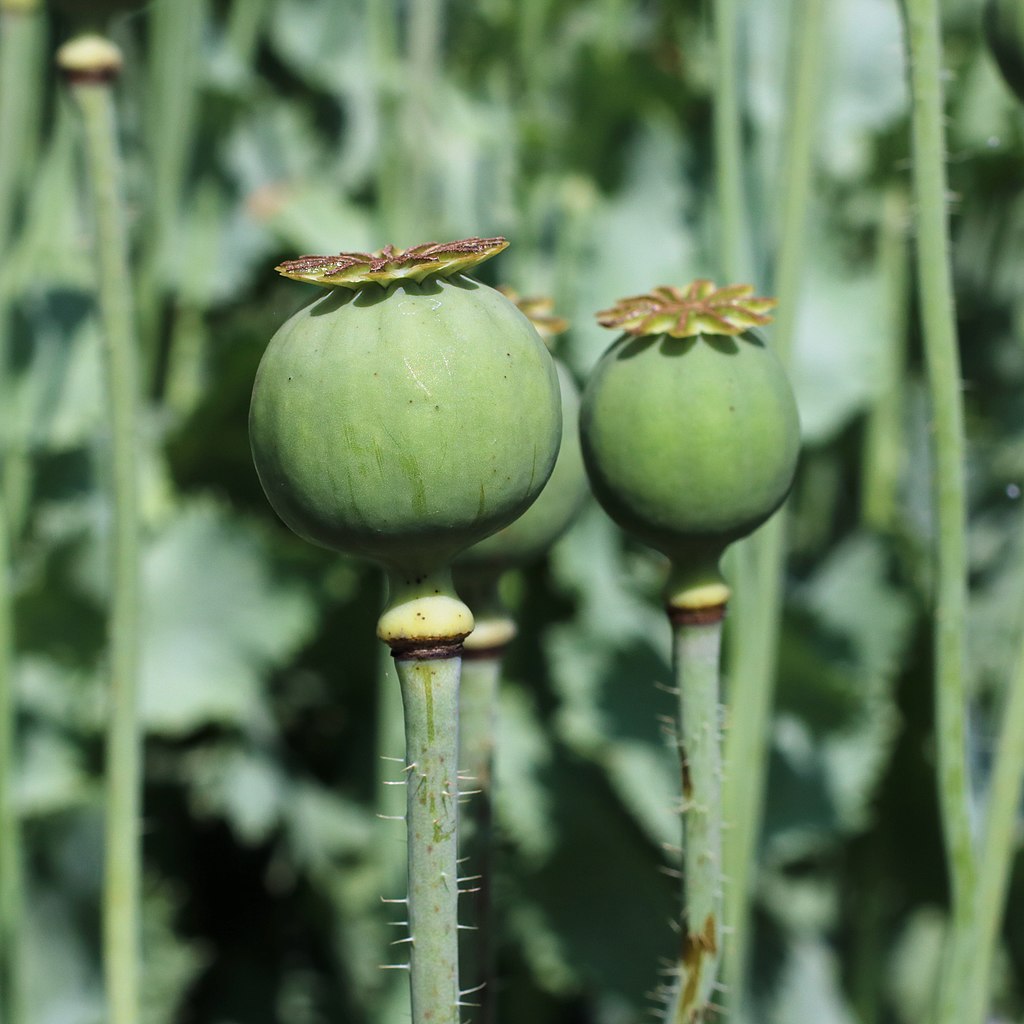
Opium poppy (Papaver somniferum)
The opium poppy is linked to a number of Greek deities, among them Hypnos, Morpheus, Cybele, Demeter and Aphrodite. Its medicinal use as a sedative has led to it being used to symbolise sleep. Here the sleeping child lightly holds two poppy fruits, from which opium resin is extracted; derivates obtained from the resin are still used today to alleviate all kinds of physical pain. In ancient Rome, opium was among the ingredients of the famous theriac, an antidote against poisons and certain diseases.
Galería Jónica Planta Principal Norte
Artworks
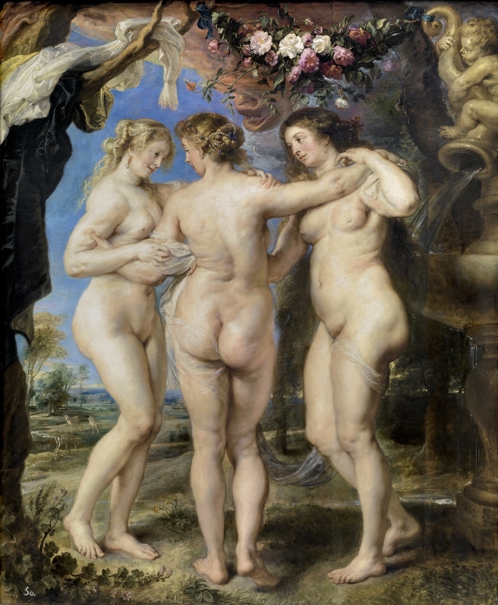
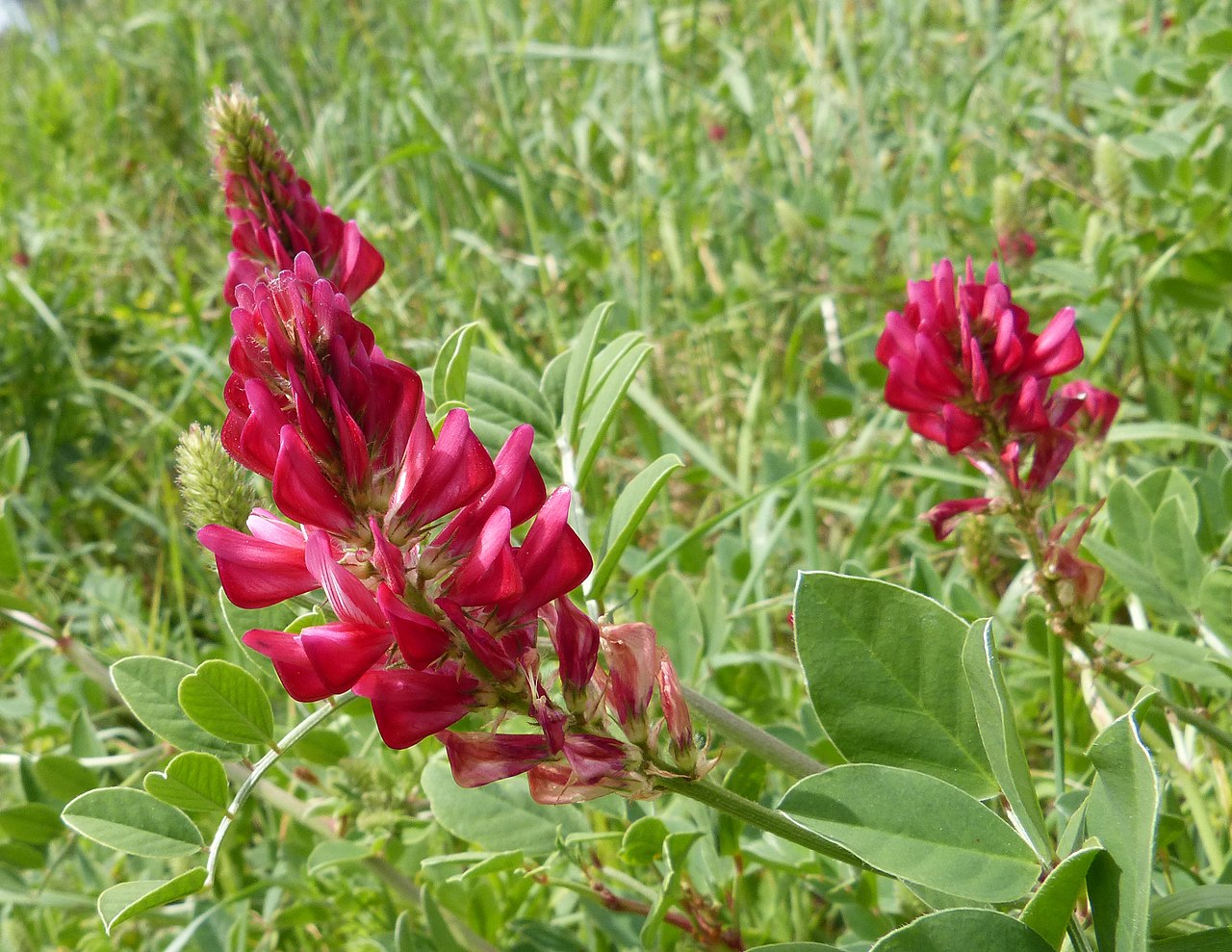

French honeysuckle (Sulla coronaria)
The three Graces meet under a floral garland, consisting mainly of roses, the symbol of love. Indeed, it may be regarded as a small compendium of the varieties most widely cultivated at that time: ‘Maiden’s Blush’, with its slightly pink tinge; the white rose of York, the Provence rose and the red Rosa gallica. Hanging from the garland, a flower is outlined against the blue sky. This is the French honeysuckle, a species not commonly found in works of art, which perhaps had a special significance for Rubens.
Room 029
Artworks
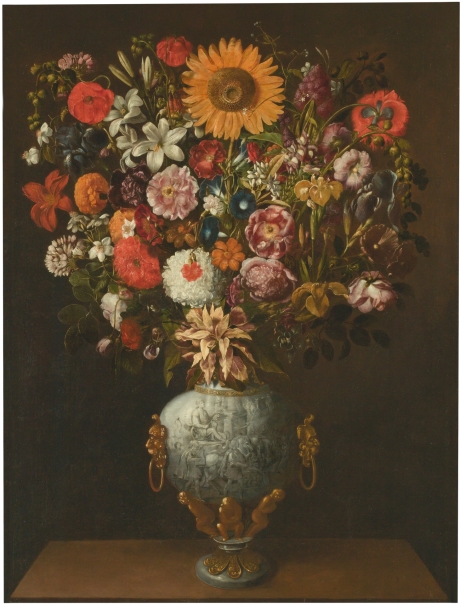
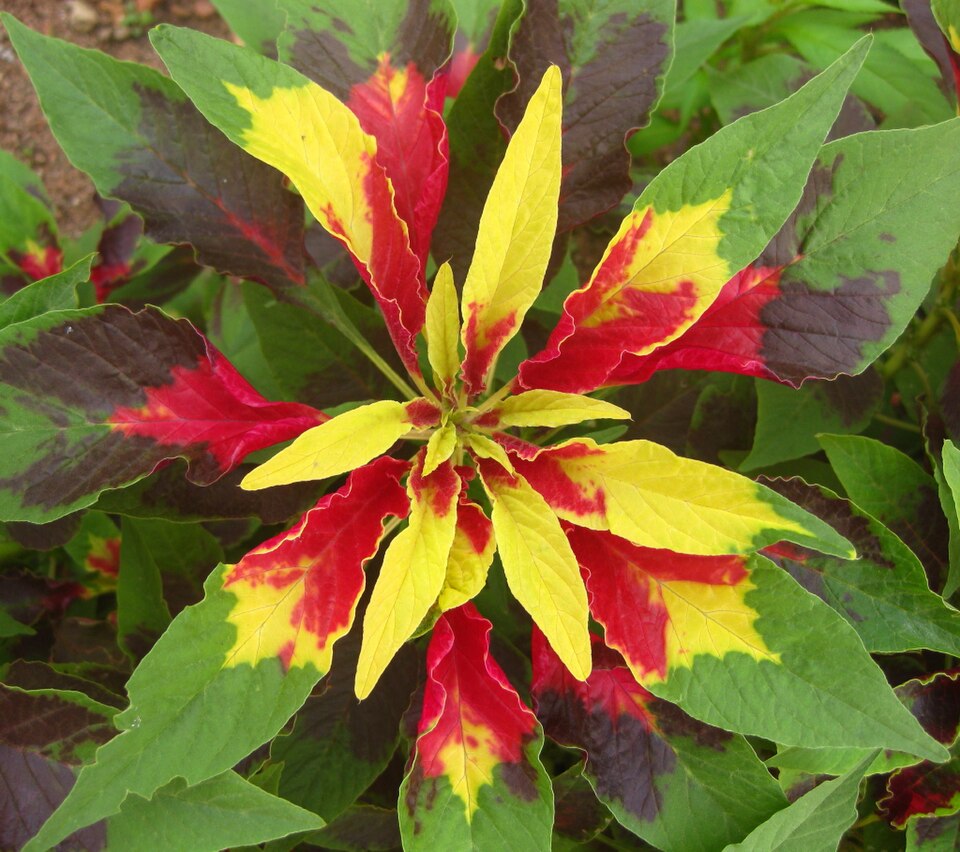

Edible amaranth (Amaranthus tricolor)
The history of plants is full of travel. Many of the species we grow today were brought from distant lands. The flowers in this vase include the common poppy (Papaver rhoeas), an archaeophyte, i.e. a species which spread as humans colonised new regions, prior to the conquest of America. Its seeds were transported alongside those of crops such as wheat. The painting depicts other plants from far-off places: the sunflower (Helianthus annuus), native to America, and the edible amaranth, from Asia.
Room 018
Artworks
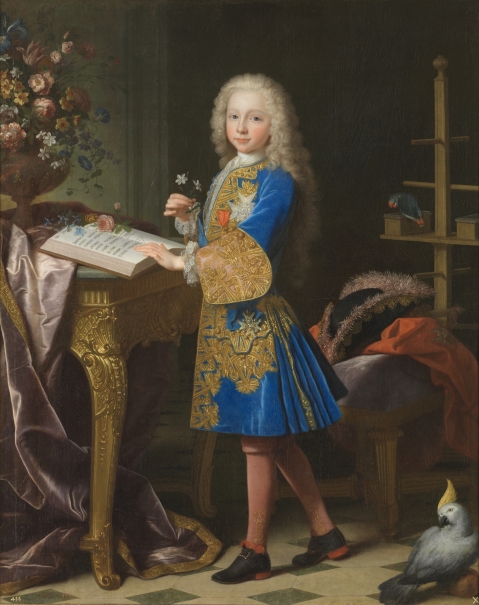
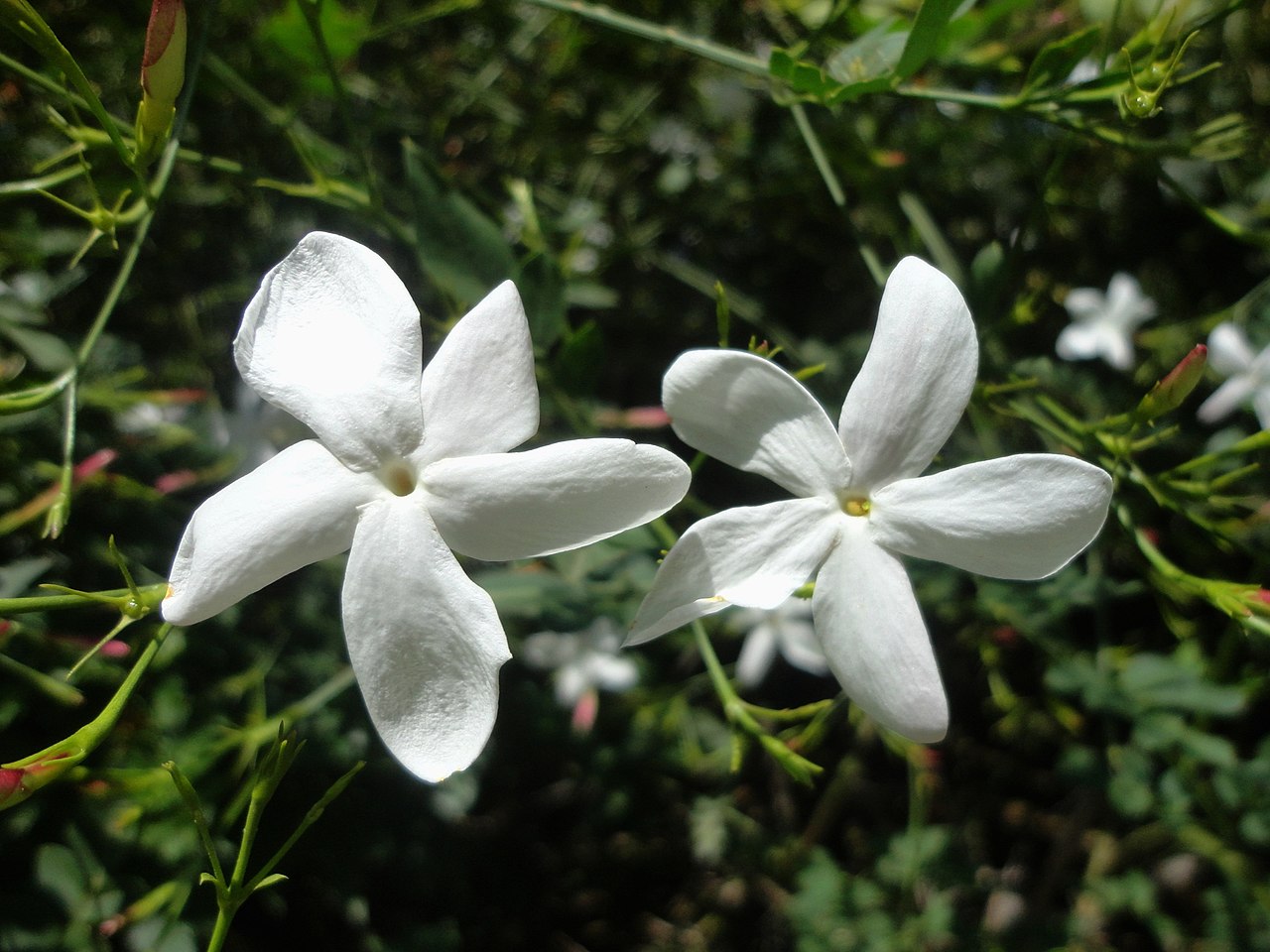

Spanish jasmine (Jasminum grandiflorum)
The large vase on the table contains a veritable garden of cut flowers. The upper part is crowned by an English iris (Iris latifolia), a plant native to the Pyrenees and the Cantabrian Mountains. Below this special flower, others are placed in a harmonious arrangement, in the same tones as the prince’s clothing. The Spanish jasmine he is holding is remarkable in that it has six petals, rather than the usual five. Perhaps the prince is keen to display this rare find, as was customary in cabinets of curiosities.
Room 020
Works from the itinerary not on display
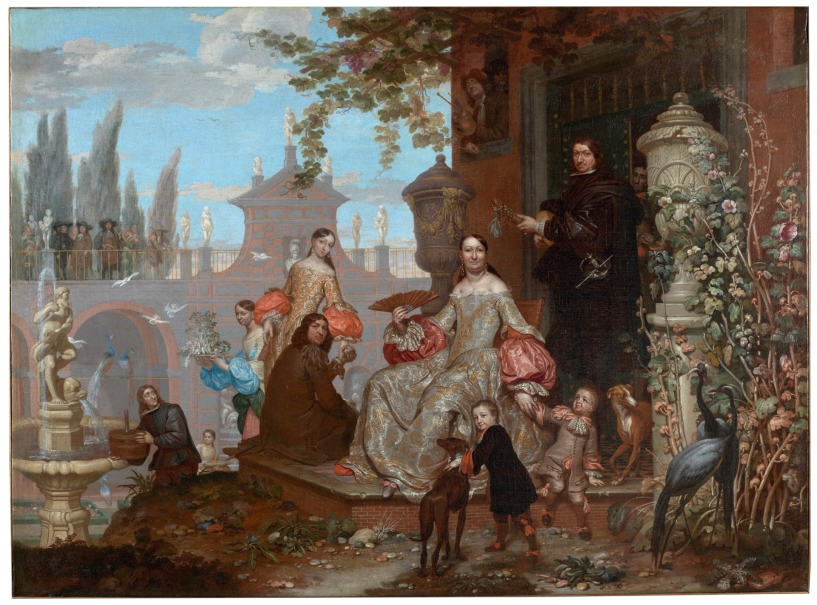
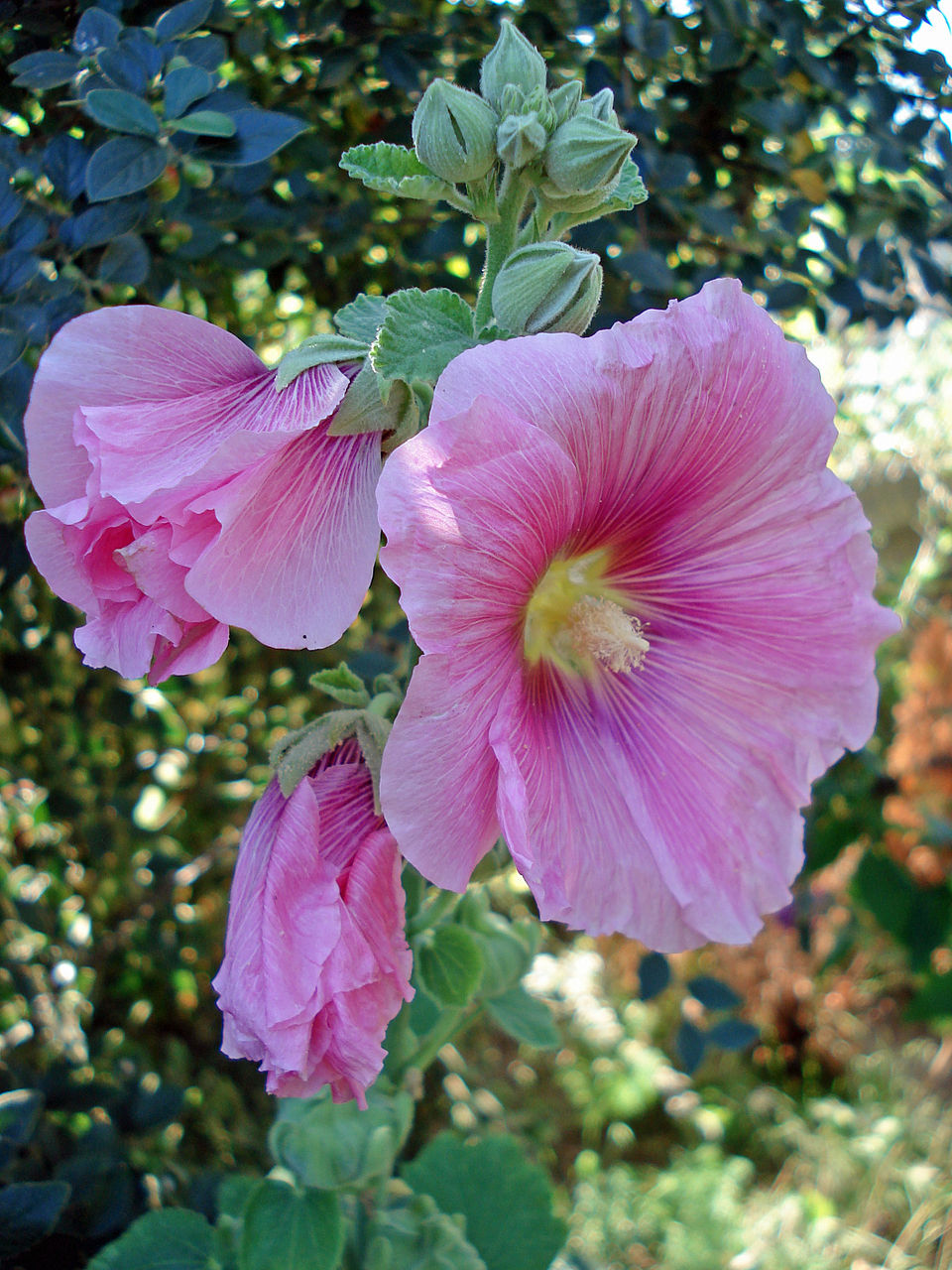
Common hollyhock (Alcea rosea)
The cypresses (Cupressus sempervirens) in the background of this garden recall those painted by Velázquez at the Villa Medici. A family is gathered at the entrance of the house, in a grapevine bower (Vitis vinifera). A number of hollyhocks have been planted beside the door, a practice still common today. They are quite tall, and dotted with flowers, many of which are pink. Hollyhocks were used to cure snakebites and scorpion stings, and are therefore regarded as beneficial.
Gerona - CaixaForum Gerona
Artworks
Artworks (25)
Rest on the Flight into Egypt
Oil on panel.
1518 - 1520. Room 055A
1518 - 1520. Room 055A
Triptych of Saints John the Baptist and John the Evangelist
Oil on panel.
1549. Room 057A
1549. Room 057A
The Fountain of Grace
Oil on panel.
1440 - 1450. Room 058
1440 - 1450. Room 058
Heinrich von Werl with Saint John the Baptist
Oil on baltic oak planks.
1438. Room 058
1438. Room 058
The Crucifixion
Oil on panel.
1509 - 1519. Room C
1509 - 1519. Room C
Mary Tudor, Queen of England
Oil on panel.
1554. Room 056
1554. Room 056
Tabletop of Don Rodrigo Calderón
Inlay.
Ca. 1615. Room 056
Ca. 1615. Room 056
The Ages of Woman and Death
Oil on panel.
1541 - 1544. Room 055B
1541 - 1544. Room 055B
The Annunciation
Tempera on poplar panel.
1425 - 1426. Room 056B
1425 - 1426. Room 056B
García de' Medici
Oil on panel.
Ca. 1550. Room 049
Ca. 1550. Room 049
Altarpiece of the Lives of the Virgin and Saint Francis
Oil, Tempera on panel.
1445 - 1460. Room 050
1445 - 1460. Room 050
The Creation of Adam, Hermitage of Vera Cruz, Maderuelo (Segovia)
Fresco painting on mural transferred to canvas.
XII century. Room 051C
XII century. Room 051C
Saint Michael the Archangel
Mixed method on panel transferred to canvas.
1495 - 1500. Room 051A
1495 - 1500. Room 051A
A Lady in her Bath (Diane de Poitiers?)
Oil on oak panel.
Ca. 1566. Room C
Ca. 1566. Room C
The Andrians
Oil on canvas.
1523 - 1526. Room 042
1523 - 1526. Room 042
The Archangel Raphael and Tobias
Oil on canvas.
1639 - 1640. Room 002
1639 - 1640. Room 002
Still Life with Artichokes, Flowers and Glass Vessels
Oil on canvas.
1627. Room C
1627. Room C
Saint Elisabeth of Portugal
Oil on canvas.
Ca. 1635. Room 010A
Ca. 1635. Room 010A
View of the Gardens of the Villa Medici, Rome
Oil on canvas.
Ca. 1630. Room 011
Ca. 1630. Room 011
The Adoration of the Magi
Oil on canvas.
1612 - 1614. Room 009B
1612 - 1614. Room 009B
Adam and Eve
Oil on canvas.
Ca. 1550. Room 025
Ca. 1550. Room 025
Sleeping Eros or Hypnos
Sculpted.
100 - 130. Galería Jónica Planta Principal Norte
100 - 130. Galería Jónica Planta Principal Norte
The Three Graces
Oil on oak panel.
1630 - 1635. Room 029
1630 - 1635. Room 029
Vase of Flowers decorated with a Triumphal Chariot seen in Profile
Oil on canvas.
1643. Room 018
1643. Room 018
Charles III as a Boy in his Study
Oil on canvas.
Ca. 1724. Room 020
Ca. 1724. Room 020
Floor 0 and -1
Floor 1
Works from the itinerary not on display
The following works were also included in the original exhibition itinerary. You can find more information here.
Family in a Garden
Oil on canvas.
1679. Gerona - CaixaForum Gerona
1679. Gerona - CaixaForum Gerona